

How to Tell If Sashimi Is Fresh: Tips from the Experts

How to Tell If Sashimi Is Fresh: Tips from the Experts

When it comes to enjoying sashimi, freshness isn’t just important—it’s everything. Unlike cooked seafood dishes, sashimi is served raw, meaning its flavour, texture, and safety depend entirely on how fresh the fish is. Whether you’re a home chef preparing your own sashimi platter or dining at a restaurant, being able to spot freshness is an essential skill. We’ve gathered insights from seafood experts and sashimi chefs to help you confidently identify high-quality, fresh sashimi every time.

1. Look at the Colour

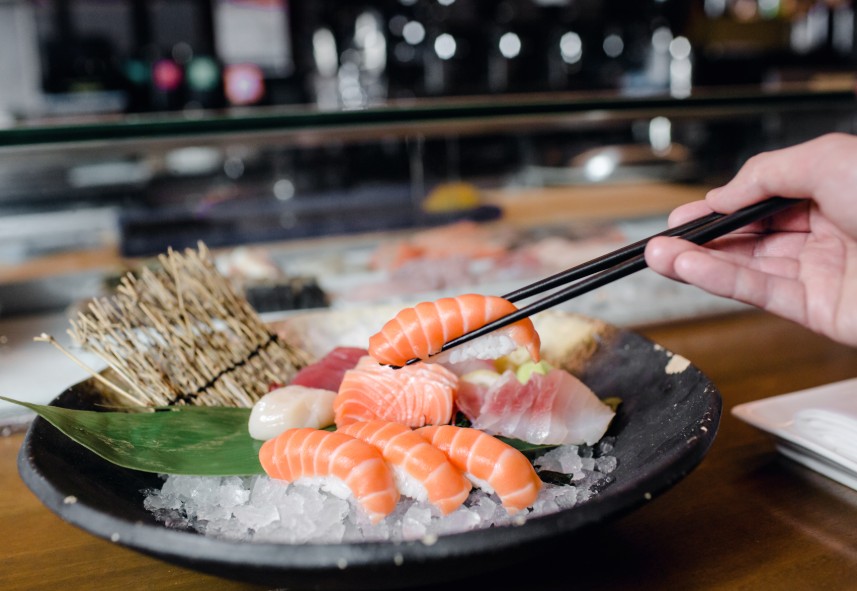
The most immediate indicator of sashimi quality is colour. Fresh tuna should be a vibrant red (not dull or brownish), salmon should glow with an orange hue and subtle marbling, and white fish like snapper or kingfish should appear clean and slightly translucent. Any signs of graying or browning indicate oxidation or aging, meaning the fish is past its prime.

Also, be wary of sashimi that looks overly bright or artificial—some suppliers use carbon monoxide treatment to maintain an illusion of freshness. Trust what looks natural.

2. Check the Texture

Touch can tell you a lot. Fresh sashimi should have a firm, slightly springy texture. Press gently: the fish should bounce back and not feel mushy or slimy. A slippery, sticky, or limp piece of sashimi is a red flag—it may mean the fish is deteriorating.

When slicing at home, a sharp knife will give you clean, defined cuts, and the fish should hold its shape well. Crumbling edges or a frayed appearance may indicate poor handling or older stock.

3. Smell the Fish

This is one of the most reliable signs of sashimi freshness. Contrary to what some might expect, fresh fish doesn’t have a strong “fishy” smell. Instead, it should smell faintly of the ocean—clean, salty, and slightly briny. If you catch even a slight whiff of ammonia or sourness, it’s time to skip that sashimi.

At reputable places like the Best fish market Gold Coast, staff ensure that fish is kept at optimum temperature and rotated frequently to maintain peak freshness and avoid spoilage.

4. Observe the Moisture

Fresh sashimi has a subtle sheen that looks moist but not wet or watery. Excess moisture can mean improper storage or thawing from frozen fish. Likewise, dryness or tough outer edges signal that the sashimi has been exposed to air for too long.

When buying or preparing sashimi, make sure it’s stored on crushed ice or in a refrigerated display, not sitting out in the open.

5. Ask About the Source

Don’t be shy about asking where the fish comes from and how recently it was delivered. A trustworthy market or restaurant will be transparent about sourcing and handling. Many sashimi-grade fish are flash-frozen at sea to preserve quality, and top providers will be upfront about these practices.

Looking for a reliable place to Buy fresh prawns Gold Coast? Reputable suppliers like Tasman Star Seafood Market not only offer sashimi-grade fish but also premium prawns, oysters, and seasonal catch sourced with care and handled by trained professionals.

6. Go to a Trusted Fishmonger

If you’re preparing sashimi at home, your best bet is to purchase from a high-quality fish market known for its freshness and integrity. Visiting the Best fish market near me ensures you’re getting seafood that meets the highest standards, from catch to counter.

At reputable markets, staff are trained to recognise and handle sashimi-grade fish. They can cut it properly, offer storage advice, and even suggest seasonal varieties best enjoyed raw.

7. Taste Tells All

Ultimately, your taste buds will confirm what your eyes and nose suspect. Fresh sashimi is buttery, delicate, and clean on the palate. Tuna will be rich without being overpowering; salmon should melt in your mouth with a slightly sweet aftertaste; white fish should be tender and mild. If the flavour is metallic, overly fishy, or leaves a bitter aftertaste, it’s likely not fresh—or worse, not safe.

8. Bonus: Look Beyond Fish

Sashimi isn’t just about tuna or salmon. Other options like scallops, squid, and prawns make excellent raw dishes. In fact, the Best prawns Gold Coast can be served raw when ultra-fresh, offering a sweet, almost creamy texture. However, freshness is even more critical with shellfish due to their delicate nature and higher spoilage risk.

If you’re trying prawn sashimi, ensure the flesh is translucent, odorless, and firm to the touch. Soft or discoloured prawns are an instant no-go.

Final Thoughts

Enjoying sashimi is a celebration of nature’s purity, precision, and simplicity. But that experience only shines when the fish is impeccably fresh. Use your senses—sight, touch, smell, and taste—and trust your instincts. Always buy from trusted sources, store it properly, and don’t hesitate to ask questions.

Whether you’re crafting sashimi at home or planning a seafood night with friends, visiting the Best fish market Gold Coast ensures you’re starting with the finest ingredients. From expertly prepared fish to the Best prawns Gold Coast, freshness begins at the source.
LensaKuliner.com: Exploring Indonesia’s Flavors Through a Digital Lens

LensaKuliner.com: Exploring Indonesia’s Flavors Through a Digital Lens

From Medan Street Eats to National Palate: The Origin Story

Founded in Medan in 2013 as an Instagram photo diary of local hawker stalls, Lensa Kuliner quickly grew into a trusted voice for Indonesia’s ever-widening foodie community. Its early success came from vivid, close-up shots of nasi padang, lontong sayur, and other comfort foods that resonated well beyond North Sumatra. By the mid-2010s the brand had migrated to a dedicated website—LensaKuliner.com—where longer, bilingual reviews paired with professional-grade photography deepened the storytelling. Today, the project has matured into a full-scale digital publication that covers everything from hidden-gem warung in Jakarta to seaside cafés in Lombok, all while retaining its original heart: celebrating honest, affordable food and the people who cook it. 

Navigating the Site: Reviews, Recipes, and Regional Guides

LensaKuliner.com is laid out like a virtual food market, with clearly labelled aisles so readers can find what they crave. “Review Tempat Makan” lists cafés, street-food carts, and all-you-can-eat buffets, each tagged by city and price range. “Kuliner Nusantara” maps local specialties region by region—helpful for travellers who want to plan their next bite before booking a ticket—while the newer “Resep Rumahan” section breaks down classic dishes such as ifumie ayam into step-by-step, weekend-friendly tutorials. A persistent search bar and responsive mobile design make the site feel lightweight even on slower Indonesian data plans, and every article ends with practical tips: operating hours, Google Maps pins, and halal status where relevant. 

Empowering Small Vendors Through Digital Storytelling

Beyond restaurant rankings, Lensa Kuliner acts as a microphone for micro-entrepreneurs. Many featured stalls operate on shoestring budgets, yet a single post can generate queues that wrap around the block. The editors practice what they call “ethical tasting”—paying for all meals and disclosing collaborations—so reviews read less like ads and more like neighborhood gossip with journalistic rigor. Vendors report revenue jumps of 20-40 percent within weeks of publication, underlining how digital visibility can level the culinary playing field. Stories also spotlight heritage recipes at risk of disappearing, preserving oral histories in searchable form and nudging younger cooks to continue family legacies.

Riding the Wave of Culinary Tourism in Indonesia

Indonesia’s Ministry of Tourism projects domestic culinary trips to surpass 500 million by 2026, and Lensa Kuliner positions itself at the intersection of that boom. City guides double as weekend itineraries, encouraging readers to spread their spending across multiple vendors rather than crowding a single viral spot. The site’s bilingual (Bahasa and English) approach captures both local eaters and inbound travelers who are scheduling “nibbling tours” between temples and beaches. Articles weave in cultural context—how West Sumatra’s volcanic soil shapes chili heat, or why Balinese lawar is traditionally prepared communally—inviting visitors to taste with respect, not just curiosity.

Social Media Synergy: TikTok, Instagram, and Viral Bites

While long-form posts anchor the brand, real-time engagement happens on social platforms. The TikTok account (@lensakuliner) mixes slow-motion cheese pulls with punch-line price reveals, racking up millions of views and funnelling traffic back to the site. Over on Instagram, 293 000+ followers scroll through carousel reviews and 15-second “slurp tests.” Short-video popularity influences editorial direction; a trending lontong sayur clip can prompt a deeper analytical story about coconut-milk inflation or street-vendor licensing. This feedback loop keeps the platform fresh and ensures that web articles answer the exact questions audiences are already asking in comment sections. 

SEO and Content Strategy: What Makes Lensa Kuliner Stand Out

Technically, LensaKuliner.com is optimized for both Indonesian and international search queries. Titles balance local keywords (“Sate Legendaris di Purnawarman”) with descriptive English slugs, and alt-text on images is meticulously filled in—crucial for food content, where half the appeal is visual. The editorial calendar aligns posts with national holidays like Ramadan and Independence Day, periods when search interest for special-occasion dishes spikes. Evergreen guides (e.g., “Jakarta 24-Hour Eats”) are refreshed quarterly to maintain ranking authority. Backlinks flow naturally from travel bloggers and news outlets that embed Lensa Kuliner recommendations in “best of” lists, creating a virtuous circle of credibility.

Future Horizons: Sustainability, Community, and Expansion

Looking ahead, Lensa Kuliner plans to pilot a “green plate” label that highlights vendors using biodegradable packaging or sourcing hyper-local ingredients. A forthcoming podcast will let hawkers tell their own stories in their own dialects, capturing the soundscape—clanging woks, clinking glasses—that photos alone can’t convey. There is also talk of launching an English-language sister site to cater to the growing number of food-driven tourists from Australia and Europe. Whatever shape the project takes, its mission will remain constant: to document Indonesia’s dazzling culinary diversity and to prove that the best way to understand a culture is still, and always, to taste it—one spoonful at a time.

Community Engagement and Food Events

LensaKuliner.com doesn’t only exist online—it’s also known for curating real-world culinary experiences. The platform regularly partners with local municipalities and tourism boards to host food festivals, street food bazaars, and cooking competitions. These events help strengthen relationships between vendors and customers, offering the public an opportunity to meet the faces behind their favorite dishes.

Workshops are also part of the Lensa Kuliner agenda. From food photography and styling to content writing for culinary businesses, these workshops empower aspiring food bloggers and micro-entrepreneurs to establish their own digital presence. The Lensa Kuliner team emphasizes inclusivity, ensuring that small vendors, even those without internet access or digital literacy, are represented fairly and effectively.

By building a community that stretches beyond screens, Lensa Kuliner reinforces its role not just as a content platform, but as a driver of grassroots culinary culture.

Final Thoughts: A Digital Gateway to Indonesia’s Culinary Heart

LensaKuliner.com is more than a website—it’s a movement. It connects people to their heritage, introduces travelers to the true taste of Indonesia, and helps small businesses survive and thrive in an increasingly competitive world. Through its compelling storytelling, practical guides, and ethical approach, Lensa Kuliner shows how food can be both a delicious journey and a powerful tool for cultural preservation and economic empowerment.

As culinary tourism continues to grow and digital media shapes the way we eat, Lensa Kuliner remains at the forefront—an honest, flavorful, and beautifully photographed guide to what’s cooking across the archipelago.