Traditional St. Patrick’s Day Food: The Dishes I Learned to Make for a Proper Irish Celebration

Traditional St. Patrick’s Day Food: The Dishes I Learned to Make for a Proper Irish Celebration

The first time I tried cooking a full St. Patrick’s Day dinner, I’ll admit I didn’t really know what counted as “traditional.” I figured throwing together corned beef and some green-colored desserts would be enough. Turns out, there’s a lot more history and flavor behind traditional St. Patrick’s Day food than I realized.

I remember standing in the kitchen with a pot of corned beef simmering away, cabbage chopped up, and potatoes everywhere on the counter. It smelled amazing, but I also felt like I was guessing half the time. Over the years though, I started learning which dishes are truly classic and how they’re usually prepared.

Some recipes came from old cookbooks, others from chatting with folks who grew up with Irish cooking traditions. A few attempts failed pretty badly, if I’m honest. My first Irish soda bread was dense enough to stop a door from closing. But after enough practice, these dishes became some of my favorite comfort foods.

So if you’re planning a St. Patrick’s Day meal, here are some of the most traditional Irish foods that show up on the table year after year.

Corned Beef and Cabbage

When most people think about St. Patrick’s Day food, corned beef and cabbage is usually the first dish that comes to mind.

This meal has become strongly associated with Irish-American celebrations.

Why Corned Beef Became a St. Patrick’s Day Classic

Interestingly, corned beef wasn’t originally a staple in Ireland. Irish immigrants in the United States began cooking it because beef brisket was more affordable and available than traditional Irish bacon.

They paired it with cabbage and potatoes, creating a dish that slowly became the centerpiece of St. Patrick’s Day meals.

How It’s Typically Served

A classic plate usually includes:

Slow-cooked corned beef
Boiled cabbage wedges
Carrots
Potatoes

Everything cooks together in the same pot, absorbing the salty and savory broth.

The first time I made it, I cooked the cabbage too long and it turned mushy. Now I add it during the last 15 minutes so it stays tender but not overdone.

Irish Soda Bread

Irish soda bread is one of the easiest traditional breads you can make.

And thankfully, it doesn’t require yeast.

What Makes Soda Bread Unique

Instead of yeast, soda bread uses baking soda as the leavening agent.

Traditional ingredients include:

Flour
Buttermilk
Baking soda
Salt

The buttermilk reacts with the baking soda, helping the bread rise.

The dough comes together quickly, which is perfect if you’re not in the mood for a long baking project.

A Lesson I Learned the Hard Way

My first soda bread was tough because I overworked the dough.

This bread actually prefers a gentle touch.

Mix just until the ingredients come together. That’s it.

Too much kneading makes the bread dense.

Irish Stew

If there’s one dish that truly feels like traditional Irish comfort food, it’s Irish stew.

This meal has been around for centuries.

Classic Irish Stew Ingredients

Traditional Irish stew usually includes:

Lamb or mutton
Potatoes
Onions
Carrots
Fresh herbs like thyme or parsley

Everything simmers slowly in a pot until the meat becomes tender and the broth thickens.

The result is a hearty, rustic stew that warms you up fast.

Why Slow Cooking Matters

Irish stew isn’t meant to be rushed.

Low heat and long cooking time allow the flavors to develop.

I tried speeding it up once by using higher heat, and the meat came out tough. Lesson learned.

Colcannon

Colcannon is one of those dishes that feels incredibly simple but tastes surprisingly rich.

It’s basically mashed potatoes mixed with greens and butter.

Typical Colcannon Ingredients

Most recipes include:

Mashed potatoes
Butter
Cabbage or kale
Green onions
Milk or cream

The greens are cooked first, then folded into the mashed potatoes.

The Secret to Great Colcannon

Butter.

Lots of butter.

Traditional versions often include a small pool of melted butter in the center of the mashed potatoes.

Each spoonful gets dipped into it.

It’s not exactly a light dish, but wow it’s good.

Boxty (Irish Potato Pancakes)

Potatoes are a major part of Irish cooking, and boxty is one of the more interesting ways they’re used.

Boxty is a type of potato pancake that combines grated potatoes with mashed potatoes.

Boxty Ingredients

Typical boxty batter includes:

Raw grated potatoes
Mashed potatoes
Flour
Buttermilk
Salt and pepper

The mixture is fried in a pan until crispy on the outside.

Why I Love Making Boxty

The first time I made boxty, I was surprised by the texture.

It’s crispy like a pancake but soft inside like mashed potatoes.

Honestly, it’s one of those foods that disappears quickly once served.

Shepherd’s Pie

Another hearty dish often served during St. Patrick’s Day celebrations is shepherd’s pie.

This baked dish is incredibly comforting.

What Goes Into Shepherd’s Pie

Traditional shepherd’s pie includes:

Ground lamb
Onions
Carrots
Peas
Gravy
Mashed potato topping

Everything is layered in a baking dish and baked until the potatoes form a golden crust.

My First Attempt Was… Interesting

The first shepherd’s pie I made was way too watery.

I learned that letting the filling simmer a bit longer thickens the gravy and prevents soggy layers.

Now I let the meat mixture cook down before assembling the pie.

Bangers and Mash

This dish is simple but incredibly satisfying.

Bangers and mash consists of sausages served with mashed potatoes and onion gravy.

Classic Components

A traditional plate includes:

Pork sausages
Creamy mashed potatoes
Rich onion gravy

The gravy is usually made by slowly cooking onions until caramelized, then adding broth.

Why It’s So Popular

It’s quick, filling, and full of flavor.

Sometimes the simplest meals end up being the most comforting.

Irish Apple Cake

Dessert is often overlooked during St. Patrick’s Day meals, but Irish apple cake is a wonderful traditional treat.

What Makes Irish Apple Cake Different

It’s not overly sweet.

The cake is usually packed with sliced apples and lightly spiced with cinnamon or nutmeg.

Many recipes serve it with a warm custard sauce.

Why I Keep Coming Back to This Recipe

The first time I baked Irish apple cake, the house smelled incredible.

Apples and cinnamon baking together is hard to beat.

It’s simple, rustic, and perfect after a hearty meal.

Traditional Irish Drinks

No St. Patrick’s Day meal feels complete without something to drink.

Irish Tea

Tea is extremely popular in Ireland.

Strong black tea served with milk often accompanies meals or desserts.

Irish Coffee

Irish coffee combines:

Hot coffee
Irish whiskey
Sugar
Cream

The cream floats on top, creating a smooth finish.

It’s a cozy drink, especially after dinner.

Why Food Is Such a Big Part of St. Patrick’s Day

Food brings people together, and St. Patrick’s Day celebrations often revolve around shared meals.

Many of these dishes are hearty, simple, and built around affordable ingredients.

That’s part of their charm.

They were originally everyday meals meant to feed families with what was available.

Final Thoughts on Traditional St. Patrick’s Day Food

Cooking traditional St. Patrick’s Day dishes taught me something interesting.

Irish food isn’t complicated or fancy. Instead, it focuses on simple ingredients prepared well.

Potatoes, cabbage, meat, butter, and bread appear again and again.

But when those ingredients are cooked slowly and thoughtfully, they become incredibly comforting meals.

Now whenever St. Patrick’s Day rolls around, I find myself returning to these classic recipes. And even though my first attempts weren’t perfect, learning how to cook these dishes has been a pretty fun journey.

Lemon Curd Recipe: How I Learned to Make Smooth, Tangy Lemon Curd at Home

Lemon Curd Recipe: How I Learned to Make Smooth, Tangy Lemon Curd at Home

The first time I tried making lemon curd, I was convinced it would be complicated. Anything that looks silky, glossy, and bakery-level fancy usually scares people a little. At least it scared me.
But after messing it up once (okay… maybe twice), I realized lemon curd is actually one of the simplest desserts you can make. The trick isn’t fancy ingredients or equipment. It’s patience and gentle heat.
If you’ve ever tasted fresh lemon curd spread on warm toast, spooned over pancakes, or layered in a cake, you know exactly why people love it. It’s sweet, tangy, creamy, and ridiculously bright in flavor.
So let me walk you through the lemon curd recipe I’ve come to trust after plenty of kitchen experiments. Along the way I’ll share the mistakes I made and the little tricks that made everything work.

What Exactly Is Lemon Curd?

Before making it, I actually had a weird assumption about lemon curd. I thought it was some kind of custard or pudding. Turns out, it’s closer to a citrus dessert spread.
Lemon curd is made from just a few simple ingredients:
• Fresh lemon juice
• Lemon zest
• Eggs
• Sugar
• Butter
When these are cooked slowly together, they transform into a smooth, thick, creamy spread.
And the flavor? Bright and tangy with just enough sweetness to balance the acidity.
It’s commonly used in:
• Lemon tarts
• Cake fillings
• Pancakes or waffles
• Scones and toast
• Yogurt parfaits
Honestly, I’ve eaten it straight from the spoon before. No regrets.

The Simple Lemon Curd Ingredients

The beauty of lemon curd is how simple the ingredient list is. Nothing fancy at all.

Ingredients

For a classic homemade lemon curd, you’ll need:
• 3 large eggs
• ½ cup fresh lemon juice (about 3–4 lemons)
• 1 tablespoon lemon zest
• ¾ cup sugar
• 6 tablespoons unsalted butter
• Pinch of salt (optional)
Fresh lemons are important here. Bottled lemon juice works in emergencies, but the flavor isn’t nearly as bright.
The zest especially adds a lot of aroma. I didn’t realize how important zest was until I skipped it once… the curd tasted kinda flat.

Tools That Make the Process Easier

You don’t need special equipment, but a few tools help.

Recommended Kitchen Tools

• Medium saucepan
• Whisk
• Fine mesh strainer
• Microplane or zester
• Glass jar or container for storage
A fine mesh strainer isn’t mandatory, but it makes the curd ultra smooth. I didn’t use one my first time and tiny egg bits appeared. Not terrible, but not perfect either.

Step-by-Step Lemon Curd Recipe

This process might look simple, but there are a couple small details that matter.

Step 1: Whisk Eggs and Sugar Together

Start by whisking the eggs and sugar in a saucepan.
Mix until the texture looks smooth and slightly pale.
At this stage it feels like you’re making scrambled eggs… and yeah, that thought crossed my mind too the first time.
But don’t worry, it works out.

Step 2: Add Lemon Juice and Zest

Next, whisk in the lemon juice and lemon zest.
The mixture becomes thinner once the juice goes in.
The smell at this stage is amazing. Bright lemon scent everywhere.

Step 3: Cook Over Low Heat

Place the saucepan on low to medium-low heat.
This is the part where patience matters.
Whisk constantly as the mixture warms.
After about 5–10 minutes, the curd begins thickening.
You’ll notice it coating the back of a spoon. That’s the moment you want.

The Biggest Mistake I Made When Cooking Lemon Curd

The first time I tried making lemon curd, I rushed the heat.
Bad move.
The eggs started scrambling slightly and the curd became grainy.
Lemon curd hates high heat. Seriously.
Always cook it gently and keep whisking.
If the heat stays low, the eggs thicken the mixture slowly without turning into scrambled eggs.

Adding Butter for That Creamy Texture

Once the curd thickens, remove the saucepan from the heat.
Then stir in the butter.

Why Butter Is Added Last

Butter melts into the hot curd and creates the rich, silky texture lemon curd is known for.
Adding it earlier can sometimes make the texture greasy.
Adding it at the end gives the curd a glossy finish.
I used to skip butter once when experimenting… big mistake. The flavor wasn’t nearly as rich.

Straining the Lemon Curd (Optional but Worth It)

If you want ultra-smooth lemon curd, pour it through a fine mesh strainer into a jar or bowl.
This removes:
• Lemon zest pieces
• Any small egg bits
• Tiny lumps
Some people leave the zest in for extra flavor. Both ways work.
Personally I strain it when using curd for cakes or desserts.

How Thick Lemon Curd Should Be

Fresh lemon curd thickens even more as it cools.
When warm, it may look slightly loose.
Once chilled, it becomes spreadable like a soft jam or custard.
If it’s still very thin after cooling, it probably needed a little more cooking time.
But usually the texture fixes itself once refrigerated.

How to Store Homemade Lemon Curd

Lemon curd stores surprisingly well.

Refrigerator Storage

Place lemon curd in a sealed container or jar.
It will last about 1 to 2 weeks in the fridge.
I usually place plastic wrap directly on the surface before sealing. This prevents a skin from forming.

Freezing Lemon Curd

Yes, you can freeze lemon curd.
Store it in an airtight container and freeze up to 3 months.
When thawed, give it a good stir and it should return to a smooth consistency.

Delicious Ways to Use Lemon Curd

Once you make lemon curd, you’ll start finding excuses to use it everywhere.
Here are some of my favorite ways.

Lemon Curd on Toast or Scones

This is probably the simplest and best use.
Warm toast, butter, and lemon curd.
Perfect breakfast.

Lemon Curd Cake Filling

Lemon curd works beautifully between cake layers.
Especially with:
• Vanilla cake
• Sponge cake
• Lemon cake
It adds a bright citrus flavor that cuts through sweet frosting.

Lemon Curd with Yogurt or Ice Cream

Sometimes I swirl lemon curd into plain Greek yogurt.
It instantly turns into a fancy dessert.
The same works with vanilla ice cream.

Tips I Learned After Making Lemon Curd Many Times

Here are a few tricks that helped me improve the recipe.

Use Fresh Lemons

Fresh lemon juice makes a huge difference.
Bottled juice tastes dull and sometimes slightly bitter.
Fresh juice gives the curd that bright citrus flavor.

Zest the Lemon Before Juicing

This sounds obvious but I forgot once.
Trying to zest a squeezed lemon is… frustrating.
Zest first, then juice.

Cook Slowly and Stir Constantly

Lemon curd cooks best with patience.
Low heat prevents curdling.
And constant whisking keeps the texture smooth.

Why Homemade Lemon Curd Is Better Than Store-Bought

Store-bought lemon curd can be good, but homemade has a fresher taste.
The flavor is brighter.
The texture is richer.
And honestly, knowing you made it yourself just feels good.
Plus, homemade lemon curd usually contains fewer preservatives and artificial flavors.

Final Thoughts on Making Lemon Curd

Lemon curd looks fancy, but the truth is it’s one of the easiest desserts to master.
Once you understand the basic technique — low heat, constant whisking, and good lemons — the recipe becomes almost foolproof.
My first attempts weren’t perfect. There were a few lumps, and once the texture got weird.
But after a few tries, the process became second nature.
Now it’s one of those recipes I come back to again and again.
Simple ingredients. Bright flavor. Endless uses.
And yeah… sometimes a spoonful straight from the jar still happens.

Discover the Rich Heritage of Candlenut in Indonesia

Discover the Rich Heritage of Candlenut in Indonesia

Indonesia, known for its lush rainforests and rich biodiversity, is home to countless natural treasures — and one of its most fascinating is the candlenut indonesia (known locally as kemiri). Often overlooked outside Southeast Asia, this humble nut carries deep historical, cultural, and economic significance in Indonesia. From ancient cooking traditions to modern-day exports, the story of candlenut reflects the nation’s connection to nature, tradition, and sustainability.

What Is Candlenut?

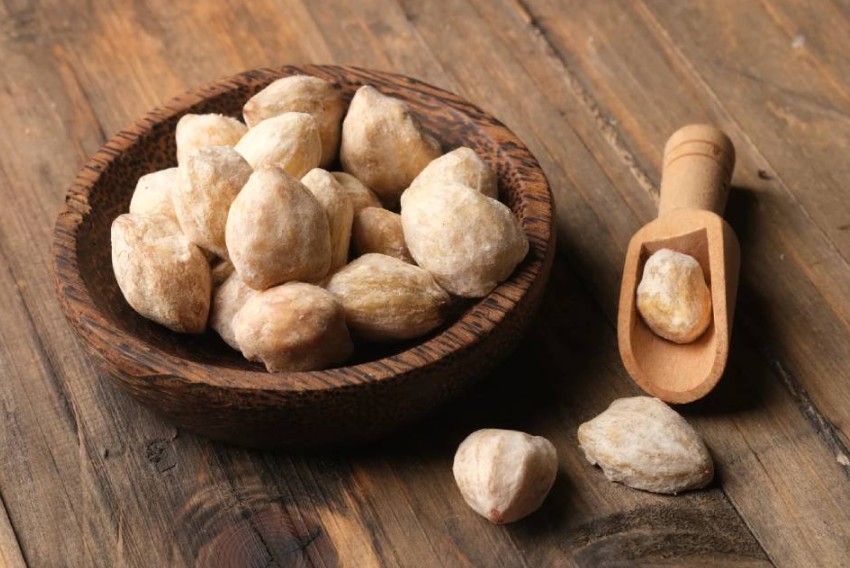
The candlenut (Aleurites moluccanus) is a tropical tree native to Southeast Asia and the Pacific Islands. It produces a nut encased in a hard shell, rich in oil that has been used for centuries for lighting, cooking, medicine, and beauty rituals. In Indonesia, it’s more than just an ingredient — it’s a cultural symbol tied to everyday life and traditional heritage.

Historical Roots of Candlenut in Indonesia

Centuries ago, before electricity and modern lamps, Indonesian villagers used candlenuts as a natural source of light. The oil-rich kernel was burned like a candle — hence the English name candlenut. Over time, it evolved from a simple light source into a valuable culinary and medicinal resource.

Candlenut trees thrived in fertile volcanic soils across the archipelago — from Sumatra to Sulawesi. Its abundance made it an essential trade item, exchanged in local markets and later exported across Asia. Historical records suggest that Indonesian kingdoms even used candlenut oil in royal beauty treatments and traditional healing practices.

Candlenut in Indonesian Cuisine

In the heart of Indonesian kitchens, candlenut is a must-have ingredient. It’s the secret behind the rich, creamy texture of many traditional dishes. When roasted and ground, candlenut releases a mild, nutty flavor that enhances spice pastes and curries.

Popular Dishes Using Candlenut

  • Sambal Kemiri – A spicy chili paste infused with roasted candlenut for extra depth.
  • Rendang – The world-famous beef dish often includes candlenut to thicken the sauce.
  • Sayur Lodeh – A coconut milk vegetable stew where candlenut gives the broth its smooth consistency.
  • Pecel and Satay sauces – Candlenut adds creaminess and balance to peanut-based sauces.

Chefs across Indonesia say candlenut is to their cuisine what butter is to French cooking — an indispensable base ingredient that ties everything together.

Cultural Significance and Symbolism

In many Indonesian communities, the candlenut tree symbolizes light, wisdom, and resilience. Traditionally, villagers used candlenut oil in ceremonies to light lamps symbolizing enlightenment and hope. It’s also featured in ancient Javanese and Balinese rituals, where candlenut paste is applied as a symbol of purification and strength.

Beyond symbolism, the tree itself plays an important environmental role — its roots help prevent soil erosion, making it valuable for sustainable farming and land restoration.

Health and Nutritional Benefits of Candlenut

Candlenut isn’t just culturally significant — it’s nutritionally rich too. It contains healthy fatty acids, protein, and essential minerals such as magnesium and phosphorus. Here are a few of its well-known health benefits:

  • Supports heart health thanks to unsaturated fatty acids.
  • Promotes hair growth — candlenut oil is a traditional remedy for thick, shiny hair.
  • Soothes skin conditions due to its moisturizing and anti-inflammatory properties.
  • Aids digestion when used in small amounts in cooking.

However, it’s important to note that raw candlenut is toxic and must always be roasted or cooked before use.

Candlenut in Beauty and Wellness

For generations, Indonesian women have used candlenut oil (minyak kemiri) as a natural cosmetic. Rich in omega-3 and omega-9 fatty acids, it nourishes the scalp, strengthens hair follicles, and enhances shine. Today, candlenut-based hair oils, shampoos, and skincare products are part of Indonesia’s thriving beauty export industry.

Brands across Asia and beyond are embracing candlenut oil as a key ingredient in natural beauty formulations, celebrating its traditional roots and modern appeal.

Economic Importance: Indonesia as a Global Candlenut Supplier

Indonesia stands as one of the largest producers and exporters of candlenut in the world. Regions like Java, Sulawesi, and Kalimantan are major growing centers, where local farmers cultivate the tree both for domestic use and international trade.

The export market has grown significantly due to rising demand from:

  • The culinary industry seeking authentic Southeast Asian flavors.
  • The cosmetics sector using candlenut oil in hair and skin products.
  • The health and wellness industry exploring natural plant-based ingredients.

This economic growth supports rural livelihoods and promotes sustainable agroforestry, balancing traditional practices with modern market needs.

How to Choose the Right Organic Candlenut Supplier

In today’s era of eco-conscious business and sustainable sourcing, choosing the right organic candlenut supplier is more important than ever. Whether you’re a cosmetics brand, health product manufacturer, or gourmet food retailer, the quality and authenticity of your candlenut supply can make or break your product’s success.

Candlenut, or Aleurites moluccanus, has become a sought-after natural ingredient worldwide. Known for its rich oil content and nourishing properties, it’s widely used in hair oils, skincare, natural medicines, and culinary products. However, not all suppliers maintain the same standards of quality, sustainability, or certification.

In this guide, you’ll learn exactly how to evaluate and choose a trusted organic candlenut supplier, ensuring your business partners align with your ethical and quality goals.

Understanding the Value of Organic Candlenuts

Before diving into supplier selection, it’s important to understand why organic candlenuts stand out from conventionally produced ones. Organic candlenuts are cultivated without synthetic pesticides, fertilizers, or harmful chemicals. This not only ensures a cleaner, purer product but also promotes environmental health and sustainable farming practices.

Organic farming also supports biodiversity and helps protect Indonesia’s fertile ecosystems, where most of the world’s candlenut production takes place. Choosing an organic supplier isn’t just about premium quality—it’s a commitment to ethical sourcing and long-term ecological balance.

Why Sourcing from Indonesia Matters

Indonesia is globally recognized as the leading producer and exporter of candlenuts. The country’s tropical climate, volcanic soil, and traditional farming methods create ideal conditions for cultivating high-quality nuts. Many Indonesian farmers practice agroforestry, integrating candlenut trees with other crops to maintain soil fertility and ecosystem balance.

By sourcing directly from Indonesian organic candlenut suppliers, businesses gain access to:

  • Freshly harvested, high-oil-yield candlenuts.
  • Certified organic products meeting international export standards.
  • Suppliers with generations of expertise in sustainable farming.

Indonesia’s commitment to eco-friendly cultivation and community-based production makes it a reliable hub for organic candlenut supply chains.

Sustainability and Environmental Role

Candlenut trees grow easily without the need for chemical fertilizers, making them an eco-friendly crop. Their deep roots stabilize the soil, prevent erosion, and improve land quality. Many Indonesian farmers now integrate candlenut trees into sustainable farming systems, combining economic value with environmental preservation.

These practices align with global efforts to promote green agriculture and biodiversity conservation, ensuring that the candlenut industry remains both profitable and planet-friendly.

How to Use Candlenut at Home

If you want to explore Indonesian flavors, candlenut is a wonderful starting point. Here’s how you can use it safely and deliciously:

  1. Roast or toast the nuts until lightly golden to remove toxins.
  2. Grind them into a paste or powder to use in sauces and spice blends.
  3. Mix with garlic, chili, and turmeric for a classic Indonesian base seasoning.
  4. Store properly in an airtight jar to preserve flavor and aroma.

A small amount goes a long way — start with one or two nuts per recipe.

Where to Buy Candlenut

You can find candlenut in Asian grocery stores, Indonesian markets, or online from reputable suppliers. For the best quality, look for candlenuts that are pale beige, firm, and free from cracks or mold. Many Indonesian exporters also offer organic and sustainably sourced candlenuts for international customers.

Conclusion: A Nut That Lights Up Tradition and Innovation

From the flickering lamps of ancient villages to the kitchens and beauty shelves of the modern world, candlenut has been a constant light in Indonesia’s heritage. Its journey reflects the nation’s deep respect for nature, culture, and sustainability.

Whether you’re exploring Indonesian cuisine, natural wellness, or eco-conscious trade, the story of candlenut is a reminder that even the smallest seeds can hold centuries of wisdom and endless potential.

FAQs About Candlenut in Indonesia

  1. Is candlenut the same as macadamia?
    No. While they look similar, candlenuts are not edible raw and are used primarily for cooking and oil extraction, unlike macadamias.
  2. Can I use candlenut oil on my skin?
    Yes, but make sure it’s a cosmetic-grade oil. It’s often used for moisturizing and soothing dry or irritated skin.
  3. What does candlenut taste like?
    When roasted, it has a mild, nutty flavor similar to almonds or macadamia, but less sweet.
  4. Is candlenut safe to eat raw?
    No, raw candlenut contains toxins. It must always be roasted or cooked thoroughly before consumption.
  5. Why is candlenut important to Indonesia?
    Candlenut represents Indonesia’s agricultural strength, traditional wisdom, and connection to sustainable living — a true reflection of the nation’s rich natural heritage.

WhatsApp (+62)812 1233 3590 (Ms.Maria)
Email sales@arlion.co.id

How to Tell If Sashimi Is Fresh: Tips from the Experts

How to Tell If Sashimi Is Fresh: Tips from the Experts

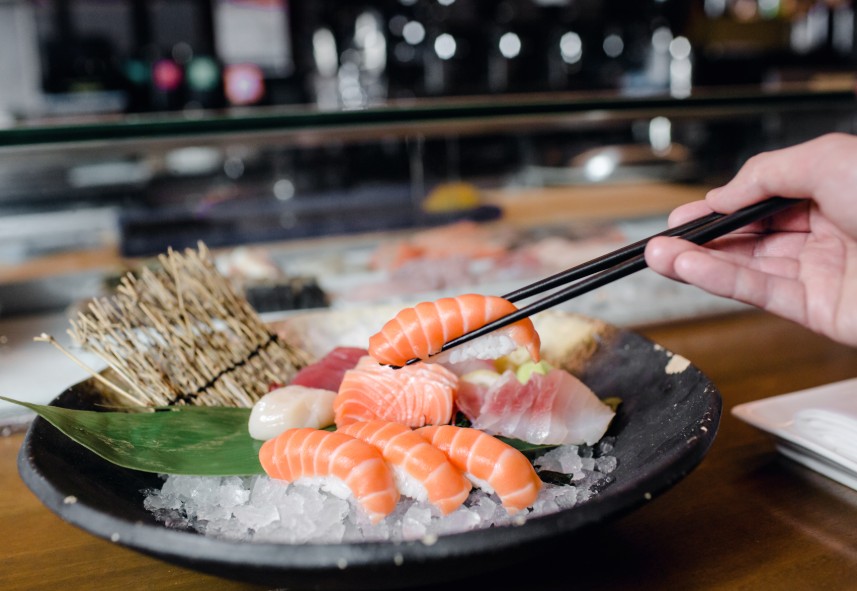
When it comes to enjoying sashimi, freshness isn’t just important—it’s everything. Unlike cooked seafood dishes, sashimi is served raw, meaning its flavour, texture, and safety depend entirely on how fresh the fish is. Whether you’re a home chef preparing your own sashimi platter or dining at a restaurant, being able to spot freshness is an essential skill. We’ve gathered insights from seafood experts and sashimi chefs to help you confidently identify high-quality, fresh sashimi every time.

1. Look at the Colour

The most immediate indicator of sashimi quality is colour. Fresh tuna should be a vibrant red (not dull or brownish), salmon should glow with an orange hue and subtle marbling, and white fish like snapper or kingfish should appear clean and slightly translucent. Any signs of graying or browning indicate oxidation or aging, meaning the fish is past its prime.

Also, be wary of sashimi that looks overly bright or artificial—some suppliers use carbon monoxide treatment to maintain an illusion of freshness. Trust what looks natural.

2. Check the Texture

Touch can tell you a lot. Fresh sashimi should have a firm, slightly springy texture. Press gently: the fish should bounce back and not feel mushy or slimy. A slippery, sticky, or limp piece of sashimi is a red flag—it may mean the fish is deteriorating.

When slicing at home, a sharp knife will give you clean, defined cuts, and the fish should hold its shape well. Crumbling edges or a frayed appearance may indicate poor handling or older stock.

3. Smell the Fish

This is one of the most reliable signs of sashimi freshness. Contrary to what some might expect, fresh fish doesn’t have a strong “fishy” smell. Instead, it should smell faintly of the ocean—clean, salty, and slightly briny. If you catch even a slight whiff of ammonia or sourness, it’s time to skip that sashimi.

At reputable places like the Best fish market Gold Coast, staff ensure that fish is kept at optimum temperature and rotated frequently to maintain peak freshness and avoid spoilage.

4. Observe the Moisture

Fresh sashimi has a subtle sheen that looks moist but not wet or watery. Excess moisture can mean improper storage or thawing from frozen fish. Likewise, dryness or tough outer edges signal that the sashimi has been exposed to air for too long.

When buying or preparing sashimi, make sure it’s stored on crushed ice or in a refrigerated display, not sitting out in the open.

5. Ask About the Source

Don’t be shy about asking where the fish comes from and how recently it was delivered. A trustworthy market or restaurant will be transparent about sourcing and handling. Many sashimi-grade fish are flash-frozen at sea to preserve quality, and top providers will be upfront about these practices.

Looking for a reliable place to Buy fresh prawns Gold Coast? Reputable suppliers like Tasman Star Seafood Market not only offer sashimi-grade fish but also premium prawns, oysters, and seasonal catch sourced with care and handled by trained professionals.

6. Go to a Trusted Fishmonger

If you’re preparing sashimi at home, your best bet is to purchase from a high-quality fish market known for its freshness and integrity. Visiting the Best fish market near me ensures you’re getting seafood that meets the highest standards, from catch to counter.

At reputable markets, staff are trained to recognise and handle sashimi-grade fish. They can cut it properly, offer storage advice, and even suggest seasonal varieties best enjoyed raw.

7. Taste Tells All

Ultimately, your taste buds will confirm what your eyes and nose suspect. Fresh sashimi is buttery, delicate, and clean on the palate. Tuna will be rich without being overpowering; salmon should melt in your mouth with a slightly sweet aftertaste; white fish should be tender and mild. If the flavour is metallic, overly fishy, or leaves a bitter aftertaste, it’s likely not fresh—or worse, not safe.

8. Bonus: Look Beyond Fish

Sashimi isn’t just about tuna or salmon. Other options like scallops, squid, and prawns make excellent raw dishes. In fact, the Best prawns Gold Coast can be served raw when ultra-fresh, offering a sweet, almost creamy texture. However, freshness is even more critical with shellfish due to their delicate nature and higher spoilage risk.

If you’re trying prawn sashimi, ensure the flesh is translucent, odorless, and firm to the touch. Soft or discoloured prawns are an instant no-go.

Final Thoughts

Enjoying sashimi is a celebration of nature’s purity, precision, and simplicity. But that experience only shines when the fish is impeccably fresh. Use your senses—sight, touch, smell, and taste—and trust your instincts. Always buy from trusted sources, store it properly, and don’t hesitate to ask questions.

Whether you’re crafting sashimi at home or planning a seafood night with friends, visiting the Best fish market Gold Coast ensures you’re starting with the finest ingredients. From expertly prepared fish to the Best prawns Gold Coast, freshness begins at the source.

Highway 79 Culinary Delights: A Taste of Waurika’s Finest Seafood

Highway 79 Culinary Delights: A Taste of Waurika’s Finest Seafood

As you journey along Highway 79, just west of Waurika, a hidden gem awaits food enthusiasts seeking a delectable seafood experience. The culinary delights found at this quaint establishment promise to tantalize the taste buds and leave a lasting impression. Known for its mouthwatering offerings, ranging from succulent shrimp to crispy chicken, every dish served here is a testament to Waurika’s commitment to excellence in seafood cuisine. Whether you’re a seafood aficionado or simply someone looking for a memorable dining experience, this charming spot on Highway 79 is sure to leave you coming back for more.

Bill Fish’s Culinary Legacy

Bill Fish , a renowned chef known far and wide for his culinary expertise, has left an indelible mark on the dining scene along Highway 79, just west of Waurika. His dedication to creating tantalizing seafood dishes has captured the hearts and taste buds of locals and travelers alike, earning him a well-deserved reputation as a master of the culinary arts.

The secret behind Bill Fish’s culinary success lies not only in his expert preparation of the freshest catfish, shrimp, and chicken, but also in his signature homemade tartar sauce that elevates each dish to a new level of deliciousness. Whether you’re a seafood connoisseur or a first-time visitor, a meal crafted by Bill Fish is sure to leave a lasting impression that will have you craving more.

From succulent shrimp cocktails to crispy fried fish platters, Bill Fish’s menu showcases a diverse range of seafood delights that cater to every palate. His commitment to using only the finest ingredients and his dedication to perfection in every dish have made Highway 79 a destination for those seeking a true taste of Waurika’s finest seafood.

Sourcing the Freshest Seafood

Waurika’s Highway 79 is renowned for its fresh seafood offerings, especially when it comes to the delectable Bill Fish. Locals and visitors alike flock to the eateries along this highway to indulge in the finest catches of the day. From succulent shrimp to mouthwatering catfish, the seafood selection is a testament to the culinary expertise that defines this area.

West of Waurika, along Highway 79, lies a culinary haven where the freshest seafood is sourced daily. Chefs in this region pride themselves on hand-selecting the highest quality ingredients, ensuring that each dish showcases the natural flavors of the sea. The catch of the day is a staple at these establishments, providing customers with a true taste of Waurika’s seafood delicacies.

One cannot experience the true essence of Highway 79’s culinary delights without mentioning the homemade tartar sauce that accompanies the seafood offerings. Crafted with a perfect blend of tangy and savory flavors, this sauce elevates each bite to a new level of indulgence. Whether paired with shrimp, chicken, or fish, the homemade tartar sauce is a must-try for any seafood enthusiast venturing along Highway 79.

Signature Seafood Dishes

For those craving a true taste of Waurika’s seafood scene, Bill Fish is a must-try dish along Highway 79. This flavorful and tender fish is a local favorite for its delicate texture and rich, buttery taste that keeps diners coming back for more. Delicious catfish is another star attraction on the menu, offering a comforting and satisfying choice for seafood enthusiasts. Whether fried to crispy perfection or grilled to juicy tenderness, the catfish at this Highway 79 hotspot is sure to please even the most discerning palate.

Homemade tartar sauce is the perfect accompaniment to any seafood dish at this esteemed establishment. With its creamy and tangy flavor profile, this sauce elevates the dining experience and adds a special touch to every bite of shrimp, chicken, or fish enjoyed on the picturesque stretch of Highway 79, just west of Waurika. For more information, go to : https://www.billsfh.com/

Speed Serves: How Quick Drive-Thru Service Boosts Profits

Speed Serves: How Quick Drive-Thru Service Boosts Profits

In the fast-paced world of quick-service restaurants (QSRs), the efficiency of a drive-thru operation can significantly impact the bottom line. A swift drive-thru not only satisfies the modern consumer’s demand for convenience and speed but also plays a crucial role in increasing a restaurant’s transaction volumes, customer satisfaction, and ultimately, profitability. This examination delves into the dynamics of a fast drive-thru service, unraveling how streamlined operations can lead to a tangible increase in revenue and foster a positive brand perception. By optimizing service speed, QSRs can turn the quick stop of a customer into a lasting impression, encouraging repeat business and driving growth.

The ripple effects of a fast drive-thru experience extend beyond the immediate gratification of time-pressed customers. It encompasses operational efficiency, reduced wait times, and the effective management of peak hours, all of which contribute to an enhanced customer experience and operational throughput. Moreover, a quick service cycle can mitigate traffic congestion around the premises, further elevating customer satisfaction and community relations. Below, an infographic outlines the multifaceted benefits of optimizing drive-thru speed, providing insights into how QSRs can leverage speed as a competitive advantage to bolster their bottom line and secure a leading position in the fast-food industry.


drive thru windows

Infographic provided by Quikserv, a provider of drive thru windows