

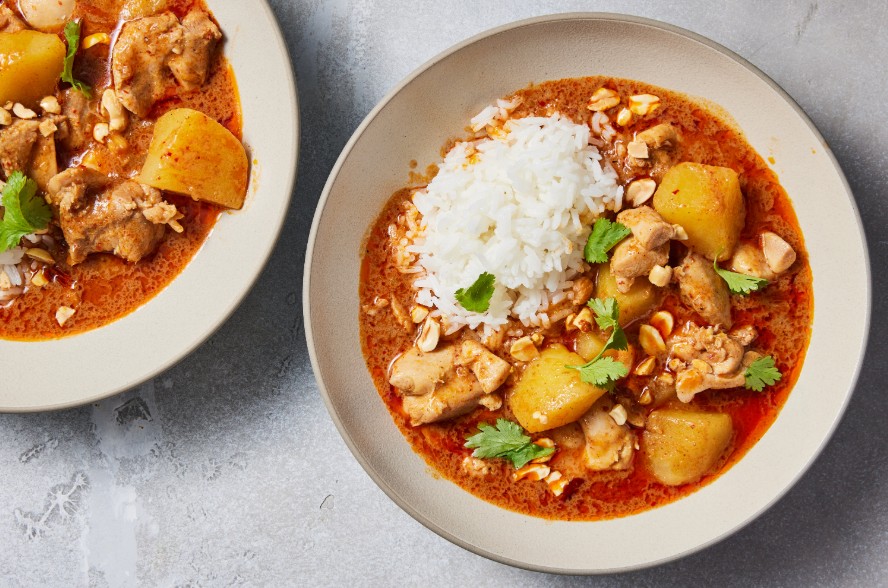
Massaman Curry Recipe, Thailand: My Journey into One of the World’s Most Comforting Dishes

Massaman Curry Recipe, Thailand: My Journey into One of the World’s Most Comforting Dishes

I still remember the first time I tasted Massaman curry. It was on a hot afternoon in Chiang Mai, tucked away in a small family-run restaurant that smelled like roasted peanuts and coconut milk. I had no idea that bowl of golden-brown curry would change how I viewed Thai food forever.
Massaman isn’t just another Thai dish — it’s a love letter to flavor. It’s sweet, savory, nutty, and slightly tangy all at once. The kind of meal that wraps around you like a warm blanket on a rainy day.

Over the years, I’ve experimented (and yes, failed a few times) to recreate that same magic at home. The key, I learned, isn’t just about following a recipe — it’s about understanding the soul of Massaman curry.

What Makes Massaman Curry So Special

Massaman curry, or “Matsaman” as locals might pronounce it, isn’t your typical spicy Thai curry. Its roots trace back to southern Thailand, influenced by Persian and Indian traders centuries ago. That’s why it feels different — deeper in spices like cardamom, cinnamon, and cumin — yet balanced beautifully with Thai ingredients like lemongrass, galangal, and fish sauce.

The result? A curry that’s both rich and gentle. Perfect for those who find green curry too spicy but still want something exotic and comforting. The fusion of cultures in one pot is what makes it truly fascinating.

And honestly, that’s what I love about Thai cooking: it’s global but grounded, spicy but soulful.

Gathering the Ingredients (and Why Each One Matters)

When I first tried making Massaman curry at home, I made the mistake of substituting too many ingredients. Big mistake. Authenticity matters here because every spice and sauce plays a role in creating that layered depth.

Here’s what you’ll need — and why.

For the Curry Paste (if making from scratch)

You can buy store-bought paste (Mae Ploy and Maesri are solid brands), but making it yourself is oddly satisfying.

  • 4 dried red chilies (soaked and deseeded) – for mild heat and color.
  • 1 shallot – gives sweetness and body.
  • 3 cloves garlic – the backbone of Thai curry flavor.
  • 1 stalk lemongrass (white part) – brings citrusy brightness.
  • 1 tsp galangal (or ginger if you can’t find it) – adds warmth.
  • 1 tsp coriander seeds – earthy and aromatic.
  • ½ tsp cumin seeds – Indian influence right here.
  • 1 small cinnamon stick – unexpected, but crucial.
  • 2 cloves & 2 cardamom pods – gives Massaman that signature aroma.
  • 1 tbsp roasted peanuts – this is where that nutty undertone begins.
  • 1 tbsp shrimp paste (optional) – for a deeper umami flavor.

Pound everything in a mortar and pestle until smooth. It’s hard work, I won’t lie. But as you grind the spices together, that scent — oh man — it’s like standing in a Thai kitchen.

For the Curry Itself

  • 500g beef (or chicken or tofu for vegetarian) – beef brisket or chuck gives the best tenderness.
  • 2 cups coconut milk – the creamy heart of the curry.
  • 2 potatoes, cubed – they absorb the flavor beautifully.
  • 1 onion, sliced – adds sweetness and depth.
  • 2 tbsp tamarind juice – for that gentle tang.
  • 2 tbsp palm sugar (or brown sugar) – balances the heat and spice.
  • 2 tbsp fish sauce (or soy sauce for vegetarians) – adds saltiness and umami.
  • ½ cup roasted peanuts – crunch and aroma.
  • 1 stick cinnamon – subtle warmth that ties everything together.

Cooking Massaman Curry Like a Local (and Avoiding My Early Mistakes)

Alright, let’s talk technique. I’ve messed this up before — adding ingredients in the wrong order, boiling coconut milk too hard, or not letting the meat simmer long enough.
Thai cooking is patient cooking. It’s more like jazz than a strict recipe. You learn to listen to the bubbling pot, smell the curry, and taste as you go.

Here’s how I finally nailed it.

  1. Fry the curry paste first.
    Heat a bit of coconut cream (the thick part that sits on top of the can) in a wok or pot until it starts to separate slightly. Then, stir in your curry paste and fry it slowly. You’ll know it’s ready when the oil starts to release from the paste — that’s where the magic begins.
    This step deepens the flavor and gives your curry that restaurant-level aroma.
  2. Add the meat and coat it well.
    Toss in your beef or chicken and make sure every piece is covered in the paste. This helps lock in flavor early.
  3. Add coconut milk, cinnamon, and peanuts.
    Let it all simmer gently. Don’t rush this. The slow cooking makes the meat tender and allows the spices to mingle like old friends.
    (One time, I got impatient and turned the heat up. Big mistake. The coconut milk curdled, and the curry split. It still tasted okay, but it wasn’t pretty.)
  4. Add potatoes and onions.
    These soak up the curry like sponges, making every bite flavorful.
  5. Balance with tamarind, fish sauce, and sugar.
    This is where Thai cooking philosophy shines — sweet, sour, salty, spicy — all in perfect harmony. Adjust slowly, tasting along the way.

After about an hour of simmering, your kitchen should smell like heaven. That’s when you know it’s ready.

Serving Suggestions: The Right Way to Enjoy It

Massaman curry pairs beautifully with steamed jasmine rice or roti bread. The soft rice helps soak up all that rich sauce, while roti adds a buttery contrast.

I sometimes top mine with fresh cilantro or a sprinkle of crushed peanuts. My Thai friend once told me, “Curry is not about the garnish — it’s about the moment.” And she was right.

Serve it hot, ideally shared with family or friends. Massaman isn’t a solo meal; it’s made for company, laughter, and second servings.

My Tips for Making It Unforgettable

Over the years, I’ve discovered a few tricks that consistently make my Massaman curry shine:

  • Use fresh spices. Old spices lose their power. Toast them before grinding to release their oils.
  • Don’t skimp on the coconut milk. The thicker, the better. Avoid “light” versions — they’re too watery.
  • Low and slow cooking. Especially for beef. The longer it simmers, the more tender and flavorful it becomes.
  • Adjust balance at the end. A little tamarind or sugar tweak can make all the difference.
  • Let it rest. Like a good stew, Massaman tastes even better the next day as the flavors meld together.

A Quick Vegetarian or Vegan Twist

Not a meat eater? No worries. Massaman curry adapts beautifully.

Swap beef for tofu, chickpeas, or jackfruit. Use vegetable stock instead of meat broth and soy sauce instead of fish sauce.
I’ve made vegan Massaman a few times for friends, and honestly, it’s still rich and satisfying. The peanuts and coconut milk do all the heavy lifting for creaminess.

The Cultural Story Behind the Curry

Here’s something fascinating: Massaman curry was once a dish served to Thai royalty. It came from Persian merchants who brought their spices to Ayutthaya (the old capital of Thailand) centuries ago.

That’s why you find spices like cardamom and cinnamon — they’re not native to typical Thai food but came from those early global connections.
The word “Massaman” likely comes from “Mussulman,” meaning Muslim, which explains the use of halal meats in some traditional versions.

So, every time you eat this curry, you’re tasting history — a blend of Thai and Persian cultures simmered together over centuries. Pretty amazing, right?

Common Mistakes (and How to Avoid Them)

I’ll be honest — I made every mistake possible when I started.

  1. Boiling coconut milk too hard.
    It curdles and separates. Always simmer gently.
  2. Not frying the paste long enough.
    Undercooked paste makes the curry taste flat. Wait for that fragrant oil to release.
  3. Adding all ingredients at once.
    It’s tempting but wrong. Layer them — protein first, then coconut milk, then veggies.
  4. Ignoring the balance.
    If it tastes “off,” tweak the sugar, tamarind, or fish sauce. Massaman should never be too sweet or salty.
  5. Using lean cuts of meat.
    Don’t. Fatty cuts melt beautifully into the curry. That’s flavor you can’t fake.

Health Benefits (Because Food Should Be Delicious and Good for You)

Despite its richness, Massaman curry isn’t all indulgence. Coconut milk is packed with good fats, and the spices — turmeric, cinnamon, cardamom — all have anti-inflammatory properties.
Add in some veggies, and you’ve got a meal that’s hearty yet nourishing.

Of course, portion control helps. (I say that, but let’s be real — resisting a second serving is tough.)

A Personal Reflection: Why Massaman Curry Feels Like Home

There’s something deeply comforting about this dish. Maybe it’s the slow cooking, or the aroma of cinnamon and peanuts wafting through the air. Maybe it’s how it brings people together.

Whenever I cook it now, I think back to that tiny restaurant in Chiang Mai — the owner smiling as she handed me that steaming bowl. I remember thinking, How can something taste both familiar and foreign at the same time?

That’s the beauty of Massaman curry. It’s a crossroads dish — a reminder that the best flavors often come from cultural blending and patience.

Cooking it isn’t just about feeding yourself. It’s about honoring a story that started centuries ago and continues every time someone takes a bite.

Final Thoughts: Bring Thailand to Your Kitchen

If you’ve never tried making Massaman curry before, don’t be intimidated. Start simple, taste as you go, and don’t stress about perfection.
The joy is in the process — the pounding of the curry paste, the simmering pot, the little dance your kitchen does with every aroma.

Whether you’re cooking it for family, a special date, or just yourself after a long day, Massaman curry never disappoints. It’s rich, complex, and deeply comforting — just like the best parts of life.

SEO-Optimized FAQ

  1. What meat is best for Massaman curry?
    Beef brisket or chuck is traditional because it becomes tender after slow simmering. Chicken thighs also work great if you prefer poultry.
  2. Can I make Massaman curry vegetarian or vegan?
    Yes! Swap meat for tofu, jackfruit, or chickpeas, and use soy sauce instead of fish sauce. The flavor stays authentic and rich.
  3. How long does Massaman curry last?
    Stored in the fridge, it lasts up to 3–4 days. The flavor deepens over time, so the next day’s leftovers are even better.
  4. What’s the difference between Massaman and Panang curry?
    Massaman is milder, with more Indian-style spices like cinnamon and cardamom. Panang is thicker, spicier, and uses more chili and kaffir lime.
  5. Can I freeze Massaman curry?
    Absolutely. Freeze in airtight containers for up to 2 months. Reheat gently to maintain the coconut milk texture.
Discover the Rich Heritage of Candlenut in Indonesia

Discover the Rich Heritage of Candlenut in Indonesia

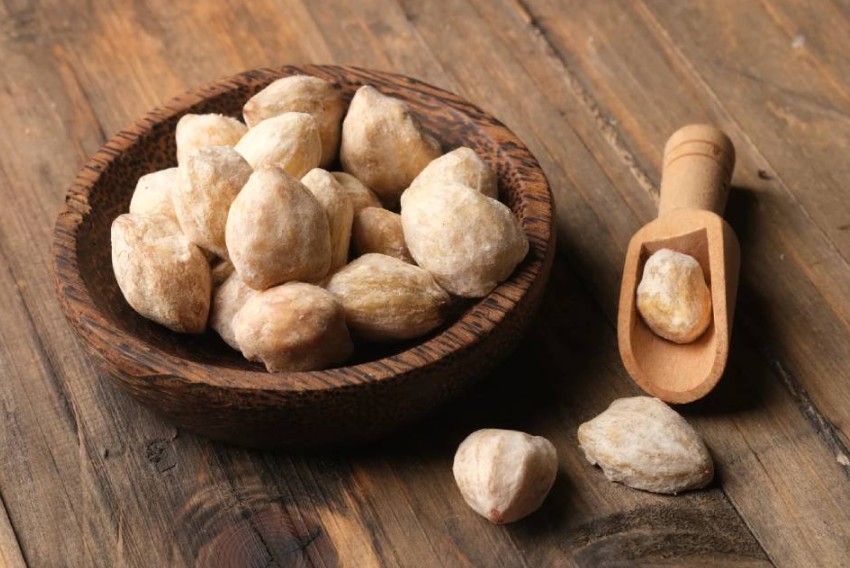
Indonesia, known for its lush rainforests and rich biodiversity, is home to countless natural treasures — and one of its most fascinating is the candlenut indonesia (known locally as kemiri). Often overlooked outside Southeast Asia, this humble nut carries deep historical, cultural, and economic significance in Indonesia. From ancient cooking traditions to modern-day exports, the story of candlenut reflects the nation’s connection to nature, tradition, and sustainability.

What Is Candlenut?

The candlenut (Aleurites moluccanus) is a tropical tree native to Southeast Asia and the Pacific Islands. It produces a nut encased in a hard shell, rich in oil that has been used for centuries for lighting, cooking, medicine, and beauty rituals. In Indonesia, it’s more than just an ingredient — it’s a cultural symbol tied to everyday life and traditional heritage.

Historical Roots of Candlenut in Indonesia

Centuries ago, before electricity and modern lamps, Indonesian villagers used candlenuts as a natural source of light. The oil-rich kernel was burned like a candle — hence the English name candlenut. Over time, it evolved from a simple light source into a valuable culinary and medicinal resource.

Candlenut trees thrived in fertile volcanic soils across the archipelago — from Sumatra to Sulawesi. Its abundance made it an essential trade item, exchanged in local markets and later exported across Asia. Historical records suggest that Indonesian kingdoms even used candlenut oil in royal beauty treatments and traditional healing practices.

Candlenut in Indonesian Cuisine

In the heart of Indonesian kitchens, candlenut is a must-have ingredient. It’s the secret behind the rich, creamy texture of many traditional dishes. When roasted and ground, candlenut releases a mild, nutty flavor that enhances spice pastes and curries.

Popular Dishes Using Candlenut

  • Sambal Kemiri – A spicy chili paste infused with roasted candlenut for extra depth.
  • Rendang – The world-famous beef dish often includes candlenut to thicken the sauce.
  • Sayur Lodeh – A coconut milk vegetable stew where candlenut gives the broth its smooth consistency.
  • Pecel and Satay sauces – Candlenut adds creaminess and balance to peanut-based sauces.

Chefs across Indonesia say candlenut is to their cuisine what butter is to French cooking — an indispensable base ingredient that ties everything together.

Cultural Significance and Symbolism

In many Indonesian communities, the candlenut tree symbolizes light, wisdom, and resilience. Traditionally, villagers used candlenut oil in ceremonies to light lamps symbolizing enlightenment and hope. It’s also featured in ancient Javanese and Balinese rituals, where candlenut paste is applied as a symbol of purification and strength.

Beyond symbolism, the tree itself plays an important environmental role — its roots help prevent soil erosion, making it valuable for sustainable farming and land restoration.

Health and Nutritional Benefits of Candlenut

Candlenut isn’t just culturally significant — it’s nutritionally rich too. It contains healthy fatty acids, protein, and essential minerals such as magnesium and phosphorus. Here are a few of its well-known health benefits:

  • Supports heart health thanks to unsaturated fatty acids.
  • Promotes hair growth — candlenut oil is a traditional remedy for thick, shiny hair.
  • Soothes skin conditions due to its moisturizing and anti-inflammatory properties.
  • Aids digestion when used in small amounts in cooking.

However, it’s important to note that raw candlenut is toxic and must always be roasted or cooked before use.

Candlenut in Beauty and Wellness

For generations, Indonesian women have used candlenut oil (minyak kemiri) as a natural cosmetic. Rich in omega-3 and omega-9 fatty acids, it nourishes the scalp, strengthens hair follicles, and enhances shine. Today, candlenut-based hair oils, shampoos, and skincare products are part of Indonesia’s thriving beauty export industry.

Brands across Asia and beyond are embracing candlenut oil as a key ingredient in natural beauty formulations, celebrating its traditional roots and modern appeal.

Economic Importance: Indonesia as a Global Candlenut Supplier

Indonesia stands as one of the largest producers and exporters of candlenut in the world. Regions like Java, Sulawesi, and Kalimantan are major growing centers, where local farmers cultivate the tree both for domestic use and international trade.

The export market has grown significantly due to rising demand from:

  • The culinary industry seeking authentic Southeast Asian flavors.
  • The cosmetics sector using candlenut oil in hair and skin products.
  • The health and wellness industry exploring natural plant-based ingredients.

This economic growth supports rural livelihoods and promotes sustainable agroforestry, balancing traditional practices with modern market needs.

How to Choose the Right Organic Candlenut Supplier

In today’s era of eco-conscious business and sustainable sourcing, choosing the right organic candlenut supplier is more important than ever. Whether you’re a cosmetics brand, health product manufacturer, or gourmet food retailer, the quality and authenticity of your candlenut supply can make or break your product’s success.

Candlenut, or Aleurites moluccanus, has become a sought-after natural ingredient worldwide. Known for its rich oil content and nourishing properties, it’s widely used in hair oils, skincare, natural medicines, and culinary products. However, not all suppliers maintain the same standards of quality, sustainability, or certification.

In this guide, you’ll learn exactly how to evaluate and choose a trusted organic candlenut supplier, ensuring your business partners align with your ethical and quality goals.

Understanding the Value of Organic Candlenuts

Before diving into supplier selection, it’s important to understand why organic candlenuts stand out from conventionally produced ones. Organic candlenuts are cultivated without synthetic pesticides, fertilizers, or harmful chemicals. This not only ensures a cleaner, purer product but also promotes environmental health and sustainable farming practices.

Organic farming also supports biodiversity and helps protect Indonesia’s fertile ecosystems, where most of the world’s candlenut production takes place. Choosing an organic supplier isn’t just about premium quality—it’s a commitment to ethical sourcing and long-term ecological balance.

Why Sourcing from Indonesia Matters

Indonesia is globally recognized as the leading producer and exporter of candlenuts. The country’s tropical climate, volcanic soil, and traditional farming methods create ideal conditions for cultivating high-quality nuts. Many Indonesian farmers practice agroforestry, integrating candlenut trees with other crops to maintain soil fertility and ecosystem balance.

By sourcing directly from Indonesian organic candlenut suppliers, businesses gain access to:

  • Freshly harvested, high-oil-yield candlenuts.
  • Certified organic products meeting international export standards.
  • Suppliers with generations of expertise in sustainable farming.

Indonesia’s commitment to eco-friendly cultivation and community-based production makes it a reliable hub for organic candlenut supply chains.

Sustainability and Environmental Role

Candlenut trees grow easily without the need for chemical fertilizers, making them an eco-friendly crop. Their deep roots stabilize the soil, prevent erosion, and improve land quality. Many Indonesian farmers now integrate candlenut trees into sustainable farming systems, combining economic value with environmental preservation.

These practices align with global efforts to promote green agriculture and biodiversity conservation, ensuring that the candlenut industry remains both profitable and planet-friendly.

How to Use Candlenut at Home

If you want to explore Indonesian flavors, candlenut is a wonderful starting point. Here’s how you can use it safely and deliciously:

  1. Roast or toast the nuts until lightly golden to remove toxins.
  2. Grind them into a paste or powder to use in sauces and spice blends.
  3. Mix with garlic, chili, and turmeric for a classic Indonesian base seasoning.
  4. Store properly in an airtight jar to preserve flavor and aroma.

A small amount goes a long way — start with one or two nuts per recipe.

Where to Buy Candlenut

You can find candlenut in Asian grocery stores, Indonesian markets, or online from reputable suppliers. For the best quality, look for candlenuts that are pale beige, firm, and free from cracks or mold. Many Indonesian exporters also offer organic and sustainably sourced candlenuts for international customers.

Conclusion: A Nut That Lights Up Tradition and Innovation

From the flickering lamps of ancient villages to the kitchens and beauty shelves of the modern world, candlenut has been a constant light in Indonesia’s heritage. Its journey reflects the nation’s deep respect for nature, culture, and sustainability.

Whether you’re exploring Indonesian cuisine, natural wellness, or eco-conscious trade, the story of candlenut is a reminder that even the smallest seeds can hold centuries of wisdom and endless potential.

FAQs About Candlenut in Indonesia

  1. Is candlenut the same as macadamia?
    No. While they look similar, candlenuts are not edible raw and are used primarily for cooking and oil extraction, unlike macadamias.
  2. Can I use candlenut oil on my skin?
    Yes, but make sure it’s a cosmetic-grade oil. It’s often used for moisturizing and soothing dry or irritated skin.
  3. What does candlenut taste like?
    When roasted, it has a mild, nutty flavor similar to almonds or macadamia, but less sweet.
  4. Is candlenut safe to eat raw?
    No, raw candlenut contains toxins. It must always be roasted or cooked thoroughly before consumption.
  5. Why is candlenut important to Indonesia?
    Candlenut represents Indonesia’s agricultural strength, traditional wisdom, and connection to sustainable living — a true reflection of the nation’s rich natural heritage.

WhatsApp (+62)812 1233 3590 (Ms.Maria)
Email sales@arlion.co.id