

Cultural Ramifications of the Globalization of Food

Cultural Ramifications of the Globalization of Food

In 1957, a Japanese man named Momofuku Ando created his first batch of flash-fried ramen noodles, utilizing surplus flour given as aid by the United States after the conclusion of World War II. While Ando’s project originally began with only 18 kilograms of flour and a hand-me-down noodle machine, over 118 billion servings of Ando’s instant ramen are now consumed yearly, with major consumers spanning Australia, Asia, the United States, and the Middle East. The story of instant ramen is hardly unique; globalization within the past few centuries has allowed for cuisines and—by proxy—cultures to have unprecedented expanse across the world. Tomatoes, a current staple in Italian cuisine, originated in the Andes Mountains in South America and were brought to Italy through the Columbian Exchange during the mid-1500s. Later on, industrialization in the 19th century allowed complete dishes, such as spaghetti, to propagate throughout the world with enormous popularity. Today, even entire restaurant franchises can globalize, such as Starbucks with locations in 80 countries.

Such global interconnectedness is a double-edged sword; what nations gain in cultural unity and a diversified palate often comes at the price of interdependency, exploitation of less developed regions and natural resources, and increased demand for advanced infrastructure. The ongoing war in Ukraine has recently exposed some of these faults, with staggering food shortages resulting from Ukraine and Russia producing more than 18 percent of the world’s cereal grains and 72 percent of all sunflower seed oil. However, the Ukrainian conflict marks neither the first nor last time that food is significant in international politics. Given a looming climate crisis, increased awareness of ethical issues surrounding food production, and continued globalization, humanity is at a crucial turning point in its relationship with food. Within this generation, food could become a tool for war, or for peace.

Food Sustainability and the Global Serving Size

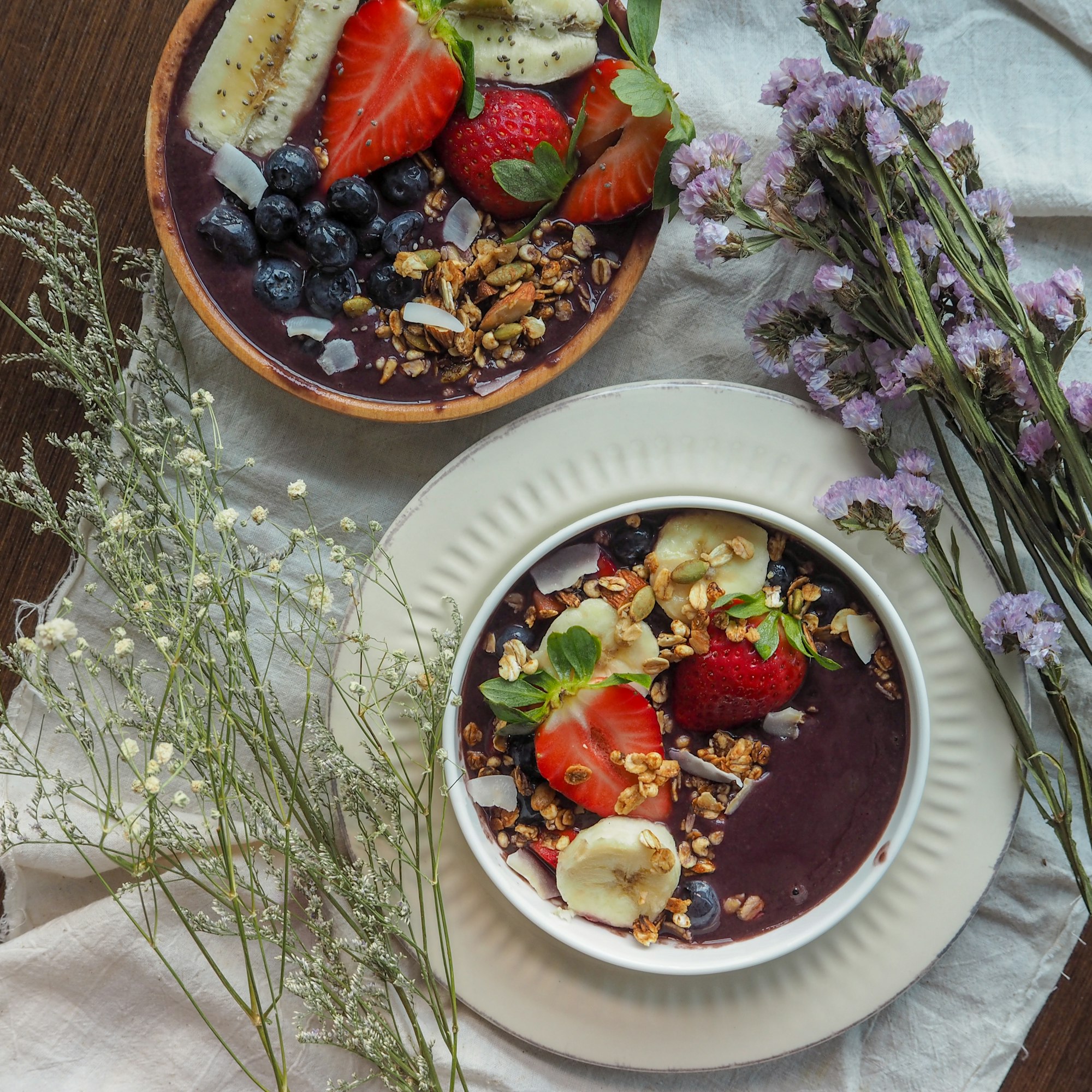
With the advent of social media and improvements in transportation and storage, food trends spread faster and wider than ever before, exacerbating unsustainability and overconsumption. Information about foods previously seen as unfamiliar or exotic is widely accessible online, encouraging the spread of new cuisines through virtual interest groups and social media. While trendy foods such as brightly colored dragon fruit drinks, acai bowls, and avocado toast seem innocuous at first glance, the demand for produce outside of where it is naturally grown is a significant contributor to greenhouse gas emissions; as of 2021, transportation of food constitutes approximately one fifth of all emissions associated with food production. When this pollution is combined with the increasing popularity of these foods (US consumption of avocados alone has increased three-fold since 2000), the impact of food globalization is clear. Currently, 50 percent of all habitable land is used for agriculture, and increased demand for certain foods could cause further straining of already saturated industries . Commercial monoculture, the large-scale cultivation of one specific crop, is also contributing to soil degradation, erosion, and the usage of artificial fertilizers and toxic pesticides. Ironically, humanity already produces enough food per year to feed 10 billion people (around 1.5 times the current global population), yet 697 million people suffer from high levels of food insecurity globally. This is largely due to a lack of refrigerating technology in certain regions, which makes it more difficult to prevent food spoilage, and waste issues in other countries where food is cheap and easy to replace.

The existing environmental concerns around food globalization are exacerbated when applied to foods that are difficult to cultivate. The spread and overharvesting of sturgeon caviar, a delicacy originating in the Caspian Sea and currently cultivated in 20 countries, has led to near complete decimation of the wild Atlantic Sturgeon population, with reports this year stating that the Delaware River breeding population has been reduced by 99 percent since the late 1800s. The loss of biodiversity as a result of extinction could potentially lead to “cascading effects” as species dependent on extinct animals become endangered themselves, causing high levels of economic damage to communities dependent on food production.

The World’s Demand for Exploitation

While the globalization of food has expanded the culinary palate of those who can afford it, structural shortcomings surrounding infrastructure and labor regulations have led to the exploitation of workers and entire communities in underdeveloped regions. Impoverished groups are not only more vulnerable to malnutrition, but are also used as a source of cheap labor to satisfy the ever-growing demand for trendy food elsewhere. In Brazil, the explosive and largely unregulated growth of the acai berry industry in the 2000s due to the fruit’s popularity with social media influencers has led to rampant child labor within the country and economic dependency on fruit yields, which has decreased the ability of even adult workers to negotiate better conditions. These violations often go unpunished by regulations such as fair trade certifications, which are lax enough in their inspections that issues can be hidden or not reported at all. Furthermore, approximately 40 percent of all agricultural employees in Brazil are waged workers who do not actually own the land they work on and live below the poverty line. These workers are also often prevented from unionizing and are more susceptible to forced labor and illnesses such as HIV.

Beyond the exploitation of workers, economic dependency on agricultural commodities can even spark violence within dependent regions. In Madagascar, the country with the 10th lowest global GDP per capita in 2022, reliance on the extremely lucrative and labor-intensive vanilla trade has led to the formation of informal armed bands that defend the fields where the crop is ground. An estimated 15 percent of the annual vanilla harvest is stolen every year, and between 2016 and 2018, 150 people were killed as a result of ongoing thievery and defense. Despite the dangers present, the highly volatile pricing found in the vanilla trade creates dependency among the people as one of the few ways farmers can break the cycle of poverty for future generations.

Food as a Vehicle for Peace

Though food insecurity can serve as a vessel for spreading violent conflict, the spread of cuisines possesses a unique ability to unite communities through the sharing and understanding of culture. On a smaller scale, studies have shown that smells associated with food are interconnected with the region of the brain that controls emotions, which can spark powerful reactions. Certain traits of food, such as crunchiness, have even been found to be universally appealing to humans regardless of cultural origin. By sampling and enjoying a variety of global foods, individuals gain a better understanding of and greater empathy towards different cultures. In the wake of former President Donald Trump’s drafting of a travel ban on residents from Syria and Iran in 2017, many restaurants protested by adding Syrian and Iranian dishes to their menus. Similarly, efforts to unite Israeli and Palestinian mothers through the sharing of family recipes were shown to aid the women in viewing each other “not as villains, but as humans just like themselves.” On a larger scale, the intermingling of cultures “underpins social cohesion, peace, and security.” With urban populations expected to increase to nearly 6 billion people by 2045, interactions between various cultures will increasingly occur, and cuisines can help facilitate positive relationships among cultural groups. While negative perceptions of different cultures can lead to conflict, cultural unity is crucial to creating lasting peace.

Constructing a Kinder Plate

Clearly, humanity cannot reverse the globalization of food, but it can minimize the damaging effects of overproduction and overconsumption while still retaining as many cultural benefits as possible. One popular argument is that the prevalence of multinational companies reduces the capabilities of individual communities to become self-sufficient, as food distribution is completely managed by outsiders with ulterior motives. Therefore, the only way to ensure food access for everyone is to place it in the hands of the people themselves. This goal coincides with the recent movement for consumers to purchase locally grown produce, which can be used in preparing cultural dishes. Since 1986, the number of community shared agriculture programs in the United States has increased from two to over 1000, and farm-to-school food programs have increased by 50 percent from 2006 to 2009 alone. Other suggestions seek to combat food insecurity through increasing individual access to credit, urban farming, and empowering women to become economic contributors to their families. In 2022, the World Bank provided US$350 million to Chad, Ghana, and Sierra Leone in order to increase access to agricultural advising and more efficient and climate-friendly technology. Similarly, a US$130 million loan was also provided to Tunisia to aid in wheat imports that were affected by the conflict in Ukraine.

Technological development may also serve as a catalyst for more sustainable global consumption. The development of plant-based meat alternatives in recent years has created the ability to feed more people using between 41 percent and 98 percent less land than typical meat farming. Within the past five years, developments in cellular agriculture (the cultivation of animal cells to produce lab-grown meat) have even enabled the cultivation of seafood without aquaculture, further opening the door to sustainable agriculture. Furthermore, farmland and biodiversity can be protected through regenerative agriculture, which restores depleted soils through crop rotation and composting.

While solutions to the inequities caused by the globalization of food are imperfect and not as globalized as the consumption of the foods they are meant to preserve, they are the first step in fostering justice in a world of unequal economic growth. With the continued rise of social media platforms, international cuisines, and diversity in urban areas, food will continue to be a powerful commodity in both spreading culture and exacerbating excess production and exploitation. The full ramifications of humanity’s actions remain to be seen, but the most significant task is to bring populations together through food rather than apart through conflict.

Maha Shivratri 2023: Food recipes you can prepare for Shivaratri fast

Maha Shivratri 2023: Food recipes you can prepare for Shivaratri fast

Maha Shivratri 2023 recipes: Listed here is the listing of 5 healthier foods recipes to prepare for a rapid this Maha Shivartri 2023.

India Today Web Desk

New Delhi,Up to date: Feb 17, 2023 18:00 IST

By India Right now World-wide-web Desk: Maha Shivratri is a single of the most auspicious festivals in India. Each and every calendar year, it is celebrated with good zeal during the country. Several Shiva worshippers rapidly on this working day by adhering to the austere Nirjala Vrat.

Nirjala Vrat is when persons do not consume or consume all over the working day. Devotees can also exercise a milder type of speedy by ingesting fruit, milk, and some vegetables and grains. Verify out the list under for receiving a broader concept with regards to what to consume whilst executing a mild fast.

Here is the record of 5 nutritious food stuff recipes to prepare for a rapidly this Maha Shivartri 2023:

1. DHOKLA

Initial, roast the rice in a skillet and put together the batter by mixing the rice, rocksalt, chili paste, ginger paste, and yogurt. For building the food Vrat-pleasant, a substitute for typical salt is furnished with rock salt.

Depart the mixture to ferment for at minimum 24 several hours. Future, grease the pan with oil and pour the batter into it. Now spot the tray on the steamer for 20 minutes. Leave it to awesome and the dhokla is all set to serve.

2. SABUDANA KHICHDI

Potatoes, peanuts, and sabudana are employed to put together sabudana khichdi. It is eaten for the duration of fasting days like Navratri, Ekadashi, Mahashivratri, and so on. To make it, wash the sabudana in a bowl and maintain it soaking for 2-3 hours until it softens.

Afterwards, prepare dinner the potatoes, and crush the peanuts into powder form. Now lower the boiled potatoes and sauté them in ghee in a pan. Now saute the peanut and the sabudana combination in the pan and provide it with a tablespoon of lemon juice.

3. SABUDANA VADA

Sabudana vada includes sabudana, potatoes, roasted peanuts, spices, herbs, and seasonings. To commence with the mouth-watering rapid or vrat recipe, very first, boil and mash the potatoes and prepare a mix prior to getting ready the sabudana vada.

Following, roast the peanuts just before grinding them into a coarse powder. Now blend the potatoes, soaked sabudana, chopped coriander leaves, lemon juice, and peanuts in a mixing bowl with a small rock salt. The combination should really be deep-fried in the variety of a vada .

4. FRUITS AND DRY FRUIT SALAD

Fruits are an important element of each individual Hindu festival. Commonly, we give fruits and milk to the deities through pooja or temple visits. It is also really advantageous for your wellness to take in these through a quick.

Folks also prepare fruit chaats, fruit salads, and fruit milkshakes if they are hungry. You can snack on dry fruits these kinds of as almonds, walnuts, dates, raisins, and dried apricots. They have lots of health and fitness benefits.

Indian Cooking Tips: 7 Traditional Cooking Techniques Used In Indian Cuisine

Indian Cooking Tips: 7 Traditional Cooking Techniques Used In Indian Cuisine

Indian delicacies is a potpourri of flavours, color and has wealthy background that goes back again to thousand years. In truth, in India, each individual dish tells a tale with the components applied in a recipe. It consists of a variety of neighborhood spices, agricultural create and far more, incorporating levels and texture to our day-to-day meal. The most effective part is, we find an intensive selection of foodstuff and beverages in the delicacies- every of which has a exceptional character, earning it stand out in the lot. What contributes to the flexibility is the cooking procedure. If you explore, you will obtain Indians utilizing distinctive cooking strategies for diverse dishes. Apart from the ingredients, system much too plays a big position in defining the character of a dish. In this report, we will check out some of the regular cooking strategies that are commonly utilized in Indian cuisine.

Here’re 7 Of The Most Well known Cooking Approaches Made use of In Indian Cuisine:

1. Tadka (or tempering):

Tadka is a cooking approach that will involve adding spices to warm oil or ghee. This system is frequently utilised in North Indian delicacies and is used to enrich the flavour of dal, curries, and veggies. The spices utilized in tadka vary but some of the most widespread ones contain cumin seeds, mustard seeds, coriander seeds, and dried crimson chili.

Also Examine: 5 Styles Of Tadka To Amp Up Your Food And Well being Gains Of Distinct Tadkas

t4nvab0o

Picture Credit score: iStock

2. Grilling and roasting:

Grilling and roasting are popular cooking approaches in Indian delicacies, in particular in the North. Tandoor, a clay oven, is used to grill and roast assortment of dishes this kind of as tandoori rooster, naan bread, and kebabs. To make tandoori hen or greens, the elements are marinated in a mixture of spices, yogurt, and lemon juice and then set for grilling.

Also Read through: Tandoori Rooster, Tandoori Mushroom And Other 5 Tandoor Snacks That You Should Try

6qgc3oio

Image Credit score: iStock

3. Dum cooking:

Dum cooking is a gradual-cooking technique that entails sealing the dish in a vessel employing dough or aluminum foil and cooking it in excess of a reduced flame. This system is frequently utilized to prepare dinner biryanis, pulao, and other rice-dependent dishes. The sluggish-cooking system allows the flavours to acquire and infuse into the dish.

Also Go through: Dum Ka Murgh And Additional: 7 Dum-Cooked Recipes You Will have to Try out

41u7e7e

Photograph Credit score: iStock

4. Strain cooking:

Strain cooking is a well-known cooking system in India, specifically for cooking lentils, beans, and stews. The large-stress steam produced within the pressure cooker assists prepare the food rapidly, earning it a effortless and time-preserving method of cooking.

Also Read through: 5 Most Well known Stress Cooker Recipes

au2t8opg

Picture Credit history: iStock

5. Stir-frying:

Stir-frying is a popular cooking system used in the Indo-Chinese delicacies, a fusion of Indian and Chinese flavours. The strategy consists of quickly cooking vegetables, meat, and noodles in a wok over substantial warmth. The elements are then stir-fried with a variety of sauces and spices, these types of as soy sauce, chili sauce, and vinegar.

Also Read through: Weekend Distinctive: 7 Uncomplicated Stir-Fry Recipes For The Perfect Lazy Weekend Meal

kl6bu1j8

Photograph Credit rating: iStock

6. Steaming:

Steaming is a healthful cooking procedure made use of in India. It helps you prepare a wide variety of dishes, these as idlis, dhoklas, and momos. Here, the meals is placed in a steamer basket or idli stand and cooked over boiling drinking water. This allows the foodstuff to cook without shedding its nutrition or flavour.

Also Read through: 7 Steamed Indian Recipes That You Can Munch On Guilt-Absolutely free

g53a3rio

Picture Credit score: iStock

7. Pickling:

Pickling is a standard preservation approach made use of in India. This process is adopted to preserve fruits and veggies. The approach includes marinating the ingredients in a combination of spices, vinegar, and oil. The pickles can be saved for various months and are used to add flavour to your everyday food.

Also Read: 7 Lip-Smacking South Indian Pickles You Will need to Check out

4pjkg9og

Photo Credit history: iStock

In India, people today stick to a assorted vary of cooking strategies, which may perhaps range from region to location. So, up coming time when you get pleasure from an Indian meal, just take a instant to recognize the exclusive flavours and cooking strategies that make it just so exclusive.

Delighted indulgence, anyone!

Featured Online video Of The Working day

Ideal Pakoda Recipes | Quick Recipes by NDTV Foodstuff

Blood Orange and Cardamom Pudding

Blood Orange and Cardamom Pudding

Of all the citrus accessible in the wintertime, my absolute preferred is the blood orange. I to start with encountered blood oranges all-around seven years back at the farmers’ marketplace, and I was curious why this particular sort of orange had the prettiest maroonish pores and skin and the flesh was a magnificent crimson hue, too. I dove into a little container of sample slices for a taste. When I took my initial bite, my eyes opened vast: It was really sweet, slightly tart and brightly flavored. My intellect started out racing — what kind of jams or desserts could I make with this amazing fruit?

At that time, I was seriously into building jam I ran a enterprise component-time and marketed jars online. I even designed jam for a handful of weddings! For me, it is a therapeutic action, from the sweet aroma of slicing the fruits, to marinating the fruit in sugar and herbs, to cooking the combination and lastly canning. My preferred component is observing how the attractive colour of the fruit shines as a result of the jam in the daylight. 

A person of my favored marmalades to day is my Blood Orange and Rosemary Marmalade. (You can discover the recipe in my cookbook, “Mumbai Modern day.”) I are inclined to use the zest and flesh of the blood orange but clear away the white pith because it’s bitter. The earthy rosemary cuts through the sweetness, and the end result makes a amazing addition to a cheese board. It’s also wonderful slathered on a slice of sourdough toast with a layer of salted butter, and it tends to make a terrific reward for close friends and family members.

Blood orange time is small, ordinarily from January to March. So I have a tendency to use blood oranges as a great deal as I can this time of calendar year, whether or not for marmalades or blood orange curd for gifting, or in cakes, cookies and tarts. 

This certain dessert is my riff on the common banana pudding, typically levels of vanilla custard, Nilla Wafers and banana slices. 

In its place, I make a blood orange and cardamom custard — the floral contact of cardamom with the a little tart blood orange will make a excellent pairing. While the weighty product and cardamom warmth up on the stove, I whip the egg yolks, sugar and cornstarch right until they convert pale yellow. (The cornstarch will help the custard access a thick regularity.) Then I whisk in blood orange juice and zest, which has a ton of flavor. 

If you’ve never ever designed custard or lemon curd before, this aspect might seem scary, but it is basically rather effortless: To temper the mixture, you  include a minor little bit of heavy cream, whisk, then insert a very little bit extra, so you really do not scramble the eggs. Soon after heating the custard right up until thickened, you strain it to get rid of the zest — and any achievable bits of scrambled egg — and then enable it established in the fridge for a couple several hours. 

You fold some whipped product into the cooled custard for a lighter texture, alongside with Nilla Wafers and blood orange slices, preferably in eyeglasses so you can see the unique levels. 

My beloved section about creating desserts is the decoration and garnishes. This is entirely optional, but hey, provided a choice, would you eat a dessert that is visually attractive, or is served as is without having any fancy fixins? I pick the previous. Which is why I pipe the major with whipped product, together with a garnish of candied blood orange slices, blood orange zest and edible gold. Edible gold is simply offered on the net and adds really a touch of magnificence to an if not easy dessert.  

If you make the candied blood orange slices, know that they are a delightful snack to have close to. They business up just like any other candied fruit, and are slightly chewy, sweet and citrusy. They make an wonderful addition to a cheese board, or can be a good gift for hosts.

Eventually, the puddings require to sit for a handful of several hours in the fridge so that all the layers meld collectively, but they are fully worthy of the wait. 

Amisha Gurbani is a Bay Space food stuff writer, writer of “Mumbai Modern” and blogger powering the Jam Lab, @thejamlab. Email: food stuff@sfchronicle.com

Piped whipped cream, dried slices of blood orange and zest make an attractive finish.

Piped whipped cream, dried slices of blood orange and zest make an interesting finish.

Amisha Gurbani/Unique to The Chronicle

Blood Orange and Cardamom Custard Cups

Serves 4

This riff on banana pudding layers blood orange custard, Nilla Wafers and blood orange slices, with warm cardamom including a lovely floral observe. The candied blood oranges make for a beautiful garnish, but the custard cups will still be scrumptious with no them. You will also will need a piping bag and ¼-inch French star idea to beautify, although you could also simply spoon whipped product on top rated.

Candied Blood Oranges (optional)

1 cup water

1 cup granulated sugar

2 blood oranges, edges trimmed and lower into ⅛-inch slices

Blood Orange and Cardamom Custard

2 cups major product

1 teaspoon freshly floor cardamom

4 eggs yolks

½ cup granulated sugar

2 tablespoons cornstarch

Zest of 1 blood orange

⅓ cup blood orange juice

1½ teaspoons vanilla extract

For assembly

¾ cup heavy cream

3 tablespoons powdered sugar

½ teaspoon vanilla extract

56 Nilla Wafers

3 little blood oranges, edges trimmed and pores and skin peeled

2 slices Candied Blood Oranges, quartered (optional)

Edible gold (optional)

Blood orange zest

Make the Candied Blood Oranges: In a medium saucepan, on medium to significant heat, include the h2o and sugar. Stir till the sugar dissolves. Insert the blood orange slices. Applying a rubber spatula, individual them so they are not sitting down on best of each other.

Boil the mixture for about 20 to 25 minutes, stirring occasionally.

In the meantime, position a wire rack on leading of a baking sheet and set to the facet.

Using tongs, gently eliminate every blood orange slice, draining off surplus liquid, and place it on the wire rack. Make guaranteed the blood orange slices do not touch every other. (You can pour the remaining liquid in a bottle and retail outlet in the fridge as a basic syrup for cocktails.)

Permit the slices dry out right away in a interesting area. The next day, flip the slices and rest right away all over again.

Shop the slices in an airtight container at area temperature. They will keep for up to a month.

Make the Blood Orange and Cardamom Custard: In a medium saucepan, on medium warmth, include the major cream and floor cardamom. Warm for about 3 to 4 minutes.

In a medium bowl, add the egg yolks, sugar, cornstarch and blood orange zest. Whisk with a balloon whisk vigorously for about 2 minutes, until finally the combination looks pale yellow and is ribbon-like in texture. Increase blood orange juice and whisk right until properly mixed.

Mood the egg yolk mixture: Increase about ⅓ cup of the heat weighty product into the egg yolk mixture and whisk to mix. Repeat twice. 

Add the egg combination back again into the significant cream in the saucepan and hold whisking for about 4 to 5 minutes about medium to small heat. When it’s carried out, the combination will be thick sufficient to coat the back again of a spoon or spatula.

Get rid of from warmth. Pressure mixture by a fine sieve into a further bowl for a easy custard. Add the vanilla extract and whisk until finally combined.

Address with plastic wrap, touching the custard right to reduce a pores and skin from forming, and position in the fridge for 4 several hours, or up to right away.

To assemble: In the bowl of a stand mixer, increase the heavy product, powdered sugar and vanilla extract. Whisk for about 1½ minutes at substantial velocity until eventually rigid peaks form. When the whisk is inverted, the peak should continue to be.

Place 50 {d2b09b03d44633acb673e8080360919f91e60962656af8ade0305d5d8b7e4889} of the whipped product into a piping bag, equipped with a French star idea. Place it in the fridge until eventually all set to use.

Put the blood orange custard from the fridge into a medium bowl. Add the remaining whipped product into the custard and fold it in right until combined.

Supreme the blood oranges, slicing them into slices with no pitch or membrane.

Area 36 Nilla Wafers in a plastic bag, close it, and employing a rolling pin, beat the bag to split up the wafers into good crumbs. Position about a tablespoon aside for garnish. Distribute the crumbs evenly among four 8-ounce eyeglasses.

Scoop about ¼ cup of custard into each and every glass. Use the again of a spoon or a tiny rubber spatula to clean the leading. Then layer about 5 Nilla Wafers in every glass. Include a slender, even layer of blood orange segments on best. Fill the rest of the glasses with much more custard. Smooth the tops with an offset spatula. 

Put the glasses in the fridge and go over with a tray. (If you use plastic wrap in this article, you will disturb the smoothness of the prime of the custards.) Set for about 6 several hours.

Beautify and garnish: When ready to provide, choose the piping bag of product out of the fridge and pipe the whipped product on top of the custard. Sprinkle the reserved crumbs on major of the whipped product. Garnish every cup with 2 of the quartered Candied Blood Orange slices, edible gold and blood orange zest. 

A French onion pasta recipe that turns the soup into a one-pot meal

A French onion pasta recipe that turns the soup into a one-pot meal

French Onion Pasta

Total time:1 hour

Servings:2 to 4 (makes about 3 1/2 cups)

Total time:1 hour

Servings:2 to 4 (makes about 3 1/2 cups)

Comment

Carolyn Wong, who goes by @carolbeecooks on TikTok, is relatively new to the world of food blogging. It was a hobby she picked up during the pandemic as an outgrowth of her love of cooking and her desire to share that with others.

Her style embraces spontaneity. “In general, I just kind of like using ingredients I have on hand, since I just do it for fun,” Wong said in a phone interview from her home in Columbus, Ohio. “A lot of times I don’t really do a lot of planning things out. I just kind of think of things throughout the day and see what I have to try to get some inspiration using ingredients I like.” In January 2022, after recently enjoying homemade French onion soup, she was inspired to make a one-pot French onion pasta — “I make a lot of pasta dishes in general,” Wong said — and a viral recipe was born.

But Wong acknowledges she wasn’t the first to come up with the idea. “There’s definitely people that have thought of it before me, years and years ago, and I’ve seen a lot of people do it since,” she said.

One of those people is Joy Wilson, a.k.a. Joy the Baker, who shared a version of the dish on her blog back in 2014. “French onion is one of my favorite flavor profiles just because it feels so luxurious, but it’s actually pretty attainable with simple ingredients that I usually have in my pantry,” Wilson told me. She was inspired to create the dish when she thought about “how to get the most luxury out of a box of pasta and some onions.” While some might feel a sense of territorialism over their creation, as a veteran of the blogging world, Wilson acknowledges that’s not how things work in the recipe sphere. “I never hold on to it so tight as mine, because I’m putting it out in the world for it to be everyone’s.”

It doesn’t take hours to make an intense, dark and rich French onion soup

Wilson said her recipe was popular when she originally posted it and continues to get attention whenever she reshares it. And now, with Wong’s social media videos, the dish is gaining even more traction. “It is pretty cool that a whole new TikTok generation is finding these kinds of dishes and getting excited about it,” she said. “I feel like this technique is a gateway for people who think that they don’t know how or don’t like to cook to feel chef-y.”

Wong’s original video from early 2022 has garnered more than 1 million views on TikTok — a veritable success. But when she shared it again last month, this time capitalizing on a trend in which people list three reasons they won’t do something (with all of the reasons left blank), Wong’s video took off again to even greater heights. “That video takes like 2 seconds to make and then it has like 17 million views between Instagram and TikTok,” Wong said.

The best TikTok food creators

It’s always interesting to see which recipes gain the most traction on social media. With some, such as baked feta pasta, it’s clear as day why they become so popular. Others, such as the tortilla “hack” that is basically a folded quesadilla, required a bit more convincing for me to jump on the bandwagon. And few, such as pasta chips, still make zero sense to me. French onion pasta squarely falls into the first category. Why? Well, it’s a confluence of factors.

TikTok’s viral baked feta pasta is worth the hype

“I think people like things that are simple and they feel like they can approach at home,” Wong said. Timing also plays a role, as these cold weather months are affectionately known as soup season to some, and drawing on a classic soup is an instant pull. Combining that with a one-pot pasta ratchets the dish’s intrigue level up a notch because of the ease and, well, pasta. And it’s both saucy and cheesy, giving videos of this creation an intense visual appeal for viewers.

“I think it’s so appealing because it’s really simple and it’s stuff that you can look around your kitchen and find without having to go to the grocery store for the most part,” Wilson said. “It’s fairly adaptable and it just is a very simple way to get a lot of comfort and flavor out of super simple ingredients. And it only uses one pot, so it’s light on dishes, too.”

Wong said she “was literally just using stuff that [she] had on hand,” when she first made it. “I didn’t buy specific ingredients for it, so I feel like people shouldn’t be scared to experiment and see how it turns out.” So experiment I did.

TikTok’s B. Dylan Hollis gives wacky vintage cookbook recipes new life

I followed Wong’s recipe in my first pass, and while it was good, I thought it could better evoke the source material. The first thing I did was increase the amount of onions, because if we’re going to call something French onion pasta, then I want to be smacked in the face with onion flavor. I also decided to use port to deglaze the pan instead of white wine for the caramel undertones port often has, which complement the sauteed onions. Other small tweaks I made include tying the thyme sprigs with twine to make them easier to fish out later and using chicken stock or broth instead of beef for a cleaner flavor that lets the onions shine through more. Lastly, while parmesan cheese is undoubtedly more likely to be in a home cook’s fridge at any given time, I missed the distinct flavor profile of Gruyere cheese that typically accompanies the soup.

The result is a carby, saucy, cheesy, oniony bowl of pasta that lives up to the hype and my expectations. Give this recipe a try, and I’m sure it will do the same for you. Or, as Wong and Wilson suggest, use it as a blueprint to make use of the ingredients you already have on hand for a luxurious pasta that’s easily within reach.

Storage: Refrigerate leftovers for up to 4 days.

NOTE: The pasta will continue to absorb liquid as it sits, so it’s okay if it is still saucy.

Want to save this recipe? Click the bookmark icon at the top of this page, then go to Saved Stories in My Post.

Scale this recipe and get a printer-friendly, desktop version here.

  • 2 tablespoons unsalted butter
  • 2 medium yellow onions (1 pound), thinly sliced
  • 1/2 teaspoon fine salt, plus more to taste
  • 1/4 cup tawny port (may substitute madeira, sherry, dry vermouth, red wine, or additional stock or broth)
  • 3 cups chicken or vegetable stock or broth, preferably unsalted or reduced-sodium, if store-bought
  • 8 ounces short dry pasta, such as rigatoni, fusilli or orecchiette
  • 5 sprigs fresh thyme, tied together with twine, plus more for serving
  • 1/4 teaspoon freshly ground black pepper, plus more to taste
  • 2 ounces (1/2 cup) finely shredded Gruyere cheese, plus more for serving

In a large pot or Dutch oven over medium heat, melt the butter. Add the onions and salt, stir, cover and cook for 5 minutes. Uncover and cook, stirring occasionally, until the onions are nicely browned in spots and the bottom of the pot is covered with stuck-on bits, 20 to 25 minutes.

Add the port to deglaze by scraping up any browned bits stuck to the bottom of the pot.

Add the stock or broth, pasta, thyme and pepper, cover partially and increase the heat to bring to a boil. Cook, stirring occasionally and adjusting the heat as needed to keep the mixture at a gentle, not rolling, boil, until the pasta is al dente and the liquid has reduced to coat the pasta, 15 to 20 minutes (see NOTE). Remove from the heat, discard the thyme, and stir in the cheese until melted. Taste, and season with more salt and/or pepper, if needed.

Divide among bowls, sprinkle with more cheese and fresh thyme leaves, if desired, and serve.

Per serving (scant 1 cup), based on 4

Calories: 373; Total Fat: 2 g; Saturated Fat: 7 g; Cholesterol: 31 mg; Sodium: 401 mg; Carbohydrates: 47 g; Dietary Fiber: 2 g; Sugar: 3 g; Protein: 15 g

This analysis is an estimate based on available ingredients and this preparation. It should not substitute for a dietitian’s or nutritionist’s advice.

Recipe from staff writer Aaron Hutcherson.

Tested by Aaron Hutcherson; email questions to voraciously@washpost.com.

Scale this recipe and get a printer-friendly, desktop version here.

Browse our Recipe Finder for more than 10,000 Post-tested recipes.

Did you make this recipe? Take a photo and tag us on Instagram with #eatvoraciously.

Emile Henry Mixing Bowl Review 2023

Emile Henry Mixing Bowl Review 2023

We independently choose these products—if you invest in from just one of our inbound links, we may well generate a commission. All costs have been accurate at the time of publishing.

I am not a “kitchen gadget” sort of individual. I’m a little previous-college in the kitchen — I even now chop garlic with a knife (no garlic crusher below!), and I really don’t have a mandoline, but somewhat count on my often-questionable self-taught knife expertise to thinly slice all my vegetables. Even nevertheless I never splurge on enjoyable kitchen devices, I do love investing in long lasting, trustworthy gear that I can use for yrs — namely, the humble mixing bowl.

When I initial commenced cooking with my mother as a teen, I remember her telling me that I should really have a various bowl for uncooked meat and not use the salad bowl for offal, for example, for dread of cross-contamination. I guess my mom’s adore for mixing bowls has finally been handed on to me since I have a first rate quantity of them in my very little condominium kitchen area. Normally on the lookout for the elusive and perfect mixing bowl for every single situation (of course, it’s a factor!), I assume I’ve inadvertently stumbled on my most loved mixing bowl of all time: the Emile Henry Mixing Bowl.

What’s So Good About Emile Henry’s Mixing Bowls?

I am a large supporter of Emile Henry. Their items are long lasting, reliable, and thoughtfully made, so I’m not astonished that the French brand also tends to make the mixing bowl of my desires.

The Emile Henry mixing bowl is much extra practical than all the other mixing bowls I have experienced and utilized. It is manufactured with the identical material utilised in most signature Emile Henry products — ceramic — so it is tremendous sturdy and can go into the oven. The ceramic can make it scratch-resistant, so you can use a metallic whisk and toss it into the dishwasher, too. The bodyweight of the bowl also makes it possible for it to sit firmly and securely on your kitchen area bench, which means you can simply whisk with a person hand and change the website page of your preferred cookbook with the other without having owning to hold the bowl down.

How Several Dimensions Are There?

The Emile Henry mixing bowl comes in 3 sizes. The substantial just one that I have is rather major and significant. I acquired this one simply because I thought it’d be a excellent bowl for proofing bread. I are inclined to increase a whole lot of yeast to my bread, and I hate when the dough rises so higher that it sticks to my plastic wrap (which can hinder the growth of the bread). In this bowl, the dough hardly ever reaches the plastic wrap, resulting in near-great bakes (most of the time!). 

The medium- and tiny-sized mixing bowls are my most-utilized items in the kitchen area. I use the medium mixing bowl for anything involving raw meat, specially when I make Chinese dumplings. It has more than enough home for me to blend and marinate my dumpling filling there is lots of space to hold the total head of shredded Chinese cabbage way too (I make a massive batch of dumplings at a time and freeze them). The more compact-sized mixing bowl is especially valuable for whipping up salad dressings or even beating an effortless egg omelet collectively.

Following getting all a few sizes of Emile Henry’s ceramic mixing bowl, I’m tempted to stock up on a several a lot more specified how handy they’ve been in my kitchen area. But even if I did not, I hope this places an finish to my mixing bowl purchases — except, of system, the French model releases a further one particular that is superior, but I’m not absolutely sure they can best this one particular — c’est parfait.