Easy cooking tips to keep your heart healthy

Easy cooking tips to keep your heart healthy

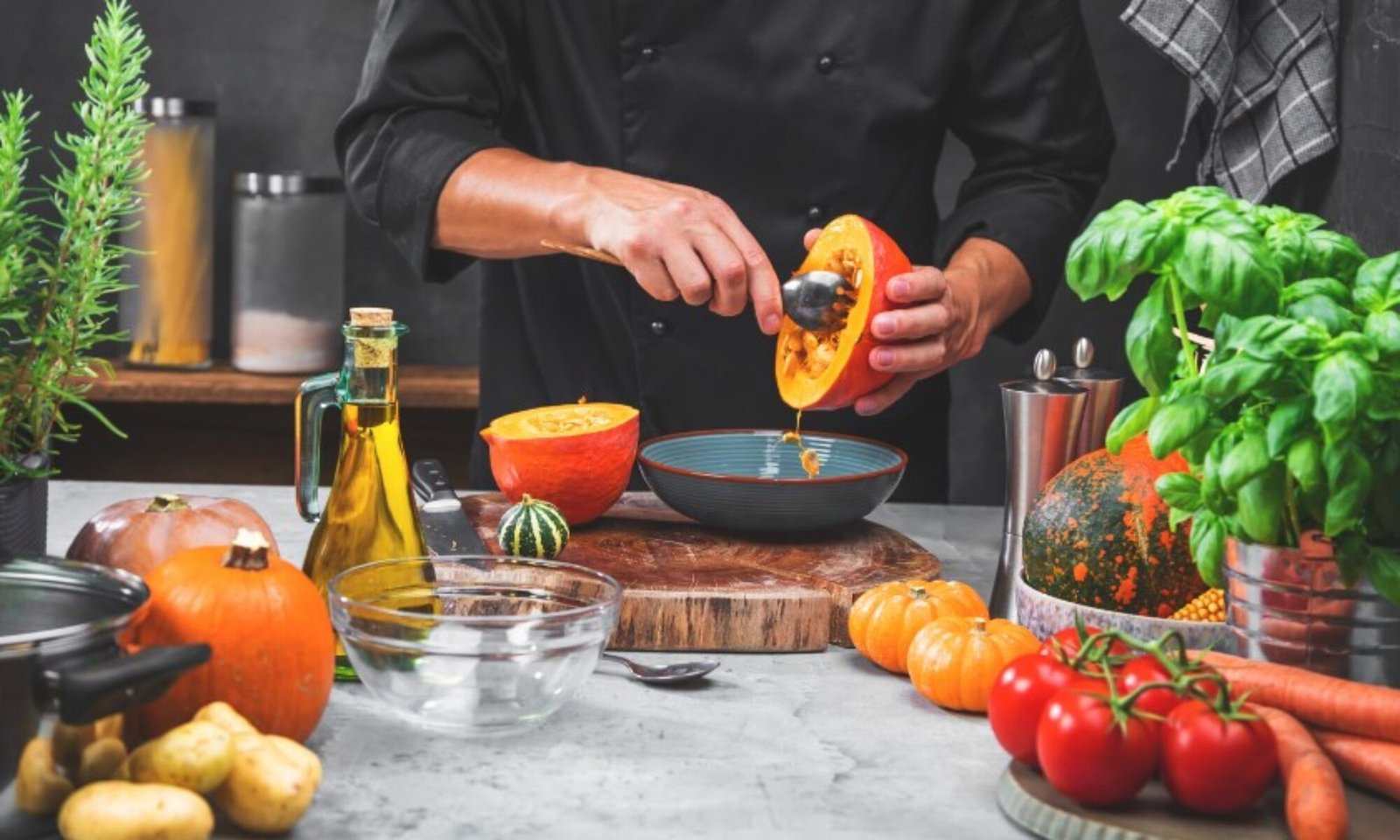
A heart-healthy diet is likely to bring to mind images of food that`s boiled and bland. On the contrary, a heart-healthy diet is one that is interesting, flavourful, and colourful as it should include an abundance of deep-colored veggies and fruits, coarse grains like millets, legumes of all kinds (soy, nuts, and seeds), low-fat dairy, along with some portions of fish or poultry.

Among all the foods required to keep the heart healthy, the ones that are eaten in far less quantity than recommended are vegetables and fruit.

This is a matter of concern that has been highlighted in various reports like “What India Eats” by ICMR-NIN, 2020. A heart-friendly diet must include at least five servings per day of this food group.

Other than eating diverse ingredients, the cooking process also plays a role in terms of the taste, texture, colour, digestibility, absorption, and nutritive value of the dish.

“Preferred cooking methods such as stewing (cooking in a covered pan using a small quantity of liquid that is simmering) and steaming (surrounding the food with steam produced by boiling water) score well. Among the methods of frying – stir-frying or sauteing (tossing food in a small amount of fat in a frying pan) is acceptable and healthy,” says Neelanjana Singh, a dietitian and wellness consultant.

“Even though each of the cooking methods has its set of advantages and limitations, it`s useful to remember these overarching guidelines for ideal heart health,” Neelanjana tells IANSlife:

Short cooking time: Overcooking should always be avoided, no matter what the cooking method. Overcooking destroys the nutrients as well as colours and textures of the food. Methods that employ shorter cooking time is preferred – pressure cooking and microwaving are prime examples.

Minimal use of water: When cooking in water, use as little as needed. This will minimise the leaching out of water-soluble nutrients. Try to use the leftover water in a sauce or gravy. Also, avoid adding baking soda to veggies when cooking. They may retain the colour but the Vitamin C content drops.

Avoid very high temperatures: This is particularly important in the case of dry heat methods like grilling, baking, broiling, and frying. Cooking at very high temperatures (above 180 degrees Celsius) can form acrylamide, a compound that has been linked to cancers, diabetes, and heart disease. The fat dripping onto the meats/paneer/potatoes at high temperatures causes such chemicals to form.

Use multi-source cooking oil: One of the most commonly asked questions about diet pertains to cooking oils and which of these is the best for our health. Multi-source cooking oils have the added advantage of low-absorbance technology and better heat stability, which is desirable for high-temperature cooking methods like baking and frying. Fried foods are very much part of our celebratory menus, which we can enjoy occasionally in limited portions, without increasing the risk of disease.

This brings us back to the fact that diet can play a big role in preventing disease conditions. The importance of using ingredients that are minimally processed and nutrient-dense cannot be overemphasized.

While the focus of a heart-friendly diet is on what we should do but being cognisant of the don`ts is crucial too. Excess salt, sugar, and saturated fat should be on the `watch out for` list. Trans fats, ultra-processed foods, and processed meats fall in the category of `to avoid` foods.

All in all, the dietary choices you make can go a long way in preventing not only heart disease but many other chronic conditions.

7 Heart-Healthy Foods You Can Eat Daily For Better Heart Health

7 Heart-Healthy Foods You Can Eat Daily For Better Heart Health

7 Heart-Healthy Foods You Can Eat Daily For Better Heart Health

Sure meals can aid boost our coronary heart overall health

Foodstuff has a substantial affect on heart overall health and can decreased your chance of establishing coronary heart ailment. In fact, a quantity of qualities that are risk components for coronary heart condition, including blood strain, triglycerides, inflammation, and cholesterol amounts, can be influenced by the food items you eat.

Generating tiny adjustments to your day-to-day diet can enable make improvements to your cardiovascular wellness and can decreased your risk of various health conditions. In this short article, we focus on some coronary heart-healthful foods you can consume day by day to improve your cardiovascular well being. 

Heart-healthier foodstuff that will boost your coronary heart overall health:

1. Walnuts

A day-to-day serving of a couple of walnuts may possibly assist lower cholesterol. It may also guard in opposition to artery inflammation in your heart. Omega-3 fatty acids, monounsaturated fat, plant sterols, and fibre are all abundant in walnuts. Nonetheless, make absolutely sure to take in only a few a working day as these small bits are very higher in energy. 

2. Olive oil

Created from crushed olives, this oil is a very good resource of extra fat. Antioxidants that encourage coronary heart overall health are plentiful. Your blood vessels could be shielded by them. Olive oil can lower cholesterol levels when it is made use of in put of saturated fats like butter. Consider it with toast, cooked vegetables, and salads.

3. Oranges

Oranges are sweet and juicy, and they include things like the cholesterol-decreasing fibre pectin. They also include potassium, which aids in blood tension regulation. Two cups of OJ per day improved blood vessel health, in accordance to a single review. Men’s blood tension was also minimized by it.

4. Complete grains

Fibre and other nutrition bundled in entire grains assistance to command blood pressure and maintain coronary heart overall health. By adopting uncomplicated substitutes for refined grain goods, you might strengthen the proportion of full grains in a coronary heart-healthy diet program. Alternately, be daring and experiment with typical entire grains, these as farro, quinoa, or barley.

5. Legumes

Legumes also referred to as pulses or beans, this kind of as beans, peas, chickpeas, and lentils, can all considerably decrease blood levels of low-density lipoprotein (LDL), also acknowledged as “lousy cholesterol.” They also incorporate large ranges of protein, fibre, and antioxidant polyphenols, all of which are great for the coronary heart and over-all well being.

6. Green leafy veggies

Leafy green vegetables with a high content of nutritional vitamins, minerals, and anti-oxidants contain spinach, kale, and collard greens. They’re a specifically very good resource of vitamin K, which allows to safeguard your arteries and assistance balanced blood clotting. Also, they include a great deal of dietary nitrates, which have been shown to decrease blood strain, reduce arterial stiffness, and increase the features of the cells lining blood vessels.

7. Tomatoes

Lycopene, a normally developing plant pigment with powerful antioxidant effects, is plentiful in tomatoes. As oxidative hurt and swelling can both equally contribute to coronary heart disorder, anti-oxidants work to counteract unsafe no cost radicals. Lycopene deficiency has been connected with an enhanced danger of heart assault and stroke.

8. Garlic

Garlic has been utilised as a property procedure for many different illnesses for ages. New scientific tests have supported garlic’s substantial therapeutic effects and learned that it could even enable with heart overall health. Allicin, a material present in garlic is assumed to have a broad selection of therapeutic added benefits on the heart.

Include these meals into your everyday diet to boost your heart wellness and improver your overall bodily as effectively as psychological health. 

Disclaimer: This information which includes information provides generic facts only. It is in no way a substitute for a certified medical impression. Generally seek advice from a expert or your possess physician for far more facts. NDTV does not assert accountability for this data.

Highlighted Movie Of The Day

Military Unfurls 100-Foot Tall National Flag In Jammu And Kashmir’s Doda

Heart-healthy foods: 15 items to add to your grocery list to prevent heart disease, other health concerns

Heart-healthy foods: 15 items to add to your grocery list to prevent heart disease, other health concerns

Before you go on your next grocery shopping trip, consider heart-healthy options for your meals.

February is National Heart Month — so what better time to put a little extra effort into changing your diet and focusing more on the health of your heart?

Heart disease is the leading cause of death in the United States, according to the Centers for Disease Control and Prevention.

ADD THESE HEART-HEALTHY FOODS RECOMMENDED BY EXPERTS TO YOUR GROCERY LIST

Spend time learning more about your heart and begin habits to continue throughout the year for an overall healthier lifestyle.

Here are a list of heart healthy foods to keep in your fridge or pantry.

  1. Dark leafy greens
  2. Olive oil
  3. Avocados
  4. Berries
  5. Beans
  6. Salmon
  7. Whole grains
  8. Walnuts
  9. Flaxseed
  10. Grapes/grape juice
  11. Papaya
  12. Dark chocolate
  13. Almonds
  14. Potatoes
  15. Pomegranates

1. Dark leafy greens 

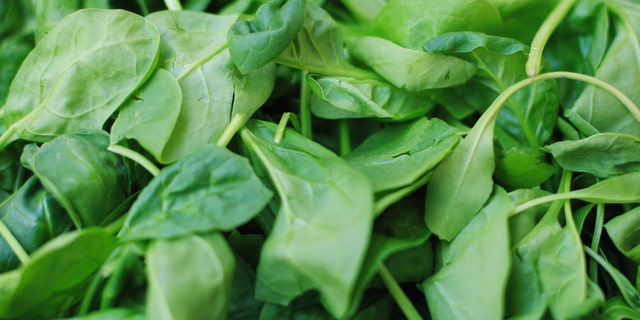
Dark leafy greens include veggies like spinach, kale and collard greens. 

Isa Kujawski, MPH, RDN, founder of Mea Nutrition LLC, says consuming these vegetables helps to protect you against cardiovascular disease because they’re packed with nutrients. 

Dark leafy greens are high in fiber and micronutrients, which help to keep your heart healthy.

Spinach, kale and collard greens are all examples of dark leafy greens that have a positive impact on your heart health.

Spinach, kale and collard greens are all examples of dark leafy greens that have a positive impact on your heart health. (iStock )

2. Olive oil 

Incorporate olive oil into your recipes when you’re able to in order to keep your heart strong.

Erin Kenney, MS, RD, registered dietitian and CEO of Nutrition Rewired, recommends putting olive oil into your salads or adding to homemade hummus as opposed to just heating it and using it to cook.

Olive oil is full of antioxidants, polyphenols and vitamins, all of which are good for your heart, says Kenney.

SURPRISINGLY HEART-HEALTHY FOODS

3. Avocados

No matter how you eat your avocados, they assist in improving your heart health. 

Mash them for your favorite homemade guacamole recipe or spread them over your morning toast and receive the same nutritional benefits.

Amy Adams, RDN, LDN, says that avocados are a great source of monounsaturated fats plus potassium and magnesium. 

All of these things, Adams said, are good for keeping a healthy blood pressure.

4. Berries

Berries are sweet, refreshing and contain lots of vitamins, minerals and antioxidants. 

Though eating more fruit in general has a positive impact on heart health, according to Kristi Ruth, RD, LDN, blueberries are at the top of the list when it comes to heart healthy fruits. Blueberries are high in antioxidants, including anthocyanin, which is very good for the heart.

There are many fruits that are good for heart health, but blueberries are one of the best.

There are many fruits that are good for heart health, but blueberries are one of the best. (Fabian Sommer/picture alliance via Getty Images)

5. Beans 

What food lowers cholesterol, blood pressure, inflammation and helps with digestive wellness? Beans. 

Beans, according to Kujawaski, are great for the heart, mainly because of the high fiber content. They also contain plenty of vitamins, minerals and phytochemicals.

6. Salmon 

Did you know that high-fat fish such as salmon can decrease your risk of death by cardiac arrhythmias? Cardiac arrhythmia is an irregular heartbeat that can lead to death.

The omega-3 fats that are found in fish reduce inflammation, says Kenney. She recommended eating two to three servings of high-fat fish per week, which includes salmon, but also herring, anchovies or mackerel.

If fish isn’t your cup of tea, fish oil supplements are also a good option that can provide similar benefits.

EDUCATE YOURSELF ABOUT HEART DISEASE AND PARTICIPATE IN WEAR RED DAY DURING FEBRUARY, AMERICAN HEART MONTH

7. Whole grains 

Whole grains are great for heart heath. Whole grains are also fairly easy to incorporate into your diet since they can be consumed so many different ways. 

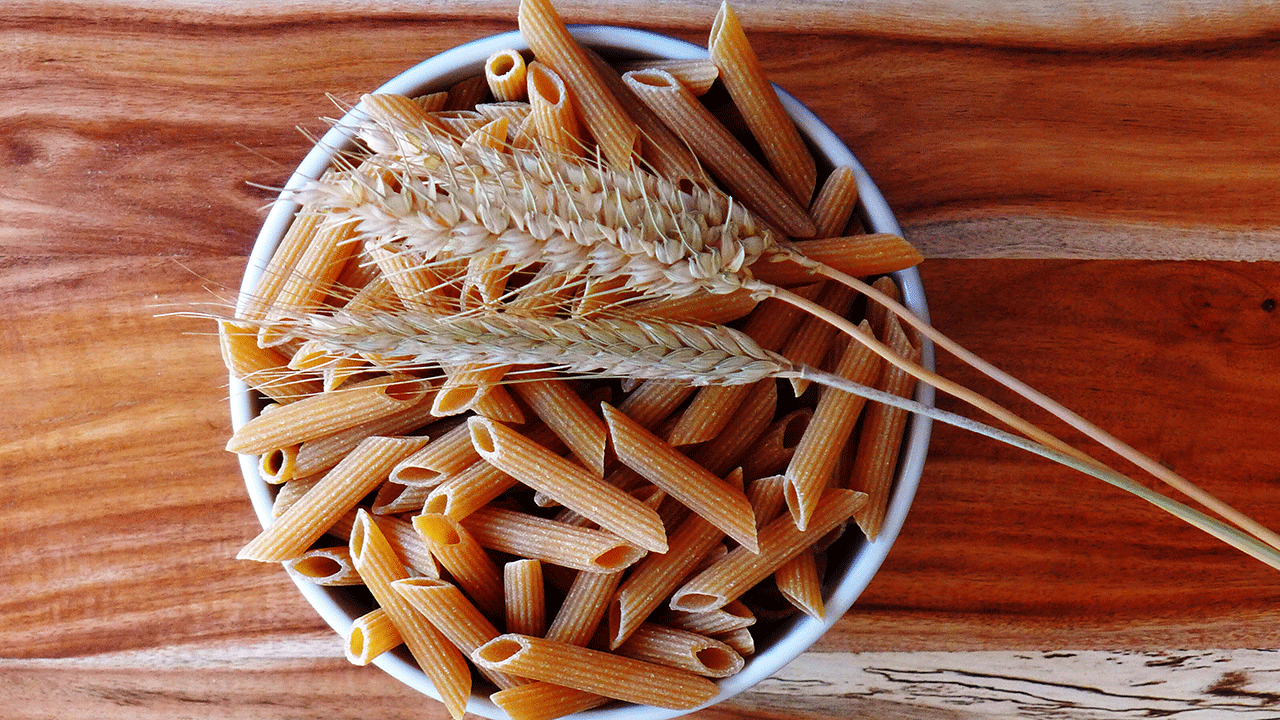
You can do so by switching to whole grain pasta, brown rice or wheat bread.

Kristin Gillespie, MS, RD, LD, adviser for Exercisewithstyle.com, said whole grains have the opposite impact on your body that refined carbohydrates do. 

Refined carbohydrates increase the risk of heart disease, while whole grains protect the heart.

Heart-healthy foods: 15 items to add to your grocery list to prevent heart disease, other health concerns

Making some switches to whole grain products, like whole grain pasta and wheat bread, can help protect your heart.  (Chapeaux Marc/AGF/Universal Images Group via Getty Images)

8. Walnuts 

What makes walnuts stand out among other nuts in terms of heart health is their high percent of omega 6, omega 3 and polyunsaturated fats, according to Adams. 

Whether you eat these on their own, or mixed with other nuts, trying to incorporate walnuts into your daily food intake can have a good impact on your heart health. 

THE WORST FOODS FOR HEART HEALTH, ACCORDING TO EXPERTS

9. Flaxseed 

Flaxseed is a great source of omega-3, according to Ruth, who also said it is high in fiber and lignans. Both lower the risk of cardiovascular disease.

If you are stumped on how you can incorporate flaxseed into your diet, mix it into your oatmeal or blend it into a smoothie.

10. Grapes and grape juice

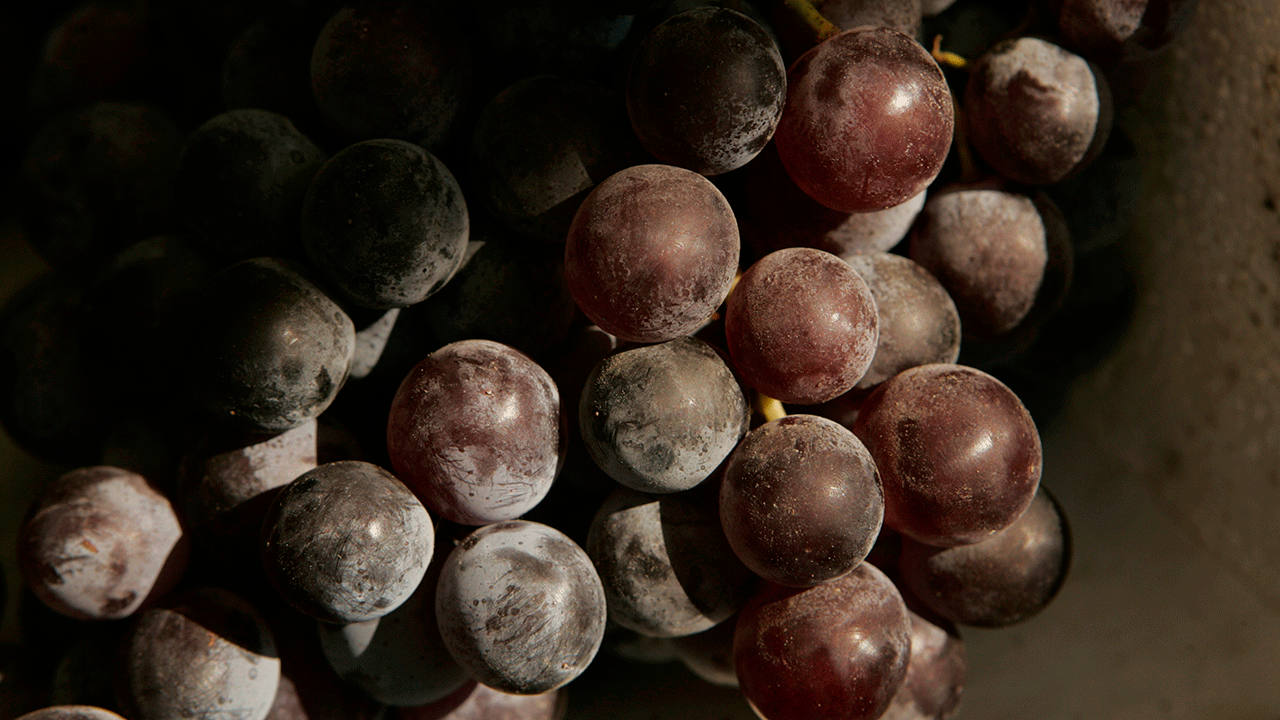
The Concord grape used for 100{d2b09b03d44633acb673e8080360919f91e60962656af8ade0305d5d8b7e4889} grape juice has polyphenols, which has been associated with improved blood flow.

You can get lots of health benefits through sipping on some grape juice.

You can get lots of health benefits through sipping on some grape juice. (Anne Cusack/Los Angeles Times via Getty Images)

Simply drinking grape juice with breakfast is an easy, juicy way to assist in a healthy heart. 

11. Papaya 

Papayas could have a major positive impact on health. 

They are high in lycopene which shows protective activity against the risk of heart attacks, among other things.

Papaya can be added to smoothies, on top of salad or on a yogurt parfait.

CLICK HERE TO SIGN UP FOR OUR LIFESTYLE NEWSLETTER

12. Dark chocolate 

Chocolate can be very good for you when enjoyed in moderation, of course. 

Dark chocolate, specifically, contains numerous health benefits, including lowering your risk of both heart disease and diabetes, according to Mayo Clinic. Dark chocolate also helps prevent blood clots, improves memory and lowers cholesterol, according to the site.

PUMPKIN BREAD WITH DARK CHOCOLATE CHIPS AND ALMOMDS: TRY THE RECIPE

13. Almonds 

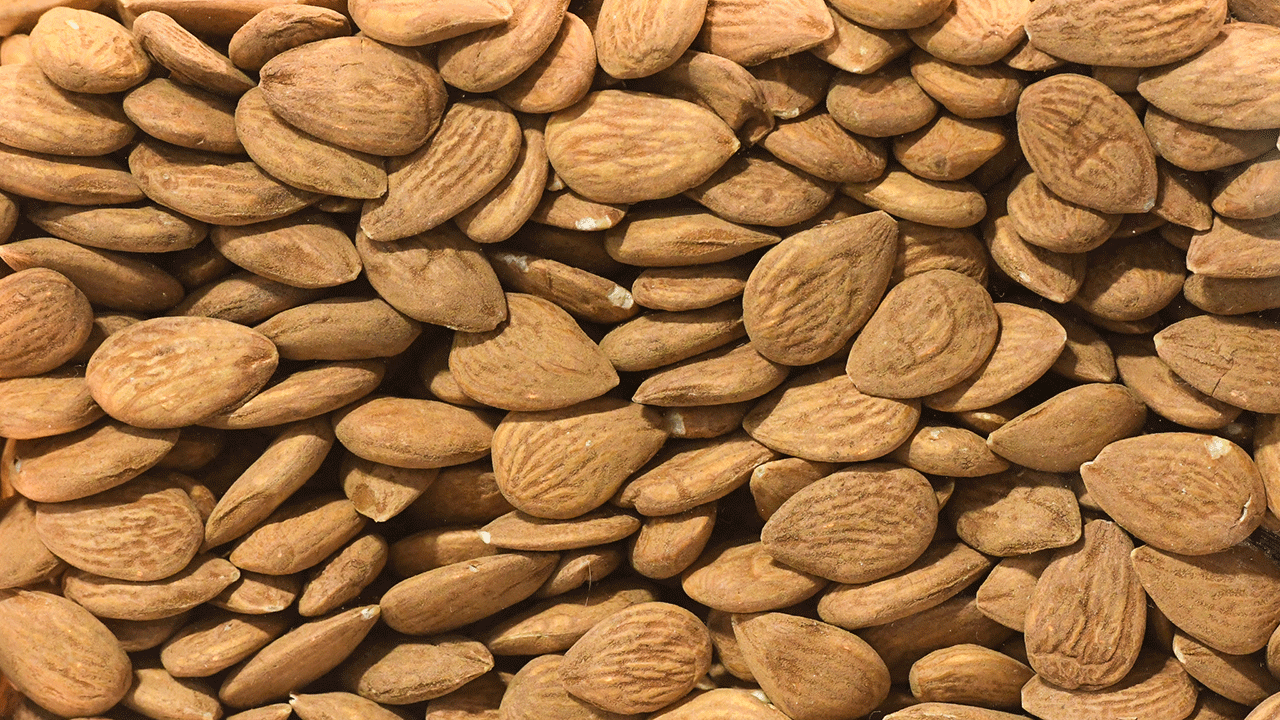
Almonds are filled with monounsaturated fats and fiber, which help protect against heart disease, according to Healthline.

Almonds are high in monounsaturated fats and fiber, which help lower your risk of getting heart disease.

Almonds are high in monounsaturated fats and fiber, which help lower your risk of getting heart disease. (Lorenzo Di Cola/NurPhoto via Getty Images)

While almonds are great for your health, consume in moderation if you are trying to lose weight, as they are also very high in calories.

14. Potatoes 

Potassium helps to lower your blood pressure and potatoes are full of it, according to health.com.

Potatoes are also high in fiber, so including them in your diet could lower your risk of heart disease.

CLICK HERE TO GET THE FOX NEWS APP

15. Pomegranate 

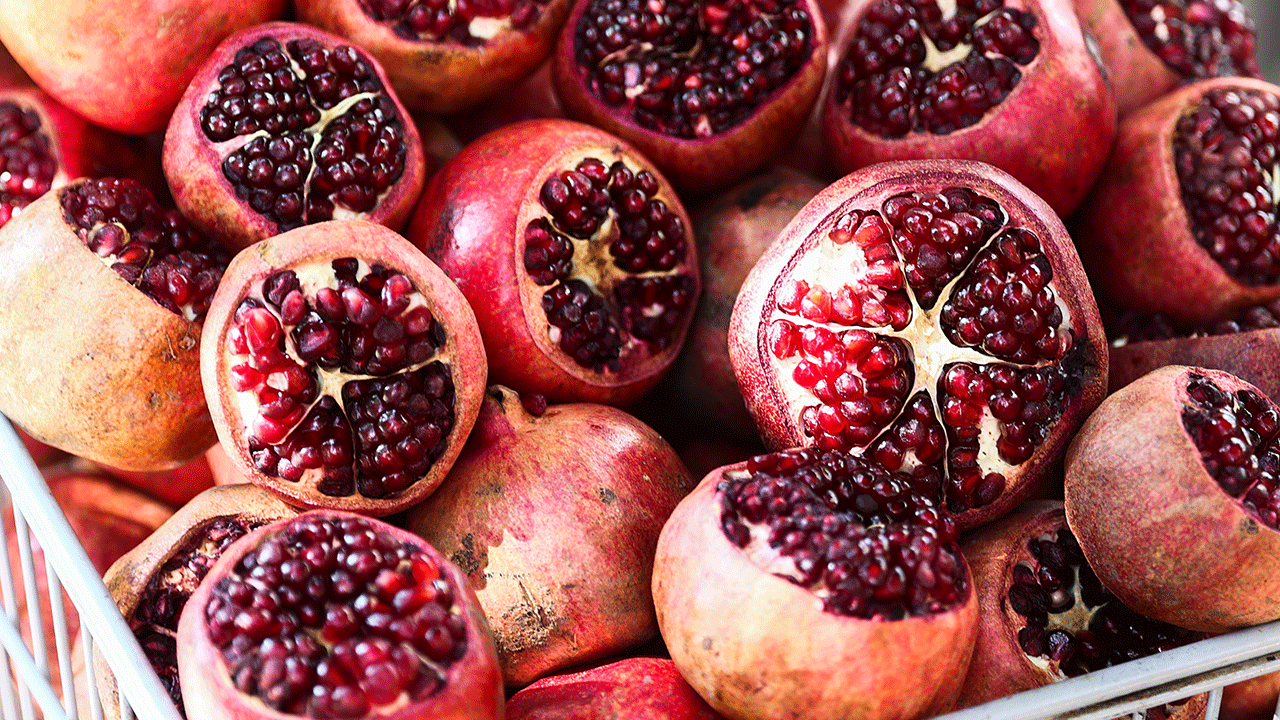
Pomegranates have lots of polyphenols and anthocyanins that assist in keeping a healthy heart, according to health.com.

Pomegranate seeds can be added to smoothies, salad or even in an alcoholic drink.

Pomegranate seeds can be added to smoothies, salad or even in an alcoholic drink. (Jakub Porzycki/NurPhoto via Getty Images)

Some ways to add pomegranate seeds to your diet are by mixing them into smoothies or even in cocktails like sangria. 

Add them to your salad or use them to top off your yogurt. 

Of course, you can also eat the seeds as is when removed from the peel.

Food Carts Are the Heart of Portland’s Food Culture. Could January 2023 Regulations Change That?

Food Carts Are the Heart of Portland’s Food Culture. Could January 2023 Regulations Change That?


Every local has their tried and true favorites, while tourists eagerly check boxes on their must-try lists in Portland’s thriving food cart scene. There are so many carts in the city that keeping an exact count is impossible—but the number tops 500. A lone cart might spring up next to a corner store, a pod might take root in an empty parking lot, and, lately, luxe pods with beer bars, real bathrooms, and heated, covered seating have proliferated. Carts are as unique as the people who run them; you can get anything from wood-fired Mormon grandma cuisine to Chinese street-food crêpes. Part of the reason why carts are so popular here: there’s a low barrier to entry to starting one, with lower upfront costs and less regulation involved than with brick-and-mortar restaurants. But with new regulations regarding food carts and food cart pods taking effect on January 1, 2023, some cart owners are worried about their ability to keep their businesses open, and some have already made the decision to temporarily close, including Meliora Pasta and Papi Sal’s. 

The trickiest new regulation is one regarding the disposal of wastewater from carts. Wastewater includes water used to wash hands, dishes, and pots, and it may contain grease, bacteria, soap, and food particles. Carts can dispose of wastewater in three ways—by connecting directly to the sewer with a grease interceptor, by collecting water in the cart’s small onboard wastewater tank and frequently emptying that tank, or by collecting water in a large wastewater cube adjacent to the tank. New statewide mobile food unit laws declare that “all operations and equipment must be integral to the unit,” meaning carts can no longer use large wastewater cubes—and that can pose a significant challenge to those businesses. 

“We have had many years of documentation of wastewater spills happening, tanks getting cracked, broken into, and they go into the stormwater drains and into the Willamette,” says Jeff Martin from the Multnomah County Health Department, which enforces the state rules. 

The owners of Meliora Pasta, an Italian-inspired cart that opened in February 2022 and was most recently located at the Bantu Island food cart pod on NE Alberta Street and 15th Avenue, have already made the decision to close temporarily. Co-owner Jim Millar says that when he moved into the Bantu pod last summer, he was told that upgrades would be made by January to allow carts to connect to the sewer, but those upgrades have not yet taken place. Earlier this year, he was sharing a 500-gallon wastewater cube with a neighboring cart, and paid $250 once every three weeks to have it emptied removed by a licensed wastewater removal company. 

Without a sewer connection and without a large wastewater cube, the only option available is to use the cart’s smaller onboard wastewater tank. Under new city rules, cart owners can haul up to 20 gallons at a time themselves, or they can hire a licensed wastewater removal service to empty the onboard tank, which might hold 75 gallons. But some carts can easily go through 50 gallons a day, says Millar. That means some would need a wastewater disposal service to come once a day—and that’s just not feasible with the small number of wastewater disposal operators in town. Due to the cost and logistical difficulty of daily hauling, Millar has decided to close the Meliora Pasta cart for the foreseeable future, opting instead for pop-up dinners at the former Yonder space until he can find an affordable cart space with a sewer hookup.

Though there are many licensed wastewater haulers in the state, there are only two in the area who can handle wastewater for food carts, says Leah Tucker, a former food cart owner who advocates for food carts through the nonprofit she founded, the Oregon Mobile Food Association. The situation is even tougher in rural areas of the state, which may not be able to be serviced by wastewater removal regularly. “Across every industry, there was a massive reduction in staff [during the pandemic],” says Tucker. “The wastewater pumping industry is no different. But mobile units blossomed during that time, because restaurants were closing and restaurateurs wanted to continue doing what they love. We had more units, less pumping … there had to be a break point. You have 400 customers and only two pumping trucks.” 

“It already takes over a week to schedule gray water removal systems,” says Millar. “It’s just not feasible … their schedules are already so full as it is.”

 It’s also expensive to get wastewater tanks pumped frequently. Leo Mendoza, owner of the Taco Gang food cart, went from getting a large cube pumped once a month to a small onboard tank pumped once a week. “It’s triple [what it used to cost] every month,” he says.

Meanwhile, Jess Mummery, co-owner of Papi Sal’s, says their cart closed because Great Notion abandoned plans to build a taproom—which would have included a sewer hookup—and daily wastewater removal would have cost $70 per day. “We were between a rock and a hard place with where to put the cart,” she says. She and business partner John Hatch plan to do Puerto Rican platter pop-ups and will reconsider opening their cart at a new location in the spring, when business tends to pick up.

Though many newer pods are now built with sewer hookups, many older ones rely on wastewater tanks. The cost of connecting to the sewer underground can be high. Rico Loverde, owner of burger cart Monster Smash, and his cotenant, Belmont Station, are facing rent increases for the next two years to cover the $18,000 cost of connecting the cart to the sewer.

Meanwhile, Tess Kies, who owns the food cart pod at 2623 Belmont St, says she found the cost of making improvements prohibitive. “I’ve got a bid for a contractor that’s $30,000, and we’re not gonna do that,” she says. “I know we won’t keep [the pod] if the cost is outrageous. I’m concerned that [a lot of the carts around the city] are going to be put out of business.”

Though these regulations were put in place in early 2020, many food cart owners and food cart pod owners said they were unaware of the regulations until recently, making it particularly hard to adapt to these expensive changes during winter, which is traditionally a slow season for their business. An email from the city in English and Spanish was repeatedly sent to Portland food cart owners—and Loverde reported he didn’t begin receiving that email until late August. 

Martin says the county health department has provided this information to carts in a number of ways. “We [let them know] through our plan review process that you need to plan on having a sanitary sewer connection or regular routine pumping where you don’t rely on a wastewater cube outside of the mobile unit. We would also provide information during inspections. Over the past couple months, we’ve also been using flash notifications [via email] to make sure all mobile units are aware of this,” he says.

But Martin says he doesn’t want carts to close because of the new regulations. “It’s not an immediate closure at all, but we will work with them to make sure that they understand they need to come up with a plan on how they’re going to achieve compliance,” he says—whether that involves doing construction or having more frequent pickups from internal tanks. 

In the meantime, Tucker has filed a request with the health department to give food carts another eight months to comply with the regulations. After all, Tucker notes, the January 2023 guideline was put in place before the pandemic began.

“Nobody had any idea that this was gonna last three years. So by the time the health department or anybody was really able to focus on anything beyond just survival, so much time had passed. And now suddenly we’re looking down the barrel of the three-year mark, and nobody knew [about the guidelines],” says Tucker. “We understand that extenuating circumstances were at hand why we didn’t get the information sooner. But now we need their help—and we need more time.”

Heart healthy food drive to gather nutrient rich foods, Jan. 16-30 : Maui Now

Heart healthy food drive to gather nutrient rich foods, Jan. 16-30 : Maui Now

December 17, 2022, 12:25 PM HST

Heart healthy food drive to gather nutrient rich foods, Jan. 16-30 : Maui Now

The American Heart Affiliation, alongside Hawaiian Airways is supporting foodstuff entry companies in Hawaiʻi by hosting a coronary heart healthful meals travel Jan. 16-30, 2023.

To assistance the wholesome food travel, goods can be dropped off at from Jan. 16-30 at the following locations:

  • Hawai‘i Foodbank, 2611 Kilihau St., Honolulu, Hello 96819, 808-836-3600
  • Hawai‘i Foodbank Kaua‘i, 4241 Hanahoa Pl., Ste. 101, Lihue, Hi 96766, 808-482-2224
  • Maui Food Financial institution, 760 Kolu St., Wailuki, Hello 96793, 808-243-9500
  • The Foods Basket, 40 Holomua St., Hilo, Hello 96720, 808-933-6030
  • The Meals Basket, 73-4161, Ulu Wini Pl., Kailua-Kona, Hi 96740, 808-322-1418

“Healthy food items serve as the foundation of ideal wellness and picking healthy solutions is much easier when food accessibility businesses distribute food items that present ample nourishment,” organizers claimed. “People who facial area foods insecurity are at a larger threat for chronic circumstances owing in portion to the usage of harmful meals that are significant in energy and reduced in nutrients.”

Posting Carries on Under Ad
Article Proceeds Below Advertisement

Hawaiʻi’s statewide network of food stuff banking institutions recognizes that dependable, equitable accessibility to safe and balanced food items is a fundamental human right. Appropriately, food items banks like Hawai‘i Foodbank are prioritizing applications and initiatives to present more healthy meals possibilities to the communities they serve.

The foodstuff generate is a element of the American Heart Association’s Heart of Hawaiʻi marketing campaign, a calendar year- spherical overall health work culminating at its once-a-year Coronary heart Ball.

Hawaiian Airways is top the Coronary heart of Hawaiʻi enterprise endeavours to assist the wholesome food items generate and provide as an illustration for other corporations to host their individual nutritious food drives doing work with the Affiliation.

Report Continues Under Advert

Balanced foods gathered in the food push must comply with the Association’s dietary tips including lower saturated extra fat, low sodium and no included sugar. These food items are the greatest in diet and add the nutrients that are most effective in avoiding the enhancement of chronic illnesses like coronary heart condition and stroke.

Goods consist of:

  • Beverages- h2o, 100{d2b09b03d44633acb673e8080360919f91e60962656af8ade0305d5d8b7e4889} fruit juice, very low-excess fat, powdered milk
  • Proteins- unsalted nuts, normal peanut butter, canned meat with no included sodium, beans both dried or no-sodium
  • Total Grains- total wheat pasta, full wheat crackers, total grain cereals, total grain, organic granola bars, brown rice
  • Canned and Dry Products- canned greens with no added sodium, canned fruit in 100{d2b09b03d44633acb673e8080360919f91e60962656af8ade0305d5d8b7e4889} fruit juice, pure applesauce, soups with minimal or no sodium, dried fruit with no additional sugar and more healthy cooking oils this sort of as olive oil

The goods from the Hawaiian Airways balanced food push will be donated to Hawai‘i Foodbank on O‘ahu, Hawai‘i Foodbank Kaua‘i, Maui Food stuff Lender and The Food Basket on Hawai‘i Island.

The Best Foods for Heart Health, and What to Avoid

The Best Foods for Heart Health, and What to Avoid

When it comes to your risk of heart disease, some factors are out of your control — like, say, your blood type. But other factors are more changeable, including your diet. Everyone from the American Heart Association to the US Department of Health and Human Services recommends making specific food choices to support a healthy heart. Because foods for heart health can reduce other potential cardiovascular issues — like high blood pressure and high cholesterol — it’s worth keeping in mind as you plan your weekly meals. 

Keep reading to find out which foods to look for and what a heart-healthy diet looks like overall.


Now playing:
Watch this:

How Healthy is Your Heart, Really? 5 Ways to Tell at…


3:59

What is a heart-healthy diet?

Studies have revealed two things: foods that are riskier for your heart and foods that strengthen it. Fortunately, you’re not about to get hit with a bunch of curveballs. The best foods for heart health are ones you probably already think of as healthy. Similarly, the not-so-heart-healthy foods are probably already on your radar for not doing your body any favors.

Before we dive in here, let’s say: everything in moderation. Unless you already know you have a heart health issue, you don’t need to cut out any foods or make drastic changes. We’re not saying you can never have another piece of bacon or crack open another soda. Instead, being mindful of what a heart-healthy diet looks like can help you incorporate more of those foods into your meals.

Now, let’s talk details. According to the AHA and Department of Health, a heart-healthy diet is rich in:

  • Produce
  • Lean proteins
  • Fiber-rich complex carbs
  • Healthy fats

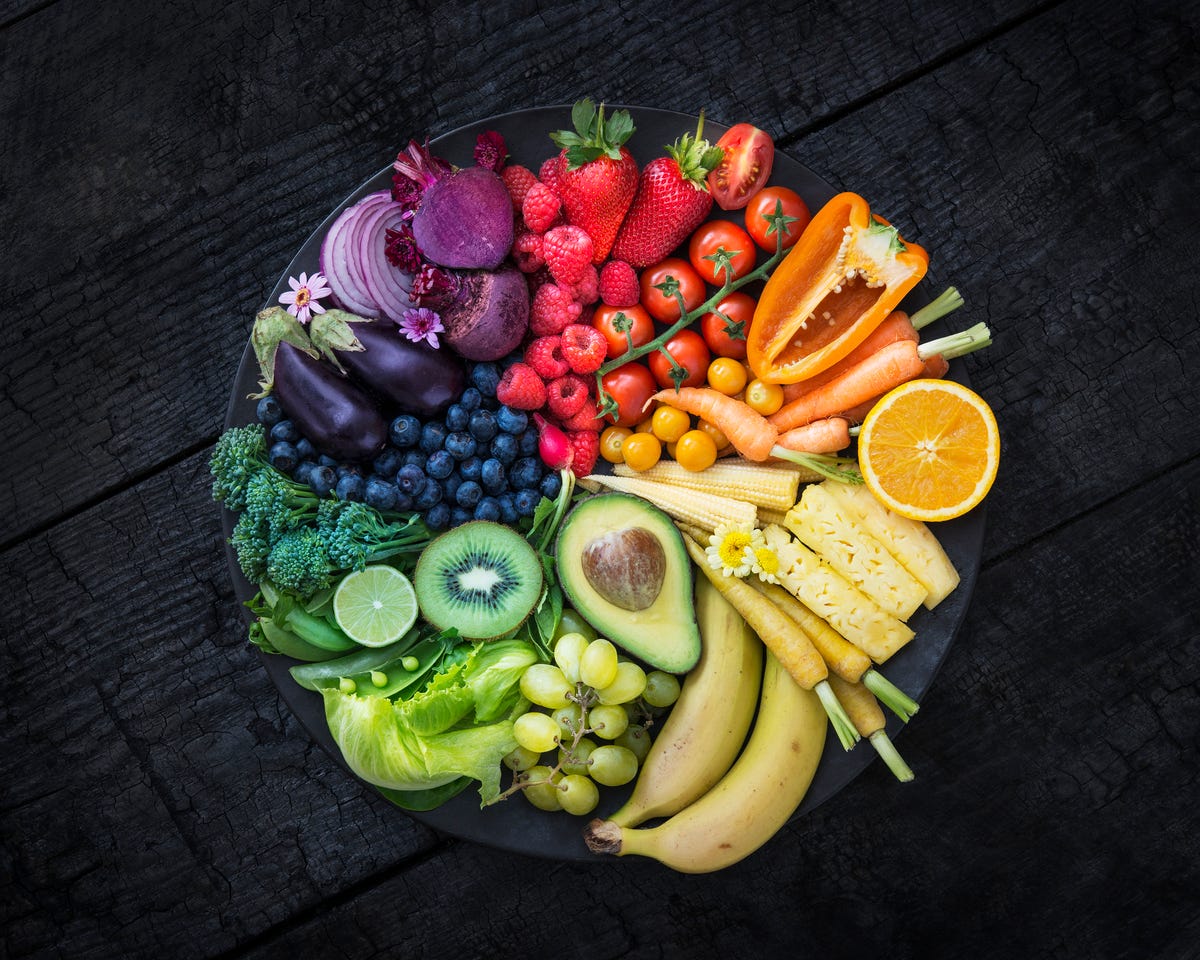
A diet full of colorful fruits and vegetables, whole grains and healthy proteins and fats will give your body the fiber, vitamins and minerals it needs to support a healthy heart. 

A bright rainbow spectrum of produce on a platter.

David Malan/Getty Images

Conversely, if you’re trying to boost cardiovascular health, you want to limit your intake of:

  • Trans fats
  • Saturated fats
  • Processed meats (for example, lunch meat, salami and hot dogs)
  • Excess salt
  • Excess sugar
  • Refined carbohydrates (for example, white breads and snacks)
  • Red meat
  • Excess alcohol

If a lot of your favorites are on the less heart-healthy list, don’t panic. You can still include them in your diet (unless your doctor says otherwise). Just make sure that these foods aren’t taking over every meal, and try to add as many heart-healthy foods into your day as you can.

Heart-healthy foods

Person in a long brown dress browses a grocery store aisle.

d3sign/Getty Images

If you want to feel good about what your next grocery trip will do for your heart health, you can grab items in these specific categories.

1. Fruits and vegetables

Remember the food pyramid from back in the day? It was on to something. Your body benefits from eating quite a bit of produce.

That’s because veggies and fruit load in a lot of nutritional density per bite. Bananas and sweet potatoes deliver potassium, a key mineral for heart health. Cruciferous veggies may help to prevent clogged arteries. Leafy greens deliver fiber, which can help to lower cholesterol and blood pressure. 

Long story short, the more produce you’re packing in, the better. And if fresh produce doesn’t work for your budget or your lifestyle, don’t worry. You can get plenty of nutritional benefits from frozen, dried and canned options. Just make sure they’re marked low-sodium. 

2. Whole grains

Not all carbs are bad. Refined carbs like the ones in white bread fly through your body, usually doing you more harm than good. But complex carbohydrates, like the ones you’ll find in whole grain products, deliver fiber, which we’ve already mentioned as a heart health booster. 

Plus, they often come packed with vitamins and minerals like iron, selenium, thiamin (Vitamin B1), riboflavin (Vitamin B2), niacin (Vitamin B3), folate (Vitamin B9) and magnesium. If you’re looking for a heart-healthy diet, choose products that have whole grains in their ingredient list. Plus, complex carbs can also be found in beans, potatoes, peas and corn.

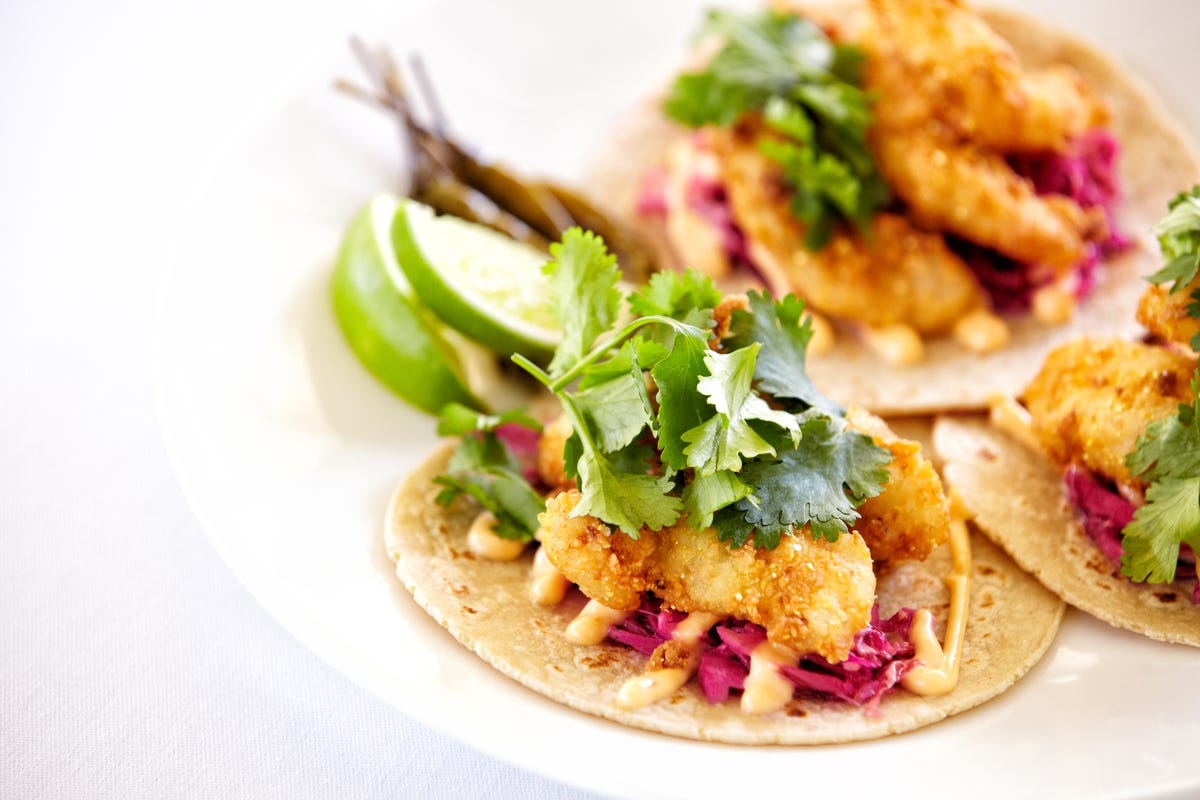
Fish tacos on a plate, with corn tortillas and fresh cilantro.

GSPictures/Getty Images

3. Lean and plant protein

While certain proteins — like red and processed meat — can be hard on your heart, others top the list of foods for heart health. The key here is to look for plant-based protein, lean animal proteins and fish. Experts recommend mixing up your protein sources. So you have plenty of options, stock up on:

  • Lentils
  • Beans
  • Nuts
  • Seeds
  • Tofu
  • Fish, especially ones high in omega-3 fatty acids
  • Eggs
  • Low-fat dairy products
  • Poultry
  • Seeds

Swap some of your red meat and cured pork for the options above and you’ll be doing your heart a favor. 

4. Healthy fats

You might think that fat spells heart trouble, but it’s all about the type of fat. While trans and saturated fats have been linked to cardiovascular issues in numerous studies, your body, including your heart, needs healthy fats. You can get these from fish, nuts and seeds, along with avocados and moderate amounts of plant oils like:

  • Olive oil
  • Sesame oil
  • Sunflower 
  • Soybean oil
  • Canola oil
  • Corn oil
  • Safflower oil

As a general rule of thumb, if the fat would be solid at room temp, it’s probably saturated. If it would be a liquid, it most likely falls under the unsaturated variety. Think butter (controversial for health) versus olive oil (definitely part of a heart-healthy diet). 

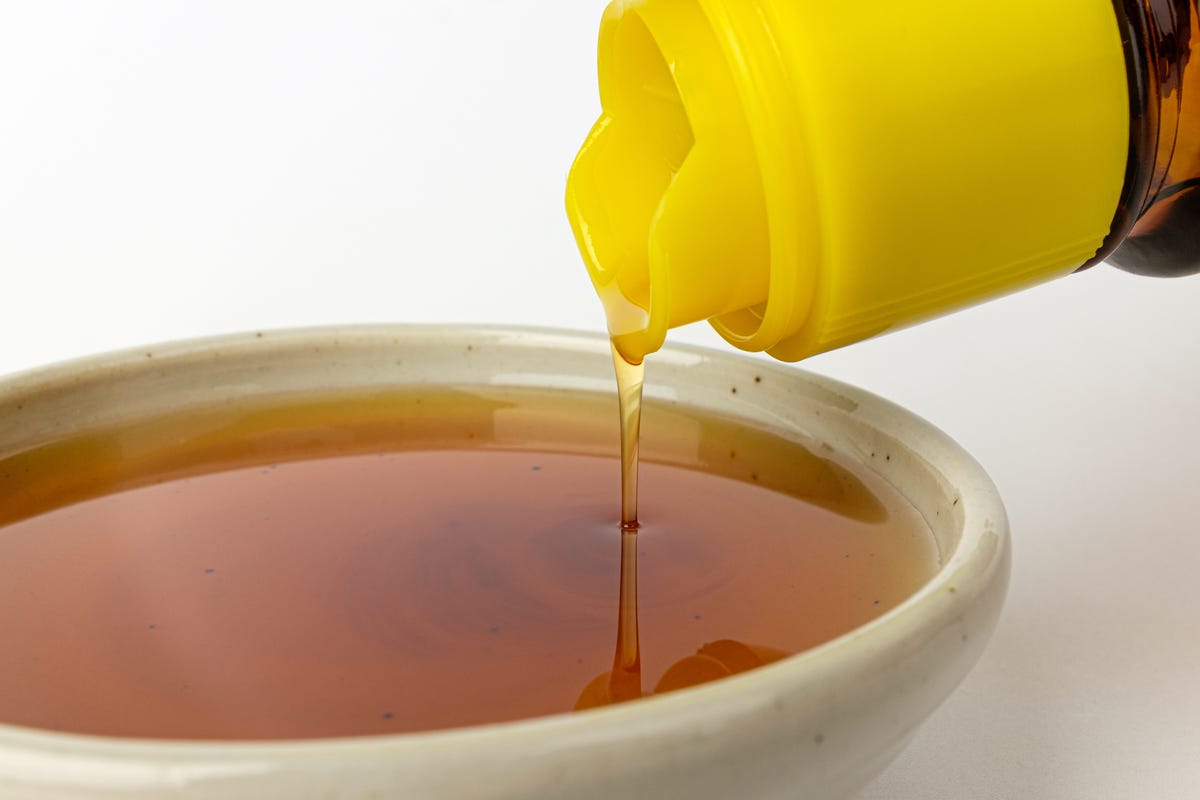
Sesame oil pouring into a small dish.

SUNGMIN/Getty Images

5. Heart-check foods

The American Heart Association has certified certain foods for heart health and given them the Heart-Check seal, which you can find on some food packaging. Once you learn that seal, it can make it easier to stock your cart with foods for heart health. 

For the best results, pair your heart-healthy diet with other heart health boosters like regular exercise, sleep and stress management techniques. It can also be helpful to learn your blood type and what it means for your risk of specific cardiovascular conditions. 

The information contained in this article is for educational and informational purposes only and is not intended as health or medical advice. Always consult a physician or other qualified health provider regarding any questions you may have about a medical condition or health objectives.