

30 Priceless Cooking Tips That Were Passed Down To People By Their Parents, Grandparents, And Great-Grandparents

30 Priceless Cooking Tips That Were Passed Down To People By Their Parents, Grandparents, And Great-Grandparents

They say if you are the smartest person in the room, you are in the wrong room. But the same can be applied to kitchens. Learning your way around the pots and pans takes a great deal of time and effort, and it’s much easier when there’s an expert to guide you. Like your dad. Or grandma.

Recently, Reddit user u/OoopsieWhoopsie made a post on the platform, asking everyone to reveal their most prized family cooking tips. And some people agreed to do it; sharing really is caring. From getting the most out of your leftovers to adding an extra oomph to your dishes, continue scrolling to check them out!
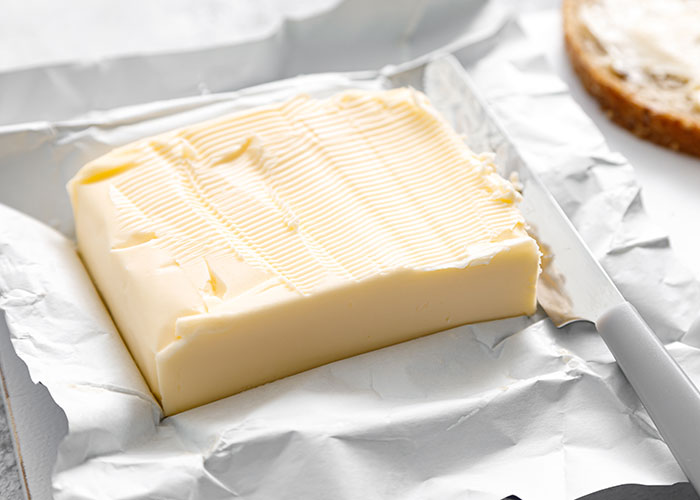
30 Priceless Cooking Tips That Were Passed Down To People By Their Parents, Grandparents, And Great-Grandparents My grandma would save butter wrappers in the fridge and use the leftover butter on them for greasing dishes when she baked. I can’t help but stockpile wrappers, it’s really so handy.

spottedsushi , sea_wave Report

Don’t hollow out a bread bowl; shove the inner bread down to create a thicker bottom. This will prevent leaks and sogginess.
jeff_the_nurse Report

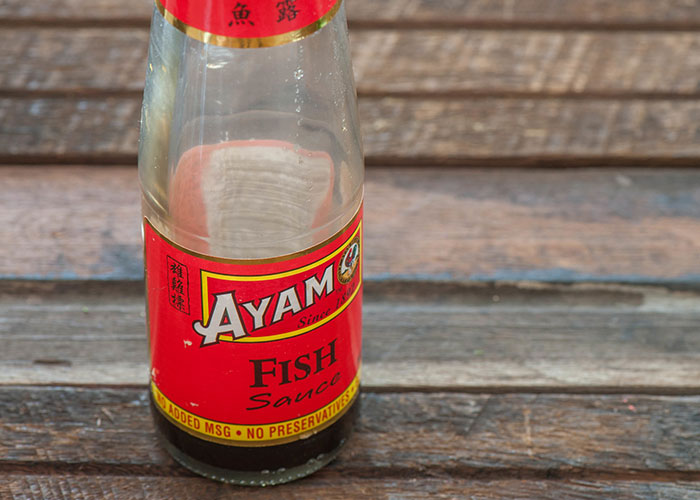
30 Priceless Cooking Tips That Were Passed Down To People By Their Parents, Grandparents, And Great-Grandparents Putting a little fish sauce into a stew or sauce that needs umami. It’s basically liquid anchovies.
gwaydms , jules Report

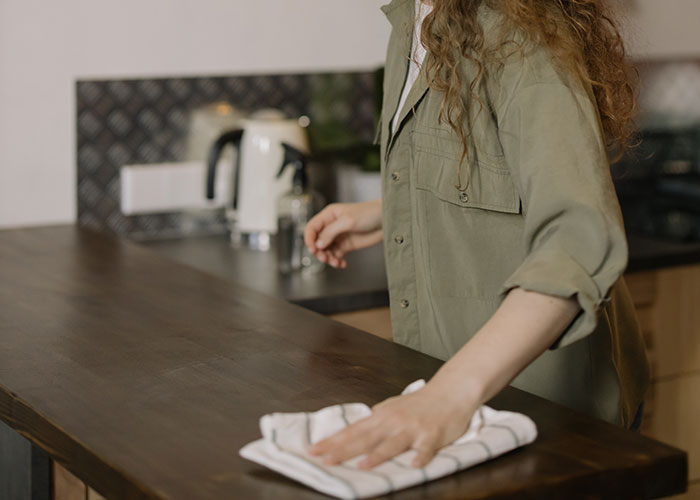
30 Priceless Cooking Tips That Were Passed Down To People By Their Parents, Grandparents, And Great-Grandparents My Uncle Arthur’s tip is “clean while you cook!”, and he will not let you forget it, either.
Not really sure if its a tip but my Papa Searcy used to microwave bacon on old newspapers…it was always delicious! In hindsight it’s probably bad for you and you should never do it. I have weird memories of the smell of newspaper and bacon.

dickle_berry_pie , cottonbro studio Report

Cook them onions – cook them onions loooong n slow. Then add tomato, cook that tomato, cook that tomato looooooong and slow.
niknikn Report

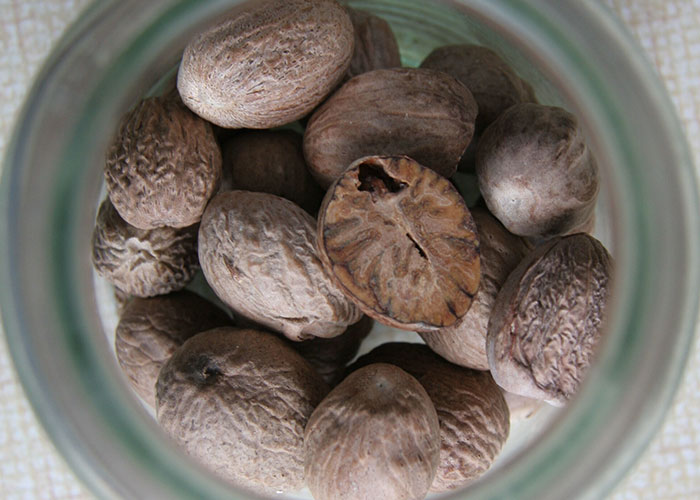
30 Priceless Cooking Tips That Were Passed Down To People By Their Parents, Grandparents, And Great-Grandparents Add a pinch of nutmeg to anything with dairy in it, you can’t taste the nutmeg but it makes the dairy richer and taste better.
llcucf80 , Brian Snelson Report

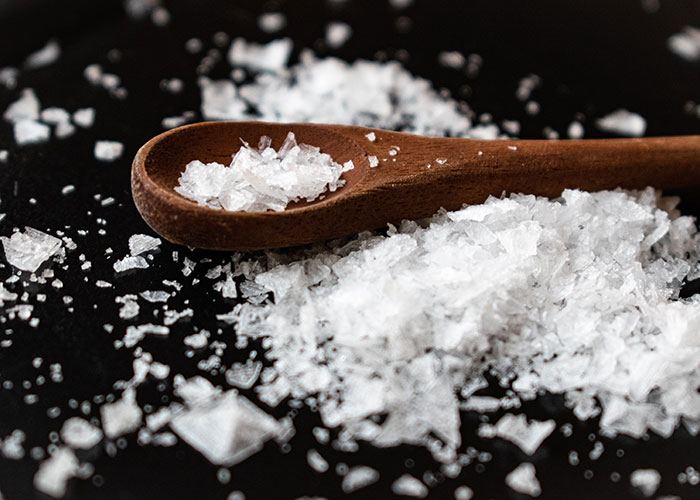
30 Priceless Cooking Tips That Were Passed Down To People By Their Parents, Grandparents, And Great-Grandparents Sprinkle sea salt on cookies right before or right after baking. The extra salt brings out the flavors more and helps balance out the sweetness.
Darwin343 , Maria Petersson Report

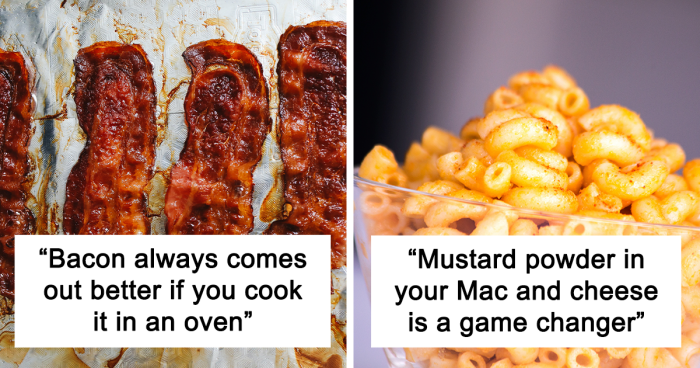
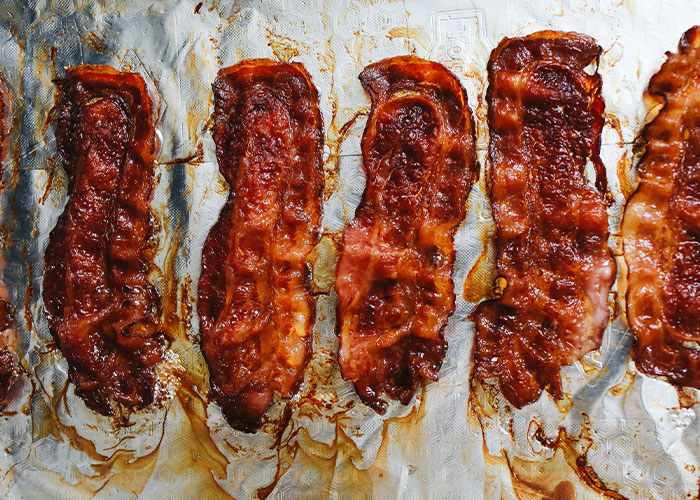
30 Priceless Cooking Tips That Were Passed Down To People By Their Parents, Grandparents, And Great-Grandparents Bacon always comes out better if you cook it in an oven, and it’s important to put the bacon in before turning the oven on; preheating the oven will make the bacon stick to the cookie sheet

bento8621 , Polina Tankilevitch Report

You’re probably using too much flour in your yeast dough. Many recipes say it should not be sticky. On the contrary, you want it a little yucky and sticky before you let it rest. That’s how you get yummy fluffy stuff that doesn’t dry out within hours.

Also, to prevent the dough from sticking to your hands, you don’t use flour. You use vegetable oil
Theawkwardmochi Report

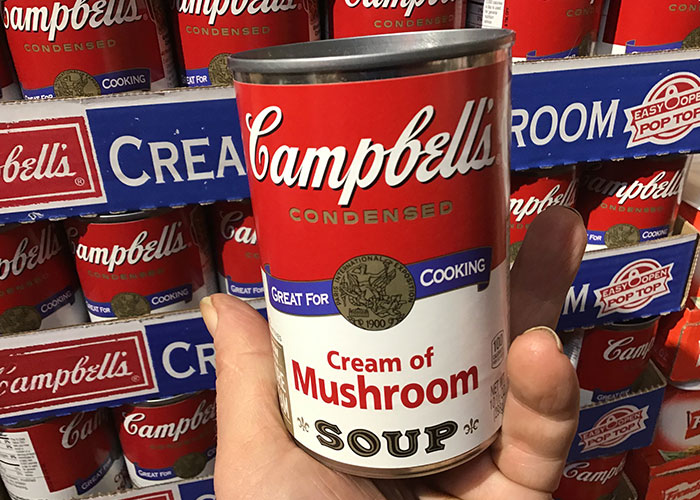
30 Priceless Cooking Tips That Were Passed Down To People By Their Parents, Grandparents, And Great-Grandparents Keep in mind I’m from a very Midwestern Scandinavian family. Cream of mushroom soup is kind of a universal solution for improving any dish.
batmanandboobs93 , Mike Mozart Report

30 Priceless Cooking Tips That Were Passed Down To People By Their Parents, Grandparents, And Great-Grandparents If a dish feels flat it’s often the acidity that’s missing. Dash of White Modena vinegar is the secret to my red sauce for example, even though it’s inherently acidic.

highpsitsi , Ksenia Chernaya Report

My oma would add plain seltzer to her matzah balls… she said it made them fluffier.
jennenen0410 Report

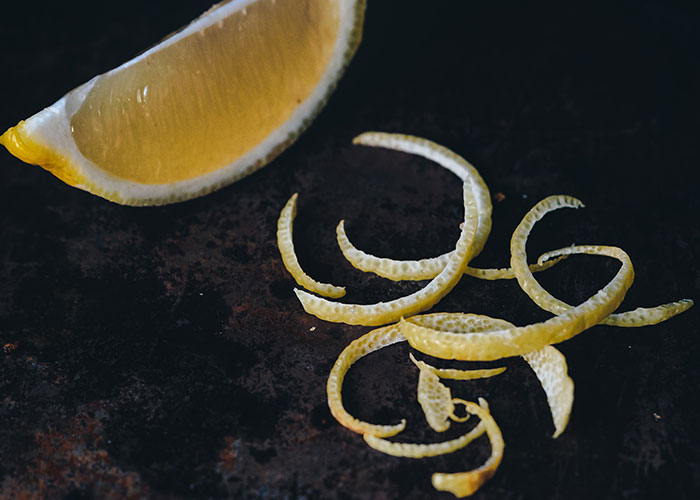
30 Priceless Cooking Tips That Were Passed Down To People By Their Parents, Grandparents, And Great-Grandparents Add citrus zest to enhance flavor and acidity, especially in sauces/salsas…desserts too!

Salt your water liberally when boiling pasta/potatoes, and blanching vegetables

Nattydr3 , Nathan Lemon Report

Rub a lemon wedge on the inside of your mixing bowl when you’re making meringue. It works better than cream of tartar and you’ll get a more stable meringue.

TheLadyEve Report

I thought adding cocoa powder to chili was pretty common.

I like to add some apple cider to baked beans and a bit of cinnamon to chocolate cake.

Bluemonogi Report

30 Priceless Cooking Tips That Were Passed Down To People By Their Parents, Grandparents, And Great-Grandparents MSG makes just about everything better. I add it to the salt mixture when I’m seasoning meats. It also helps make ripe tomatoes pop by accentuating the naturally occurring MSG, keep that in mind when you’re making tomato salads and tomato sandwiches.
wreckyourpod , Douglas Muth Report

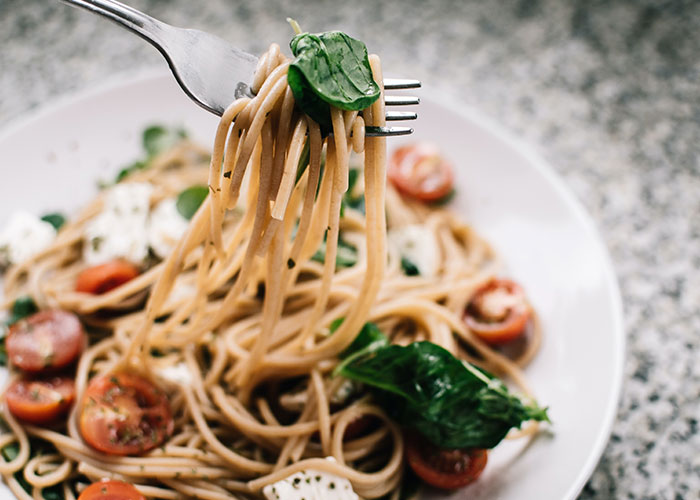
30 Priceless Cooking Tips That Were Passed Down To People By Their Parents, Grandparents, And Great-Grandparents My family owns a catering business, starting from my grandparents who came to the states from Portugal. One thing I’ve learned that greatly improve my meals is to add butter to your noodles (for saucy pasta like Spaghetti)

OoopsieWhoopsie , Lisa Fotios Report

Adding Worcestershire sauce, a bit of soy sauce, and Dijon mustard to your pan-fried chicken livers would ascend them into deityhood (not to forget the caramelized onions, chicken stock stock, garlic, and mushrooms).
aposhig Report

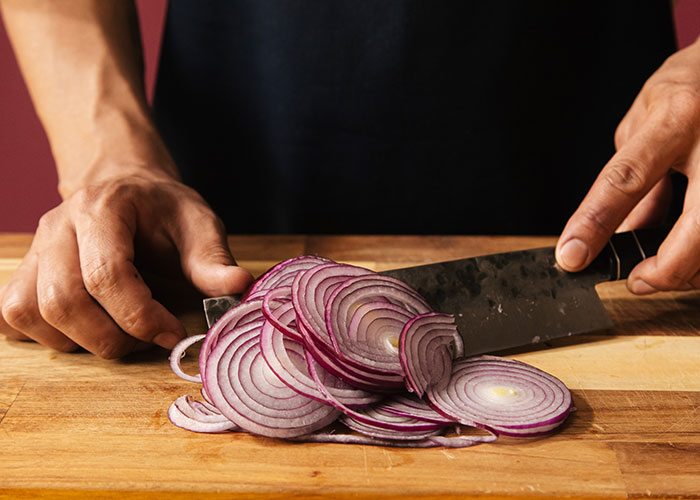
30 Priceless Cooking Tips That Were Passed Down To People By Their Parents, Grandparents, And Great-Grandparents A really good sharp knife and running the onion over water can help prevent the teary eyes. (Also holding a piece of bread in your mouth).

OoopsieWhoopsie , Ron Lach Report

Note: this post originally had 58 images. It’s been shortened to the top 30 images based on user votes.
How Chefs Use Tools and Kitchen Heirlooms Passed Down from Generations

How Chefs Use Tools and Kitchen Heirlooms Passed Down from Generations
food memories passing down generations kitchen tools

Design by Maitane Romagosa for Thrillist

Welcome to Recipes to Remember, a collection of passed-down recipes that remind us to gather around the table, share a meal prepared with our own hands—or, perhaps even better, the hands of our loved ones—and simply enjoy each other’s company. As the holiday season arrives, let’s try new-to-us recipes and make new memories along the way.

Many kitchen memories begin with a single tool. Perhaps it’s a wooden spoon stirring bubbling lentil soup, a lop-sided wok that perfectly caramelizes kimchi for the tangiest fried rice, or a cake stand that always displays a nostalgic slice of fluffy coconut cake.

For me, it’s a stone mortar and pestle that’s been in my family for more than 50 years. The stout body weighs over 10 pounds and the convex end of the pestle is worn smooth from use. I remember standing on a kitchen stool, hovering over my mom and grandma as they made fresh curry pastes, chili dips, or garlicky marinades—my eyes undoubtedly watering from the spices.

Although my grandma passed away almost 20 years ago, her presence is always there anytime my mom is grinding peppercorns or mashing chilies. “One day, this will be yours,” she frequently tells me, gesturing to the heavy granite bowl—like she can’t stand the idea that the mortar and pestle, and subsequently my grandmother’s memory, could be lost.

Families across the world have stories like mine, where generations of cooking can be found in an heirloom tool.

Chris Viaud, the chef and owner of New Hampshire’s Greenleaf and Ansanm and former Top Chef contestant, thinks about his Haitian mother’s pilon, a wooden mortar and pestle found in kitchens throughout the Caribbean. “I remember specifically just sitting on the floor, mashing up herbs and spices,” he says. “For the most part, we would use the pilon to make our spice blend called epis.”

From there, the blend of citrus, peppers, garlic, and onion seasoned everything: fish, rice, vegetables, and even the pilon itself. “Especially with wood, there’s that sense that some of the vegetable oils seep into the wood and continue to enhance the flavor of the next batch that goes in,” Viaud says. “In a way, we have the history of 30 years ago going into the batches we’re doing today, which is great.”

Some family kitchen heirlooms are out of commission, but remain treasured artifacts. Such is the case for Amanda Maneesilasan, the chef behind Los Angeles’s legendary Chao Krung Thai and newly revamped Tuk Tuk Thai.

At over 50 years old, Chao Krung Thai is one of LA’s oldest operating Thai restaurants. With that storied history comes a lot of memories—including how Maneesilasan first became interested in cooking when she was only nine.

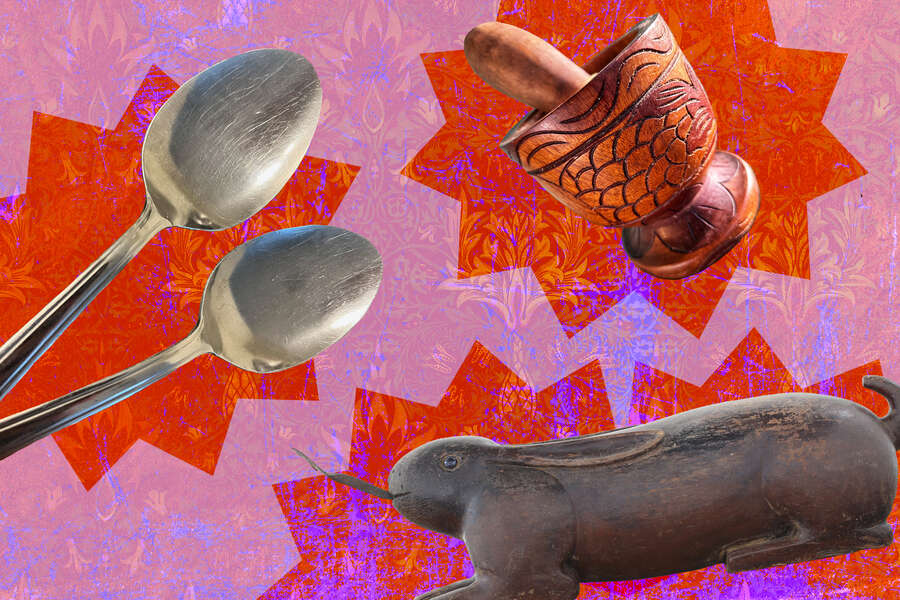
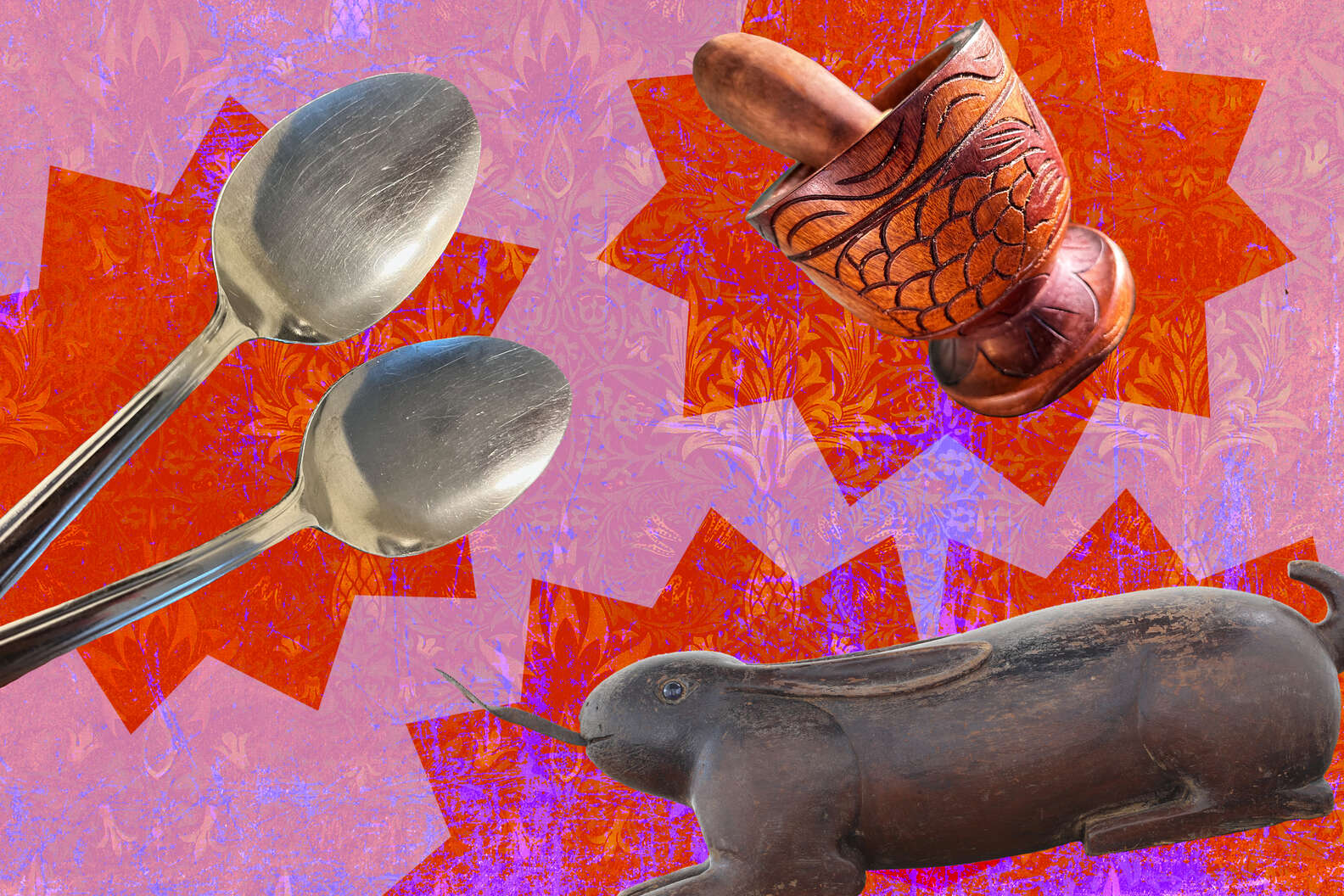
“My grandma had this coconut grater that’s called a kratai, which means ‘rabbit’ in Thai,” Maneesilasan explains. The reason it’s called a rabbit is because that’s exactly what it looks like: a wooden rabbit with a metal blade that’s angled upward from the rabbit’s mouth. “I got into the kitchen because it didn’t look like a tool. It looked fun, like a toy. I wanted to see what my grandma was playing with.”

Instead of playing, Maneesilasan’s grandmother put her to work, grating coconuts to make coconut milk for one of her favorite dishes, green curry. Maneesilasan didn’t see it as work though; playing with the kratai and getting a bowl of green curry at the end was rewarding, and put her on the track to becoming the chef she is today.

Although there are much easier ways to grate a coconut now—besides, Maneesilasan’s grandmother’s rabbit is fully retired—she still sees the value in keeping the artifact around (even if it’s just decor.) “If I ever have kids, I can get them into cooking because of this tool right here,” she laughs.

Amethyst Ganaway’s grandmother is also at the heart of her cooking journey. Although she’s the only professional chef and recipe developer in the family, everyone can cook, thanks to Granny’s wisdom.

“My grandmother and her kids were the black sheep of our family, but she was the daughter that was always around her mom learning to cook for herself,” Ganaway says. “When my grandmother’s siblings passed, she was the one they asked for specifically on their deathbed, to cook X, Y, and Z, because she was the only one who knew how.”

Ganaway, being the eldest granddaughter—and the only grandchild to meet her great-grandmother—followed in her footsteps. She has distinct memories of being three years old and crowding the kitchen with her grandmother and great-grandmother while they stirred a hefty pot of greens.

The pot, Ganaway says, is nothing particularly special. She guesses it must have come from JCPenney or some other department store. The handles of the pot have fallen away. Its bottom sits wobbly on the stovetop, and the pot bravely wears scratchy battle scars from its year of use. But no other pots make greens quite like this pot.

“If you make something in this pot, it’s going to come out good,” Ganaway asserts. Ganaway’s family doesn’t have fancy China decorated with delicate flower petals or jewelry to pass on, but she has this pot, which she has already staked her claim on (much to her siblings’ and cousins’ dismay).

The pot is still fully in use, and will make an appearance at this year’s Thanksgiving, where Ganaway will be in charge of preparing the greens so her grandmother can simply rest and enjoy time with family this year. Although Ganaway is not fully in possession of the pot yet, she’s already claimed a pair of spoons that belonged to her grandmother, noting that their hefty weight somehow make ice cream taste better.

“To be able to visually see a piece that has been within the family and to continue to share that with future generations—that’s for sure going to be special.”

With so many new kitchen appliances and gadgets constantly being produced, it’d be easy to let these heirlooms collect dust or suffer a worse fate in a storage box or landfill. But they are more than just tools—they are keepers of genealogical gastronomy.

Maneesilasan remembers her parents telling her grandma that the green curry they crafted together, using the rabbit, was the best they had ever tasted. Her grandmother proudly gave her all the credit. “For me, it was just all about spending time with my grandmother,” Maneesilasan reminisces. “But after that I knew I could be a good cook.”

For Ganaway, the ancestors who have used the pot make the food within its walls that much more delicious. “When people talk about southern food, they talk about soul food; you’re putting your soul into whatever dishes you make,” she says. “What really makes our pot special and seasoned in its own way is that this pot has seen every member in our family.”

Although the tools contain secrets of the past, if cherished and respected, they can also be a culinary bridge for the future. That’s what Viaud envisions for his family’s pilon, which he hopes to pass down to his three-year-old daughter. “I think the biggest thing is that it shares a story and evokes memories,” he says. “To be able to visually see a piece that has been within the family and to continue to share that with future generations—that’s for sure going to be special.”

I don’t know what the future holds for me. What will my career look like in 10 years time? Will I have kids, a family, a home I’ve built with a marble kitchen island? This remains a mystery. But something I know that will remain steadfastly through it all is my grandmother’s mortar and pestle—a tribute to my heritage and ancestry, and a deliciously spicy look to the future.

Want more Thrillist? Follow us on Instagram, Twitter, Pinterest, YouTube, TikTok, and Snapchat!

Kat Thompson is a senior staff writer of food & drink at Thrillist. Follow her on Twitter @katthompsonn.