

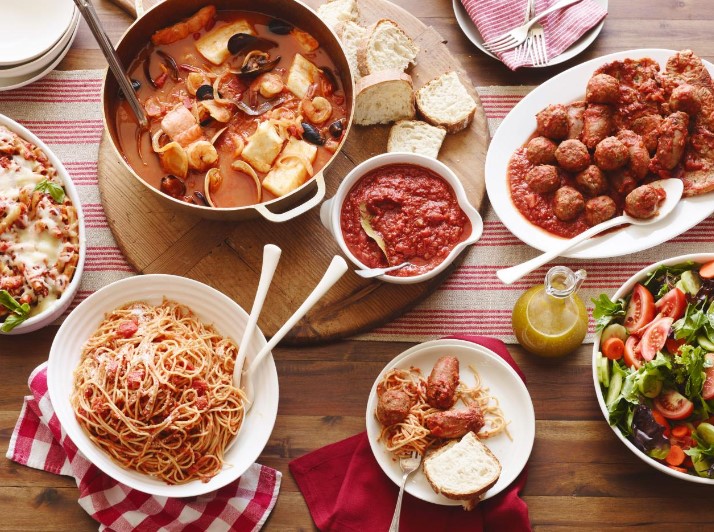
The Heart of Italian Cuisine: Classic Dishes Every Foodie Must Try in Miami

The Heart of Italian Cuisine: Classic Dishes Every Foodie Must Try in Miami

Italian cuisine has a rich and diverse history that spans over two thousand years. It has evolved through the influence of various cultures and regions, resulting in the delicious and diverse culinary traditions we know today. It has an Ancient Roman impact, where Romans mostly consumed bread, olive oil, wine, and cheese. Then comes the Middle Ages, when Arabs and Byzantines added rice, sugar, and various spices to the Italian Cuisine—finally, the Renaissance influence, when pasta gained popularity. After that, from the 18th century, each region developed its specialties based on local ingredients and traditions. The Regions standing out were Sicilian, Tuscan, Neapolitan, and Venetian.

After Italian immigration to the United States in the late 19th and early 20th centuries popularized Italian cuisine worldwide. Italian-American dishes like pizza and spaghetti with meatballs gained immense popularity. Italian cuisine is celebrated for using fresh, high-quality ingredients and simple preparation techniques. Popular dishes include pasta with various sauces, risotto, pizza, and regional specialties.

Such Italian delicacies can be today, savored everywhere in the United States. Here we will concentrate on the Miami Design District, located north of Wynwood. The Miami Design District is known for upscale shops, stylish galleries, art-filled showrooms, and fantastic gastronomy. Here, you can find many hedonic restaurants for real foodies, including the most incredible Italian restaurants in Miami, Michelin-starred restaurants, and a bustling food hall. One of the restaurants that really stands out in Miami is Sofia Design District, which provides the best quality Italian food with a chic Italian spirit and vibe.

The Principles, Philosophy and Essentials Behind Italian Cuisine

Using fresh, high-quality ingredients is fundamental to Italian cooking and central to differentiating Italian cuisine.

Fresh ingredients are bursting with flavor and aroma. Whether it’s ripe tomatoes, fragrant basil, or just-picked herbs, the intensity of natural flavors shines through when ingredients are at their peak. Italian cuisine is known for its simplicity and allowing the natural flavors of ingredients to shine. When you start with fresh, high-quality ingredients, you don’t need excessive seasonings or complicated techniques to create delicious dishes. Also, fresh ingredients are typically more nutritious and healthier than processed or preserved counterparts. Fresh vegetables, fruits, and lean proteins promote a healthy and balanced diet in Italian cooking. Another thing that makes Italian cuisine stand out is texture. The texture of fresh ingredients can make a significant difference in a dish. For instance, al dente pasta made from high-quality durum wheat has a superior texture to overcooked or lower-quality pasta. Seasonality is also an essential thing in Italian cuisine. Italian cuisine places a strong emphasis on using ingredients that are in season. That way, they get the highest quality meals and products. They avoid consuming stored or frozen foods, which have conservancies that make food last longer. Italian food is respected for tradition. Many Italian recipes have been passed down through generations. Keeping up with strict principles of Italian cuisine, such as using only local fresh ingredients in season, is a way of preserving and respecting these culinary traditions. And finally, there comes the authenticity. Italian dishes are internationally renowned for their authenticity. When dishes are prepared following the Italian cooking principles, Italy’s authentic taste and culinary heritage are preserved.

Such a culinary phenomenon lies in the Sofia Miami Design District. In a contemporary, glam setting, Sofia provides excellent food that is traditionally Italian. The specialties they offer are outstanding because they follow all the “rules” of Italian cuisine, one of which is collecting and using all local ingredients from which they prepare beautiful, authentic Italian dishes all within a hip and chic supper club style environment.

Must-Try Classic Italian Dishes at Sofia Miami Design District

Like every fine dining restaurant, Sofia Miami District, besides the fantastic menu items, offers unique Italian Dining experiences. Try the Miami Spice Dinner experience with a four-course menu like tonno, cacio e pepe, and cannoli. Another experience is the Miami Spice Brunch, a 3-course menu and dishes like the bruschetta al pomodoro, rigatoni, and tiramisu. Besides, many delicious items such as varieties of antipasti, pizzas, and all the Italian traditional dishes are on the menu. However, we will mention some of the most interesting ones we highly recommend:

Pasta Delights

  • Spaghetti al pomodoro: tomato, basil, 36 mth parmigiano reggiano
  • Cacio e pepe al tartufo: bucatini, tellicherry pepper, truffle pecorino, shaved black truffle
  • Mafaldine alla bolognese: wild boar bolognese, tomato, 36 mth parmigiano reggiano

Seafood Specialties

  • Gamberoni: shrimp, basil, lardo, calabrian chili butter, lemon
  • Pesce spada: florida swordfish, yellow san marzano, salmoriglio sauce

Meat and Poultry Favorites

  • Bistecca alla fiorentina: 32 oz prime porterhouse, cherry calabrian, veal jus
  • Pollo giovane: roasted organic chicken breast, fregola, peperonata, asparagus, chicken

Desserts

  • Tiramisu – Mascarpone, espresso semifreddo and seeded chocolate.
  • Cannoli – orange marmalade, lemon ricotta, pistachio
  • Formaggio e fichi selection of Italian cheeses with figs and honey
  • Sorbet and gelato – daily selection

A Unique Ambiance at Sofia Miami Design District

The atmosphere and ambiance at Sofia, as well as its interior and outside, adhere to its food. The entire place provides a feeling of luxury and privacy with a specific dose of romance. The arrangement of the tables allows all guests to enjoy privacy with their family and friends, and the light-pink ambiance gives calmness and a sense of comfort. The long bar in the restaurant offers cozy comfortable stools, which is an excellent place for cocktail and wine lovers. Also, you can enjoy some of their “drinking” experiences here, such as the Spritz Into Summer experience. The restaurant’s garden exudes a romantic atmosphere, with pink umbrellas that are reminiscent of Europe. They are situated between palm trees to provide a natural, cozy atmosphere.

An Unforgettable Dining Experience

The food is prepared with care, and only the highest-quality ingredients are used to create the dining experience. The seasonal menus at Sofia Design District provide an honest and elegant take on contemporary and classic Italian meals, presented in a way guaranteed to delight the tongue and the eye.

Italian Wines: A World to Explore

Regions that represent the essence of Italian winemaking, each with its unique terroir and wine, are Tuscany, Piedmont and Veneto. Tuscany is known for its picturesque landscapes and rolling vineyards. It’s home to iconic wines like Chianti, Brunello di Montalcino, and Super Tuscans.

Tuscany Emphasizes Sangiovese and other indigenous grape varieties. On the other hand, the Piedmont region is famous for its Nebbiolo grape, used to make Barolo and Barbaresco wines.

This region provides elegant and robust red wines.

The truffle-rich cuisine complements its wines. And finally, Veneto, which is famous for its sparkling Prosecco wine. It produces Amarone and Valpolicella wines from unique grape drying techniques.

These beautiful wines from all the regions mentioned above are on Sofia Design District’s extensive wine list, which counts over 500 wine options. They have wines from all over the world but with the highest focus on Italian wines, divided into different regions. So there is something for everyone’s palate.

So, following our wine region guide from above, you can find quite exciting and beautiful wines on Sofia’s wine list. The ones we recommend are Cartizze Valdobbiadene – a Sparkling Wine from Veneto. Bigarò, Elio Perrone – a Rose wine from Piemonte Region. Cantina, Terlano-Kellerei – a wine with a character, as every Gewurztraminer from Trentino. And finally, Dragomis, Gaja – A rich red wine from Barolo.

Join Us for a Taste of Italy in Miami

Whether you want to have lunch, dinner, or some of the fine dining experiences in Miami at Sofia Design District, you must make a reservation in advance. You can book your table via the official website, by phone at 786.220.0225, or by email at reservations@sofiamiamidd.com

Another way to book your table is by clicking on the following link: https://www.opentable.com/r/sofia-design-district-miami.

For bigger groups and events, you can fill out the form at the following link: https://inkentertainment.tripleseat.com/party_request/28079

Events and happenings at Sofia Miami Design District:

  • Miami Spice (Offering lunch, brunch, and dinner menus). Available during August and September.
  • Spritz Into Summer – Everyday
  • DJ Sounds at Sofia – Friday and Saturday nights by DJ Carmelinda (7 PM – 11 PM).
  • Sunday Rose Brunch – 11:30 AM – 4:30 PM

Bringing Italian Cuisine to the Heart of Miami

If you want to enjoy authentic Italian cuisine that follows all the principles of the Italian philosophy of cooking and enjoying food, and you want to avoid traveling far to Europe, Sofia Miami District is the ideal place. All dishes are prepared with care, passion, and, most importantly, love. Italian cuisine is simple, and with natural fresh ingredients, it is divine, and therein lies its success. In addition to a beautiful menu and extensive wine list, this restaurant also offers a phenomenal ambiance, where you will enjoy every bite full of flavors.

Going through the entire menu is like traveling throughout Italy and experiencing each region’s flavors, together with the wine from the particular area.

Conclusion:

There are many restaurants in Miami and worldwide, but just a few will offer you the vibe and the experience of the food you eat. Italians have a very unique flavor when it comes to cooking, and that is love. They cook with love for their family, friends, tradition, relatives, and heritage, and you can feel it through the food. It is the same experience you can have at Sofia Design District, as they care about each aspect of the restaurant, concentrating on the authenticity of the food. You can feel the love and passion they deliver to each plate individually, with an effort to bring Italy to the Heart of Miami.

The Art of Crafting the Perfect Wet Martini

The Art of Crafting the Perfect Wet Martini

Welcome to the world of mixology, where the classic cocktail, the Wet Martini, takes center stage. If you’re a fan of martinis or simply looking to indulge in a sophisticated drink, you’re in the right place. In this blog post, we’ll delve into the art of crafting the perfect wet martini. From its history and ingredients to the mixing techniques and garnishes, we’ll cover it all. So, grab your martini glass, and let’s embark on a journey of flavor and elegance.

The Origins of the Martini

Before we embark on crafting the perfect wet martini, it’s essential to understand its roots. The martini, often associated with elegance and sophistication, has a rich and intriguing history. While the exact origin remains a subject of debate among cocktail enthusiasts, several key points in its evolution are worth exploring.

  1. The Precursor: The Martinez – The martini is believed to have evolved from a cocktail called the Martinez, which was popular in the 19th century. This precursor featured a mix of gin, vermouth, and orange bitters, resembling the modern martini’s core ingredients.
  2. The Name Debate – The origin of the name “martini” is not entirely clear. Some attribute it to Martini & Rossi vermouth, while others believe it comes from the Martini brand of gin. Regardless of the name’s origins, the martini has left an indelible mark on the world of cocktails.
  3. Cultural Significance – Over time, the martini has become a symbol of sophistication and class. It has made numerous appearances in literature, film, and popular culture, often being associated with iconic characters like James Bond and his famous “shaken, not stirred” preference.

Understanding the historical backdrop of the martini adds depth to the appreciation of this timeless cocktail. So, with this historical context in mind, let’s continue our exploration of the wet martini.

Wet vs. Dry Martini

In the world of martinis, a critical choice you’ll encounter is whether to go “wet” or “dry.” This decision revolves around the proportion of vermouth in your martini and significantly impacts the cocktail’s flavor profile. Let’s delve into this martini dilemma:

  1. Wet Martini:
    • In a wet martini, you’ll use a more generous amount of vermouth. This means a higher vermouth-to-gin ratio compared to a dry martini.
    • The result is a martini that’s slightly sweeter and less alcoholic. The increased vermouth introduces a subtle, herbal complexity to the drink.
    • If you’re inclined toward a smoother, milder martini with a pronounced vermouth presence, the wet martini is an excellent choice.
  2. Dry Martini:
    • Contrasting with its “wet” counterpart, a dry martini contains less vermouth. It features a minimal amount, often a mere whisper or rinse of vermouth.
    • This leads to a martini with a more pronounced gin flavor, and it tends to be crisper and more potent in terms of alcohol content.
    • The dry martini is favored by those who appreciate the purity of gin and prefer a drier, sharper taste.

The choice between wet and dry martini ultimately comes down to personal preference. Some cocktail enthusiasts enjoy the subtle nuances of vermouth and the mellower character of a wet martini, while others opt for the bold, gin-forward notes of a dry martini. The beauty of the martini lies in its adaptability, allowing you to craft a drink that suits your taste perfectly.

The Essential Ingredients

To craft the perfect wet martini, it’s essential to have a solid understanding of the core ingredients that make up this timeless cocktail. Each component contributes to the martini’s distinct flavor and character. Let’s take a closer look at the essential elements:

  1. Gin:
    • Gin is the heart and soul of any martini. It provides the foundation for the cocktail’s flavor.
    • The botanicals in gin, which can include juniper, coriander, and citrus peels, lend depth and complexity to the martini.
    • For the best results, opt for a high-quality gin with a flavor profile that aligns with your preferences, whether it’s bold and juniper-forward or more citrusy and mellow.
  2. Vermouth:
    • Vermouth is a fortified wine that plays a crucial role in defining the character of your martini.
    • In a wet martini, you’ll use a more significant amount of vermouth compared to a dry martini, allowing its flavors to shine through.
    • Vermouth adds a nuanced herbal and slightly sweet note to your martini, creating a harmonious balance with the gin.
  3. Ice:
    • Ice is an often-overlooked but essential ingredient for chilling and diluting your martini to perfection.
    • Using high-quality, pure ice helps prevent excessive dilution, ensuring that your cocktail remains well-balanced.
  4. Garnish:
    • The garnish adds both visual appeal and flavor to your wet martini.
    • Two common garnishes are olives and lemon twists, each contributing unique elements to the drink.
    • Olives: The briny, savory flavor of olives complements the herbal and slightly sweet notes of the martini. Simply dropping one or more into your drink is a classic choice.
    • Lemon Twist: A twist of lemon peel adds a citrusy aroma and a burst of zest, which can elevate the martini’s aromatic profile.

Selecting high-quality ingredients is key to creating an exceptional wet martini. Experimenting with different gin and vermouth brands and garnishes can help you tailor your martini to your personal taste preferences. The next step in crafting your perfect wet martini is mastering the mixing techniques, which we’ll explore in the next section.

Mixing Techniques

Mixing a martini is an art form that can significantly influence the cocktail’s final texture and appearance. There are two primary techniques: stirred and shaken. Each method has its own unique qualities, and the choice between them is often a matter of personal preference.

  1. Stirred Martini:
    • The stirred martini is the more traditional and classic approach to mixing this cocktail.
    • To create a stirred martini:
      • Fill a mixing glass with ice.
      • Add the gin and vermouth to the glass.
      • Stir the mixture gently with a long bar spoon for about 30 seconds.
      • Strain the mixture into a chilled martini glass.
    • Advantages of a stirred martini:
      • Clarity: This method typically results in a crystal-clear martini, showcasing its translucent beauty.
      • Velvety Texture: The gentle stirring creates a smooth, velvety mouthfeel, which some martini enthusiasts prefer.
  2. Shaken Martini:
    • Shaking a martini involves more vigorous mixing and aeration.
    • To create a shaken martini:
      • Fill a shaker with ice.
      • Add the gin and vermouth.
      • Shake the mixture vigorously for about 15-20 seconds.
      • Strain the mixture into a chilled martini glass.
    • Advantages of a shaken martini:
      • Aeration: Shaking introduces air into the cocktail, creating a slightly cloudy appearance and a different texture.
      • Chilled to Perfection: Shaking ensures the martini is exceptionally cold, making it ideal for those who prefer a well-chilled drink.

The choice between a stirred and a shaken martini often comes down to personal preference. Some individuals gravitate towards the clarity and velvety texture of a stirred martini, while others enjoy the aeration and icy-cold nature of a shaken one. To truly appreciate the martini, you may want to experiment with both techniques and discover which suits your taste best. In the next section, we’ll explore the final touches that make a wet martini truly outstanding: garnishes and presentation.

Garnishes and Presentation

The garnish and presentation of a wet martini are the final touches that transform this classic cocktail into a work of art. These elements not only add visual appeal but also contribute to the overall flavor and aromatic experience. Here’s what you need to know:

1. Olives:

  • Olives are one of the most iconic and traditional martini garnishes.
  • They provide a briny and savory flavor that complements the herbal and slightly sweet notes of the martini.
  • To garnish with olives, simply skewer one or more olives (often green or black) and drop them into your martini glass.
  • The number of olives used is a matter of personal preference; some prefer one, while others enjoy multiple olives for an extra briny kick.

2. Lemon Twist:

  • A lemon twist adds a citrusy aroma and a burst of zest to your martini.
  • It enhances the aromatic profile of the cocktail and provides a refreshing, tangy note.
  • To create a lemon twist, take a lemon peel and gently twist it over the martini to release the citrus oils. Then, place it in the martini as a garnish.

3. Presentation:

  • The martini glass is the classic choice for serving a martini, and its unique design contributes to the cocktail’s elegance.
  • The iconic triangular shape and long stem of the martini glass not only provide a distinctive appearance but also make it ideal for sipping and savoring the flavors.
  • To enhance the presentation, chill the martini glass in the freezer before pouring the cocktail, creating a frosted effect.

The garnish and presentation you choose can have a significant impact on your wet martini experience. Whether you opt for the traditional olives or a lemon twist, and whether you serve your martini in a classic martini glass or another elegant vessel, remember that presentation is the final step in creating a visually stunning and flavorful wet martini. In the next section, we’ll provide you with a step-by-step guide to craft your perfect wet martini, combining all the knowledge you’ve gained so far.

Crafting Your Perfect Wet Martini

Now that you’ve delved into the history, understood the ingredients, and learned the mixing techniques, it’s time to bring it all together and craft your own perfect wet martini. Below is a step-by-step guide to help you create a martini that suits your taste:

Ingredients:

  • 2 ½ oz gin (select a gin that aligns with your flavor preferences)
  • ¾ oz vermouth (adjust for your preferred level of ‘wetness’)
  • Ice (high-quality, pure ice works best)
  • Lemon twist or olives for garnish

Instructions:

  1. Prepare Your Glassware:
    • Chill your martini glass by placing it in the freezer or filling it with ice and water. This creates a frosted glass that enhances presentation.
  2. Fill the Mixing Glass:
    • Fill a separate mixing glass with ice.
  3. Add Gin and Vermouth:
    • Pour 2 ½ oz of your chosen gin into the mixing glass.
    • Add ¾ oz of vermouth. Adjust the vermouth quantity based on your preferred ‘wetness.’ More vermouth makes it wetter; less makes it drier.
  4. Stir Gently:
    • Stir the mixture gently with a long bar spoon for approximately 30 seconds. The aim is to chill and dilute the martini while maintaining its clarity.
  5. Strain into the Chilled Glass:
    • Using a julep strainer or the mixing glass’s built-in strainer, pour the martini into the chilled martini glass.
  6. Garnish Your Martini:
    • Garnish your wet martini with either olives or a lemon twist based on your preference.
    • For olives, skewer one or more and drop them into your martini.
    • For a lemon twist, gently twist a strip of lemon peel over the martini to release the citrus oils and place it in the martini as a garnish.
  7. Serve and Enjoy:
    • Your perfect wet martini is ready. Serve it with elegance and enjoy every sip.

Remember, the beauty of the martini is its versatility. You can adjust the ingredients’ quantities, the choice of gin, vermouth, or garnish to tailor the martini precisely to your liking. Whether you prefer it shaken or stirred, garnished with olives or a lemon twist, crafting your wet martini is an art that allows you to savor your unique flavor preferences. Cheers to your mixology adventure!

Conclusion

As we conclude our exploration of the art of crafting the perfect wet martini, it’s essential to reflect on the journey we’ve embarked upon. The wet martini is more than just a cocktail; it’s a timeless classic that embodies sophistication, elegance, and a world of flavors.

In this blog post, we’ve covered various aspects of the wet martini, from its intriguing historical origins to the fundamental ingredients, mixing techniques, garnishes, and presentation. By understanding the choices you have and the techniques you can employ, you’re now well-equipped to create a martini that perfectly suits your taste.

The beauty of the wet martini lies in its adaptability. Whether you prefer it wet or dry, stirred or shaken, garnished with olives or a lemon twist, the possibilities are endless. It’s a cocktail that invites you to explore and express your unique flavor preferences.

So, the next time you want to savor a touch of sophistication and indulge in a timeless classic, remember the art of crafting the perfect wet martini. Experiment, enjoy, and share this exquisite cocktail with friends and fellow enthusiasts. Cheers to the world of mixology and the enduring charm of the wet martini!

Choosing the Perfect Wooden Wine Rack for Your Home: A Comprehensive Guide

Choosing the Perfect Wooden Wine Rack for Your Home: A Comprehensive Guide

Wine enthusiasts understand that proper storage is the secret to preserving the essence of every bottle. If you’ve chosen to go the timeless route with a wood wine rack but are unsure of the nuances to look out for, this guide has got you covered.

1. Size & Capacity

Your foremost concern should be the rack’s size and capacity. Wooden wine racks range from compact designs suitable for countertops to larger freestanding models. Decide how many bottles you want to store currently and consider any future additions to your collection. Also, measure the designated space in your home to ensure a seamless fit.

2. Type of Wood

Different woods not only impact the rack’s aesthetics but its durability and longevity:

  • Pine: A popular choice for its affordability and versatile appearance.
  • Cedar: Known for its pleasant aroma which can deter pests, but remember to ensure it doesn’t impact the wine’s flavor.
  • Mahogany: Durable and resistant to moisture, making it a premium choice for wine storage.

Pick a wood type that complements your home’s décor and fits within your budget.

3. Style & Design

Wooden wine racks boast diverse styles:

  • Tabletop Racks: Compact designs suitable for countertops or tables.
  • Wall-mounted Racks: Space-saving solutions that double as wall art.
  • Freestanding Racks: These are often larger and can become a statement piece in a room.

The style should resonate with your home’s overall theme and the space available.

4. Horizontal vs. Vertical Storage

Opt for wooden racks that store bottles horizontally. This ensures the wine remains in contact with the cork, preventing it from drying out. A dry cork can lead to air seepage, spoiling the wine over time.

5. Modularity & Expandability

Some wooden wine racks come with modular features. If you foresee an expanding collection, having the option to extend your rack seamlessly might be a feature worth considering.

6. Finish & Durability

Look for wooden racks that have a good quality finish, ensuring protection against moisture and pests. A good finish also adds to the aesthetic appeal. Consider the rack’s sturdiness, especially if you’re opting for larger models.

7. Price

Wooden wine racks can vary widely in price based on the wood type, craftsmanship, and size. Set a budget and weigh the rack’s features against its price to ensure value for money.

8. Reviews & Recommendations

Before making a purchase, it’s always wise to check reviews or seek recommendations. Fellow wine enthusiasts can provide insights into the durability, functionality, and aesthetics of particular wooden racks.

In conclusion, while wooden wine racks are a nod to the classic way of storing wine, there’s a lot to consider before picking the right one. From the type of wood to the rack’s design, ensuring you’ve made an informed choice will mean years of enjoying perfectly stored wine in style.

5 Reasons Why Pizza Restaurants Are the Best For Dining

5 Reasons Why Pizza Restaurants Are the Best For Dining

Certain foods aren’t sharable, but pizza is one of those meals that people enjoy sharing with friends and family. This makes it popular for people looking for a filling and delicious meal.

Pizza is famous worldwide, and there are many reasons why it’s so popular. Among the most common reasons are:

It’s Delicious

Pizza reigns supreme whether you’re enjoying a pie in an upscale restaurant or grabbing a slice at a hole-in-the-wall. It’s hard to imagine a life without this delicious food.

Pizza has a long history. It was first introduced to feed the working poor. The pizza was topped with tomato, cheese, and other easily digested-ingredients.

Over the years, pizza has become more popular in the United States because of several developments. For one, it was embraced by the media and culture. Also, as families became more domesticated, convenience foods like pizza were ideal for quick dinners.

It’s Filling

Pizza is a hearty meal that’s both filling and satisfying. It’s also versatile and can be used to make various dishes. For example, you can use pizza in grilled cheese sandwiches or to make pizza lasagna.

One of the most important things to consider when choosing a pizza restaurant in Buckeye Lake, OH, is how clean the establishment is. A good pizza place has clean floors, tables, and bathrooms. This is important because it can affect how fresh the food tastes.

Another thing to look for is whether the pizza restaurant uses high-quality ingredients. A good pizza restaurant will have a wide selection of toppings and will use ingredients that are in season. They may also use sauce ratios that are just right to give the pizza a great taste.

It’s Affordable

Many pizza restaurants offer delivery, a great convenience for busy people. However, the time and cost of gas make pizza delivery a problematic source of profit for pizza places.

In addition, the cost of ingredients is also a significant driver of pizza prices. Foods such as wheat, tomatoes, and mozzarella are often at or near historically high prices. This is due to inflation caused by world governments printing money to stimulate their economies.

Finally, the labor costs of making pizza are a significant factor in its price. This is especially true for brick-oven pizza restaurants, which can require much preparation time. Fries are a cheap side dish that can be served at almost any fast food restaurant.

It’s Shareable

While pizza is a delicious dish, it can be even better when shared with friends. It’s easy to bring everyone together for fun and good food. Plus, finding pizza near me in Bremen, OH, offers various toppings to accommodate any palate.

Gourmet pizza is becoming increasingly popular in the United States. While it is more expensive than regular pizza, the ingredients are higher quality and provide a unique taste. Gourmet pizza restaurants often work with local grocers to ensure they have the best flour, olive oil, tomato sauce, and cheeses.

Pizzas made by a professional chef always taste better than those prepared at home. Professional pizza ovens heat the dough more evenly than standard home ovens.

It’s Convenient

Some foods can’t be shared, but pizza is a shareable food. This makes it the best option when people are gathering together. Pizza also contains a variety of different ingredients that are necessary for a balanced diet. This has contributed to its popularity among medical professionals.

A good pizza restaurant has a well-planned menu that can cater to all types of customers. For example, the menu should include dine-in, delivery, and takeaway options. This will help increase the customer base and improve the profit margin.

It is also essential to have an online presence. You can create an email list and send offers to customers based on their preferred order type. You can also promote your business on social media platforms to increase brand awareness.

The Ultimate Guide to Obtaining a Liquor License

The Ultimate Guide to Obtaining a Liquor License

Adding the sale of alcohol to your restaurant, bar, or other business can increase profits and customer numbers. However, obtaining a license is no walk in the park. Fingerprint cards, local government permission, and company documentation are all typically required. Additionally, many states have limited licenses, making them hard to come by.

How to Apply for a Liquor License

If you are starting a new business, obtaining a liquor license Houston, TX, can help you reach your sales goals and attract more customers. However, the application process is complex and requires careful attention to detail. Working with a business attorney who understands liquor licensing laws and requirements is essential. Before beginning the application process, you should decide what type of liquor license you need. Eight off-premises (bars, restaurants, grocery, and drug stores) and 20 manufacturer licenses are available. Applying for a manufacturer or off-premises license involves several steps and may take months to complete. Getting input from your local Community Board is also essential and can significantly impact the approval or rejection of your application. Lastly, you must ensure that the premises you plan to have a current certificate of occupancy and have been issued a building permit. A violation of any of these laws can significantly delay your license approval.

State Alcoholic Beverage Control (ABC) Requirements

The State’s alcoholic beverage control (ABC) agency must approve the liquor license you need for your business. The licensing process can take from a few weeks to several months. State and local government restrictions and requirements also vary greatly, so getting involved with your community early in the process is essential. Some states divide licenses into categories for manufacturers, wholesalers, and retailers. The manufacturer licenses to produce alcohol, and the wholesalers sell it to the retailers. The retail licenses cover bars, restaurants, and convenience/gasoline/convenience stores that will sell and serve alcoholic beverages for consumption on or off the premises. The retail liquor licenses may also include taverns and beer, wine, and spirits stores.

A privatized system would allow more outlets, longer hours of sale, and greater advertising, resulting in higher consumption and greater costs to society for law enforcement, education, and addiction treatment services. The State’s current ABC system is receipt supported, with profits going to the local ABC boards for distribution locally.

Community Board Opinions

Once you’ve gathered all the required documentation and fees, including State, local, and processing fees, please submit it to your state ABC agency. It is important to note that a license can cost thousands of dollars, so your application package must be complete and correct. In some cities, Community Boards must be notified of an application for liquor licensing and have 30 days to express their opinion to the State Liquor Authority (SLA). If the Community Board opposes your license request, getting approval from the SLA will be easier. Due to the numerous legal requirements, many businesses seek the assistance of an experienced business lawyer specializing in liquor licensing.

Legal Requirements

If you need help obtaining your liquor license, consult a lawyer familiar with the process. Applying for a license is a complex and lengthy process, and if you complete any steps, your application can be completed on time. You may also be required to publish a notice of your application in the newspaper, which can take up to six weeks or more to complete. Depending on the establishment you operate if you plan to sell food on the premises, there are 25 different types of liquor licenses you can obtain, depending on the establishment you operate. You will be required to submit a variety of documentation, including floor plans of the facility and your proposed menu, as well as copies of your zoning permits, health permit, and building permits. You may also be required to provide fingerprints and other background checks.

The Art of Presentation

The Art of Presentation

The Art of Presentation

Many restaurants serve food in hot display cases to maintain consistency, keep foods warm and prevent bacterial contamination. It’s also one way to encourage quick customer service and increase sales.

Understanding your audience is critical to making a good presentation. Adult audiences are often more stimulated when the presenter explains why the subject matters.

Versatility

While everyone has experienced the jaw-clenching cringe of a lousy presentation, most have also appreciated the vitality and insight of a well-constructed, effective one. However, creating presentations is not an intuitive process. Consider the audience, the complication, and the implications of your work to make it meaningful.

Purchasing hot food display equipment is a significant investment, so it’s essential to consider the size and humidity of your establishment before making a decision. You may need to invest in a case with different racks, inserts, and trays to accommodate various items.

Another benefit of hot food displays is that they enclose the food and prevent contamination. This can reduce the amount of food waste your business produces, which is costly and detrimental to the environment. Food waste is responsible for biodiversity loss and wastes 1/3 of our planet’s farmland. Solving this problem will help to feed 25 million people worldwide. Moreover, reducing food waste will save your company money.

Convenience

A hot food display is a great way to keep your products warm until you’re ready to serve them. This option is ideal for delis, supermarkets, and convenience stores. These displays come in full-service and self-serve options to choose the best one for your establishment.

With a hot food display, your cooking staff can prepare meals in large batches and keep them warm until serving. This reduces the food to be prepared on-site and allows your team to focus on other tasks. Food waste is costly for your business, harming environmental biodiversity and destroying 1/3 of our planet’s farmland. Hot food displays minimize this waste by keeping foods warm until they’re served.

When choosing a hot food display, consider its size and the versatility of your products. Some units are one-trick ponies that only hold a single type of food, so be sure to choose a versatile model that can handle all your needs.

Cost

Food displayed in hot food displays must be kept at a specific temperature to keep it tasting fresh and prevent harmful bacteria from forming on served foods. Most restaurants must adhere to This food safety guideline to stay compliant and avoid liability. These displays also enclose food, protecting it from contaminants like insects, dust, and dirt. This protects the food from contamination and helps reduce cleaning costs in the kitchen.

Displaying your food on hot food displays allows you to showcase your products and makes it easier for customers to pick their preferred items. It also saves staff time from having to check back and forth between the kitchen and serving area. This can be significant cost savings for your business, especially since food waste is responsible for biodiversity loss and wasting 1/3 of the world’s farmland. Solving America’s food waste problem could feed 25 million people.

Design

Presentation is essential whether you’re plating up a salad, roast chicken, or pasta bowl. After all, people eat with their eyes first. That’s why it’s crucial to use food display equipment that can help with your presentation.

For displaying hot foods like fried chicken, French fries, sandwiches, and hamburgers, you can choose from full-service, self-serve, or buffet-style hot food displays. These commercial food displays are designed to keep your products at safe serving temperatures and have a customer-facing menu board for you to customize each day.

Another critical aspect of presentations is to set ground rules for the audience. This will help prevent interruptions during the presentation and give your listeners a chance to prepare for your message mentally. To do this, ask your audience their expectations and how much technical detail they expect to hear. This will also help you tailor your presentation to the audience’s needs.