The Ultimate Guide to Writing Compelling Restaurant Reviews

The Ultimate Guide to Writing Compelling Restaurant Reviews

The Ultimate Guide to Writing Compelling Restaurant Reviews

In the vast world of dining experiences, restaurant reviews hold immense power. They serve as guideposts for diners, helping them make informed choices and navigate the culinary landscape. At the same time, reviews shape the reputation of dining establishments, influencing their success and growth.

A well-written restaurant review goes beyond merely sharing personal opinions; it captures the essence of the dining experience, engaging readers and transporting them to the table. It is an art that requires a keen eye, a discerning palate, and the ability to express thoughts eloquently.

In this ultimate guide, we will explore the intricacies of crafting compelling restaurant reviews. Whether you aspire to be a respected food critic or simply wish to share your gastronomic adventures, this guide will equip you with the knowledge and techniques to write reviews that leave a lasting impact.

So, let’s embark on a flavorful journey through the art of reviewing restaurants, and discover how your words can shape the culinary conversation. Get ready to unlock the secrets of capturing ambiance, analyzing flavors, and balancing criticism with praise. Together, we will delve into the world of restaurant reviews and unleash your inner food writer.

Setting the Stage: Assessing Ambiance and Service

When we step into a restaurant, we are not only greeted by enticing aromas and delectable dishes but also by the ambiance that surrounds us. Ambiance sets the stage for a memorable dining experience, creating a mood and atmosphere that can elevate or detract from the meal.

As a reviewer, it is essential to assess and effectively communicate the ambiance of a restaurant. Begin by observing the overall decor, lighting, and music. Is the atmosphere cozy and intimate, or vibrant and energetic? Take note of the attention to detail in the interior design, as well as any unique architectural elements that contribute to the overall ambiance.

While ambiance is crucial, the quality of service also plays a significant role in the dining experience. Pay attention to how the staff interacts with guests, their attentiveness, and their knowledge about the menu. Evaluate the efficiency of service, including the speed of food delivery and the attentiveness to special requests. Communicate these observations in your review, capturing the essence of the service and its impact on the overall experience.

Remember, every restaurant has its own distinct ambiance and service style. Be attentive to the specific atmosphere the establishment aims to create, and assess how well they achieve it. By providing readers with a clear understanding of the ambiance and service, you enable them to anticipate and align their expectations with the dining experience.

In the next section of our guide, we will explore the art of analyzing flavors and presentation, as we unravel the culinary journey that awaits us in a restaurant review.

A Gastronomic Journey: Analyzing Flavors and Presentation

A remarkable dining experience is incomplete without savoring the flavors and appreciating the artful presentation of the dishes. As a reviewer, your role is to guide readers through this gastronomic journey, immersing them in the world of flavors and visual delights.

To analyze flavors, take your time to fully engage with the dishes. Pay attention to the balance of flavors, the use of seasonings, and the overall taste profile. Is it a harmonious blend of sweet and savory, or does it showcase bold and contrasting flavors? Describe the taste sensations, such as richness, freshness, or complexity, to transport readers to the table and evoke their senses.

In addition to flavors, presentation plays a significant role in the overall dining experience. Take note of how the dishes are arranged on the plate, the use of vibrant colors, and the artistic flair of garnishes. Does the presentation enhance the anticipation of the meal? Is it visually appealing and aesthetically pleasing? Share your observations in vivid detail, allowing readers to appreciate the craftsmanship behind each plate.

Furthermore, go beyond the individual dishes and explore the cohesion of the menu as a whole. Is there a clear theme or concept behind the culinary offerings? Does the menu showcase creativity and innovation? Consider how the flavors and presentation align with the restaurant’s vision and culinary philosophy.

As you embark on this gastronomic journey, remember that taste is subjective. What might appeal to one palate may not resonate with another. However, by providing a thorough and thoughtful analysis of flavors and presentation, you empower your readers to make informed choices and appreciate the culinary nuances of the dining experience.

In the next section of our guide, we will venture beyond the plate and explore the atmosphere and unique features that distinguish a restaurant, enriching the overall dining experience.

Beyond the Plate: Exploring Atmosphere and Unique Features

A truly exceptional dining experience extends beyond the flavors and presentation on the plate. It encompasses the atmosphere, ambiance, and unique features that make a restaurant stand out from the rest. As a reviewer, it is your role to delve into these aspects and highlight the distinguishing factors that contribute to the overall experience.

Firstly, consider the atmosphere that surrounds you. Take note of the overall vibe, the energy in the room, and the interactions between guests. Is it a lively and bustling atmosphere, or a more relaxed and intimate setting? Assess how well the ambiance aligns with the intended dining concept of the restaurant.

Beyond the general ambiance, explore the unique features that set the restaurant apart. It could be a stunning view, a captivating live entertainment performance, or a distinctive theme that permeates every aspect of the dining experience. These features add an extra layer of allure and charm, making the restaurant memorable and enticing. Share your observations and insights, allowing readers to envision themselves in the space and anticipate the extraordinary elements that await them.

Furthermore, consider how these unique features enhance or complement the overall dining experience. Do they add depth and richness to the atmosphere? Do they create a sense of wonder or surprise? By capturing and articulating these elements, you provide readers with a glimpse into the magic that awaits them beyond the plate.

Remember, each restaurant has its own story to tell and its own unique offerings. By exploring and highlighting the atmosphere and unique features, you paint a more comprehensive picture of the dining experience, enabling readers to make informed choices and select a restaurant that aligns with their desires and preferences.

In the next section of our guide, we will explore the art of balancing criticism and praise, as we navigate the delicate path of delivering honest feedback while recognizing the strengths of a restaurant.

Honesty and Objectivity: Balancing Criticism and Praise

One of the key responsibilities of a restaurant reviewer is to provide honest feedback that helps both the establishment and potential diners. Balancing criticism and praise requires a delicate approach, where your objective observations can guide readers while acknowledging the restaurant’s strengths.

When offering criticism, focus on constructive feedback that can contribute to the restaurant’s growth and improvement. Identify areas where the dining experience fell short, such as service issues, inconsistent flavors, or presentation shortcomings. However, it is crucial to express criticism with respect and fairness, providing specific examples and offering suggestions for potential enhancements.

Alongside criticism, it is equally important to recognize and highlight the restaurant’s strengths. Acknowledge exceptional service, remarkable flavors, or any standout aspects of the dining experience. By showcasing these positive elements, you provide a balanced perspective that reflects the restaurant’s overall performance.

Maintaining objectivity throughout the review process is vital. While personal preferences may influence your perception, strive to evaluate the dining experience objectively, considering the restaurant’s intended concept, target audience, and industry standards. This approach ensures that your review resonates with a wider audience and holds credibility within the culinary community.

Remember, the goal is to provide readers with valuable insights to help them make informed dining decisions. By striking a balance between criticism and praise, you empower readers to navigate the dining landscape, while also acknowledging the efforts and achievements of the restaurant.

In the next section of our guide, we will explore the art of storytelling with structure, where you can elevate your restaurant reviews by crafting engaging narratives that captivate your readers from start to finish.

Storytelling with Structure: Crafting Engaging Reviews

A well-crafted review a restaurant is more than just a collection of observations and opinions; it is a captivating story that engages readers from the very beginning. By employing storytelling techniques and a structured approach, you can elevate your reviews to new heights and create an immersive experience for your audience.

Start by crafting an engaging introduction that hooks your readers. Set the scene by describing the anticipation and excitement as you enter the restaurant. Paint a vivid picture of the ambiance, the aromas wafting through the air, and the palpable sense of anticipation. Grab your readers’ attention from the first sentence and entice them to continue reading.

As you progress through your review, structure it in a way that creates a narrative flow. Consider organizing your review chronologically, starting with the initial impressions and then moving through the various courses of the meal. Alternatively, you can focus on different aspects of the dining experience, such as ambiance, service, flavors, and presentation, dedicating sections to each.

Within this structure, weave a captivating narrative by incorporating sensory details and personal experiences. Describe the emotions evoked by each dish, the interactions with the staff, and the overall atmosphere. Use descriptive language to bring the dining experience to life, allowing your readers to imagine themselves seated at the table.

Build suspense and maintain your readers’ interest by creating a sense of anticipation. Discuss each course with enthusiasm and reveal surprising elements or unexpected flavor combinations. Craft your review in a way that keeps your readers engaged and eager to discover what comes next.

Finally, conclude your review with a satisfying resolution. Summarize your overall impressions and highlight the standout moments or features that made the dining experience memorable. Offer a final recommendation or a closing thought that leaves a lasting impact on your readers.

By infusing your restaurant reviews with storytelling techniques and employing a well-structured approach, you can captivate your audience and transport them into the culinary world you experienced. In the next section of our guide, we will explore the role of visuals, ratings, and additional elements in enhancing your restaurant reviews.

Photos, Ratings, and Additional Elements

In today’s digital age, visual elements play a crucial role in capturing readers’ attention and enhancing the impact of your restaurant reviews. Alongside visuals, ratings and other additional elements provide valuable information and further enrich the review experience. Let’s explore these elements in more detail.

  1. Photos: Including high-quality photos of the restaurant, dishes, and ambiance can significantly enhance your review. Visuals allow readers to visually connect with the dining experience and get a sense of the restaurant’s atmosphere and food presentation. Capture the dishes in their full glory, showcasing their colors, textures, and artistic plating. Additionally, consider including photos that highlight the unique features and ambiance of the restaurant.
  2. Ratings: Ratings provide a quick snapshot of your overall assessment and help readers gauge the quality of the dining experience. Consider using a rating system, such as a scale of 1 to 5 stars or a numerical rating, to rate different aspects of the restaurant, such as service, flavors, ambiance, and value for money. Be consistent and transparent in your rating methodology, ensuring readers can easily interpret and compare the ratings across your reviews.
  3. Additional Elements: Depending on the nature of your review and the specific restaurant, you may consider incorporating additional elements to enhance the reader’s understanding. This could include mentioning any special dietary options or restrictions offered by the restaurant, providing information about the chef or culinary team, or sharing anecdotes or interesting facts related to the restaurant’s history or concept. These additional elements add depth and context to your review, making it more informative and engaging.

Remember to use visuals, ratings, and additional elements thoughtfully and purposefully. They should complement your written review and provide valuable information to your readers. When including photos, ensure they are of high quality and accurately represent the dining experience. Ratings should be fair and consistent, reflecting your overall assessment. Additional elements should be relevant and add value to the review without overwhelming the main content.

In the final section of our guide, we will summarize the key takeaways and provide some tips to help you continue refining your restaurant review skills.

Sharing Your Review: Blogging and Social Media

Once you have crafted a compelling restaurant review, it’s time to share it with the world. Blogging and social media platforms offer excellent avenues for reaching a wider audience and engaging with fellow food enthusiasts. Let’s explore how you can effectively share your review through these channels.

  1. Blogging: If you have your own blog, publish your restaurant review as a dedicated post. Optimize it for search engines by incorporating relevant keywords in the title, headings, and content. Consider adding links to the restaurant’s website or menu for readers who want to explore further. Share personal anecdotes and insights that make your review unique and relatable. Encourage readers to leave comments and engage in discussions about their own dining experiences.
  2. Social Media: Leverage the power of social media platforms to amplify your restaurant review. Share a brief teaser or snippet of your review on platforms like Instagram, Twitter, or Facebook, along with an eye-catching photo from your dining experience. Use relevant hashtags to increase discoverability. Engage with your followers by asking questions or inviting them to share their favorite restaurants or dishes. Consider collaborating with local food influencers or participating in food-related communities to expand your reach.
  3. Collaborations and Guest Posts: Explore opportunities to collaborate with other bloggers or publications in the food and dining niche. Guest posting allows you to tap into their existing audience and gain exposure to new readers. Write guest posts for established food blogs or contribute to local publications. Ensure your guest posts align with their audience and maintain your unique voice and style.
  4. Engagement and Interaction: Actively engage with your readers and followers by responding to comments and messages. Encourage discussions and ask for their recommendations or opinions on other restaurants. Build a community around your reviews and foster meaningful connections with fellow food enthusiasts.
  5. Cross-Promotion: Consider cross-promoting your restaurant reviews through various channels. Include links to your blog posts in your social media profiles, email newsletters, or other relevant online platforms. Collaborate with local businesses, such as food-related events or food delivery services, to promote each other’s content and expand your reach.

Remember to maintain a consistent brand and voice across your blogging and social media platforms. Cultivate an authentic and trustworthy persona that resonates with your audience. Stay active, regularly post new content, and engage with your followers to build a loyal community of food lovers.

By effectively sharing your restaurant reviews through blogging and social media, you can connect with a broader audience, inspire others to explore new dining experiences, and establish yourself as a trusted voice in the culinary world.

Conclusion

In conclusion, our guide has taken you through the various aspects of writing a comprehensive restaurant review. From assessing ambiance and flavors to exploring unique features and balancing criticism and praise, you have gained valuable insights into creating engaging and informative reviews. By incorporating storytelling techniques, visuals, ratings, and additional elements, you can captivate your readers and provide them with valuable guidance in their dining choices.

Now it’s time to put your newfound knowledge into practice and embark on your own culinary adventures. Happy reviewing!
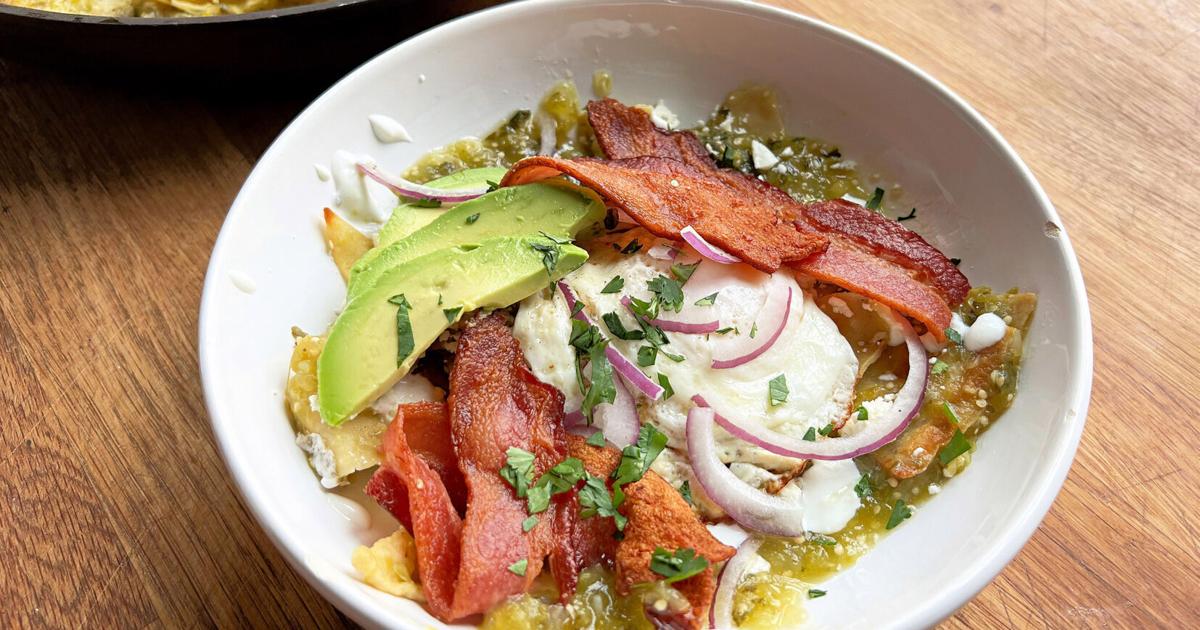
10 breakfast and brunch recipes that work for any time of day | National News

10 breakfast and brunch recipes that work for any time of day | National News

11 top-rated Amazon kitchen tools under $25

11 top-rated Amazon kitchen tools under

Select independently determines what we cover and recommend. When you buy through our links, we may earn a commission. Learn more. 

The right kitchen tools can make meal prep easy and enjoyable — whether you’re whipping up a weeknight meal for the family or cooking an elegant dinner for close friends. Many of the top-rated tools that chop, grate, peel and froth to perfection cost less than $25 and are available to purchase on Amazon right now.

We’ve sifted through dozens of bestselling items and found ones that are not only kind on your wallet but actually do what they say — and do it well.

SKIP AHEAD Best Amazon kitchen products under $25

Related: Cleaning likely isn’t at the top of your “fun” list, but these clever gadgets are guaranteed to make it a lot easier.

Best Amazon kitchen tools under $25 in 2023

Below, we rounded up 11 tools on Amazon that will streamline the cooking process and save you time in the kitchen. Every item is highly rated with at least 4.2 stars based on thousands of reviews.

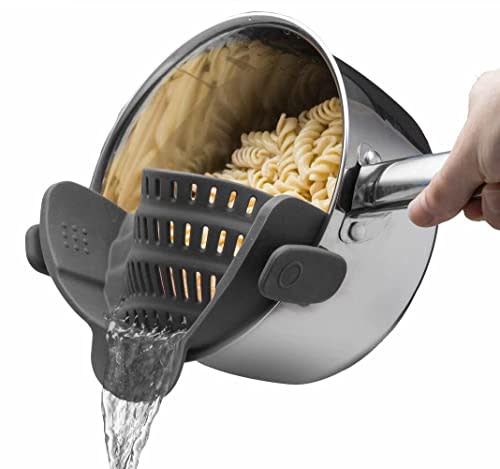
Kitchen Gizmo Snap ‘n’ Strain

4.5-star average rating from over 32,000 Amazon reviews

This silicone fine-mesh strainer lets you drain water from any round pot, pan or bowl with one hand. It is designed to maximize drainage and is half the size of a standard colander, so it it shouldn’t take up as much drawer space, according to the brand. The strainer snaps on to round pots, pans and bowls of all sizes including glass, wood and lipped bowls. It’s BPA-free, heat resistant up to 440 degrees Fahrenheit and dishwasher-safe too.

Kitchen Gizmo Snap ‘n’ Strain

Kitchen Gizmo Snap 'n' Strain (Amazon / Amazon)

Kitchen Gizmo Snap ‘n’ Strain (Amazon / Amazon)

Kitchen Gizmo Snap ‘n’ Strain $ at Amazon

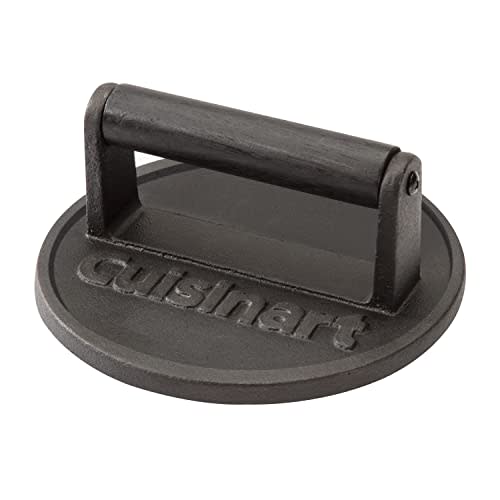
Cuisinart Smashed Burger Press

4.6-star average rating from over 34,000 Amazon reviews

Smash burgers are well loved for their crispy, cracked edges and juicy center. To get these results, you’ll need a weighted press to smash the meat and lock in the flavor as it cooks. This cast-iron press from Cuisinart is durable enough to smash your burger into a 6-inch patty; plus, its 1-centimeter raised edge will lock in the fat and juices, according to the brand.

Cuisinart Smashed Burger Press

Cuisinart Smashed Burger Press (Amazon / Amazon)

Cuisinart Smashed Burger Press (Amazon / Amazon)

Cuisinart Smashed Burger Press $ at Amazon

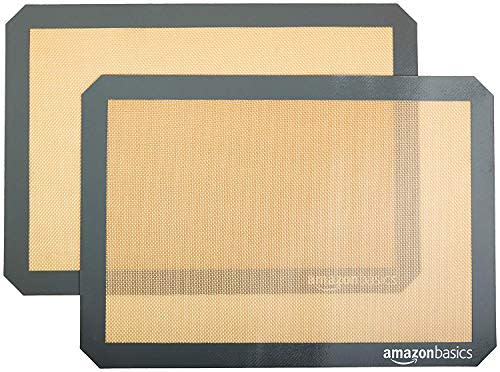
Amazon Basics Food Safe Baking Mats

4.7-star average rating from over 97,000 Amazon reviews

These nonstick silicone baking sheets eliminate the need for cooking sprays, grease and parchment paper. They come in a pack of two and measure 11.6 inches x 16.5 inches, so they fit perfectly on half-size baking pans, according to the brand. Oven-safe up to 480 degrees Fahrenheit, you can easily clean these silicone sheets with soap and water.

Amazon Basics Food Safe Baking Mats

Amazon Basics Food Safe Baking Mats (Amazon / Amazon)

Amazon Basics Food Safe Baking Mats (Amazon / Amazon)

Amazon Basics Food Safe Baking Mats $ at Amazon

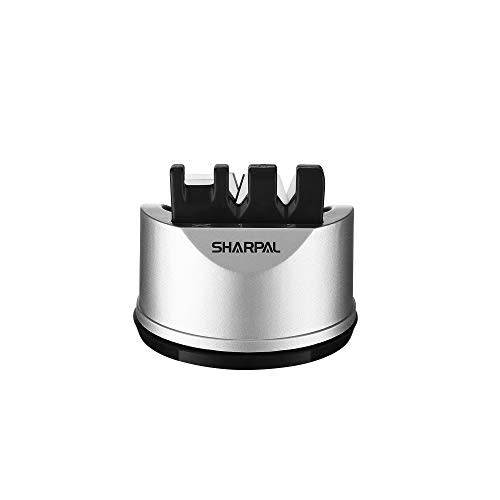
Sharpal Knife Sharpener

4.3-star average rating from over 34,000 Amazon reviews

This compact knife sharpener has a rubber base that firmly suctions to your table when the sharpener switch is turned on, so it shouldn’t slip or damage your countertop, according to the brand. It comes with two blades — a carbide blade for sharpening edges and a ceramic blade to hone. The Sharpal also sharpens scissors.

Sharpal Knife Sharpener

Sharpal Knife Sharpener (Amazon / Amazon)

Sharpal Knife Sharpener (Amazon / Amazon)

Sharpal Knife Sharpener $ at Amazon

Elitapro Ultra-High-Speed Milk Frother

4.2-star average rating from over 24,000 Amazon reviews

With this battery-powered, double-whisk frother, serious coffee drinkers can get barista-grade cappuccinos, lattes and macchiatos at home. It can mix your desired foam in 15 seconds and has a silicone ergonomic handle to keep your hands comfortable while you use it, according to the brand. Plus, it comes with a slim stainless steel stand and is available in 18 colors.

Elitapro Ultra-High-Speed Milk Frother

Elitapro Ultra-High-Speed Milk Frother (Amazon / Amazon)

Elitapro Ultra-High-Speed Milk Frother (Amazon / Amazon)

Elitapro Ultra-High-Speed Milk Frother $ at Amazon

KitchenAid 4-Sided Grater

4.8-star average rating from over 10,000 Amazon reviews

This stainless steel, rust-resistant box grater can mince, slice, grate and shred cheeses, veggies and more. It comes with a 3-cup container that fits under the grater’s base to catch excess food so there’s less mess in your kitchen. The container also has measurement markings and a top so you can store the leftover shavings for later.

KitchenAid 4-Sided Grater

KitchenAid 4-Sided Grater (Amazon / Amazon)

KitchenAid 4-Sided Grater (Amazon / Amazon)

KitchenAid 4-Sided Grater $ at Amazon

Poromi Herb Scissors

4.4-star average rating from over 2,000 Amazon reviews

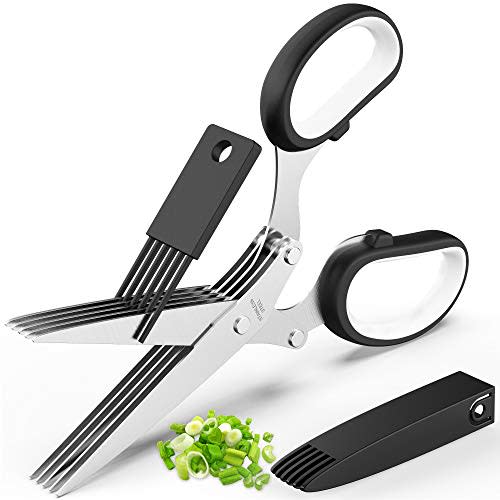
Fresh herbs make any dish more flavorful. You can use these high-quality scissors, which come with a safety cover and a comb for cleanup, to cut herbs directly over pizza, salad, casseroles, soup and more. Because these scissors have five blades, it uniformly snips herbs faster than regular scissors can, according to the brand. The handle is made of nonslip soft rubber material, and the stainless-steel blades are rust resistant. It’s perfect for beginners who don’t have the best knife skills and are looking for alternative options in the kitchen.

Poromi Herb Scissors

Poromi Herb Scissors (Amazon / Amazon)

Poromi Herb Scissors (Amazon / Amazon)

Poromi Herb Scissors $ at Amazon

Ototo Gracula Garlic Crusher

4.5-star average rating from over 5,500 Amazon reviews

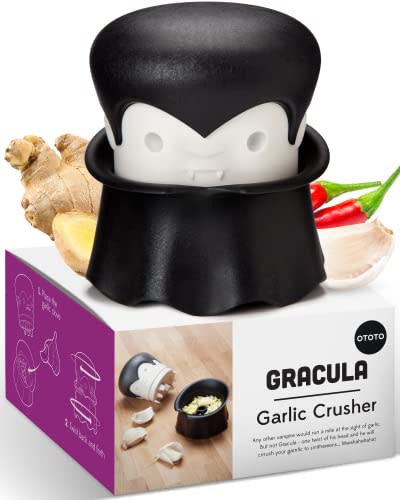
This vampire-inspired kitchen tool can crush, mince and press garlic in seconds. To use, pop off Gracula’s head, place the garlic (or ginger, nuts or herbs) inside, place his head back on and twist. It’s only 120 grams and is BPA-free and dishwasher safe too.

Ototo Gracula Garlic Crusher

https://www.amazon.com/Gracula-Garlic-Twist-Crusher-OTOTO/dp/B076CTTZKX/ref=sr_1_9?keywords= (Amazon / Amazon)

https://www.amazon.com/Gracula-Garlic-Twist-Crusher-OTOTO/dp/B076CTTZKX/ref=sr_1_9?keywords= (Amazon / Amazon)

Ototo Gracula Garlic Crusher $ at Amazon

Zulay Utensil Rest with Drip Pad

4.7-star average rating from over 34,000 Amazon reviews

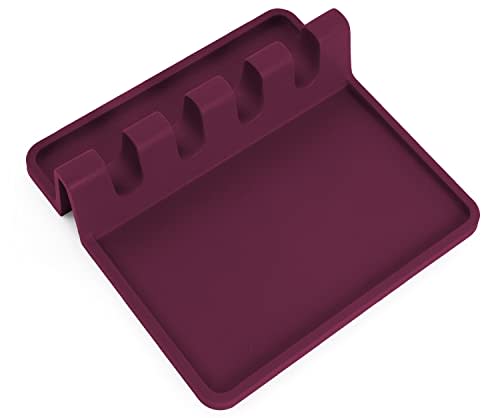
This utensil rest not only has four slots to park your spatulas, ladles and tongs while cooking, but it also has a drip pad to help keep your countertop splatter-free. It’s made with heat-resistant silicone and has a nonslip bottom to keep it in place as you use it. Plus, it’s dishwasher-safe and available in two sizes and 31 colors.

Zulay Utensil Rest with Drip Pad

Zulay Utensil Rest with Drip Pad (Amazon / Amazon)

Zulay Utensil Rest with Drip Pad (Amazon / Amazon)

Zulay Utensil Rest with Drip Pad $ at Amazon

Talisman Bacon Grease Bin

4.7-star average rating from over 5,600 Amazon reviews

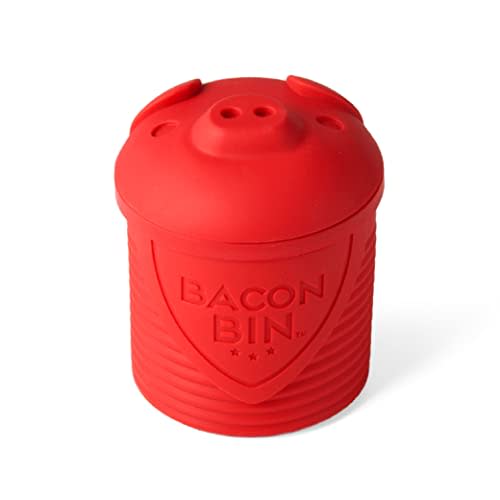
I love making bacon but cringe at the thought of figuring out what to do with the grease. The Talisman bacon bin is made of heat-resistant, BPA-free silicone and has a removable strainer on top that filters out tiny bits of bacon fat so you are left with pure grease to cook with or toss (once it’s chilled), according to the brand. It’s also refrigerator-, freezer-, microwave- and dishwasher-safe so you can store any remnants as you please.

Talisman Bacon Grease Bin

Talisman Bacon Grease Bin (Amazon / Amazon)

Talisman Bacon Grease Bin (Amazon / Amazon)

Talisman Bacon Grease Bin $ at Amazon

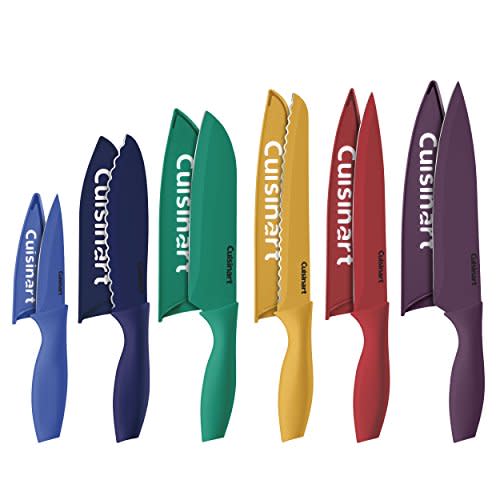
Cuisinart Ceramic-Coated Stainless-Steel Knives

4.8-star average rating from over 46,000 Amazon reviews

Knives are an essential tool in every kitchen, and this Cuisinart set comes with 12 high-quality stainless steel blades that have a nonstick ceramic coating, which makes them easy to use, according to the brand. With this set you’ll get two: 8-inch chef knives, 8-inch slicing knives, 8-inch serrated bread knives, 7-inch santorum knives, 6.5-inch utility knives and a 3.5-inch paring knives along with a blade guard for each. Each type is a different color to help you avoid cross-use during food prep.

Cuisinart Ceramic-Coated Stainless-Steel Knives

Cuisinart Ceramic-Coated Stainless-Steel Knives (Amazon / Amazon)

Cuisinart Ceramic-Coated Stainless-Steel Knives (Amazon / Amazon)

Cuisinart Ceramic-Coated Stainless-Steel Knives $ at Amazon

Why trust Select?

Barbara Booth has written a number of guides on bestselling and highly rated products you can buy on Amazon that simplify your life,including best organizational products, best car accessories, best travel accessories and more. For this piece, Barbara researched dozens of top-rated items on Amazon that simplify and streamline meal prep.

Catch up on Select’s in-depth coverage of personal finance, tech and tools, wellness and more, and follow us on Facebook, Instagram and Twitter to stay up to date.

Originally published

10 Tips to Finish Cooking for Shabbos (Even for a Crowd) Before Friday

10 Tips to Finish Cooking for Shabbos (Even for a Crowd) Before Friday

For all the 9-5 working ladies, you probably figured this one out already—but for those of you feeling the Friday rush, this one’s for you.

I’m a natural procrastinator, but I’ve hosted entire Shabbosim for 20+ people without ever cooking on Friday (minus the exception in #4). It can be done. Procrastination often stems from a fear of unknown, so if you have your menu and prep schedule planned ahead, it can take the fear out of how will I get this all done on time?! And even leave you with a freed-up Friday for a manicure or beach day—or a stress-free workday. 

#1 The freezer is your friend

Get in the habit of making and freezing your key freezable Shabbos staples. Think: kugel, soup, slow roasted meats (brisket, ribs etc.—trust me, even picky eaters always compliment my frozen ribs more than when they’re fresh out of the oven- the flavors develop over time). 

#2 Shabbos cooking prep can begin as early as… Motzei Shabbos

Don’t associate Thursday or Friday as your Shabbos prep day, look at the whole week and make it work for you. If motzei shabbos or Sunday morning is free time for you, make your challah or dessert then and freeze. Dips, dressings, and toppings like pickled onions etc. can all be prepped and refrigerated up to a week (or 2! ahead). Have cleaning help on Mondays? Sunday night just became your new kugel night! Bring out all the mixers, food processors on Sunday evening or Monday morning…Yes, you can freeze it.

#3 Wednesday fresh is fresh enough- so cook ahead

I used to be super particular about making certain dishes as close as possible to Shabbos for maximum freshness, but guess what? If it’s not going from oven to table within 15 minutes– it’s pretty much all the same. It turns out those hot steaming veggies taste the same 4 hours later and when made the night before….and your deli roll doesn’t know the difference between being reheated on a hot plate 24 hours or 36 hours later…it just knows it was in the fridge and now ready to get heated up and crispy.

#4 Exception to the cook ahead tip: oven-ready prep

If you’re home or someone’s available to remove food from the oven on Fridays–do all prep work on Wednesday or Thursday and pop it in the oven Friday morning or before Shabbos with enough time to finish cooking. Think pre-marinated meats and pre-made cookie dough. 

Sometimes I’ll throw in a ready-to-cook dish at 7am and take it out by 9am before I need to leave the house. 

#5 Organize your food prep by like-minded tasks

For example: all veggies get cut the same time. If you’re making soup, roasting vegetables, prepping for a salad—those tasks happen together. Your cutting board, knife, and peeler are already out… get your soup veggies sweating in the pot and then move onto your roasted vegetables, even if you only plan to cook them the next day.

#6 Organize your cooking by oven temp times

Time your oven. I separate my cooking by oven temperature. If I’m roasting at 425, I do all my roasting in one shot. Even if it’s 2 batches– have all vegetables and roasted items ready on sheet pans waiting for a spot to open up. Then you’re not stuck waiting for your oven to be ready for that batter you just made. Or, for example, rice gets scheduled to be put in the same time as chicken (yes, in case you missed the memo, rice goes in the oven—it’s impossible to burn, easier to reheat, and no need to dirty an extra pot and transfer.)

#7 When pressed for time, skip patchkes. Roasted potatoes can replace kugel, baked goods are easy to replace with store bought or frozen dough.

In general, I don’t do much kugels, cakes, baked anything— I opt for lots of roasted vegetables that get used to top salads, rice, grains, along with fresh herbs (pre-checked for time saving), and sauces. But that’s a personal preference. 

#8 Have extra time one week— double or triple your recipes

6 sticks of margarine sounds like a lot…but you won’t feel that way when you have ready-to-bake homemade dessert 3 weeks in a row without the prep. (Be careful, some baked good recipes don’t triple well without adjusting the leavening agents and spices.)

#9 Prep your cholent on Thursday night 

Refrigerate and just plug it in on Friday.  (Make sure potatoes are fully emerged in liquid so they don’t brown.)

#10 Outline your shopping/cooking schedule and stick to it

Don’t leave anything off your schedule, everything from garnishes to salad prep goes on the schedule. 

Something didn’t make it into production in its intended time slot—you may need to drop it or find something else to drop. 

Sample Schedule 

Here’s a menu if I’m cooking for a crowd and corresponding schedule (all 1st course & fish get repurposed for Shabbos lunch):

Menu

Challah

Dips (store bought)

Roasted Eggplant & Red onion herb mixture

Garlic & Tomato Confit

Crunchy Cabbage Salad

Balsamic Dill Salmon

Chicken Soup

Roasted Mini Potatoes & Pearl Onions

Crunchy Onion & Everything-Spice Topped Rice

Roasted Broccoli

Dry-Rubbed Ribs

Skillet Cookie Dessert (Dough pre-made frozen)

Cholent

Mini Pulled Rib & Avocado Tacos (Repurpose 3-4 ribs)

Roasted Vegetable Kale Salad

Potato Kugel-if needed, but it’s coming from the freezer

Sunday Make cookie dough & freeze (or have frozen from previous week)
Monday Salad Dressings (last all week) Pickled Onions for Tacos (last 2 weeks)
Tuesday Make Challah & Freeze
Wednesday Food/Fresh Produce Shop Chicken Soup- get this on early in the day or as part of dinner prep Cut/prep all vegetables for roasted vegetables, salad, dips, potatoes for cholent (soak in water) Cut red onions for fish &Red onion herb mixture for eggplant  Prep Garlic Tomato Confit for roasting
Thursday Prep Cholent& Rib Rub 6:30pm-7pm Bake Pre-made or frozen dessert dough 7pm| Bake Salmon& Covered Rice 7:30pm | Roast all vegetables: potatoes, broccoli, eggplant ramen/almonds for cole slaw 8:30pm | Bake ribs low for 1.5 hours same time as garlic confit-finish last hour or so in oven before Shabbos.
**Alternatively, throw in prepped ribs 7:30am-10am Friday morning
8:30pm Finish Active Cooking! 
Friday You time!

Almond milk benefits for people with sensitive gut

Almond milk benefits for people with sensitive gut

Many people have started suffering from gut issues these days. From Irritable Bowel Syndrome to lactose intolerance and leaky gut syndrome – the list can go on and on. Sensitive gut is a rising health issue these days and needs attention. People have even started switching to different food alternatives that feel healthier for their gut and don’t aggravate existing issues. Having said that, calcium is an important nutrient that can’t be compromised. Milk is an excellent source of calcium and an integral part of our diet, but cow milk may not suit everyone. For people with a sensitive gut, experts often recommend almond milk.

Health Shots got in touch with nutritionist Avni Kaul to understand why almond milk may be better than cow milk for people with a sensitive gut.

Why should people with a sensitive gut switch to almond milk?

First of all, what is almond milk?

Almond milk is manufactured by mixing almonds with water and then the mixture is strained to take the solids out. It can also be made by adding water to almond butter, “tells the expert.

why almond milk is better than cow milk for people with sensitive gut
Almond milk can be consumed by people with sensitive gut because of the benefits it boosts! Image courtesy: Shutterstock

It consists of a pleasing, nutty flavour and a creamy texture that feels just like the taste of regular milk. Owing to this, it is a popular alternative for people who are following a vegan diet and even for those who are allergic or intolerant to dairy.

Here are a few reasons why almond milk is a safer option for people with a sensitive gut.

1. Contains no cow or buffalo milk

Almond milk is not an animal product, making it an ideal choice for people who have opted for a vegan diet and those individuals who are lactose intolerant or are allergic to milk. Almond milk is free from dairy and has no lactose at all, making it the perfect swap for regular milk for people suffering from lactose intolerance. Alongside, almond milk has high fibre content which aids in healthy digestion. It can help curb issues like constipation and other intestinal disorders whilst keeping your digestive system healthy.

2. Best option for people who are intolerant to milk sugar

“Many people have a high intolerance to milk sugar (lactose) and face issues digesting it properly. In these categories of people, this undigested lactose passes down to the colon where it is the living bacteria ferments it. That further leads to issues like excessive gas, bloating, diarrhoea, and other associated discomforts, “tells the expert.

Also read: Are alternative milks healthier than cow or buffalo milk? Let’s find out

why almond milk is better than cow milk for people with sensitive gut
Try switching to almond milk for a variety of health benefits it boosts. Image courtesy: Adobe Stock

3. Regulates blood sugar levels

If you are a patient with diabetes, drinking milk that is devoid of sugar can be a task. However, almond milk has an ideal amount of carbs which helps the body in converting it to good sugar that is further converted into energy. Opting for almond milk over regular dairy milk can also help in maintaining good heart health.

The bottom line

Almond milk is nutritious and a great option for people who have lactose intolerance. It has low-calorie content and is high in calcium, vitamin D and E, which makes it no less than other drinks.

Marcus Samuelsson bridges the gap between food and culture

Marcus Samuelsson bridges the gap between food and culture

“I might be the only Swede-iopian that you’ve met.”

This opening sentence of chef, author and Food Network personality Marcus Samuelsson’s keynote speech “A Night with Marcus Samuelsson: A Career of Chasing Flavors” succinctly summed up the following hour. Samuelsson took the stage at Miami University’s Harry T. Wilks Theater in Armstrong Student Center on Wednesday, March 29.

Samuelsson, who has been a mainstay on Food Network shows like “Chopped” and “Iron Chef,” framed his talk around the intersection between food and culture. He went through his own life and career, highlighting the challenges he overcame to reach his current successes.

Born in Ethiopia, Samuelsson lost his mother to illness when he was around 2 years old. He and his sister, age 5 at the time, were almost orphaned, but the two were rescued by a nurse at the hospital.

“The nurse that took care of us, she broke the law in order to save us,” Samuelsson said. “She took us in. I’m not suggesting they should break the law, but there’s actually two times in my journey where someone broke the law for the better.”

The two were adopted three months later and moved to Sweden, where they  joined a culturally diverse family that included people from all walks of life. There, Samuelsson was exposed to different foods and styles of cooking.

Samuelsson used the example of Swedish meatballs to illustrate this point.

“I know Swedish meatballs from three different places,” Samuelsson said. “School lunches — tastes like a furniture store. My mom, who did the fast Swedish meatballs … or my grandmother’s, that were actually rolled, they were in different shapes, but they were delicious.”

For the remainder of his speech, Samuelsson described his journey as a chef across several different countries, from Japan to Switzerland to France and eventually to New York City, where he currently resides. Throughout, he peppered in pieces of advice and wisdom he picked up on his travels.

One such observation came when he was discussing collaboration.

“I always get confused when people say, ‘I’m self taught, I did this on my own,’” Samuelsson said. “What? Who did anything on their own? Very few people. And also, that doesn’t sound like fun.”

Samuelsson also highlighted how his time in New York, specifically Harlem, has impacted the way he perceives and enjoys food. 

Enjoy what you’re reading?
Signup for our newsletter

“If I wanted the best cornbread, it was at an after-church program and had nothing to do with a restaurant,” Samuelsson said. “If I wanted to find the best jerk chicken, I’d go to certain parks post-basketball game, and that’s where they were blasting Jamaican music … and that’s where they serve the best jerk chicken.”

Samuelsson ended his prepared remarks with a story about his experience of simultaneously competing on the competition show “Top Chef” while also creating the menu for former President Barack Obama’s first White House State Dinner.

He left the audience with an encouraging sentiment.

“I think all of you guys will have your own moments,” Samuelsson said. “It might not involve a president, or it might. But it’s gonna be your moment.”

The lecture portion of the evening closed with an audience Q&A. Samuelsson answered questions about the late Anthony Bourdain, advice for living in New York and what sets him apart from other chefs.

Following the talk, a reception was held in the Armstrong atrium where Samuelsson signed copies of and took pictures with his newest book “The Rise: Black Cooks and the Soul of American Food.”

Samuelsson’s was the final lecture of the academic year for Miami University’s Presidential and Career Leadership Series. Sponsored by the Center for Career Exploration and Success, the guest lectures are intended to offer students exposure to a variety of different careers and experiences.