
Healthy eating habits for 2023: 23 dietician-approved tips

Healthy eating habits for 2023: 23 dietician-approved tips

Do your 2023 resolutions include a goal to optimize your diet for long-term health? Or a commitment to drinking more water, and eating more fruits, vegetables and whole grains? What about including plant-based meals on a weekly rotation?

Don’t set yourself up for failure by attempting an overnight revamp of your habits. Instead, review these 23 healthy living tips from registered dietician Leslie Beck and incorporate some tips each week. At the end of January, take a moment to review your progress and pick one you feel requires more attention to master in the next month.


1. Keep a food diary for a week

One of the biggest assets in making dietary change is a food diary. It can provide a huge amount of self-awareness and pinpoint areas for improvement. And if your goals include weight loss, research suggests that faithfully keeping a food diary will enhance your success.

Record your food intake – and portion size – after each meal. Don’t wait until the end of the day or you’ll likely forget a few foods.

Assess your food diary at the end of each day. What do you notice? No fruit? Not enough vegetables? Too many sweets? Portion sizes larger than you thought?

Use this information to help focus your efforts over the next few weeks.


Women need nine cups of water each day and men need 13 cups – more if they exercise. All beverages – even coffee! – count to your daily recommended intake.

2. Drink a large glass of water before each meal

Drinking water before each meal helps you feel full and, as a result, may prevent you from overeating. Also, many people don’t drink enough water in the winter months because they don’t feel thirsty. So this easy trick will also help you meet your daily water requirements.

Women need nine cups (2.2 litres) of water each day and men need 13 cups (three litres) – more if they exercise.

Here’s the good news: All beverages – with the exception of alcoholic drinks – count toward your daily water requirements. Yes, even coffee and tea.


3. Eat more fibre at breakfast

It’s estimated that Canadians get only half the fibre they need each day. Women, aged 19 to 50, need 25 grams a day; men should strive for 38 grams. (Older women and men need 21 and 30 grams of fibre a day, respectively.)

To help you meet that target, start by increasing your fibre intake at breakfast. Try one of the following:

  • Enjoy chia pudding made with milk or your favourite unsweetened non-dairy milk; 2 tablespoons serve up 10 grams of fibre;
  • Blend ¼ to 1/3 cup of 100-per-cent bran cereal into your breakfast fruit smoothie;
  • Sprinkle 2 tablespoons of ground flaxseed or pumpkin seeds over oatmeal;
  • Include whole fruit at breakfast; raspberries and blackberries, for example, provide 8 grams of fibre per one cup;
  • Add black beans to a veggie omelette or tofu scramble;
  • If you eat toast, buy 100-per-cent whole grain bread with at least 2 to 3 grams of fibre per slice;
  • Add ¼ of an avocado to a smoothie or spread on whole grain toast for an extra 3 grams of fibre;

4. Focus on heart-healthy fats

Emphasize polyunsaturated and monounsaturated fats in your daily diet, the types of fat linked to a lower risk of cardiovascular disease. When replaced for saturated (animal) fats, these healthy fats help lower LDL (bad) cholesterol in the bloodstream and may also improve how the body uses insulin.

Good sources of polyunsaturated fats include grapeseed oil, sunflower oil, canola oil, walnuts, chia seeds, ground flax, hemp seeds and pumpkin seeds. Foods that contain mostly monounsaturated fats are olive oil, avocado and avocado oil, peanuts, peanut oil, almonds, cashews, pecans and pistachios.

The following tips can help shift the balance of fats in your diet:

  • Replace butter or cream cheese on your toast or bagel with peanut or almond butter.
  • Instead of butter, add a drizzle of olive oil or grapeseed oil to the pan before scrambling or frying eggs.
  • Snack on a handful of nuts and fruit instead of cheese and crackers.
  • Swap butter on sandwiches with hummus or avocado.

5. Reduce food waste at home

With climate change firmly on the radar, sustainability underscores food trends for the year ahead. Reducing food waste is something we can all do to help reduce our carbon footprint. Food waste that ends up in landfills produces methane gas, a powerful greenhouse gas that affects climate change.

Practice the following tips to reduce food waste:

  • Make a weekly meal plan and write a grocery list to match. That way you’ll buy only what you need.
  • If you don’t eat everything you cook, freeze it for later use instead of throwing it away.
  • Avoid buying in bulk; purchase only what you need whenever possible.
  • Buy “ugly produce,” misshapen fruits and vegetables often thrown away by farmers and grocery stores.
  • Use vegetable scraps to make soup stocks and broths.
  • Store leftovers at the front of the fridge so you don’t forget them; eat within three or four days.
  • Buy frozen produce; unlike fresh produce, it doesn’t spoil quickly. Plus, you use only what you need at one time and store the rest.

6. Practise eating slowly

If weight loss is among your 2023 goals, this resolution is well worth making. Studies show that people who eat quickly – and eat until they’re full – are three times more likely to be overweight.

Eating slowly allows appetite-related hormones to kick in and tell your brain you’ve had enough to eat. Since it takes 20 minutes for these signals to register, if you eat too fast you will be more likely to overeat before your body is aware of it.

At breakfast, lunch and dinner: After every bite, put down your knife and fork and chew thoroughly. Don’t pick up that knife and fork until your mouth is 100-per-cent empty. Take sips of water between bites.


Include a variety of vegetables in at least two meals each day.

7. Add vegetables to (at least) two meals

To increase your vegetable intake, be sure to include them in at least two meals each day.

Despite the overwhelming evidence that eating plenty of produce is good for us, most Canadians eat too little of it. Canada’s Food Guide advises making half of your plate vegetables and fruits.

Work toward this target by adding more vegetables to your diet. Try these tips:

  • Add sliced tomatoes, cucumbers, grated carrot and greens to your sandwich or wrap.
  • Add leftover grilled or roasted vegetables to your brown-bag lunch.
  • Add quick-cooking greens such as spinach, kale, rapini or Swiss chard to soups, chili and pasta sauces.
  • Add baby greens to a breakfast smoothie or protein shake.
  • Serve poached eggs on a bed of sautéed spinach or kale.
  • Stir pumpkin purée into your overnight oats or breakfast smoothie.
  • Bake, microwave or boil a sweet potato for a change from rice or couscous.
  • Serve a veggie pizza topped with fresh baby arugula.
  • Snack on carrot sticks, cherry tomatoes, red or yellow pepper strips, broccoli florets and mushroom caps with hummus.

8. Serve your dinner on a smaller plate

This smart strategy that can help you achieve your 2023 weight-loss goal. It really works. In fact, one of my clients did this for six weeks and lost 10 pounds.

Serve your evening meal on a luncheon-sized plate (seven to nine inches in diameter), rather than a full-sized dinner plate.

You’ll put less food on the plate – which means fewer calories – but the plate will look full. You’ll find your appetite adjusts quickly to eating less food.


9: Snack on fruit – at least two servings per day

To get more fibre, vitamins, minerals and antioxidants into your diet, eat at least two servings of fruit each day.

  • What does one serving look like? It could be one medium-sized fruit (e.g., apple, pear, orange), two clementines, one small banana, one cup of cut up fruit/berries or ¼ cup unsweetened dried fruit.

To help you meet your daily target, snack on fruit (whole fruit, not juice) midmorning and afternoon.


Drinking 3 to 5 cups of green tea a day has been linked with protection from heart disease and high blood pressure.

10. Drink a cup of green tea

Drinking three to five cups of green tea a day has been linked with protection from heart disease and high blood pressure. Studies also suggest that drinking green tea regularly can help lower LDL (bad) cholesterol in the bloodstream. Green tea leaves are an incredibly rich source of phytochemicals called catechins, which have potent antioxidant and anti-inflammatory properties.

Here are a few ways to add green tea antioxidants to your diet:

  • Start your day with a cup of freshly brewed green tea.
  • If you drink coffee or diet soft drinks with meals, replace with a cup of green tea.
  • For a midday snack, try a green tea latte.
  • Brew green tea in cold water for 20 minutes and use as a liquid in marinades, sauces and gravies.
  • Use brewed green tea to sauté or stir-fry vegetables.

11. Eat leafy green vegetables

Leafy greens are high in fibre and a good source of cancer-fighting vitamins A and C, vitamin K, folate (a B vitamin), iron, calcium and potassium. What’s more, they’re an exceptional source of lutein and zeaxanthin, phytochemicals thought to protect against cataract and macular degeneration. Also, research suggests that eating lutein-rich leafy greens on a regular basis slows age-related cognitive decline and lowers the risk of Alzheimer’s disease.

Include a leafy green vegetable in your daily diet. Choose from arugula, beet greens, collard greens, dandelion greens, kale, mustard greens, leaf lettuce, romaine lettuce, rapini (broccoli raab), spinach, Swiss chard and turnip greens.

Here are a few serving suggestions:

  • Sauté kale with fresh garlic and chili peppers and drizzle with roasted sesame oil just before serving.
  • Add chopped collard greens, along with golden raisins and slivered almonds, to sautéed onion and garlic. Cook for 5 minutes or until tender.
  • Add sautéed or steamed rapini to a tomato-based pasta sauce.
  • Toss fresh spinach with sliced strawberries and mandarin orange segments for a salad. (Plus, the vitamin C in the fruit increases the amount of iron your body absorbs from the spinach.)
  • Add steamed Swiss chard to omelettes, quiches and frittatas.
  • Use dark green lettuces to makes salads instead of paler greens.

12. Plan a week of meals in advance

The key to successful long-term healthy eating is planning ahead to make sure you’re fuelling your body with nutritious foods. Plus, knowing what you’re going to eat for dinner takes the stress out of having to figure it out at the end of a hectic day.

Try mapping out next week’s dinners. I encourage you to plan breakfasts, lunches and snacks too, if appropriate. As you plan, think about how you can cook once and make two or more meals out of it. Batch cook soups, casseroles, pasta sauce or chili on the weekend and freeze to serve on a busy weeknight. Cook a batch of whole grains such as brown rice, farro or barley in your Instant Pot. Grill or roast an extra portion of salmon or chicken at dinner for a simple, no-prep lunch the next day.


Herbs and spices contain potent antioxidant and anti-inflammatory phytochemicals called polyphenols that may boost brainpower and guard against cancer, diabetes and heart disease.

13. Flavour with herbs and spices

Adding herbs and spices to meals is an effective and tasty way to de-salt your meals. But the benefits of cooking herbs and spices goes beyond reducing your sodium intake. Herbs and spices contain potent antioxidant and anti-inflammatory phytochemicals called polyphenols that may boost brainpower and guard against cancer, diabetes and heart disease.

Try these tips to add herbs and spices to your meals (to convert fresh-to-dried herbs use 1 teaspoon dried for every tablespoon fresh):

  • Add dried basil to pasta sauces, soups and homemade salad dressings.
  • Top salmon with fresh dill before baking or grilling or add chopped dill to coleslaw and steamed carrots and green beans.
  • Add chopped fresh mint to fruit salad, berries, yogurt, smoothies and green and pasta salads or sprinkle over roasted vegetables.
  • Add ¼ teaspoon turmeric to water when cooking rice or stir into olive oil and drizzle over cauliflower before roasting.
  • Sprinkle ground cinnamon over oatmeal, mix into Greek yogurt or mix cinnamon with almond butter and add to protein shakes.

14. Eat three plant-based meals per week

There’s no doubt that eating a plant-based diet helps guard against a myriad of health problems, including high cholesterol, high blood pressure, heart disease, stroke, Type 2 diabetes, obesity and certain cancers.

Foods such as beans, lentils, nuts, tofu, edamame and tempeh are loaded with plant protein, as well as vitamins, minerals and many different phytochemicals. Plus, they’re incredibly low in saturated fat and many are excellent sources of fibre.

Replace meat, poultry or fish with a plant-based protein at three meals each week. Here are a few ideas:

  • Add chickpeas to a green or Greek salad.
  • Replace meat or chicken with tempeh or cubes of firm tofu in a stir-fry.
  • Make bean tacos. Swap ground beef or turkey for black beans or pinto beans.
  • Substitute white kidney beans for ground meat in a marinara pasta sauce.
  • Instead of a beef or turkey burger, make veggie patties from black beans, chickpeas or lentils.
  • Make a batch of vegetarian chilli or lentil soup to enjoy for lunches during the week.
  • Try noodles made from black beans, lentils, chickpeas or edamame for a plant-based pasta meal.

15. Add ground flaxseed to your diet

Tiny flaxseeds offer soluble fibre, omega-3 fatty acids called alpha linolenic acid (ALA) and phytochemicals called lignans. Research suggests that a regular intake of ground flax can help lower LDL blood cholesterol and blood pressure, and possibly guard against breast and prostate cancers.

Two tablespoons of ground flax deliver 60 calories, four grams of fibre and more than a day’s worth of ALA. (You need to eat flaxseeds ground because when whole, they pass through your intestinal tract undigested, meaning you won’t reap all their benefits.)

Add ground flax to hot cereal, overnight oats, smoothies, yogurt, applesauce, muffin and pancake batters, or mix into lean ground beef or turkey when making burgers or meatloaf. Stir it into egg whites to make a “breading” for fish or chicken. You can also try adding a little ground flax to mustard or mayonnaise for a healthier sandwich spread.

Carrots, sweet potato and winter squash are loaded with beta carotene, an antioxidant linked to a lower risk of heart disease and certain cancers.

16. Eat orange vegetables

Carrots, sweet potato and winter squash are loaded with beta carotene, an antioxidant linked to a lower risk of heart disease and certain cancers. Some of the beta carotene you eat is also converted to vitamin A in the body, a nutrient that supports a healthy immune system.

There’s no official recommended intake for beta carotene, but experts maintain that a daily intake of 3 to 6 milligrams is needed to help prevent chronic diseases. Guess what? A medium sweet potato packs 13 milligrams of beta carotene, half a cup of carrot juice has 11 mg, half a cup of cooked carrots has 6.5 mg (half a cup of raw carrots has 5 mg) and half a cup of butternut squash has 4.5 mg. So it’s not hard to get your fill.

Try one of these suggestions:

  • Add a shredded carrot to soup, green salad, pasta sauce and muffin batters.
  • Add diced sweet potato or butternut squash to your favourite curry recipe.
  • Serve roasted sweet potato wedges instead of roasted white potatoes.
  • Add ¼ cup of carrot juice to a smoothie or protein shake.
  • Blend pumpkin purée into smoothies or stir into oatmeal and overnight oats.
  • Enjoy roasted squash as a side dish at dinner; drizzle with maple syrup and a dash of cinnamon.

17. Skip the sugary drinks

Consuming too much sugar – especially from sweetened beverages – is linked with a greater risk of Type 2 diabetes, heart disease and obesity. The goal is simple: Replace all sugary drinks with water, clear tea, black coffee, herbal tea, unsweetened milk or unsweetened non-dairy milk.

  • What constitutes a sugary drink? Sugar-sweetened soft drinks, sweetened iced tea, lemonade, fruit punch, vitamin waters, energy drinks and sports drinks all count.

While 100-per-cent fruit juice does not have added sugar, it’s still a concentrated source of natural sugar (and calories) that lacks fibre. For this reason, it’s considered a sugary drink. Replace fruit juice with a serving of whole fruit. And if you regularly drink fruit juice to quench your thirst, replace it with water.


18. Cut 100 calories a day

It’s estimated that adults gain, on average, one to two pounds a year. For some people, this gradual creep could lead to obesity. The good news: You don’t have to make major changes to your diet to prevent incremental weight gain.

Instead, studies show that adopting a “small change approach” – cutting 100 to 200 calories a day by eating less, exercising more, or a combination of the two – can do the trick. Making small tweaks to diet and exercise are easier to integrate into your everyday life and easier to maintain long-term than are bigger lifestyle changes required to lose weight.

Here are a few small easy changes to implement:

  • Eat one medium orange instead of drinking 12 ounces of orange juice to save 117 calories.
  • Skip the cheese slice on your sandwich to drop 115 calories.
  • Reduce your portion size of brown rice by one-half-cup to lose 128 calories.
  • Add one less tablespoon of cooking oil when sautéing and save 120 calories.
  • Try 2{d2b09b03d44633acb673e8080360919f91e60962656af8ade0305d5d8b7e4889} milk instead of 10{d2b09b03d44633acb673e8080360919f91e60962656af8ade0305d5d8b7e4889} cream in your coffee to cut 80 calories per one-quarter cup.
  • Add 20 minutes of brisk walking, 12 minutes of hiking or 10 minutes of moderate cycling to your day to burn roughly 100 calories for a 170-pound person.

19. Eat an afternoon snack

If you arrive home from work hungry and ready to eat everything in sight, this tip will help prevent overeating at the end of the day. But that’s not all.

Eating every three to four hours also helps keep your blood glucose (energy) level stable and fuels late-afternoon workouts. Healthy snacks also provide an opportunity to boost your intake of important nutrients such as protein, fibre and calcium.

Snacks should include slow-burning carbohydrates to fuel your muscles and your brain, along with protein and a little healthy fat to keep you feeling energized longer.

Healthy snack ideas include:

  • Fruit and a small handful of nuts.
  • Apple slices with almond butter or pumpkin seed butter.
  • Greek or Icelandic yogurt with berries.
  • A homemade fruit smoothie made with milk or soy milk.
  • A cup of black bean, lentil or chickpea soup.
  • Half of a whole wheat pita with tuna and baby arugula.
  • Whole-grain crackers and cheddar cheese.
  • Raw veggie sticks with hummus (or guacamole).

If you like the convenience of energy bars, choose bars made with whole food ingredients such as fruit and nuts.

If the lag time between breakfast and lunch is long, include a midmorning snack too.


20. Eat dinner earlier

If you’re watching your waistline, it’s a wise idea to set a cut-off time for eating dinner. (Unless, of course, you work a night shift.)

Ideally, avoid eating a large meal after 7 p.m. and eat it earlier if you can. If you’ve had an unusually long day and there’s no avoiding eating after that time, keep it light – a bowl of bean soup, salad with lean protein or an omelette with vegetables.

While there’s no scientific evidence that eating after a certain time of the night can make you gain weight, eating late in the day has been tied to increased obesity risk and less successful weight loss, outcomes that couldn’t be explained by differences in calorie intake. Research has also shown that, compared to people who ate dinner early, late-eaters were hungrier during the day and burned fewer calories.

But there are other reasons to avoid eating late. My clients who stick to the rule tell me they sleep better, wake up with an appetite for breakfast and feel less bloated in the morning.

Research suggests that you need to eat at least three servings of whole grains each day to reap their health benefits

21. Eat whole-grain foods

Eating foods made from whole grains is linked with protection from heart disease, Type 2 diabetes and colorectal cancer. Whole grains contain all parts of the grain: the outer bran layer where nearly all the fibre is, the inner germ layer that’s rich in nutrients, antioxidants and healthy fats, and the starchy endosperm.

Research suggests that you need to eat at least three servings of whole grains each day to reap their health benefits. One serving equals: one slice of 100-per-cent whole-grain bread, 30 grams of breakfast cereal, ½ cup cooked whole-wheat pasta or ½ cup cooked whole grains such as oats, brown rice, farro, quinoa and millet.

Ideally, most – if not all – of your grain choices should be whole grain.

Try to replace all “white,” refined grains with a whole grain. The following tips can help you do so:

  • Read labels on packages of whole grain breads, crackers and breakfast cereals. If you don’t see a statement of “100 per cent whole grain,” scan the ingredient list to make sure the product doesn’t contain refined grains (e.g., wheat flour, rye flour).
  • If you buy rye bread, look for whole-grain terms such as whole grain, coarse rye meal, rye kernels and rye flakes on the ingredient list.
  • Try whole-wheat or brown rice pasta instead for white pasta.
  • Batch cook whole grains so that you have them ready to add to meals; they’ll keep in the fridge for three to four days.
  • Toss cooked quinoa, bulgur or farro into green salads.
  • Add barley, red rice or spelt berries to soups, stews and chili.
  • Make whole-grain bowls with freekeh or brown rice.
  • More often, replace white pasta with whole wheat, whole-grain spelt or brown rice pasta.
  • Try one new whole-grain food each week such as barley, farro, freekeh, millet, sorghum, red rice or quinoa.

22. Use the ‘plate model’ at dinner

Use this quick and easy technique to help manage portion sizes and fill half your plate with vegetables at dinner (or lunch).

Here’s how it works: Visualize your dinner plate in quarters, and fill those quarters as follows:

  • One quarter: Protein-rich food (e.g. lean meat, chicken, fish, tofu, tempeh, beans/lentils);
  • One quarter: Starchy food (e.g. brown rice, quinoa, whole-wheat pasta, sweet potato);
  • Two quarters: Cooked or raw vegetables and/or salad greens;

It’s also a great strategy for when you’re eating buffet-style: It helps make sure your eyes aren’t bigger than your stomach – and prevents you from needing to loosen your belt after the meal.


23. Review your healthy habits

The last day of January is a perfect time to reflect on the nutrition strategies you’ve embarked upon during the past few weeks.

Changing your eating habits takes practice. It’s easy for things to slip, especially when you’re given a nutrition tip to implement each day. That’s a lot to ask of anybody … so give yourself a pat on the back!

Consider the nutrition tips you’ve worked on this month. Choose one you feel requires more focus and attention in order for you to really master it.


Leslie Beck: The healthy food trends – for you and the planet – to watch for in 2023

‘A small but mighty role’: local farms give low-cost access to healthy food | Food

‘A small but mighty role’: local farms give low-cost access to healthy food | Food

Eextremely Wednesday all through the increasing time, Emilyn Sosa picks up a box of create from a local community heart in Brooklyn crammed with the week’s harvest. This might contain carrots, beets or from time to time kohlrabi, which she cooks up into soups and salads for her family members of five.

The cost? It’s no matter what Sosa judges to be good. For a weekly box, the 33-12 months-previous pays about $15 (£12). If she were to purchase a comparable amount of money of fruit and veggies at a regular grocery store – where by the prices are of course non-negotiable – the price could possibly be upward of $60 (£50) for each 7 days.

Sosa is a member of a neighborhood-supported agriculture (CSA) application identified as Rock Continual, a 12-acre farm in upstate New York. Clients like her make standard payments to get bundles of freshly harvested fruit and vegetables. But the selling prices are established on a sliding scale of profits, permitting clients to pick a payment amount that is cost-effective to them. Other current market farms across the US are opting for sliding-scale products in an energy to access a wider demographic of shoppers and to aid farmers stay afloat.

Sosa has no idea what her fellow associates are electing to pay. “And that would make this sort of a variation, to not really feel like a charity,” she stated.

At Rock Continuous, the yearly selling price for customers, dependent on their cash flow, is split into higher ($1,155), center ($825) and decrease ($660) brackets. In the reduce bracket, that will come out to about $30 (£25) a 7 days, for about 8 or nine goods. The farm also accepts Snap and EBT playing cards, the federal nourishment plan previously known as food stuff stamps. Most persons are in the center bracket, even though larger-profits contributors subsidize these on the decrease conclusion of the scale.

When becoming a member of the system, consumers are asked to consider an stock of their problem, equally content and social, to establish how substantially to pay out: do you possess a household? Do you have a college education and learning? Do you have cost savings? Those who do are questioned to shell out a higher share. Those people who ​​have significant credit card debt or are leasing or are senior citizens are invited to pay out a lower share.

A woman bags produce.
Rock Constant Farm provides a sliding scale for users with distinctive incomes. Photograph: Eva Detch

A 2017 examine of approximately 500 CSA farm supervisors across the US found that 14{d2b09b03d44633acb673e8080360919f91e60962656af8ade0305d5d8b7e4889} provided sponsored programs. A additional modern research recognized a lot more than 100 backed CSA packages.

Even though Rock Continual launched a backed design in 2015, the Covid pandemic was a turning place, says co-founder Maggie Cheney, who takes advantage of they/them pronouns. It was at the commencing of the pandemic, when traces for meals pantries and grocery shops snaked close to New York Metropolis blocks, that increased-revenue users of the CSA started off offering far more so that those people with a lot less means could find the money for it way too, Cheney said. Now the farm’s CSA is so oversubscribed it has a 200-strong waiting around checklist.

“It’s not a donation of our make, which is not a sustainable route for farmers, who usually simply cannot even pay back themselves,” says Cheney.

“As a queer-owned and -operated farm, social justice runs deep in our mission,” they add. “What motivates us is feeding our community, which consists of several small-cash flow and marginalized folks.”

Also in New York point out, but on the other aspect of the Hudson River, a CSA farm identified as the Phillies Bridge Venture presents a nationwide wage calculator to manual customers to support them determine exactly where they sit on the sliding scale. Some shares are discounted by 70{d2b09b03d44633acb673e8080360919f91e60962656af8ade0305d5d8b7e4889} for these who are eligible for Snap, which will come out to about $6 a 7 days for a small allowance of seasonal deliver.

Assistant farm supervisor Rhyston Mays, who makes use of they/them pronouns, thinks it is significant to pay some thing, even a marginal total. “Part of our honor technique is creating a framework for individuals to be equipped to self-decide on and have company as a particular person who participates in the foods technique,” they say.

A examine of 41 CSAs in California discovered that even when paying total rate, small-earnings subscribers have been typically extra fully commited to the application than these with larger incomes. Those with annual earnings less than $50,000 (£41,371) were being much more motivated to share monetary chance, volunteer and participate in farm events than those with increased incomes.

Collard greens are weighed on a scale.
Collard greens from the Phillies Bridge Farm Project. Photograph: Eva Deitch

Subsidizing create is still only a person option to the challenge of lessening foods inequalities, suggests Matt Kauffman, the founder of 5 Loaves, an city farm in Buffalo that gives sliding-scale shares. “Just making broccoli obtainable doesn’t mean people today are heading to eat broccoli,” he suggests. “There are cultural disconnects at play.”

This is just one of the drawbacks that Marilyn Sitaker, an epidemiologist and general public wellbeing researcher, has discovered with sliding-scale models. “Food entry goes significantly outside of affordability,” she says. Generate wants to be plentiful, simple to choose up, culturally acceptable and suited to the customer’s tastes. “The CSA design necessitates willingness to make a commitment. It’s not for everyone,” she provides.

For this rationale, 5 Loaves operates education and learning plans, this kind of as cooking courses and agricultural internships, to give communities the tools to appreciate fresh produce. In Buffalo, a metropolis with a numerous refugee and immigrant neighborhood, “maybe people today want these particular eggplants from Thailand or crops from east Africa,” Kaufmann says. As the Buffalo farm grows, it is commencing to sow seeds from its members’ cultures.

Communities can be knitted alongside one another by “investing in the possibility or reward of nearby agriculture”, states Colleen Dixon, a director at Zenger Farm in Portland, Oregon, which features sliding-scale payments and operates additional like a farmers’ sector. In its place of dispatching packing containers of generate, the fruit and greens are laid out on extensive tables each individual 7 days from which CSA customers are invited to decide a established amount of merchandise.

But there are hazards involved with CSAs, for example if a farm fails to deliver plenty of crops. “Some months we have massive harvests, but other people it is hundreds of lbs . of tomatoes and not much else,” Dixon says. When this occurs, Zenger Farm offers refunds to lessen-earnings subscribers so they can resource their staple foodstuff in other places.

Serious weather conditions can also disrupt crops. “If we have a snowstorm, drought or fires, it actually shortens the growing season, which impacts foodstuff output,” Dixon says. “I expect we’ll see a lot more of these troubles with climate adjust.”

These CSA programs are considerably in advance of federal and state governments, Sitaker states. A countrywide foodstuff strategy to fund packages that will get rid of obstacles to area meals entry is only launching up coming 12 months.

But Sitaker thinks sliding-scale types could have “a little but mighty” function to engage in in addressing meals inequities with greater governing administration financial investment.

10 Dietitian-Backed Food Trends You Should Try in 2023

10 Dietitian-Backed Food Trends You Should Try in 2023

The nutrition industry is often transforming, with a lot of new food items traits popping up yr after year. Some of these traits arrive and go, but there are a few that diet gurus say are listed here to keep in the New Year.

When you might not see trend diet plans on this list, you will come across nourishment tendencies that will basically make a change for your health in 2023. Just simply because these trends are popular proper now, will not suggest that they will not have a major impression on our health.

So let’s dive in to discover out precisely what specialists say you can continue to keep your eyes peeled for in 2023. Browse on, and for additional, don’t miss Why Most New Year’s Resolutions Fail by February & How To Make Yours Sustainable.

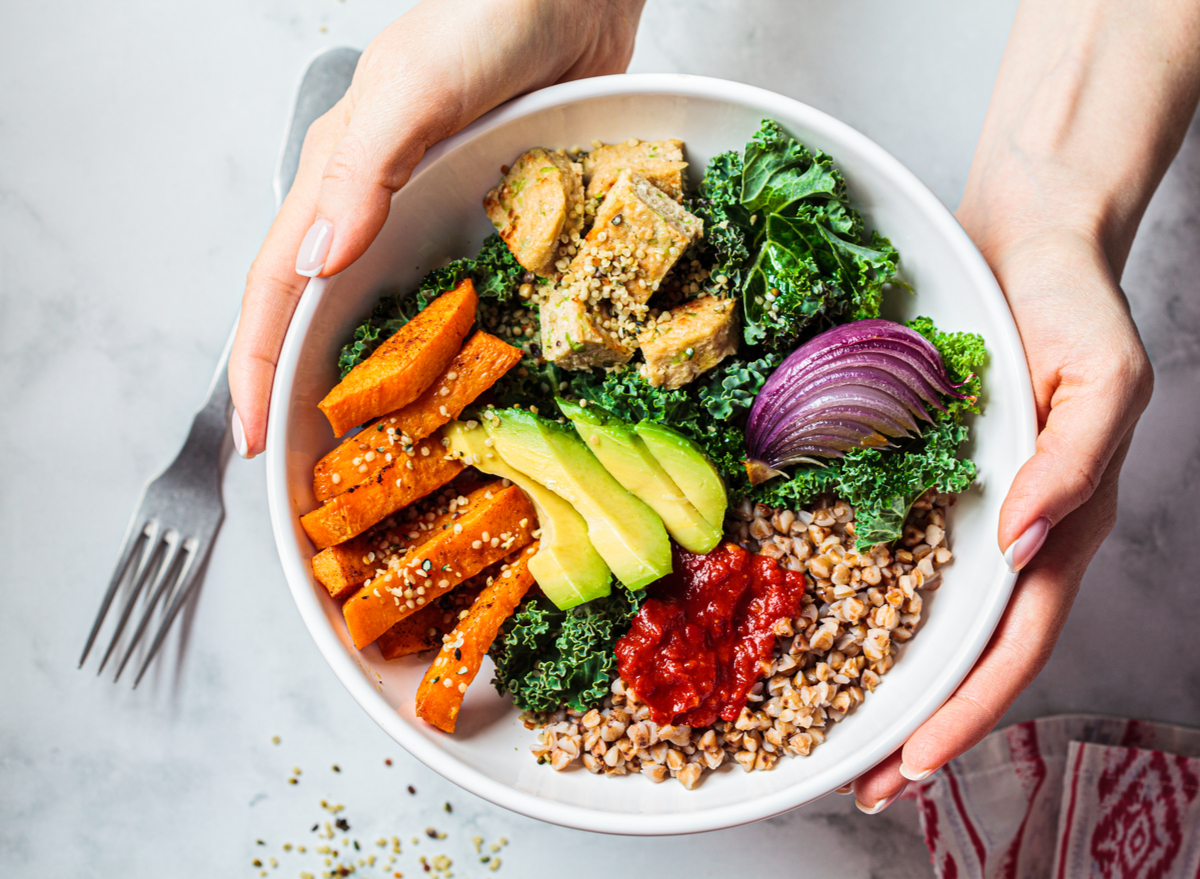
Eat extra crops

You you should not have to come to be a total-fledged vegan to be thought of plant-based mostly, and simply rising plants in your diet regime has numerous advantages on its possess.

“Plant-based taking in is nonetheless climbing in popularity as one particular of the major health and fitness meals traits, and will possible go on as a result of 2023 as a more value-efficient way of having. According to the investigate, a plant-primarily based way of life is joined to enhanced blood tension, cholesterol, blood sugar, and a healthier pounds. You you should not have to come to be a full-blown vegetarian to enjoy these prospective advantages – you can begin small by incorporating 1-2 meatless foods every single week and go from there,” encourages Melissa Mitri, MS, RD of Melissa Mitri Nourishment.

Associated: Incredible Consequences of Consuming Vegetables Each and every Working day, Suggests Dietitian

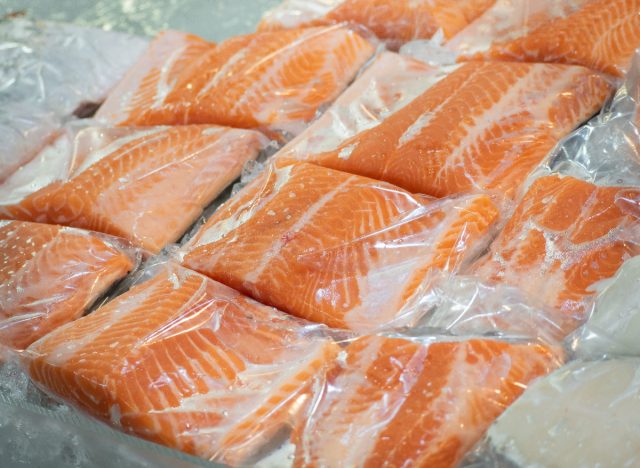
Source sustainable seafood

frozen salmon
Shutterstock

Sustainable and wild-caught seafood is on the rise as several shoppers seek out out larger-excellent products and solutions. Deciding upon wild-caught Alaskan salmon or sustainably-elevated Argentinian Seabass are two of the sustainable seafood entrance-runners.

“Sustainably sourced and created food items have obtained significant momentum, and I forecast will proceed to do so in 2023. From sustainably sourced seafood and a target on plant-dependent options, there are lots of ways you can assistance equally your wellbeing and that of the world,” according to Sarah Anzlovar, MS, RDN, LDN, an Intuitive Consuming Dietitian for Moms.

Similar: 10 Restaurant Tendencies You can expect to See Cropping Up in 2023

Take in extra pulses

Beans, peas, and lentils are all pulses and have been shown to improve wellness in a range of means. From the Blue Zones to the Mediterranean Diet regime, nutritious populations all-around the planet consist of pulses regularly, and they are right here to remain in 2023.

“Pulses are a fantastic addition for 2023! Incorporate half a cup of pulses for each day for your health and fitness: enhance gut overall health, stabilize blood sugar, and lower blood strain. If you’re not a enthusiast of the texture, white beans can be blended and included to soups and casseroles for a creamy texture that is however nourishment-packed,” Amanda Lane, MS, RD, CDCES of Healthful Lane Nutrition clarifies.

Focus on spouse and children dinners

Dani Lebovitz, MS, RDN, CSSD, CDCES, food stuff literacy expert in Franklin, Tennesee, and founder of Kid Food Explorers tells us why loved ones dinners are trending in 2023: “Though the surge of loved ones foods that transpired in the course of the peak of the pandemic has relatively fizzled out, an predicted trend for 2023 is extra meals being ready at dwelling because of to soaring meals costs and inflation,” Lebovitz suggests.

She continues, “As the analysis indicates, the return to loved ones meals also aligns with another food stuff-linked pattern: rejecting diet regime tradition to aid young children establish wholesome relationships with foodstuff. Loved ones foods with responsive parenting practices and supportive feeding environments can positively condition kid’s beliefs, attitudes, and ingesting habits for a lifetime.”

Store food stuff subscription products and services

Meal kits have been all over for a while now, but new, specialized niche food stuff box providers are popping up for approximately each and every kind of food. From espresso and wine to pasture-lifted meat and produce packing containers, you can subscribe and get tailored products delivered specifically to your door.

Some organizations that we count on will proceed to grow in 2023 are:

Consume intuitively

According to the CDC, through the pandemic, there has been a surge of eating dysfunction instances in emergency departments from 2019-2022. Intuitive taking in and a non-diet tactic have become more well-liked with customers in latest many years. We expect to see this trend keep on in 2023 as men and women search for assistance for their eating diseases or disordered eating behaviors.

With the increase of intuitive consuming, people are turning absent from dieting and hoping to uncover a well balanced way of taking in. We know that yrs of dieting have a direct effect on our mental wellbeing and can create a disordered marriage with food stuff. Trying to get out assist and doing work in direction of a good romantic relationship with food is a trend we can get powering!

Incorporate cultural food items

A research in the American Journal of Clinical Nutrition was launched in December 2021 stating that there is a absence of variety amid nourishment experts. Lots of dietitians have given that arrive ahead expressing a need to have for representation of all backgrounds in the subject of diet, and also in the foodstuff that dietitians suggest to their people and clientele.

“In search of culturally diverse foodstuff continues to be a pattern and priority in both retail and institutional foods assistance. This can give an opportunity to increase dietary range as a result of new sorts of root greens or legumes and incorporate much more herbs and spices, which are complete of polyphenols that act as antioxidants and gasoline our intestine microbiota. This pattern can also assist be certain that as several people are bundled in discussions about nourishment and wellbeing as possible since they see their cultures represented and embraced,” registered dietitian Christina Badaracco, MPH, RDN, LDN tells us.

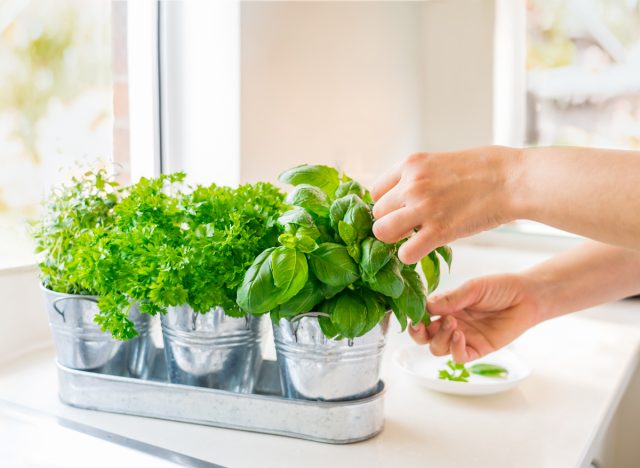
Decide for a ‘homestead lifestyle’

grow herbs at home in the kitchen
Shutterstock

Farm-to-desk can take on a complete new this means below. Homesteading is the apply of expanding your very own food and increasing your possess animals at house. All through the pandemic, we have found a big increase in folks relocating away from the metropolis. Homesteading, or even house gardening, was on the increase immediately after currently being residence additional all through the pandemic.

Dietitian Lara Clevenger MSH, RDN, CPT notes, “I have cherished looking at the homesteading development increase. Growing your have fruits and vegetables, increasing your very own livestock, and forming a community with other community homesteaders or farmers alterations people’s lifestyles to a slower speed of lifetime. You can manage the top quality of the develop, how humanely the animals are lifted, and the high-quality of the meat or dairy you eat.”

Select upcycled food stuff goods

Upcycled foodstuff use items that would have in any other case absent to waste. Believe fruit rinds, vegetable pulps, and extracted fibers from plants. Just mainly because these would have otherwise long gone to squander, won’t imply they really don’t give loads of nutrition!

Upcycled merchandise switch imperfect develop or foods that would if not be wasted into tasty, edible treats are just just one way you can assistance the two your health and fitness and the well being of the earth,” Anzlovar says.

Upcycled product illustrations are popping up all over the place. We really like ReGrained for repurposing grains from the beer-earning method and making super wholesome flours. In the same way, The Unsightly Company can make discarded fruits into dried fruit snacks.

Remain up-to-day with meals labels

A few of several years back, we observed the Diet Facts alter with an “Added Sugar” line. Now, we could begin looking at products labeled “Healthier” if they satisfy a unique set of demands. Specifically, the product will have to be complete grain, lower in body fat, additional sugar, and salt to qualify for the new label in accordance to a release from the Fda this fall.

Shoppers are turning out to be extra invested in the high quality of their food items, and food organizations are listening. Keep your eyes peeled for the new nourishment label in 2023 to retain up with the most current tendencies in the industry.

These Foods Can Boost Immune System To Fight Covid – As Per Experts

These Foods Can Boost Immune System To Fight Covid – As Per Experts

The outbreak of the new Covid-19 variant has at the time once again shifted our focus to preventive actions from the virus. Setting up a powerful immune procedure is just one of the greatest methods to ward off viruses like Coronavirus. With the worry of Covid looming substantial, it truly is time to phase up our immunity match. A lot of components perform a function in the position of our immune program, but our diet normally assists in strengthening it. Exceptional nutrition intake enhances our resilience to struggle viruses and other infectious conditions. In the winter season, our immunity as it is will take a hit, in addition the temperature promotes a sedentary life-style, even further foremost to the degradation of our diet and decrease in immunity.  

So, devoid of losing any time, let’s get began with a great, healthier and balanced food plan to assure your body is prepared to choose on the threat of the virus. A study, released in the National Library Of Medication, suggests food plan suggestions to strengthen immunity to battle Covid-19. 

(Also Examine: Can Food stuff Spread Covid? Study Reveals Virus May Are living For Times On These Foodstuff)

What must you eat to combat Covid? I Best Foodstuff For Immunity Versus Coronavirus: 

Right here are some diet recommendations detailed in the examine: 

1. Take in fruits every day  

Fruits are comprehensive of anti-oxidants that stave off microbes and viral infections. Fill your each day diet with fruits like guava, apple, banana, strawberry, cantaloupe melon, grapefruit, pineapple, papaya, orange and blackcurrant. The authorities recommend acquiring four servings amounting to two cups of fruit each individual day.  

(Also Examine: Are You Experience Washed Out Publish COVID? Rujuta Diwekar Shares Productive Ideas)

eg14sa28

Enrich your diet program with antioxidant-loaded fruits. 
Image Credit history: iStock

2. Pick fresh vegetables

Winter season deliver presents a selection of seasonal veggies, typically green leafy vegetables. Stock up your pantry with broccoli, spinach, fenugreek and kale. Also, inexperienced bell peppers, coriander and other refreshing veggies support with powerful immunity. Make confident to have 5 servings (around 2.5 cups) of greens in a working day.

3. Consume grains and nuts 

A well balanced diet comprises a great total of healthier grains, which impart healthy carbs and heaps of fibre. Consume close to 180 gm of grains like unprocessed maize, oats, wheat, millet, brown rice and roots this kind of as yam, potato and taro. Have a handful of nuts like almonds and pistachios each working day.  

4. Consume purple meat and poultry in moderation 

“Purple meat can be eaten after or two times for each week, and poultry 2-3 instances for each 7 days. Use foods from animal sources (e.g. fish, fish, eggs, and milk) and 160 g of meat and beans,” Faseeha Aman and Sadia Masood, authors of the study suggest. 

5. Change to healthful snacks 

Ditch fried foodstuff, packaged snacks and cookies that are superior in excess fat, sugar and salt. Select clean fruits and uncooked vegetables for healthy snacking. 

6. Stay clear of overcooking 

Overcooking veggies can strip off their dietary qualities, losing critical natural vitamins and minerals. Cook just to the level that the foodstuff are no much more raw and have their potency intact. “Make confident the food is geared up and served at appropriate temperatures (at the very least 72 diploma C for 2 mins),” the analyze provides. 

7. Restrict salt and unwanted fat intake 

Continue to keep the intake of salt to five grams a day. Prevent saturated fat from butter, fatty meat, coconut and palm oils, cheese, ghee, and cream. Change these with food items abundant in unsaturated fats – avocado, fish, nuts, soy, olive oil, canola, corn oil, and sunflower. 

8. Keep by yourself hydrated 

Intention to drink 8-10 glasses of water just about every working day. Drinking water aids to transport vitamins in the blood, flushes out poisons and regulates the body temperature. Also, continue to be away from carbonated and fizzy beverages that consist of a superior quantity of sugar.  

(Also Browse: Vitamin D Sufficiency Could Assistance Coronavirus Sufferers Recover Quicker: Review)

01u0rb3g

Hydrate yourself with water and detox beverages.
Photo Credit: iStock

A good and balanced diet plan can make certain a robust immune process that can resist any onslaught by the virus. Persons consuming nicely-balanced weight loss plans appear to be safer with better immune units and lessen incidence of chronic conditions and bacterial infections,” concluded Faseeha Aman and Sadia Masood. 

Showcased Movie Of The Day

7 Food and Wellness Trends to Look Out for in 2023

7 Food and Wellness Trends to Look Out for in 2023

Oh 2022, you made us go all in on butter boards and change pasta into chips. We began our days with baked oats and ended them with birria tacos and blue cocktails. And we actually begun packing our lunches for function once again, with nutritious salads motivated by everyone’s beloved “Friends” actor. From freak outs over pink sauce to the kid who created us all drop in like with corn again, it’s been a unforgettable yr in foods. As we enter the new calendar year, we’re obtaining energized to check out the most up-to-date wellness developments, as witnessed on TikTok and past. Let’s be obvious — using care of your mental and bodily overall health is a little something you need to normally prioritize. Whilst some of these entertaining food movements are of the moment, this kind of as elevated charcuterie boxes that you can acquire on-the-go, we sure hope that many others (like brands seeking to decrease their carbon footprint) come to be fewer of a trend and additional of the norm. Let us see what wellness-forward foods trends we have our eye on for 2023. 

1. Nostalgic but make it wholesome

In some cases you just want to curl up on the sofa and escape with a comfort and ease movie and a nostalgic snack such as a Yodel or French’s potato sticks. Frito Lay’s latest Snack Index discovered that of the about 2,200 snackers polled, approximately fifty percent (49{d2b09b03d44633acb673e8080360919f91e60962656af8ade0305d5d8b7e4889}) stated that when thinking of the fantastic snack, it would be a little something nostalgic that reminded them of a precise instant in time. There are a great deal of food items that can get us back to our childhood in their original sort, like an Eggo Waffle, but newer manufacturers are combining our starvation for more simple instances with a motivation to integrate wellness tendencies into our routine. 

With its irreverent packaging and exclusive flavors like espresso and pandan (a Southeast Asian plant), Off Limitations vegan cereal offers a whole new flavor experience in a common format. And now that 90s style is stylish once more, so are 90s-impressed flavors like ranch. Recognized for its creamy buttermilk base, you can now uncover plant-based ranch dressings and dips. If that is not plenty of to persuade you that ranch is back, Concealed Valley Ranch’s constrained-edition collaboration with cult condiment brand Truff marketed out in a single moment on the net. And if you want to be transported back again to your childhood home through your 4 p.m. snack split, grab a bag of PopCorners Cinnamon Crunch, which nails the buttery cinnamon goodness of the cinnamon sugar toast your mother utilized to make for you. 

2. Fake Meat Hits the Mainstream

Above the last several yrs, we’ve discovered a enormous advancement in plant-based mostly meat solutions. Given that 2021, we have observed the acceptance of meatless alternatives skyrocket. Starbucks examined out plant-based rooster and eggs at a handful of their 15,000 U.S. outlets. KFC characteristics Past Fried Chicken on their long lasting menu (while vegetarians beware: it is fried in the identical oil as their chicken). And you can now get a spiced hen wrap manufactured with Daring plant-based mostly rooster to go with your flat white at all 60 Bluestone Lane spots nationwide. 

3. Celebs — and Quite a few of us — Go Sober

Previous year, we bundled sober curious as just one of our emerging trends and we see it getting an even greater keep in the coming year. After a seemingly countless number of high quality liquor launches from celebs like Kevin Hart and Rita Ora, stars are now using a booze-free of charge approach to cocktails. Blake Energetic, who is at the moment pregnant with her fourth kid, just lately launched the booze-cost-free mixer model, Betty Excitement, and new mother Katy Perry co-launched De Soi, a selection of liquor-totally free aperitifs crafted with adaptogens and botanicals. Both models are scrumptious ample to get you by means of Dry January and outside of. 

There’s no indicator of the sober curious movement slowing down anytime shortly. A recent Gallup poll discovered that fewer men and women are drinking all round and the amount of drinks consumed for every week has fallen from 4.8 in 2009 to 3.6 in 2021. Young grown ups are foremost the cost, as more college or university-aged pupils are selecting to abstain from alcoholic beverages. When younger persons do drink, they’re deciding on reduce-ABV options. Now that’s refreshing!

4. Go the Carbon Neutral Snacks

Thanks to the modern provide chain disruptions and our ever-developing grocery expenses, a current research by Ketchum Buyer Exploration uncovered that 56{d2b09b03d44633acb673e8080360919f91e60962656af8ade0305d5d8b7e4889} of Us residents care far more about foodstuff sustainability in 2022 than they did in the earlier. Last yr, President Biden signed an order to make the US federal government carbon neutral by 2050 and meals brand names are pursuing the exact initiative. 

Local weather Neutral, a nonprofit performing to eradicate carbon emissions, has produced a certification application that will help buyers determine and store for products that have zero carbon footprint. Hence much, 51 American meals brands, together with Bud Mild Up coming, Numi Tea and shār treats have gained the certification. “Carbon neutrality is vitally important…because our earth is in disaster. If we really do not lower the output of carbon emissions, we won’t have a habitable planet,” claims Peter Rushford, founder of shār snacks. 

Other certification courses, such as Verified Carbon Common and Tradewater, are also increasing. Expect to see additional manufacturers touting their carbon neutral commitment in 2023. 

5. Latin-owned foodstuff brands

Irrespective of whether you grew up earning common Latin meals with your abuela or have been encouraged to make recipes from Mexico, Cuba, Puerto Rico or other Latin American cuisines, you might be seeking for goods that deliver people flavors to your desk. Fortunate for us, there is been an explosion of Latin-owned foods organizations presenting fresh, contemporary versions of standard foods. We like the Dominican-encouraged Tamarindo BBQ sauce from Pisqueya and the cactus-based tortilla chips from Tia Lupita. 

You’ll also very likely be seeing more beverages designed with mavi (AKA mauby or mabi), which is a tree bark that is touted for its medicinal advantages. By combining the bark with sugar and spices, such as anise seed, ginger and hibiscus flower, it’s become a common drink during the Caribbean. Though mavi is customarily built at house and fermented, you can now find the a little bit bitter beverage in prepared-to-consume bottles from Mabi, which was established by Dominican-born, Brooklyn-based mostly Ana Batista. 

6. Charcuterie to-go

The board trend just will not enable up, with butter, cream cheese and other schmears as the base for your snacking knowledge. Now, eating places are fueling our hunger with effortless bites of salami and cheese at lunchtime. 

At Boston-primarily based Kured, you can personalize a charcuterie box for two to five pals with your favourite remedied meats, cheeses and condiments, these kinds of as damson plum jam, pistachios and Grillo’s Spicy Pickles. If you are seeking for a solitary-provide selection, decide for a charcuterie cup (a great deal like jarcuterie). And the manufacturer exhibits no signals of slowing down Kured is opening a second locale in Manhattan’s Greenwich Village.

7. The best new spice

We’re contacting it now — 2023 will be the year of shichimi togarashi, which is a blend of chiles, sesame, orange peel and roasted nori. Property cooks, TikTokers, pinners and cooks like Morimoto are acquiring enjoyment experimenting with shichimi togarashi in equally sweet and savory dishes. I just lately sprinkled the spice combine more than carrots, along with some salt and pepper, roasted them at 400° and they tasted bonkers great. 

With these developments in intellect, here’s a toast to a less boozy, extra earth-friendly new calendar year. 

Pauli Halstead: Removing unhealthy foods, toxic products from your life for a healthy new year

Pauli Halstead: Removing unhealthy foods, toxic products from your life for a healthy new year

The recommendations down below are not just a short-term New Year’s resolution, but a commitment for a more healthy lifestyle to assistance your human body in the confront of environmental toxins, a contaminated food items provide, and viruses that attack your immune process. It’s time to genuinely pay out focus to what you consume and what you bring into your households.
Metro Newspaper Provider

The Paleo Diet regime is now regarded for excess weight reduction and helping to recover from Form-2 diabetes. But, it also assists mitigate inflammatory situations that are a final result of ingesting toxins in the food stuff procedure and feeding on processed food items. The suggestions below are not just a temporary New Year’s resolution, but a dedication for a more healthy lifestyle to assistance your physique in the experience of environmental harmful toxins, a contaminated meals offer, and viruses that assault your immune system. It is time to seriously fork out attention to what you try to eat and what you provide into your residences.

The Fridge and Freezer

Eliminate all:

  • Sodas and eating plan sodas: All substantial-sugar or fructose beverages: This contains fruit juices, alcoholic beverages and mixers, and vitamin waters. Sugary drinks trigger fat attain and add to diabetes. Sugar fuels cancer cells.
  • Non-organic and natural, CAFO lifted meat: Processed meats, this kind of as bacon, salami, sausages, eggs and dairy products and solutions. Thousands and thousands of people today in rural US communities working experience harms from industrial CAFOs, which includes the every day reality of significant sicknesses, cancer and respiratory disease, and contamination of land, air, and water by the concentrated waste.
  • Processed food items: Tv dinners, pizza, biscuits, bagels, condiments with lousy oils, higher-fructose corn syrup, wheat (gluten), soy, corn, MSG, sugar, or preservatives.
  • Processed non-natural dairy and eggs: All artificial eggs and butter substitutes. Non-organic dairy solutions may possibly comprise rBGH, which has been connected to most cancers. Eggs that are non-natural and organic have increased quantities of inflammatory omega-6 fatty acids. Buy only pastured eggs if you can, direct from a producer.
  • Non-natural fruits and veggies: The “Dirty Dozen,” a shopper’s basket of the most pesticide-susceptible develop involves, apples, peaches, nectarines, strawberries, grapes, celery, spinach, sweet bell peppers, cucumbers, cherry tomatoes, sugar snap peas, potatoes.

The Pantry

Get rid of all:


  • Refined flours and packaged foods: Baking flours, potato starch, corn starch, and white rice flour. Also get rid of boxed cereals, pastas, crackers, and cookies.
  • Gluten that contains foods and grains: Wheat goods, white rice, millet, amaranth, corn, quinoa, barley, rye, spelt, oats, bulgur, (together with pastas, cookies, and breads).
  • Sugar and sugary food items: White and brown sugar, agave, corn syrup, cane syrup, processed honey, cookies, candy, pastries, snack bars (even natural and organic ones), synthetic sweeteners.
  • Beans and soy items: Soy is a genetically modified food, (GMO), sprayed with RoundUp, glyphosate. Only natural fermented soy items should really be consumed. Beans are significant in pounds manufacturing starch and challenging to digest.
  • Inflammatory Oils: Non-organic and natural, GMO oils such as soy, corn, vegetable, safflower really should be eradicated from your diet regime. Ditch the cooking oil spray products.

Organizing the Non-Harmful kitchen

  • Take out all plastic: This would include plastic wrap, zip-lock luggage, plastic storage containers (use glass jars for foods storage and leftovers), canned foodstuff containing BPA and other carcinogenic compounds. Use reusable baggage for create.
  • Remove hazardous cleansing solutions: Elements containing DEA, TEA, and 1,4-dioxane contribute to cancer and hormone disruption. Use a durable scrubber sponge with castile soap, or Dr. Bronner’s, vinegar, lemon juice, important oils, and baking soda. Or invest in plant-centered and biodegradable cleaning products and solutions. There are many on the market now.
  • Pots and pans: Really should be stainless metal or forged iron. Get rid of aluminum or non-stick, (Teflon) pots and pans.
  • Cooking Applications: Proposed cooking equipment would include a foods processor, substantial-powered blender, sharp knives, crock pot, and dehydrator if you like.

The Paleo Fridge and Pantry: Setting the Stage for Results

After you’ve eradicated the lousy stuff, you may possibly think there’s absolutely nothing left to eat, but truly there’s lots remaining and it’s all healthier.

  • Grass-fed meats and wild caught fish: Sport meats and pastured chicken are wonderful much too as effectively as nitrate-free natural and organic bacon and sausage. Leftovers from meal make a high-quality breakfast with an egg on top rated. Home made bone broths from pastured chickens or grass-fed cows make a nutritious soup foundation. You will want to have these stocks on hand for soups and they are fun to make.
  • Organic and natural vegetables: Cruciferous vegetables, this kind of as broccoli, brussels sprouts, cabbage. Darkish, leafy greens, these types of as spinach, kale, collards, also, onions, leeks, scallions, and garlic.
  • Organic and natural cooking oils: Superior warmth oils would include ghee, (you can make your own) coconut oil, safflower and sunflower. For salad dressings use natural olive, avocado, and MCT (coconut) oil.
  • Organic and natural Nuts and seeds: Walnuts, pecans, macadamia nuts, and almonds present an great source of protein which can be additional to salads or eaten as treats. Seeds would involve pumpkin, sunflower, chia, and flax. Shop seeds in glass jars in the refrigerator.
  • Fermented foods and condiments: These would contain sauerkraut, kimchi, and pickles. Also, gluten-no cost, sugar-cost-free and preservative-totally free natural mustards, ketchup, hot sauces and salsas. Olives and capers excellent. Sea veggies such as nori, wakame, and arame can be snacks or additional to recipes.
  • Healthier beverages: Glowing waters, natural and organic teas (iced tea), kombucha, homemade kefir, and organic and natural nut milks.
  • Organic Spices and herbs: Turmeric, cinnamon, pepper, cumin, curry, coriander, cayenne, nutmeg, star anise, cloves, bay leaves, rosemary, thyme, tarragon and oregano.
  • Baking supplies: Nut and coconut flours, baking soda, cocoa nibs, shredded coconut, and vanilla.

Pleased, Nutritious New Year. You are now prepared to put into practice your wholesome way of living, never to go back to destructive ingesting patterns and unwell well being.


Pauli Halstead is a nutritious meals chef, mentor and creator of ‘Primal Cuisine, Cooking for The Paleo Diet plan.’