Get ready for that smoky, spicy street corn flavor in a matter of minutes! Whether you are preparing for your next barbeque or simply making a weeknight dinner, this Cajun corn on the cob recipe is a keeper.
This post may contain affiliate links. If you click on a link and make a purchase, I may receive a small commission at no extra cost to you. For more information, please read my disclaimer.
This recipe features boiled corn but will also work with corn that has been roasted, grilled, or cooked in the air fryer.
I find boiled corn on the cob the simplest when I am interested in saving time but feel free to use whichever method suits you.
The important part is that sumptuous swirl of creamy butter and spicy goodness melting together between those plump yellow kernels. My opinion, of course, but I’m not wrong!
However, if you do choose to make grilled or roasted cajun corn on the cob, get ready for an added bonus.
The taste of slightly charred kernels mixed with creamy butter and spicy seasoning is out of this world!
How to Make Cajun Corn on the Cob
A full printable version of this recipe with ingredient measurements is available at the bottom of this post.
STEP ONE: Place a large pot of water on the stove. Add salt and bring it to a boil.
STEP TWO: Being sure not to splash, carefully add the ears of corn to the boiling water. Boil for about 5 minutes, or until tender and bright yellow.
STEP THREE: In a small bowl, combine the butter and Cajun seasoning and melt together.
STEP FOUR: Transfer the corn to a serving platter. Using a brush, coat the corn with the butter mixture. Add a squeeze of fresh lime juice and a sprinkling of parsley if desired.
STEP FIVE: Serve warm and enjoy!
Variations for Cajun Corn on the Cob
There is more than one way to get perfectly seasoned corn on the cob.
Follow this easy recipe for boiled Cajun corn or mix it up with one of these scrumptious suggestions.
For an extra authentic street corn flavor, try topping it with a mayo-sour cream spread, cotija cheese, and fresh cilantro.
If spicy seasoned corn on the cob isn’t your thing, try out another seasoning blend like Italian, curry, garlic, or simple salt and pepper.
Sprinkle on parmesan, asiago, feta, or your favorite cheese.
Try adding a drizzle of honey or sugar for a uniquely spicy-sweet and savory treat.
Switch out the butter for an herb-infused butter or a simple touch of mayonnaise.
What to Serve With Cajun Corn on the Cob
You can enjoy your Cajun corn on the cob with just about any kind of meat or side dish out there. I recommend incorporating Cajun corn into your next fish fry or family bbq.
Pair it with chicken, burgers, steak, or any of these other potluck-appropriate dishes:
Should Corn Be Started in Cold Water?
You should start your pot of water and allow it to come to a boil first, before adding the ears of corn.
If you have trouble remembering which veggies go should go into cold vs. already boiling water, try this trick:
Above ground vegetables such as peas, beans, corn, etc. should be added to already boiling water.
Vegetables that grow under the ground such as root vegetables like potatoes, are fine to start in cold water.
Should I Soak Corn Corn on the Cob in Water?
No. For this boiled corn on the cob recipe, you do not need to soak the ears of corn in water before cooking.
In fact, you don’t technically need to soak corn on the cob before grilling or air frying either.
However, this changes if you are planning on grilling or roasting your ears with the husks on.
In that case, give them a nice water soak prior to cooking to prevent the husks from catching fire.
Can You Overcook Boiled Corn on the Cob?
Yes! You can overcook your Cajun corn, so be careful.
Once the ears of corn go into the boiling water, it only takes about 4-5 minutes for the process to complete.
You’ll see the corn plumping up, looking more tender, and taking on a much brighter yellow hue.
If the corn remains in the boiling water for too long, its starches will begin to absorb an excessive amount of water.
This will dissolve the pectin and render your corn soggy and mushy.
Bring a large pot of salted water to a boil, then carefully add the corn on the cob and boil 5 minutes, or until bright yellow and tender.
Meanwhile, melt the butter and cajun seasoning together (using the microwave takes about 45 seconds).
Carefully remove the corn to a serving platter, then brush with the butter mixture, squeeze some lime juice on top, then sprinkle with parsley if desired.
This nutrition information is based on the exact products I used in this recipe. Brands and sizes of products could alter exact nutrition and should always be calculated independently.
Did you make this recipe?
Share a photo on Instagram tagging @EverydayFamilyCooking! I love to see your pictures!
February 2023 marked 10 years of me living in Texas. For the first two years of my relocation, I still had my Louisiana driver’s license. With that license as my season pass, I made countless trips on I-20 to my hometown of Shreveport, Louisiana, only a measly two-and-a-half hour drive from my rented room in my oldest sister’s house in Mesquite. Since then, I have frequently ventured west on I-20 and immersed myself in the culture of Texas. Soft tacos are in my weekly diet, I cheer for the Rangers, and Selena’s music appears more frequently in my playlists. I appreciate the culture around me, and after many years, Texas is finally appreciating my culture. The Cajun and Creole food options around DFW lately have been plentiful, more than just my old coworkers appreciating my contributions to monthly potlucks: Natchitoches meat pies, king cake, Southern Classic chicken, and my dad’s gumbo. Instead of inferior imitations drowned in Tony Chachere’s seasoning and Tabasco, we’re getting food from those that share history with the items on their menus. We are on the verge of Louisiana-Texas food culture to rival Tex-Mex food.
It’s more than just Louisiana food culture flowing into Texas. There’s been a large influx of Mardi Gras celebrations in DFW, too. The neighborhood organization Go Oak Cliff held its 15th annual Mardi Gras parade this year, which bridges the gap for Louisiana transplants to feel at home. Every year, there are more participants and spectators of the procession down Davis Street. It’s becoming a holiday Dallasites adopt as their own. So how’d that happen? The area of North Oak Cliff is not only being gentrified by new apartments and residents. There is a cultural shift taking place, with more fine and upscale options coming into Bishop Arts and the surrounding neighborhood, and an embracing of its historically French roots. And people are noticing — Restaurant Beatrice earned a spot on James Beard Award finalists for 2023 as one of the three best new restaurant honorees in DFW. A few streets over, numerous dishes on Vegan Food House’s menu also come from Creole tradition, which charts its origins back to the descendants of enslaved African people brought to Louisiana who integrated with the French and Native Americans. Louisiana’s cultural background has entered into Texas restaurants and grocery stores.
Chef Tamera Patterson of Fort Worth.Chef Tam
Chef Tamra Patterson is a Fort Worth native, and owner of Chef Tam’s Express in Arlington and Tam’s Underground Cafe in Memphis, Tennessee. Her speciality is a fusion of her favorites growing up, Cajun soul food. The mac and cheese is showered with crawfish and shrimp tails, combining two comfort food favorites in a gooey, cheesy, spicy dish. Her salmon and catfish are blackened, a cooking style synonymous with Cajun cuisine, covered in her seafood cream sauce, and laid on top of dirty rice browned and seasoned with ground pork. Being resourceful is the foundation of soul food. It was the only option enslaved Africans had after only the scraps were left after the plantation owners were fed. The Acadians were French settlers on the East Coast until they were exiled and migrated to Louisiana. Throughout the years, their name was shortened to Cadians and through American accents, they became known as Cajuns. Combining two groups that turned nothing into something as the inspiration for your cooking style sounds like a good idea to me.
Patterson is not only well-versed in the history of her predecessors, she also takes notice of the history being made in the present. She knows why there’s been a boom in Louisiana-style cooking all over Texas. “It’s simple really; following Hurricane Katrina, many families and individuals from Louisiana relocated to Texas and they brought the flavors of the Bayou with them,” Patterson says. “Since then, we’ve seen an uptick in Cajun-style food with the real flavors and seasonings of Louisiana, not to mention the low and slow cooking technique, become more available and familiar throughout North Texas.” Displaced Louisianaians are making their new neighborhoods in Texas feel like home.
Restaurant Beatrice’s executive chef, Terance Jenkins, in the kitchen.Kathy Tran
For chef Terance Jenkins, his Louisiana roots played a major role when plotting out the menu for Restaurant Beatrice’s opening last spring. He knew he wanted to have a gumbo that honored Leah Chase, the late chef behind Dooky Chase’s restaurant in New Orleans. What he ended up creating a vegan green gumbo; a vegetable medley over white rice swimming in a liquid mixture, seasoned enough to draw your nose close to smell and the flavor leaving you wanting to sip every last drop.
Hundreds of miles and over a decade removed from his hometown of New Orleans, where he worked in the legendary Commander’s Palace kitchen, Jenkins reveres his memories of eating bowls of Chase’s Gumbo Z’Herbes. “Growing up in New Orleans, everybody knows Dooky Chase’s,” Jenkins says. “It’s an iconic landmark; any celebrity that would come into town back in the day would stop and have her food in the restaurant.” Jenkins recalls eating Chase’s gumbo, made with nine different types of greens, brisket, ham, and smoked and andouille sausage, on Holy Thursday during his childhood — the only day it was served. “I just remembered, trying to figure out what I was going to put in that slot for [the] vegan option,” Jenkins says. Making a dish famously associated with beef and pork meatless isn’t much of a shock today. But the history and purpose behind Chase’s gumbo is far more significant than the meat traditionally found in it.
Chef Leah Chase in the kitchen of Dookie Chase’s in 2015.Paul Natkin/Getty Images
Similar to North Oak Cliff, Treme — the New Orleans neighborhood where Dooky Chase’s is located — is the oldest predominantly Black neighborhood in the U.S. It’s home to the St. Augustine Church, believed to be the oldest African American Catholic church in the country. However, Dooky Chase’s is one of Treme’s oldest and most important landmarks — an upscale restaurant established in 1941 by and for Black people in the community. The food here is considered so good that under Jim Crow people were willing to break the law against Blacks and whites congregating together in order to eat there. Chase created Gumbo Z’Herbes for practicing Catholics like herself to enjoy before fasting on Good Friday. Today, Chase’s legacy continues on the Texas side of the state line, where new businesses are cooking the iconic Louisiana dish.
I was fortunate enough to enjoy the vegan gumbo on a mild December night. Celery, onions, and bell peppers, known as the “Holy Trinity” in Cajun and Creole cuisine, were present in my bowl, along with house-made vegan sausage made from Camellia red kidney beans, and an assortment of leafy greens; the stew was topped off with sprouts resting in a roux, a liquid combo of flour and oil, that’s stirred until it resembles the color of a chocolate bar. Never once was I jealous of my date’s bowl of gumbo that had shrimp and crawfish peeking from the top of her roux. We both knew that we were lucky to be in the presence of well-seasoned Louisiana cuisine that wouldn’t have been prepared properly before that night at any other restaurant.
George and Rubie Huerta dish out Texas Gumbo at a College Station, Texas H-E-B.George and Rubie Huerta
Louisiana food is so embraced by Texans, it has also turned a Texas landmark into a welcome center for folks coming over to the Lone Star State. Brand favorites of the Bayou, like Frenchy’s and Big Easy Foods, share space with a frozen food that marries Cajun and Latinx cultures. George and Rubie’s Favorites: Texas Gumbo is the creation of George and Rubie Huerta. One day, Rubie asked her husband if he was making “Mexican gumbo” when she saw him removing leftovers from the fridge. George ran with the description and created a mix of sausage, crawfish, jalapenos, chicken, shrimp, and his family’s charro bean recipe. So far, they’ve been in business for 12 years, and in H-E-B the last nine. Mabrie Jackson, director of public affairs for H-E-B and Central Market, explains how their gumbo went from the Huerta household to grocery stores across Texas. “George and Rubie Huerta competed in our first ever ‘Quest for Texas Best’ contest in 2014.” Jackson says. Their unique gumbo brought diversity to the perception of what Louisiana food is and who can be its creator. Louisiana food made George and Rubie’s Favorites into a rarity, a Latinx- and woman-owned business, amongst their competition. Their item is a convenience for Louisiana foodies who love to keep a bowl of gumbo in the freezer for a later date. Only this time it can be enjoyed without standing over a pot on the stove cooking for hours or perfecting the color of the roux.
Louisianians moving into Texas is not a takeover, it’s just a continued tradition of Texas adopting another heritage unto its identity a la Tex-Mex. As Texas adopts those flavors and techniques of its neighboring state, it’s important to remember the history behind these cuisines. With the food closer to Texans, the history comes along as well that would be left behind as soon as tourists left the restaurant. I don’t think that many people realize that Louisiana culture is as tied to Africa as much as Texas culture is tied to Mexico. The word “gumbo” is derived from the West African word “ki ngombo,” which means “okra.” Okra was used as a thickener in gumbo by Creoles. It’s the traditional technique, but it’s not the only way to make it. Many argue their favorite way of cooking gumbo to be the superior technique. (There is even a debate of whether to eat it with rice or potato salad.) Ingredients might vary by the cook, says chef Patterson, but they all must have the same intention. “The beauty of food is that it doesn’t have to be one specific cuisine, as it has the ability to be multiple cuisines fused into something completely different. If you’re combining flavors or cuisines, it doesn’t mean that you’re compromising the authenticity, you’re simply evolving a dish into something new and unique.”
Yet, as Texas embraces and riffs on the cultural signifiers and cuisines of its neighboring state, it’s essential not to overlook the deep, complicated history behind those foods. And there are perhaps few states as invested in history as Texas. Can you think of another state that advertises its state flag as much or more? That same lone star flag design was waving as the flag of Texas, the independent country, before it became the 28th state. However, our shared history is currently under attack by the current Texas government. In 2021, Governor Abbott banned critical race theory — a framework that encourages us to recognize and examine how racism is embedded into our legal, political, and social systems — from discussion in K-12 public schools. In the last year, he’s encouraged state institutions and agencies to abstain from using DEI initiatives in their hiring process. Back in Shreveport, my Black Studies Association club held a Soul Food Luncheon for the faculty every Black History Month to teach us and them about the food of Black culture. Ignoring diversity, equity, and inclusion of new employees is discrimination of different backgrounds and will make the company potluck very boring.
Texans frequenting authentic Creole and Cajun restaurants might seem like a small feat, but they are aiding in the preservation of Louisiana history. Their conversations around the table may not be as dire as Dr. King’s dinner at Dooky Chase’s with New Orleans Civil Rights activists, but it’s a start in the right direction of civility. They are also moving a culture forward that was shaped by outsiders with nothing more than scraps of food, family, and hope. As chef Jenkins says, “Paying respect to a culture and trying to appropriate a culture are two different things. There are ways to be respectful and not harm the culture. Just like gentrification, it can be good if done properly. Pay tribute.”

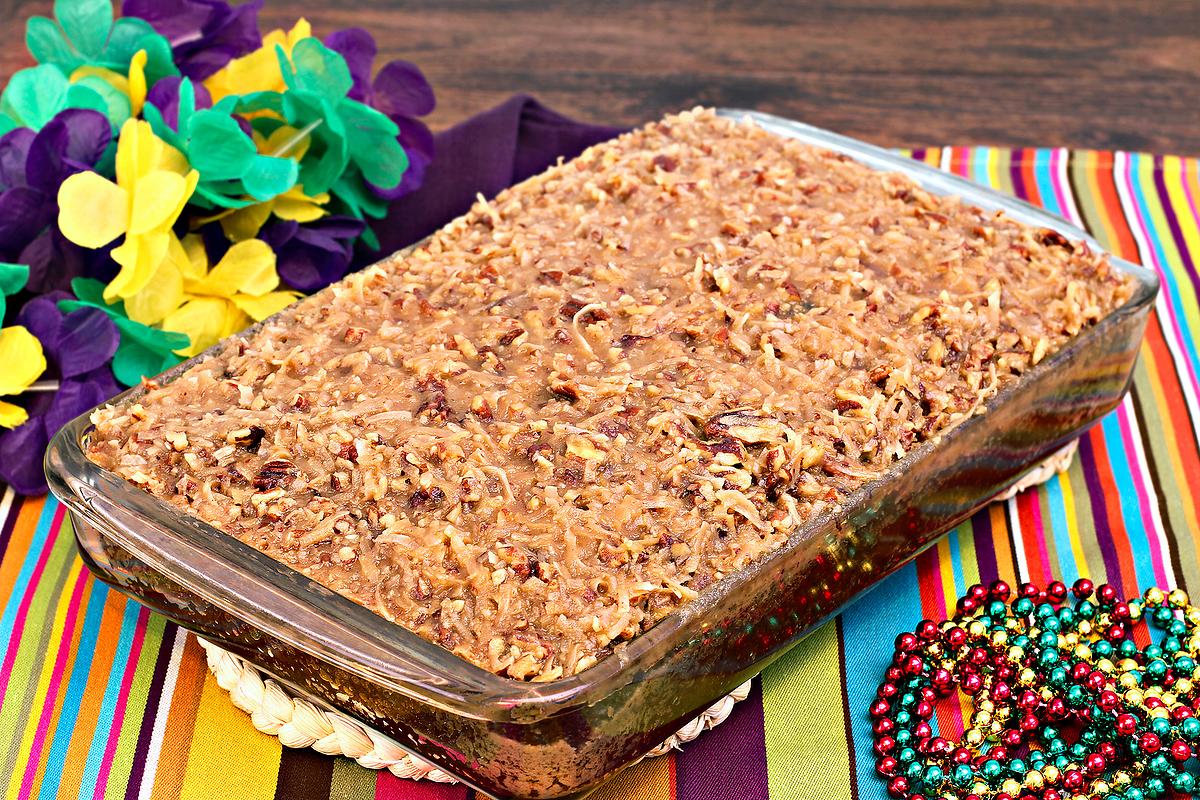
 Cajun cake is a moist (tremendous moist!) cake that was born on the bayou in Cajun country. You can locate this cake all over Louisiana. The Cajun dessert is so moist for the reason that of the coconut pecan topping that soaks into the very hot cake. If you’re a cake lover, you will not be dissatisfied if you make this sweet Cajun cake recipe.

The cake batter is designed with all-intent flour, granulated sugar, baking soda, a pinch of salt, crushed pineapple with its juice and eggs. The batter bakes in the oven for about 30 minutes. When the cake bakes, prepare dinner the coconut topping on the stovetop by stirring together brown or granulated sugar (brown sugar gives it a deeper depth of flavor), evaporated milk, butter, pecans and coconut. Holes are poked into the scorching cake so the topping can soak deep down into the cake. Delish!

You could stir in some floor cinnamon or vanilla extract into the cake batter and/or coconut topping. Whilst we like a superior king cake, this is a exciting and sweet different for your Mardi Gras celebration. Provide the uncomplicated Cajun cake heat, at home temperature or chilly from the refrigerator.

 Delicacies: American 
Prep Time: 10 minutes 
Prepare dinner Time: 35 minutes 
Full Time: 45 minutes 
Servings: Can make 1 cake

 Components

Cake


3 cups all-intent flour

1 1/2 cups granulated sugar

2 teaspoons baking soda

big pinch of salt

1 can (20 ounces) crushed pineapple (do not drain)

2 eggs

Topping


3/4 cup brown sugar or granulated sugar

2/3 cup evaporated milk

1/2 cup (1 stick) butter

1 cup chopped pecans

1 1/2 cups flaked coconut

 Here is how to make it:


Whisk with each other the flour, sugar, baking soda and salt in a mixing bowl. Stir in the undrained pineapple and eggs. Combine until eventually just mixed. Pour the batter into a greased and floured 13×9-inch baking pan. Bake in a preheated 350-degree F oven for about 30 minutes.

Although the cake is baking, mix the sugar, evaporated milk and butter in a saucepot. Carry to a boil and cook dinner, stirring consistently, for 2 minutes. Stir in the pecans and coconut.

Take away the baked cake from the oven and promptly poke holes all more than it with a wooden skewer, then pour the coconut topping in excess of the leading. Unfold to include the cake totally and allow it soak in.

 Notice: 30Seconds is a participant in the Amazon affiliate promotion application and this article incorporates affiliate backlinks, which signifies we may receive a fee or charges if you make a order via individuals one-way links.

 Recipe cooking occasions and servings are approximate. Will need to change cooking and baking measurements? Right here are some kitchen conversion charts. This is how to post your recipes to 30Seconds.

 Choose 30 seconds and be part of the 30Seconds local community, and abide by us on Facebook to get recipes in your newsfeed day-to-day.

 Similar Items on Amazon We Consider You Could Like:
302nd Cellular, Inc. is a participant in the Amazon Providers LLC Associates System, an affiliate advertising program intended to deliver a usually means for us to generate costs by linking to Amazon.com and affiliated internet sites.
ALTON — Authentic Cajun kitchen Gumbo 2 Geaux is the closest anyone will get to New Orleans in this River City.
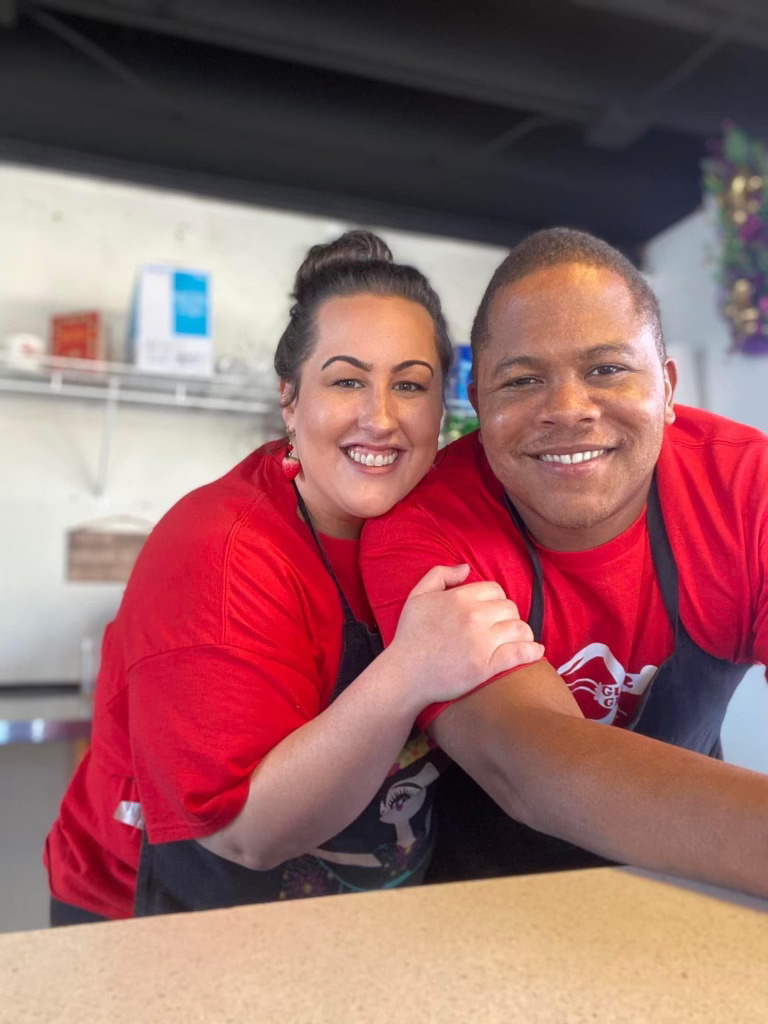
Gumbo 2 Geaux, at 1808 Washington Ave., in the heart of Upper Alton, is owned by Troy and Kyndra Green, who went to Roxana High School. Both of the Greens grew up in or around Baton Rouge, Louisiana, but Kyndra Green moved to Roxana when she was in seventh grade. Two days after graduation she moved back to attend Louisiana State University, where she met her husband.
The Greens opened Gumbo 2 Geaux last October in Alton. Its menu is at ordergumbo.com where it lists daily specials. Fat Tuesday is next week but Saturday Gumbo 2 Geaux will have fun specials in honor of Mardi Gras.
On Sunday, from 11 a.m.-4 p.m.,Gumbo 2 Geaux will be at Flock, 210 Ridge St., at Landmarks Boulevard, serving gumbo, red beans and rice and king cake, until sold out. This is a treat because the restaurant is closed on Sunday.
On Sunday, March 12, Gumbo 2 Geaux will be featured at Jacoby Arts Center’s Jazz Brunch along with live music from the Alton High School Jazz Combo. Tickets cost $30 per person and are available at jacobyartscenter.org. Gumbo 2 Geaux will be serving a grits bar, king cake and more.
The restaurant hours are 11 a.m.-7 p.m. Monday-Saturday; it’s closed Sunday. Starting March 1, the restaurant will be extending its hours to 8 p.m.
“I am a Cajun woman,” Kyndra Green said. “We lost everything in a flood in 2016, from a low-pressure system that did not move for two days. That’s why I felt compelled to take our culture to a safer area.
“The reality is a lot of people cannot evacuate because of their circumstances, and I feel like, if you can, preserve it,” she said. “From South Louisiana, we are capable of carrying that in our heart, in our soul, wherever we go. Our restaurant has not only become a destination for authentic Cajun food, but it has become active preservation for Cajun culture.”
The Greens decided to come back to Illinois to start over. They moved with their first born, Theodore James, 7, while they were pregnant with their second child, William Oliver, 6, who is the only member of the family born in Alton, and not in South Louisiana.
“He’s our little Alton boy,” his mother said.
When COVID happened, and restaurants closed, folks were asking Green to make her granny Linda Cormier’s gumbo recipe. That’s when they got the idea and established the goal to buy a business and sell the gumbo to go.
“My grandma is very important to me,” Green said. “She is the literal reason I am who am and know what I know, not just in food. but in life.”
Green even shared the basis of her grandmother’s gumbo recipe.
“My entire life, my grandma said, ‘Kyndra, if you have good quality meat, and good quality onion and bell pepper, just salt and (cayenne) pepper, just focus on the meat with good salt and good pepper, that is what makes Cajun food truly Cajun food.’ That is why, when it’s prepared correctly, it is delicious.”
She describes Gumbo 2 Geaux as “authentic Cajun, not perfect Cajun.”
“It’s very subjective,” she said. “You can go five miles north, south, east, or west of Lafayette, and the gumbo will be different, depending on whose granny made it.”
She also shared that people fail at Cajun food when they use too much, too many different spices, when salt and cayenne pepper are sufficient.
“That is where the mistake is made,” she said.
“We love and appreciate this community so much,” Kyndra Green said. “Y’all keep us busy and we are happy to be here serving y’all! Hopefully this helps some of you who have been trying to get in and try our food. Keep it up and I’m more than happy to extend our hours once again for summer..
“Y’all enjoy this sunshine today,” she added. “Spring is coming – just a slice of what’s on the way.”
For more information, follow Gumbo 2 Geaux’s Facebook page.