

The Best Foods for Heart Health, and What to Avoid

The Best Foods for Heart Health, and What to Avoid

When it comes to your risk of heart disease, some factors are out of your control — like, say, your blood type. But other factors are more changeable, including your diet. Everyone from the American Heart Association to the US Department of Health and Human Services recommends making specific food choices to support a healthy heart. Because foods for heart health can reduce other potential cardiovascular issues — like high blood pressure and high cholesterol — it’s worth keeping in mind as you plan your weekly meals. 

Keep reading to find out which foods to look for and what a heart-healthy diet looks like overall.


Now playing:
Watch this:

How Healthy is Your Heart, Really? 5 Ways to Tell at…


3:59

What is a heart-healthy diet?

Studies have revealed two things: foods that are riskier for your heart and foods that strengthen it. Fortunately, you’re not about to get hit with a bunch of curveballs. The best foods for heart health are ones you probably already think of as healthy. Similarly, the not-so-heart-healthy foods are probably already on your radar for not doing your body any favors.

Before we dive in here, let’s say: everything in moderation. Unless you already know you have a heart health issue, you don’t need to cut out any foods or make drastic changes. We’re not saying you can never have another piece of bacon or crack open another soda. Instead, being mindful of what a heart-healthy diet looks like can help you incorporate more of those foods into your meals.

Now, let’s talk details. According to the AHA and Department of Health, a heart-healthy diet is rich in:

  • Produce
  • Lean proteins
  • Fiber-rich complex carbs
  • Healthy fats

A diet full of colorful fruits and vegetables, whole grains and healthy proteins and fats will give your body the fiber, vitamins and minerals it needs to support a healthy heart. 
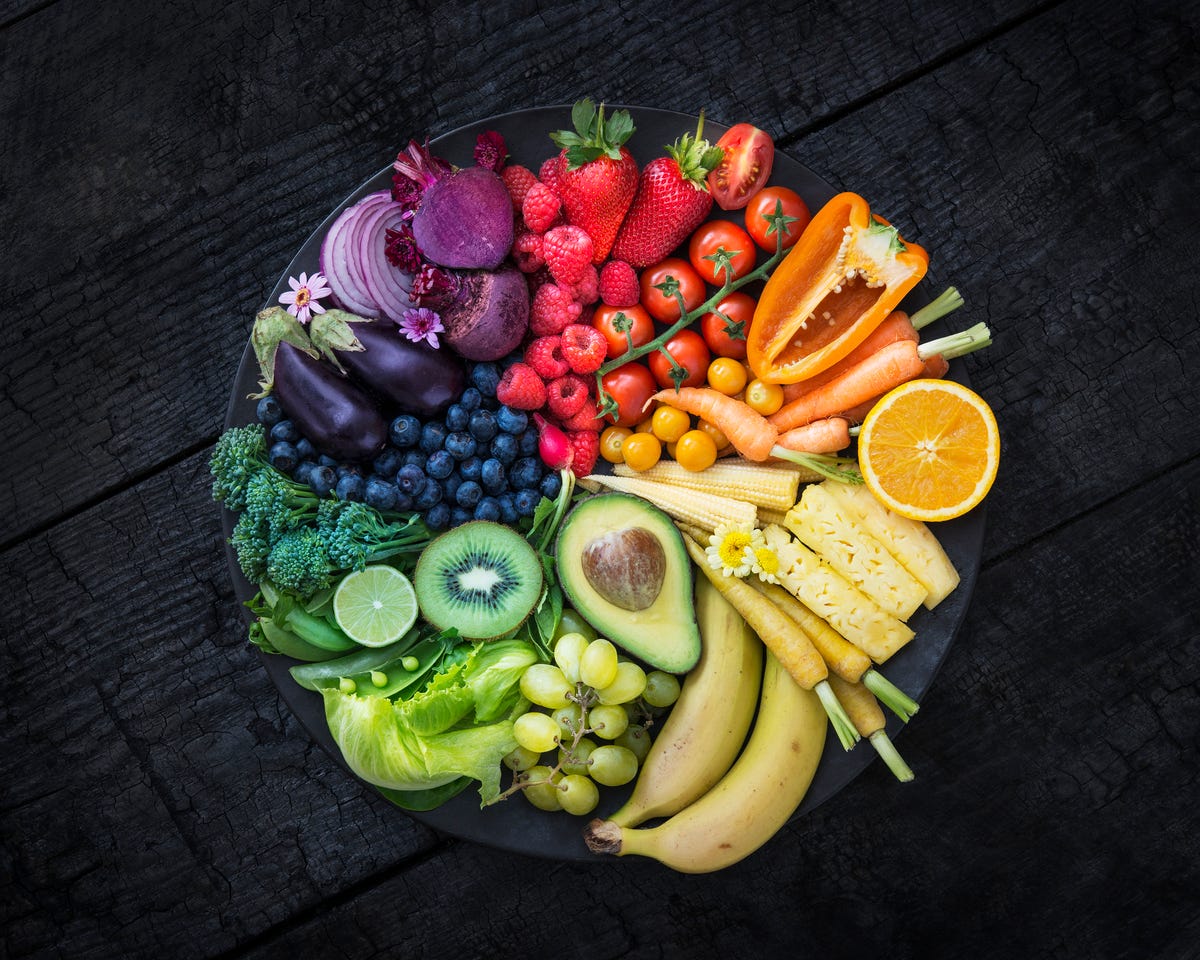
A bright rainbow spectrum of produce on a platter.

David Malan/Getty Images

Conversely, if you’re trying to boost cardiovascular health, you want to limit your intake of:

  • Trans fats
  • Saturated fats
  • Processed meats (for example, lunch meat, salami and hot dogs)
  • Excess salt
  • Excess sugar
  • Refined carbohydrates (for example, white breads and snacks)
  • Red meat
  • Excess alcohol

If a lot of your favorites are on the less heart-healthy list, don’t panic. You can still include them in your diet (unless your doctor says otherwise). Just make sure that these foods aren’t taking over every meal, and try to add as many heart-healthy foods into your day as you can.

Heart-healthy foods
Person in a long brown dress browses a grocery store aisle.

d3sign/Getty Images

If you want to feel good about what your next grocery trip will do for your heart health, you can grab items in these specific categories.

1. Fruits and vegetables

Remember the food pyramid from back in the day? It was on to something. Your body benefits from eating quite a bit of produce.

That’s because veggies and fruit load in a lot of nutritional density per bite. Bananas and sweet potatoes deliver potassium, a key mineral for heart health. Cruciferous veggies may help to prevent clogged arteries. Leafy greens deliver fiber, which can help to lower cholesterol and blood pressure. 

Long story short, the more produce you’re packing in, the better. And if fresh produce doesn’t work for your budget or your lifestyle, don’t worry. You can get plenty of nutritional benefits from frozen, dried and canned options. Just make sure they’re marked low-sodium. 

2. Whole grains

Not all carbs are bad. Refined carbs like the ones in white bread fly through your body, usually doing you more harm than good. But complex carbohydrates, like the ones you’ll find in whole grain products, deliver fiber, which we’ve already mentioned as a heart health booster. 

Plus, they often come packed with vitamins and minerals like iron, selenium, thiamin (Vitamin B1), riboflavin (Vitamin B2), niacin (Vitamin B3), folate (Vitamin B9) and magnesium. If you’re looking for a heart-healthy diet, choose products that have whole grains in their ingredient list. Plus, complex carbs can also be found in beans, potatoes, peas and corn.
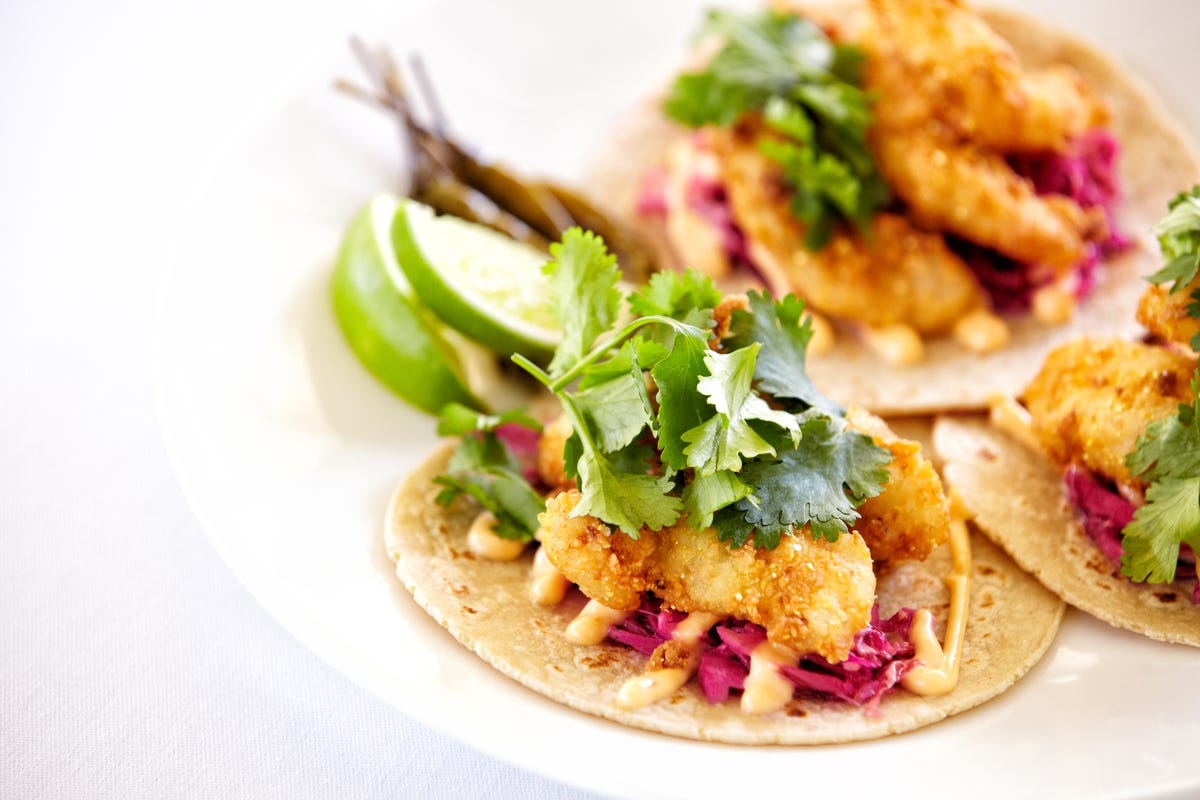
Fish tacos on a plate, with corn tortillas and fresh cilantro.

GSPictures/Getty Images

3. Lean and plant protein

While certain proteins — like red and processed meat — can be hard on your heart, others top the list of foods for heart health. The key here is to look for plant-based protein, lean animal proteins and fish. Experts recommend mixing up your protein sources. So you have plenty of options, stock up on:

  • Lentils
  • Beans
  • Nuts
  • Seeds
  • Tofu
  • Fish, especially ones high in omega-3 fatty acids
  • Eggs
  • Low-fat dairy products
  • Poultry
  • Seeds

Swap some of your red meat and cured pork for the options above and you’ll be doing your heart a favor. 

4. Healthy fats

You might think that fat spells heart trouble, but it’s all about the type of fat. While trans and saturated fats have been linked to cardiovascular issues in numerous studies, your body, including your heart, needs healthy fats. You can get these from fish, nuts and seeds, along with avocados and moderate amounts of plant oils like:

  • Olive oil
  • Sesame oil
  • Sunflower 
  • Soybean oil
  • Canola oil
  • Corn oil
  • Safflower oil

As a general rule of thumb, if the fat would be solid at room temp, it’s probably saturated. If it would be a liquid, it most likely falls under the unsaturated variety. Think butter (controversial for health) versus olive oil (definitely part of a heart-healthy diet). 
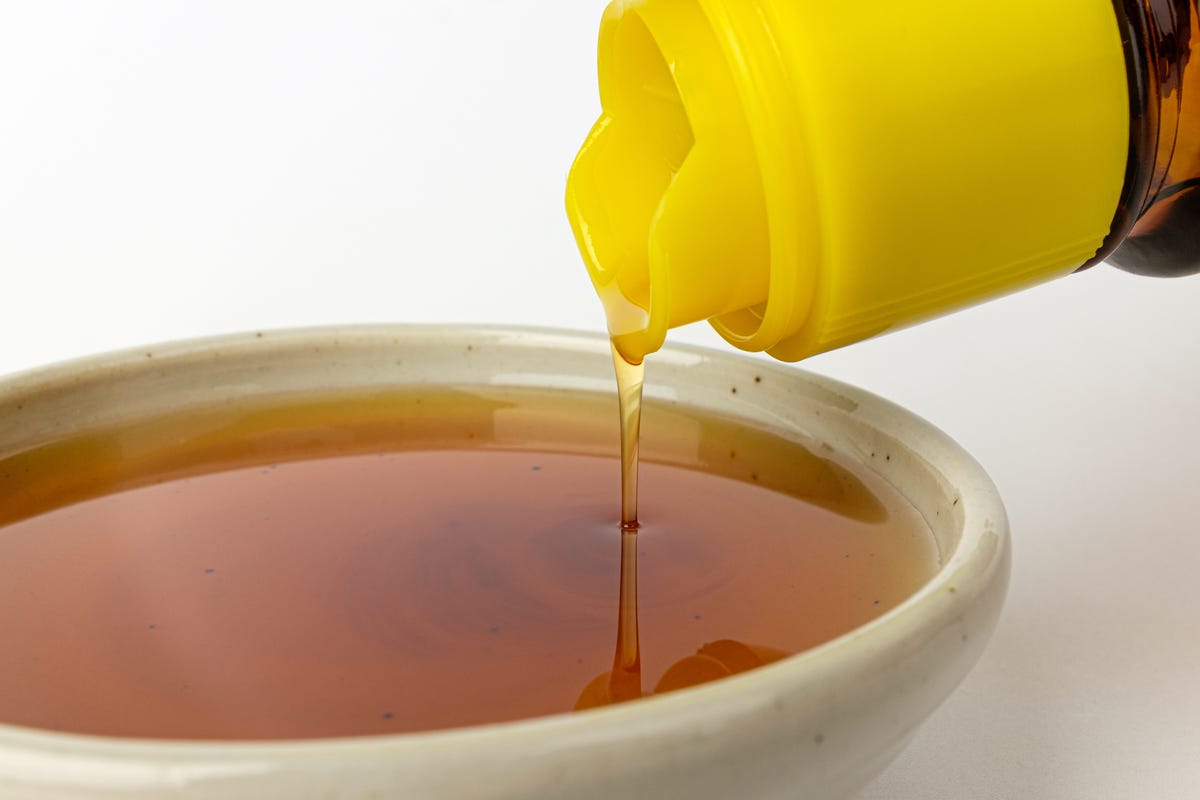
Sesame oil pouring into a small dish.

SUNGMIN/Getty Images

5. Heart-check foods

The American Heart Association has certified certain foods for heart health and given them the Heart-Check seal, which you can find on some food packaging. Once you learn that seal, it can make it easier to stock your cart with foods for heart health. 

For the best results, pair your heart-healthy diet with other heart health boosters like regular exercise, sleep and stress management techniques. It can also be helpful to learn your blood type and what it means for your risk of specific cardiovascular conditions. 

The information contained in this article is for educational and informational purposes only and is not intended as health or medical advice. Always consult a physician or other qualified health provider regarding any questions you may have about a medical condition or health objectives.

Try these healthy food and drink alternatives for good gut health

Try these healthy food and drink alternatives for good gut health

If you are someone who faces digestion issues, know that it could generally be simply because of the food items decisions you make. In purchase to preserve gut health, a person wants to consider some balanced solutions, which incorporates being aware of what to select more than a different.

Nutritionist Bhakti Kapoor spelled out in one particular of her modern Instagram posts that though certain food and drink choices are a lot more well-liked, they do not definitely do substantially for digestive health, and just one need to consciously swap them for a thing that is more healthy in mother nature.

Acquire Now | Our finest membership program now has a unique value

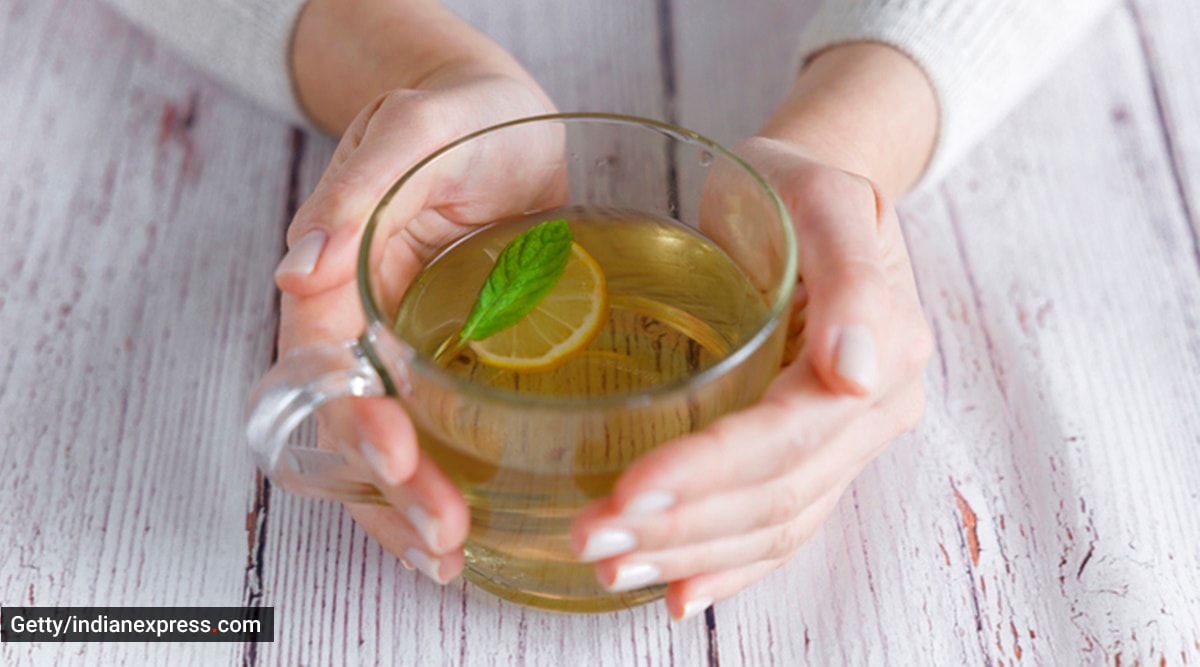
She mentioned some illustrations, starting with the to start with digestive swap concerning ice drinking water and hot lemon/ginger tea. The pro described in the accompanying caption that one of the most important factors to stay clear of drinking chilly drinking water is for the reason that it has a adverse effect on digestion.

“Cold drinks, such as chilled water, constrict blood vessels and impair digestion. When you drink chilly water, the organic system of absorbing vitamins in the course of digestion is hampered,” Kapoor wrote. She even further defined that the mixture of lemon, ginger, and water in lemon-ginger tea may well support with indigestion. “Lemon and ginger equally incorporate plant chemicals that may well aid relieve minimal stomach aches brought on by indigestion.”

The following swap that she talked about was concerning chilly-pressed oil and inflammatory (refined) oil. In accordance to the specialist, 1 will have to opt for chilly-pressed oils since they are wealthy in “important fatty acids, anti-oxidants, vitamin E, vitamin K, vitamin C, and other effective fats”, and due to the fact they “retain the potency of their components and hold them in their normal form”.

Following, alternatively of pasta/refined grains, pick vegetable noodles. “Veggie noodles are a fantastic gluten-free selection for cutting down carbs discovered in pasta, but they also give a much more finish established of nutrients, these as vitamin A (excellent for eyesight and the immune and inflammatory systems), C (an antioxidant that is very good for pores and skin and bones), E (good for heart wellbeing), K (great for blood and bone wellness), and fibre (great for digestion and cardiovascular health),” Kapoort wrote.

Pasta noodles, she defined, incorporate none of these vitamins and minerals. “Zucchini, carrot, sweet potato, turnip, broccoli, parsnip and squash are some illustrations of vegetable noodles.”

Which is healthier, juices or smoothies? In accordance to the nutritionist, smoothies have some more vitamins considering that the vitamin-wealthy fibrous pulp is not eradicated. “Smoothies can be an superb supply of important vitamins, minerals, and phytochemicals as a snack or as an addition to a food, especially if a variety of fruits and greens are utilised,” she said.

📣 For a lot more way of life information, abide by us on Instagram | Twitter | Facebook and never miss out on the latest updates!

New Startups Built From UC Davis Innovations Drive Solutions in Food, Health and Agriculture

New Startups Built From UC Davis Innovations Drive Solutions in Food, Health and Agriculture

In the course of the 2021-22 fiscal 12 months, 13 startup providers executed agreements to obtain foundational intellectual house and commercialize new technologies designed at the College of California, Davis.

“The bold pursuit of novel alternatives by investigate at UC Davis frequently results in new systems and providers aligned with a business pathway for impression,” stated Prasant Mohapatra, vice chancellor for investigation at UC Davis. “In most situations all those innovations are certified to present providers, but many also turn into the foundation for rising startups. We are thrilled to see the accomplishment of this pathway continue on at UC Davis.” 

The procedure for connecting innovations from the college to commercial impact is managed by the Innovation and Technologies Commercialization division, which is section of the Place of work of Study. In the course of the 2021-2022 fiscal year, the division processed 132 new data of creation and executed 48 license agreements.

The division’s Venture Catalyst unit focuses on advancing prospective technologies with evidence-of-strategy funding and facilitating startup development.

The College of California method of campuses ranks 1st in the world for the range of U.S. utility patents in accordance to a modern report from the National Academy of Inventors and the Intellectual Home Owners Association.

“Venture Catalyst, which was released in 2013, provides assets to aid campus innovators progress technologies and launch new businesses,” reported Janine Elliott, interim director Enterprise Catalyst. “It is remarkable to see the final results of these attempts and the broad variety of options becoming advanced.”

Meeting wants in foods, wellness and ag

In the last 10 yrs Venture Catalyst assisted 130 startups with foundational mental assets. The 13 emerging startups around the past yr are targeted on producing technology to fulfill demands in food, wellness and agriculture.

One particular of the startups, Eunicera is producing novel therapeutics to address and remedy superior drug-resistant prostate cancer. Co-established by Allen Gao, a professor in the Section of Urology, the company’s proprietary, orally bioavailable small molecules concentrating on equally AKR1C3 and androgen receptor variants either operate by itself or in mixture with present therapies to conquer and protect against remedy resistance.

A different company, Optimized Meals is propelled by improvements in the foodstuff technological know-how and cultivated meat sectors. By employing a novel method in mycelium technological innovation, the group is producing wholesome, sustainable foods, starting up with cultured caviar. Minami Ogawa, a graduate university student in the Department of Foodstuff Science, uncovered how the innovation could be harnessed as an perfect proprietary scaffold for cell cultivation. In parallel, Ruihong Zhang, a professor in the Office of Biological and Agricultural Engineering, and her lab had been creating foundational features of the system for food stuff applications. The company’s platform is focused on building the aspiration of cultivated meat a actuality, and bettering human, animal and planetary health and fitness.

Peak B is commercializing normal possibilities to synthetic foodstuff colorants with outstanding colour qualities, security and efficiency. The UC Davis-led startup has discovered a cyan blue coloration, fixing a single of the largest difficulties in the meals industry’s research to resource pure foodstuff colorants. The scientists examined anthocyanin, a h2o-soluble pigment which is identified in several acquainted fruits and veggies, providing them their lively red, purple, pink and blue hues. A particular anthocyanin was uncovered in crimson cabbage that displayed the wanted blue properties. Considering the fact that the volume of anthocyanin is modest in red cabbage, they applied an enzyme-centered procedure to transform its other anthocyanins into blue. Co-founded by Justin Siegel, an affiliate professor in  chemistry, biochemistry and molecular drugs, the company’s patented enzyme-primarily based method now turns extracts from all-natural sources into blue and environmentally friendly colorants that can be applied in a assortment of foods apps.

Further firms that executed agreements to entry the foundational mental property from UC Davis all through the 2021-22 fiscal 12 months are highlighted below. 3 firms have decided on to keep on being in “stealth mode” for competitive causes and are not outlined. 

AIVision aims to minimize harmful chemical use and food loss by early insect detection. The enterprise is co-established by Zhongli Pan, an adjunct professor in the Section of Organic and Agricultural Engineering.

Artisyn Laboratories is establishing sustainable wellness products and solutions for the commercial current market. The corporation is co-launched by Mark Mascal, a professor in the Division of Chemistry.

Hope Healthcare is targeted on building a health-related device that helps sufferers with problems swallowing. The enterprise is co-founded by Peter Belafsky, a professor in the Department of Otolaryngology.

Kobin is acquiring precision agriculture utilizing aerial facts analytics. The organization is co-founded by Alireza Pourreza, an assistant professor in the Office of Organic and Agricultural Engineering.

Mirnova Therapeutics is creating smaller molecules and microRNA prescription drugs for the procedure of traumatic brain harm and other neurological conditions. The company is co-established by Da Zhi Liu, an adjunct professor in the Division of Neurology.

Prism Bio is groundbreaking the use of biotechnology to deliver natural protein-pigment based mostly shades dependent on normal light-sensing pigment units from crops and algae to deliver all shades in the obvious spectrum. These sustainable all-natural hues can be made use of in foods, industrial and personalized care solutions, and wellbeing programs. Their technological innovation will have a considerable effect on lowering greenhouse gasoline emissions. Co-founders include things like John Clark Lagarias, a distinguished professor emeritus in the College of Biological Sciences, and Justin Siegel, an associate professor in the Office of Chemistry.

VGN Bio Inc. is establishing distinctive cancer drug candidates from viral protein sequences that have advanced over tens of millions of several years of co-evolution. The organization is co-launched by Yoshihiro Izumiya, an assistant professor in the Office of Dermatology.