
21 Healthy Dinner Ideas for Every Weeknight in January

21 Healthy Dinner Ideas for Every Weeknight in January

The hustle and bustle of the week oftentimes leaves you scrambling to make a satisfying, healthy dinner. One of the ways to overcome this barrier is planning. But don’t worry—we did the tough part for you and found all the recipes! All you need to do is organize your shopping list, so you have what you need at the start of every week.

On Saturday or Sunday each week, put together a shopping list of the five recipes based on the meals you intend you make before heading to the grocery store. The recipes selected use ingredients you can easily find at your local market. You’ll also find suggestions for easy swaps you can make for some of the recipes.

Get motivated and start 2023 off by using these 21 planned weeknight dinners for January. Also, feel free to use it again for February or any month you choose! And if curious to find out about other healthy dinner ideas specifically geared toward your New Year’s weight loss goals, be sure to also check out 5 Easy Weeknight Dinner Recipes for Weight Loss.

Chicken burger with sundried tomato aolia
Mitch Mandel and Thomas MacDonald

Kick off January weeknight dinners with simple chicken burgers. You can always swap the ground chicken for ground turkey. Feel free to add more veggies to this dish with a side salad or side of steamed broccoli or carrots.

Get our recipe for Chicken Burgers with Sun-Dried Tomato Aioli.

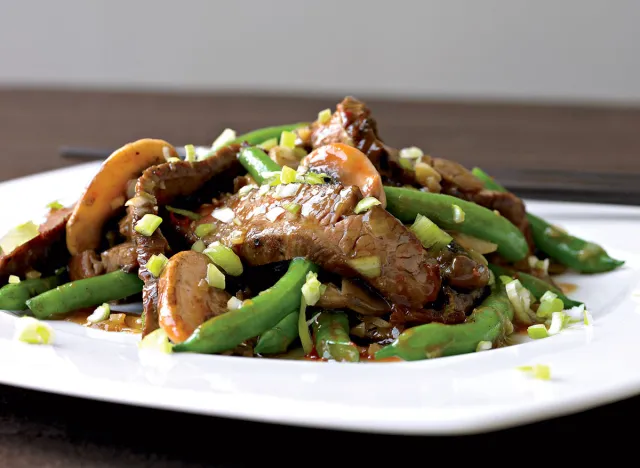
Paleo sweet and spicy beef
Mitch Mandel and Thomas MacDonald

Stir fry dishes are always a go-to for quick and easy dinners. Serve over brown rice, and for more veggies add a side salad with a vinaigrette dressing.

Get our recipe for Sweet and Spicy Beef Stir-Fry.
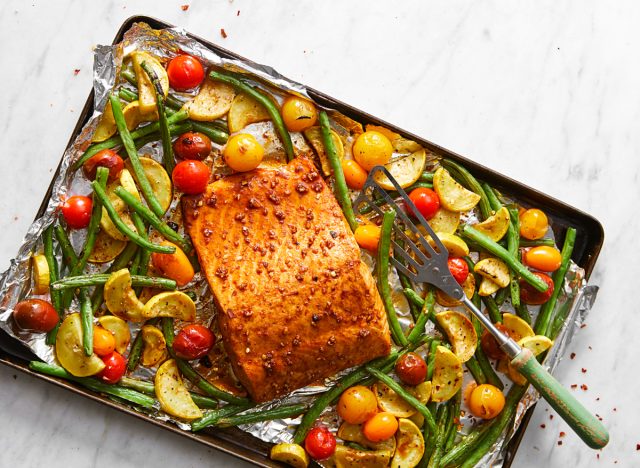
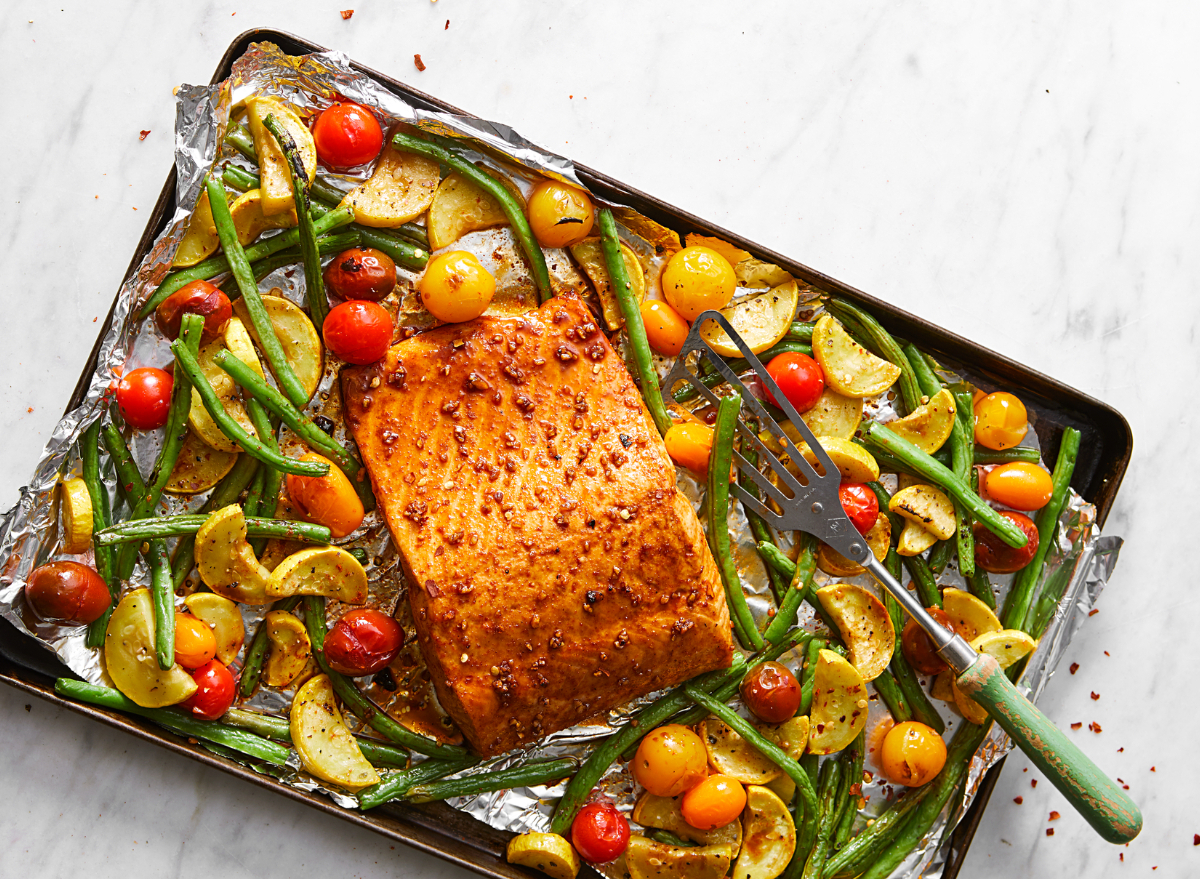
sweet and spicy glazed salmon with veggies
Waterbury Publications, Inc.

This sheet pan salmon dish is no fuss and not many dishes. Add whole grains on the side, like quinoa, farro, or use leftover brown rice from Wednesday night’s stir fry meal.

Get our recipe for Sweet and Spicy Glazed Salmon with Roasted Veggies.
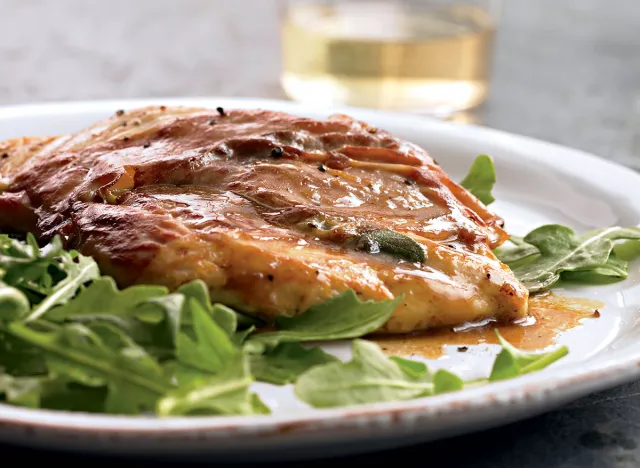
Paleo chicken scaloppine
Mitch Mandel and Thomas MacDonald

This better-for-you, Italian-inspired dinner has a fraction of the calories and saturated fat compared to your local Italian restaurant. Serve over whole grain pasta and with steamed cauliflower and broccoli on the side

Get our recipe for Simple Chicken Scaloppine.
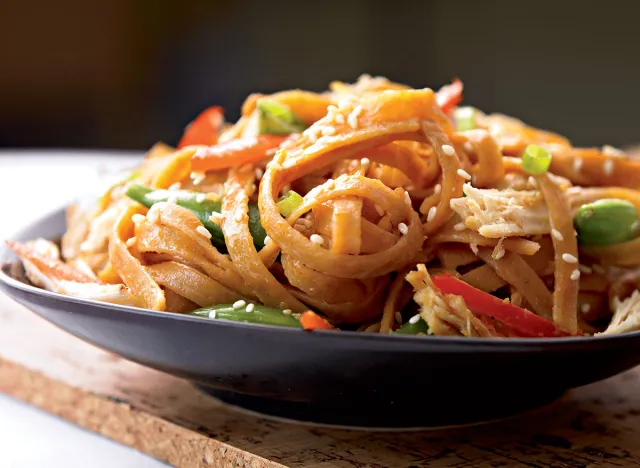
Healthy sesame noodles with chicken
Mitch Mandel and Thomas MacDonald

This Asian-inspired dinner uses fettuccine noodles, peppers, and shredded chicken, which you can make yourself or use a store-bought rotisserie chicken. Add more veggies by serving with a side salad or crudité with dip as an appetizer.

Get our recipe for Asian-Inspired Sesame Noodles with Chicken.
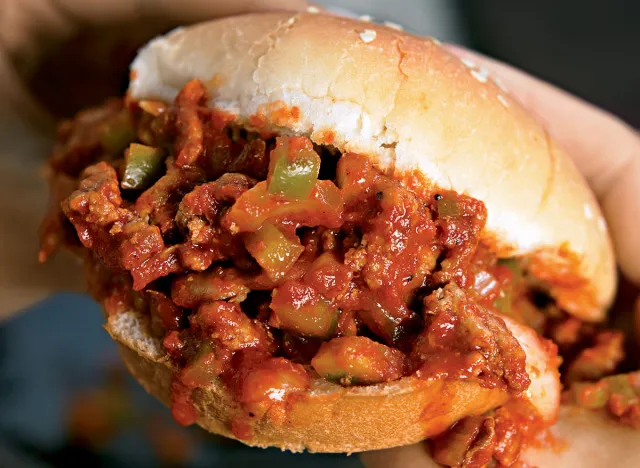
Healthy turkey sloppy joes
Mitch Mandel and Thomas MacDonald

Sloppy Joes is a family favorite and uses many ingredients you probably already have in your pantry and spice cabinet. Serve with baked sweet or russet potato fries or a healthier slaw.

Get our recipe for Turkey Sloppy Joes.
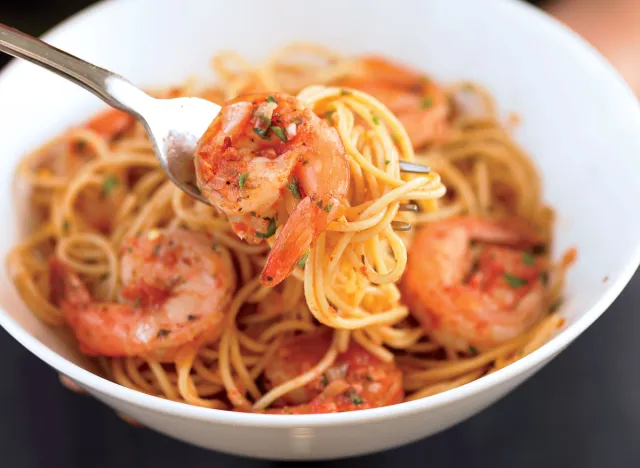
Healthy shrimp fra diavolo
Mitch Mandel and Thomas MacDonald

Shrimp is a very low-calorie protein that can be cooked in a flash. To get more fiber, swap traditional spaghetti for whole wheat or legume-type spaghetti. Serve with a side salad with vinaigrette dressing, steamed green beans, or both!

Get our recipe for Low-Calorie Shrimp Fra Diavolo.
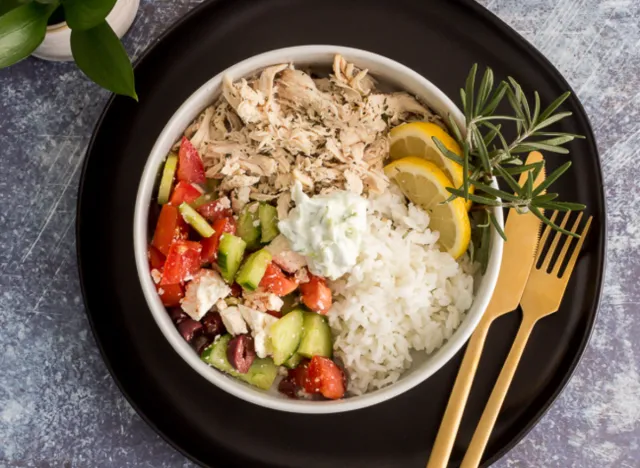
greek chicken and rice bowls
Photo Courtesy of Gail Watson Photography.

These Mediterranean-inspired bowls use rotisserie chicken, which helps cut back on your total cooking time. Paired with brown rice and a super simple chopped salad, and you’ve got a well-balanced delicious meal on the table in no time.

Get the recipe from Toby Amidor Nutrition.
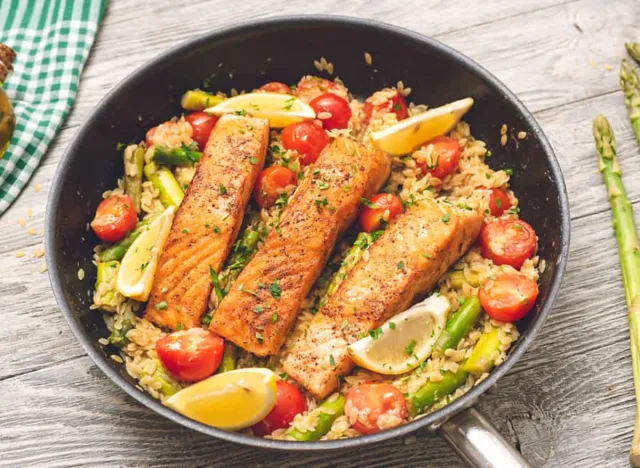
lemon salmon orzo skillet
Courtesy of The Creative Bite

One-pot meals are a lifesaver when it comes to a busy work week. This dinner balances salmon with orzo and asparagus and tomatoes. Add more veggies by cutting up veggies for the table or make a simple side salad.

Get the recipe from The Creative Bite.
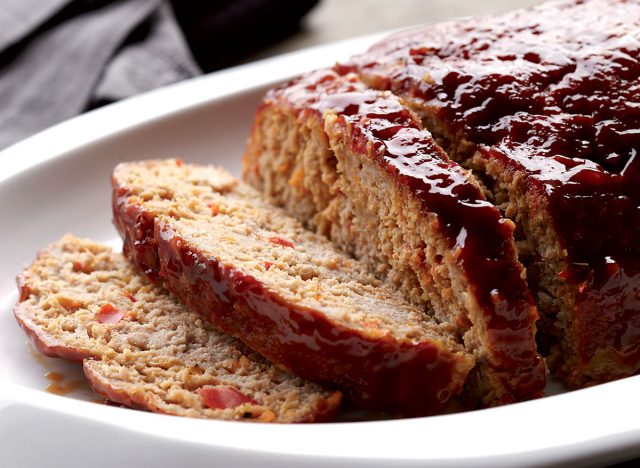
Paleo turkey meatloaf
Mitch Mandel and Thomas MacDonald

Meatloaf is a crowd-pleasing favorite, plus you can bring leftovers for lunch the next day. Serve with roasted potato wedges or a baked sweet potato on the side and roasted veggies.

Get our recipe for Turkey Meatloaf with Spicy Tomato Glaze.
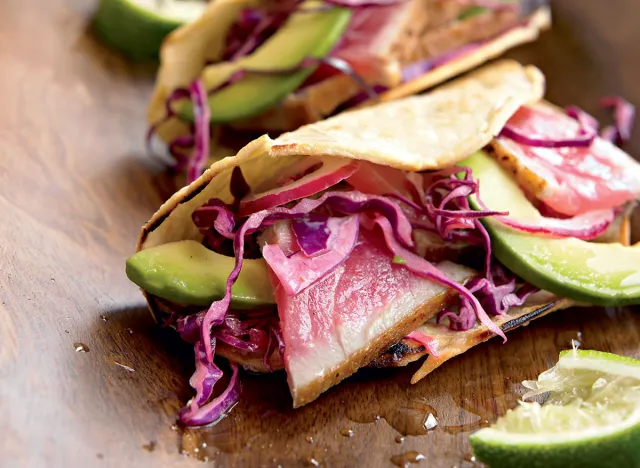
Paleo seared tuna tacos
Mitch Mandel and Thomas MacDonald

Make it a taco Tuesday with these tuna and avocado tacos. Serve with rice and beans on the side.

Get our recipe for Spicy Tuna and Avocado Fish Tacos.
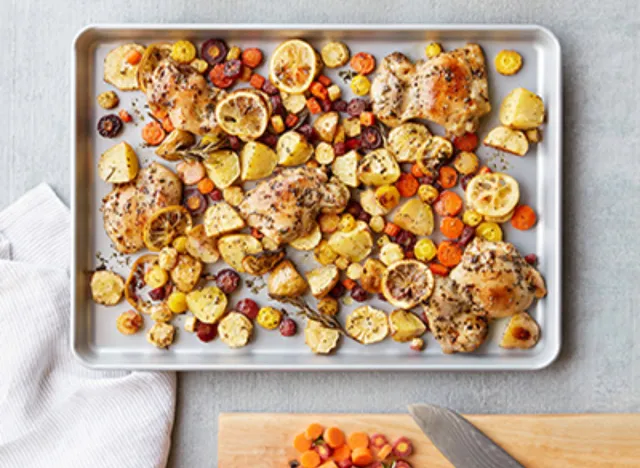
sheet pan lemon chicken with potatoes and carrots
Photo Courtesy of Elysa Weitala

These chicken thighs are paired with potatoes, carrots and parsnips. You can also add a parsnip or two if you like. Add fruit salad or a piece of fruit like clementine or sliced pineapple for dessert for a complete meal.

Get the recipe from Toby Amidor Nutrition.
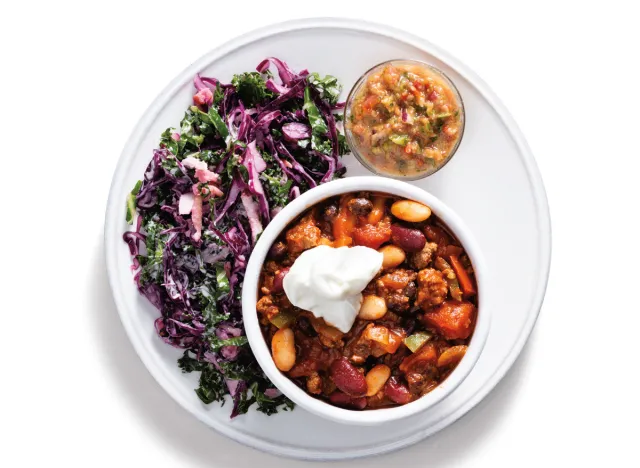
easy beef chili
Photo Courtesy of Mittera.

This chili recipe is made with lean ground beef and three (yes, three!) types of beans, each serving packed with 9 grams of fiber. Serve with a slaw and serve with Greek yogurt or reduced fat sour cream as an optional topper.

Get the recipe from Toby Amidor Nutrition.

Healthy thai chicken curry
Mitch Mandel and Thomas MacDonald

Instead of Thai takeout, cook up this curry recipe where you control the ingredients. Per serving, it provides 340 calories, 13 grams of fat—6 grams which are saturated, and 400 milligrams of sodium. Serve with flatbread on the side to mop up that delicious curry!

Get our recipe for Thai Chicken Curry.
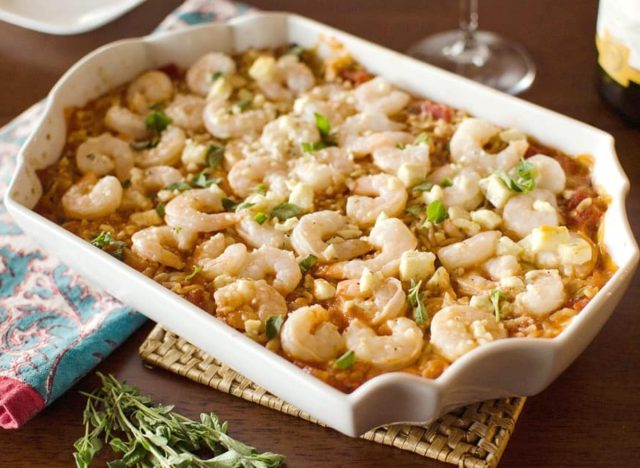
shrimp and feta orzo bake
Courtesy of The Creative Bite

This vegetarian dish is another one-dish meal that can help minimize dishes and your all-out effort especially when you’re exhausted. Complete the meal with steamed or roasted veggies on the side; I recommend brussels sprouts or string beans.

Get the recipe from The Creative Bite.
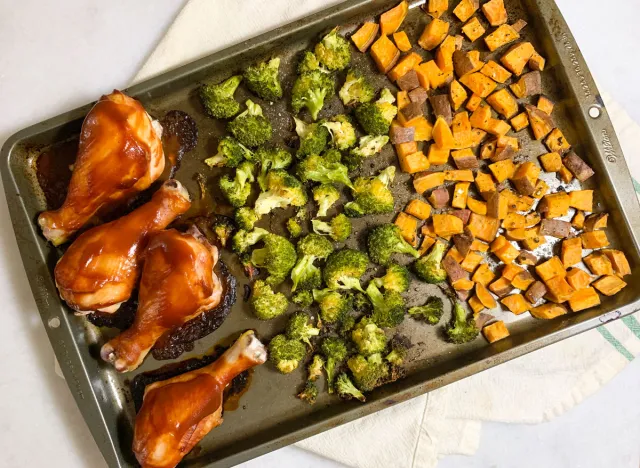
sheet pan bbq chicken dinner on a marble counter
Kiersten Hickman/Eat This, Not That!

On some weeknights, five ingredients are all you want to handle. This simple dinner uses bottled barbecue sauce, so compare labels to make sure you get the one with a lower amount of added sugar. If you’re cooking for more than two people, double or even triple this well-balanced sheet pan meal.

Get our recipe for 5 Ingredient Barbecue Chicken Sheet Pan Dinner.
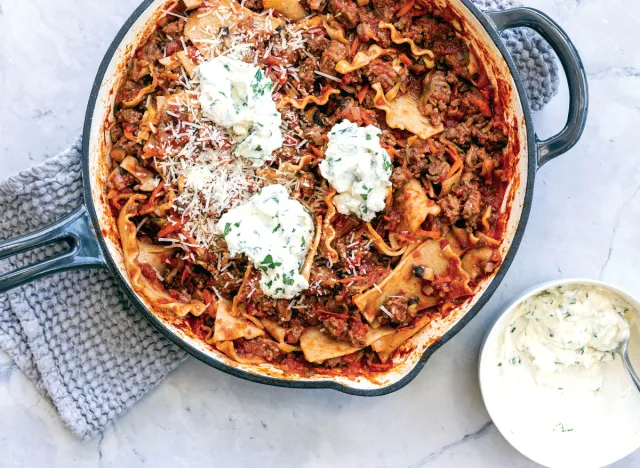
deconstructed skillet lasagna
Photo Courtesy of Ashley Lima

This skillet lasagna uses less lasagna noodles to help cut back on total carbs. If you want more veggies, you can add one cup of shredded carrots, shredded zucchini, or chopped cauliflower to the recipe.

Get the recipe from Toby Amidor Nutrition.
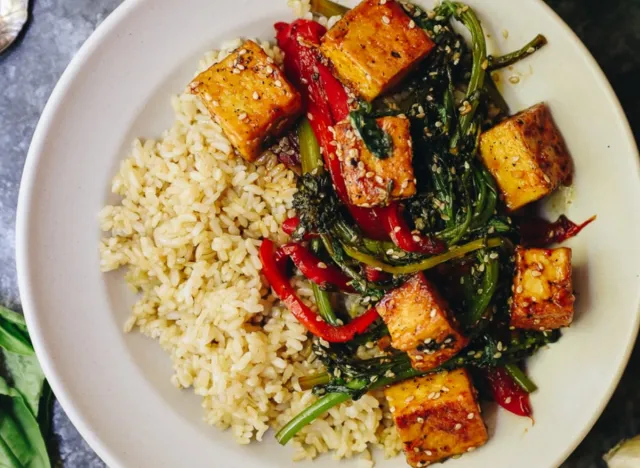
thai basil tofu
Courtesy of Healthy Maven

Tofu is a plant-based protein that is made from soybeans and quick to cook. Serve this over brown rice or quinoa for a complete meal.

Get the recipe from Healthy Maven.
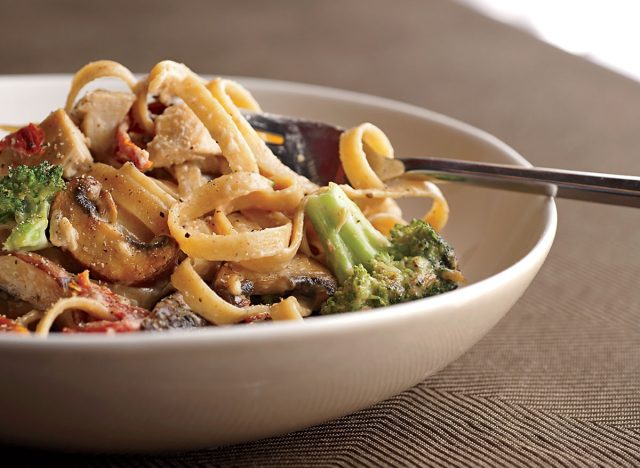
Healthy loaded alfredo with chicken and veggies
Mitch Mandel and Thomas MacDonald

This lighter Alfredo sauce uses smaller portions of butter, 2{d2b09b03d44633acb673e8080360919f91e60962656af8ade0305d5d8b7e4889} milk, and Parmesan cheese. By adding cooked chicken breast or rotisserie chicken and veggies, it makes for a healthy, delicious balanced meal.

Get our recipe for Loaded Alfredo Pasta with Chicken and Vegetables.

spanish-style chicken
Photo Courtesy of Hélène Dujardin.

This recipe is another simple one pot meal that will become your go-to this year. Serve over whole wheat couscous, brown rice, or quinoa for a complete meal.

Get the recipe from Toby Amidor Nutrition.
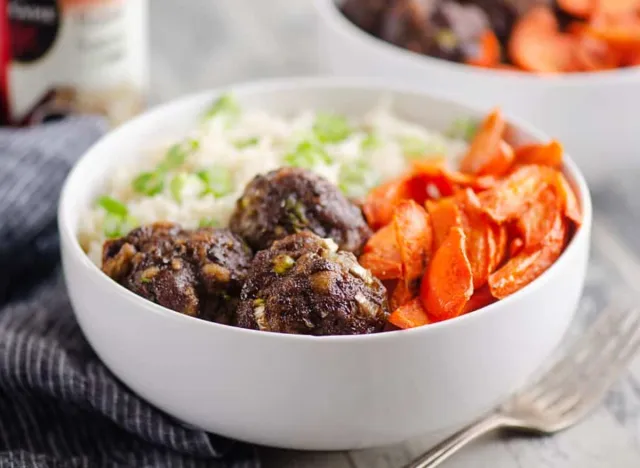
glazed hoisin meatball bowl
Courtesy of The Creative Bite

This drool-worthy bowl contains roasted carrots, simple white rice flavored with garlic, ginger and butter, and meatballs made with lean beef and a lot of flavor from hoisin and soy sauce. Serve fruit like fresh berries or orange segments for dessert.

Get the recipe from The Creative Bite.

How to make a mocktail tips for Dry January from Louisville expert

How to make a mocktail tips for Dry January from Louisville expert

The new 12 months has arrived, and for lots of “Dry January” is listed here.

This is a time when many folks choose to abstain from liquor for a thirty day period as they consider to reset from the generally indulgent last several months of the year.

But really don’t place your peelers, shakers and even individuals sweet minor coupe eyeglasses you received for Christmas away just but.

Even if you’re cutting out the spirits, you can however enjoy the ritual around a cocktail, says Jennifer Brian, of the Louisville-based cocktail organization, Make and Muddle. A nicely-designed mocktail can punctuate a moment in the day just as substantially as its alcoholic sister beverage.

Brian has been in the hospitality sector for extra than 30 yrs, and her organization sells a line of syrups and shrubs that choose the hefty lifting out of making a craft cocktail at home.

Food Carts Are the Heart of Portland’s Food Culture. Could January 2023 Regulations Change That?

Food Carts Are the Heart of Portland’s Food Culture. Could January 2023 Regulations Change That?


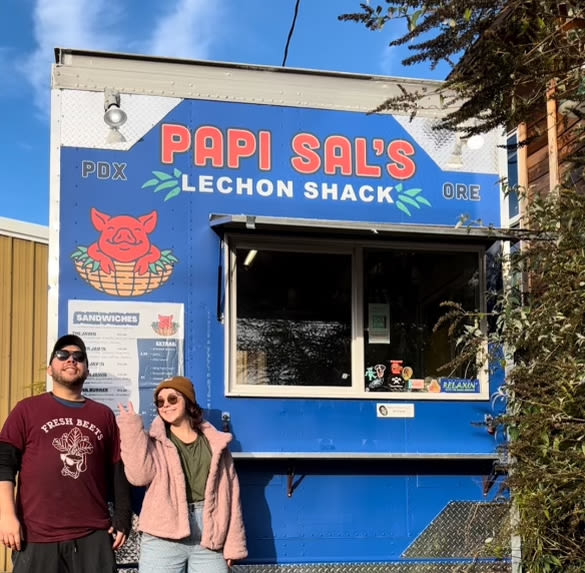
Every local has their tried and true favorites, while tourists eagerly check boxes on their must-try lists in Portland’s thriving food cart scene. There are so many carts in the city that keeping an exact count is impossible—but the number tops 500. A lone cart might spring up next to a corner store, a pod might take root in an empty parking lot, and, lately, luxe pods with beer bars, real bathrooms, and heated, covered seating have proliferated. Carts are as unique as the people who run them; you can get anything from wood-fired Mormon grandma cuisine to Chinese street-food crêpes. Part of the reason why carts are so popular here: there’s a low barrier to entry to starting one, with lower upfront costs and less regulation involved than with brick-and-mortar restaurants. But with new regulations regarding food carts and food cart pods taking effect on January 1, 2023, some cart owners are worried about their ability to keep their businesses open, and some have already made the decision to temporarily close, including Meliora Pasta and Papi Sal’s. 

The trickiest new regulation is one regarding the disposal of wastewater from carts. Wastewater includes water used to wash hands, dishes, and pots, and it may contain grease, bacteria, soap, and food particles. Carts can dispose of wastewater in three ways—by connecting directly to the sewer with a grease interceptor, by collecting water in the cart’s small onboard wastewater tank and frequently emptying that tank, or by collecting water in a large wastewater cube adjacent to the tank. New statewide mobile food unit laws declare that “all operations and equipment must be integral to the unit,” meaning carts can no longer use large wastewater cubes—and that can pose a significant challenge to those businesses. 

“We have had many years of documentation of wastewater spills happening, tanks getting cracked, broken into, and they go into the stormwater drains and into the Willamette,” says Jeff Martin from the Multnomah County Health Department, which enforces the state rules. 

The owners of Meliora Pasta, an Italian-inspired cart that opened in February 2022 and was most recently located at the Bantu Island food cart pod on NE Alberta Street and 15th Avenue, have already made the decision to close temporarily. Co-owner Jim Millar says that when he moved into the Bantu pod last summer, he was told that upgrades would be made by January to allow carts to connect to the sewer, but those upgrades have not yet taken place. Earlier this year, he was sharing a 500-gallon wastewater cube with a neighboring cart, and paid $250 once every three weeks to have it emptied removed by a licensed wastewater removal company. 

Without a sewer connection and without a large wastewater cube, the only option available is to use the cart’s smaller onboard wastewater tank. Under new city rules, cart owners can haul up to 20 gallons at a time themselves, or they can hire a licensed wastewater removal service to empty the onboard tank, which might hold 75 gallons. But some carts can easily go through 50 gallons a day, says Millar. That means some would need a wastewater disposal service to come once a day—and that’s just not feasible with the small number of wastewater disposal operators in town. Due to the cost and logistical difficulty of daily hauling, Millar has decided to close the Meliora Pasta cart for the foreseeable future, opting instead for pop-up dinners at the former Yonder space until he can find an affordable cart space with a sewer hookup.

Though there are many licensed wastewater haulers in the state, there are only two in the area who can handle wastewater for food carts, says Leah Tucker, a former food cart owner who advocates for food carts through the nonprofit she founded, the Oregon Mobile Food Association. The situation is even tougher in rural areas of the state, which may not be able to be serviced by wastewater removal regularly. “Across every industry, there was a massive reduction in staff [during the pandemic],” says Tucker. “The wastewater pumping industry is no different. But mobile units blossomed during that time, because restaurants were closing and restaurateurs wanted to continue doing what they love. We had more units, less pumping … there had to be a break point. You have 400 customers and only two pumping trucks.” 

“It already takes over a week to schedule gray water removal systems,” says Millar. “It’s just not feasible … their schedules are already so full as it is.”

 It’s also expensive to get wastewater tanks pumped frequently. Leo Mendoza, owner of the Taco Gang food cart, went from getting a large cube pumped once a month to a small onboard tank pumped once a week. “It’s triple [what it used to cost] every month,” he says.

Meanwhile, Jess Mummery, co-owner of Papi Sal’s, says their cart closed because Great Notion abandoned plans to build a taproom—which would have included a sewer hookup—and daily wastewater removal would have cost $70 per day. “We were between a rock and a hard place with where to put the cart,” she says. She and business partner John Hatch plan to do Puerto Rican platter pop-ups and will reconsider opening their cart at a new location in the spring, when business tends to pick up.

Though many newer pods are now built with sewer hookups, many older ones rely on wastewater tanks. The cost of connecting to the sewer underground can be high. Rico Loverde, owner of burger cart Monster Smash, and his cotenant, Belmont Station, are facing rent increases for the next two years to cover the $18,000 cost of connecting the cart to the sewer.

Meanwhile, Tess Kies, who owns the food cart pod at 2623 Belmont St, says she found the cost of making improvements prohibitive. “I’ve got a bid for a contractor that’s $30,000, and we’re not gonna do that,” she says. “I know we won’t keep [the pod] if the cost is outrageous. I’m concerned that [a lot of the carts around the city] are going to be put out of business.”

Though these regulations were put in place in early 2020, many food cart owners and food cart pod owners said they were unaware of the regulations until recently, making it particularly hard to adapt to these expensive changes during winter, which is traditionally a slow season for their business. An email from the city in English and Spanish was repeatedly sent to Portland food cart owners—and Loverde reported he didn’t begin receiving that email until late August. 

Martin says the county health department has provided this information to carts in a number of ways. “We [let them know] through our plan review process that you need to plan on having a sanitary sewer connection or regular routine pumping where you don’t rely on a wastewater cube outside of the mobile unit. We would also provide information during inspections. Over the past couple months, we’ve also been using flash notifications [via email] to make sure all mobile units are aware of this,” he says.

But Martin says he doesn’t want carts to close because of the new regulations. “It’s not an immediate closure at all, but we will work with them to make sure that they understand they need to come up with a plan on how they’re going to achieve compliance,” he says—whether that involves doing construction or having more frequent pickups from internal tanks. 

In the meantime, Tucker has filed a request with the health department to give food carts another eight months to comply with the regulations. After all, Tucker notes, the January 2023 guideline was put in place before the pandemic began.

“Nobody had any idea that this was gonna last three years. So by the time the health department or anybody was really able to focus on anything beyond just survival, so much time had passed. And now suddenly we’re looking down the barrel of the three-year mark, and nobody knew [about the guidelines],” says Tucker. “We understand that extenuating circumstances were at hand why we didn’t get the information sooner. But now we need their help—and we need more time.”