
The dirty martini has a sordid reputation, but it cleans up nice

The dirty martini has a sordid reputation, but it cleans up nice

Comment

A decade into writing about cocktails, more than that into drinking them, I usually can’t remember the first time I tried a specific drink. There are exceptions: I remember my first taste of Negroni, a bolt of crimson bitterness across my brain, requiring a second investigatory sip and then an order of another.

And I remember the first time I encountered the dirty martini. Mostly because I thought it would be the last.

In the early 2000s, I had weaned myself off the sweet fuzzy navels I’d enjoyed in college and was trying to appreciate IPAs, mostly to better navigate my first-real-job happy hours. Almost everyone drank beer, and I was trying to blend in and hold my own among the funny, flirty gang. I’d reached adulthood; my palate still needed to graduate.

One evening, into one of these happy hours strode another colleague: a raven-haired, curvy, slightly-older-than-me woman who waved the waiter off when he began reciting the beers on tap.

She asked for a dirty martini. “And I mean filthy,” she purred, to his delight. In my memory, she winked at our male colleagues as she said it. My recollection of their response — eyeballs telescoping out to knock over their pint glasses, a horn bellowing ah-OOOOO-gah! — is probably also somewhat exaggerated.

Marinating in my inadequacy in the face of this sophisticated, “adult” drink order, I had time before the drink arrived to imagine just how sexy this “dirty” martini would look. The Jessica Rabbit of drinks? A lacy garter in cocktail form?

What the waiter presented was murky with brine. A skewer of toadish olives slouched against the side of the glass, blue cheese innards oozing grease across the surface of the drink. It reminded me of nothing so much as the swampy vat of froglike critters that Jabba the Hutt kept nearby for snacking.

Envious as I was of this woman’s confidence, I had serious doubts about her judgment.

I went on to spend a good decade happily avoiding the dirty martini. If I found myself inexplicably in the mood for a pile of liquid salt glop, I’d order nachos.

When I got into cocktails, it was the crisp, clean martini I came to, de rigueur amongst cocktail cognoscenti: Gin (of course), a generous splash of vermouth, a dash of orange bitters, lemon peel. This is still my martini — ice cold, crystal clear, juniper-clean on the palate, lemon-oil aromatics as you raise it to your face. Perfection.

How to make a martini your guests will love — or at least love to argue about

But dirty martinis didn’t care. They went on their merry way, glugged down in vast quantities outside the cocktail-snob bubble. “The protests of the Martini purist did little to discourage orders for the drink,” wrote cocktail writer Robert Simonson in his book, “The Martini Cocktail.” “Eventually, some bartenders tried an if-you-can’t-beat-’em-join-’em approach, electing to improve the unavoidable cocktail rather than banish it.”

I’ve kept an eye on bars and restaurants that have de-viled the dirty martini — not so much cleaning it up as dialing it in, keeping the salt and acid that drinkers love while tuning it to their particular frequencies. Fresher, brighter olives that haven’t been marinating in the sneeze-collection tray on the bar. Savory herbs and spices from various culinary traditions. Different wines, different savory ingredients infused into the spirit or added to the brine, or acid powders that add salinity and tartness without that swampy murk.

“People used to order dirty martinis sort of sheepishly, and now I feel like they’re more emboldened,” said Alexandra Bookless Turner, bar director at Albi in Washington. “It has had a little resurgence. People love to eat bar olives and a salty, savory flavor when you’re drinking. It makes sense that the drink is popular.”

Tom Sietsema review: At long last, Albi gets to the heart of Levantine cooking

Albi, which draws on culinary traditions of the Levant — the multi-country region around the eastern Mediterranean — serves a variation called the Za’atartini, in which vodka is first infused with the herb za’atar, combined with a blend of vermouths, and fat-washed with olive oil. It’s topped with a few drops of olive oil infused with a za’atar spice blend, which adds both nutty and herbal aromas and a creamier texture, and served with olives on the side.

At Bonnie’s, a Cantonese-American restaurant in Brooklyn, the MSG martini is the No. 1 drink. “I knew I had to have a martini on the menu,” says Calvin Eng, chef-owner. The restaurant’s head bartender, Channing Centeno, “knew that MSG was a big deal for me because it gets a bad rap. … It’s all over our menu, we talk about it, we’re proud to use it.”

Centeno replaced the classic vermouth with Shaoxing rice wine, and then “we take our olive brine and jack that up with MSG and whisk that together until it’s fully dissolved, and that’s our dirty brine. It’s super-packed with umami,” Eng says.

At Fiorella, Marc Vetri’s pasta restaurant in Philadelphia, the Dirty Pasta Water Martini has become a staple — the brine is made with a mixture that’s equal parts olive brine and the salty, starchy water leftover from the pasta pot. The brine adds both flavor and a thicker body to the drink. Customers can opt for gin or vodka, but “you taste the pasta more with vodka,” says Kyle O’Neill, the general manager. “We were going to call it the pasta ‘wooder’ martini, because that’s how you say ‘water’ in Philadelphia, but we decided not to be so tongue-in-cheek.”

Infusing parmesan rinds and thyme into a local Vancouver gin with sea kelp among its botanicals gave L’Abbatoir’s Martini Reggiano “these beautiful creamy, nutty flavors and textures,” says former bar manager Dave Bulters.

When I ran across a mention of that drink a couple years ago, I was intrigued enough that I found I could suppress the involuntary gag reflex I still experienced thinking of those blue cheese oil trails. Maybe that one Jabba-punchbowl didn’t represent the whole category. Maybe I should Jedi-mind-trick my way back to exploring the dirty martini.

I started wading in, splashing in the shallow end — a Castelvetrano olive here, a briny sherry there, and oh, what about preserved lemon? — getting more comfortable with the savory side of this cocktail.

Certain drinks become more than the sum of their parts. Drinks are loaded with signifiers. You drink them because your parents did or because they didn’t. You drink them because you like how they look or how someone else looks when she orders one. Drinks speak to us and for us. Never once, in book nor film, have I seen a hardboiled detective order a pumpkin spice latte, nor a kindly grandmother comfort someone with a shot of rye in a dirty glass. One need look no further than the peculiar anxiety some men still seem to have about ordering pink drinks or cocktails in coupes to know: Sometimes a cigar is more than a cigar.

But sometimes “filthy” just means a lot of brine. Now that I’ve been around the block a few times, I drink what I drink because I like it, be it an IPA, a fuzzy navel or a dialed-in dirty martini. I know that if I ever tried to pull off flirtation-by-drink-order, I would never stick the landing. But in my refrigerator now is a parmesan-infused dry vermouth mixed with Four Pillars olive leaf gin, and lemme tell you, it’s not half bad.

Rental Tux (a Dirty Martini)

Scale and get a printer-friendly version of the recipe here.

This is a dirtied riff on a super-dry early martini variation called the Tuxedo. The original Tuxedo can have some savory notes from the sherry, but the Rental Tux has gotten all schmutzed up, thanks to caperberries (subbing for olives) and a few drops of toasted sesame oil, which enhances the nutty tones in the wine. If you’re not afraid of a little texture in your drink, skip the double-straining — the seeds inside the caperberries are delicious and fun to crush with your teeth.

  • 2 caperberries, divided
  • 3 to 4 drops toasted sesame oil, plus more for topping
  • Ice
  • 2 ounces London dry gin
  • 1 ounce fino or manzanilla sherry

Make a slit at the base of one of the caperberries, wedge it onto the rim of a Nick and Nora glass, then place the glass in the freezer.

Drop the other caperberry at the bottom of a cocktail shaker and crush it with a muddler, so that it’s torn open and the inner seeds are well exposed. Add the toasted sesame oil. Fill the shaker halfway with ice. Add the gin and sherry and shake hard to chill, about 15 seconds.

Double-strain into the chilled glass. Top with a few more drops of the sesame oil, if you like and serve. You can drop the caperberry garnish into the drink to make it a little saltier as you sip, and finish it off at the end.

From Spirits columnist M. Carrie Allan.

Scale and get a printer-friendly version of the recipe here.

This salty-sweet martini marries preserved lemon, a pickled, salty-tart fermented citrus often used in Moroccan cuisine, with a citrus-forward gin (try Tanqueray No. 10, Citadelle’s Jardin D’Été or Malfy Con Limone). Note that the vermouth is blanc, not the standard dry, which makes for a slightly sweeter note that balances out the saltiness of the preserved lemon. If you like it drier, stick to dry vermouth; if you like a dirtier martini, add more lemon brine.

Where to Buy: Preserved lemon can be found at well-stocked supermarkets and online.

  • 1 thin slice preserved lemon, for garnish
  • Ice
  • Dash of orange bitters
  • 2 ounces gin
  • 1 ounce bianco or blanc vermouth (such as Dolin)
  • 1 to 2 teaspoons preserved lemon brine, to taste
  • 1 strip fresh lemon peel

Thread the preserved lemon slice with a cocktail pick and set in a cocktail coupe or martini glass; transfer to the freezer.

Add ice to a mixing glass, followed by the bitters, gin, vermouth and lemon brine. Stir to dilute and chill, about 10 seconds.

Strain the drink into the chilled cocktail glass. Express the strip of fresh lemon peel over the surface of the drink, then discard the peel and serve.

From Spirits columnist M. Carrie Allan.

Scale and get a printer-friendly version of the recipe here.

A hit cocktail at Fiorella, Marc Vetri’s pasta restaurant in Philadelphia, this dirty-martini riff utilizes olive juice along with an ingredient the restaurant has plenty of — the salty, silky water left over from cooking its pasta. Customers pick gin or vodka for the base; the pasta flavor is more noticeable with neutral vodka. Fiorella uses whole, unpitted Castelvetrano and Galleta olives; we won’t tell if you use pitted ones, but make sure they’re good olives.

Total time: 5 mins, not counting the cooking of pasta

Make Ahead: You’ll want to have the pasta water cooled and preferably chilled before making the drink. Pasta water can be refrigerated for up to 48 hours; shake before using.

  • 3 olives, for garnish (see headnote)
  • Ice
  • 2 ounces vodka or gin
  • 1/2 ounce pasta water
  • 1/2 ounce olive brine

Chill a Nick and Nora glass or a small coupe in the freezer. Spear the olives on a cocktail pick.

Fill a cocktail shaker with ice. Add the vodka or gin, pasta water, and olive brine and shake to chill, 10 seconds.

Double-strain into the chilled glass, garnish with the olives and serve.

From Fiorella restaurant in Philadelphia.

Recipes tested by M. Carrie Allan; email questions to voraciously@washpost.com.

Browse our Recipe Finder for more than 10,000 Post-tested recipes.

Did you make these recipes? Take a photo and tag us on Instagram with #eatvoraciously.

7 essential cocktail recipes, including martini, Manhattan and Negroni

7 essential cocktail recipes, including martini, Manhattan and Negroni

Comment

Whenever I entertain friends at my place, I wonder if one of them might challenge me — or rather, challenge my booze collection — by asking for a drink they’ve never had before. Will someone give me a reason to use that bottle of crème de violette I bought a decade ago and have only used two ounces of, or ask me to make something with that weird amaro hidden on the lower shelf? Maybe they’ll want a missionary’s downfall or a flor de jerez or an alamagoozlum, a drink I have never made but really enjoy saying out loud.

It never happens. Even my fellow cocktail-geek friends don’t typically arrive with schemes to throw down the booze gauntlet. They come to hang out, talk, relax and have a good drink, often something comforting and familiar. They want a margarita. They want an old-fashioned. They want something they know and love.

They want something on this list. And if you know how to make these drinks, you’ll be a well-prepared cocktail host, and also well-prepared — if you want to be — to dive deeper down the cocktail rabbit hole.

These drinks are all essentials and all classics. It says something that after 20 years (give or take) of the cocktail renaissance and the explosion of bibulous invention and creativity it brought, the drinks many still regard as the most critical essentials have all been around for much longer. A few of them have been here for more than a century.

Which is not to say that many newer drinks aren’t excellent. But a lot of the best and most enduring newer tipples were built on the foundations these drinks laid, executing their proportions and principles — fresh juices, balanced flavors, quality spirits — in new ways.

All of these essential cocktails are makeable with ingredients easily sourced at your neighborhood liquor and grocery stores, which is certainly part of what’s helped them spread around the world. In making these, you’ll learn a lot about cocktails as a whole. They’ll teach you techniques that apply across the category: how long to mix, how long and hard to shake, how to strain. You’ll learn about balance, you’ll (hopefully) learn not to be afraid of a little bitterness, you’ll learn how salt and sugar act as flavors and enhancers of other flavors, a cheer squad urging their fellow ingredients to greatness.

Make them repeatedly, and they’ll teach you one of the most important lessons for the home cocktailer — what you like. What is your preferred gin-to-vermouth ratio in a martini, a matter that has been opined upon by prime ministers and presidents? Do you agree the Negroni is best as an equal-parts drink, or do you like it better when you boost the gin a bit? Do you prefer to double-strain your daiquiri until it’s a silky froth, or do you kind of like the mouthfeel of the tiny ice chips a single strain delivers? What’s the effect of switching out the vermouths in your Manhattan, or bitters or whiskeys — or maybe an aged rum?

All these questions lead to more questions. See how deep the rabbit hole goes?

There are correct answers to historical questions about these drinks (and each of these drinks can provide a launchpad to explore those fascinating histories, should you be inclined). But there are no “correct” answers to matters of taste. There’s just learning how to make a drink that pleases, using a few ingredients and a few simple tools to mix yourself from here to there, and from there to … wherever next catches your fancy.

So the next time a friend asks you for a drink, you’ll be able to tell them: I got you.

Everyone agrees the martini is an essential drink: Heck, its glass has become the universal sign of the cocktail. Yet for such a canonical beast, the martini is perennially personalized, a drink everyone dials into their own tastes. Gin or vodka? Purists will argue for the former, but vodka has plenty of advocates. Vermouth-to-base-spirit ratio? Debated endlessly, but if you’re using good, well-cared-for vermouth, it’s not to be feared. Shaken or stirred? The latter is the rule, but shaking has advocates. (They’re outliers. Even Bond, James Bond.) Add bitters? Garnish with a lemon twist or an olive? Your call. Try this recipe, adjust to your liking, and then be prepared to adjust and argue about it with every new drinker you encounter for the rest of your life.

If you like it, try: Martinez, Bijou

From various recipes, adapted and tested by M. Carrie Allan.

Click here for a printer-friendly version of the recipe.

  • Ice
  • 2 1/2 ounces dry gin, such as Plymouth, Beefeater or the citrusy Tanqueray No. 10
  • 1/2 ounce dry vermouth, such as Dolin
  • 1 or 2 dashes orange bitters
  • Twist of lemon peel, for garnish

Chill a cocktail (martini) glass or coupe.

Fill a mixing glass with ice, then add the gin, vermouth and bitters (to taste). Stir gently for 20 seconds, then strain into the chilled glass.

Garnish with the twist of lemon peel.

A boozy, classic, deep dive into whiskey and sweet vermouth. These days, most craft-cocktail types opt for rye, which has a spicier profile than bourbon, but the main thing is to pick a whiskey you like and a vermouth that’s worthy of it. (Cocchi Storico Vermouth di Torino is terrific; Carpano Antica can be a little dominant, but if you like its heady vanilla-spice pow, it can also be delicious.) Small but interesting tweaks can happen via new types of bitters (chocolate or pimento makes for a nod toward autumn; Peychaud’s or cardamom will bring out other notes), but orange and Angostura are reliably on point.

From various recipes, adapted and tested by Allan.

Click here for a printer-friendly version of the recipe.

  • Brandied cherry, for garnish, such as Luxardo or Amarena Fabbri brand
  • Ice
  • 2 dashes Angostura and/or orange bitters
  • 2 ounces rye or bourbon whiskey
  • 1 ounce sweet vermouth
  • Twist of orange peel (for its oils; optional)

Chill a cocktail (martini) glass, adding the brandied cherry garnish.

Fill a mixing glass with ice, then add the bitters, whiskey and vermouth. Stir for 20 seconds, then strain into the chilled glass.

Twist the orange peel, if using, over the surface of the drink to express its oils, then discard it.

Dates to: 1919, most likely

Supposedly no one likes a Negroni the first time they taste one, and some drinkers never come around on this bright red flag of a drink. It’s an Italian liqueur that brings that fiery color and throws down the gauntlet: Campari, the deeply bittersweet, orangey and herbal aperitivo that complements equal portions of dry gin and sweet vermouth. It’s boozy, it’s strange, it’s a high-wire balancing act, and once your palate adjusts to the bitterness, you may come to crave it — and regard it as the gateway to drinks incorporating bitter flavors.

If you like it, try: ‘White’ Negroni, Boulevardier, Little Italy

From various recipes, adapted and tested by Allan.

Click here for a printer-friendly version of the recipe.

  • Ice
  • 1 ounce Campari
  • 1 ounce sweet vermouth, such as Cocchi or Dolin
  • 1 ounce dry gin
  • Twist of orange peel, for garnish

Fill a mixing glass with ice, then add the Campari, sweet vermouth and gin. Stir for 20 seconds, then strain into the glass.

Twist the orange peel over the surface of the drink to express its oils, then drop it into the drink.

Perhaps the first and most genre-defining of cocktails, the old-fashioned has been carried back into heavy sipping rotation by the craft-cocktail renaissance and smart bartenders who stopped treating it as a vehicle for transporting bad fruit salad. Good bars opt to leave out the pile of pineapple and neon cherries that were once all too common. You may want a twist of citrus for its fragrant oils, but that’s all the embellishment you’ll need. A little sugar, good whiskey (it can be bourbon or rye-based, depending on your preference) and the spice of bitters to button up the whole thing nice and neat.

If you like it, try: Oaxaca Old Fashioned, Sazerac

From Jason Wilson; adapted by Allan. Tested by Michael Taylor and Allan.

Click here for a printer-friendly version of the recipe.

  • 1 teaspoon granulated sugar (may substitute 1 small sugar cube)
  • 1 teaspoon warm water
  • 2 dashes Angostura bitters
  • Strip of orange or lemon peel
  • 2 ounces bourbon or rye
  • 1 large ice cube

In an old-fashioned glass, combine the sugar, warm water and bitters, then add the citrus peel and muddle.

Add the bourbon or rye, and stir until all the sugar has dissolved.

Add a large ice cube, stir briefly to chill, and serve.

With two ingredients, plus a couple of slices of citrus, the gin and tonic seems so simple it barely warrants a recipe. It’s gin, it’s tonic: Where’s the complication? But the flavors of juniper mixed with the tongue-livening bitter bubble of tonic have made this drink the essential highball for centuries. Its simplicity makes the quality of the ingredients and the right proportions critical. Once you can make the classic, branch out into new gins, tonics and garnishes. (Look to Spain for inspiration; there, variations on the “gin-tonic” are infinite.)

If you like it, try: Tom Collins, Pimm’s Cup, Moscow Mule

From various recipes, adapted and tested by Allan.

Click here for a printer-friendly version of the recipe.

  • Ice
  • A few lime wheels
  • 2 ounces dry gin
  • 3 or 4 ounces good tonic water, such as Fever-Tree

Fill a highball glass with ice, layering in a few lime wheels (to taste).

Add the gin and the tonic, then stir gently.

Crisp, tart and elegantly simple, a good daiquiri is a pale, delicious thing of beauty. The classic version is not frozen, but it is still perfect for drinking beachside or for bringing the beach to where it ain’t. Look for a good Cuban-style light rum (Havana Club, Banks 5 Island) to get you started, and then adjust as you get acquainted with the drink (aficionados sometimes graduate to older rums, but the light is classic). A simple sugar syrup balances out the tartness of the lime and keeps the drink from getting too watered down by its icy shake.

If you like it, try: Mojito, Last Word, Hemingway Daiquiri

From various recipes, including “Smuggler’s Cove: Exotic Cocktails, Rum, and the Cult of Tiki,” by Martin and Rebecca Cate (Ten Speed Press, 2016); adapted and tested by Allan.

Click here for a printer-friendly version of the recipe.

  • Ice
  • 2 ounces white rum, such as Caña Brava
  • 1 ounce fresh lime juice
  • 1/2 ounce rich demerara syrup (see NOTE)

Chill a cocktail (martini) glass.

Fill a cocktail shaker with ice, then add the rum, lime juice and demerara syrup. Seal; shake vigorously for 15 seconds, then strain into the chilled glass; double-strain only if you want to remove the tiny ice shards from the drink. (Some tipplers enjoy them in a daiquiri.)

NOTE: To make the rich demerara syrup, combine 2 cups of demerara or turbinado sugar and 1 cup of water in a small saucepan over medium-high heat. Bring to a brief boil; once the sugar has dissolved, remove the saucepan from the heat. Cool completely before using or storing (in the refrigerator, for up to 2 weeks).

Dates to: Unknown, but likely 1930s to ’40s

Like the daiquiri, the margarita is a classic from the cocktail family known as sours, a simple but delicious clan of drinks in which the DNA is made up of spirit, citrus and sweetener. You should taste the tequila (use a good blanco, which is unaged, or reposado, which is lightly aged), the lime and the sweetness from the orange liqueur; a touch of agave syrup boosts the sweetness and the flavor of the spirit’s origin plant. Salt is optional, but it functions the way it does in cooking, tying the whole package together.

If you like it, try: Mezcal Margarita, Paloma

Adapted from Julio Bermejo’s recipe for Tommy’s Mexican Restaurant, from Robert Simonson’s “A Proper Drink” (Ten Speed Press, 2016). Tested by Allan.

Click here for a printer-friendly version of the recipe.

  • Lime half (for rimming; optional), plus 1 ounce fresh lime juice
  • Large/coarse-grained salt (for rimming; optional)
  • Ice
  • 1 3/4 ounces tequila
  • 1/2 ounce Cointreau
  • 1/4 ounce agave nectar

If you are serving the drink straight up, use a cocktail (martini) glass; if you are serving it on ice, a rocks glass will work. Either way: If you are rimming it with salt, make a small pile of salt on a plate. Rub the lime half around the outside rim of the glass, then roll that rim gently over the salt to create a salt edge.

Add ice to the glass, if using. Fill a cocktail shaker with ice, then add the lime juice, tequila, Cointreau and agave nectar. Seal and shake vigorously for 15 seconds, then strain into the glass.

correction

An earlier version of this story misspelled the name of the margarita recipe source. This version has been updated.

The Best Ever Dirty Martini Cocktail Recipe

The Best Ever Dirty Martini Cocktail Recipe

The Dirty Martini is a correct classic. The elixir of dry gin, dry vermouth (the two crucial components of a “dry” martini), and olive brine get the job done miracles collectively in a glass. The collision of dry botanicals, gentle sweetness, a small Angostura for patina, and earthy/umami-ahead olive brine develop a multi-layered and deeply flavorful consider on a extremely clean consume like a martini. It’s the perfect equilibrium of sweet, savory, and botanical … when carried out appropriate.

All of that said, the consume does really feel like one thing a suspender-carrying hip bartender invented in the early twenty-aughts. I assure you, it’s not. The true cocktail goes again to about 1901 at minimum. Famed four-time President Franklin Delano Roosevelt beloved soiled martinis so much that they have been the official White Residence pour in the course of his administration. The issue is, this is a extremely aged and beloved cocktail that stands the test of time and generations of palates have fallen in appreciate with it.

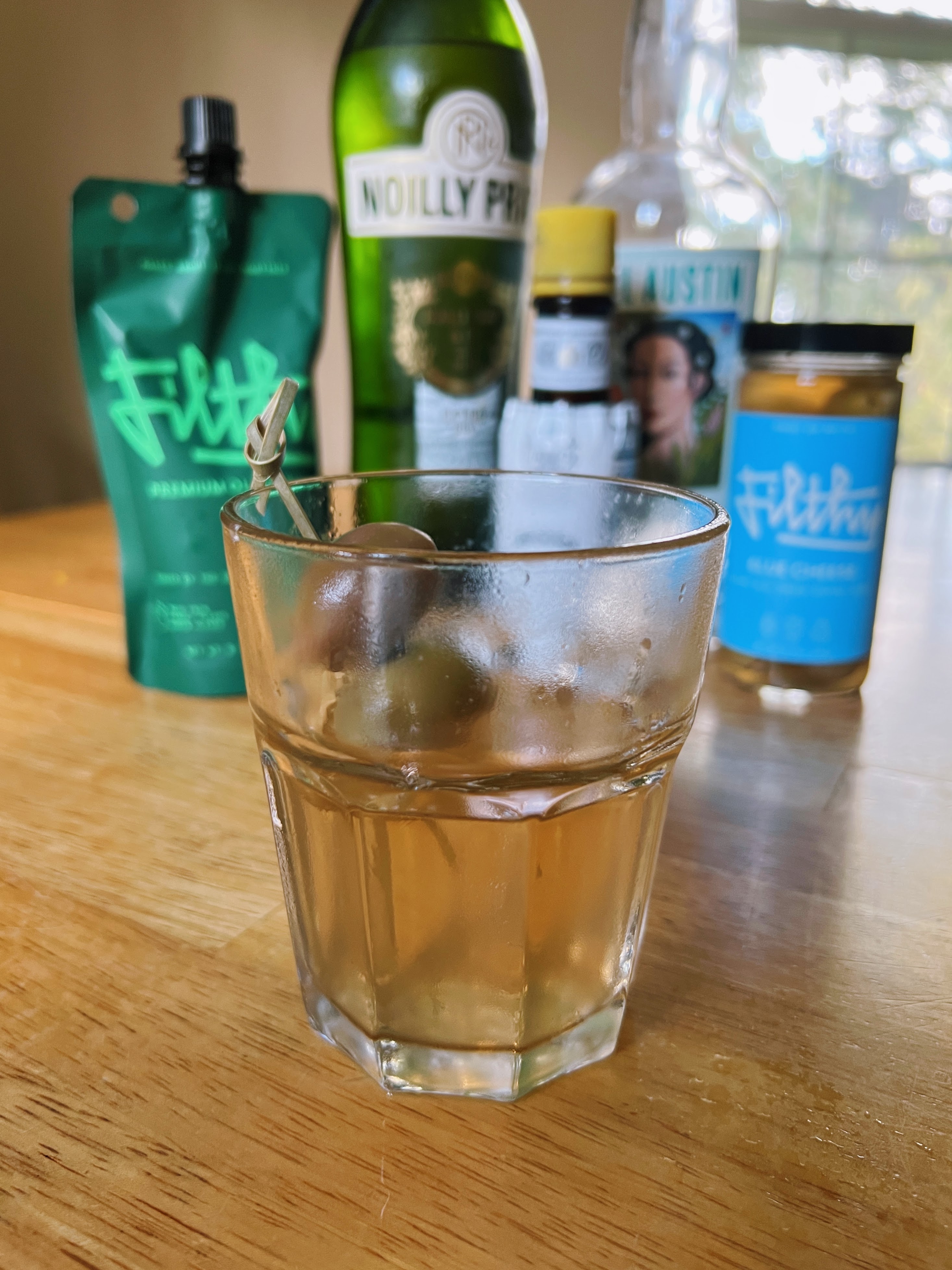
For this recipe, I’m using it from “dirty” to “Filthy” by using a brand name of terrific cocktail mixers and condiments I form of randomly bumped into at this year’s Tales of the Cocktail in New Orleans. I appear from a incredibly aged-school cocktail lifestyle and am, admittedly, caught in my approaches and manufacturers in some cases. But this things truly popped when I tried it at Tales this yr. So I assumed it was higher time that I essentially folded some into my at-dwelling cocktail generating.

Let’s get stirring!

Also Browse: The Prime Five Cocktail Recipes of the Final Six Months

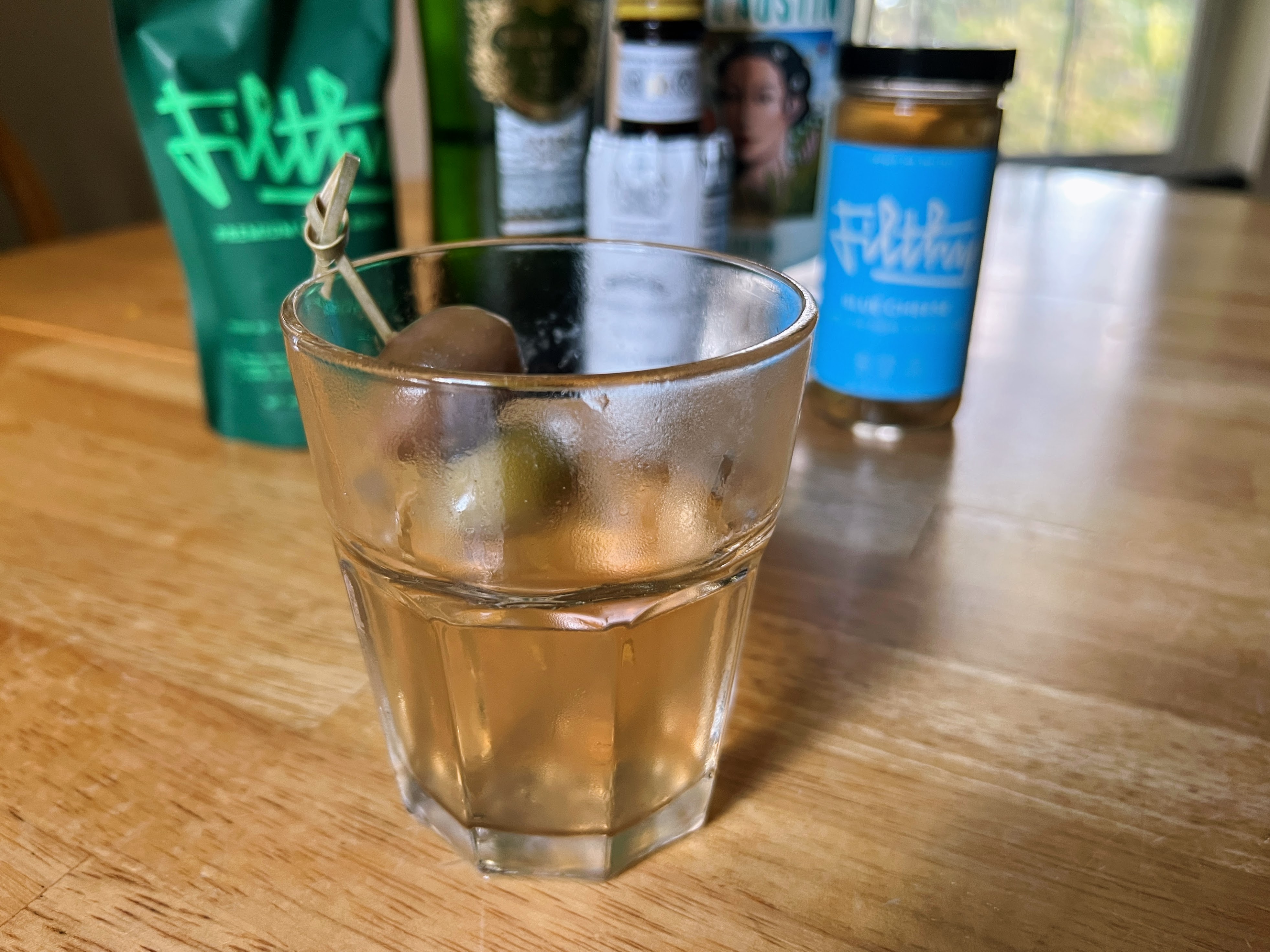
“Filthy” Martini

Filthy Martini
Zach Johnston

Ingredients:

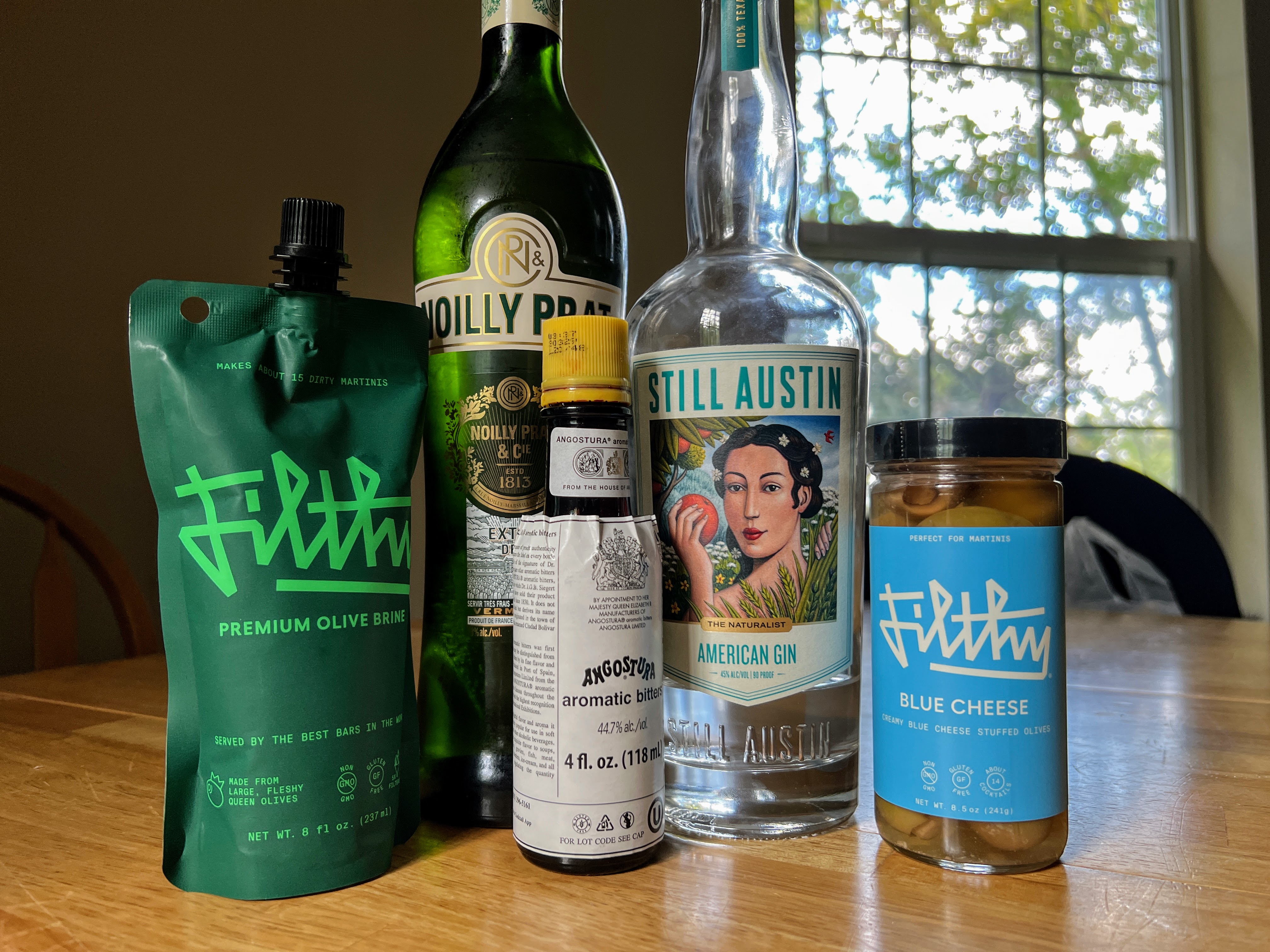
  • 2 oz. American dry gin (in addition a splash)
  • .5 oz. dry vermouth
  • .5 oz. Filthy Olive Brine
  • 1 dash of Angostura Bitters
  • Ice
  • 2 Filthy Blue Cheese Olives

I’m utilizing Nonetheless Austin’s American Dry Gin. It’s incredibly craft but has a wonderfully unique botanical profile that leans extra toward spice bark than juniper. It’s sort of like a stroll by way of the substantial desert on a drop day when all the trees are tightening up for winter. As for the vermouth, I’m going really old-school with some Noilly Prat Extra Dry. The French vermouth is delicate, floral, and just kissed with vanilla bouquets.

Then there is the olive ingredient. Any Dirty Martini justifies very good olive brine and wonderful olives. Which is why I’m going with Filthy in this article. They’ve devised olive brine on its very own for mixing with cocktails with a small added oomph that allows the brine pop on the palate. Also, I like a excellent blue cheese inexperienced olive for my martini and this is a fantastic one particular that you do not have to make by yourself (I’ve used a large portion of my daily life stuffing Stilton into eco-friendly olives behind bars). You should really be capable to uncover these easily at nearby liquor shops and grocery merchants.

Filthy Martini
Zach Johnston

What You’ll Will need:

  • Lowball glass, cocktail glass, Nick and Nora, or coupe
  • Cocktail mixing jug/jar
  • Cocktail strainer
  • Barspoon
  • Jigger
  • Spear
Filthy Martini
Zach Johnston

Process:

  • Prechill the glass in the freezer.
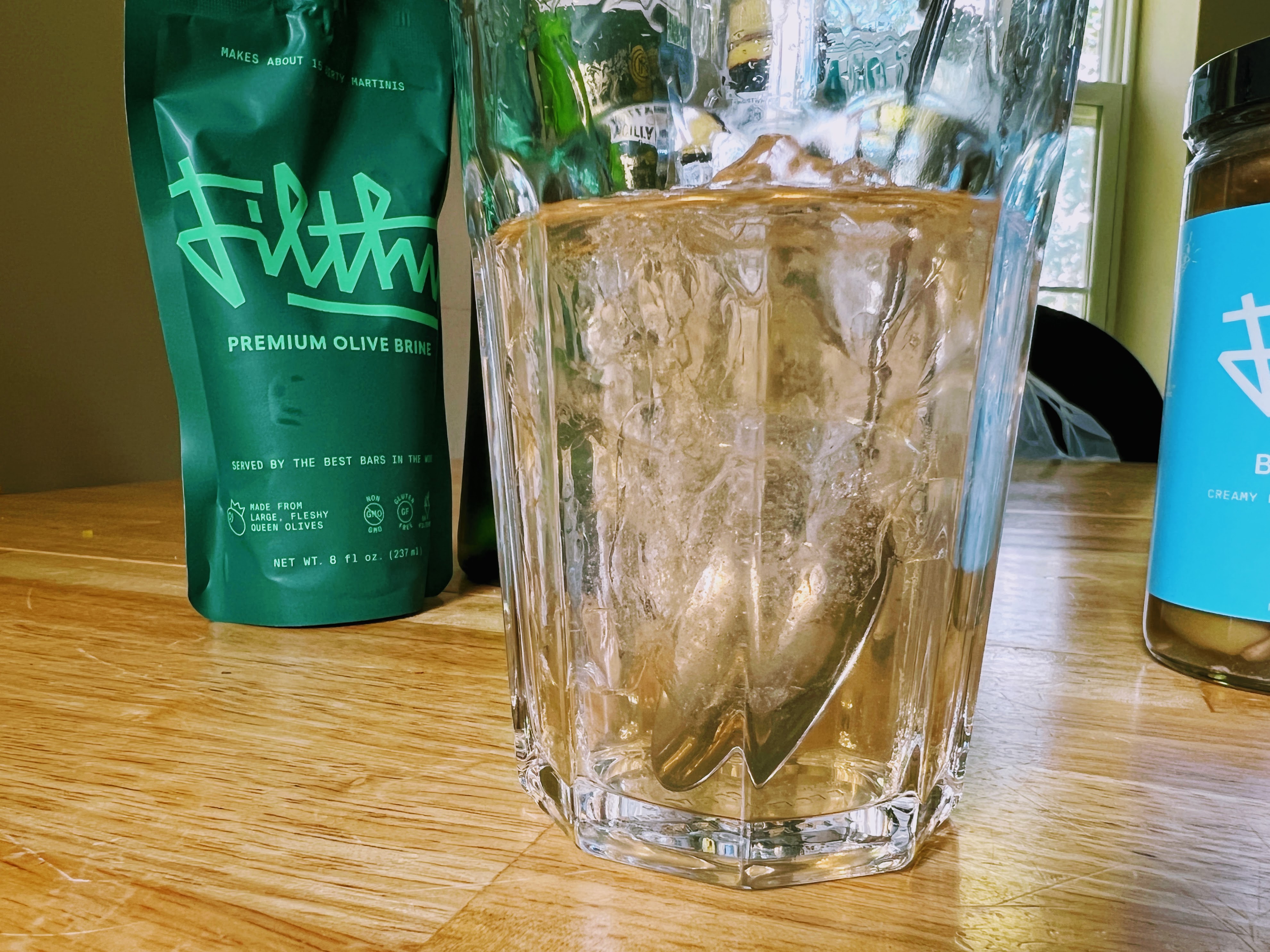
  • Incorporate the gin, vermouth, bitters, and olive brine to the mixing glass. Include a huge handful of ice and stir till the glass is ice cold to contact (at least 30 seconds).
  • Fetch the glass from the freezer and pressure the cocktail into the glass.
  • Spear two olives and drop in. Provide.

Base Line:

Filthy Martini
Zach Johnston

This is a large “hell, yeah!” from me. I used to drink a single of these every night during my break all-around 1 am, involving the 2nd and 3rd rush of the night time. This took me appropriate back. The levels of deep virtually MSG-degrees of umami with vibrant and botanical gin with a slight floral notice subsequent to wild sage and dry pine just get the job done. There’s complexity, certain. But this is all about simplicity. The sip is high-class and supple with a sense of earthiness following to spicy woods with a blanket of mushrooms building a floor beneath.

I really like this drink. Give it a shot at house. I think you are going to like it much too, particularly if you’re seeking for a nicely-layered journey via spice, sweetness, and umami.