LensaKuliner.com: Exploring Indonesia’s Flavors Through a Digital Lens

LensaKuliner.com: Exploring Indonesia’s Flavors Through a Digital Lens

From Medan Street Eats to National Palate: The Origin Story

Founded in Medan in 2013 as an Instagram photo diary of local hawker stalls, Lensa Kuliner quickly grew into a trusted voice for Indonesia’s ever-widening foodie community. Its early success came from vivid, close-up shots of nasi padang, lontong sayur, and other comfort foods that resonated well beyond North Sumatra. By the mid-2010s the brand had migrated to a dedicated website—LensaKuliner.com—where longer, bilingual reviews paired with professional-grade photography deepened the storytelling. Today, the project has matured into a full-scale digital publication that covers everything from hidden-gem warung in Jakarta to seaside cafés in Lombok, all while retaining its original heart: celebrating honest, affordable food and the people who cook it. 

Navigating the Site: Reviews, Recipes, and Regional Guides

LensaKuliner.com is laid out like a virtual food market, with clearly labelled aisles so readers can find what they crave. “Review Tempat Makan” lists cafés, street-food carts, and all-you-can-eat buffets, each tagged by city and price range. “Kuliner Nusantara” maps local specialties region by region—helpful for travellers who want to plan their next bite before booking a ticket—while the newer “Resep Rumahan” section breaks down classic dishes such as ifumie ayam into step-by-step, weekend-friendly tutorials. A persistent search bar and responsive mobile design make the site feel lightweight even on slower Indonesian data plans, and every article ends with practical tips: operating hours, Google Maps pins, and halal status where relevant. 

Empowering Small Vendors Through Digital Storytelling

Beyond restaurant rankings, Lensa Kuliner acts as a microphone for micro-entrepreneurs. Many featured stalls operate on shoestring budgets, yet a single post can generate queues that wrap around the block. The editors practice what they call “ethical tasting”—paying for all meals and disclosing collaborations—so reviews read less like ads and more like neighborhood gossip with journalistic rigor. Vendors report revenue jumps of 20-40 percent within weeks of publication, underlining how digital visibility can level the culinary playing field. Stories also spotlight heritage recipes at risk of disappearing, preserving oral histories in searchable form and nudging younger cooks to continue family legacies.

Riding the Wave of Culinary Tourism in Indonesia

Indonesia’s Ministry of Tourism projects domestic culinary trips to surpass 500 million by 2026, and Lensa Kuliner positions itself at the intersection of that boom. City guides double as weekend itineraries, encouraging readers to spread their spending across multiple vendors rather than crowding a single viral spot. The site’s bilingual (Bahasa and English) approach captures both local eaters and inbound travelers who are scheduling “nibbling tours” between temples and beaches. Articles weave in cultural context—how West Sumatra’s volcanic soil shapes chili heat, or why Balinese lawar is traditionally prepared communally—inviting visitors to taste with respect, not just curiosity.

Social Media Synergy: TikTok, Instagram, and Viral Bites

While long-form posts anchor the brand, real-time engagement happens on social platforms. The TikTok account (@lensakuliner) mixes slow-motion cheese pulls with punch-line price reveals, racking up millions of views and funnelling traffic back to the site. Over on Instagram, 293 000+ followers scroll through carousel reviews and 15-second “slurp tests.” Short-video popularity influences editorial direction; a trending lontong sayur clip can prompt a deeper analytical story about coconut-milk inflation or street-vendor licensing. This feedback loop keeps the platform fresh and ensures that web articles answer the exact questions audiences are already asking in comment sections. 

SEO and Content Strategy: What Makes Lensa Kuliner Stand Out

Technically, LensaKuliner.com is optimized for both Indonesian and international search queries. Titles balance local keywords (“Sate Legendaris di Purnawarman”) with descriptive English slugs, and alt-text on images is meticulously filled in—crucial for food content, where half the appeal is visual. The editorial calendar aligns posts with national holidays like Ramadan and Independence Day, periods when search interest for special-occasion dishes spikes. Evergreen guides (e.g., “Jakarta 24-Hour Eats”) are refreshed quarterly to maintain ranking authority. Backlinks flow naturally from travel bloggers and news outlets that embed Lensa Kuliner recommendations in “best of” lists, creating a virtuous circle of credibility.

Future Horizons: Sustainability, Community, and Expansion

Looking ahead, Lensa Kuliner plans to pilot a “green plate” label that highlights vendors using biodegradable packaging or sourcing hyper-local ingredients. A forthcoming podcast will let hawkers tell their own stories in their own dialects, capturing the soundscape—clanging woks, clinking glasses—that photos alone can’t convey. There is also talk of launching an English-language sister site to cater to the growing number of food-driven tourists from Australia and Europe. Whatever shape the project takes, its mission will remain constant: to document Indonesia’s dazzling culinary diversity and to prove that the best way to understand a culture is still, and always, to taste it—one spoonful at a time.

Community Engagement and Food Events

LensaKuliner.com doesn’t only exist online—it’s also known for curating real-world culinary experiences. The platform regularly partners with local municipalities and tourism boards to host food festivals, street food bazaars, and cooking competitions. These events help strengthen relationships between vendors and customers, offering the public an opportunity to meet the faces behind their favorite dishes.

Workshops are also part of the Lensa Kuliner agenda. From food photography and styling to content writing for culinary businesses, these workshops empower aspiring food bloggers and micro-entrepreneurs to establish their own digital presence. The Lensa Kuliner team emphasizes inclusivity, ensuring that small vendors, even those without internet access or digital literacy, are represented fairly and effectively.

By building a community that stretches beyond screens, Lensa Kuliner reinforces its role not just as a content platform, but as a driver of grassroots culinary culture.

Final Thoughts: A Digital Gateway to Indonesia’s Culinary Heart

LensaKuliner.com is more than a website—it’s a movement. It connects people to their heritage, introduces travelers to the true taste of Indonesia, and helps small businesses survive and thrive in an increasingly competitive world. Through its compelling storytelling, practical guides, and ethical approach, Lensa Kuliner shows how food can be both a delicious journey and a powerful tool for cultural preservation and economic empowerment.

As culinary tourism continues to grow and digital media shapes the way we eat, Lensa Kuliner remains at the forefront—an honest, flavorful, and beautifully photographed guide to what’s cooking across the archipelago.

Utilizing The Power Of Metrics To Enhance Restaurant Efficiency And Profitability

Utilizing The Power Of Metrics To Enhance Restaurant Efficiency And Profitability

In the fiercely competitive restaurant industry, keeping track of key performance indicators (KPIs) is crucial. These metrics provide valuable insights into a restaurant’s financial health and operational efficiency, empowering managers to make informed decisions that foster growth. When applied thoughtfully, KPIs can boost profitability and streamline operations. Below, we outline the most important financial and operational metrics every restaurant should monitor.

Financial metrics form the backbone of performance assessment. Metrics such as Gross Profit Margin and Net Profit Margin evaluate profitability and cost-effectiveness. By routinely reviewing revenue, expenses, and net income, managers can identify financial strengths and weaknesses, leading to more effective budgeting and expense control.

Operational metrics are equally important for maintaining efficient daily operations. Metrics like Table Turnover Rate and Inventory Turnover Rate help gauge how well resources are utilized. For example, higher table turnover during peak hours can boost revenue, while precise inventory tracking reduces waste and aligns stock with customer needs. Utilizing modern analytics and digital tools can further enhance inventory and order management, increasing overall efficiency.

Technology plays a significant role in simplifying restaurant operations. Tools designed for payment processing and delivery management minimize manual errors and improve financial accuracy. Automation allows staff to devote more attention to customer service rather than administrative tasks.

Labor-related metrics, such as Labor Cost Percentage and Employee Turnover Rate, are essential for managing staffing costs while maintaining operational effectiveness. Effective labor management ensures high service standards are upheld without unnecessary overspending on wages.

Customer experience metrics, including Customer Satisfaction, Net Promoter Score, and Customer Retention, offer valuable feedback on guest impressions. Satisfied customers are more likely to return and recommend the establishment, driving loyalty and long-term growth.

Food cost metrics, like Food Cost Percentage and Menu Item Popularity, also have a significant impact on profitability. Monitoring these metrics supports the development of menu strategies that cater to customer preferences while maximizing earnings.

By consistently evaluating and acting on KPIs, restaurants can improve decision-making, reduce expenses, and enhance overall performance. For more details on how KPIs can drive success in the restaurant industry, check out the infographic below.

Content created by Delaget

The Ultimate Guide to Obtaining a Liquor License

The Ultimate Guide to Obtaining a Liquor License

Adding the sale of alcohol to your restaurant, bar, or other business can increase profits and customer numbers. However, obtaining a license is no walk in the park. Fingerprint cards, local government permission, and company documentation are all typically required. Additionally, many states have limited licenses, making them hard to come by.

How to Apply for a Liquor License

If you are starting a new business, obtaining a liquor license Houston, TX, can help you reach your sales goals and attract more customers. However, the application process is complex and requires careful attention to detail. Working with a business attorney who understands liquor licensing laws and requirements is essential. Before beginning the application process, you should decide what type of liquor license you need. Eight off-premises (bars, restaurants, grocery, and drug stores) and 20 manufacturer licenses are available. Applying for a manufacturer or off-premises license involves several steps and may take months to complete. Getting input from your local Community Board is also essential and can significantly impact the approval or rejection of your application. Lastly, you must ensure that the premises you plan to have a current certificate of occupancy and have been issued a building permit. A violation of any of these laws can significantly delay your license approval.

State Alcoholic Beverage Control (ABC) Requirements

The State’s alcoholic beverage control (ABC) agency must approve the liquor license you need for your business. The licensing process can take from a few weeks to several months. State and local government restrictions and requirements also vary greatly, so getting involved with your community early in the process is essential. Some states divide licenses into categories for manufacturers, wholesalers, and retailers. The manufacturer licenses to produce alcohol, and the wholesalers sell it to the retailers. The retail licenses cover bars, restaurants, and convenience/gasoline/convenience stores that will sell and serve alcoholic beverages for consumption on or off the premises. The retail liquor licenses may also include taverns and beer, wine, and spirits stores.

A privatized system would allow more outlets, longer hours of sale, and greater advertising, resulting in higher consumption and greater costs to society for law enforcement, education, and addiction treatment services. The State’s current ABC system is receipt supported, with profits going to the local ABC boards for distribution locally.

Community Board Opinions

Once you’ve gathered all the required documentation and fees, including State, local, and processing fees, please submit it to your state ABC agency. It is important to note that a license can cost thousands of dollars, so your application package must be complete and correct. In some cities, Community Boards must be notified of an application for liquor licensing and have 30 days to express their opinion to the State Liquor Authority (SLA). If the Community Board opposes your license request, getting approval from the SLA will be easier. Due to the numerous legal requirements, many businesses seek the assistance of an experienced business lawyer specializing in liquor licensing.

Legal Requirements

If you need help obtaining your liquor license, consult a lawyer familiar with the process. Applying for a license is a complex and lengthy process, and if you complete any steps, your application can be completed on time. You may also be required to publish a notice of your application in the newspaper, which can take up to six weeks or more to complete. Depending on the establishment you operate if you plan to sell food on the premises, there are 25 different types of liquor licenses you can obtain, depending on the establishment you operate. You will be required to submit a variety of documentation, including floor plans of the facility and your proposed menu, as well as copies of your zoning permits, health permit, and building permits. You may also be required to provide fingerprints and other background checks.

New Restaurant Will Link Himalayan Food, Culture, Art, Religion

New Restaurant Will Link Himalayan Food, Culture, Art, Religion

New Restaurant Will Link Himalayan Food, Culture, Art, Religion

By ELIZABETH COOPER
COOPERSTOWN

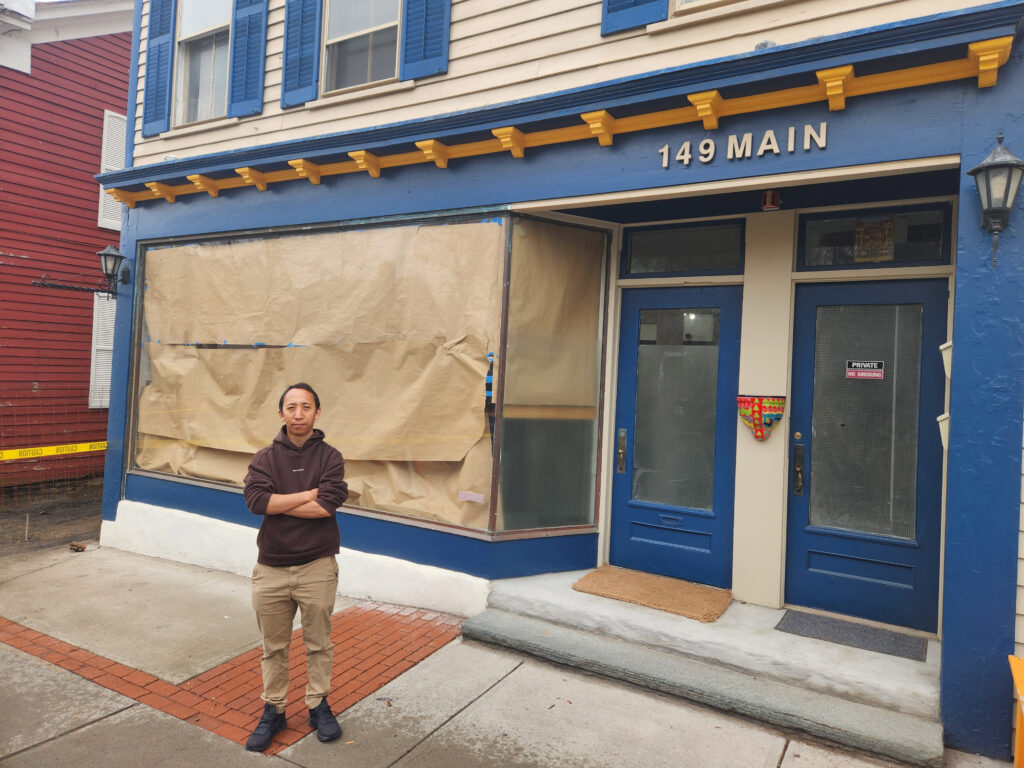
It has been more than a year since Alex’s World Bistro on Main Street closed its doors, but the spring sunshine has awoken more than the flowers this year.

The long empty storefront is suddenly a hive of activity. Contractors, an attorney and even a small child could be seen there on a recent Wednesday.

It’s all part of the next segment in the life journey of a Nepalese man who started out as a shepherd boy in a remote village without electricity or cars.

Nawang Gurung will be opening his restaurant, Norbu, in May. It will feature Nepalese and Indian food and he hopes it will also be a place where people can learn about Himalayan culture, art and religion.

He and his partner, Diki Bista, have two young daughters and they want them to grow up in a beautiful, natural surrounding like this one.

“I feel like it’s a home away from home,” he said of Cooperstown and his Himalayan homeland. “It’s like moving back to the mountains, compared to New York City.”

Norbu means jewel in Tibetan.

“For us, Cooperstown is a jewel and precious,” he said.

To Gurung, food, culture and art are linked and he wants to share it all. Norbu will be decorated with photographs of his homeland, and he is particularly excited to serve momo, a form of Nepalese dumpling.

“It is kind of like a Japanese gyoza,” he said. “In Tibet it has become a very popular food in the mountain areas.”

Cooperstown Chamber of Commerce Executive Director Tara Burke said residents and business owners were eagerly awaiting the restaurant’s opening.

“Alex’s was a beloved spot for locals,” she said. “I think there is a lot of excitement and questions about who is going into that space and what they will offer. It’s going to be a great, diverse option.”

As for Alex Webster, former owner of Alex’s, he said he “could not be happier” to see Gurung taking over the space.

“They seem like wonderful people and I am thrilled with the plans for the restaurant,” he said. “I am excited that in many ways they will continue in my effort to bring exciting, fun, quality food to the area.”

Alex’s old bar, made from sections of a bowling alley, remains in place and Gurung is in the process of getting a liquor license.

Here Because of Chocolate

Gurung’s unlikely trajectory from the mountains of Nepal has taken him through Dallas, Boston, New Haven, and New York, with time logged in some of America’s greatest universities, and the dining rooms of a number of Indian restaurants. He has worked for scholars and non-profits, but also waited tables to support himself and his family members back home.

It all began with the hope for a piece of chocolate.

“Chocolate was the only English word I knew,” said Gurung, now 37. “I am here because of that chocolate today.”

His village in the Mustang region of Nepal had been closed to tourists because of its holy connection to Buddhism, but that changed in the early 1990s when he was still quite young. Gurung and the other local children loved the chocolate that some of the outside visitors gave them and would ask for it whenever they could.

One day when 8-year-old Gurung was tending his flock of about 200 goats and sheep, he spotted a European man who seemed a likely prospect. The man didn’t have any chocolate, but he offered something that turned out to be far better. Charles Ramble was a professor of Tibetan culture at Oxford University. He spoke Nepalese and took a shine to little Gurung. He soon met Gurung’s parents and offered to take the boy to Kathmandu to get an education. They declined, but when Ramble returned a year later they accepted.

Gurung did well at the school and became interested in the study of culture and religion. After graduating he worked as an assistant for an American Fulbright scholar in Kathmandu. He then worked for an organization helping people with tuberculosis while searching for the next opportunity.

Because of his interest in religion, Gurung applied to a Baptist university in Dallas, Texas, but when they required him to be baptized in order to continue his scholarship he declined and had to leave.

Next, he went to Boston, because he had heard of Harvard University there. He couldn’t afford it and instead went to a community college nearby while working at an Indian restaurant frequented by Harvard students. They liked him and soon they were helping him sneak into classes so he could learn there.

Later he did the same in New Haven at Yale. Along the way, Ramble introduced Gurung to a Dartmouth professor, whom he briefly worked for doing research. He finally applied and was admitted to Columbia University, where he planned to major in cultural anthropology, but soon realized his small scholarship would not be enough to live on if he was to continue sending money home.

Instead of attending, he started his own project, Voices of the Himalayas, which seeks to document cultural change in Nepal, Tibet and other parts of the region. That work was funded by Dartmouth and other foundations. Later, he started working with young people from the Himalayas who live in New York, teaching them about their heritage. He is also working to document the experience of Himalayan people during the pandemic.

To Cooperstown

Gurung learned of Cooperstown from Daniel Kaufman, a linguist at Queens College whose family owns property near Fly Creek.

The two were good friends and Kaufman had mentioned Cooperstown to Gurung several times.

Gurung said it wasn’t until fall of 2022 that he considered coming up to see the place for himself after a dinner with Kaufman in Brooklyn. Starting fresh seemed more appealing to Gurung, because he had invested much of his savings in a childcare center Bista was hoping to operate, but COVID-19 had struck and the business was having difficulties.

So he and Bista hired an Uber and came up to have a look. He then spotted the empty Alex’s space and in short order put in a bid.

“It was one of the most impulsive acts I have ever seen in my life,” Kaufman said. “He wasn’t looking to move here, but he visited Alex’s and he bid on it. It was extremely spontaneous.”

Gurung, however, says there were many hints that Fate was at work.

“Always things [about Cooperstown] kept coming up,” Gurung said of the time after the Brooklyn dinner. “It was a karmic connection.”

It didn’t hurt that baseball is full of numbers that have significance in Buddhism. Nine innings, three strikes, four balls, 108 stitches on the ball.

“One hundred and eight is a very precious, holy number,” he said.

Kaufman said he had even suggested Gurung make a momo in the form of a baseball.

“I regularly come up with absurd ideas like that and usually people brush them off,” Kaufman said. “He decided he would give it a try!”

Gurung said it might be harder than he thought.

“It might be challenging,” he said. “I tried to do research on that.”

Whatever their form, Gurung will make sure they are delicious, he said.

New ‘Mee-Ka’ pop-up restaurant blends Hmong and American food cultures

New ‘Mee-Ka’ pop-up restaurant blends Hmong and American food cultures

Chef Yia Vang and his team have revamped their menu and room at 901 W. Lake St. in Uptown to start a new pop-up strategy, “Mee-Ka,” geared towards the merging of Hmong and American dishes.

Vang’s preceding pop-up store, Slurp, closed down to make place for the new cafe which will operate till early summertime 2023. The new pop-up opened Wednesday, March 29th.

The pop-up’s identify, Mee-Ka, will come from the Hmong term for “American,” signifying the enmeshing of the two cultures and its importance for Vang. 

“Growing up mother constantly asked if we desired to consume Hmong food or Mee-ka foodstuff,” reported chef and proprietor Yia Vang. “As Hmong folks, we lived in this cross-cultural condition of feeding on food that was regarded as Mee-ka but utilizing Hmong ingredients. But our Mee-Ka pop-up is not fusion food items. It is the forging of two cultures and traditions to develop a third lifestyle that we can use to join to others.” 

Mee-Ka will abide by in its pop-up predecessor’s footsteps serving a restricted menu of only six dishes, together with a handful of occasional specials and desserts.

The menu consists of recognizably common American dishes — such as meatloaf, or spaghetti and meatballs, together with a cheeseburger — whilst incorporating components and traditions from the Hmong lifestyle. Think ramen noodles as a substitute of spaghetti and meatballs that are designed of Hmong sausage.

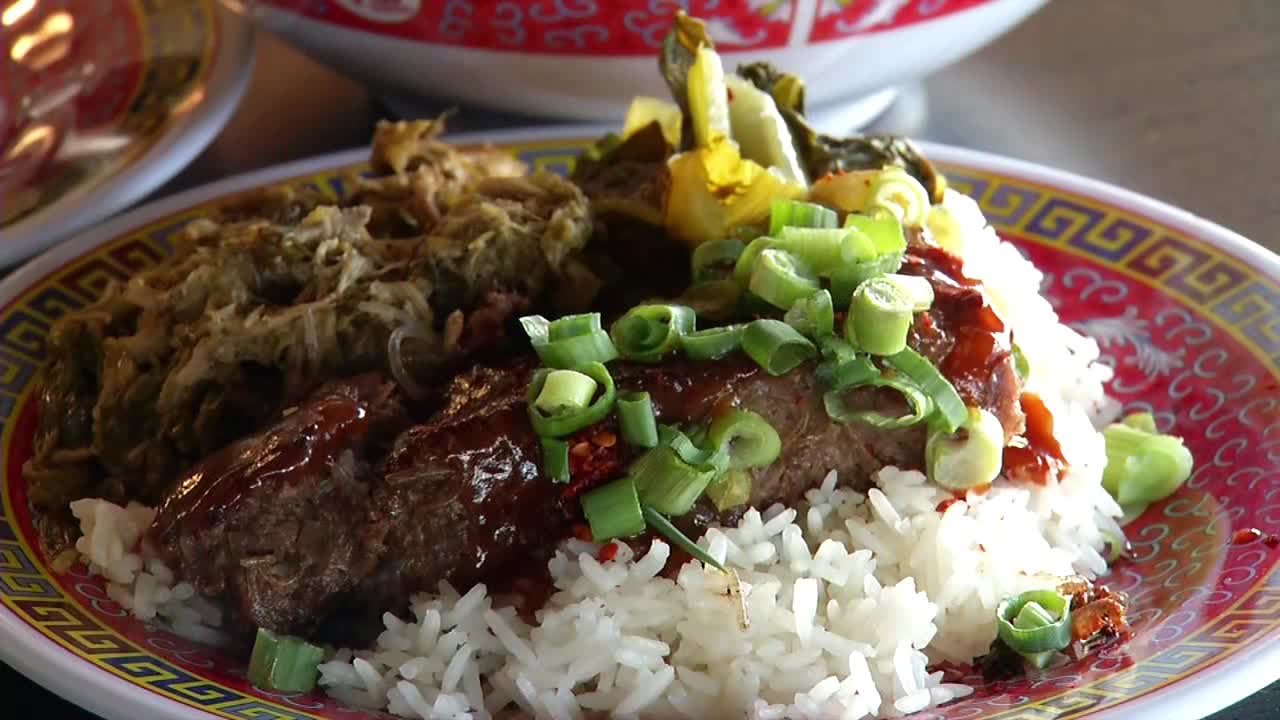
The menu also includes dishes that are conventional within the Hmong domestic, these types of as the Nqaij Tsaws (pronounced “ngai chah-uh”), a dish that includes braised pork and greens alongside with rice and roasted veggies. Cobb Laab Salad, a cheeseburger, and a pork katsu sandwich also keep area on the menu. 

“Mee-Ka is the gorgeous collision of two astounding foods cultures that impressed and made a 3rd foods society,” explained Vang. “Mee-ka was the contextual comprehending of this 3rd tradition that we unintentionally aided develop. This was a way that Hmong youngsters felt like they belonged to a new environment that didn’t look like them.”

Mee-Ka will be open up Sunday, Wednesday and Thursday from 11 a.m. to 3 p.m. and for longer several hours on Friday and Saturday, from 11 a.m. to 8 p.m.

The restaurant delivers takeout as very well as dine-in selections. Mee-Ka will not settle for reservations. The menu attributes possibilities that are gluten-cost-free as perfectly as vegan and vegetarian. Beer and wine will be accessible. 

The Mee-Ka pop-up arrives after the thriving Slurp pop-up Noodle Shop which opened in the exact same space in early 2023. The Slurp menu will no for a longer time be out there, but the solution of its return to the Hilltribe team of eating places is not off the desk. 

Smart Cooking Recipes Launches The Restaurant Replacement

Smart Cooking Recipes Launches The Restaurant Replacement


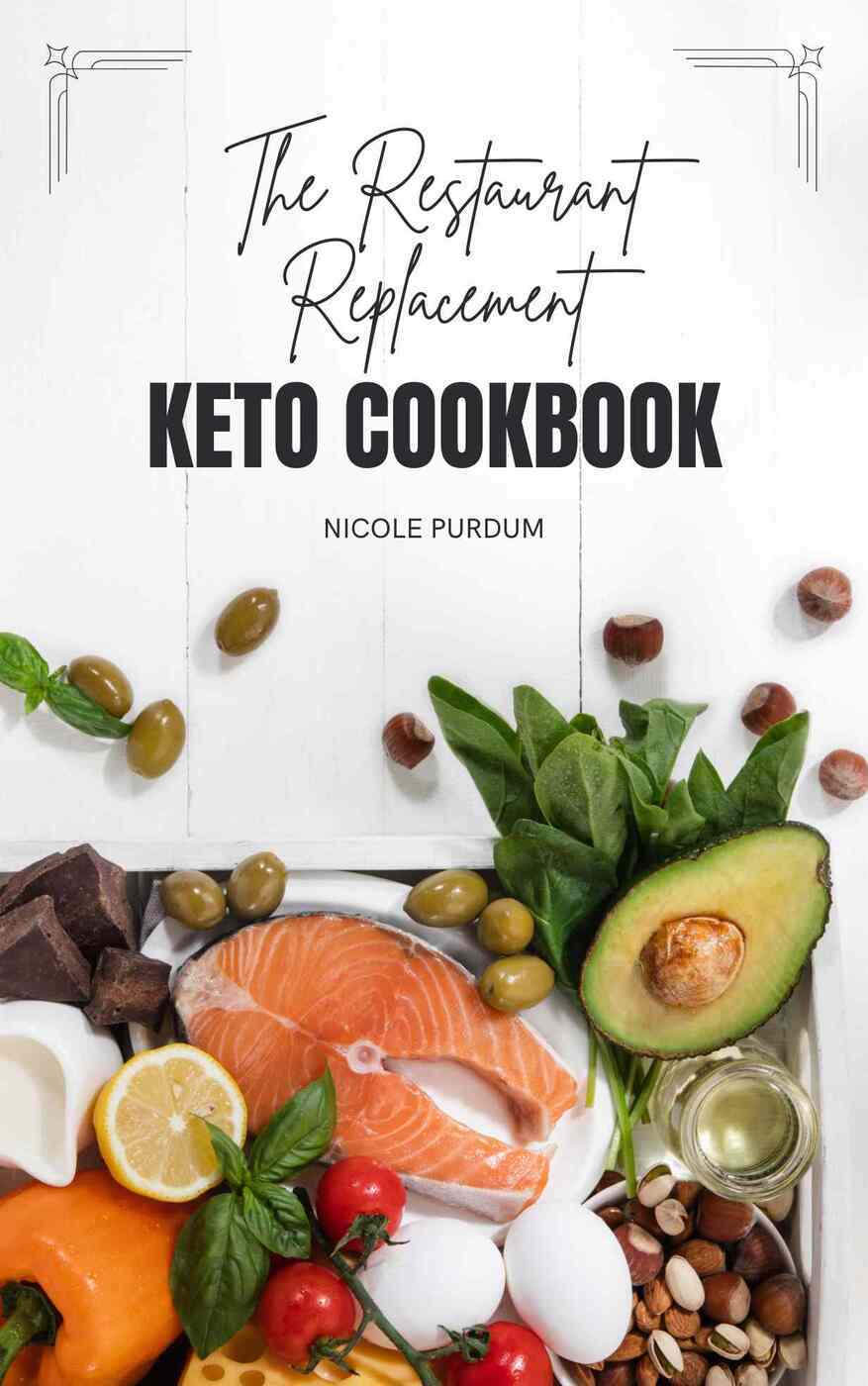
Elizabethtown, PA, Feb. 19, 2023 (Globe NEWSWIRE) — Intelligent Cooking Recipes, the renowned system for wholesome recipes and food strategies, has released The Restaurant Substitute Keto Cookbook which can help audience preserve up with their Keto Food System without compromising on the taste.

Today as there is rising awareness about ingesting proper to see lengthy time period wellness rewards, individuals are looking for wholesome and mouth watering recipes, and meal ideas to maintain up with their ambitions. There are various components to contemplate together with the availability of elements, time constraints and so forth. That is exactly exactly where Wise Cooking Recipes has made available the substantially required encouraging hand to individuals who want to start off feeding on wholesome or get issues to the following level.

The Restaurant Replacement Keto Cookbook
The Cafe Substitution Keto Cookbook

Those seeking for Keto Food plan Approach For Newcomers, will uncover recipes and meal options that are uncomplicated to stick to at the onset. Inspired by the sound start out, they come across it less complicated to keep on on their journeys. But that’s not all Smart Cooking Recipes is a a person cease source for everything which include healthful recipes and meal ideas and on the net courses that are intended to keep items easy for audience.

They can discover about cooking principles and get their fingers on Wise Cooking Recipes, which are simple to execute. The system is unbelievably passionate and concentrated on Keto and Gluten No cost diets, which are recognised to have their wide ranging positive aspects. Those hunting at Keto Diet program Approach For Pounds Loss will obtain a large range of alternatives that acquire them nearer to their targets without having compromising on the flavor.

And now it has released The Cafe Replacement Keto Cookbook, which has anything they might need in one spot. The e book is built to assistance audience determine out how to make restaurant good quality meals at house in just 15 minutes or a lot less. With the assist of the information and recipes they can obtain in the cookbook, they can reduce out the extra fat-inducing energy and stay in Ketosis in a uncomplicated and pleasurable way.

Delectable Keto Lunch Suggestions are just one of the book’s hallmarks, which also has sensible recipe for dinners. These are restaurant high quality foods but men and women can now make them at house at a fraction of the value. From connoisseur beef taco salad to keto helpful bread, the cookbook has it all covered for fans seeking for the ideal Keto Meal Program.

These recipes can be prepared at the commencing of the 7 days to help you save the stress of cooking routinely, and also have to have nominal prep time. These tailor made handcrafted recipes use the most widespread substances that can be very easily identified in the kitchen, which will save readers massive expenses way too. Hence with the Cafe Alternative Keto Cookbook, Wise Cooking Recipes has ensured that people adhere to the policies of Keto rapidly and conveniently to see its amazing advantages.

About The Cafe Substitution Keto Cookbook

The thorough on the internet useful resource has designed its mark with viewers by featuring them balanced recipes and food programs, particularly concentrating on Keto and Gluten totally free diets that really don’t compromise on the taste.

###

Media Speak to

The Cafe Substitution Keto Cookbook

URL: https://smartcookingrecipes.com/

Telephone: (717) 333-0317