WASHINGTON, Nov. 29, 2022 – This month, Agriculture Secretary Tom Vilsack announced that USDA’s Food and Nutrition Service is proposing changes to the foods prescribed to participants in the Special Supplemental Nutrition Program for Women, Infants and Children, known as WIC. These science-based revisions incorporate recommendations from the National Academies of Science, Engineering, and Medicine (NASEM) and the Dietary Guidelines for Americans, 2020-2025.
The WIC food packages are specifically designed to supplement the foods and beverages participants already consume and fill in key nutritional gaps to support healthy growth and development. Food and Nutrition Service, or FNS, is proposing changes to align the food packages with the latest nutrition science and support equitable access to nutritious foods during critical life stages.
Taken collectively, the changes will increase the current level of assistance while providing WIC state agencies with more flexibility to tailor the packages to accommodate personal and cultural food preferences and special dietary needs and increase variety and choice for WIC participants, making the program more appealing for current and potential participants.
“USDA is committed to advancing maternal and child health through WIC, helping mothers, babies and young kids thrive,” said Agriculture Secretary Tom Vilsack. “These proposed changes will strengthen WIC – already an incredibly powerful program – by ensuring it provides foods that reflect the latest nutrition science to support healthy eating and bright futures.”
“For the more than 6 million moms, babies and young children who participate in WIC – and the millions more eligible to participate – these proposed revisions have the potential to make positive, life-long impacts on health and well-being,” said Stacy Dean, deputy undersecretary for food, nutrition, and consumer services.
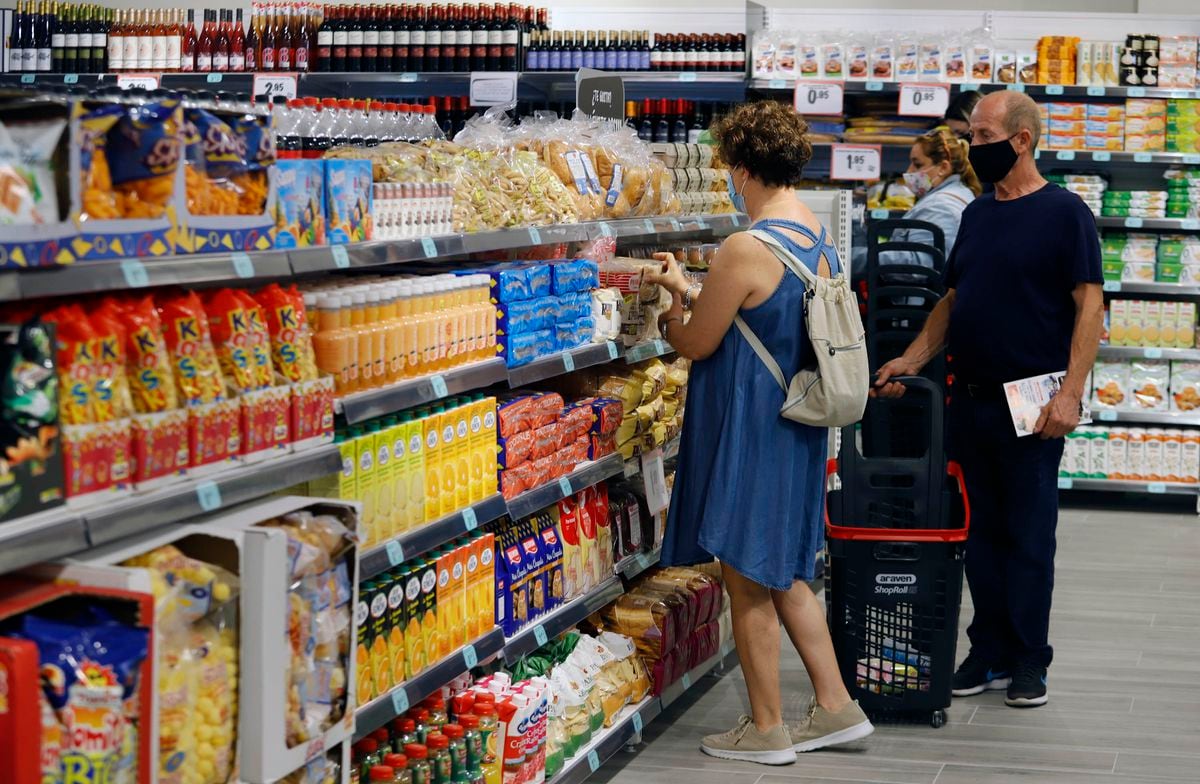
The proposed revisions support fruit and vegetable consumption by increasing the amount provided and the varieties available for purchase. Congress previously implemented a significant but temporary boost to the benefit provided to WIC participants for purchasing fruits and vegetables. FNS proposes making that increase permanent, providing participants with up to four times the amount they would otherwise receive. FNS also proposes revisions that give participants a greater variety of fruits and veggies to choose from and adjust the quantity of juice to reflect nutrition guidance, which emphasizes whole fruits and vegetables.
To view a media toolkit with additional information on the WIC food packages announcement, please view the WIC Food Package Media Toolkit page. For a Q&A on the proposed changes to the WIC food packages, please view the WIC Food Packages Proposed Revisions Q&As page.
See below for what they are saying:
House Appropriations Committee Chairwoman Rosa DeLauro
“WIC reaches over 6 million mothers, infants, and children – and is a vital tool in our work to end hunger in the United States. The program is evidence and science based and delivers life sustaining outcomes for mothers and their children. The rule announced today will build on the National Strategy released at the White House Conference on Hunger, Nutrition, and Health, and offer more choice and flexibility to program participants. I am especially proud that it extends the increases in the cash value voucher, which we established in the pandemic response bills and which I helped maintain through our government funding bills as Chair of the House Appropriations Committee. I thank my friend Secretary Vilsack for his work to produce this rule that will move forward our work to end hunger.”
House Rules Committee Chairman Jim McGovern
“The historic reforms announced today by the USDA prove we are making exciting progress following September’s successful White House Conference on Hunger, Nutrition, and Health. Strengthening the WIC program and reducing disparities within our existing anti-hunger safety net build on the conference’s momentum and directly reflect key objectives within the Administration’s new national strategy. Together, these changes will make a tangible difference in the lives of low-income mothers, infants, and children in communities where quality food is often too expensive or not available.
“My sincere thanks go to Secretary Vilsack and the Administration for ensuring everyone in this country has access to nutritious food. This takes us another step closer in our fight to end hunger and improve the health of every American.”
House Education and Labor Committee Chairman Bobby Scott
“The Food and Nutrition Service’s (FNS) proposed rule makes critical improvements to the Special Nutrition Program for Women, Infants, and Children (WIC). By advancing a science-based review of the foods available and expanding options that align with dietary guidelines, more families will be able to access the food they need to live healthier lives. These steps are particularly important considering the continued inequities in access to nutritious food and disproportionate impact of diet-related conditions in low-income areas. Today’s announcement is further evidence that the Biden-Harris Administration is committed to helping every family put nutritious food on the table.”
Civil Rights and Human Services Subcommittee Chairwoman Suzanne Bonamici
“Today’s update to the WIC food package is an essential update to enhance healthy food access some of the most vulnerable in our country, including infants and pregnant and nursing moms.”
Senator Cory Booker
“It is great to see USDA’s new proposed rule increase WIC’s fruit and vegetable benefit. The new WIC package will strengthen a program that is proven to help mothers and babies flourish.”
Congressman Joaquin Castro
“I applaud USDA for its proposed updates to WIC, which will enhance the nutritional quality of food packages and increase support for dietary needs & cultural preferences. These key changes will help families across the nation lead healthier lives.”
Senator Lisa Murkowski
“Since 2014, I’ve been advocating that more low-mercury fish, like Alaska wild salmon, be included in the Special Supplemental Nutrition Program for Women, Infants, and Children (WIC) program. I am pleased that USDA’s proposed rule for updating WIC food packages will do just that. Once this rule is final, moms and young children across the country will be able to add more healthy Alaska wild salmon to their diets.”
Congresswoman Kim Schrier
“Last year my bipartisan bill was signed into law that allows WIC families to receive higher benefits to purchase fruits and vegetables during the pandemic. I’m thrilled that USDA is making this change permanent. So many pregnant women and young children will benefit!”
Former Agriculture Secretaries Dan Glickman and Ann Veneman
“The proposed rule released by USDA on the WIC food packages is a win for food and nutrition security for the over six million WIC participants. With the increase in the overall value of the WIC benefit and updated food packages that align with current nutrition science, including the 2017 National Academies of Sciences, Engineering, and Medicine recommendations and the 2020-2025 Dietary Guidelines for Americans, these updates maintain WIC’s role as a strong public health nutrition program. We are pleased to see that these changes align with our policy recommendations from our Strengthening Child Nutrition Programs report released earlier this year.”
American Heart Association Executive Vice President of Advocacy Mark Schoeberl
“A healthy diet is key to promoting proper development, growth and overall health. The WIC program plays a vital role in providing nutritional support to pregnant, postpartum and nursing women, and infants and young children. The American Heart Association strongly supports USDA’s efforts to update the WIC food package to reflect current nutrition science and increase access to nutritious, culturally appropriate foods.”
American Academy of Pediatrics President Moira Szilagyi, MD, PhD, FAAP
“The American Academy of Pediatrics has long championed the importance of the WIC program, which offers nutritious, healthy foods for mothers and babies. Pediatricians interact regularly with WIC and routinely refer patients to the program. WIC is effective because its food packages are based on what scientific experts recommend to meet the nutritional needs of pregnant and breastfeeding women and young children. We support USDA’s efforts to move forward with a science-based process to update WIC food packages and look forward to providing feedback on the rule.”
American Public Health Association Executive Director Georges C. Benjamin, MD
“Ensuring that families have access to adequate nutrition is a key method to promoting health equity and ensuring healthier future generations. The WIC nutrition program is science-driven and addresses nutrition gaps faced by vulnerable families and children – increasing the value of the WIC program would further expand its public health reach and is a change fully supported by the American Public Health Association.”
Academy of Nutrition and Dietetics President Ellen R. Shanley
“Increasing access to healthful foods is an imperative step to achieving health equity. Serving millions of participants every day, WIC improves health outcomes for pregnant mothers, babies and children. So it is essential that the WIC food packages contain important nutrients and improve diet quality while also being mindful of people’s cultural preferences and customs. The changes announced today will provide welcome advancements in each of these areas.”
Association of Maternal and Child Health Programs CEO Terrance E. Moore
“Access to fresh fruits and vegetables is critical to the health and wellbeing of pregnant, postpartum, and breastfeeding individuals, as they need substantial amounts of nutrients to support both their own health and the health of their developing baby […] By establishing a permanent increase to fruit and vegetable benefits for WIC participants, the USDA can significantly address disparities in health equity by providing all families the opportunity to achieve a healthy nutritional status during pregnancy and the critical first year postpartum.”
Bread for the World President and CEO Rev. Eugene Cho
“Making the WIC ‘fruit and vegetable bump’ permanent will increase families’ access to nutrition at a time when food prices continue to rise. The 1,000 days between pregnancy and a child’s second birthday is the most critical period in their development. Children who lack good nutrition during this time are significantly more likely to experience lifelong health problems, along with physical and intellectual delays. A permanent fruit and vegetable bump will ensure millions of children receive the nutrition they need to thrive.”
Center on Budget and Policy Priorities President Sharon Parrott
“The proposed changes, recommended by the National Academies, position WIC to strengthen its proven record of improving birth outcomes, diets, and development and help reduce racial disparities in maternal and child health outcomes. We will continue to work to make sure low-income families get and stay connected to WIC to help them stay healthy and thrive.”
Center for Science in the Public Interest Executive Director and President Dr. Peter Lurie
“We commend the USDA for proposing an update to the WIC food package that is achievable and science-based. It will ensure that women, infants, and children participating in the program get the nutrition they need, particularly with an increase in fruit and vegetable benefits and strengthening key nutrition standards, while honoring food choices and cultural preferences.”
Evangelical Lutheran Church in America Senior Director Rev. Amy Reumann
“The Evangelical Lutheran Church in America recognizes that families need access to sufficient and nutritious food to thrive. As a society, we must dismantle the barriers to health that stand in the way of each person reaching their potential. This mission is directly supported by the Women, Infants, and Children (WIC) program in its purpose to support and promote maternal and child nutrition. The proposed WIC food package rule contains essential improvements that are vital to ensuring a healthy start for all children, no matter their economic status.”
Feeding America Chief Government Relations Officer Vince Hall
“For nearly fifty years, WIC has worked to put food on the table for families and ensure children have access to the nutritious foods they need to grow and thrive. The Feeding America network has long partnered with WIC providers to strengthen food security in communities across the country. USDA is now delivering on a key commitment included in the National Strategy by working to expand access to healthy foods in long-overdue updates to the WIC food packages. Coupled with new investments in WIC program modernization, we are encouraged that a stronger and more robust WIC program can continue to reduce hunger and improve health outcomes for the next generation.”
Food Research and Action Center
“The Food Research & Action Center (FRAC) commends the U.S. Department of Agriculture (USDA) for today’s announcement of the proposed food package for the Special Supplemental Nutrition Program for Women, Infants, and Children (WIC), which will go a long way in making this critical program even healthier, more accessible, and easier to use.
The proposed WIC food package will build on the White House “National Strategy on Hunger, Nutrition, and Health” to modernize WIC by supporting the increased value of WIC’s fruit and vegetable benefit, allowing additional flexibility in food package sizes, increasing accessibility to culturally relevant food options, and fastening alignment with the 2020–2025 Dietary Guidelines for Americans.
This package is a step in the right direction toward increasing program participation, improving WIC participants’ health outcomes, addressing health inequities, and ultimately, helping end hunger in this country.”
Hennepin County Medical Center Chair of Pediatrics and Co-Lead Principal Investigator for Children’s Health Watch Dr. Diana Cutts
“I see the power of WIC to promote health in my clinic every day. Boosting benefits for fruits and vegetables in WIC has a profound impact on a family’s ability to offer their child a wide variety of foods, which are necessary for establishing a strong foundation of healthy eating.”
Indigenous Food and Agriculture Initiative Executive Director Erin Parker
“WIC’s targeted nutrition support is particularly crucial for strengthening pregnancy and birth outcomes in Indigenous communities. WIC food packages’ inclusion of more fruits, vegetables, seafood and whole grains furthers the closing of disparities in access to healthy foods while respecting cultural eating patterns and tribal customs. With more than thirty tribes and intertribal councils directly administering WIC services, robust WIC benefits translate to healthier outcomes and return money to local businesses and farm economies in Indian Country.”
Leslie, a mother of three participating in Arkansas WIC
“The increase for purchasing fruits and vegetables has been so helpful! My two-year-old has had the chance to try new fruits and vegetables that I would not have been able to purchase for her otherwise. She loves trying new foods and I love getting to give her healthy options.”
March of Dimes Senior Vice President for Public Policy and Government Affairs Stacey Brayboy
“As an organization leading the fight for the health of all moms and babies, March of Dimes applauds the Biden Administration and the U.S. Department of Agriculture (USDA) for its proposed rule revising the Supplemental Nutrition Program for Women, Infants, and Children (WIC) program in an effort to reach more pregnant and postpartum women, and their babies. As preterm birth rates continue to rise in the U.S., the country needs leadership to ensure that expecting moms are supported throughout their entire pregnancy, including access to healthy foods, especially for families in underserved communities. This proposed rule will help address this crisis by increasing access to healthy foods for pregnant women and their families.”
MAZON: A Jewish Response to Hunger President and CEO Abby J. Leibman
“The Biden-Harris Administration clearly understands the effectiveness of federal nutrition assistance programs like WIC, which provides critical support to millions of families around the country. USDA’s proposed changes build on the longstanding success of WIC, promising to improve and strengthen the program in some critical ways. We are particularly pleased to see the proposals to permanently increase the value of the WIC benefit that will enable healthier food purchases, align the increased value with science-based recommendations, enhance the WIC shopping experience, and support the different needs of the diverse WIC population with a greater range of culturally and religiously-appropriate food options. In light of the recent White House Conference on Hunger, Nutrition, and Health, it is clear that charity alone cannot end hunger — we must strengthen our country’s safety net and advance bold solutions to improve the systems that allow hunger to persist.”
MomsRising Executive Director and CEO Kristin Rowe-Finkbeiner
“Millions of moms and families are struggling with the high cost of groceries and other necessities,” said MomsRising Executive Director and CEO Kristin Rowe-Finkbeiner. “Moms support the new proposed rule because it will – at long last – increase the value of the WIC benefit and incentivize and support the purchase of healthy food. Moms welcome the flexibility to maximize variety and choice so we can purchase the foods that our families want and need most. In turn, these changes would provide a significant and welcome boost for our children’s health. Nothing is more important than ending hunger and food insecurity and keeping kids and families healthy.”
National WIC Association President and CEO Dr. Jamila Taylor, PhD
“USDA’s action today to revise the WIC food packages underlines what the White House made clear in their National Strategy: WIC will play a critical role in building a healthier future for families. WIC’s targeted nutrition intervention is already proven to reduce healthcare costs, close nutrient intake disparities, and improve health outcomes for low-income families and communities of color. The proposed revisions will build on this strong record of public health success by following independent, evidence-based recommendations from the National Academies. We applaud USDA’s thoughtful steps to strengthen WIC by enhancing the value of benefits for underconsumed food groups like fruits and vegetables, strengthening nutrition standards to improve whole grain intake and decrease consumption of added sugars and saturated fats, and expanding healthy choices through package size flexibility and inclusion of a broader range of cultural foods.”
National Indian and Native American WIC Coalition Chair Cheri Nemec
“Fruits and vegetables were staple in the traditional diets of Native Americans. The increased cash value benefit has given families the opportunity to bring more fruits and vegetables into the home, especially as access to affordable fruits and vegetables is a challenge in rural tribal communities. This helps our Indigenous families provide more foods from those traditional diets that promote good health. With an even stronger food package, WIC can have a further reach to ensure families have the foods and complementary nutrition education on how to prepare nutritious meals that highlights and respects the foods of their ancestors.”
NETWORK Lobby Executive Director Mary J. Novak
“Our Catholic faith holds that children are a blessing and a gift from God. As such, special care must be taken to ensure that children and their families have what is necessary to live healthy lives including combating disease caused by low-quality food. NETWORK welcomes the Biden Administration’s newly proposed WIC regulation to increase the dollar amount of the cash voucher and update food guidelines consistent with the science allowing a wider variety of foods, including vegetables, fruits, and whole grains. This regulation is grounded in the best of our values. Since it serves more than 6.2 million people, mothers and their infants, and young children, it will have a transformative impact on countless lives both in the short and long term. As people of faith we say, Amen.”
Oklahoma State Department of Health’s Jennifer Ortiz, MS, RD, LD
“Oklahoma WIC is proud to provide nutritious supplemental foods and nutrition education to families across our state. We are pleased that USDA is moving to update the food packages we provide to families in a manner consistent with the latest science. In particular, the expansion of the Cash Value Benefit for fruits and vegetables has been tremendously beneficial for the food security and promotion of health for our families over the past 17 months. We are excited that USDA recognizes the profound impact of this increase and will make this change permanent. Additionally, Oklahoma WIC has long prioritized the provision of whole grain cereals to participants as consumption of whole grains is prioritized by the Dietary Guidelines and associated with reduced risk of a myriad of chronic diseases. We welcome USDA’s steps to align every WIC program in providing whole grain-rich cereals so that all WIC participants may enjoy the benefits of increased whole grain consumption.”
Salud America! National Latino Health Equity Program at UT Health San Antonio Director Dr. Amelie G. Ramirez
“WIC remains one of the nation’s most successful, cost-effective public health nutrition programs. WIC participants, including those who are Hispanic/Latino, are more likely to have a more nutritious diet and better health outcomes, with participation tied to fewer infant deaths, fewer premature births, increased birth weights, and lower health care costs, according to research.”
Share Our Strength Senior Vice President Lisa Davis
“The WIC Cash Value Benefit allows families to purchase fresh fruits and vegetables their growing children need, providing flexibility to buy those that are culturally relevant and their kids will eat and enjoy. Permanently increasing this important and valued benefit will make sure families have even more access to fresh fruits and vegetables; it also supports local farmers and food vendors, leading to stronger local economies.”
Texas Association of Local WIC Directors Benny Jasso
“As nutrition professionals, we see the effects of food insecurity in families that cannot afford nutritious foods. The new WIC food package allows families more flexibility to make sound food choices according to the family health needs, culture, and preferences. The increased access to fruits, vegetables, whole grains, protein, and dairy options will support the nutrition messaging in public health nutrition to address the health disparities in our communities by removing barriers which can make maintaining good health difficult.”
Tufts University’s Dr. Dariush Mozaffarian, Dean for Policy and Jean Mayer Professor of Nutrition at the Friedman School of Nutrition Science and Policy and Co-Chair of the Task Force on Hunger, Nutrition, and Health
“WIC is a cornerstone of American health policy, where science-based nutrition standards and public health programming meet to provide mothers and children with critical access to the healthy foods they need to grow and thrive. I applaud the Administration for advancing its National Strategy commitment to make meaningful improvements to WIC, increasing nutrition security for American families and allowing our nation to build a stronger, healthier future.”
UnidosUS Senior Vice President of Policy and Advocacy Eric Rodriguez
“As it has in the past, if adopted, the proposed package will advance health equity as it brings healthier food options to many lower-income, Latino neighborhoods throughout the country. By giving Latino families improved access to affordable fruits, vegetable, and whole grains, USDA’s proposed standards will lower rates of diseases like diabetes, heart disease, and obesity that disproportionately harm low-income Hispanic families, primarily because of barriers they face to accessing healthy and affordable food.”
U.S. Breastfeeding Committee Executive Director Nikia Sankofa
“The WIC program comprises a critical piece of the national infrastructure supporting infant and young child nutrition security. The WIC Breastfeeding Peer Counselor program and other WIC breastfeeding promotion and education resources serve as a crucial lifeline for millions of families who want to breastfeed. WIC is an obvious and effective conduit for advancing lactation and other science-based nutrition standards outlined in the Dietary Guidelines for Americans.”
#
USDA is an equal opportunity provider, employer, and lender.