
Outdoors with Luke: Luke shares outdoor cooking tips | Sports

Outdoors with Luke: Luke shares outdoor cooking tips | Sports

  If you’ve been reading my column the past couple weeks, you’ve seen my account of a successful turkey hunt on the famed Y.O. Ranch near Mountain Home down in the Texas Hill Country.

  As Mr. Paul Harvey used to say, this week, I’ll relate to you the “Rest of the story.”

  To me, a hunt or a fishing trip are not complete until I cook and enjoy a meal from my harvest from the woods or water. Through the years, I’ve learned a lot of different ways to cook fish and game from others and I’ve done a great deal of experimenting on my own. One of my favorite recipes I learned is from the late Bob Hood. Bob loved cooking with dutch kettles over campfire coals and we often prepared this dish for a noon-time meal after a successful quail hunt out in West Texas. The ingredients are pretty basic; a kettle full of quail, 1.5 sticks of butter, quail, 4 rows of Ritz Crackers and salt and pepper.

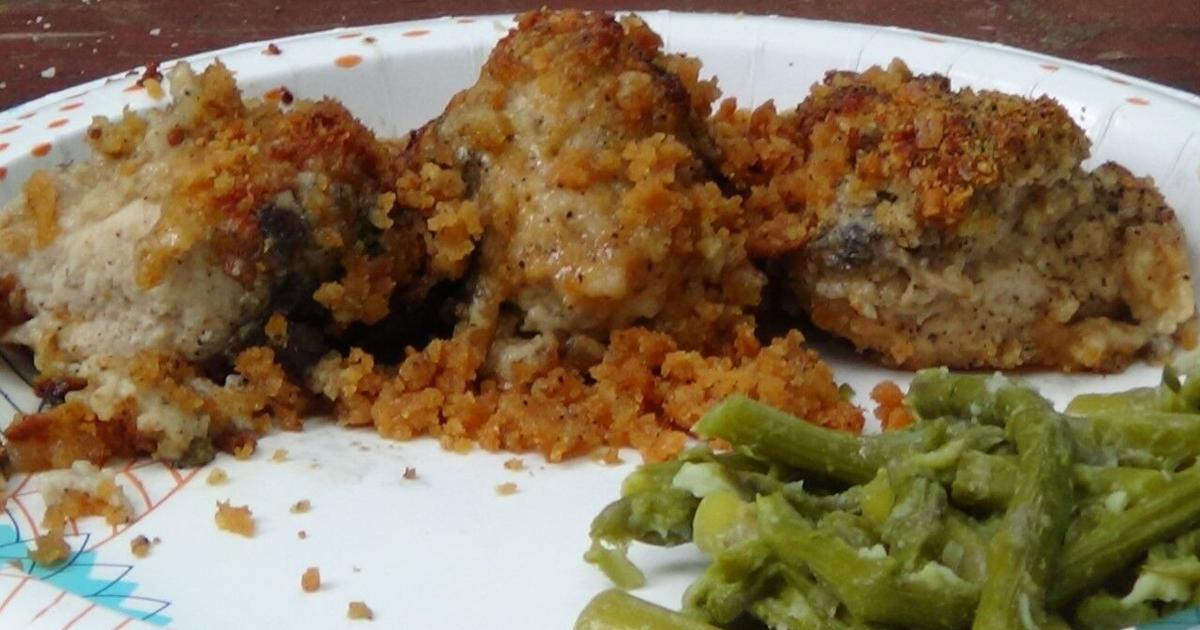
  After this recent turkey hunt, I decided to substitute the white meat from my gobbler for the quail Bob and I usually cooked. I cut the breast meat into pieces about the size of a quail, coated them with melted butter and then covered them with cracker meal. I do most of my campfire cooking in a big cast-iron skillet with lid and a #10 dutch kettle. The key to success with a dutch kettle is to make sure you do not get too much heat under the pot. A good rule of thumb is about 13 charcoal briquettes on top of the recessed lid and about seven or eight underneath. I usually cook with embers from the campfire but briquettes are much easier to work with until you learn how to gauge the heat. Of course, the amount of heat depends upon the ambient air temperature. When it’s freezing and windy outside, it obviously requires more heat to bring the kettle up to cooking temperature. When the air temperature is 70 degrees or more, the basic 13-above and 7-below formula works just fine.

  It’s important to have extra cracker meal to cover the pieces of breast meat; an ample amount of black pepper on top is a must! While the kettle is working its magic, rotate the lid with coals 180 degrees and pick up the entire kettle and turn it the opposite direction. This helps to distribute the heat and avoid hotspots. It takes somewhere around 40 minutes once the coals are placed on top but it’s a good idea to gingerly pull the lid after about 30 minutes for a check. 

  Cooking with cast iron over a campfire is a bit more challenging than setting the kitchen oven at the desired temperature and removing the finished product when the timer sounds but dutch kettle cooking is not rocket science.

  You will find that the aroma coming from that kettle will have your friends hovering just downwind with plates, fork and knives ready to dig in but give it about 40 minutes. Fight them off if you must! About two quail-size pieces of the turkey breast, covered with extra Ritz cracker crumbs is about right for the average person. Grilled asparagus is in season now and it makes a great side dish to this meal.

  Through the years, I have encountered a lot of turkey hunters that have no idea how to prepare the legs and thigh meat from wild turkeys. Wild turkey, unlike their domestic counterparts, have to use their “landing gear” for motivation while foraging for food, often traveling many miles each day. A wild turkey drumstick is extremely tough. I’ve seen guys try to grill them and it would take the teeth of a grizzly bear to chew the meat! With 10 or so tiny feather bones it can be a challenge to cook but years ago I learned from an old Mexican cook down on the border how to make the best fajitas out of wild turkey legs and thighs. The trick to tenderizing any cut of tough meat is slow cooking with moisture.

  I begin with placing the dark meat in heavy duty aluminum foil and coating with olive oil, then sprinkling with a generous amount of Fiesta Fajita seasoning. I use my Smokin Tex electric smoker set at 225 degrees for an hour to give the pieces plenty of smoke flavor; pecan wood is my favorite but hickory or any fruit wood also gives the meat a great flavor. After the pieces are smoked, add a bit more oil and just a little water or apple juice, then wrap tightly and allow to steam/bake for five or six hours. Make sure and check for doneness after four hours. I then hold the end of the drumsticks to keep the little feather bones intact and strip the meat away. The thigh meat will simply fall off the bone. I often freeze the smoked/seasoned meat and make fajitas later. If I’m at camp with friends, I toss the meat in a cast-iron skillet with a bit more seasoning, onions, bell pepper and onion and enjoy some very fresh camp fajitas. Wrapped in a hot flour tortilla and garnished with cilantro and a bit of picante sauce, these fajitas will rival those you enjoy at your favorite restaurant.

  Note: If you haven’t had a successful turkey season thus far, you can substitute chicken breast in either of these recipes or, for the dutch kettle recipe, cornish hens. Just make sure and have plenty of that Ritz cracker meal! You will thank me when you spoon a generous pile of the cracker meal on the dutch kettle baked fowl! And wrap five or six pieces of asparagus in bacon for the grill. The bacon bastes the asparagus while cooking and adds a great deal of flavor. You might want to dust it with a bit of garlic powder to add even more flavor!

  Contact outdoors writer Luke Clayton through his website www.catfishradio.org

Let’s Cook: The Tasty Road of Tapioca | News, Sports, Jobs

Let’s Cook: The Tasty Road of Tapioca | News, Sports, Jobs


Working in assisted living centers in the activity department has given me some fine insight and great hints for cooking, baking and entertaining. Think about it. We have many people who retired to these centers with a vast amount of range time. They have seen it all! From cooking on wood stoves to hauling every drop of water needed, managing kitchen duties in limited space plus having access to farm eggs, cream and more! They have also strolled the road of dishwashers, harvest gold and avocado appliances, many kitchen gadgets that were supposed to save time, and the rage of microwave cooking that could have possibly retired the range!

When these seasoned cooks and bakers come to an activity that focuses on food, they are not tepid in expressing lessons that they have learned while stirring, slicing and creating in the kitchen. Granted, cooking shows reveal many tips about preparing food. However, being in the company of souls who have stood in the front line with spatulas, strainers, pressure cookers and worked often without several kitchen convivences is a true insight to family style cooking — plus, it is altogether entertaining and educational. I can not begin to tell what a joy it is to be steeped in their vast knowledge.

Tapioca has long been a favorite dessert in our home. Upon preparing it for these veterans of the stove, it was back to the future as they dug out their tapioca recipes and knowledge. These wise mothers who understood the whims of their children’s appetites and how to intrigue them with dishes that are appealing, yet nourishing and healthful. They didn’t need to google the fact that growing children need plenty of carbohydrates to furnish sufficient energy for the active little bodies. The realized that carbohydrates in Minute Tapioca is an easily digested form. How ideal!

While in conversation with these crown jewels of the kitchen canisters, they expressed that since Minute Tapioca is partially cooked and ground before packaging, it requires no soaking (like pearl tapioca) and needs only brief cooking over hot water or other liquid to be ready for a number of uses. As you find in these recipes, tapioca combines well with milk and egg–plus, it is a time saver. As one of the ladies stated “Minute Tapioca was a time saver allowing me to do other household duties yet have attractive meals.”

Thank you to the Sunny Seniors who have delighted me and others with many great cooking tips and tricks. I have learned a great deal from you and I know that there is more to come. By the way, talk on tapioca is to be continued as I have much more to say and share about this cupboard delight.

Fluffy Tapioca Cream

This is an easy, delicious and attractive dessert that will tempt you to go adventuring and invent other creative toppings such as minted orange, fancy fig and even a top hat of chocolate! Oh, the possibilities!

As Lydia stated as she finished this featured dessert, “Dad, this is always so good!”

2 eggs, separated

6 tablespoons sugar, divided

¼ teaspoon cream of tartar

3 tablespoons Minute Tapioca

2 cups milk

1 teaspoon vanilla extract

Beat egg whites in a medium bowl with mixer on high speed until foamy. Add cream of tartar and gradually beat in 3 tablespoons of sugar until soft peaks form. Set aside.

Mix tapioca, milk, egg yolks that have been slightly beaten, and remaining sugar in medium saucepan. Let stand 5 min. before heating.

Bring to a full boil (a boil that doesn’t stop bubbling when stirred) on a medium heat, stirring constantly. Remove from heat. Add egg white mixture, fold until blended but not totally smooth. Add vanilla.

Transfer to attractive dessert dishes. Serve warm or chilled. Keep refrigerated. Makes 6-8 servings.

Rosy Raspberries

2 cups of fresh raspberries

¼ cup fresh or prepared orange juice

¼ powered sugar

Teaspoon of grated orange rind

Blend together carefully and let set 30 minutes before serving.

Egg Salad Sandwich Filling

I received this recipe from Cecilia Howe after a presentation on tapioca dessert at an assisted living center. The beauty of this recipe is the fact that it uses less mayonnaise and the taste is delicious. It also sets up very nicely for open face sandwiches. If used for open face sandwiches, sprinkle with dill weed before serving.

3 tablespoons Minute Tapioca

½ teaspoon salt

½ teaspoon pepper

1 cup milk

4 hard-boiled eggs, finely chopped

4 tablespoons celery, finely chopped

2 tablespoons sweet pickles, chopped

2 tablespoons liquid from pickles

1 tablespoon mayonnaise

1 teaspoon Worcestershire sauce

A dash of tabasco


Today’s breaking news and more in your inbox


Connecting food to culture | News, Sports, Jobs

Connecting food to culture | News, Sports, Jobs

-Messenger photo by Kelby Wingert

Chef John Sugimura helps FDMS student Ben Touney wrap a Japanese gyoza dumpling on Wednesday afternoon.

Students in the special education classes at Fort Dodge Middle School learned from a pro how to expertly fold Japanese gyoza dumpling wrappers on Wednesday.

Second-generation Japanese-American Chef John Sugimura, a corporate chef with Taher Inc., is visiting the Fort Dodge Community School District this week to share the culture and food of Japan. He spent Tuesday with the culinary arts classes at Fort Dodge Senior High.

“The point is to give them a hands-on foodie experience with a recipe that they’re not familiar with, to open up their world to include Japan,” Sugimura said. “To give them an opportunity to taste something, to smell something, to chop up something that was unfamiliar to them.”

On Wednesday, Sugimura visited the special education classes at FDMS and gave them a tutorial on crafting the perfect gyoza.

“A Japanese dumpling is folded the same way every time,” Sugimura said. “We make it pretty. Japanese cooking is about making pretty food.”

-Messenger photo by Kelby Wingert

Fort Dodge Middle School student Tayt Lind checks out a Japanese gyoza dumpling wrapper he folded with the help of Chef John Sugimura on Wednesday.

Sugimura is an expert in Japanese cuisine and a master sushi chef. He’s competed on “Guy’s Grocery Games” on Food Network and will be competing on the upcoming season of “Iron Chef.”

Sugimura doesn’t just teach students how to make gyoza dumplings — he connects the dumplings to Japan’s culture and how food fits in with its history.

“It’s expanding their horizons and gives them common ground,” Sugimura said. “Most people don’t really know anything about Japanese food.”

“It’s been a joy having him here,” said Chef Nick Sells, Taher chef director for the FDCSD.

Taher has several corporate chefs who travel to different school districts across the country to teach students about different national cuisines and cultures and to bring authentic foods to students, Sugimura said.

-Messenger photo by Kelby Wingert

Students in the special education classes at Fort Dodge Middle School had the opportunity to try some Japanese gyoza dumplings made by Chef John Sugimura on Wednesday.

Gyoza dumplings are the most popular and iconic dish in Japan, he said. During lunch at the middle school and high school at the end of this week, Sugimura will be serving Japanese fried chicken bowls, which he said is probably the second-most popular dish in Japan.

“So they’re getting a really good sample of what Japanese food is about,” he said.

Taher Inc. is the management company that oversees food service across the FDCSD.


Today’s breaking news and more in your inbox