
This recipe for coconut meringue cake may really be the ‘world’s best’

This recipe for coconut meringue cake may really be the ‘world’s best’

Coconut Meringue Layer Cake

Active time:1 hour

Total time:3 hours, plus chilling time

Servings:8-10

Active time:1 hour

Total time:3 hours, plus chilling time

Servings:8-10

Comment

I first stumbled upon an old-fashioned blitz torte, a German layer cake traditionally filled with custard and topped with meringue, when researching recipes for my second cookbook, “The Vintage Baker.”

It’s the kind of cake alchemy of my dreams: A glossy, sweet meringue spread over cake batter and baked together until the meringue is bronzed and crisp while the cake reaches optimum moistness and fluffiness. Then it’s finished with a creamy, cool layer of custard, pastry or whipped cream sandwiched between the layers, taking this cake to the realm of otherworldly.

It’s no surprise that the cake is known as “Verdens beste,” or the “world’s best.” It’s officially called Kvaefjordkake, named after the Norwegian municipality of Kvaefjord, and is considered Norway’s national cake.

Lucky Norway. But also, lucky you.

The blitz torte is not difficult to assemble, and I’ve made it even easier. This version is assembled in a bowl with a whisk (no heavy equipment needed), and the filling is a simple whipped cream — no need to cook a custard or assemble a pastry cream. Plus, I have a few tips, tricks and substitutions for making this your best-ever cake, too.

Why coconut oil? Traditionally, a blitz torte’s batter is assembled in a stand mixer with softened butter. To streamline the process, this version calls for melted coconut oil. A liquid fat such as this one makes prep a breeze, as all you need is a bowl and a whisk to incorporate a liquid fat into your other ingredients. Unrefined coconut oil has a stronger coconut flavor than refined and is recommended here.

How do I melt coconut oil? Coconut oil is a solid fat at room temperature and is usually packaged in a glass container. To melt the oil, place the uncovered glass container in the microwave and cook on high power in 30-second bursts, stirring after each. Alternatively, you can place the uncovered jar in a small pot with about an inch of water and simmer the water over low heat until the oil melts. (The remaining coconut oil will resolidify as it returns to room temperature.)

Swirled brownies make a simple dessert even better

What can substitute for coconut oil? If you don’t have coconut oil in the pantry and don’t want to buy it, you can make this cake with vegetable oil or melted butter.

Double down on coconut: A blitz torte traditionally calls for whole milk, but full-fat coconut milk works beautifully in this coconut version. Be sure to stir the coconut milk solids into the liquid before measuring and adding to the batter.

What can substitute for coconut milk? If you don’t have coconut milk in the pantry and don’t want to buy it, you can substitute whole milk, perhaps with 3/4 teaspoon or so of coconut extract.

More coconut! Shredded and flaked: Two kinds of dried coconut make an appearance in this torte, each playing a different role. Sweetened shredded adds moisture, texture and coconut flavor to the layers, whereas the toasted and flaked, sprinkled atop the cake, contributes to the cake’s good looks and hides any meringue imperfections. If you don’t want to buy two different kinds of coconut, use shredded in the layers, then toast some and sprinkle it over the top of the cake as well.

A surprisingly unfussy addition to this cake, the meringue layers pack both a textural and visual punch. Whisking the whites just until they reach soft peaks will guarantee a meringue with enough volume to create a chewy, yet soft texture once baked.

What are soft peaks? A soft peak is reached when the meringue gently flops over at its tippity-top, creating a little downward, pointed curve. You can check this by stopping the mixer, detaching the whisk attachment or beater and turning it upside down: If the meringue droops down just at the top, you’re good to go.

Pastry cream or custard is traditional in a blitz torte, but whipped cream is a simpler, lighter alternative, making it a wonderful contrast to the rich, yolk-filled cake and sweet meringue. The coconut extract in the cream further pops the cake’s coconut flavor, but vanilla extract would also work, as would almond extract (which can be surprisingly neutral in flavor when added in small amounts, providing more of a nostalgic flavor than anything truly nutty). If using almond, reduce the extract to 1/2 teaspoon.

How to test for doneness: When testing the cake for doneness, you’ll need to poke a tester (preferably a long wooden skewer, as its rough edges will easily grab batter and/or crumbs) into the cake somewhat aggressively. Because you need to poke through the meringue layer to get to the cake, don’t be afraid to twist the tester a bit in the cake, to make sure you get an accurate sense of whether it is fully baked (a moist crumb or two on the tester indicates it’s ready).

Chocolate pretzel peanut ice cream bars reimagine a childhood favorite

How to remove the cake from the pan: Wait 20 minutes before removing the cake layers from their pans. If you try to remove them too soon, the meringue topping will stick when you invert them (been there, done that). If the meringue sticks despite your best efforts — perhaps because of humidity — attempt to remove the layers from the pan with two large spatulas. And if you do end up with any imperfections on the surface of the cake, they’re easy enough to hide. Just toast a little coconut — either flaked or shredded — and sprinkle it over the top layer of the cake. In addition to hiding any minor flaws, it adds a little toasty color that works beautifully with the oven-baked meringue, adding nice texture.

Despite the meringue bells and whipped cream whistles of a blitz torte, it’s a surprisingly easy cake to assemble and one that’s as much fun to make as it is to eat.

Coconut Meringue Layer Cake

If you prefer a more neutral flavor in the cake, use refined coconut oil, and for a more pronounced vibe — unrefined.

To toast the coconut, spread it on a baking sheet and place it in a 350-degree oven for 5 minutes after the cake layers are removed. Or, heat a medium skillet over medium heat and add the coconut. Toast it, stirring frequently, until it is light brown and crisp. Transfer to a plate to cool.

If you do not want to make your own sling, you can buy parchment rounds with tabs that hang over the sides of the pan for easy lifting.

Storage: The cake is best the day it’s made but can be lightly wrapped and refrigerated for up to 3 days. Remove leftovers about 30 minutes before serving.

Want to save this recipe? Click the bookmark icon at the top of this page, then go to Saved Stories in My Post.

Scale this recipe and get a printer-friendly, desktop version here.

  • Nonstick cooking spray
  • 1/2 cup plus 2 tablespoons (131 grams) coconut oil, melted (see note above)
  • 1 cup (200 grams) granulated sugar
  • 2 teaspoons vanilla extract
  • 4 large egg yolks, at room temperature
  • 2/3 cup (161 grams) unsweetened full-fat coconut milk, at room temperature
  • 1 1/2 teaspoons baking powder
  • 3/4 teaspoon fine salt
  • 1 1/2 cups (187 grams) all-purpose flour
  • 2/3 cup (57 grams) shredded sweetened coconut (optional)
  • 4 large egg whites, at room temperature
  • 1/4 teaspoon cream of tartar
  • 1/8 teaspoon fine salt
  • 3/4 cup (150 grams) granulated sugar
  • 1 1/4 cups (284 grams) heavy cream
  • 3 tablespoons confectioners’ sugar
  • 1 teaspoon coconut extract (optional)
  • 1 cup (170 grams) mixed berries, for serving (optional)
  • Toasted flaked coconut, for sprinkling (optional; see note above)

Make the cake batter: Position a rack in the middle of the oven and remove the racks above it; preheat to 350 degrees. Generously grease the sides and bottoms of two 8-inch cake pans with the cooking spray. Line the bottoms with parchment paper.

In a large bowl, whisk together the oil, sugar and vanilla until combined. Whisk in the egg yolks until the mixture looks thick, yellow and well-combined. Whisk in the coconut milk. Sprinkle the baking powder and salt over the bowl one at a time, whisking vigorously after each. Fold in the flour and shredded coconut, if using, just until the last streaks of flour disappear. Evenly divide the batter between the two pans — each pan should get about 360 grams of batter. Using a small offset spatula or a butter knife, smooth out the tops.

Make the meringue: In the bowl of a stand mixer fitted with the whisk attachment, or using a large bowl and a handheld mixer, beat together on medium speed the egg whites, cream of tartar and salt until frothy. Slowly pour in the sugar, increase the mixer speed to medium-high and beat until soft, thick, glossy peaks form (the peaks should bend a little at the top), 5 to 8 minutes. Divide the meringue between the two cake pans and, using a small offset spatula or butter knife, smooth it out over the batter.

Bake for about 30 minutes, or until the meringue has risen considerably (it will deflate, don’t worry) and is lightly browned, and a cake tester inserted into the cake comes out with a few moist crumbs. Testing the cake underneath the meringue is a little tricky, but you can be aggressive in searching for a few moist crumbs with at least one of the cakes, as it will be topped with the other.

As soon as the cakes are pulled from the oven, run a butter knife or a small offset spatula around the edges of the pans to release the meringue before it hardens and sticks.

Let the cakes cool in the pans on a wire rack for 20 minutes, before inverting them and then turning them right side up and letting them cool completely. If it’s humid, the meringue may stick a bit when you flip the cakes upside down — just sprinkle whichever layer becomes the top of the cake with toasted flaked coconut, and no one will be the wiser.

Make the whipped cream: In the bowl of a stand mixer fitted with the whisk attachment, or using a large bowl and a handheld mixer, beat the cream, confectioners’ sugar and coconut extract on medium-high speed until medium peaks form, about 5 minutes.

Spread the whipped cream over the meringue on the less-attractive layer (we know you love them both, but just pick one), sprinkle with the berries, if using, and top with the second layer. The meringue should be on top.

Press down very lightly on the top of the cake and sprinkle with toasted coconut to cover any meringue imperfections. Slice with a large serrated knife, wiping the blade between slices, and serve.

Calories: 492; Total Fat: 30 g; Saturated Fat: 22 g; Cholesterol: 115 mg; Sodium: 300 mg; Carbohydrates: 54 g; Dietary Fiber: 1 g; Sugar: 38 g; Protein: 5 g

This analysis is an estimate based on available ingredients and this preparation. It should not substitute for a dietitian’s or nutritionist’s advice.

From cookbook author Jessie Sheehan.

Tested by Suzy Leonard and Ann Maloney; email questions to voraciously@washpost.com.

Scale this recipe and get a printer-friendly, desktop version here.

Browse our Recipe Finder for more than 10,000 Post-tested recipes.

Did you make this recipe? Take a photo and tag us on Instagram with #eatvoraciously.

These Indian Delicacies Ranked Among Worlds 50 Best Street Foods- Recipes Inside

These Indian Delicacies Ranked Among Worlds 50 Best Street Foods- Recipes Inside

Street food plays a major role in defining the food culture of the country. It is extensive, flavourful and strikes a chord with us every single time. Now, it seems to have caught the fancy of the world too. Recently, some of the most popular dishes from across the country have made it to the list of the best street foods in the world. The Taste Atlas, a travel and food guide platform, recently released its list of 50 ‘Best Street Foods In The World’. And tikka, dosa, chole bhature and Amritsari kulcha proudly made to it. As per the list, tikka has been ranked at the 23rd position, dosa is on the 31st position, while chole bhature and Amritsari Kulcha are on 44 and 49 respectively.

Taste Atlas took to Instagram to share the complete list. “Best street foods in the world according to TasteAtlas audience ratings, current ranking. What’s your favourite,” the caption read.

Find the complete list below:

Also Read: This Indian City Makes It To The 2023 List Of World’s Best Food Destinations

Quite an exciting news, right? Like us, are you too happy to see your favourite dishes on the list of World’s best street foods? If yes, then we have the recipes for you to try at home. Take a look.

How to make tikka at home:

Taste Atlas defines tikka as a dish that consists of “boneless meat, usually chicken, that is cut into smaller pieces and marinated in yogurt and traditional Indian spices such as turmeric, cumin, coriander, cayenne pepper, chili, garlic, and ginger. The meat is roasted over charcoal in a tandoor, the traditional cylindrical clay oven.” The website further reads that the dish has an unknown origin, but “it is believed to be an ancient dish that has existed since the discovery of the tandoor oven, which has been used in India for more than 5000 years.” Click here for the recipe of classic chicken tikka.

Also Read: Vada Pav Ranked Among The Best Sandwiches In The World. See Full List

ckgev0uo

How to make dosa at home:

Taste Atlas defines dosa as a pancake-like dish that is prepared with soaked rice and black gram beans, “which are ground into a paste and mixed to create a thick batter, usually left to ferment overnight. The mixture is enriched with a handful of fenugreek seeds, which give dosa its distinctive golden brown colour and a delicious, crispy texture.” The website further reads that the origin of this traditional dish is traced back to the first century AD, “when it was first mentioned in Tamil literature”. Click here some of the most popular dosa recipes.

ka6tveng

How to make chole bhature at home:

Chole bhature is a classic combination of two dishes: chole (a spicy chickpea curry) and bhature (a type of fried bread made with maida). “Popular throughout North India, the dish was invented in Delhi in the 1940s,” the website reads. The dish is usually paired with onion, achar, chutney and chilled last. Find here the recipe of North Indian chole bhature.

How to make Amritsari kulcha at home:

“Coming from the North Indian city of Amritsar, Amritsari kulcha is a flatbread stuffed with potatoes, onions, cottage cheese, and spices. The flatbread is commonly garnished with coriander seeds, cilantro, and red chili powder,” the website reads. This dish is a staple in Amritsar, with almost every shop in the city preparing it in large tandoor oven. Click here for the recipe.

s3svq73o

Try these recipes at home and relish!

Featured Video Of The Day

Honey Chilli Chicken Popper Recipe | How To Make Honey Chilli Chicken Popper

My chance to work and learn at one of the world’s largest food and wine events | FIU News

My chance to work and learn at one of the world’s largest food and wine events | FIU News

By Phuong Hoang, senior majoring in Hospitality Management at FIU Chaplin School of Hospitality & Tourism Management, specializing in marketing 

Born and raised in Vietnam, I have always been exposed to herbs and spices from my mother’s kitchen whether it be at home or through her work as a recipe and menu developer. As much as I am grateful to have a family engrossed in the restaurant industry, I have also dreamed of learning about Western foods and culture, which are considered luxuries back home. So, four years ago, when I heard about the chance to volunteer and possibly work with celebrity chefs and restaurateurs at the Food Network South Beach Wine & Food Festival presented by Capital One (SOBEWFF®), I became a volunteer.

This is my fourth year volunteering and this year the feeling is just as thrilling as when I picked my very first shifts. The whole experience is like going to class in a slightly different setting, learning from potential employers and applying skill sets when handling realistic situations.

As an international student, there are many employment restrictions when it comes to seeking work experience. But at SOBEWFF®, any student can work while earning scholarships. This year is the 22nd anniversary of the Festival. The motto of the Festival is “EAT. DRINK. EDUCATE.” I was able to do that with a hands-on learning experience by taking on various roles that have given me a great head start to test out different aspects of hospitality. For example, working in registration helped me understand the front-facing side of customer service as I greeted and checked in guests. As an inventory clerk, I got a back-of-house perspective from the loading docks.

My story is only one among many other passionate future leaders who are currently pursuing their degree at FIU. Student volunteers come from every major, including engineering, psychology, architecture and even disaster management. In total, more than 1,300 students work about 4,300 shifts at the Festival. 

My friend and fellow hospitality student Natalie Garcia is graduating with her bachelor’s in the fall. Natalie has had multiple experiences working with SOBEWFF®, helping out at major iconic events such as the Burger Bash and the Grand Tasting Village. This year, she’s a volunteer lead at Wine Spectator’s Best of the Best taking place at the famous Fontainebleau Miami Beach.

“I have been able to enhance many applicable skills such as teamwork, communication, adaptability, leadership and many more,” Garcia said. “I’ve volunteered in so many different positions because I wanted to try something different every time and expand my knowledge within each role. The most surprising thing I’d say is the number of connections one can make and the amazing memories.”

Nicolas Calvo Lozano is an international student from Colombia pursuing a master of science in hospitality management with a specialization in hospitality real estate development. Lozano has also undertaken different roles including event support, registration, logistics lead and, now, a volunteer recruitment coordinator.

“In the people industry, having the opportunity to be part of SOBEWFF® helps me to expand my creativity, apply my leadership skills, and improve my problem-solving skills. I am a huge fan of all types of events and SOBEWFF® is a unique experience that I couldn’t let pass. How amazing it is to support others and lead people toward a shared goal!” Calvo said.

According to Lozano, his SOBEWFF® experience has helped shape his approach to the customer service industry. From welcoming the first guest on-site, to maintaining a perfect workflow backstage, he says it’s all worth it thanks to the excitement and feeling of success when overcoming challenges on the spot. In addition, he says he’s become great at multitasking, negotiation, and leadership since they’re part of a typical SOBEWFF® day, all while building relationships with industry professionals.

As for me, this is my last Festival. It’s bittersweet, but I have learned a lot and matured over the years with each experience. My biggest advice to other students considering whether or not to volunteer: Just do it. Even if you’re not in hospitality, go ahead and take the opportunity to be a part of it, even if it’s one or two shifts. The experience is worthwhile.

But for now, I’ll cherish my last SOBEWFF® and one day plan to come back as a guest with my mom.

Students still have a chance to be part of the SOBEWFF® volunteer program, by booking an online interview appointment at sobewff.setmore.com

sobewff-2023-north-venue-2020_burger-bash.jpg

International students Phuong Hoang (left) and Nga Chung BS ’22 volunteer and have fun at the Festival. 

World’s Best bar Dante NYC shares its secret

World’s Best bar Dante NYC shares its secret

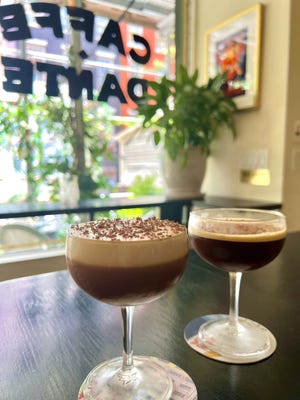
NEW YORK — It is really probable you have experienced an espresso martini. Past summer, the caffeinated cocktail created headlines for its write-up-lockdown attractiveness. It continues to be an oft-requested drink at bars — including at Caffe Dante, a New York Metropolis institution that’s among the Top rated 50 World’s Very best Bars.

But Dante’s “One more Espresso Martini” isn’t the typical espresso vodka consume uncovered at most bars. The $19 cocktail has a bit of a twist. 

Head bartender Eloy Pacheco, who has 8 decades of mixology encounter including 4 at Dante, refocuses the drink with tequila.

“Espresso is a component of Dante’s DNA and our special mix makes a difference in our espresso cocktails,” Pacheco says. “And due to the fact the Espresso Martini is the cocktail of the second, we determined to build a variation for it, this time with Tequila and Galliano.”

Recipes: 8 tequila cocktails (moreover margaritas) to try at residence

Dante originally opened in 1915.

Pacheco says that the bitterness of the Galliano, an Italian herbal liqueur, and the spiciness from the chili tincture create a “ideal stability.”

The method for producing the consume starts in the early morning, prior to Dante opens.

One particular critical to getting ready “A further Espresso Martini” is making espresso in advance and trying to keep it chilled. If combined even though the espresso is sizzling, the martini could turn into watery thanks to ice melt.