Ever make a meal and feel guilty about tossing out your leftover food scraps? We’ve all been there.
Thankfully, Southern Living lifestyle producer Ivy Odom dropped by “GMA3” on Tuesday to share a few creative ways to use those scraps that would normally go to waste to make something entirely new — and just as delicious.
Scroll below to check them out.
Fruit peels to make a Citrus Simple Syrup for cocktails (or mocktails)
Cut 1 cup of citrus peels into 3/4 inch strips.
Bring 1 cup of granulated sugar and 1 cup of water to boil in a medium saucepan over high.
Add peels, simmer until syrup thickens slightly, 15 to 20 minutes.
This can also be used for mocktails, dressing up fruit and brushing on cake layers for extra moisture.
Potato peels to make Yummy Potato Peel Chips
Toss together 1 cup of potato peels, two tablespoons olive oil, 1/2 teaspoon smoked paprika, and 1/4 teaspoon kosher salt.
Spread evenly on a parchment-lined baking sheet.
Bake until crispy, 10 to 11 minutes.
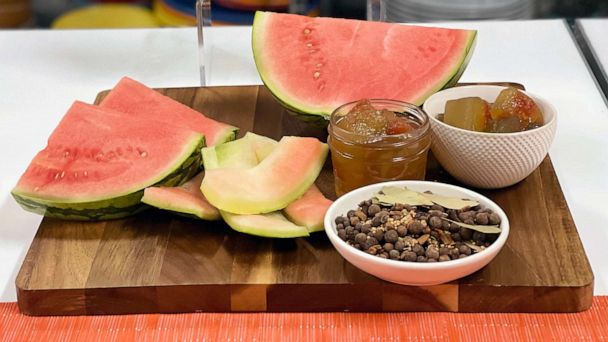
1 small (about 4 pounds) seedless watermelon
2 tablespoons kosher salt
1 cup apple cider vinegar
4 medium garlic cloves, smashed
1 tablespoon pickling spice
1/2 teaspoon whole allspice
1/2 teaspoon black peppercorns
Using a vegetable peeler, remove outer layer of green peel from watermelon; discard peel.
Cut watermelon in half lengthwise, then cut into half crosswise.
Cut each quarter into 1/2-inch-wide strips.
Using a paring knife, remove pink watermelon flesh from rind, leaving a thin 1/4-inch layer of pink flesh attached to rind (reserve removed watermelon flesh for another use).
Place rind and salt in a medium pot; add water to cover by 1 inch.
Bring to a boil over high; boil until rind is tender, about 3 minutes.
Drain; set aside until cool enough to handle, about 5 minutes.
Divide rind evenly among two sterilized, 1-pint jars.
Place vinegar, sugar, garlic, pickling spice, allspice, peppercorns, and 1 cup water in a large saucepan; bring to a boil over high.
Boil, stirring often, until sugar dissolves, about 3 minutes.
Pour over rind in jars; let cool to room temperature, about 1 hour.
Seal and refrigerate at least 24 hours or up to 2 weeks.
2 large English or seedless cucumbers, sliced thin
1/2 cup finely sliced Vidalia or sweet onion
1 tablespoon white wine vinegar
3 tablespoons minced fresh dill, divided
1 teaspoon, plus 1/4 teaspoon kosher salt
1/4 teaspoon black pepper
Salt the cucumber and onion well with 1 teaspoon kosher salt, and empty into a colander placed over a bowl; drain for 30 minutes. Do not rinse; pat dry with lint-free paper towels.
While the cucumbers sit, mix sour cream, mayonnaise, vinegar, sugar, 2 tablespoons dill, remaining salt, and pepper in a small bowl.
Mix with the dried vegetables.
Serve chilled with more minced dill on top to garnish.
Use wilted greens to make Homemade Pesto
Pulse 2 cups packed fresh spinach, 1/2 cup grated parmesan, 1/4 cup toasted walnuts, and 1 garlic clove in a food processor until chopped. With processor running, slowly add 1/2 cup olive oil until smooth.
If you’re a passionate lover of cooking, or you’ve recently kickstarted your cooking journey, and want to accelerate it even further in 2023, then you’ve reached the right place. Having an efficient and streamlined cooking process is the key to preparing dishes that simply taste excellent! And the number one aid you need in having an effortless process is an arsenal of great kitchen appliances. With the right kitchen tools and appliances, cooking can be an increasingly fun and simplified process. The right products can reduce your prep time in half, make the little cooking tasks much easier, and help you with tedious and complicated techniques. From ‘The Tesla of Ovens’ to a compact induction cooker that fits every conceivable cooking method in its modular stackable design – these innovative and exceptional appliances are all you need in your kitchen.
1. Brava
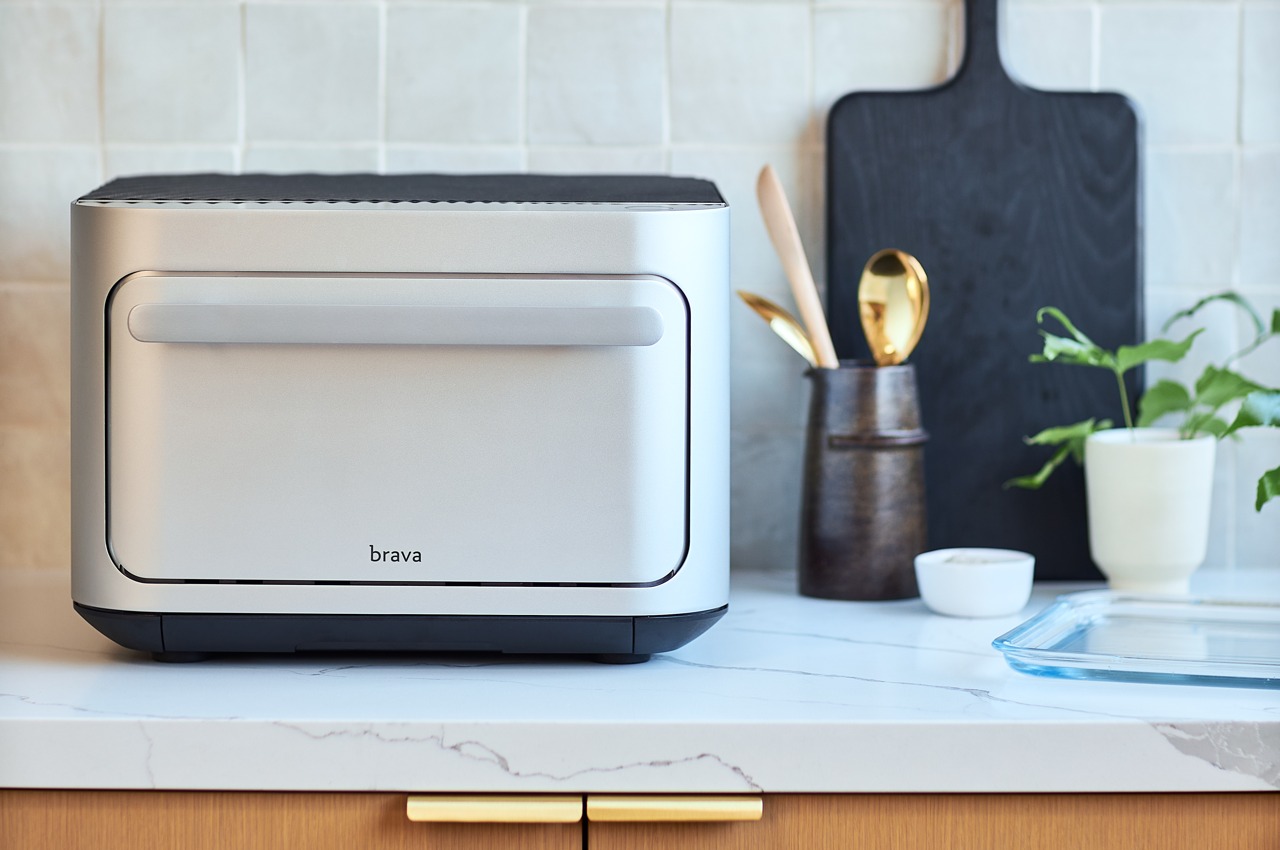
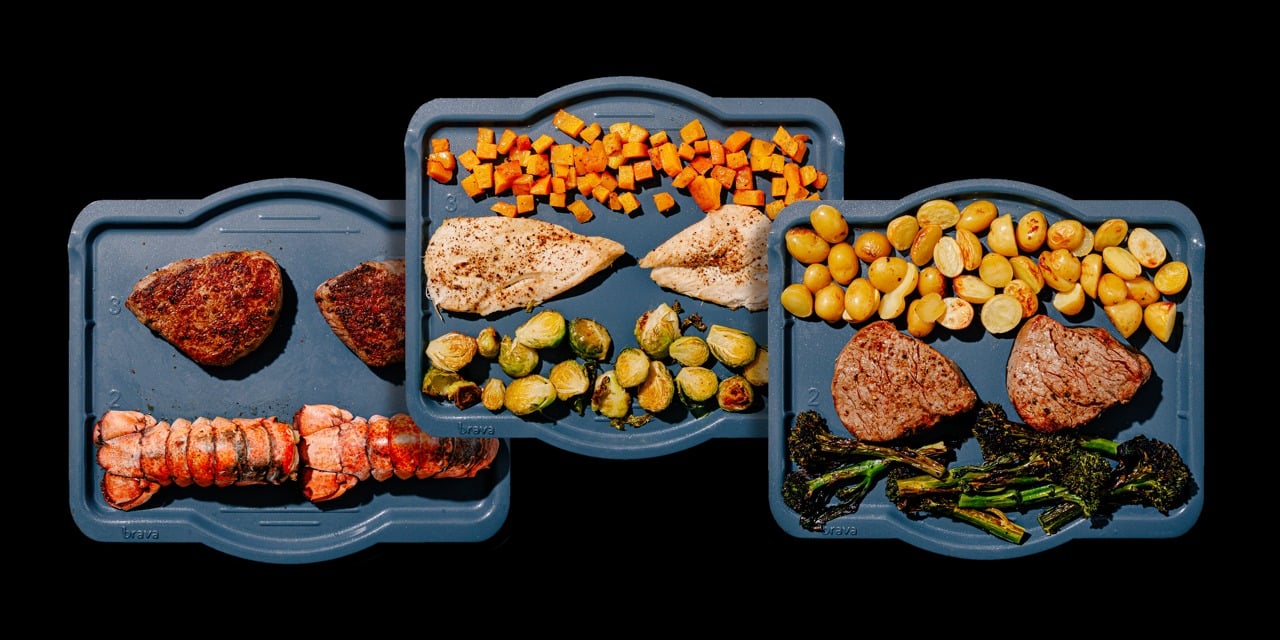
Meet Brava, an oven that harnesses the power of pure light to cook food to perfection. Unlike radiant heat, which heats the entire oven chamber, light can be precisely delivered to specific zones within the oven chamber, allowing you to cook with precise control and no energy wastage.
Why is it noteworthy?
With three dedicated zones on the cooking tray, and lights above and below it to match, Brava can cook three-part meals at three different temperatures at the same time, on the same tray, and in minutes as opposed to hours on a grill or oven
What we like
The three light zones help focus the heat into three distinct categories, letting you cook meats and veggies on one tray, but at different temperatures
A camera built into the smart oven gives you a literal window into the oven’s interiors, letting you see your lasagna bake and your meat sear in real-time
What we dislike
Some people may prefer ovens with transparent displays
2. The BlendQuik
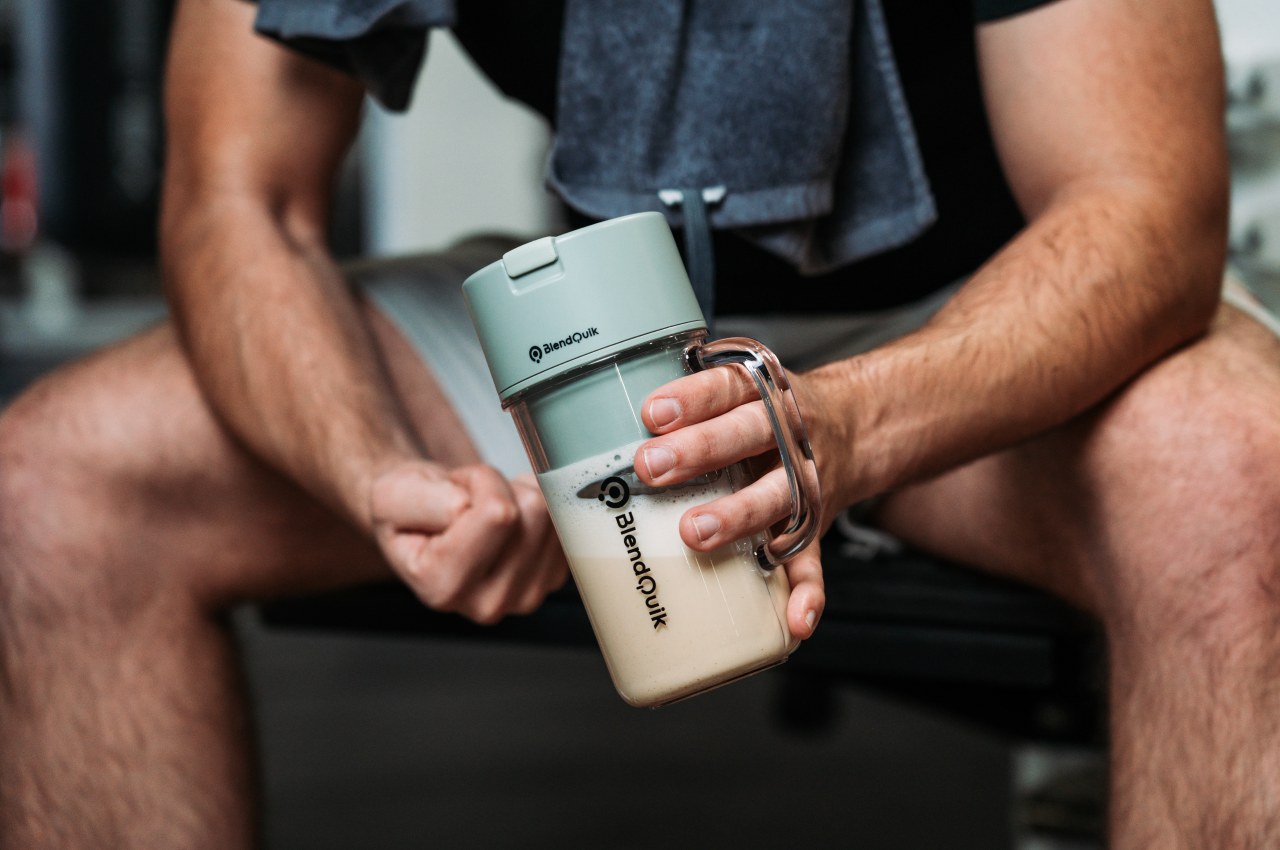
Designed to be used on the kitchen countertop as well as on a mountaintop, the BlendQuik is the world’s first mason jar-style portable blender that can do everything from making smoothies at home and protein shakes at the gym to churning up quick guacamole at a picnic or even a frappe in your car.
Why is it noteworthy?
The BlendQuik is a nifty blender with a vessel big enough to hold your daily smoothie, and a 10-blade design powerful enough to cut right through dense ingredients like carrots, nuts, ice cubes, etc. The blender’s motor and blades are built right into its leak-proof cap. Chuck your ingredients into the mason jar, lock the cap in place, and hit the power button before flipping it over.
What we like
Makes everything from shakes to dips, cocktails, slushies, batters, emulsions, purees, and everything else you’d otherwise need a large blender for
Features a portable design, so it’s not restricted to the kitchen
What we dislike
We don’t know how durable it is, so it could get damaged when you travel
3. Pronto
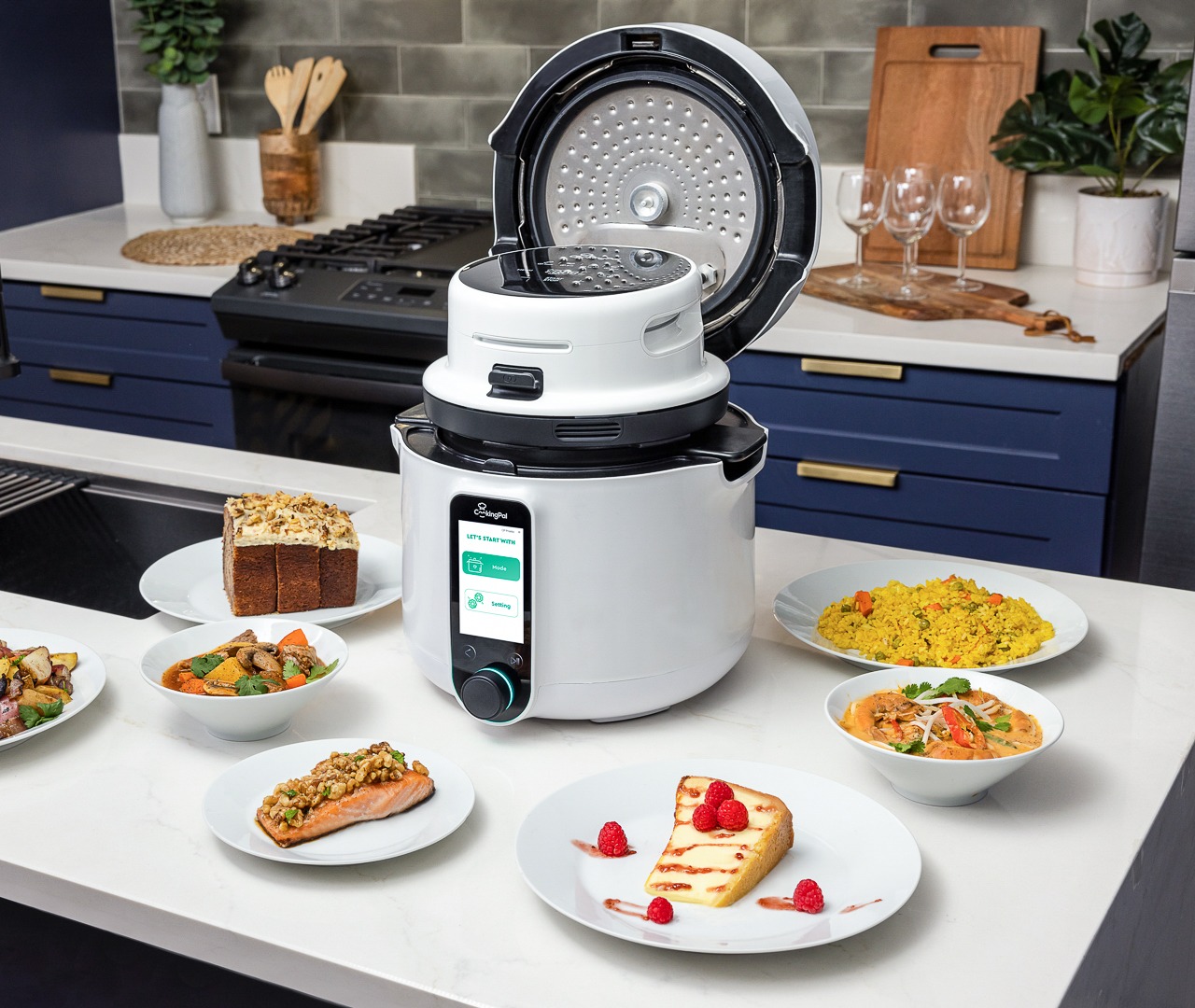
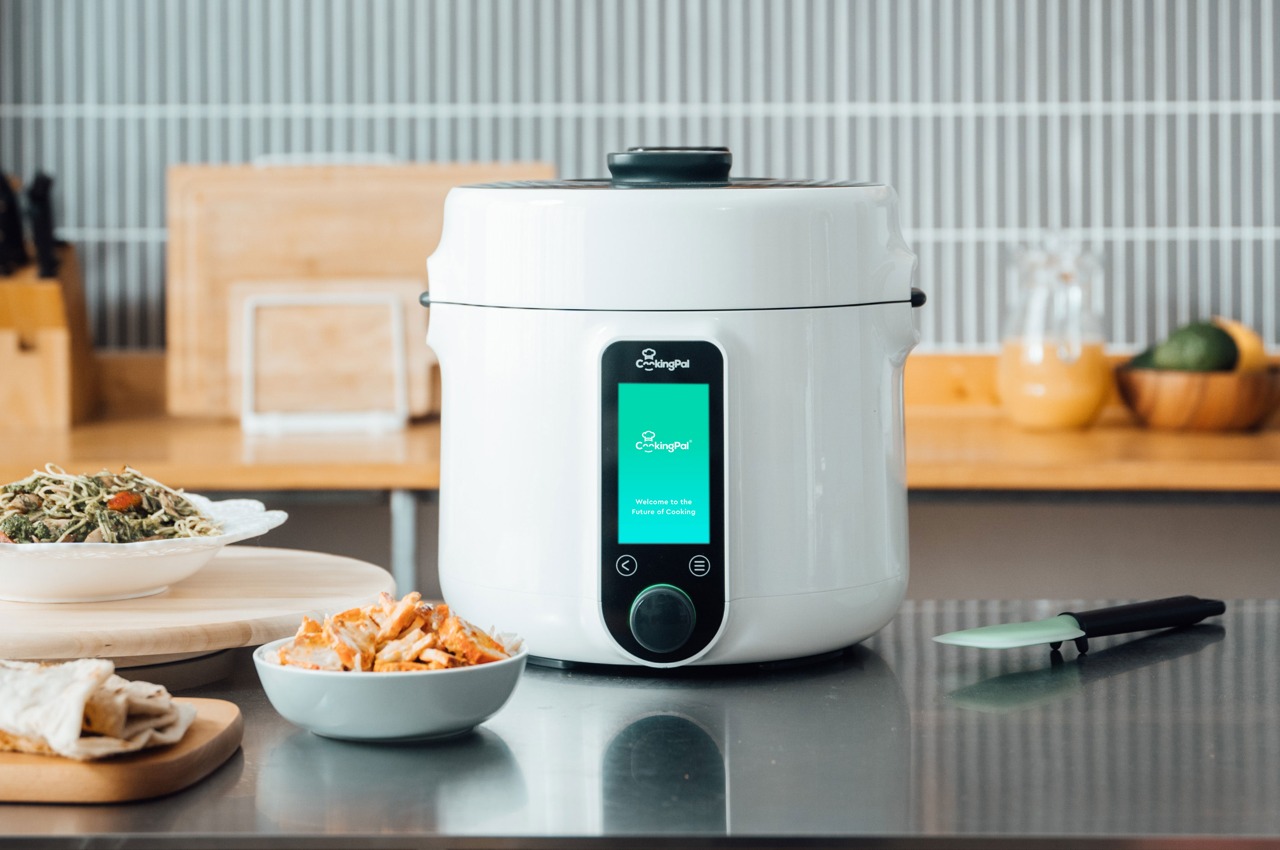
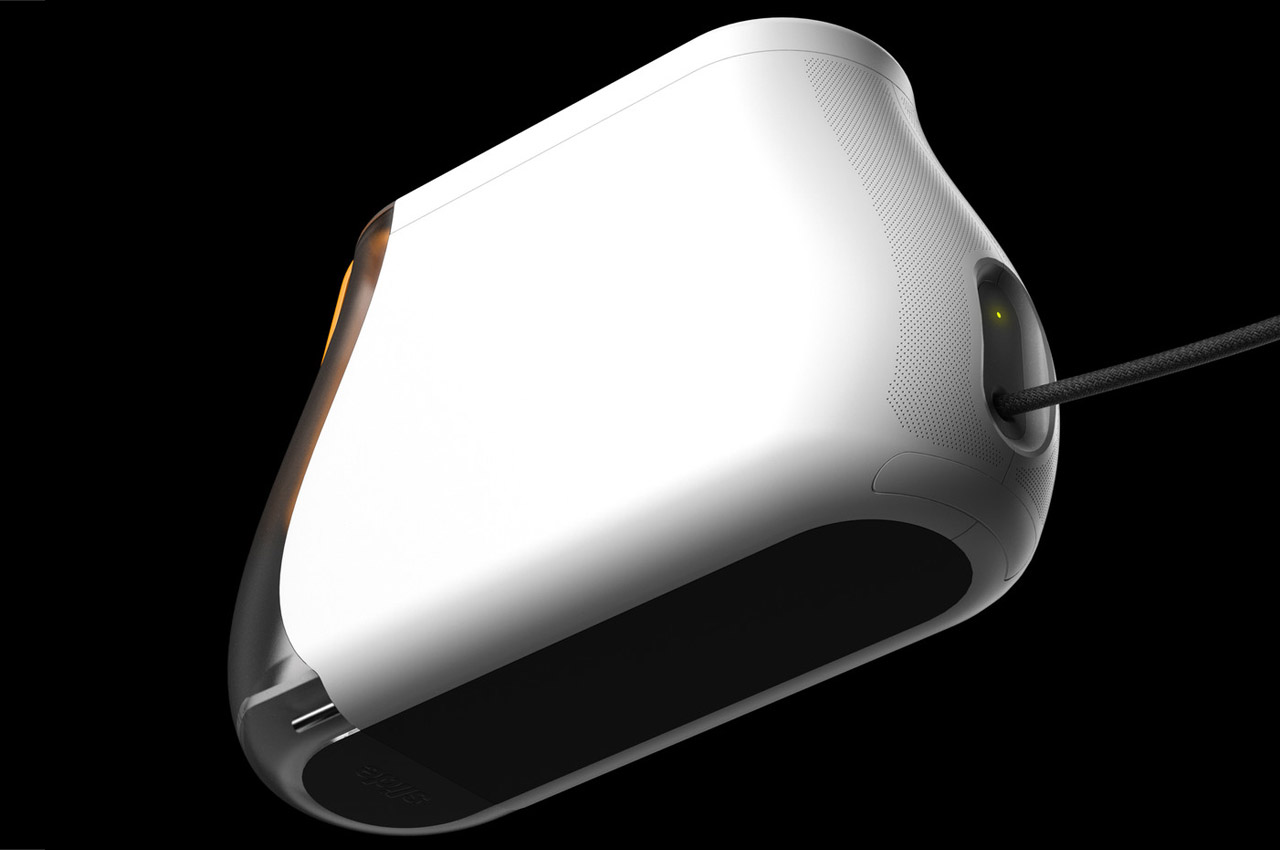
Rather aptly named the Pronto, this relatively compact gadget handles every part of the cooking process, from weighing to sautéing, slow-cooking, simmering, reheating, and even air-frying thanks to its modular companion, the Alto.
Why is it noteworthy?
With its small footprint and multipurpose design, the dynamic duo of Pronto and Alto occupy a fraction of the countertop space and let you prep elaborate meals without all the messy dishes and dread-inducing clean-up. Pronto and Alto were designed to take the effort out of cooking, so you can focus on the most important part… eating!
What we like
Multipurpose design
Make meal prep easier, faster, and smarter
What we dislike
There is a learning curve involved in getting used to the design
4. The Affinitea Brewing System
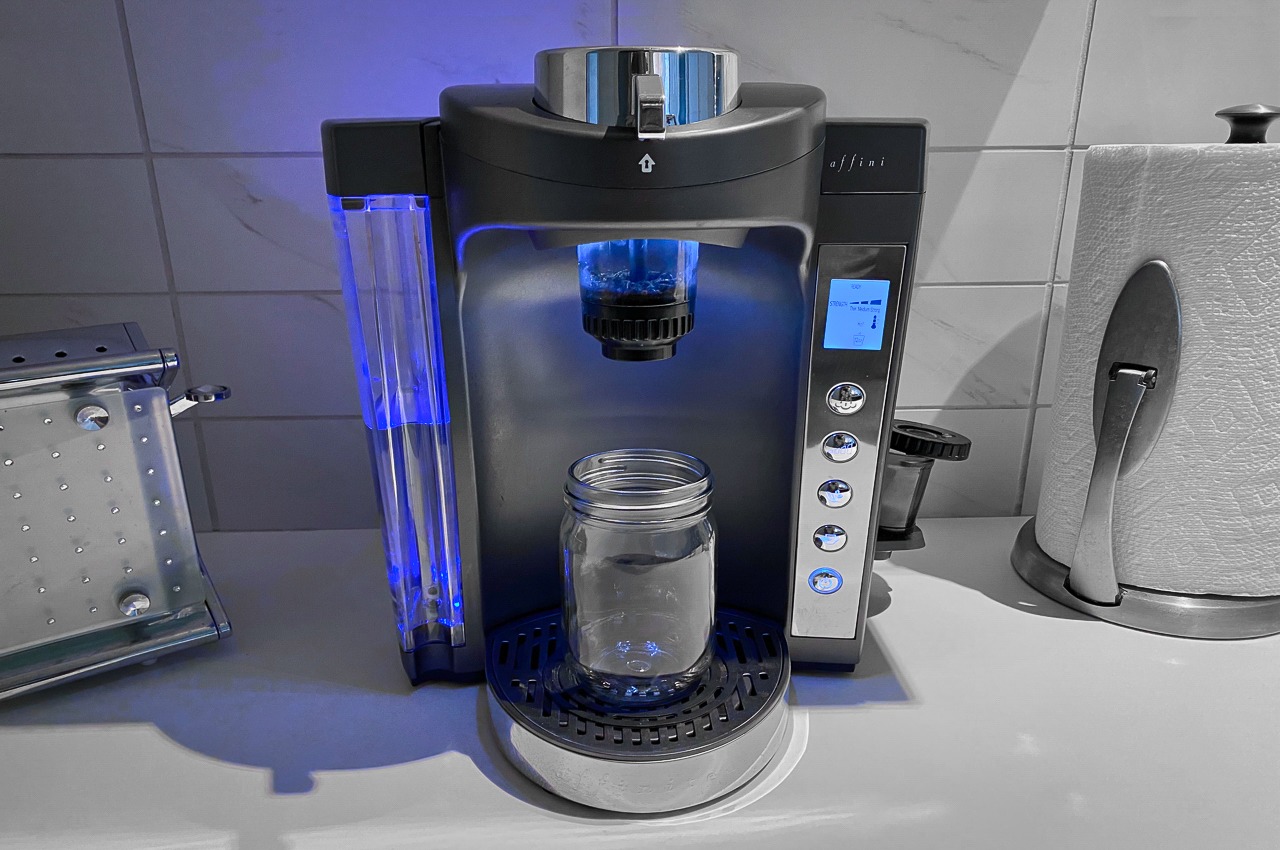
Designed as an elegant tabletop device, the Affinitea Brewing System expertly makes you a fresh cup of luxury loose-leaf tea in just 90 seconds. The Clearview re-usable chamber takes care of every aspect from agitating, pressurizing, and steeping the tea brew, before straining and dispensing it directly into your cup.
Why is it noteworthy?
The patented chamber uses pressure and agitation to handle the steeping cycle perfectly, creating a brew that has fewer tannins (the chemical that creates that bitter aftertaste) while extracting the maximum flavour.
What we like
An LCD screen right above the control panel lets you view and confirm your choices
Has a subscription service allowing you to try different teas
What we dislike
Space-consuming and bulky design
5. Makit’s Portable Microwave
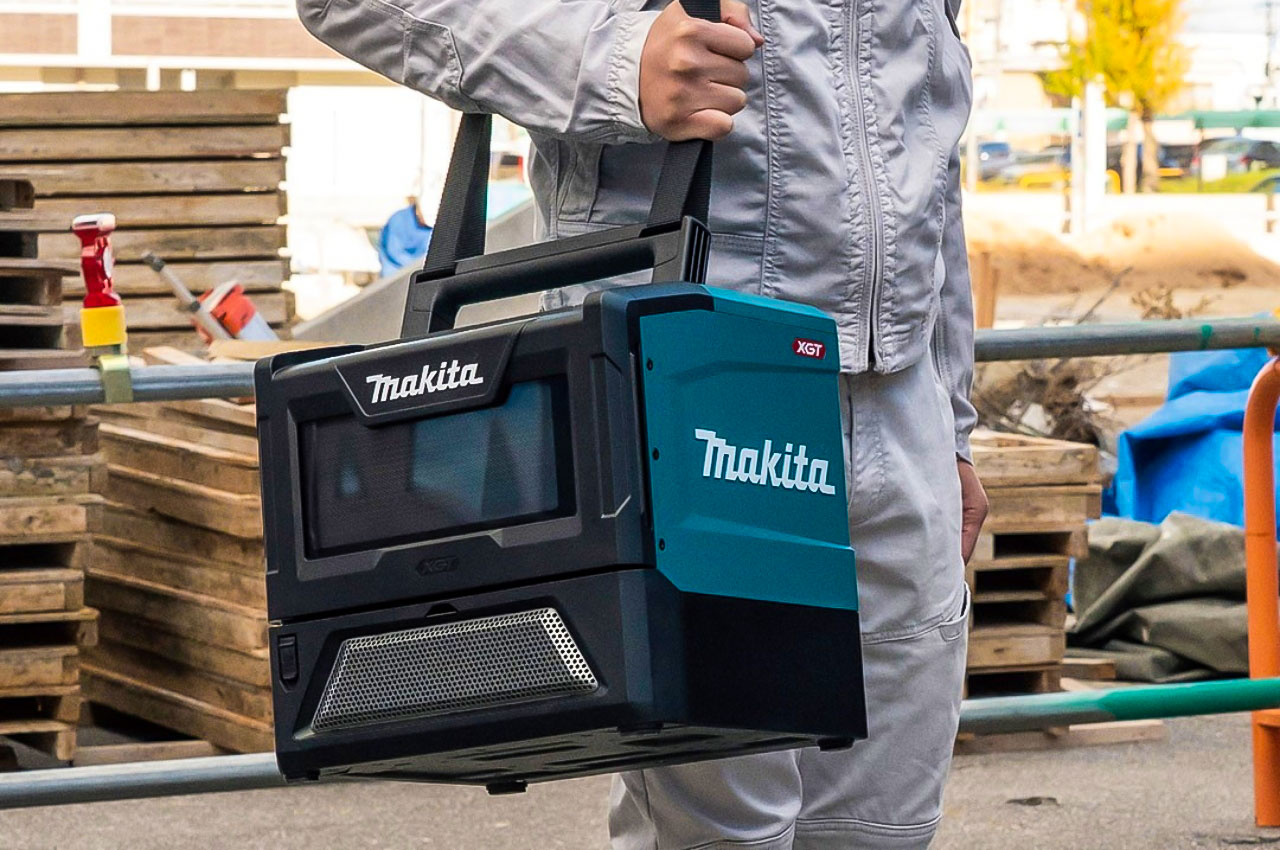
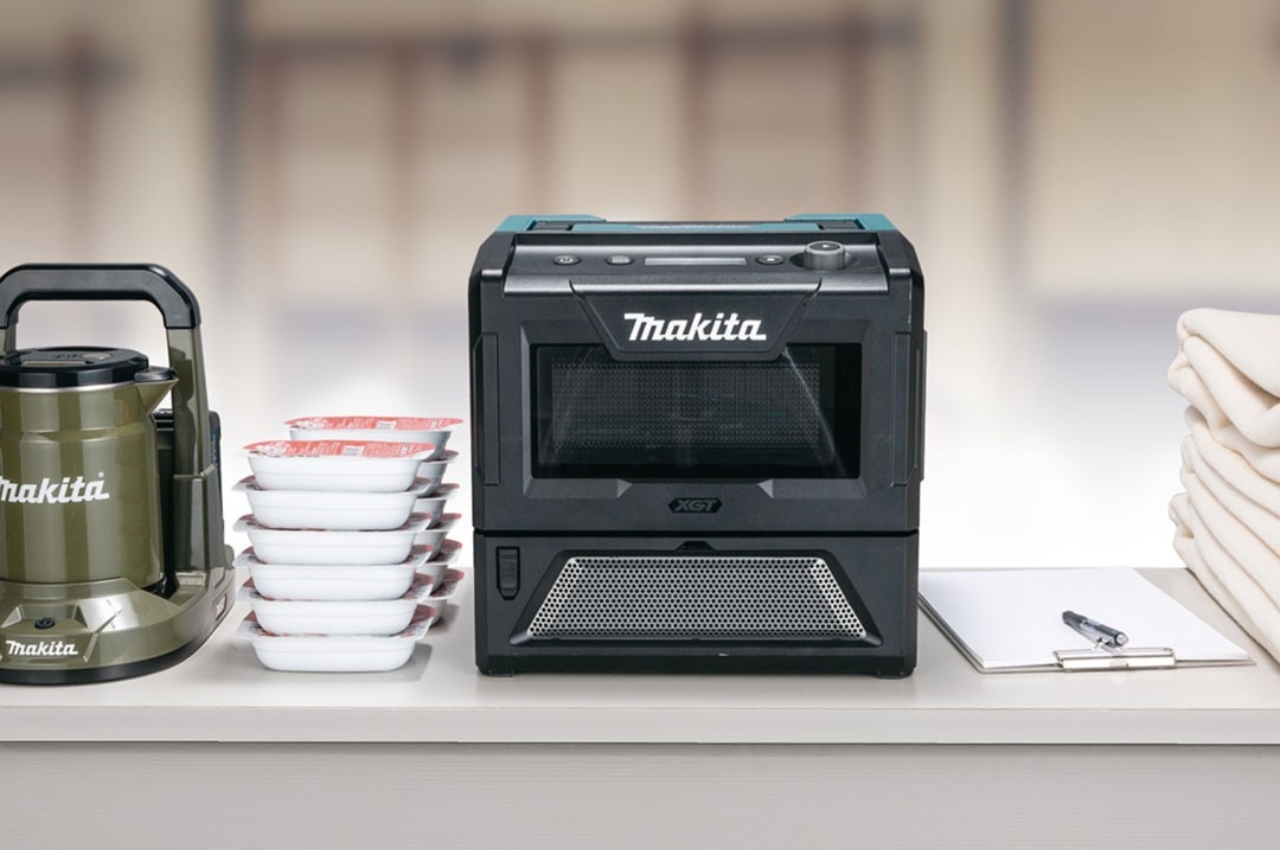
This cordless microwave uses the cordless XTGT system to help you heat your meals and snacks when you’re on the go. It has 40-volt rechargeable batteries and can use up to 500 watts for eight minutes and then 350 watts after that to save energy.
Why is it noteworthy?
When the batteries are fully charged, it will be able to warm up 11 meals or 20 drinks. It also has a USB port so you can also juice up your smartphone or a gadget, but of course, you’ll probably have to choose between your meal or your device. The microwave also comes with a handle and a strap so you can carry it around with you.
What we like
If you’re worried about safety, the design has safety measures in place for user’s convenience
It also deactivates when it’s tilted or when the door is opened
What we dislike
If you’re warming up frozen meals, it might take up more energy so you’ll be able to reheat fewer meals
6. The Slide Toaster
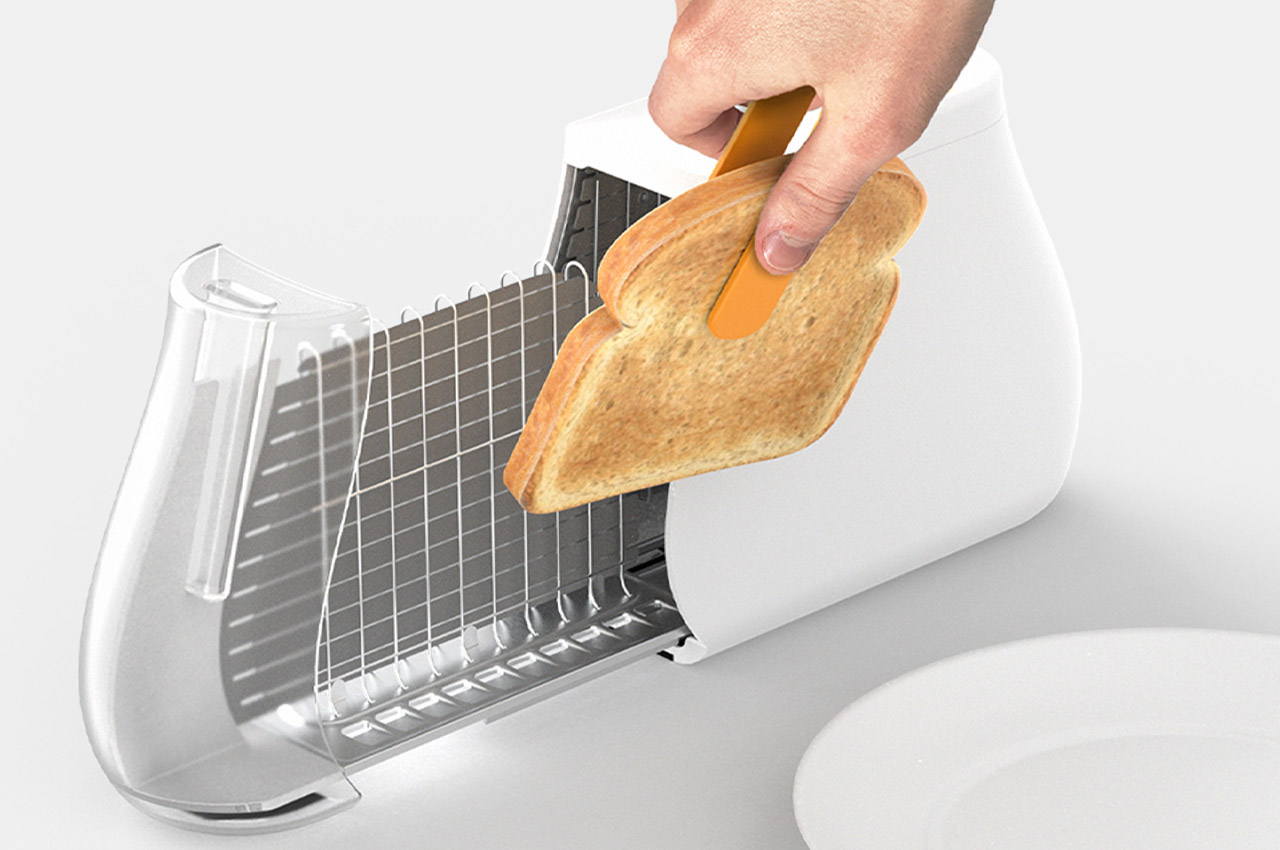
The toasting process begins in the Slide toaster with an LED ring indicating the toasting level and completion. The slide-up tray has a translucent design element to it so that you can keep an eye on the toast turning perfectly brown to your delight Level of the toast crispness can be set with an adjustment dial like all other toasters we’ve seen countless times. This is ably aided by audio indications to keep the user well-informed.
Why is it noteworthy?
Harry Rigler wants to reinvent the trusted image of the toaster with a detour to the soft form design of this household kitchen appliance. That too keeps in mind the requirements of modern users, and the present as well as future design progression of kitchen interiors. Rather than being a pop-up toaster like most out there, this is the Slide toaster which rolls the toasting grill to the side like a rollable smartphone. The tray slides out – you put in the bread and slide it back in.
What we like
Audio indications to update the user on their toast
Unique slide-out tray
What we dislike
The radically changed design may not be easily accepted in households
7. The CookMate
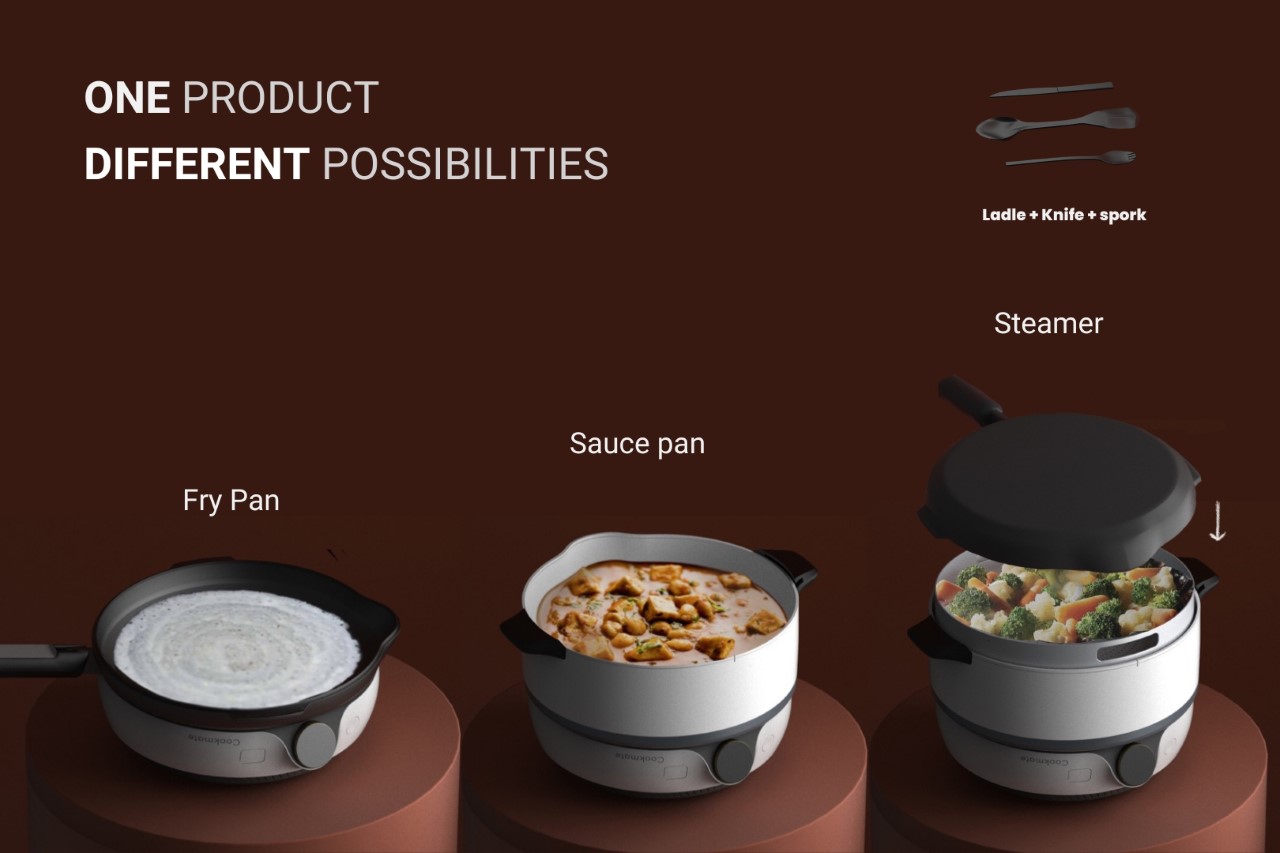
Designed for this new, ‘smaller than life’ home, the Cookmate is an all-in-one kitchen appliance that goes from prep to cooking to serving, in one device. Its modular design has stackable pieces that turn the cooktop into a pan, crock pot, and even a steamer. The induction coil on the inside works on electricity, saving the need to place a gas cylinder under the hob.
Why is it noteworthy?
The Cookmate looks at the cooking process as something that goes from idea to ingredient to table. Rather than focusing on just the cooking, this induction cooktop (although it seems highly reductive to call it just that) considers every aspect of the cooking process. This isn’t just clever, holistic design thinking, it also helps the Cookmate be more universally applicable so you save effort, energy, and space with other utensils.
What we like
Features an integrated weighing scale
Can be split into 6 parts
What we dislike
As we can either use one at a time or them all together, the cooking time has to be finely balanced for each layer
8. The SüpKüp
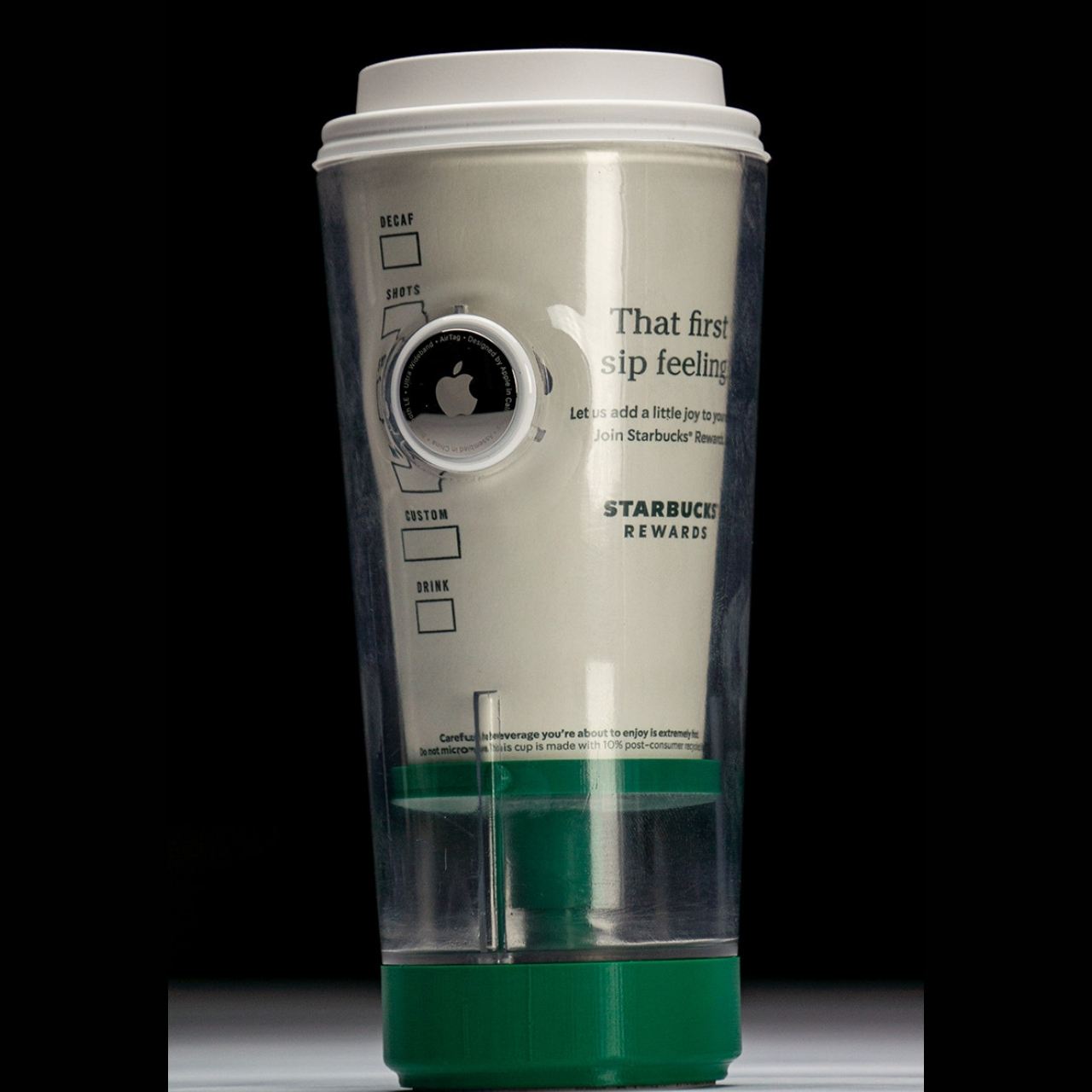
The SüpKüp is a travel mug that is not really a mug in itself but serves more as an alternative to the disposable paper coffee sleeves. It is able to hold the paper cups (medium and large at least) that most coffee shops provide, including the still pretty popular Starbucks.
Why is it noteworthy?
It is made from durable polycarbonate and has a pretty elegant and minimalist design that can still display whatever cup is snugly placed inside. This holder doesn’t need any liquid transfer or constant cleaning that’s why it’s more convenient.
What we like
Your hot drink can remain hot for longer, 50{d2b09b03d44633acb673e8080360919f91e60962656af8ade0305d5d8b7e4889} longer, than when you just hold your paper cup
Has a double helix screw ejector that lets you eject the cup when you’ve finished just by twisting the rotating base
What we dislike
It helps retain your coffee drinkability rather than an alternative to disposable cups, leaving scope for future plastic-free design
9. The 4T7 Smart Chopping Board
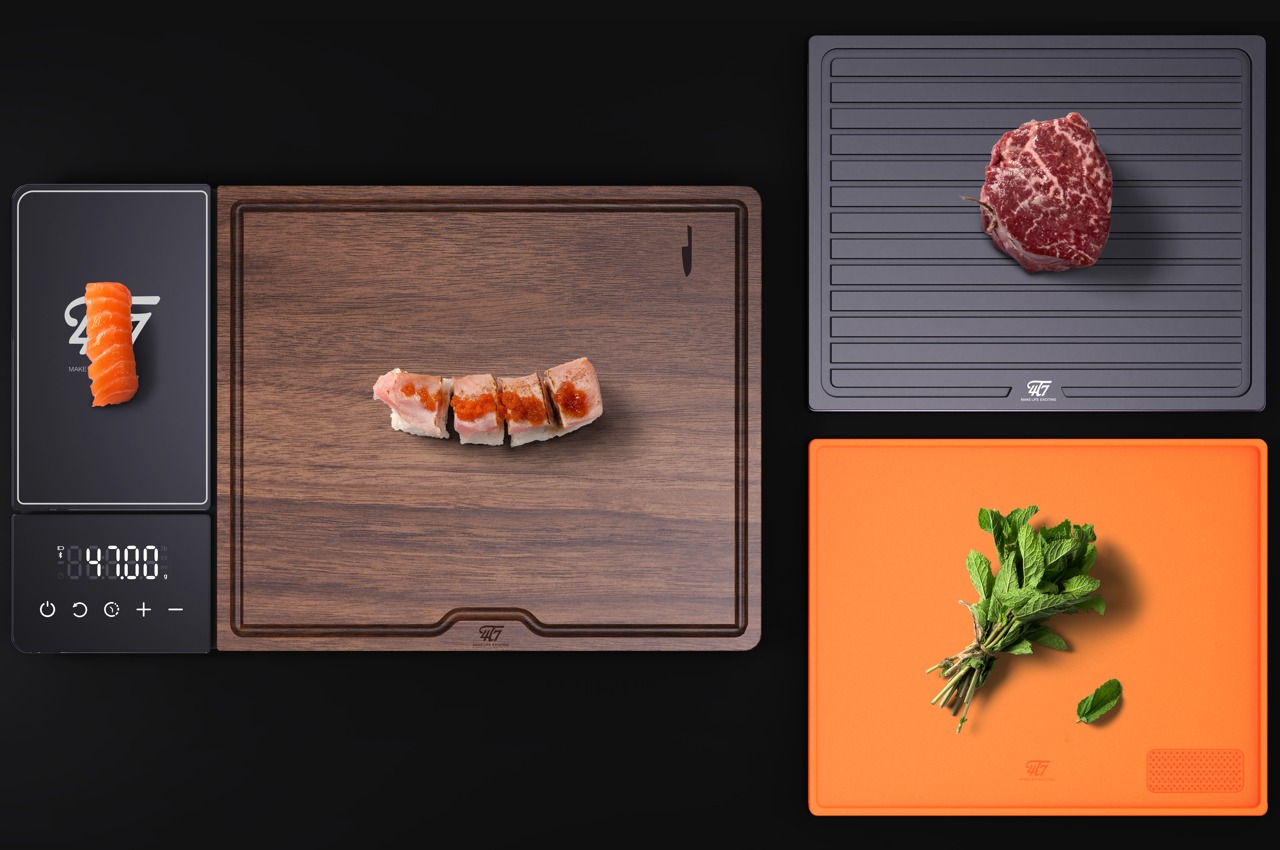
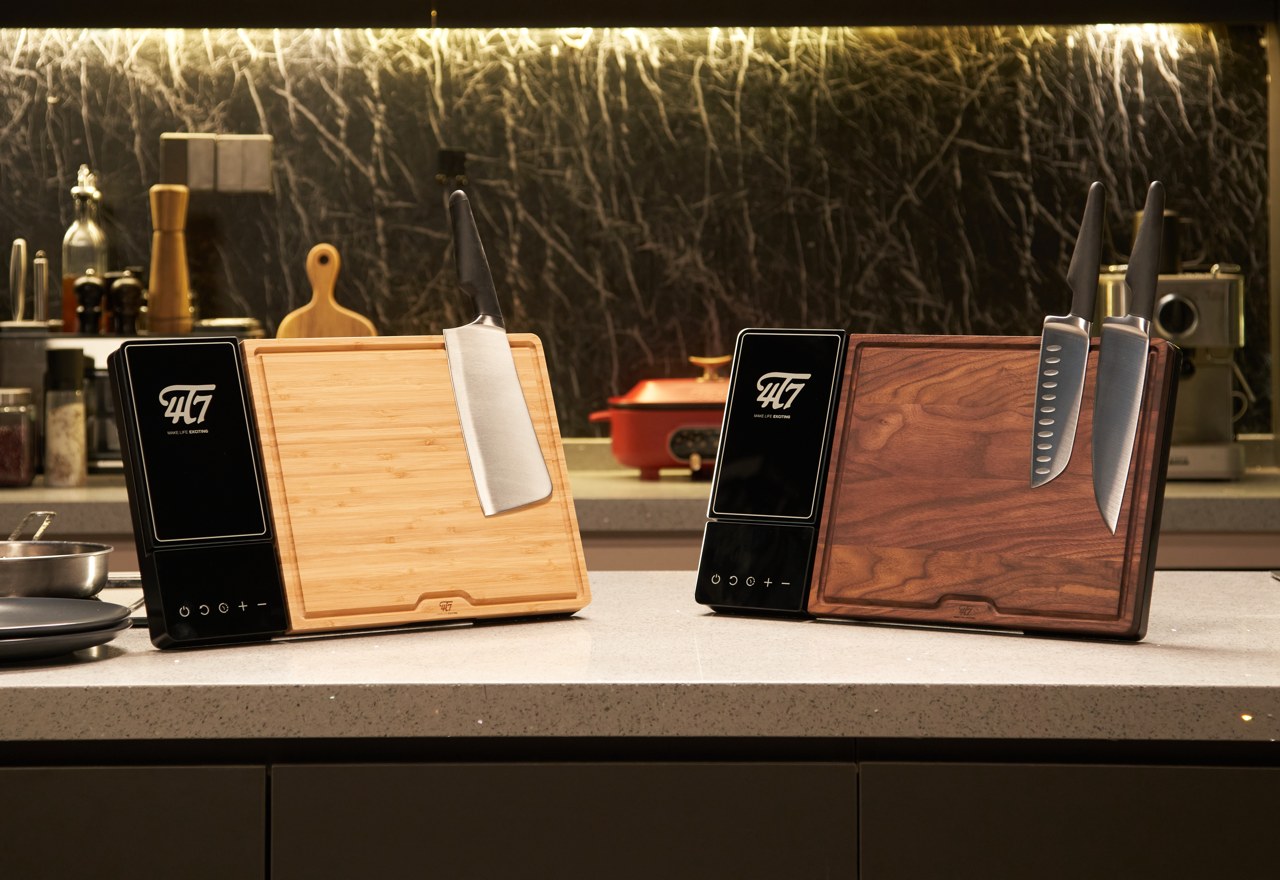
The 4T7 Smart Chopping Board is meant to help simplify every stage of meal prep and go beyond it as well. Made up of different parts, all the components of the chopping board come together to create a rather innovative, united, and creative product.
Why is it noteworthy?
The 4T7 breaks meal prep into its different components, adding good design and tech wherever necessary. The board comes with 4 distinct parts, a main bamboo chopping board, a secondary silver-ion anti-bacterial board for veggies to prevent cross-contamination, a third heat-conducting defrosting tray that helps rapidly thaw frozen foods, and lastly, the 4T7’s base, which has its own built-in weighing scale. The only part of the 4T7 experience to exist outside the actual board is its smartphone app, which counts calories as you weigh your ingredients. Once your prep work is done, the digital display on the 4T7 can also function as a kitchen timer, while the board itself becomes a magnetic knife holder.
What we like
All of 4T7’s components are designed to be wonderfully functional as independent items
The board works equally well for fruits/veggies as well as for meats
What we dislike
It precisely counts calories for you, which isn’t always the best route to healthy eating, since many users can get unhealthily hooked on counting calories
10. Roll
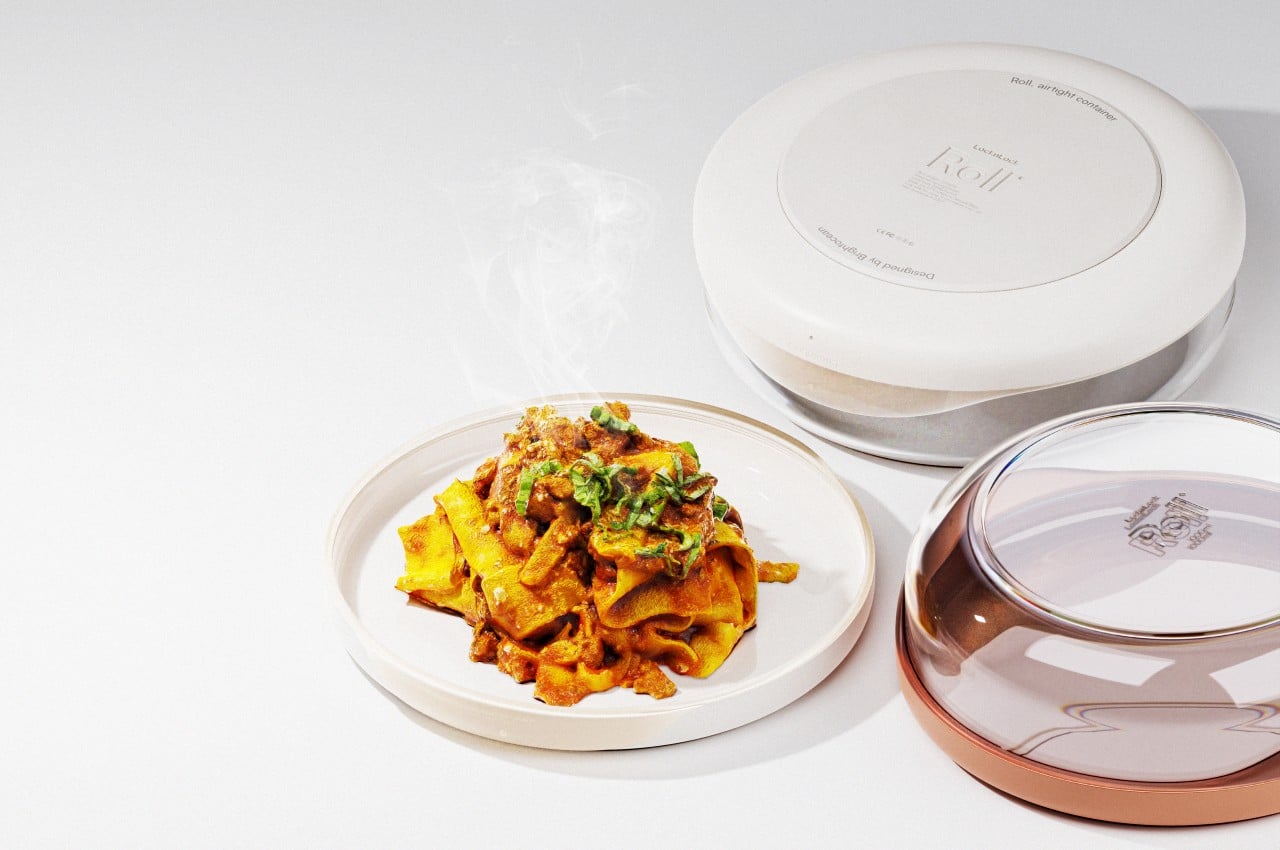
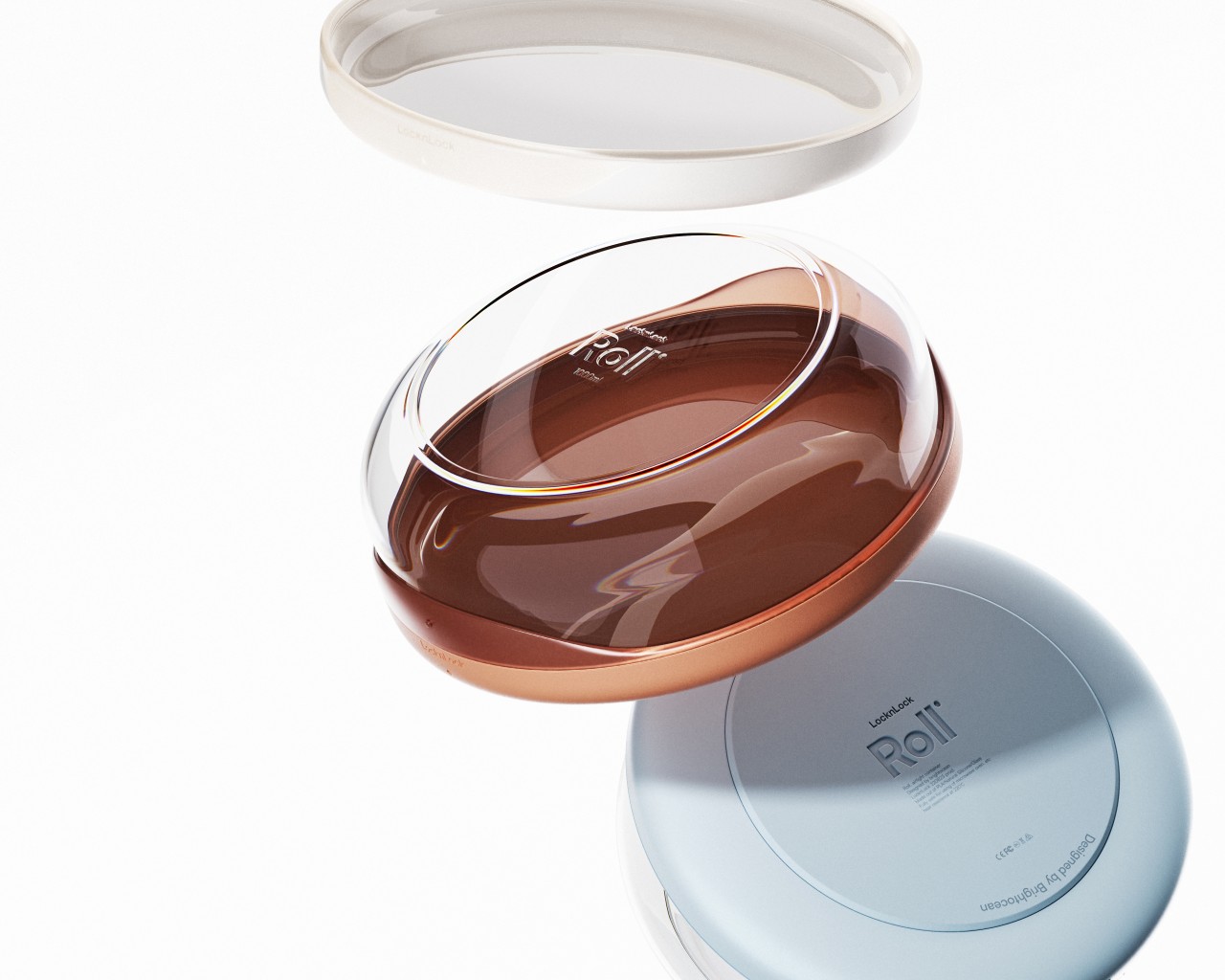
Roll is an attempt to preserve not only the flavors of food but also their presentation. It eschews the traditional square or rectangular shape of food containers in favor of something round.
Why is it noteworthy?
What makes Roll different from bowl food containers (which do exist, of course) is that it wholeheartedly embraces the culture of using the lid or dish cap as a plate. That’s why the cap itself was made to look presentable, using soft and clean tones like ivory, sky blue, and terracotta. The idea is that you set the freshly cooked food on the lid itself and then later just cover it with the glass bowl when it’s time to put it away.
What we like
The next time you want to eat the food, you don’t have to rearrange the food again to make it presentable
Roll takes the food container concept upside-down, literally, by making it usable, whether as a bowl with a round lid or a plate with a bowl cover
What we dislike
Not the most shape-efficient design/shape for storage in a refridgerator
They say if you are the smartest person in the room, you are in the wrong room. But the same can be applied to kitchens. Learning your way around the pots and pans takes a great deal of time and effort, and it’s much easier when there’s an expert to guide you. Like your dad. Or grandma.
Recently, Reddit user u/OoopsieWhoopsie made a post on the platform, asking everyone to reveal their most prized family cooking tips. And some people agreed to do it; sharing really is caring. From getting the most out of your leftovers to adding an extra oomph to your dishes, continue scrolling to check them out!
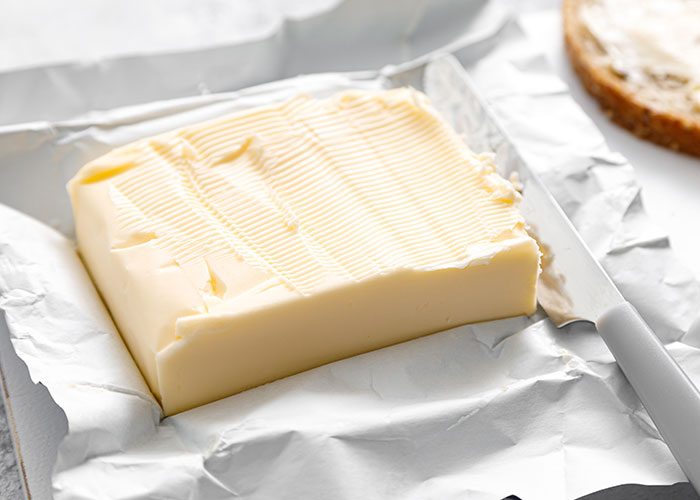
My grandma would save butter wrappers in the fridge and use the leftover butter on them for greasing dishes when she baked. I can’t help but stockpile wrappers, it’s really so handy.
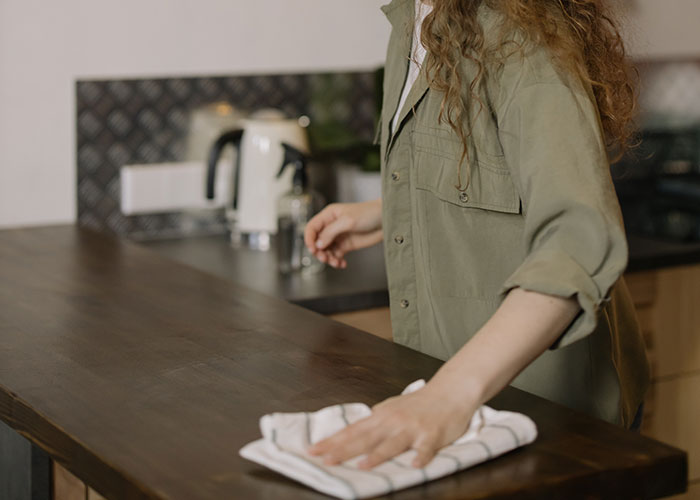
My Uncle Arthur’s tip is “clean while you cook!”, and he will not let you forget it, either. Not really sure if its a tip but my Papa Searcy used to microwave bacon on old newspapers…it was always delicious! In hindsight it’s probably bad for you and you should never do it. I have weird memories of the smell of newspaper and bacon.
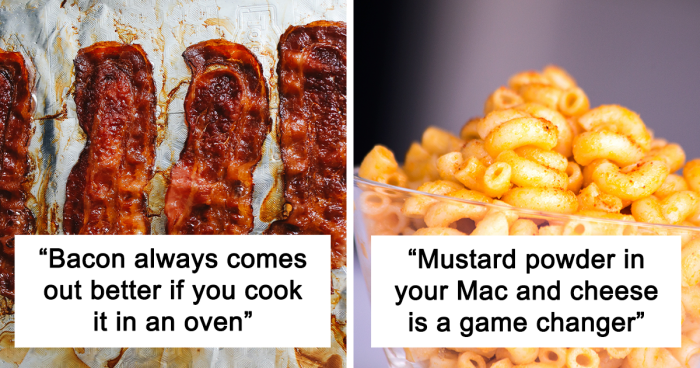
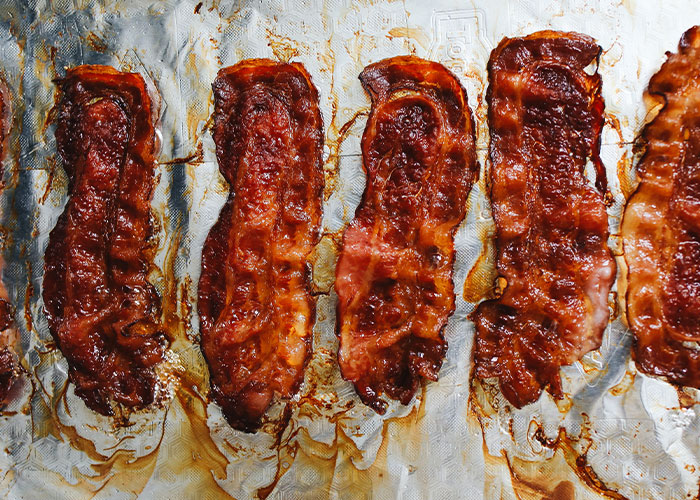
Bacon always comes out better if you cook it in an oven, and it’s important to put the bacon in before turning the oven on; preheating the oven will make the bacon stick to the cookie sheet
You’re probably using too much flour in your yeast dough. Many recipes say it should not be sticky. On the contrary, you want it a little yucky and sticky before you let it rest. That’s how you get yummy fluffy stuff that doesn’t dry out within hours.
Also, to prevent the dough from sticking to your hands, you don’t use flour. You use vegetable oil
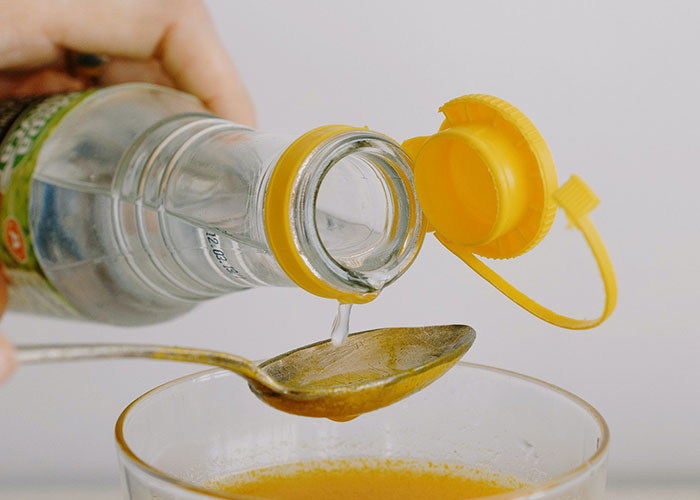
If a dish feels flat it’s often the acidity that’s missing. Dash of White Modena vinegar is the secret to my red sauce for example, even though it’s inherently acidic.
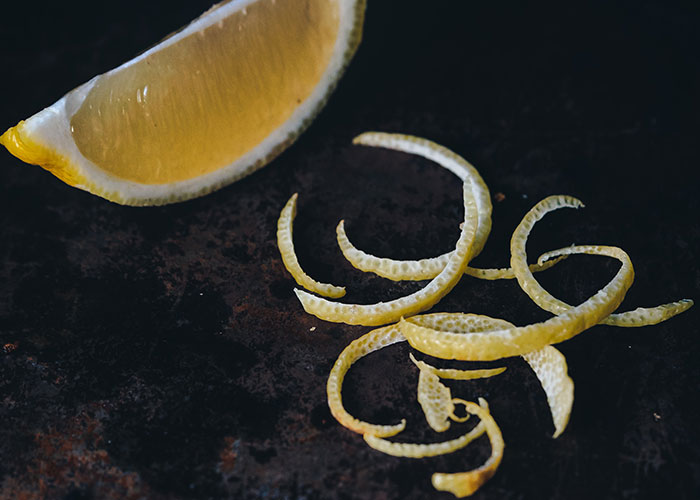
Rub a lemon wedge on the inside of your mixing bowl when you’re making meringue. It works better than cream of tartar and you’ll get a more stable meringue.
MSG makes just about everything better. I add it to the salt mixture when I’m seasoning meats. It also helps make ripe tomatoes pop by accentuating the naturally occurring MSG, keep that in mind when you’re making tomato salads and tomato sandwiches.
My family owns a catering business, starting from my grandparents who came to the states from Portugal. One thing I’ve learned that greatly improve my meals is to add butter to your noodles (for saucy pasta like Spaghetti)
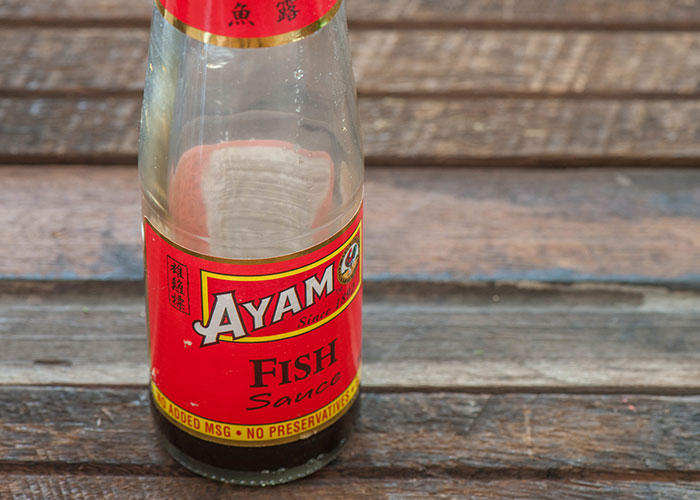
Adding Worcestershire sauce, a bit of soy sauce, and Dijon mustard to your pan-fried chicken livers would ascend them into deityhood (not to forget the caramelized onions, chicken stock stock, garlic, and mushrooms).
The Diamondback has presently experienced a revival. The combination of rye, apple brandy and yellow Chartreuse had a second of stardom in the course of the mid-aughts at bars like New York’s Pegu Club, Milk & Honey and Very little Department. But from in which did the Diamondback arrive, and what was it about the 20th-century drink that built it so well-known between this initial wave of renaissance hot spots?

Just one driving power guiding the Diamondback’s revival was the book in which it is printed. The drink’s inclusion in Bottoms Up, a compilation of recipes collected by onetime Waldorf-Astoria publicist Ted Saucier, set it on the bartending community’s radar at a time when handful of aged bar manuals were readily available. The book’s availability was bolstered by its racy popularity. Richard Boccato, who worked at Milk & Honey and Minor Branch and who now runs New York’s Dutch Kills and The Gem, on Lake George in the Adirondacks, suggests that Bottoms Up was “the ‘sexy cocktail book’ at the time, with its risqué, Playboy-variety illustrations.”


In the reserve, Saucier credits the generation of the cocktail to the Diamondback Lounge at the Lord Baltimore Lodge, which was manufactured in the late 1920s, just a couple yrs prior to Repeal. That spots the date of invention sometime amongst 1933 and the book’s publication in 1951.


But the composition of the Diamondback reflects an before, change-of-the-century aesthetic noticed in drinks like the Widow’s Kiss and the Stinger—very boozy, and flavored with imported liqueurs. The unique recipe calls for two elements rye to one particular part each and every applejack and yellow Chartreuse, shaken then served around cracked ice, with a sprig of mint for garnish. This was not uncommon for spirit-forward beverages during this time period, however present day iterations have a tendency to stir the cocktail and serve it up.
The next major variable contributing to the Diamondback’s good results was the new availability of Laird’s Bonded Apple Brandy in New York. Lisa Laird Dunn, COO and world-wide ambassador for the heritage producer, remembers that Pegu Club founder Audrey Saunders played an instrumental purpose in getting the solution mentioned in the town, encouraging to popularize it there and further than. “With the bartending community staying worldwide and transitory, we began to acquire desire from other sections of the country and even overseas,” she suggests.

St. John Frizell, Fort Defiance founder and spouse in Gage & Tollner, both equally in Brooklyn, recollects earning Diamondbacks circa 2006 and 2007 at Pegu Club. Although he maintains that the Diamondback is a minor also sturdy for his tastes, Frizell notes that the cocktail’s triumvirate of elements was “emblematic” of the bar’s program at the time. Boccato, far too, was just one of the bartenders enthralled with the Laird’s product. “[It] was just the bottle that every person wished to touch,” he suggests, citing the apple brandy’s greater ABV and flexibility in stirred beverages. In a nod to the spirits utilized in the Diamondback, he and Michael McIlroy made the American Trilogy, a split-base Aged-Fashioned created with rye and applejack.

The mixture of spirits labored very well collectively, and it commenced showing up in other drinks, much too. Flipping the Diamondback’s ratio of rye to apple brandy, bartenders at Pegu Club developed the Copperhead. (The name of this variation reveals longstanding confusion about the initial drink’s name: The Diamondback Lounge was named for the diamondback terrapin, a turtle species that figured heavily in Gilded Age delicacies, not the diamondback rattlesnake.)

Even though today’s bartenders still look back in time for inspiration, the proliferation of cocktail-concentrated bars has resulted in a departure from the slender aesthetic in which the revival was rooted. Long gone are the days of arm garters and Aviations, and the Diamondback may possibly extremely nicely continue to be hidden absent in the darkened speakeasy. But as time goes on, a new generation of bartenders may possibly start out to check out the cocktail renaissance by itself as a historical period of time to mine for inspiration, particularly in reaction to the hyperclean, modern day minimalism development and the the latest crop of lower- or no-ABV beverages. The Diamondback’s enchantment lies in how unabashedly old-fashioned it is, and how, if you’re not mindful, it can knock you on your ass.
Pickled herring, lentils and noodles all make appearances on global New Year’s menus
In the American South, hoppin’ john, made with rice and field peas, is said to bring good luck
King cakes are part of the festivities in many cultures
CNN
—
New Year’s Day is meant for fresh starts. But maybe even more, it’s meant for food.
As the new year arrives around the world, special cakes and breads abound, as do long noodles (representing long life), field peas (representing coins), herring (representing abundance) and pigs (representing good luck).
The particulars vary, but the general theme is the same: Enjoy food and drink to usher in a year of prosperity.
Here are 10 good-luck servings of New Year’s food traditions around the world:
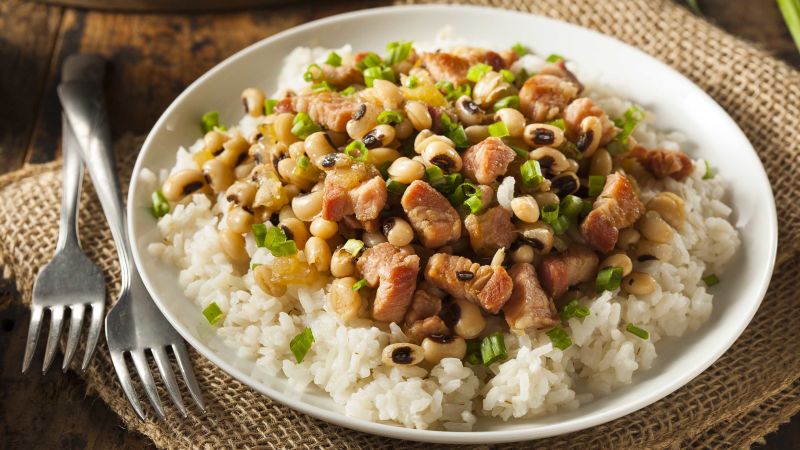
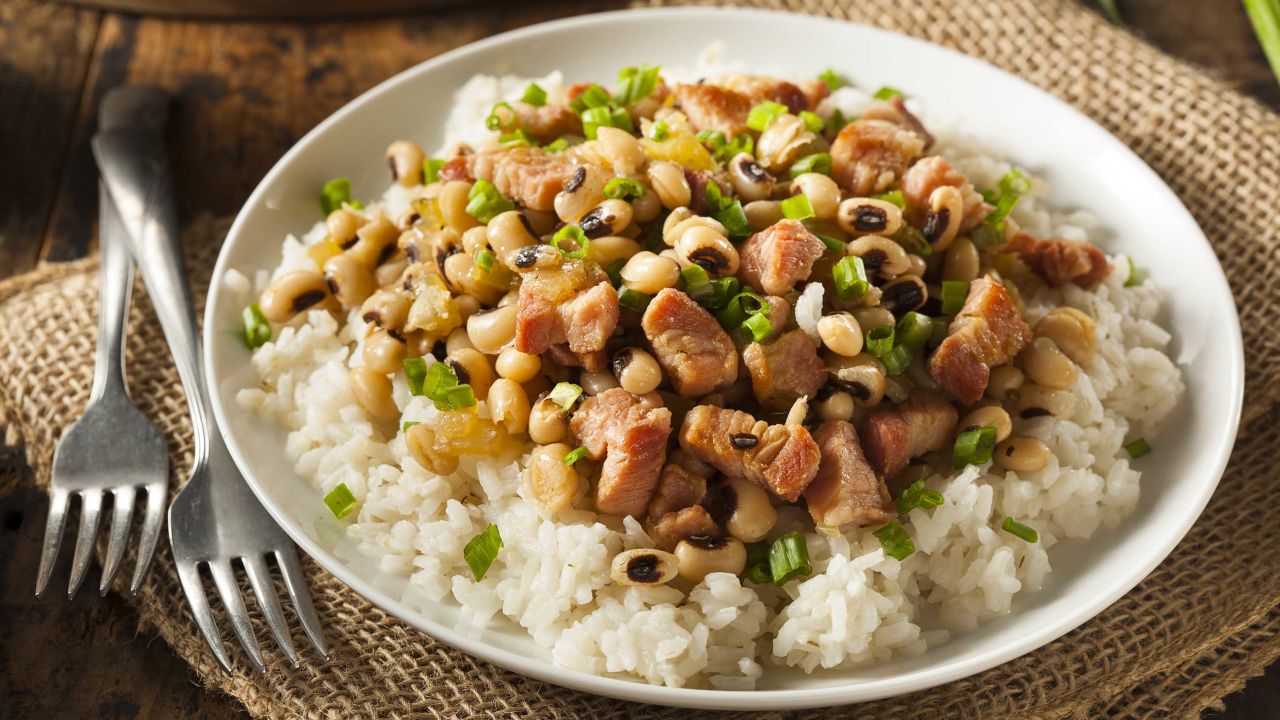
A major New Year’s food tradition in the American South, Hoppin’ John is a dish of pork-flavored field peas or black-eyed peas (symbolizing coins) and rice, frequently served with collards or other cooked greens (as they’re the color of money) and cornbread (the color of gold). The dish is said to bring good luck in the new year.
Different folklore traces the history and the name of this meal, but the current dish has its roots in African and West Indian traditions and was most likely brought over by slaves to North America. A recipe for Hoppin’ John appears as early as 1847 in Sarah Rutledge’s “The Carolina Housewife” and has been reinterpreted over the centuries by home and professional chefs.
The dish reportedly got its name in Charleston, South Carolina, and it is a veritable staple of Lowcountry cooking.
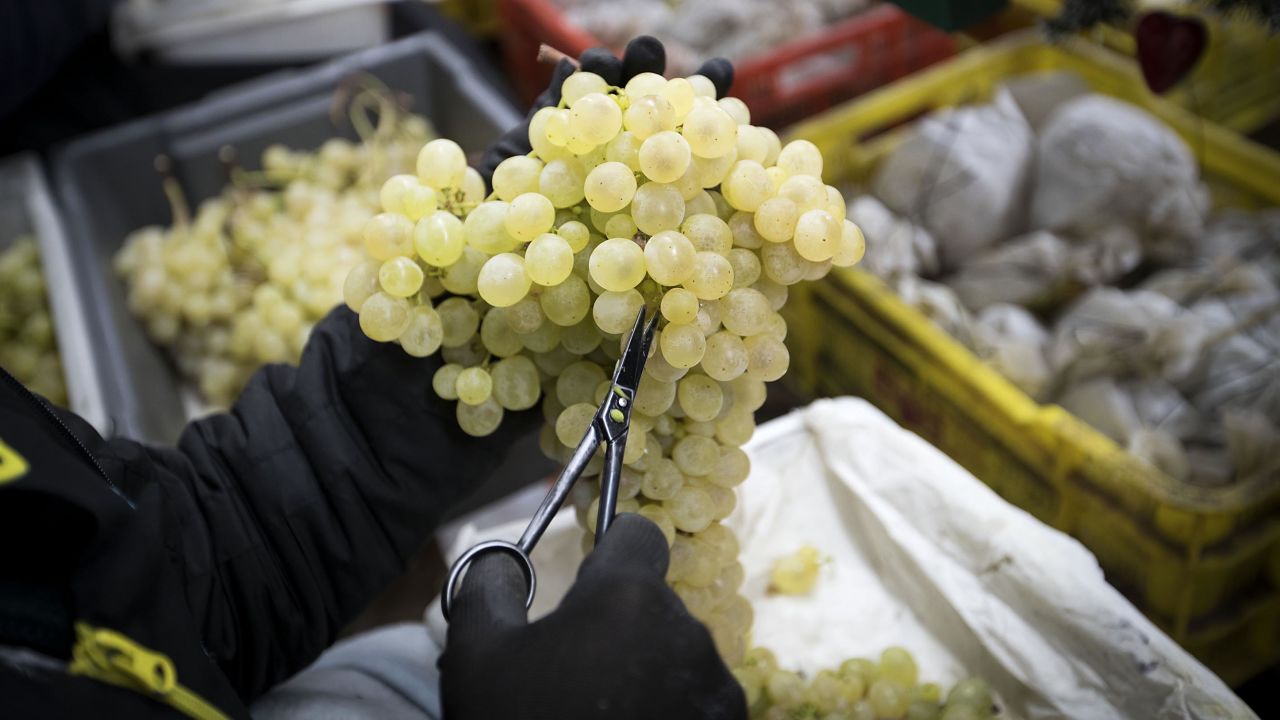
The people of Spain traditionally watch a broadcast from Puerta del Sol in Madrid, where revelers gather in front of the square’s clock tower to ring in the New Year.
Those out in the square and those watching at home partake in an unusual annual tradition: At the stroke of midnight, they eat one grape for every toll of the clock bell. Some even prep their grapes – peeling and seeding them – to make sure they will be as efficient as possible when midnight comes.
The custom began at the turn of the 20th century and was purportedly thought up by grape producers in the southern part of the country with a bumper crop. Since then, the tradition has spread to many Spanish-speaking nations.
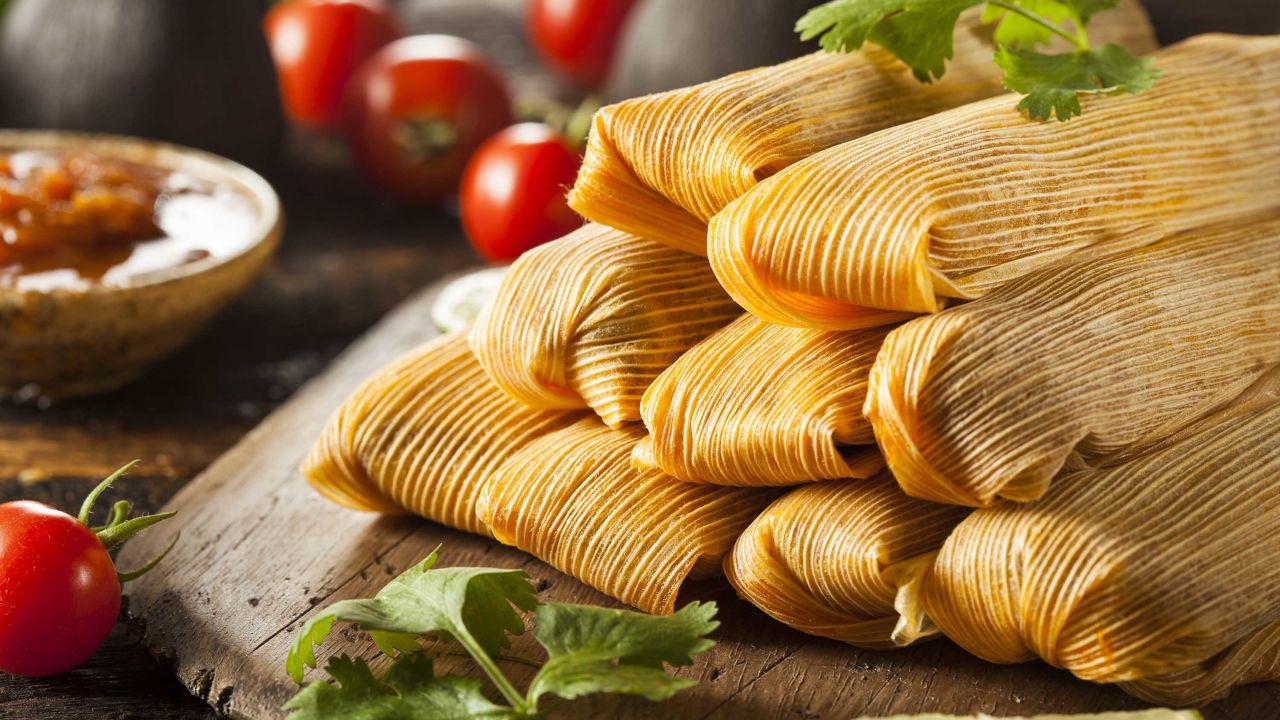
Tamales, corn dough stuffed with meat, cheese and other delicious additions and wrapped in a banana leaf or a corn husk, make appearances at pretty much every special occasion in Mexico. But the holiday season is an especially favored time for the food.
In many families, groups of women gather together to make hundreds of the little packets – with each person in charge of one aspect of the cooking process – to hand out to friends, family and neighbors. On New Year’s, it’s often served with menudo, a tripe and hominy soup that is famously good for hangovers.
Those who live in cities with large Mexican populations shouldn’t have much trouble finding restaurants selling tamales to go for New Year’s Eve and Day. In Mexico City, steamed tamales are sold from vendors on street corners day and night.
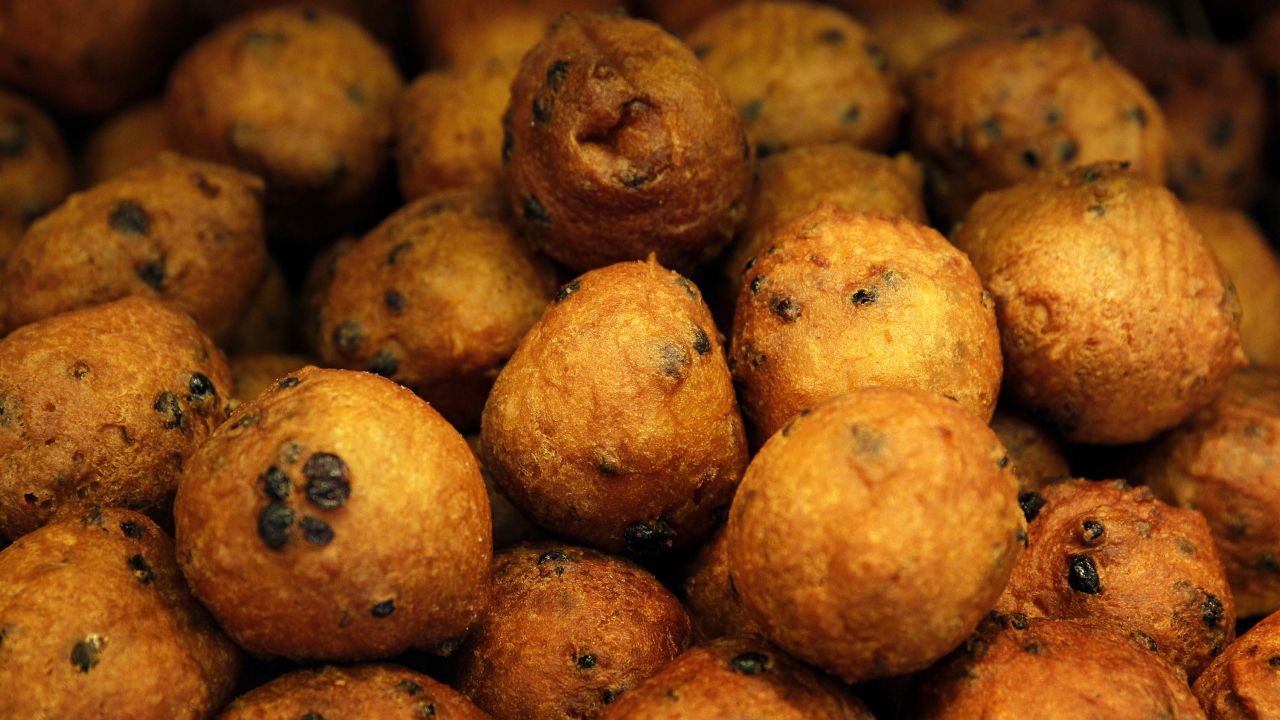
In the Netherlands, fried oil balls, or oliebollen, are sold by street carts and are traditionally consumed on New Year’s Eve and at special celebratory fairs. They are doughnut-like dumplings, made by dropping a scoop of dough spiked with currants or raisins into a deep fryer and then dusted with powdered sugar.
In Amsterdam, be on the lookout for Oliebollenkraams, little temporary shacks or trailers on the street selling packets of hot fried oliebollen.
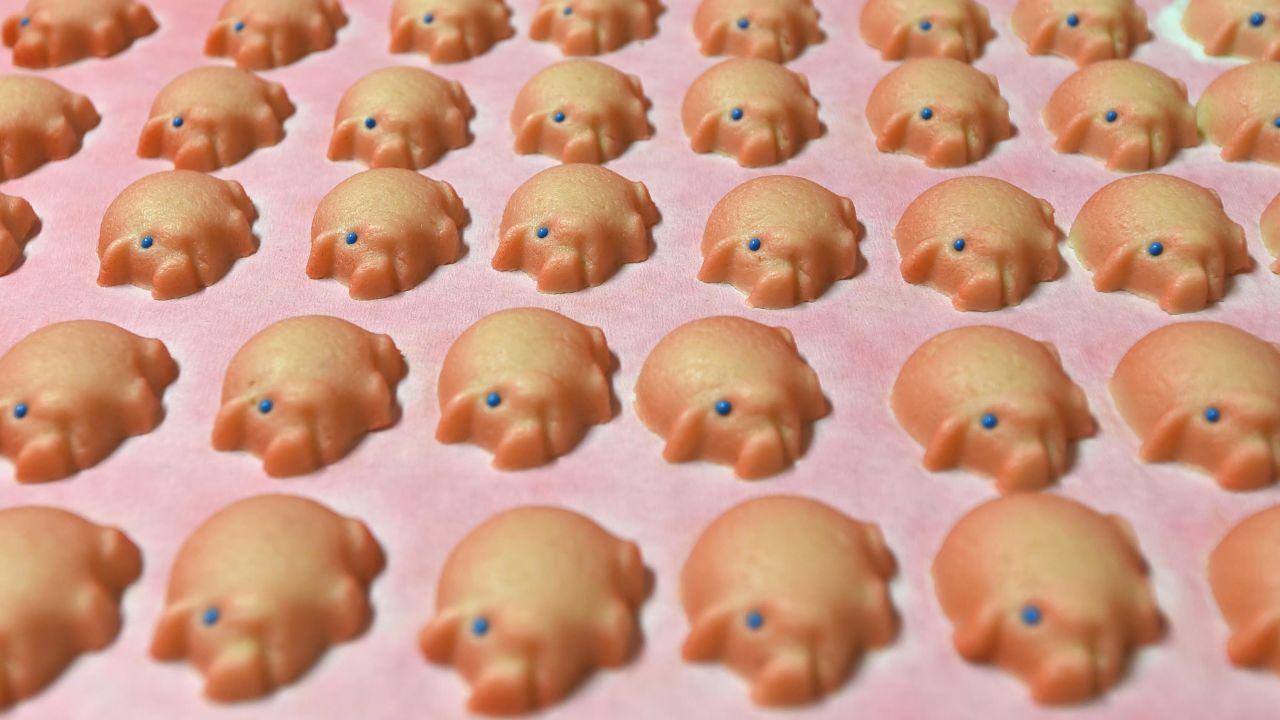
Austria and neighbor Germany call New Year’s Eve Sylvesterabend, or the eve of Saint Sylvester. Austrian revelers drink a red wine punch with cinnamon and spices, eat suckling pig for dinner and decorate the table with little pigs made of marzipan, called marzipanschwein.
Good luck pigs, or Glücksschwein, which are made of all sorts of things, are also common gifts throughout both Austria and Germany.
In Japanese households, families eat buckwheat soba noodles, or toshikoshi soba, at midnight on New Year’s Eve to bid farewell to the year gone by and welcome the year to come. The tradition dates back to the 17th century, and the long noodles symbolize longevity and prosperity.
In another custom called mochitsuki, friends and family spend the day before New Year’s pounding mochi rice cakes. Sweet, glutinous rice is washed, soaked, steamed and pounded into a smooth mass. Then guests take turns pinching off pieces to make into small buns that are later eaten for dessert.
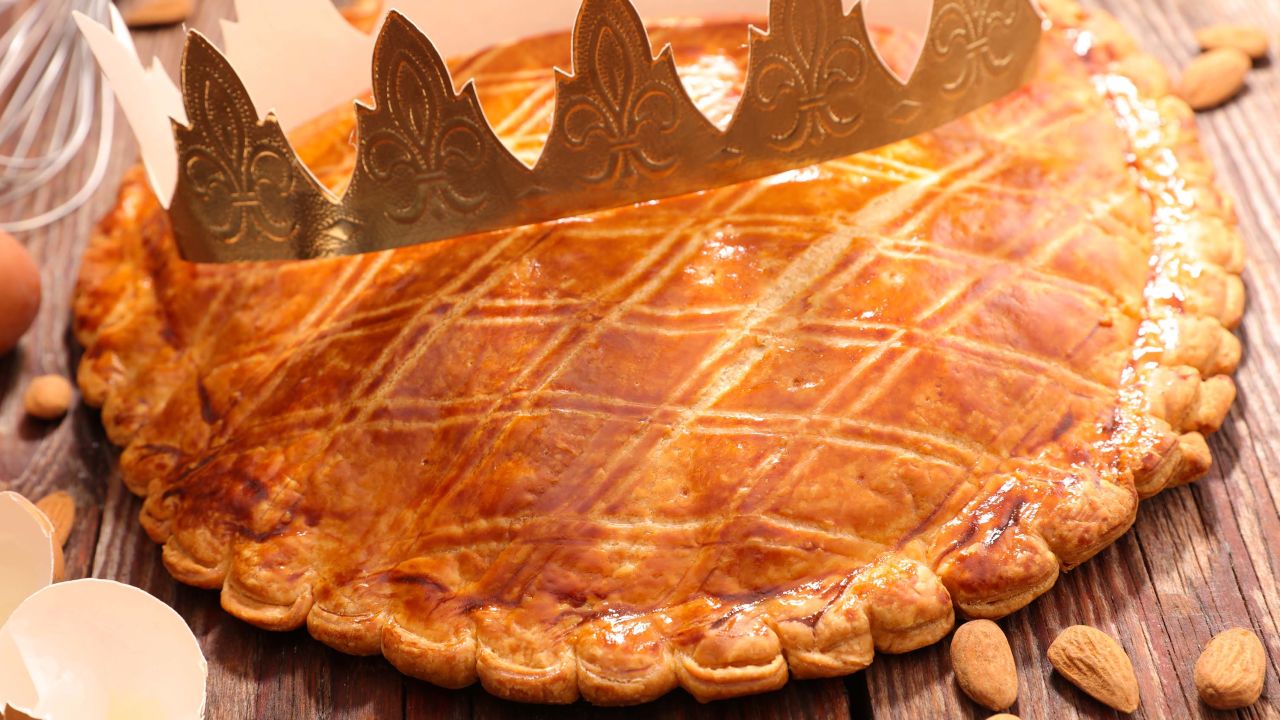
The tradition of a New Year’s cake is one that spans countless cultures. The Greeks have the Vasilopita, the French the gateau or galette des rois. Mexicans have the Rosca de Reyes and Bulgarians enjoy the banitsa.
Most of the cakes are consumed at midnight on New Year’s Eve – though some cultures cut their cake on Christmas or the Epiphany, January 6 – and include a hidden gold coin or figure, which symbolizes a prosperous year for whomever finds it in their slice.
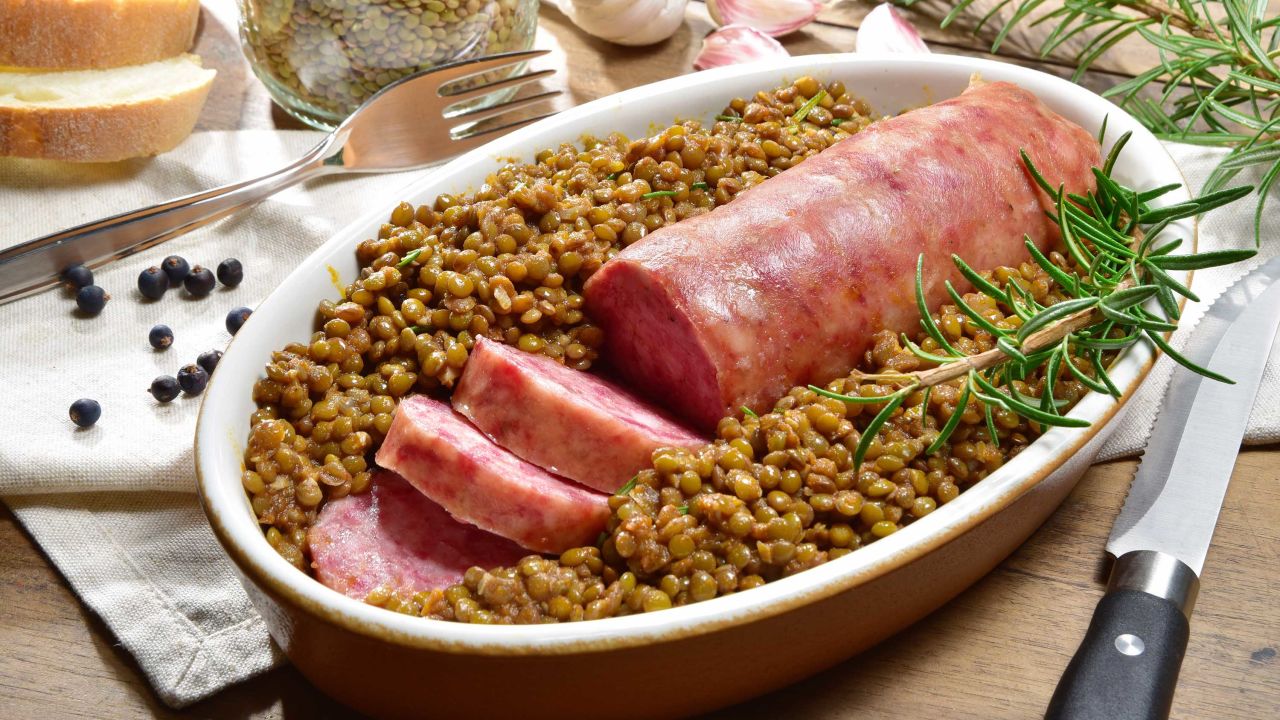
Italians celebrate New Year’s Eve with La Festa di San Silvestro, often commencing with a traditional cotechino con lenticchie, a sausage and lentil stew that is said to bring good luck (the lentils represent money and good fortune) and, in certain households, zampone, a stuffed pig’s trotter.
The meal ends with chiacchiere – balls of fried dough that are rolled in honey and powdered sugar – and prosecco. The dishes find their roots in Modena, but New Year’s Eve feasts thrive across the country.
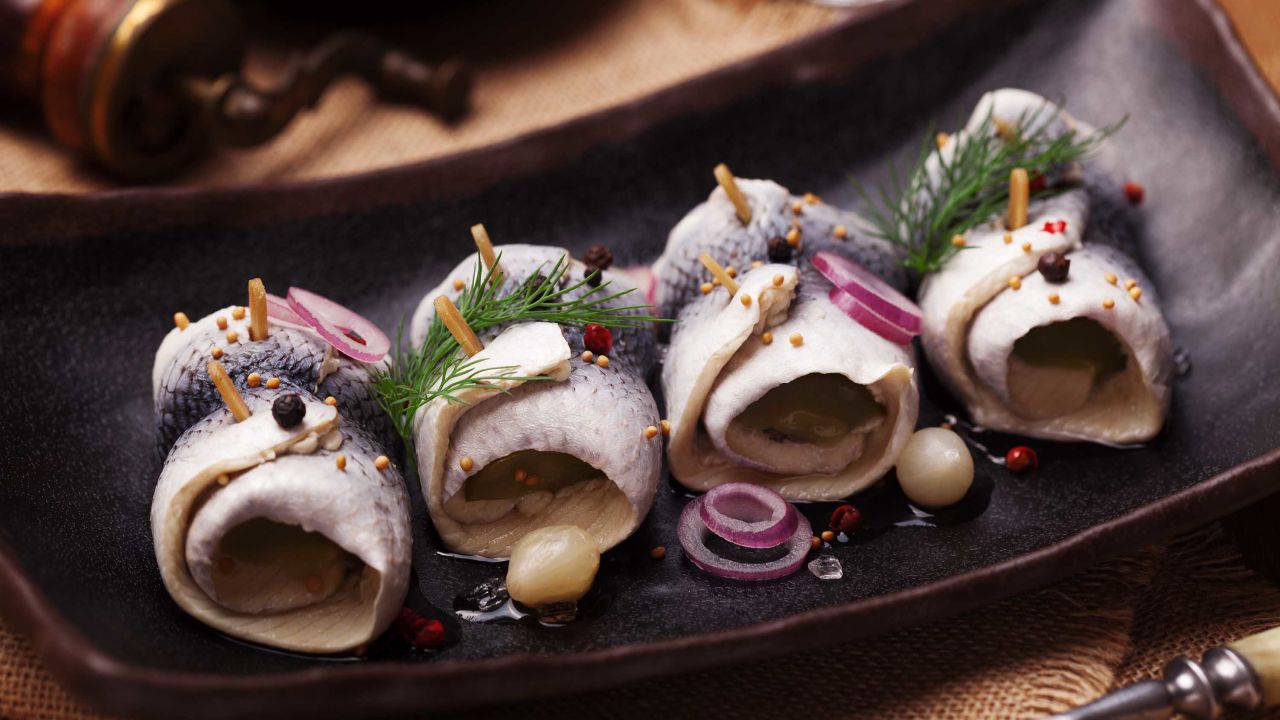
Because herring is in abundance in Poland and parts of Scandinavia and because of their silver coloring, many in those nations eat pickled herring at the stroke of midnight to bring a year of prosperity and bounty. Some eat pickled herring in cream sauce while others have it with onions.
One special Polish New Year’s Eve preparation of pickled herring, called Sledzie Marynowane, is made by soaking whole salt herrings in water for 24 hours and then layering them in a jar with onions, allspice, sugar and white vinegar.
Scandinavians will often include herring in a larger midnight smorgasbord with smoked and pickled fish, pate and meatballs.
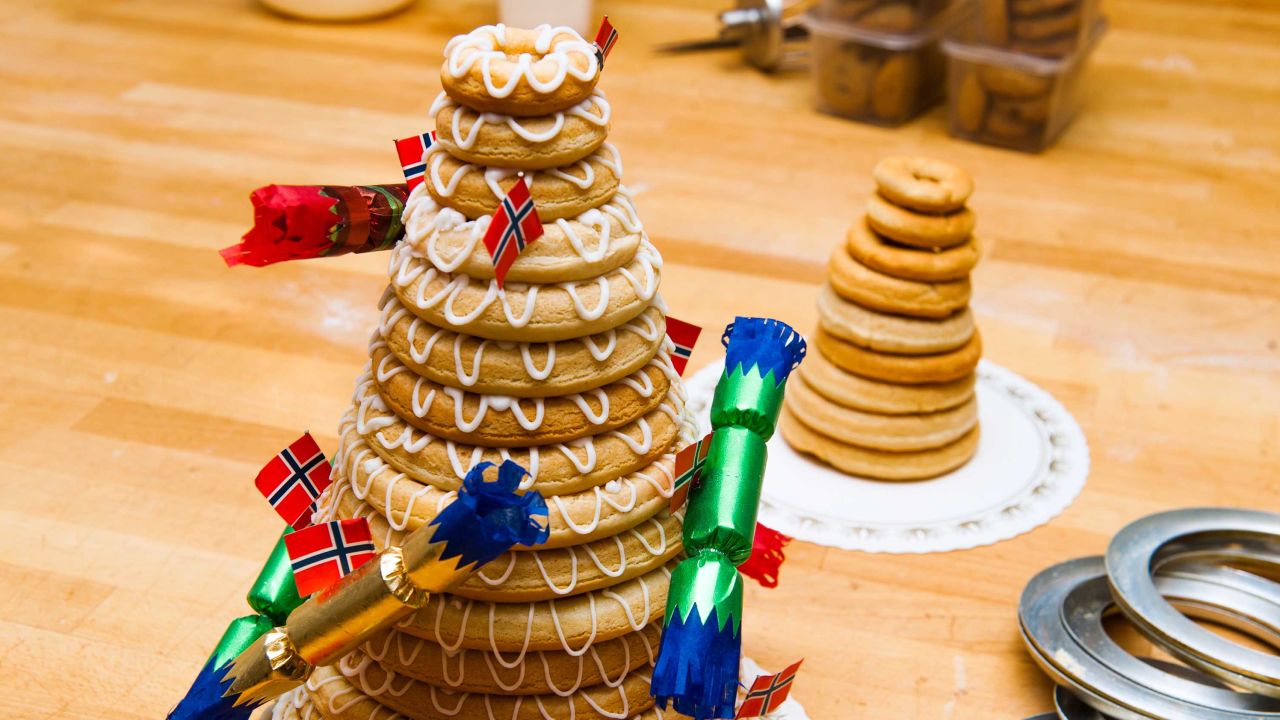
Kransekage, literally wreath cake, is a cake tower composed of many concentric rings of cake layered atop one another, and they are made for New Year’s Eve and other special occasions in Denmark and Norway.
The cake is made using marzipan, often with a bottle of wine or Aquavit in the center and can be decorated with ornaments, flags and crackers.
This article was originally published in December 2012. CNN’s Forrest Brown updated the article for 2022.