The best healthy foods to eat for breakfast

The best healthy foods to eat for breakfast

It helps you regulate your appetite, prevent blood sugar swings and fills you up on all the essential nutrients to start your day off right.

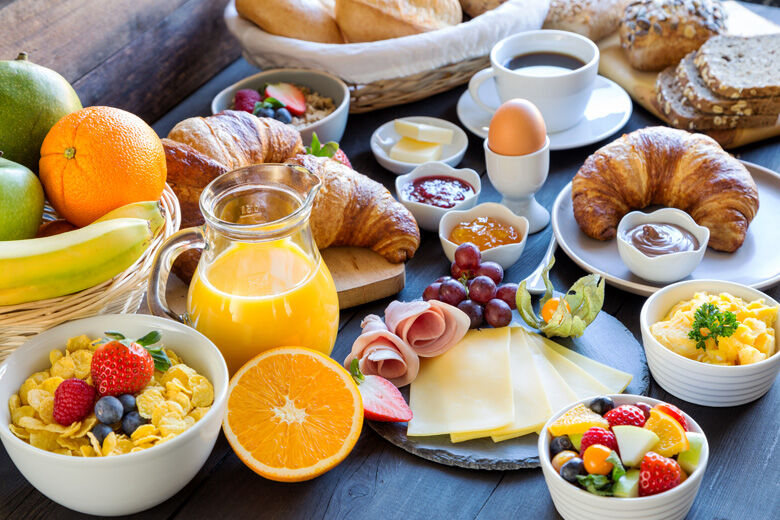
Breakfast is often called the most important meal of the day for good reason. It helps you regulate your appetite, prevent blood sugar swings and fills you up on all the essential nutrients to start your day off right.

If you’re looking for healthy breakfast foods, experts say to avoid sugary cereals at the grocery store, fresh pastries from the corner coffee shop and easy grab-n-go options at your favorite bodega. They may be luring you into a tasty trap laced with high amounts of added sugars, calories, refined grains and unhealthy saturated fats.

Regularly consuming these unhealthy ingredients can lead to weight gain and increased risks for high cholesterol, diabetes, chronic inflammation and heart disease.

To make breakfast as healthy as possible, look for the same good foods to eat that you’d have for lunch or dinner, including vegetables, nuts and seeds and some dairy foods, for instance.

Think about those categories as you plan your breakfast. The following superstar food choices can help get you started:

— Avocados.

— Blackberries and blueberries.

— Buckwheat.

— Coffee.

— Eggs.

— Ground hemp, chia or flax seeds.

— Healthy leftovers.

— Leafy greens.

— Mushrooms.

— Nut butters.

— Oat bran.

— Plain Greek yogurt.

— Prunes.

— Steel-cut oatmeal or oat bran.

— Tofu.

— Walnuts.

— Whole-grain bread.

[READ: Heart-Healthy Soups.]

Avocados

Also known as “alligator pears,” avocados provide heart-healthy unsaturated fat that’s often missing from typical Western diets. The fruits are packed with lots of potassium, folate and vitamins E, C, A and K, as well as fiber, which promotes gut health and helps control blood sugar. But that’s not all.

“Avocados also contain the antioxidants lutein and zeaxanthin, which may help to protect our eyes from harmful light waves (i.e., the blue light from our computer screens) that can harm our vision,” says Gabrielle Gambino, a registered dietitian with Weill Cornell Medical Center in New York City.

That means you get extra protection for your eyes with avocados.

A whole medium avocado contains:

— Calories:240.

— Fat:22 grams (15 grams of monounsaturated fat, 4 grams of polyunsaturated fat and 3 grams of saturated fat).

— Fiber:10 grams.

— Protein:3 grams.

Low in sodium and free of cholesterol, these superfoods are also versatile and widely available. Avocados are available year-round and can be purchased fresh in the produce section or frozen in the freezer aisle of the grocery store.

As versatile and yummy as avocados are, be mindful of how much you’re consuming if you live with kidney disease, cautions Anna Chew, a registered dietitian and vice president of nutrition services at Fresenius Kidney Care in San Diego. They’re high in potassium, and those with kidney disease may have trouble keeping their potassium levels balanced if eating them too much.

Here are a few breakfast ideas with avocados:

— Avocado chunks in a morning omelet.

— Mashing avocado and spreading it on toast. You can also combine mashed avocado with white beans to spread it on the toast, says Samantha Cassetty, a registered dietitian nutritionist and a partner with California Walnuts and Sunsweet Growers who’s based in New York City.

— Blending avocado in a green smoothie with kale, bananas, milk and a little honey.

[READ: Healthy Carbs to Eat.]

Blackberries and blueberries

Not to be fooled by their size, these small but mighty fruits pack a powerful nutritional punch with their high fiber, vitamin C, vitamin K, manganese and potassium content.

Blackberries andblueberries are also loaded with antioxidants that support body function at a cellular level. Some of these antioxidants include lutein and zeaxanthin carotenoids, which can promote eye health, and resveratrol, which has been a growing research area of interest for its potential anti-aging and anti-cancer effects.

One cup (5.2 ounces) of fresh blueberries contains:

— Calories:84.

— Fat:0.5 grams.

— Carbohydrates:21.4 grams (including 3.6 grams of fiber and 14.7 grams of natural sugars).

— Protein:1.1 gram.

— Potassium:114 milligrams.

— Vitamin C:14 milligrams.

— Manganese:0.6 milligrams

— Vitamin K:29 micrograms.

One cup (5.1 ounces) of fresh blackberries contains:

— Calories:62.

— Fat:0.7 grams.

— Carbohydrates:14.7 grams (including 7.6 grams of fiber and 7 grams of natural sugars).

— Protein:2 grams.

— Potassium:233 milligrams.

— Vitamin A:310 milligrams.

— Vitamin C:30 milligrams.

Enjoy either berry in a hot or cold cereal, yogurt, a morning smoothie or in whole-grain pancakes or muffins.

“Cooked blackberries make a delicious syrup. Just put them in a little water and bring them to a boil. Try to stick to about a cup of blackberries per serving,” says Dana Hunnes, a senior clinical dietitian at Ronald Reagan UCLA Medical Center in Los Angeles.

As you use fruits and vegetables for your healthy breakfasts, don’t forget that you also can use frozen produce, Cassetty says. This is useful when a certain produce item isn’t in season or you can’t find it fresh. Frozen fruits and veggies are just as healthy as their fresh counterparts. Plus, they’re more budget-friendly, Cassetty adds. Look for frozen versions that don’t have added sugars or salt.

Buckwheat

Whole-grain carbohydrates help fuel the brain for the morning, and buckwheat is brimming with healthy carbs and other important nutrients. Buckwheat seeds come from flowering plants that are then ground into small pieces that can be enjoyed in the form of hot cereal or as a powder for baking flour.

“Buckwheat is a high-fiber, gluten-free alternative to white [refined] flour. Buckwheat is also a good source of magnesium and B vitamins like thiamine, folate and niacin,” says Kristin Gustashaw, an advanced clinical dietitian with Rush University Medical Center in Chicago.

A quarter cup (45 grams) of buckwheat contains:

— Calories:154.

— Fat:1.5 grams.

— Carbohydrates:32.3 grams (including 4.5 grams of fiber).

— Protein:6 grams.

— Iron:1 milligram.

— Potassium:207 milligrams.

The grain has a nutty, sometimes bitter taste, but the flavor is more palatable when it’s roasted or combined with other ingredients. For example:

— Mix buckwheat with other whole-grain flours (such as whole-wheat or brown rice) to make flavorful pancakes or muffins.

— Cook a mixture of buckwheat cereal with brown rice or quinoa for a hot porridge.

Top buckwheat dishes with sweet or savory toppings, such as chopped nuts, fresh or dried fruit and a little honey, or top with shredded cheese, chicken chunks and balsamic vinegar or a drizzle of olive oil.

Coffee

Coffee is sometimes villainized as a morning vice but the truth is, it can be a healthy addition to your breakfast if you’re not adding a lot of extra ingredients to it.

“It could be the healthiest bad behavior out there,” Cassetty says.

Coffee may help improve short- and long-term memory, according to several studies. Plus, the caffeine in coffee is a stimulant, so it can help you feel more focused and alert. Of course, you don’t want to overdo that. If you’re new to drinking coffee, start with one cup to see how it affects you before working up to a max of four cups a day. Cut your coffee intake by lunchtime to avoid any effects by the evening.

Don’t worry if you have to stick to decaf as the health benefits are similar to regular coffee, minus the caffeine.

If you add a lot of sugar, syrups or milks to coffee, that can cut down on the beverage’s health effects, Cassetty cautions. Aim for no more than 1 to 2 teaspoons of sugar (4 to 8 grams) if you don’t want to drink it black. This includes reading the labels of any products you use in coffee to check for sugar amounts.

[SEE: Healthy Meals You Can Make in 10 Minutes.]

Eggs

Eggs are nutrient-dense and high in all of the essential amino acids, which are the building blocks of protein, that keep your hunger at bay and provide fuel for your musclesand organs early in the day.

“Amino acids also support optimal brain signaling and hormone regulation. In general, high protein foods maximize blood sugar control, particularly if we pair them with carbohydrate-rich items in our first meal of the day, such as eggs and whole-wheat toast,” Gambino says.

One large egg contains:

— Calories:72.

— Fat:5 grams.

— Carbohydrates:Less than one gram.

— Protein:6 grams.

Eggs are also rich in minerals, such as calcium, magnesium, phosphorus and potassium; vitamins, such as B and D vitamins; and other nutrients, such as lutein and zeaxanthin. Stick with hard-boiled or poached eggs instead of frying them, which is less healthy.

Here are a few ways to enjoy eggs at breakfast time:

— On top of an avocado half or oatmeal.

— Cooked into an omelet with eggs and veggies.

— Add one or two extra egg whites when cooking two eggs, to add protein and keep you fuller longer.

— Make egg salad avocado toast, which involves mashing an avocado and mixing in a hard-boiled egg before you spread it on whole-grain toast, suggests Chew.

Ground seeds

One of the best foods to eat in the morning is ground seeds, particularly ground hemp, chia or flaxseeds.

“Seeds are excellent sources of plant-based protein, fiber, omega-3 fatty acids, magnesium, iron, calcium and potassium,” Gustashaw says.

One tablespoon of ground flaxseed, for example, contains:

— Calories: 37.

— Fat:3 grams of healthy unsaturated fat.

— Carbohydrates:2 grams (including 2 grams of fiber).

— Protein:1.3 grams.

— Magnesium:27 micrograms.

— Calcium:18 milligrams.

— Lutein and zeaxanthin:45 micrograms.

Gustashaw recommends adding ground seeds to:

— Yogurt.

— Hot cereals.

— Avocado toast.

— Whole-grain pancake or muffin batter.

— Fruit.

Healthy leftovers

If you favor savory breakfasts, leftovers from a nutritious dinner the night before make a healthy choice. Whether it’s baked salmon with quinoa and broccoli, a vegetable stir-fry and brown rice or roasted chicken and sautéed spinach and roasted sweet potatoes, you can give these meals a second life by enjoying them the next morning.

“There’s no wrong time to eat certain foods,” Gustashaw says. “If a food is packed full of nutrition, breakfast is a good time to eat it and it will give you a powerful start to your day.” Chew is also a fan of being adventurous and eating foods that are not traditional to breakfast.

Gustashaw also advises repurposing leftovers to make interesting new breakfast dishes. Options include turning last night’s roasted vegetables into an omelet or wrapping it in a whole-grain tortilla for an on-the-go meal.

Leafy greens

When you think of breakfast, you may not immediately think of leafy greens. But leafy greens can actually make for an easy addition to your breakfast, and you can easily slip them into other foods you’re eating.

Some examples of leafy greens to add to your breakfast include:

— Arugula.

— Kale.

— Romaine lettuce.

— Spinach.

Leafy greens provide benefits like folate, lutein and vitamins A and C. Greens also may help protect your brain, according to a 2018 study published in the journal Neurology. Over an average 4 ½ year period in the study, a daily serving of leafy greens protected memory and cognitive abilities comparable to people 11 years younger.

Here are a few ways to add leafy greens to your morning meals:

— Add a fistful to an omelet.

— Add a cup of spinach or kale to a smoothie.

— Place arugula on top of avocado toast, Cassetty suggests.

Mushrooms

You don’t have to wait until dinner to eat mushrooms. These delicious fungi are high in fiber and are a rich source of plant-based protein, but they’re also good for the gut — they can act as prebiotics that fuel good bacteria in the GI tract. That helps promote good gut health and improve blood sugar control.

A cup of raw chopped portabella mushrooms contains lots of phosphorus, potassium, folate and calcium as well as:

— Calories:80.

— Fat:0.3 grams.

— Carbohydrates:3 grams (including 1 gram of fiber and 2 grams of natural sugar).

— Protein:2 grams.

Add raw mushrooms to a smoothie for an extra nutrition boost and a taste you’ll hardly notice. Or sauté mushrooms to add a savory flavor and texture to an omelet.

Nut butters

Nut butters are made of ground peanuts or ground tree nuts — such as almonds, cashews, pistachios, pine nuts and walnuts. While they’re a staple of lunch and snacks, nut butters are perfect for breakfast too, whether on your whole-grain toast or mixed into a smoothie, oatmeal or whole-grain pancake mix.

A nut butter’s superpower comes from its main ingredients (nuts or peanuts), which are associated with lower body mass and reduced risks for developing chronic diseases, such as heart disease, cancer and diabetes. They’re rich in protein and fiber, which keep you full, plus lots of vitamins, minerals and phytochemicals.

Two tablespoons of almond butter, for instance, contains:

— Calories:200.

— Fat: 18 grams (including 2 grams of saturated fat and 16 of grams unsaturated fat)

— Carbohydrates:6 grams (including 3 grams of fiber and 2 grams of sugar).

— Protein:7 grams.

— Calcium:111 milligrams .

However, it’s important not to overdo it due to their high fat content. Plus, nut butter’s health benefits can be derailed quickly if it includes unhealthy ingredients like sugar. Nut butters are good for you when consumed in moderation; a serving size is 2 tablespoons.

“You want to avoid nut butters made with added sugar and palm or fractionated oils. It’s easy to spot them because those are usually the nut butters that are pre-stirred,” Hunnes says. “Look for the ones you have to mix.”

Oatmeal or oat bran

Steel-cut oats are whole oat kernels, or oat groats, that have been chopped into smaller pieces. They’re packed with beneficial fiber (about 5 grams in a quarter cup of dry oats), namely beta-glucan. That’s a type of fiber found in barley, oats, mushrooms and several other foods.

“It provides sustained, stable energy from complex carbs. That’s important in the morning, so you’ll feel fuller longer and you won’t get an energy crash an hour after eating,” Gambino says. “Beta-glucan also improves cholesterol levels, helping to clear the arteries of potential plaques that could otherwise lead to complications down the road.”

Another oat choice: oat bran, the oat groats’ outer shell.

“Oat bran is awesome for people who don’t like the texture of oatmeal (flattened, steamed oat groats) or steel-cut oats. And for the same amount of calories, you get double the potassium, phosphorus and magnesium; a third more calcium and thiamin; and about 40{d2b09b03d44633acb673e8080360919f91e60962656af8ade0305d5d8b7e4889} more iron than you would in steel-cut oatmeal,” Gustashaw says.

A 3.5-ounce serving of cooked oat bran contains:

— Calories:40.

— Protein:3 grams.

— Fiber:3 grams.

Both oat bran and steel-cut oats are a good base for all kinds of sweet or savory flavors. If you don’t have steel-cut oats or oat bran, you also can use regular oatmeal for similar benefits. Just steer clear of instant oatmeal already prepared with sugar. Cassetty has seen instant single-serve packages of oatmeal with 14 grams of sugar, similar to that in a small candy bar. “I’d rather see someone add a teaspoon of sweetener than eat something that has more sugar than a small candy bar,” she says.

Overnight oats that combine blueberries, steel-cut oatmeal, plain Greek yogurt and walnuts are a terrific way to combine several healthy breakfast foods, Chew says. The fiber this breakfast provides can help lower your risk for stroke, coronary heart disease and high blood pressure, she adds. Try adding cinnamon and nutmeg to boost flavors.

Plain Greek yogurt

Yogurt is heated milk that gets combined with two types of “good” bacteria and then is left to ferment for a few hours. During that time, milk sugars change into lactic acid, which is thicker than milk and has a sharp flavor. This dairy product is a creamy, protein- and calcium-rich breakfast staple for many people.

Try to avoid yogurt with added sugars. Instead, go for plain Greek yogurt, a strained, thicker type of yogurt that’s higher in protein with less sugar than the regular variety. Packed with calcium, potassium and probiotics, Greek yogurt is a versatile and nutritious choice that promotes good gut health and helps control your appetite.

A half a cup of plain nonfat Greek yogurt contains:

— Calories:60.

— Fat:0.3 grams of fat.

— Carbohydrates:4 grams (including 3 grams of natural sugar).

— Protein:10 grams.

— Calcium:111 milligrams.

Enjoy Greek yogurt with fruit, nuts, honey or ground seeds mixed into it. Or, add a dollop of Greek yogurt as you scramble eggs or make whole-grain pancakes or muffins.

Prunes

Prunes are due for an image makeover. While sometimes overlooked, nutrition experts hail them for their health benefits, including at breakfast time. A 2022 study from the American Journal of Clinical Nutrition reported that five to six prunes eaten daily by postmenopausal women helped to preserve bone mass and reduce fracture risk.

— Calories (four prunes):90.

— Fat:0 grams.

— Carbohydrates:24 grams.

— Protein:10 grams.

— Calcium:20 milligrams.

— Potassium: 280 milligrams.

Even though it’s just 2{d2b09b03d44633acb673e8080360919f91e60962656af8ade0305d5d8b7e4889} of our recommended daily calcium intake, the calcium contained in prunes is important as 40{d2b09b03d44633acb673e8080360919f91e60962656af8ade0305d5d8b7e4889} of Americans don’t get their recommended intake of calcium through the foods they eat, according to Oregon State University.

Consider adding prunes with your other healthy breakfast choices, such as in oatmeal dishes. Or, sprinkle them over whole-grain toast with nut butter. You also can enjoy them as a pre-breakfast workout snack.

Tofu

Tofu is a thick, flavorless product of soybean curds that takes on the flavors of other foods and spices you pair with it. It comes in crumbles or blocks that are soft, medium firm or firm, and its texture makes it a popular substitute for eggs or meat.

Tofu is a great breakfast food because it’s a rich source of plant-based protein to help keep you full in the morning, and it contains many other nutrients such as folate (a B vitamin), choline (an essential nutrient) and minerals such as zinc, potassium, phosphorus and selenium.

A 3.5-ounce serving of firm tofu also contains:

— Calories:78.

— Fat:4 grams.

— Carbohydrates:3 grams (including 1 gram of fiber).

— Protein:9 grams.

— Calcium:200 milligrams.

To incorporate tofu into a healthy breakfast, cut it into small chunks and add it to vegetables for a veggie scramble. Or, add it to a breakfast burrito or smoothies, Hunnes says.

Walnuts

In addition to nut butters, a simple handful of nuts will add crunch, flavor and nutrients to your breakfast.

Walnuts in particular will help give your cardiovascular system a healthy start in the morning. The nuts are packed with omega-3 fatty acids, which are powerhouses for the heart and blood vessels. Daily walnut consumption also may help improve your mental health and well-being, according to a trial focused on academic stress that was published in the journal Nutrients.

An ounce of walnuts contains:

— Calories:185.

— Fat:18.5 grams (1.7 grams saturated fat, 13.4 polyunsaturated fat and 2.5 grams of monounsaturated fat).

— Carbohydrates:3.9 grams (including 2 grams of fiber).

— Protein:4.3 grams.

— Calcium:28 milligrams.

— Potassium:125 milligrams

Walnuts are also loaded with vitamin E, folate and magnesium. A few ways to enjoy walnuts in the morning include:

— Baking them with a little honey for a sweet, crunchy yogurt topping.

— Adding them to overnight oats, smoothie bowls and yogurt parfaits.

— Grabbing a handful to take with you for an easy morning snack.

Whole-grain bread

Whole grains are those that haven’t been refined to remove the outer shell (bran) or nutrient-rich germ (or embryo) inside the grain.

Examples of whole grains include:

— Bulgur.

— Oat.

— Quinoa.

— Rye.

— Whole-wheat.

— Farro.

— Teff.

Made into breads, whole grainsare handy breakfast foods that are portable and easy to prepare. They’re also full of nutrients such as fiber, protein and B vitamins.

One slice of whole-wheat bread contains:

— Calories:78.

— Fat:1 gram.

— Carbohydrates:14.3 grams (including 1.2 grams of fiber and 1.8 grams of sugar).

— Protein:3 grams.

— Calcium:40 milligrams.

For a nutritious breakfast, pair a slice or two of whole-grain bread with an egg, half an avocado, nut butter or a slice of your favorite cheese.

To get the healthiest whole-grain breads, you’ll have to read the ingredient label.

“Make sure each grain has the word ‘whole’ next to it,” Hunnes advises. “And watch out for added sugars. Go for the bread with four grams (or fewer) added sugars per slice. That’s still one teaspoon of sugar, but it’s better than 8 grams or more that are common in bread.”

Some final tips on breakfast planning

As you plan your breakfast, aim for a balance of protein, fat and fiber. Envision a plate that can be filled with these suggested serving sizes and items as shared by Chew:

— 3 to 5 ounces of protein, or about the size of your palm.

— A half-cup of fruits and veggies, or the size of your cupped hand.

— One cup of bread or grains, which is about the size of your closed fist.

When you can, try to enjoy local and seasonal produce for a nutrient-packed healthy treat, Chew advises.

More from U.S. News

Heart-Healthy Breakfast Ideas for a Busy Morning

The Best Heart-Healthy Snacks

8 High-Protein Breakfasts That Keep You Full

The Best Healthy Foods to Eat for Breakfast originally appeared on usnews.com

Update 04/21/23: This piece was previously published at an earlier date and has been updated with new information.

At the intersection of food and culture

At the intersection of food and culture

No matter how different we are as individuals, we can all bond over a good meal. 

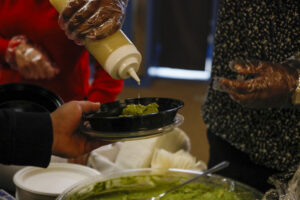
Coordinator of the Brahma Bodega Geremy Mason helps students assemble guacamole bowls in the Multicultural Center at Pierce College in Woodland Hills, Calif., on April 17, 2023. Photo by Rachael Rosenberg

“Food and Culture: Exploring the Intersection” was the first event of its kind at Pierce College. Held at the Multicultural Center on Monday, the event was a collaboration between the Brahma Bodega and the Multicultural Center that brought students and faculty together. 

The event provided an opportunity for people to learn about food and culture while making a dish.

Multicultural Center Coordinator Tatevik Melkumyan came up with the idea of the event while sharing food with her colleagues. Different dishes reminded them of foods from their own culture. 

“We think we’re very different, but really, we’re the same and we’re connected in a lot more ways than we actually know of,” Melkumyan said. “Being able to learn about food from different cultures and learning through food that we’re actually very much connected and very similar. So that’s what sparked the idea for the event.” 

A lot of people can relate to the feeling of having their own comfort foods, so this gives students the opportunity to experience comfort foods associated with various cultures. 

Brahma Bodega Coordinator Geremy Mason spoke about the significance of students exploring different aspects of themselves through traditions and food. 

Geremy Mason gets ready to assemble a guacamole bowl in the Multicultural Center at Pierce College in Woodland Hills, Calif., on April 17, 2023. Photo by Rachael Rosenberg
A student assembles a guacamole bowl in the Multicultural Center at Pierce College in Woodland Hills, Calif., on April 17, 2023. Photo by Rachael Rosenberg
A student’s assembled guacamole bowl in the Multicultural Center at Pierce College in Woodland Hills, Calif., on April 17, 2023. Photo by Rachael Rosenberg

“I think it’s really important that students can explore all aspects of multiculturalism,” Mason said. “Food preparation, as we were talking about in the presentation, is a big part of cultural identity and tradition. We wanted to have some kind of collaboration where we got to discuss that and have an engaging activity.” 

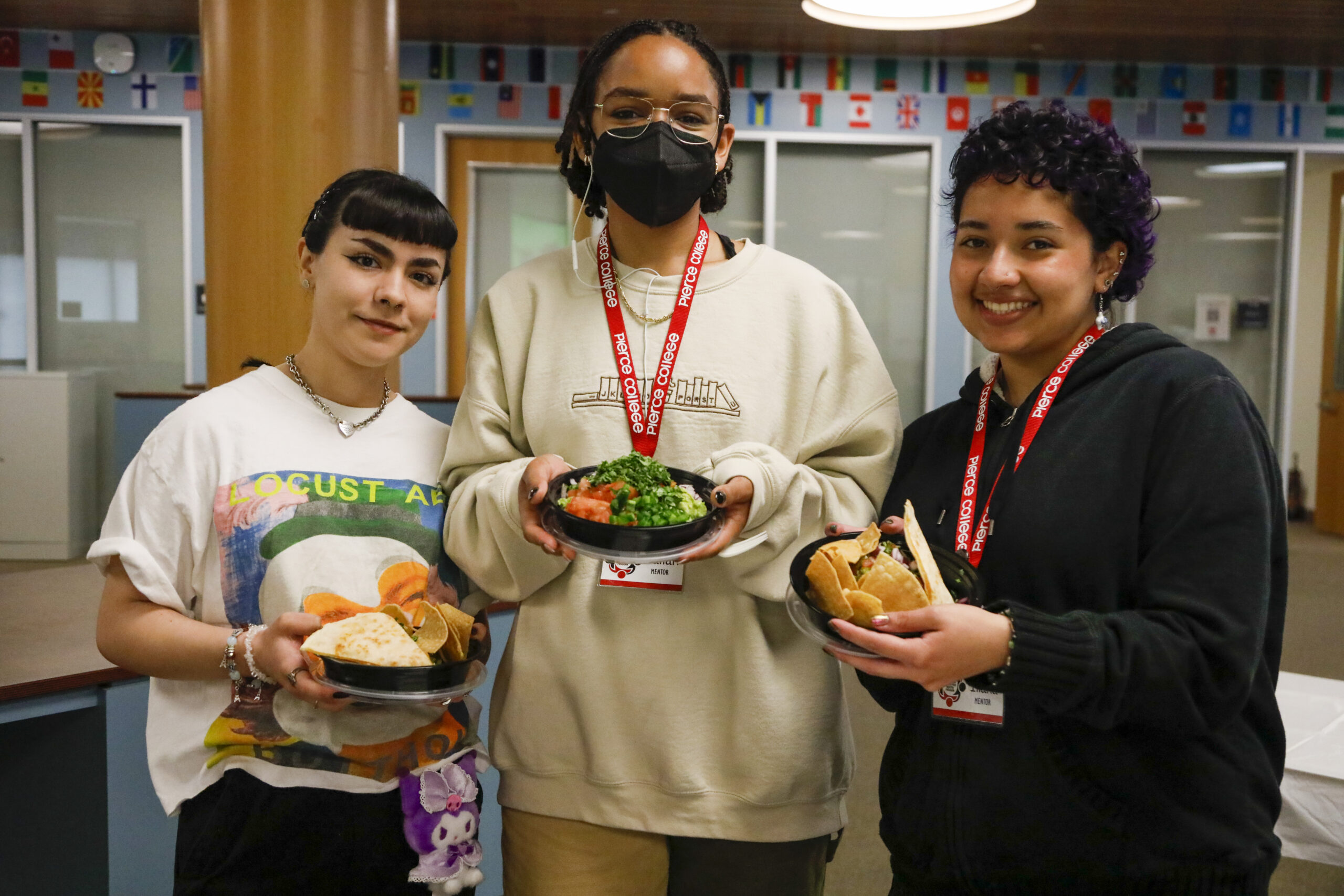
After discussing the importance of food and culture, and the way they are interwoven, the main dish for the event was based on traditional Mexican cuisine. With the use of avocados in many different forms and cultures, students and faculty were able to create their own guacamole. 

Ingredients and materials were prepared at the food station for people to assemble their plates. From tomatoes, avocados, and red onions, to cilantro, salsa, and quesadillas. There was a wide variety of choices, as well as chips and refreshments. 

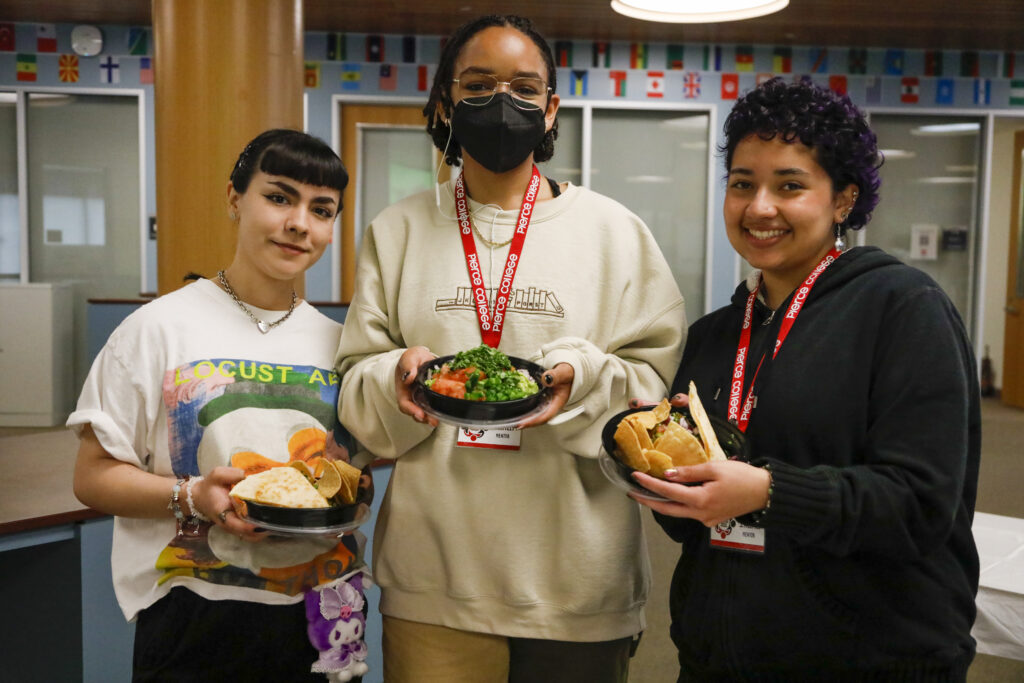
(Left-right) Pierce Students Isabella Vieyra, Nailah Babatunde-Bey, and Lliana Pride hold their guacamole bowls in the Multicultural Center at Pierce College in Woodland Hills, Calif., on April 17, 2023. Photo by Rachael Rosenberg

Pierce student Isabella Vieyra enjoyed the presentation and the making of guacamole. 

“I am Mexican, so it does feel like it hits a little close to home,” Vieyra said. “I think it’s fun and interactive and the presentation was a good explanation of its significance in Mexican culture.”

Dean of Student Engagement Juan Carlos Astorga expressed his connection to family traditions, and why it’s important for students to engage in the food of their culture. 

“It’s an amazing opportunity because as we talk about food and culture and the connection to that, it’s also about a connection to our elders and how we pass on traditions,” Astorga said. “It’s engaging our connection to culture, but also introducing how food does those intersectional connections to each other.” 

Freezer Meals: How Long Does Food Actually Keep?

Freezer Meals: How Long Does Food Actually Keep?

The drive to prepare a meal can come in waves. You braise short ribs for hours on Sunday and struggle to gather the will to make ramen on Thursday. On those nights, it helps to have a freezer full of, well, braised short ribs. It’s cheaper than takeout, requires nearly no energy to reheat and feels like an act of care, past you taking care of present you.

The freezer is the best source of fully cooked dishes, homemade meals that need only to be heated through and, of course, desserts for sweet cravings. (It also remains a smart place to store many ingredients.)

And it’s as simple to stack up dishes in your freezer as it is to understand what keeps best and when to eat it.

You can freeze anything, though some foods are better suited and all start to diminish in taste, texture and scent over time. So it’s not exactly a matter of can, but should.

How water turns into ice largely determines what freezes best. As fresh ingredients with a lot of water freeze, their cell walls break, altering their texture. Cooking does something similar, which is why, with their broken cell walls, fully and partly prepared dishes maintain their integrity in the freezer.

The short answer is a year, maximum — not because the food will spoil, but because it’ll taste sad. (The Centers for Disease Control and Prevention has a cold food storage chart, for more precise timelines.) Two to six months is better for ensuring quality. So is wrapping the food tightly. Exposure to freezing air causes food to dehydrate, making it tougher and more bland (commonly known as freezer burn). The oxygen in that air can also cause food to oxidize, causing fats to taste rancid. Follow these tips for ideal food storage and be sure to label and date every item using masking or painter’s tape and a permanent marker, so you’re never left wondering what you have.

As long as your freezer is at or below zero degrees, bacteria can’t grow. The best way to tell if something seems fine to eat is to smell and touch it after it defrosts. If it smells rotten or rancid, and doesn’t feel the way it should — think mushy, mealy fish — trash it. If you’re not sure, take a little nibble. If it tastes good, enjoy.

But remember: The freezer is not a time machine. If leftover stew close to turning in the refrigerator is thrown in the freezer, it won’t thaw into impeccably fresh stew. Once thawed, it’ll return to its iffy state.

Soups, Stews and Braises: Anything liquid, soft or stored in sauce stays intact in the freezer. Stocks, soups (creamy, chunky or brothy) and stews of all kinds (from curries to chilies) can be ladled into sturdy airtight containers with at least an inch of room at the top. Braised meat or vegetables like collards should be smothered evenly in their sauce. Meatballs hold up especially well if stored in gravy, and from-scratch beans like these oven-braised ones keep their creamy, tender texture when packed with their starchy simmering liquid.

Ideally, thawing would occur overnight in the refrigerator, but these dishes can be quickly defrosted straight from the freezer. Run the sealed container under hot water until the ice block releases, then slide it into a saucepan. Add a scant inch of water, set over medium-high heat, cover, and simmer, occasionally breaking up the ice, until everything bubbles evenly for a few minutes.

Casseroles and Sweet or Savory Pies: Lasagna and anything like it — meat, vegetables or starch layered with sauce — are freezer heroes. Fully cooked casseroles can be wrapped tightly in their dishes, then unwrapped, covered with foil and heated in the oven. Leftovers can be portioned and sealed into smaller containers, then popped out and zapped in the microwave or baked until bubbling. A casserole with cooked components, such as tomato-meat sauce or creamed broccoli and rice, can be assembled in the dish, wrapped and frozen, then cooked through in the oven.

Double-crust pies should be assembled with raw dough and chilled filling. The whole thing should be frozen uncovered until rock hard, then wrapped tightly until it’s baked from its frozen state. Quiche should be fully baked, then frozen whole or in wedges. Thaw in the refrigerator, then heat in the oven.

All Manner of Dumplings: Any two-bite treat wrapped in dough — potstickers, samosas, mandu, pierogies, lumpia, phyllo rolls and the like — falls into a special freezer-friendly category. All can be fully assembled with cooked or raw fillings, then frozen uncovered on a tray until hard before being transferred to airtight containers. Then, boil, pan-fry, steam, deep-fry or bake them straight from their frozen state.

Dessert: Homemade sweets should complement your ice cream stash. Meringue, gelatin, cream desserts like trifles, and delicate baked goods like sponge cake or tuiles don’t hold up well, but nearly every other sweet does. Cookies can be frozen as dough or fully baked. Dough balls and slices should be baked from frozen; ready-to-eat cookies taste fresh when heated in a toaster oven. Cakes and breads can be kept whole or wrapped in slices, and those with a very fine-textured crumb, like this marble cake, keep especially well.

Cupcakes, brownies and other bars, waffles, unfilled cream puffs (and their savory gougères cousins) keep well in airtight containers and thaw quickly at room temperature. For goods meant to be eaten hot, a quick blast in the toaster oven refreshes their crispness.

Stocking a freezer may seem like a task for vigilant planners, but it’s especially helpful for those who don’t plot out a weekly meal plan. Anytime you’ve made too much of a dish that freezes well, wrap leftovers well and throw them in. And anytime you’re just too exhausted to cook, heat them up and be delighted with the meal you so lovingly made.

Abra Berens’ Strawberry Sundae Recipe Review

Abra Berens’ Strawberry Sundae Recipe Review

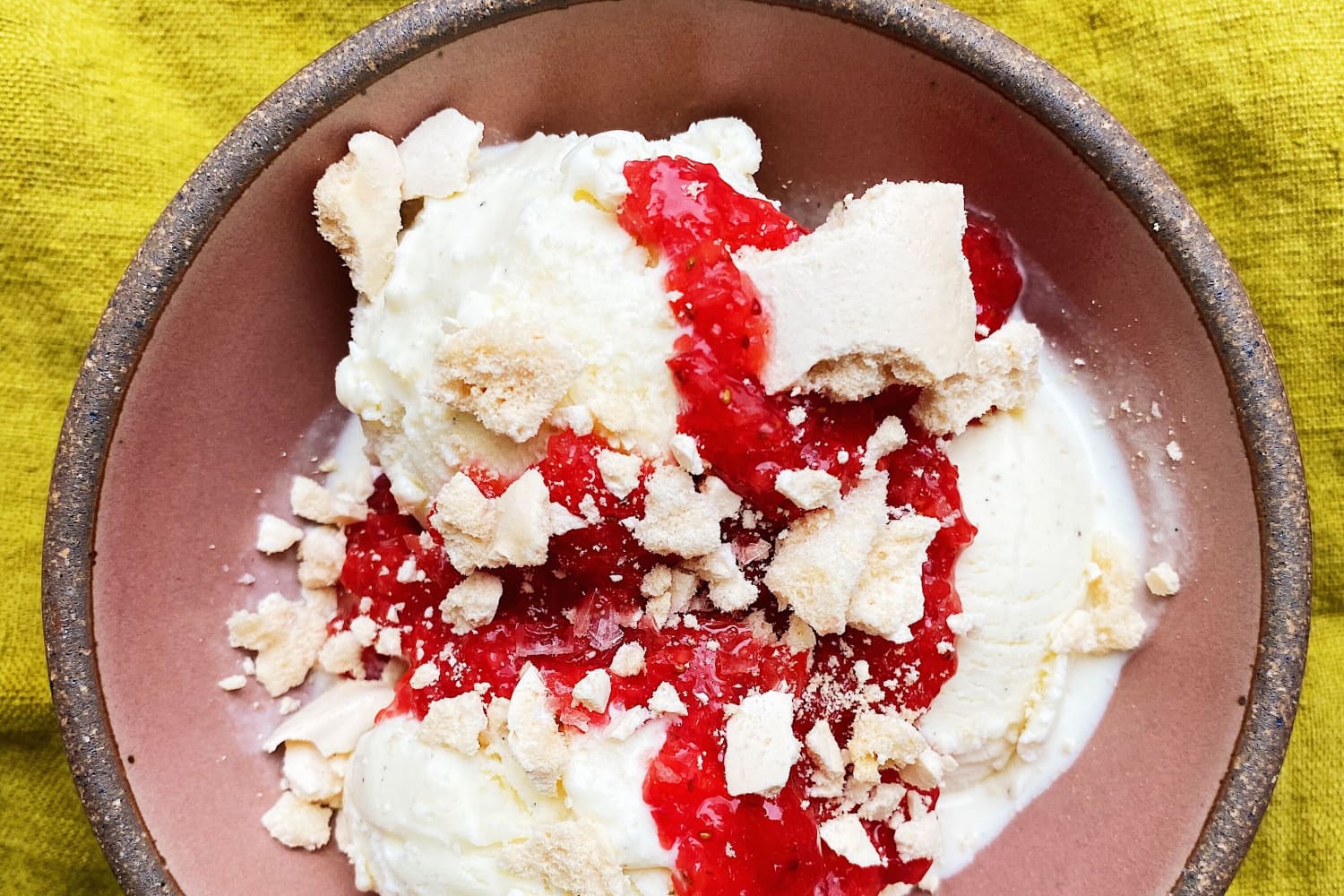
This easy yet elegant sundae features vanilla ice cream, in-season strawberries, and homemade meringue.

Makes4 sundaes

We independently select these products—if you buy from one of our links, we may earn a commission. All prices were accurate at the time of publishing.

I have a major sweet tooth, and I love to bake year-round. But my favorite time to enjoy sweet treats is, hands-down, spring and summer. With the influx of seasonal goodies like strawberries, rhubarb, and peaches, my desserts become bright, vibrant, sweet, and juicy. This affinity for fruit-based sweets led me straight to author and chef Abra Berens’ newest cookbook, Pulp: A Practical Guide to Cooking with Fruit.

Pulp explores fruit’s place in both sweet and savory cooking, with recipes like Roast Chicken over Blueberries, Cornbread + Lemon and Rum-Plum Clafoutis. But the one that immediately caught my eye was the Strawberry Sundae recipe. With creamy vanilla ice cream, crunchy meringues, sweet strawberry sauce, and flaky salt, this dessert seemed both impressive and approachable.

Why I Love This Strawberry Sundae

The first thing I noticed is that this recipe meets you where you are. While there are instructions for making all three components — ice cream, strawberry sauce, and meringue — from scratch, it’s the combination of ingredients that makes this recipe so special. So if you’re not really a baker, but you love making homemade ice cream, you could buy some vanilla meringues from your local grocery store or bakery. If you don’t have an ice cream maker, like me, then you can buy your favorite vanilla ice cream. I love that if you have a pint of ice cream in the freezer, some meringues in your pantry, and the strawberry sauce in your fridge, you can assemble this showstopping dessert in a matter of minutes — it’s perfect for dinner parties, or for the guest who stops by on short notice.

I grabbed my favorite Van Leeuwen vanilla ice cream, then set out to make my meringues. The meringue “batter” came together quickly and easily in my stand mixer. After the two-hour bake time at 250°F, my meringues were crunchy on the outside and slightly marshmallowy on the inside, albeit a little darker than I prefer.

The strawberry sauce was also so simple to put together. After hulling two pounds of strawberries, I dumped them in the food processor with a tablespoon of sugar and blitzed it until “coarsely chopped,” as instructed. Mine came out looking a little bit like strawberry salsa, but the flavor was spot-on — even with grocery-store strawberries. I can’t wait to try this with tender, fragrant farmers market strawberries in the coming months.

When it was time to assemble, I scooped some of the ice cream into a bowl, drizzled over some strawberry sauce, and topped with some crushed meringue and a pinch of flaky salt. When I took a bite, the salt hit my tongue first and then quickly gave way to the ice cream and strawberries, which evoked memories of my favorite childhood drink, Nesquik Strawberry Milk, in the best way possible. The crunchy meringues gave the perfect textural contrast, and lended a bit more sweetness to balance the salt. This is a truly impressive dessert that just so happens to be gluten-free.

In the headnotes, Abra shares the inspiration behind the recipe: “Through most of June, my favorite dessert is a bowl full of hulled strawberries, splashed with heavy cream, a spoonful of sugar, and a sprinkle of the coarsest salt.” I would say her ode to this combination more than lived up to its inspiration.

If You’re Making This Strawberry Sundae, a Few Tips

3 spicy margarita recipes for drinking in warmer weather

3 spicy margarita recipes for drinking in warmer weather

There are cocktail bars today that seem almost church-like — hallowed spaces where the faithful come to taste and engage in acts of exegesis, analyzing every nuance and extolling how spirit and bitters come together in the glass.

The margarita is not a drink of such bars.

Like most cocktails, the margarita — a combination of tequila, lime and triple sec that has been around since at least the 1930s, with a roster of claimants to its invention — has been endlessly upgraded and complicated by the modern craft cocktail movement. And there are serious and sublime agave spirit bars, in Mexico and domestically, that treat agave spirits, tequila and especially mezcal, as the complex and varied spirits they are.

Still, the vast volume of margaritas is still shaken up and slurped down at countless summer parties, mid-tier bars and Mexican restaurants, places with sunny patios and bottomless baskets of chips and salsa. The blender whirs, the sour mix splooshes and Roberto’s your tío. The deepest contemplation you’ll be doing is wondering how you’re going to get that guacamole stain out of your T-shirt.

But in New Orleans recently, I popped into Vals, the gas station-turned-Mexican-restaurant started by the team that runs celebrated cocktail haven Cure, and we got a round of margaritas that reminded me how good the drink can be. Vals’ frozen margarita was perfectly balanced — tart, sweet, the spirit gentle but present in the flavor, complemented by its Tajín chile-lime-salt rim.

As I sipped, I considered the various mediocre-ritas I’ve encountered — the too-diluted, the cloying, those dragged down by the lemon Pledge flavor of bad sour mix or Splitting Headache brand tequila. Of late, though, the most common problem, for me, has arrived in the form of a relative newcomer: the spicy margarita, in which the heat of chiles is added to the classic template.

The spicy marg is a drink that, done well, is everything I want in warmer weather. The tart-sweet-booze balance takes on a new dimension when peppers enter the scene. Incorporated well, they add complementary flavor and a zing of welcome heat. Overdone, you can end up with a stunt drink, the sort of thing base-jumpers would sip as they plunge off skyscrapers, yelling “EXTREME!” into each other’s GoPros.

Inviting chiles to your margarita is like asking a newbie to your longstanding happy hour: Will they get along with your other friends? Will they dominate the conversation? Will they throw their weight around? If a fight occurs, how do you get guacamole out of cotton?

The best way to make a spicy marg mind its manners will depend on just how much of a hothead you are. I’ve had spicy drinks I loved on the first sip, only to be silently suffering and wishing I had ordered differently by the fifth — palate fatigue can be acute with spicy drinks.

I often opt to add heat in tiny touches — as with that spicy/sour Tajín Clásico on the rim of the frozen margarita at Vals, or chile pepper concoctions doled out in drops. I like Bittermens’ Habanero Hellfire Shrub, which is hot and tart; the Smoked Chili bitters from Hella and Fuego bitters from El Guapo are also good pepper-uppers.

There are also chile liqueurs, such as Ancho Reyes’ original Ancho and the Verde, the former sweet and smoky, the latter retaining more of the raw poblano chile’s green vegetal notes. If you’re looking to try out the liqueurs, you can start by working them into a standard margarita template, replacing or supplementing a portion of triple sec.

The above brands are all worth playing with and generally offer consistency of both flavor and heat-level. The danger of the cheapest method — working with fresh chile peppers — is that it can lack that consistency. As any lover of guacamole knows all too well, peppers are mercurial, especially the common jalapeño. You can get one with a modest burn and then the next one will have all the fire of a tax seminar. Serranos are more reliable, and for the basic version of a spicy margarita (recipe below) I generally use a couple of wheels of it, dropping them into the cocktail shaker with the ice.

Along with that basic template, I’ve provided a couple of spicy margarita variations to try: The Tigerita (or Thai-gerita if you’re feeling cute) incorporates coconut, Thai basil and bird’s-eye chiles into the drink, and the Pineapple-Habanero margarita has three heat sources: fresh habanero and ancho chile liqueur in the drink, and Tajín Clásico on the rim of the glass. Both can be a little zippy or nigh nuclear, depending on how much of the angry little peppers you put in the shaker (as written, the recipes are geared toward milder palates).

Here are some basic guidelines for working with fresh chile peppers to create your own perfect spicy margarita.

  • Know your peppers. Their heat levels are measured in Scoville units, which essentially measure how much capsaicin — the compound in peppers that causes the burn on the tongue — is in the pepper. At 2,000-8,000 Scovilles, the gentle jalapeño quavers before some of the peppers sought by sadomasochistic eaters. Carolina Reapers, currently the hottest known, often measure more than 2 million Scovilles.
  • Chile peppers vary. The variation in peppers isn’t just heat — the burn is only part of their flavor. Habanero and some other high-heat peppers also have sweet tropical fruit notes. Jalapeño is more vegetal, with some of the same bell pepper flavors that can show up in silver tequilas. And then you have ancho chiles (dried poblanos), which are milder and smoky, which can make their flavor a great pairing with a smoky mezcal or add some interest to a standard silver tequila marg.
  • Divide and conquer: The hot stuff in peppers is concentrated in the ribs (the paler fibrous structures that surround the seeds) and the coating of the seeds. Including ribs and seeds in the pepper you put in your margarita will make it hotter; trim them off if you want to avoid that boost.
  • Longer steep, hotter drink. The more time a pepper spends in the mix — especially submerged in alcohol, a natural solvent — the more its flavor and heat will be extracted. In testing drinks, I found that the same amount of chile added to the shaker before the rest of the ingredients, instead of just before shaking, often resulted in a noticeably hotter drink. And if you don’t strain those chile solids out when you pour the drink, it will continue to infuse as you sip.
  • Practice safe slice. Wear protection — glove up if you’re working with anything much hotter than a jalapeño. It’s amazing how easy it is to chop up some hot peppers, wash your hands and go on your merry way, only to be unpleasantly confronted by their compounds’ staying power when you’re taking out your contact lenses later. (Don’t ask how I know this.)

Scale and get a printer-friendly version of the recipe here.

A bright and balanced margarita with adjustable heat (use jalapeño chiles if you want subtle heat; dial it up to serranos or add more chile if you’d like more zip). Blanco tequila works well here, but if you want a smokier version, go with a mezcal, such as Del Maguey Vida or Ilegal Joven.

Where to Buy: Agave syrup is available at many grocery and liquor stores; substitute simple syrup if you can’t find it. Tajín, a chile-lime seasoning salt, is available at many grocery stores, at Latino markets and online.

  • 1 tablespoon Tajín Clásico Seasoning, or more as needed (optional, for garnish)
  • 1/4 ounce agave syrup, plus more for garnish (optional)
  • Ice
  • 2 ounces tequila or mezcal
  • 1 1/2 ounces fresh lime juice
  • 1/2 ounce triple sec, such as Cointreau
  • 1 to 4 small slices jalapeño or serrano pepper
  • Lime wheel or jalapeño slice, for serving (optional)

If using the Tajín, on a small plate, scatter the seasoning. On another small plate, drizzle a circle of the agave syrup the circumference of your rocks glass. Dip the rim of the glass in the syrup, then in the Tajín so the seasoning sticks. (Alternatively, you can swipe a lime wedge around the glass rim before dipping the rim in the spice, but the syrup is more effective in getting the seasoning to stick.)

Add ice to the glass and set it aside.

Fill a cocktail shaker with ice. Add the tequila, lime juice, triple sec, agave syrup and chile slices and shake hard for about 15 seconds. Double-strain into the prepared glass, add a lime wheel or jalapeño slice, if using, and serve.

Scale and get a printer-friendly version of the recipe here.

Think of this spicy margarita riff, with Southeast Asian-inflected flavors and heat, as a Thai-gerita if you prefer. The amount of Thai bird’s-eye chiles you opt to incorporate can make it a gentle or fierce beast. If you can’t find these chiles, you can substitute serranos. The ice can be cubes or one big rock.

Where to Buy: Liber & Co. Toasted Coconut Syrup can be found online, but you can substitute Coco López or Coco Reàl. Thai chiles (often called bird’s-eye chiles) and Thai basil can be found at well-stocked supermarkets and Asian markets.

  • Ice
  • 6 leaves Thai basil, plus additional for garnish (optional)
  • 2 to 4 slices red Thai chiles, plus additional for garnish (optional)
  • Pinch of fine salt
  • 2 ounces tequila or mezcal
  • 1 1/4 ounces fresh lime juice
  • 3/4 ounce Liber & Co. Toasted Coconut Syrup

Add a large ice cube to a rocks glass and set aside.

In a cocktail shaker, combine the Thai basil, chile slices and salt, then fill it with ice. Add the tequila or mezcal, lime juice, and coconut syrup. Shake hard, about 15 seconds, then double-strain into the glass. Garnish with basil leaves and a chile slice, if you like, and serve.

Pineapple-Habanero Margarita

Scale and get a printer-friendly version of the recipe here.

For true spice lovers, this spicy, bright and balanced margarita has three heat sources at work: slices of habanero and a dash of ancho chile liqueur in the drink, and chile-lime salt on the rim. We recommend a smoky mezcal, such as Del Maguey Vida, to stick with the fiery theme, but a blanco or reposado tequila will work well, too. Note: You may want to use gloves when slicing the habaneros.

Where to Buy: Ancho Reyes Original chile liqueur and pineapple gomme syrup (Small Hand and Liber & Co. are both good brands) can be found at well-stocked liquor stores and online. Tajín is available at many grocery stores, at Latino markets and online.

  • 1 tablespoon Tajín Clásico Seasoning, or more as needed, for garnish
  • 1 ounce pineapple gomme syrup, plus more for the spice rim
  • Ice
  • 2 ounces mezcal or tequila
  • 1 ounce fresh lime juice
  • 1/2 ounce Ancho Reyes Original chile liqueur
  • 1 to 2 thin slices habanero chile pepper

On a small plate, scatter the Tajín. On another small plate, drizzle a circle of the pineapple gomme syrup the circumference of your rocks glass. Dip the rim of the glass in the syrup, then in the Tajín, so the seasoning sticks. (Alternatively, you can swipe a lime wedge around the glass rim before dipping the rim in the spice, but the syrup is more effective in getting the seasoning to stick.)

Add ice to the glass and set it aside.

Fill a cocktail shaker with ice. Add the mezcal, lime juice, pineapple syrup, chile liqueur and chile slices. Shake hard for about 15 seconds, then double-strain into the prepared glass and serve.

Recipes from Spirits columnist M. Carrie Allan.

28 best Amazon organization products for your home

28 best Amazon organization products for your home

If your desk is overflowing with papers and you’re often scrambling to find your keys and glasses, it may be time to rethink how you organize your space. “Clutter is overwhelming and stressful to live with,” says professional organizer Stacey Agin Murray, owner of Organized Artistry in Fair Lawn, New Jersey. “Most people look at their clutter and run in the other direction because they don’t know where or how to start.”

Fortunately, there are hundreds of products on the market across a variety of categories that can help simplify your space and provide organization. To help optimize your kitchen, home office, bath and bedroom, we sought out expert guidance on what types of products are worth investing in to make your home more welcoming and clutter-free. We also rounded up top-rated products based on expert guidance that will transform your messy piles into a neatly organized space.

SKIP AHEAD Best Amazon organization products to shop | Top organization products for the kitchen | Top organization products for the bedroom | Top organization products for the home office

Our top picks

Best Amazon organization products to shop in 2023

Below, we rounded up creative solutions that will help you clean off your surfaces and organize your space. Every item is either recommended from an expert or highly rated with over 950 reviews and a 4.3-star average rating or above on Amazon.

Best organization products for the kitchen

Youcopia Storalid Organizer

4.6-star average rating from over 34,000 Amazon reviews

Trying to find the correct lid to fit your storage container can be frustrating — especially when you have to dig through cabinets and drawers to do so. Murray recommended this lid organizer, which has five adjustable dividers to store small, medium or large container lids upright so you can easily see which one you need. The base holds lids up to 9 inches wide and fits standard cabinets, pantry shelves and deep drawers, according to the brand.

Simple Housewares Under Shelf Basket

4.4-star average rating from over 8,500 Amazon reviews

Great for city apartments and small kitchens, these under-the-shelf baskets provide extra storage for food wrap, napkins, dish towels, dinnerware, canned vegetables and more. No hardware is needed to install — it slides right in once you attach it to an already-existing shelf, according to Simple Housewares. The wire basket is 2.7 pounds and can hold up to 36 cans.

Hoojo Refrigerator Organizer Bins

4.7-star average rating from over 26,000 Amazon reviews

If you’re like me, you’ve found a few “science projects” growing in the back of your fridge from time to time. With these BPA-free storage bins, you can organize fruit, veggies, cans, salad dressing, condiments and more while containing any spills. Each bin has a side-grip handle for easy transport so you can refill them with ease. They are not dishwasher-friendly however, and you’ll need to hand wash them with mild soapy water.

Simple Houseware Can Dispenser

4.6-star average rating from over 30,000 Amazon reviews

This dispenser can hold up to 12 standard-sized cans of soda or small food cans, which will save you space on your countertop or fridge. The racks, which come in a set of two in bronze, white, chrome and silver, are stackable so you can pile them up.

Vetacsion Fridge Magnetic Spice Racks

4.8-star average rating from over 1,700 Amazon reviews

These free-floating racks free up counter and cabinet space and are perfect for holding up to 12 standard spice jars, small cans, dog treats and utensils. You can buy them in a two-, three-, four- or six-pack and hang them up via a magnet that’s built-into back of the matte black racks. Each shelf can hold 11 pounds, according to the brand, and you can also attach it to the sides of coffee machines, grills and your washer or dryer.

mDesign Stackable Water Bottle Organizer

4.8-star average rating from over 12,000 Amazon reviews

Reusable water bottles are all the rage, but they can take up a lot of cabinet space. This clear rack solves that issue. It comes in a pack of two and holds six bottles horizontally, though there are options for ones that can hold up to 24 bottles if you want to continue building your stack.

Avasport Under Sink Organizer

4.5-star average rating from over 10,000 Amazon reviews

These double-sliding drawers maximize the space under your sink to hold all your cleaning supplies and dish soaps. It has four hooks on the side to hang things like scrub brushes and extra sponges; you can use it under bathroom sinks or on your kitchen counter to hold spices, oils and spatulas too.

Stackable Kitchen Counter Basket with Bamboo Top

4.8-star average rating from nearly 1,900 Amazon reviews

These wire baskets come in a set of two and have a bamboo top that doubles as a cutting board. You can stack them vertically or place them side by side to store dishes. Plus, there’s a small DIY label you can fill out to remind you what’s inside.

Best organization products for the bedroom

Simple Houseware 3-Tier Shoe Rack

4.7-star average rating from over 29,000 Amazon reviews

This shoe rack can hold up to 20 pairs of shoes, with each adjustable shelf holding up to 30 pounds, according to the brand. If you have tall boots and want to eliminate the third tier for extra space, you can do so. It’s the perfect solution for a closet, entryway, mudroom or garage.

StorageWorks Underbed Storage Box

4.7-star average rating from over 1,000 Amazon reviews

The space under your bed is a great place to store extra clothes, sweaters, holiday decorations, pillows and blankets. These storage boxes, which come in a two-pack, have a clear zippered top (so you can see what’s inside) along with a handle that makes it easy to pull out from under the bed.

Perfect Curve Baseball Cap Rack

4.5-star average rating from over 70,000 Amazon reviews

Baseball caps are sometimes difficult to store — especially if you own more than one or two. This over-the-door rack can hold up to 18 hats or visors and comes with two straps so you can place them on the backs of different doors.

JonyJ Expandable Drawer Dividers

4.6-star average rating from over 6,300 Amazon reviews

Murray uses these easy-to-install drawer dividers to organize her socks, kitchen tools, toiletries and other items she needs to separate for easy access. To set them up: you’ll place the dividers in your desired drawer, adjust to fit and lock it in place. The ends are covered in a soft foam sponge that should protect your drawer from any damage, according to the brand.

Budding Joy Storage Bags

4.3-star average rating from over 32,000 Amazon reviews

These large fabric storage bags, which come in sets of two, three, four, six or eight, are ideal for packing away off-season clothes, bedsheets, comforters, blankets, pillows, toys and more. Each bag comes with two reinforced handles, so they’re easy to carry, as well as a window so you can quickly find what you need.

Wonder Hangers

4.4-star average rating from over 16,000 Amazon reviews

These will maximize your closet space by giving you the option to hang clothes vertically or horizontally. Included in the box are 10 hangers, each of which hold up to five garments or 30 pounds.

Songmics Mirrored Jewelry Cabinet

4.8-star average rating from over 15,000 Amazon reviews

I purchased this jewelry cabinet for my 18-year-old and love how aesthetically pleasing and durable it is. It has six LED lights that provide lighting when she opens the door, and at 47.2 inches tall and 14.5 inches wide, it’s spacious enough to hold all her items in one place. It has a large ring cushion, bracelet rod, two drawers, five shelves, 32 necklace hooks, 48 stud earring holes, 90 earring slots and a mirrored front door too.

Holdn’ Storage Hanging Closet Shelves

4.5-star average rating from over 3,000 Amazon reviews

This hanging basket is ideal for anyone who needs extra closet space. These reinforced canvas hanging shelves attach to your closet rod and provide an extra row of shelving to hold additional clothes. Plus, they fold flat when not in use.

Awenia Makeup Organizer

4.7-star average rating from over 1,300 Amazon reviews

This extra-large makeup organizer has 360-degree rotation and seven adjustable layers to fit items of different heights. It can hold up to 63 items and even comes with a waterproof makeup bag.

Umbra Buddy Wall-Mounted Hooks

4.6-star average rating from over 14,000 Amazon reviews

This set of three wall hooks put the fun in functional and double as unique wall decor. A space-saving alternative to the traditional coat rack, these hooks can hold purses, hats, jackets and more. The mounting hardware is included.

Best organization products for the bathroom

Yasonic Corner Shower Caddies

4.6-star average rating from nearly 1,900 Amazon reviews

This organizer kit contains two L-shaped shower caddies and a soap holder to make full use of your shower’s corner to hold shampoo, soap, razors and other essentials. It’s made of stainless steel and coated with rustproof paint so it should keep its shine without staining over time, according to the brand. Each caddy has six hooks to hold washcloths, loofahs and bath brushes, and mounts with adhesive rather than a suction cup. They’ll stick securely to smooth tile, marble, tempered glass, wood and solid metal, according to Yasonic.

Aozita Apothecary Jars

4.5-star average rating from over 34,000 reviews

Keep cotton balls, floss picks, hair ties, makeup brushes and other essentials at your fingertips in these plastic apothecary jars. They are BPA-free, available in sets of two, three and four and come with pre-printed and customizable labels.

Spirich Over-Toilet Cabinet

4.6-star average rating from over 1,400 reviews

This over-the-toilet cabinet takes up virtually no floor space. It’s made with engineered wood and tempered glass and has an adjustable inner shelf to accommodate your items. It fits over most standard toilets, and comes with an anchor bracket that attaches to your wall to ensure stability and prevent it from toppling over, according to the brand.

Best organization products for the home office

Pendaflex PileSmart Project Sorter

4.6-star average rating from over 950 reviews

Murray recommended this letter-sized organizer because it functions as a home for all your important papers. “I advise people to especially use it for ‘action papers’ — those that need to be acted on in the near future that otherwise become clutter on your kitchen counter or dining-room table,” she says. This model has 10 tabbed dividers and an elastic cord closure.

Chefstory Drawer Organizer

4.7-star average rating from over 4,400 Amazon reviews

Murray loves clear bins of any size because you can repurpose them over and over, she says. These tiny organizers have a nonslip bottom and can hold small items that often get lost in your drawers such as cosmetics, hair accessories, jewelry and office supplies. This stackable set comes with 23 boxes in four different sizes.

Marbrasse Desktop Organizer

4.5-star average rating from over 1,400 Amazon reviews

With this all-in-one desktop organizer, you can quickly grab what you need — when you need it. Made of metal mesh that’s reinforced with a steel frame, this organizer has five sliding trays, two vertical file holders, two hanging pencil slots and a sliding drawer to hold all your accessories.

Other unique organization products

Ontel Battery Daddy

4.5-star average rating from over 66,000 Amazon reviews

Murray recommended this battery holder from Ontel because it holds up to 180 batteries and includes a tester. “It takes the guesswork out of wondering if a battery works or not,” she says. The Ontel can store 78 AA, 64 AAA, eight 9-volt, 10 C, 12 Coin Cell and eight D batteries and is compact enough to fit in a drawer, according to the brand.

HomePop Large Tufted Storage Ottoman

4.5-star average rating from over 3,400 Amazon reviews

Murray recommended investing in a coffee table or ottoman with storage because they are multifunctional. This 20.2 pound round option has tapered wood legs that can support up to 250 pounds, and it’s available in 11 colors including faux leather and fabric options.

Zober Premium Wrapping Paper Storage Container

4.7-star average rating from over 21,000 Amazon reviews

This wrapping paper container is tear-, puncture-, fade- and moisture-resistant, according to the brand, and will help keep your entire gift wrap collection organized. It has two vinyl pockets to store accessories like bows, labels, tape and scissors and can hold up to 18 2.5-inch-thick rolls. It also collapses when not in use.

Lexsion Totebag Insert

4.5-star average rating from over 17,000 Amazon reviews

Tote bags and handbags with no interior pockets can become a jumbled mess, making it tough to grab your glasses, phone, keys or wallet in a hurry. This insert has 13 pockets, one of which is detachable, so you can organize all your belongings. The inserts come in 24 colors and several sizes from S-XL. And for new moms, they also make an insert specifically for diaper bags that fit two bottles.

What is the first step to decluttering your home?

The first step to decluttering your home is committing to the decision-making process, according to Murray. “Getting organized isn’t all about bins and color coding,” she says. “Items become clutter when decisions aren’t made. Keep or don’t keep? Donate or toss?” She advises her clients to consistently declutter their belongings over time — “one shelf at a time, one drawer at a time, one decision at a time.”

What are the best items to organize your home with?

Murray says these four items are among her most favorite creative solutions:

Coffee tables and ottomans with storage. These are ideal solutions for hiding pillows, blankets and household essentials you need access to but don’t necessarily want out in the open.

Magazine holders. “These have the flexibility to do much more than store magazines,” she says. “They can store papers and file folders vertically, gift-wrapping and cutting boards. They can also be placed in a pantry to hold foils and plastic wrap.”

Over-the-door shoe organizers. You can hang these in a playroom to hold dolls, action figures and toy cars or in a linen closet to stash medicine and toiletries, according to Murray. “In the winter you can store hats, gloves and scarves in each pouch, then switch them out with flip-flops and suntan lotion in summer,” she says.

Clear plastic containers. You can easily see what’s inside them, they blend in with most decor and you can reuse and repurpose them in other areas of the home, according to Murray.

Meet the expert

  • Stacey Agin Murray is the owner of Organized Artistry in Fair Lawn, New Jersey. In 2020, Murray was awarded the Organizer of the Year Award by the National Association of Productivity and Organizing Professionals of Northern New Jersey.

Why trust Select?

Barbara Booth has written a number of guides on bestselling and highly rated products you can buy on Amazon that simplify your life, including best kitchen gadgets, best car accessories, best travel accessories and more. For this piece, Barbara interviewed a professional organizer and sourced top-rated items on Amazon that simplify, streamline and declutter your space.

Catch up on Select’s in-depth coverage of personal finance, tech and tools, wellness and more, and follow us on Facebook, Instagram and Twitter to stay up to date.