Raise a Glass to Holi 2023 with These 5 Creative Cocktail Recipes

Raise a Glass to Holi 2023 with These 5 Creative Cocktail Recipes

Holi, the festival of colors, is one of the most vibrant and joyous celebrations in India. As friends and family come together to celebrate the triumph of good over evil, delicious food and drinks are an integral part of the festivities. While traditional drinks like thandai and lassi are always popular during Holi, adding a cocktail or two to the mix can make the celebration even more fun and memorable.

If you’re new to mixing cocktails, don’t worry! Creating delicious drinks is easier than you might think. With a few basic ingredients and some creativity, you can create cocktails that perfectly complement the colorful and lively spirit of Holi. Whether you prefer sweet, sour, or spicy flavors, there are plenty of cocktail recipes to choose from that will delight your taste buds and impress your guests. So get ready to raise a glass and toast to the joy and spirit of Holi! To make this celebration more fun and vibrant, we have Poonam Chandel, NeuWorldSpirits to introduce you to five delicious and festive cocktails you can make for your Holi celebration.

Thandai with a dash of Whisky

Thandai is a traditional Indian drink made with milk, nuts, and spices. The traditional Bhang Thandai is similar to this drink, except whisky is not included. This Thandai can be easily made by just adding these ingredients and making it a perfect blend to sip on this festive season.

Ingredients:

60ml of Downing Street Whisky

2 tbsp of Thandai syrup

30ml of milk

Some ground cinnamon and a few saffron strands.

Preparation:

To make a Thandai Martini, combine 60ml of Downing Street whiskey, 2 tbsp of Thandai syrup, and 30ml of milk in a shaker with ice. Shake well and strain into a chilled martini glass. Garnish with a sprinkle of ground cinnamon and a few saffron strands and enjoy.

Mango Lassi Margarita

Mango lassi is a popular Indian drink made with yogurt and mango and this can be paired and blended with tequila to make it more interesting. This mango lassi margarita recipe has a tangy, sweet, and refreshing flavour that makes it an ideal festive drink.

Ingredients:

60ml of tequila

165 gms of fresh mango

245 gms of plain yogurt

4 tbsp of lime juice

Preparation:

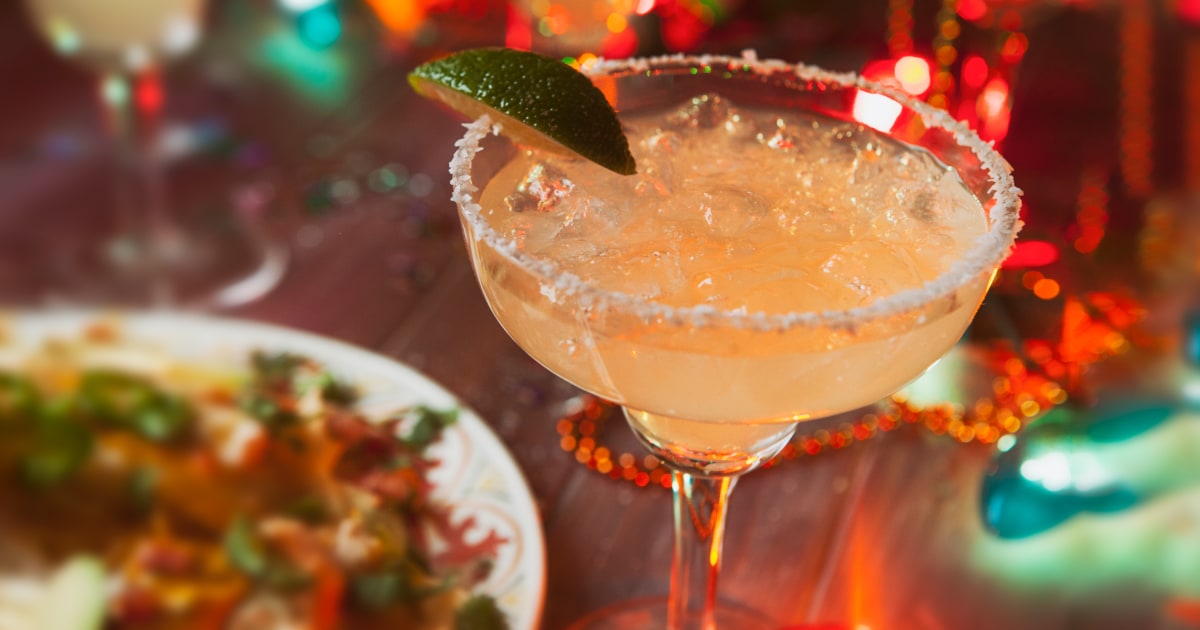
For a Mango Lassi Margarita, blend 165 gms of fresh mango, 245 gms of plain yogurt, 4 tbsp of lime juice, 60ml of tequila, mix it in a blender with ice. Rim the glasses with salt and garnish with a slice of fresh mango.

Masala Chai Old Fashioned

No one can disagree that chai brings a sense of happiness and satisfaction and is not just a drink but a state of joy. Chai has the power to turn the world upside down, including our mood. Masala chai is a spiced tea that’s popular in India, but it’s time to make it better this holi – day by adding a little spice to it with NeuWorld Spirits Royal Tribe Whisky that is made selected grains and blended with Scotch.

Ingredients:

60ml of Royal Tribe Whisky

1 tsp of sugar

2 dashes of orange bitters

1 tsp of water in a rocks glass

A splash of Masala chai syrup

Preparation:

To make a Masala Chai Old Fashioned, muddle 1 tsp of sugar with 2 dashes of orange bitters and 1 tsp of water in a rocks glass. Add 60ml of Royal Tribe Whisky and a splash of masala chai syrup (made by steeping chai tea with spices and sugar) and stir well. Garnish with an orange twist.

Rose Petal Sangria

Roses are a common flower used in Indian festivals, and they make for a fragrant and romantic cocktail ingredient. Rose petal sangria is a refreshing drink with a vibrant floral flavour making it a lovely way to celebrate the festival of Holi.

Ingredients:

1 bottle of red wine

1/2 cup of rose syrup (mix simmering rose petals with sugar and water)

1/2 cup of brandy

1 cup of chopped fruit (such as strawberries, peaches, and oranges)

Preparation:

To make a Rose Petal Sangria, combine 1 bottle of red wine, 1/2 cup of rose syrup (made by simmering rose petals with sugar and water), 1/2 cup of brandy, and 1 cup of chopped fruit (such as strawberries, peaches, and oranges) in a pitcher. Stir well and refrigerate for at least 2 hours before serving. Serve in glasses over ice and garnish with a few fresh rose petals.

Coconut Curry Gimlet

A gimlet is traditionally made with gin and lime juice but you can give this drink a tropical twist by infusing lime leaf and adding coconut. Coconut is often used in Indian cuisine, and when paired with gin, makes for a unique and flavourful cocktail when combined in a Coconut Curry Gimlet.

Ingredients:

60ml of gin

2 tbsp of coconut curry syrup (mixing coconut milk, curry powder, and sugar)

2 tbsp of lime juice

Preparation:

To make it, combine 60ml of gin, 2 tbsp of coconut curry syrup that can be made by simmering coconut milk, curry powder, and sugar and 2 tbsp of lime juice in a shaker with ice. Shake well and strain into a chilled glass. Garnish with a slice of fresh lime.

 It’s not possible to end a Holi celebration without a mish-mash of colour and dash-of-crazy cocktails. These Indian-inspired cocktails are super easy to make and only need a few steps for it, so make sure to add some extra cheer and excitement to your Holi celebration. Enjoy responsibly and have a happy and colourful Holi.

Read all the Latest Lifestyle News here

6 Lesser-Known Italian Classic Cocktail Recipes to Try

6 Lesser-Known Italian Classic Cocktail Recipes to Try

Today, you can find a Negroni in nearly every corner of the world; the Italian classics are everywhere. But hidden behind those signature bittersweet drinks are the country’s lesser-known contributions to the cocktail canon, which span neon blue disco drinks to steaming coffee cocktails to Italy’s answer to the Long Island Iced Tea. 

Perhaps, like the Sbagliato, these recipes are just waiting for their chance in the spotlight. To dive deeper into some of the country’s best kept secrets, here are seven of the other Italian classics to try.

Part of the Negroni’s expansive family tree, the Cardinale has yet to take off in the same way that the Sbagliato has. The mid-century drink was first served for a visiting cardinal in Rome in 1950 (hence the name) and originally comprised an ounce of gin, half ounce of dry Moselle wine and third ounce of Campari. Today, it’s most commonly served as an equal-parts cocktail, with the wine swapped out for dry vermouth. At New York bar Dante, Naren Young’s take “looks light, dainty and somewhat innocent, but because of the dry vermouth, it’s much more austere and bone-dry,” he says. At older bars in southern and central Italy, however, it’s possible to find the Negroni riff served tall and sparkling, courtesy of Campari Soda and bitter orangeade.

best negroni recipe cocktail

A neon-colored club drink typically served in an oversized Martini glass, the Angelo Azzurro was an Italian nightlife staple in the 1980s and ’90s. Interestingly, there are no Italian ingredients in the Naples-born drink, whose ingredients include London dry gin, triple sec and blue Curaçao. Mirroring the Cosmopolitan in the U.S., which saw an explosion in popularity, then dismissal, then resurgence, the disco drink has been revisited in recent years, perhaps poised for a full comeback.

Angelo Azzurro Cocktail

Ponce alla Livornese is Italy’s answer to punch. But unlike traditional punch, Livorno Punch swaps the tea element for coffee, specifically espresso, resulting in a bolder formula that feels right at home alongside the canon of modern coffee cocktails, from caffè corretto to Espresso Martinis. The 400-year-old drink’s origins lie along the Tuscan coast, at a 17th-century hub for English sailors who brought their love for punch along with them on their trade routes. While the combination of espresso, sugar, lemon peel and rumme (an imitation rum made from a neutral spirit and spices) was born in Livorno, today, not many bars there still serve the drink. Luckily, it’s easy to make at home by using spiced rum, as in Roman bartender Manuel Di Cecco’s recipe.

Livorno Punch Recipe

Did you know that Italy had its own Long Island Iced Tea? While the Angelo Azzuro’s allure lies in its cerulean hue, the Invisibile took a more understated approach. That is, at least, visually—the club drink is a hard-hitting combination of unaged rum, gin, vodka and triple sec, often poured into a plastic pint glass. Because of its crystal clear composition, the cocktail is also known as “Quattro Bianchi,” or “four whites” in Italian. Alessandro Tambaro, a trainer at an Abruzzo-based bartending school, describes it as “a monster of a cocktail,” so it may come as a surprise that Italians are taking a second look at the forgotten 1970s drink. Marianna De Leo, for example, skews the balance of the spec in her take, which puts tequila at the base, complemented by a smaller measure of mezcal and gin and brightened with triple sec and a strawberry cordial.

Invisibile Italian Long Island Iced Tea

Summer in Italy is about more than spritzes. Enter: the Sgroppino. Simply bringing together slushy sorbetto, grappa or vodka and effervescent sgropin (local prosecco, in Venetian dialect), the frozen drink contains multitudes. Though it’s typically served as a palate cleanser between courses, a few simple changes can transform the dessert into an all-day affair. Fanny Chu’s Watermelon Sgroppino, for example, takes a smoky-sweet turn thanks to mezcal, but can be altered with your spirit of choice. Stacey Swenson’s Passionfruit Sgroppino, meanwhile, puts a seasonal spin on the drink and makes it aperitivo-ready with a dose of Contratto. If the original lemony style calls your name, try the classic version served at New York’s Alta Linea or the extra-citrusy Lemony Snicker from Karen Fu, who calls in layers of citrus, from yuzu-inflected Japanese gin to meyer lemon juice to fizzy lemon-lime soda.

According to Punch contributor Brad Thomas Parsons, when Naren Young first came across the Giostra d’Alcol (the “carousel of alcohol”), his response was, “Never heard of it. Should we try one?” The 1930s-born cocktail was created not by a bartender but instead by painter and sculptor Enrico Prampolini and described in the book Futurist Mixology by Fulvio Piccinino. Originally a mix of Campari, Barbera d’Asti wine and citrus soda, Young found the original recipe fairly dry and bitter and incorporated a barspoon of honey syrup in his take. Though Prampolini’s recipe calls for skewers of hard cheese and bitter chocolate, Young instead opts for an orange slice garnish.

Aperitivo Campari Cocktail recipe

Related Articles

More Stories you may like

Benefits of Coffee-and-Banana Smoothie Vs. Coffee

Benefits of Coffee-and-Banana Smoothie Vs. Coffee
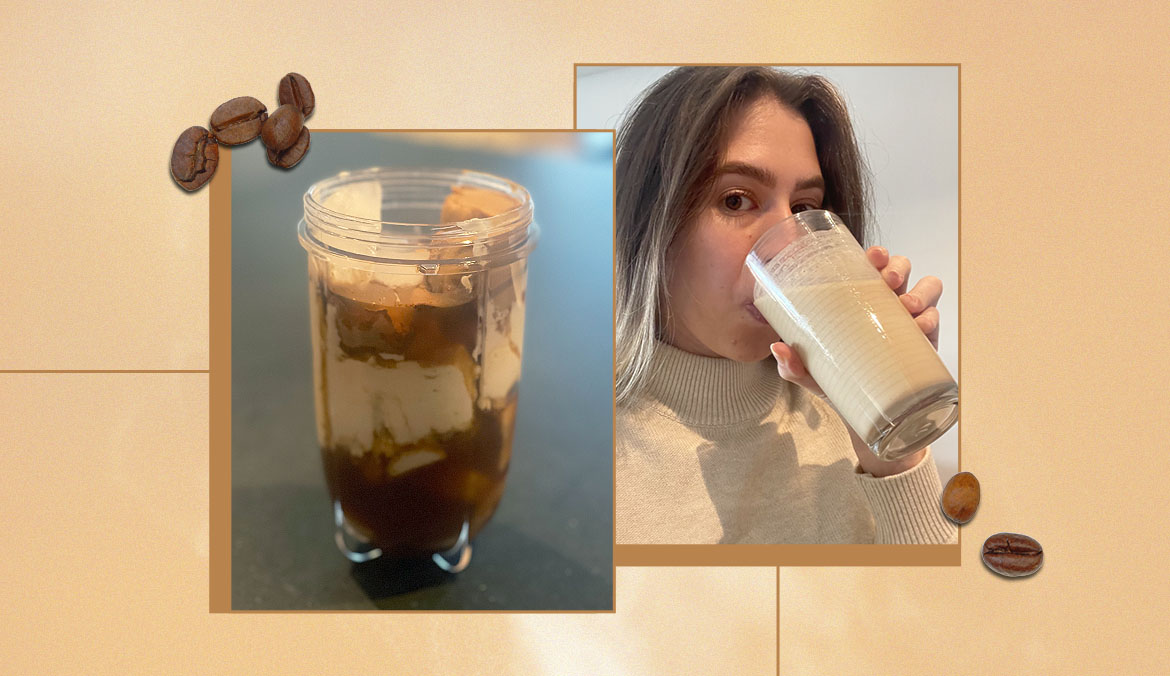
I’ve always loved the idea of starting my day with a smoothie, and sometimes, I even wake up with a craving for a cool, creamy drink. But in my hierarchy of morning beverages, coffee nevertheless reigns supreme. While you might be thinking, But you could just have both, I’ve rarely found it in me to brew coffee and whip up a smoothie before work, particularly when I’m tight on time (read: always). Given that I require caffeine to function, I’ve typically just opted for the coffee over the smoothie. That is, until I had the idea—inspired by a delicious cold-brew coffee-and-banana smoothie at a local juice shop—to (wait for it) combine the two. 

Sure, preparing a coffee-and-banana smoothie would still require me to make coffee in advance. But, streamlining the two drinks into one meant I could satisfy both my need for caffeine and my craving for a smoothie at once. I also just love a blended coffee drink (shout-out to my old pal, the Frappuccino), and the prospect of a coffee smoothie offered me the chance to round out my already-rushed breakfast with a few more nutritious ingredients in no extra time.

Streamlining the two drinks into one meant I could satisfy both my need for caffeine and my craving for a smoothie at once.

To see how the transition from coffee to coffee smoothie might benefit me—not just from a taste and satisfaction standpoint but also from a nutritional one—I decided to give it a try for a month using ingredients that I enjoy on their own and that pack nutritional value. After all, if I was going to overhaul my morning routine (and clean my trusty Magic Bullet every single day), I wanted this experiment to pay off in more ways than one.

The nutritional benefits of swapping a cup of coffee for a coffee-and-banana smoothie

The coffee smoothie that inspired my experiment included a few things that I don’t typically have at home, like frozen coconut milk and cacao nibs—which led me to explore different coffee-smoothie recipes online and experiment with my own version instead.

Ultimately, I decided to swap my usual hot coffee with a dash of French vanilla creamer for a smoothie containing about a cup of cold-brew coffee and a frozen banana, along with some variation of vanilla yogurt or unsweetened vanilla almond milk, rolled oats, chocolate protein powder, and peanut butter to fill the remaining space in my Magic Bullet.

Admittedly, this smoothie experiment was not an exact science. I did shift around the ingredients of my coffee-and-banana smoothie and the quantities of each based on what I had available and what I was feeling that day. (As you can probably guess, I’m that person in the kitchen who prefers to just throw things into a pan, pot, or in this case, blender, and see what happens.)

But what remained constant in every rendition was the coffee, a banana, and some additional source of bulky protein and/or fiber to thicken things up—a combination that registered dietitian Lauren Manaker, RDN, says “allows for a lot more satiety than coffee alone.” In other words, I was bound to feel more satisfied after pairing my typical breakfast (scrambled eggs or yogurt with granola) with my new coffee smoothie than I would pairing it with my usual cup of coffee.

All that additional protein I was getting from the protein powder, peanut butter, milk, and/or yogurt would also help inch me closer to the dietitian-recommended 25 to 40 grams of protein for breakfast (more than two eggs alone can provide, ICYWW). And by ramping up my protein intake in the morning, I’d set myself up for a slower, steadier release of energy until lunchtime, says Manaker.

“With this smoothie, you’re already starting your day with fruit, and most people don’t meet the recommended daily servings of fruit and vegetables.” —Lauren Manaker, RDN, registered dietitian

The other benefits of my coffee-and-banana smoothie over my typical cup of Joe come from the banana, says Manaker. “With this smoothie, you’re already starting your day with fruit, and most people don’t meet the recommended daily servings of fruit and vegetables,” she says. (That would be *gulp* five, in case you were wondering.) Not to mention, the banana acts as a natural sweetener, Manaker says, making the end result more palatable without the added sugar included in my usual addition of vanilla creamer, which doesn’t offer any nutritional benefit.

The experiment: Switching from a cup of hot coffee to a coffee-and-banana smoothie every morning for a month

Week 1

I’m typically a big breakfast person—I love breakfast foods—and I didn’t cut down on my usual food choices this week while swapping in my coffee smoothie. As a result, I wound up feeling even more satisfied after my morning meal than usual. My energy levels were higher, too; I found myself not reaching for my typical mid-morning snack and having lunch later in the day than I typically would, around 2 or 3 p.m.

I also occasionally get an upset stomach if I drink my coffee too quickly on an empty stomach, and by sipping it in smoothie form while I made the rest of my breakfast, I felt totally fine on the stomach front.

Week 2

As a regular coffee drinker, I know a thing or two about coffee’s effects on…number two. But wow, my daily B.M.s operated like clockwork this week, about a half hour after I finished my smoothie each day.

Part of that may certainly be attributed to the added regularity of my new routine; by this week, I was on a set schedule of having my coffee smoothie every morning at 9 a.m., and as a result, the result of my morning routine, including my wakeup time, was also more consistent than usual.

But, Manaker says the drink itself could also be credited for my newfound regularity. “The oats and the banana add a good amount of soluble fiber, which is another nutrient that a lot of us are missing and that plays an important role in our overall gut health,” she says, referencing its power to move things through your digestive system. “When you drink coffee with other foods, and especially foods that support the gut, like bananas and oats, it can definitely lead to an easier time in the digestion department.”

Week 3

The regular poops and sustained energy through the morning continued into the third week of my experiment. According to Manaker, the various ingredients I had now worked into my everyday diet are basically a recipe for more energy.

“You’re fueling your body with so many different energy-supporting foods at once,” Manaker says, referring to the benefits of my coffee-and-banana smoothie. “So, instead of just drinking coffee, which gives you the caffeine boost, you’re getting that boost plus the slow-digesting oats, plus the potassium-rich banana, plus the protein from the yogurt or plant-based milk and the protein powder or peanut butter, which, again, offers sustained satiety.”

Week 4

By this point, admittedly, I found the coffee-smoothie ritual was getting a little tough to maintain; on a couple days of the week, I forgot to make my cold brew the night before and had to use hot coffee with ice in my smoothie, which watered things down a bit. But once I had my smoothie in hand each day, I found myself grateful to have made it all the same (as was my digestive system).

This week was a busier workweek, which had me glued to my computer screen all morning each day, practically from the moment I flipped open my laptop. As a result, I wound up sipping my smoothie more slowly each morning, which seemed to make the energetic effects of the coffee last even longer (even though I wasn’t drinking any more of it than usual).

Though I occasionally have a second cup of coffee, I also noticed this week that I hadn’t reached for one throughout the experiment. And my poops had remained as regular as can be.

Though I occasionally have a second cup of coffee, I also noticed this week that I hadn’t reached for one throughout the experiment. And my poops had remained as regular as can be.

The only thing stopping me from keeping up this experiment indefinitely is the logistics of preparing cold brew in advance and whipping up a smoothie every morning—and the fact that, on some cold days, nothing hits quite like a piping-hot cup of Joe. But whenever I find myself craving both coffee and a smoothie and looking for a nutritious way to get both, I’ll be smoothie-fying my coffee from here on out.

5 Easy Kaffir Lime Cocktail Recipes For The Weekend

5 Easy Kaffir Lime Cocktail Recipes For The Weekend

Many classic cocktails contain lemon in some form – whether it’s a dash of juice, a pinch of zest, a lemonade top-up or a rind as garnish. Lemon is wonderfully versatile, it can lend a light, refreshing note or a strong tanginess to your drink. But if you want a new sour ingredient for your cocktail, why not try kaffir lime? Kaffir lime is a citrus fruit from Southeast Asia. Sometimes called “makrut lime” or “Thai lime,” it is a common ingredient in Thai, Indonesian, Vietnamese, Malaysian and Burmese cuisine. Its leaves (fresh, dried or grounded) are popularly used to flavour curries. Its zest is used in ways similar to lemon zest and can be added to anything from stir-fried veggies to desserts. You can also use it to make rejuvenating coolers and fun cocktails.  

Also read: 11 Best Cocktail Recipes | Easy Cocktail Recipes

The aromatic Kaffir lime can be incorporated into your cocktail in many ways. For some drinks, you can simply swap common lime juice for kaffir lime juice. In others, you can use its leaves to add a deeper flavour and a hint of bitterness. You can also make kaffir lime-infused liquor at home. Intrigued? Here are 5 easy recipes for cocktails with kaffir lime to get you started: 

Here’re 5 Quick Kaffir Lime Cocktail Recipes:

1. Kaffir Mojito 

mojito 620

This Kaffir Mojito is a twist on the classic summer cocktail. To make this new kind of mojito, you need to muddle mint leaves, kaffir lime leaves, and lemon wedges. Once the sugar has melted, add ice cubes and pour the white rum. Top up with club soda and garnish with mint leaves. Click here for the full recipe.

2. Kaffir Mule 

You may have heard of Moscow Mule or Mexican Mule. But have you tried a Kaffir Mule? For this drink, you need kaffir lime-infused vodka. Don’t worry about sourcing it – you can easily make it at home. All you have to do is add vodka and kaffir lime leaves to an airtight container and shake it a few times each day for a week. To make the cocktail, pour the infused vodka into a glass with ice cubes. Add lime juice, squeezed lemon wedge and ginger beer into the glass. Stir and top up with a little club soda if you like. Garnish with kaffir lime leaves. Click here for the full recipe.

3. Hystrix Highball 

onqg374

This cocktail has a silky mouthfeel with hints of vanilla, honey and ginger. Rum, lemon juice, kaffir lime leaves, and Stillabunt are first shaken thoroughly. They are then reverse shaken (shaken with ice, and then without). Finally, it is strained twice and served in a Koto Cut Highball glass. You can garnish it with a kaffir lime leaf and vanilla sprinkles. Click here for the full recipe.

Also read: 5 DIY Cocktail Recipes With A South Indian Twist

4. Phi Ferries Cocktail 

6pd0kcf

This cocktail has been named after Phi Phi Islands, an island group between Phuket and Thailand. This tropical cocktail has a fruity yet spicy hit. To make this drink, add four ice cubes along with vodka, lychee juice, pods of Thai chilli, lime juice and kaffir lime leaves in a shaker. Chill a cocktail or tiki glass and keep it ready. Shake well and finely strain the drink into the glass. Garnish it with 1/2  slit of chilli. Click here for the full recipe.

5. Flavours Of Democracy Cocktail 

58p35tl

This colourful cocktail has a fantastic combination of flavours. It can also be enjoyed as a non-alcoholic cooler (simply don’t add the alcohol). To make the Flavours Of Democracy Cocktail, add mint, basil, kaffir lime leaves, elderflower, lime and gin/tequila (or any liquor of your choice) into a shaker. Shake well and pour it into a G&T glass. Make layers of crushed ice, pour orange oleo saccharum and top with Sprite. Click here for the full recipe.

Which of these cocktails are you tempted to try first? Let us know in the comments.  


Featured Video Of The Day

Bread Pizza Recipe | How To Make Bread Pizza

15 Best Cinco de Mayo Drink Recipes Including Margaritas

15 Best Cinco de Mayo Drink Recipes Including Margaritas

Cinco de Mayo, which falls at the commencing of May perhaps, is the great time to embrace the warmer temperature and get with each other with pals about margaritas, palomas and potentially the stray shot of tequila. But right before you get to sipping, it’s significant to have an understanding of what the holiday getaway is all about.

Cinco de Mayo may be extensively understood in the U.S. as “Mexican Independence Day,” but it’s essentially intended to commemorate Mexico’s victory in excess of the French during the Battle of Puebla, which took put in 1862. The getaway is largely celebrated by Mexican-People in america who live in the U.S., but it’s also celebrated in Puebla, the town in which the battle took location. Some organizations have capitalized on the vacation as little more than an justification to imbibe (and buy extra alcoholic goods), but knowledge the roots of Cinco de Mayo is an vital facet of celebrating with respect.

For those who want to celebrate with out having to go away residence, we have compiled this listing of some of our favorite Mexican and Mexican-influenced cocktails and nonalcoholic creations. From the tremendous-very simple margarita to unexpectedly sophisticated riffs on classics like palomas and sangria, these refreshing and citrus-forward cocktails are great for all of your spring celebrations. Get a bottle of tequila, start out squeezing clean limes and prepared your cocktail shaker for these mouth-watering Cinco de Mayo beverages.

The Perfect Margarita

Maureen Petrosky / Now

You will need just 3 components to make this straightforward-but-scrumptious margarita — but you can acquire it to the subsequent degree with a range of include-ons. A splash of club soda will give you a fizzy margarita, and jalapeño slices can increase a trace of spice. Really do not neglect to add a salted rim for a savory contact.

Frozen Palomas

Nathan Congleton/Right now

It is tricky to make a cocktail extra refreshing than this frozen paloma. Grapefruit juice and lime juice sign up for forces to make a citrus-y base for the consume, whilst the agave syrup provides a bit of sweetness to tone down the depth of the tequila. Freeze the juice and mix all the substances together for a supreme sipper.

Tequila Sunrise Sangria

Nathan Congleton / Now

Freshly squeezed lime juice is necessary for this classic margarita cocktail that is spiked with Cointreau and sweetened with simple syrup. Insert all of the ingredients to a cocktail shaker with ice to deliver a drink which is a move up from the frozen margarita blend you possible utilised in college or university.

Classic Margarita Cocktail

Getty Images

Why decide on amongst a Mexican tequila sunrise and a Spanish sangria when you can have the very best of equally worlds? This tequila- and wine-based cocktail balances the sweetness of fresh new fruit with the refreshing acidity of juicy limes. It is suitable for warm-weather conditions sipping.

Paloma Mezcal Cocktail

Nathan Congleton / These days

1 typical paloma receives an up grade with this recipe that calls for smoky mezcal and orange liqueur. A splash of soda provides this drink just adequate fizz to make it even extra refreshing, and the lime wedge for garnish tends to make it come to feel further celebratory.

Smoky and Spicy Grilled Citrus Margaritas

Shutterstock

This margarita recipe bucks convention by calling for grilled citrus as an alternative of refreshing, which lends a smokiness to the cocktail that is only improved by the inclusion of mezcal. Add some incredibly hot sauce to the combine for an extraordinary kick and astonishing complexity.

Grapefruit Spritz

Nathan Congleton / These days

This alcohol-free mocktail is perfect to pair with your taco spread without having forcing you to imbibe. Soda h2o and ginger ale offer the fizzy base for freshly squeezed grapefruit juice, while Angostura bitters incorporate a depth you won’t come across in a normal soda.

4-Ingredient Skinny Margarita

Courtesy of Maya, New York Metropolis

New lime juice plays a starring role in this drink and delivers a punch of acidity to enhance the savory, salt-rimmed serving glass. By swapping sugar for Splenda, you can make your extremely own skinny margarita without having to purchase a pre-created mix.

Paloma Punch

Levi Miller

For people who love palomas but are seeking to restrict their alcoholic beverages ingestion, this paloma punch recipe is excellent. Forget about the tequila grapefruit juice, lime juice, basic syrup and grapefruit-flavored glowing drinking water do the heavy lifting below. Incorporate a rosemary sprig garnish to give your punch a pretty fragrant high-quality.

Coconut Lime Margarita

Samantha Okazaki / Now

Give your normal frozen margarita recipe an update by adding baked shredded coconut and coconut cream to the combine. This frozen margarita balances the subtle sweetness of coconut with the bracing acidity you are employed to from this generally lime-major cocktail.

Jenna After Dark Cocktail

Now

The typical spicy margarita gets an enhance with this inventive cocktail recipe that calls for jalapeño slices and apple-pepper jelly, the latter of which lends a stunning creaminess to the recipe. The brown sugar and salt rim will make sure you both of those sweet and savory cocktail lovers.

Martha Stewart's Grapefruit-Sanbitter Spritz

Nathan Congleton / Nowadays

For this Cinco de Mayo mocktail, Martha Stewart makes use of Sanbitter, which has a taste profile that’s comparable to Campari, to increase a contact of enjoyable bitterness to this grapefruit juice and ginger ale concoction. A citrus wedge garnish will make this drink really feel ideal for a specific celebration.

Best Limeade

Nathan Congleton / Today

This tremendous-very simple mocktail is perfect for booze-absolutely free sipping on Cinco de Mayo. Start out by creating a lime easy syrup, then add it to freshly squeezed lime juice and soda drinking water. Floral notes from the mint garnish make certain this lime-ahead consume is not also just one-observe.

Coffee Margarita

Trevor Pearson / Mom of Pearl

Incorporating espresso to a margarita may not audio like a purely natural pairing, but this unconventional recipe effects in a deeply advanced, layered cocktail that provides a enjoyable substitute to an espresso martini. Toasted sesame oil lends a abundant, umami excellent to the cocktail, and the kumquat garnish features a pop of bright color.

Mint Tea Stargarita

Faena Resort

This margarita recipe is a stark departure from your regular cafe cocktail. The tequila is infused with peppermint tea, which gives the consume its signature coolness. Starfruit garnishes are an unanticipated but stunning addition to the mango liqueur-spiked cocktail.

This flaming coffee cocktail recipe makes for a delicious spectacle

This flaming coffee cocktail recipe makes for a delicious spectacle

Comment

Coffee after dinner is rarely my thing — I’m perfectly capable of waking up in the middle of the night to doom-scroll without a chemical assist, thank you very much. But my general rule about no caffeine after 4 p.m. goes out the window in one particular circumstance: when it’s being offered in a boozy concoction that’s going to be set on fire.

This does not happen often. Unless you DIY, you’ll have to go looking; the heyday of flambee was decades back. These days, when you encounter booze and coffee in tandem, it’s most often via the ubiquitous espresso martini (vodka, espresso and coffee liqueur), a modern classic. Invented in the 1980s by London bartender Dick Bradsell, it’s best known for Bradsell’s tale of inventing it for an unidentified model, who’d asked him for a drink that would “wake me up and then [mess] me up,” only of course “mess” was not her chosen verb.

I love a potty-mouthed-supermodel origin story as much as the next girl, but the espresso martini doesn’t usually draw me in. I prefer to go further back into the cocktail catalogue. Long before Bradsell’s drink added more confusion to the meaning of the word “martini,” drink makers were mixing their stimulants and depressants into conflagrants. After all, why settle for something that would just “wake you up and then [mess] you up” when you could have something that, if prepared wrong, would also burn the house down?

Setting cocktails on fire adds all sorts of flavor, bringing out the vanilla notes of barrel-aging; mellowing harshness in younger, brash spirits; caramelizing the sugars in syrups; toasting the spices and releasing the aromatic — oh, the hell with it. All of that may be true, but the main reason to set cocktails on fire is that it looks really badass.

James Louie, one of the owners of Huber’s Cafe in Portland, Ore., saw this when he ran across Spanish coffee — a flamed blend of high-proof spirit and coffee — in the late 1970s. He was on a dinner date with his soon-to-be wife at the now-closed Fernwood Inn in nearby Milwaukie and saw how customers were transfixed by the Spanish coffees being served there. “We stole the idea,” he says. “We brought it back but embellished the presentation to make it our own.”

Make it their own they did. The Oxford Companion to Spirits and Cocktails locates the origins of Spanish coffee in Coffee Grog, a drink detailed by Pedro Chicote, a famed Spanish bartender, in his 1928 cocktail book. It came to America in the ’60s and had runs in Massachusetts and Florida, “but found its true home at the venerable Huber’s Cafe in Portland, Oregon.”

The new Oxford guide to cocktails is the drinking buddy you’ve been waiting for

After borrowing it from the Fernwood Inn, Huber’s was still honing the drink when a college friend of Louie’s suggested adding triple sec and a ground nutmeg topping. A customer taught Louie how to light the match that ignites the drink using only one hand, now part of the standard presentation at Huber’s.

For safety reasons, the restaurant eventually enhanced its own enhancements: Originally, they would rim the glass with sugar, add the 151 rum and set it alight, then pour in the triple sec and Kahlua.

But “on a really warm day, the triple sec, even though it was only 30 proof, the room would get warm enough that it would make the triple sec pretty volatile,” Louie says. Back in the early ’80s, a bottle or two of triple sec exploded. Luckily, no one was hurt.

“I would like to say we tried to make it part of the show,” he says jokingly. “The amazing thing is one time when we had a bottle explosion right at the table, and both the man and the woman were covered with triple sec … but that didn’t scare them. They said, ‘We want to go ahead and have our Spanish coffee.’ So we started the whole show over again and they had their Spanish coffee, even though they were kind of sticky.”

A hot toddy won’t cure your cold, but it will warm your spirits

Lest things get stickier, Huber’s changed up its process: Since then, the rum and triple sec are put in the glass, flamed there, then topped with Kahlua (which at 20 percent ABV will not ignite; it douses the fire), then coffee and whipped cream.

Louie estimates that Huber’s serves 200 to 300 Spanish coffees a day, the staff working at impressive speed and volume. “You haven’t reached the black belt of Spanish coffee until you can make three at a time.”

I’ve reached enough of a comfort level making Spanish coffee that I can recommend the process to careful cocktailers. I’m still working up to attempting cafe brulot, a New Orleans tradition dating to the late 1800s, where brandy, citrus and spices are warmed and then ignited in a special bowl.

Traditionally, preparing the drink includes pouring the flaming brandy down a long zest of clove-studded orange peel, “so what you see is the fire going down in a circular motion around that orange peel into the bowl,” says Augie Spicuzza, senior maître d’ at Arnaud’s. The flaming brandy opens up the cells of the orange peel and cloves, adding its flavor to the drink. “You do that three or four times, going back to the bowl and pouring it, all still on fire, then you extinguish it with coffee and add a little sugar.”

Spicuzza says staff work up to making the cafe brulot. “You have to go through multiple training classes before you’re able to do it,” he says, and even then, once you’ve completed the training, you do it with backup from a more-seasoned staffer the first few times you make it for guests.

At Antoine’s, where the drink probably originated, they don’t pour the flaming brandy down the citrus peel. “In a crowded restaurant, we try to keep the fire as much as possible in the bowl,” says Lisa Blount, who handles public relations for the restaurant. Then she sent me a picture of a stunt that more experienced waitstaff have been known to do: splashing the flaming drink onto the tablecloth around the brulot bowl, so that the table appears to be on fire. It’s gasp-inducing, but Blount says it extinguishes itself quickly and barely leaves a mark on the cloth.

I will not be trying that at home. And when I do eventually attempt cafe brulot, I will probably try it outdoors, perhaps sporting an elegant hazmat suit. For now, though, I’ll stick to smaller, delicious fires, using the Spanish coffee template for other conflagrated caffeine.

When working with flaming drinks

  • Tie your hair back, roll up your sleeves. Don’t let anything on you dangle into the fire. Please don’t send me letters reading, “Duh.”
  • Drinks will ignite easily if they’re 50 percent ABV (100 proof) or more, but you can get a flame from spirits at 40 percent ABV (80 proof); some lower-proof combinations flame weakly in some circumstances.
  • Following the proof guidelines above, the template is pretty flexible. Start with a 151 rum and try adding cinnamon, chocolate, or fruit or nut liqueurs with the coffee.
  • Warmth helps release the fumes that ignite a drink, so it’s good to warm the glass or mug before adding the booze. The warmth will help the drink catch fire, and a pre-warmed mug is less likely to crack.
  • Work with small portions of your chosen spirits, and keep the bottles well away from open flames. Do not pour from any bottle of spirits into a flaming drink. It’s all too easy for that flame to leap up a high-proof liquid and follow it to the bottle you’re pouring from. (Come on, people. Have you not seen “Die Hard 2”?)

Flaming Alpine Coffee Cocktail

Scale and get a printer-friendly version of the recipe here.

This basic template — an alcoholic mixture high-proof enough to ignite, and a sugared rim, coffee and a dollop of whipped cream — is a highly flexible one, lending itself to a variety of luxurious flavor combinations. You will need a stemmed Irish coffee mug or another heatproof mug, and a kitchen torch or long matches.

Total time: 10 mins, not including making the coffee and whipping the cream.

Make Ahead: You’ll want to have the whipped cream and hot coffee ready before making the drink.

  • Superfine sugar, to rim the glass
  • 1 ounce 151 rum, preferably Goslings Black Seal
  • 3/4 ounce green Chartreuse
  • 1/2 ounce crème de cacao or another chocolate liqueur
  • 4 ounces hot black coffee
  • Whipped cream, for serving

Have ready your hot coffee and whipped cream. Warm an Irish coffee (or other heatproof) mug by filling it with boiling water.

Line a saucer with fine sugar. Discard the hot water from the mug, wet the rim of the mug, and dip it into the sugar, rolling it so the sugar sticks to the rim.

Add the rum, Chartreuse and chocolate liqueur to the warmed mug, and swirl to allow the mixture to warm up a bit.

Using a kitchen torch or long match, light the mixture in the glass. Let it flame for 10 seconds or so, swirling it to melt the sugared rim. (It’s okay if the sugar doesn’t melt fully.)

Gently pour the hot coffee over the fire in the mug, top with the whipped cream, and serve immediately.

From Spirits columnist M. Carrie Allan; Tested by M. Carrie Allan.