Black business owners, farmers create changes in food culture

Black business owners, farmers create changes in food culture

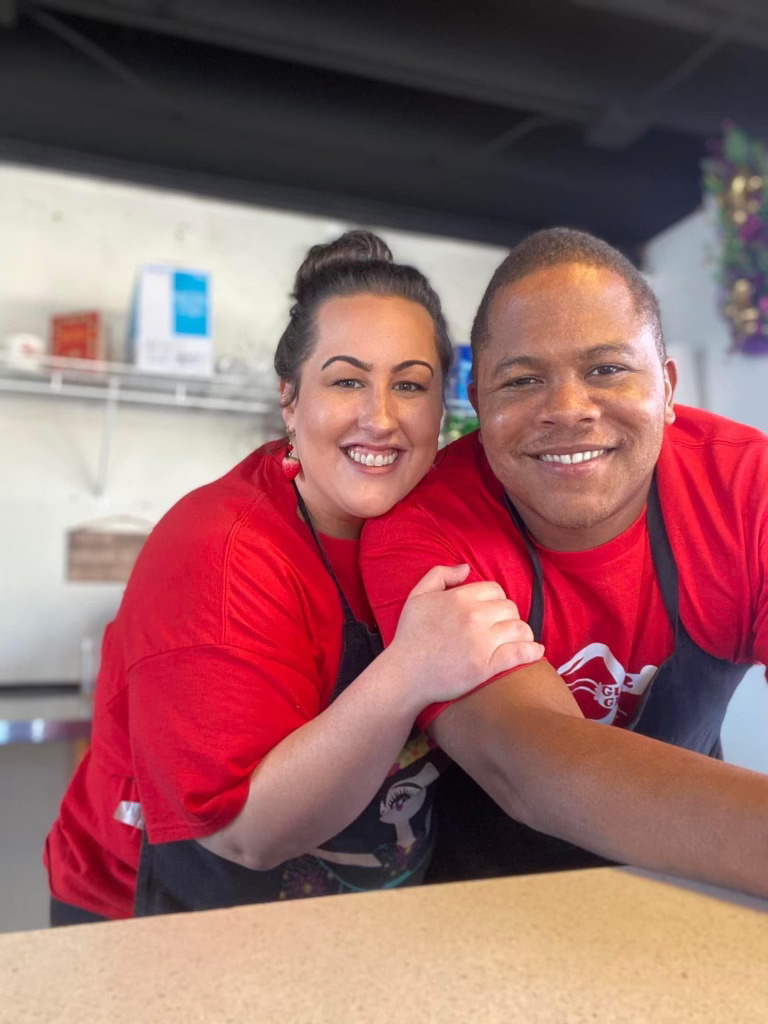
Soul food has been a staple of traditional African-American culture dating back to the 17th century.The tasty, hearty meals often lead to several health problems in the Black community.There are several people in Central Florida hoping to change the food culture, while preserving its soul, by preparing our favorite meals in a healthier way.One of those community members is Zak Wallace. He and his wife, Robyn, opened The Local Green. It’s Disney World’s first Black-owned food truck offering vegan, vegetarian and pescatarian meals.”It’s green, it’s healthy, it’s fun, you know, it’s light,” Wallace said.Located on the West Side in Disney Springs, the Wallace family opened their plant-based food truck in the spring of 2022 with one goal in mind, educating the Black community on ways to eat healthier.”Even though I started with my Black community in mind knowing our culture’s challenges, I was just tired of us being the first to die. Seeing my elders in my village late 60s, early 70s and hearing the stories, it’s like dang, you just retired and now, you know, it’s only five or seven years before you pass? That’s just so unfortunate,” he said.African Americans have higher chances of developing diabetes, hypertension, heart disease and cancer.It’s why Dr. David Spurlock, from AdventHealth Orlando, says small changes to your diet, such as eating plant-based foods, can make a big difference.”If we really stress in the community, prevention, prevention, prevention, yeah, it might taste different until you get it down right. I’d rather have not-as-good of tasting something, or something different, than having a stroke,” Spurlock said. “My community deserves healthier food options as well. It’s not that we don’t like it. It’s just that we haven’t been exposed to it,” Zak Wallace, The Local GreenAbout 20 miles away from The Local Green is another community leader who encourages people to eat green.Ray Warthen and his wife, Cherette, are planting change.They own Infinite Zion Farms. It’s located at the corner of South St. in Parramore. It’s one of Orlando’s oldest, historically Black neighborhoods.Warthen is a fifth-generation farmer. He and his family opened this in honor of his late father who died 13 years ago from prostate cancer.He’s teaching the community how to grow their own organic produce and showing them better ways to eat the food they love.”I’m also letting other people know when they come in here, with that little can of soda and potato chips, we’re not eating that here. I’m not giving you Coca-Cola. Here’s an apple juice, here’s something more healthy,” Warthen said. “We’re seeing the dynamic shift from both the mental mindset and the physical feeling of people eating fresh produce from the farm. They have more energy, they feel more vibrant. I feel it myself,” he said.Warthen, Wallace and Spurlock say it’s about taking proactive steps to avoid these devastating health conditions.”Let’s say you take the macaroni and cheese out and double up on spinach. Well, you’re already talking about positive effects in terms of weight loss and decrease in obesity,” Spurlock said. “Let thy food be thy medicine and let thy medicine be thy food. God created these beautiful, wonderous plants for us to eat and thrive on,” Wallace said.

Soul food has been a staple of traditional African-American culture dating back to the 17th century.

The tasty, hearty meals often lead to several health problems in the Black community.

There are several people in Central Florida hoping to change the food culture, while preserving its soul, by preparing our favorite meals in a healthier way.

One of those community members is Zak Wallace.

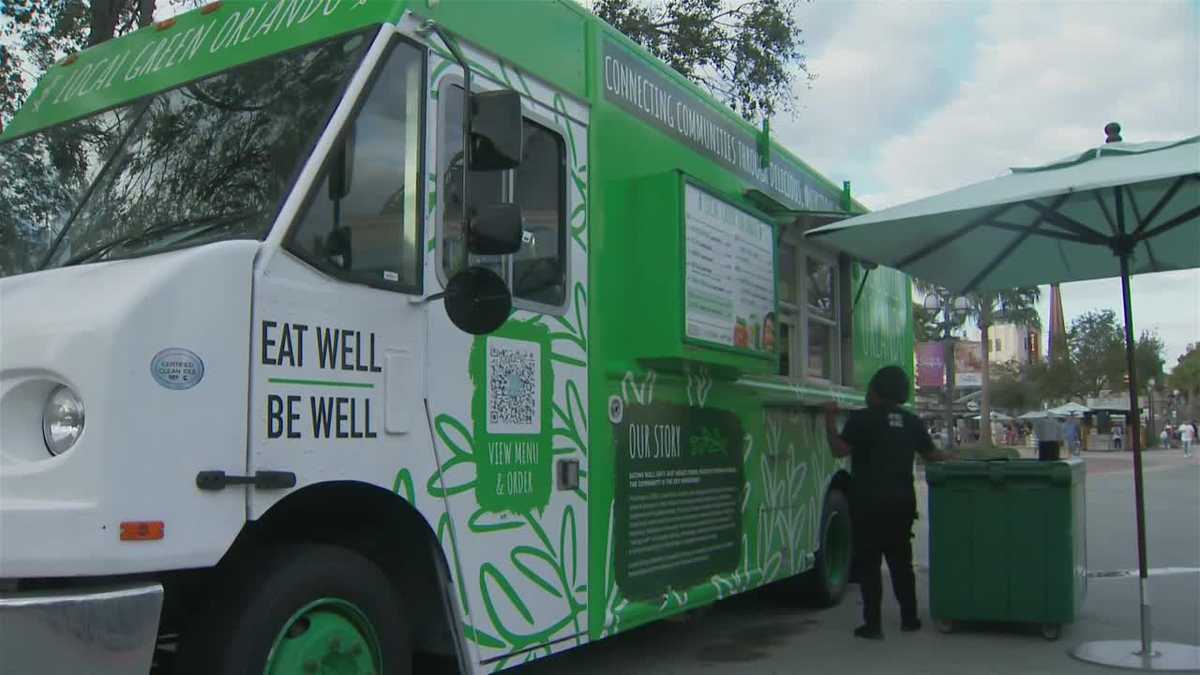
He and his wife, Robyn, opened The Local Green. It’s Disney World’s first Black-owned food truck offering vegan, vegetarian and pescatarian meals.

“It’s green, it’s healthy, it’s fun, you know, it’s light,” Wallace said.

Located on the West Side in Disney Springs, the Wallace family opened their plant-based food truck in the spring of 2022 with one goal in mind, educating the Black community on ways to eat healthier.

“Even though I started with my Black community in mind knowing our culture’s challenges, I was just tired of us being the first to die. Seeing my elders in my village late 60s, early 70s and hearing the stories, it’s like dang, you just retired and now, you know, it’s only five or seven years before you pass? That’s just so unfortunate,” he said.

African Americans have higher chances of developing diabetes, hypertension, heart disease and cancer.

It’s why Dr. David Spurlock, from AdventHealth Orlando, says small changes to your diet, such as eating plant-based foods, can make a big difference.

“If we really stress in the community, prevention, prevention, prevention, yeah, it might taste different until you get it down right. I’d rather have not-as-good of tasting something, or something different, than having a stroke,” Spurlock said.

“My community deserves healthier food options as well. It’s not that we don’t like it. It’s just that we haven’t been exposed to it,” Zak Wallace, The Local Green

About 20 miles away from The Local Green is another community leader who encourages people to eat green.

Ray Warthen and his wife, Cherette, are planting change.

They own Infinite Zion Farms. It’s located at the corner of South St. in Parramore. It’s one of Orlando’s oldest, historically Black neighborhoods.

Warthen is a fifth-generation farmer. He and his family opened this in honor of his late father who died 13 years ago from prostate cancer.

He’s teaching the community how to grow their own organic produce and showing them better ways to eat the food they love.

“I’m also letting other people know when they come in here, with that little can of soda and potato chips, we’re not eating that here. I’m not giving you Coca-Cola. Here’s an apple juice, here’s something more healthy,” Warthen said.

“We’re seeing the dynamic shift from both the mental mindset and the physical feeling of people eating fresh produce from the farm. They have more energy, they feel more vibrant. I feel it myself,” he said.

Warthen, Wallace and Spurlock say it’s about taking proactive steps to avoid these devastating health conditions.

“Let’s say you take the macaroni and cheese out and double up on spinach. Well, you’re already talking about positive effects in terms of weight loss and decrease in obesity,” Spurlock said.

“Let thy food be thy medicine and let thy medicine be thy food. God created these beautiful, wonderous plants for us to eat and thrive on,” Wallace said.
Food, music, clothing play big role in Elgin Black History Month luncheon

Food, music, clothing play big role in Elgin Black History Month luncheon

This is Good News Sunday, a compilation of some of the more upbeat and inspiring stories published recently by the Daily Herald:

Music, food and culture were on the menu for a Black History Month celebration luncheon Wednesday at Senior Services Associates in Elgin.

The event was part of a cultural series that the organization has been putting on for the last year. The nonprofit agency, which focuses on improving the quality of life for mature adults, has had programs highlighting the cultures of the Hispanic, Filipino and Guatemalan communities and wanted to do the same during Black History Month, according to activities director Minnie Vasquez.

“We want to encourage our seniors to learn about the different cultures of people who live in our community,” she said.

More than 100 seniors enjoyed a lunch; listened to guest speakers, including historian Ernie Broadnax, Mayor David Kaptain and city council member Corey Dixon; and cheered on a half-dozen participants in a fashion show, many wearing traditional African attire.

For the full story, click here.

How hunters, American Legion team up to send military a taste of home

The Northwest Towns Sportsmen’s Club in Wauconda is asking for your help to bring a taste of home to service members serving overseas.

The club started Jerky for the Troops 19 years ago, and it is sponsored by area American Legion Posts and auxiliaries.


Jerky for the Troops collects fresh venison from area hunters and converts it to jerky. Volunteers then package the snacks, along with other donated foods, personal hygiene items, candy, cards and letters, and ship them out to U.S. troops serving abroad.

“NWTSC is honored to send packages to our service personnel for their service to our great and grateful nation. They will never be forgotten,” said member Dale Berg in an email.

Volunteers will lay out the strips of venison in trays to dehydrate at 11 a.m. Sunday, Feb. 19.

At 11 a.m. Sunday, March 12, volunteers will box the jerky and other comfort items and letters to be shipped out.

Both events will take place at American Legion Post 208, 121 N. Douglas Ave., Arlington Heights, and volunteers are welcome to join.

For the full story, click here.


Naperville North’s Posey is DuPage high school principal of the year

Stephanie Posey doesn’t see just her name on the award she received from the Illinois Principals Association.

She sees a community of thousands.

Naperville North High School’s principal recently was named the IPA’s Principal of the Year for the DuPage County Region. She was honored at last week’s Naperville Unit District 203 school board meeting, where she thanked her family, her team at Naperville North, the students and the community.

“I’m honored and I’m humbled to be recognized by my peers and my colleagues,” she said. “This really is an award that speaks to everyone and belongs to everyone at Naperville North High School.”

Posey is one of 21 regional winners in Illinois, Krause said. A statewide winner will be selected later this month.

For the full story, click here.

Sample chili inside while it’s chilly outside

Calling all chili lovers: An upcoming event will give you the opportunity to sample a few dozen varieties of homemade chili, all for a good cause.

The Elgin Knights of Columbus will hold its 25th Annual Chili for Charity fundraiser from 3:30 to 7 p.m. Saturday, Feb. 25, in the gymnasium at St. Thomas More Catholic School, 1625 W. Highland Ave., Elgin.

Donations are $10 at the door or $9 prior ticket sales. For tickets, contact Marshall Spangler at (847) 606-1605 or m.span50@yahoo.com.

According to organizer Chris Gulik, the fundraiser has grown to offer up to 48 different chilis ranging from hot, medium and mild and more than 600 people attending.

Funds raised will benefit all Elgin Catholic Schools, the Elgin Soup Kitchen, and Elgin area youth sports.

For the full story, click here.

• Good News Sunday will run each weekend. Please visit dailyherald.com/newsletters to sign up for our Good News Sunday newsletter.


Global affair: OSU students return home with food, culture at International Bazaar | Entertainment

Global affair: OSU students return home with food, culture at International Bazaar | Entertainment

Saani Mohammed stands below a connected banner of international flags in traditional Ghanaian attire and basks in the exposure for his country.

Finally, he feels seen, he said.

Not just a statistic or body walking across Oklahoma State University’s campus.

Mohammed finally acted as if he was home. He was. Kinda.

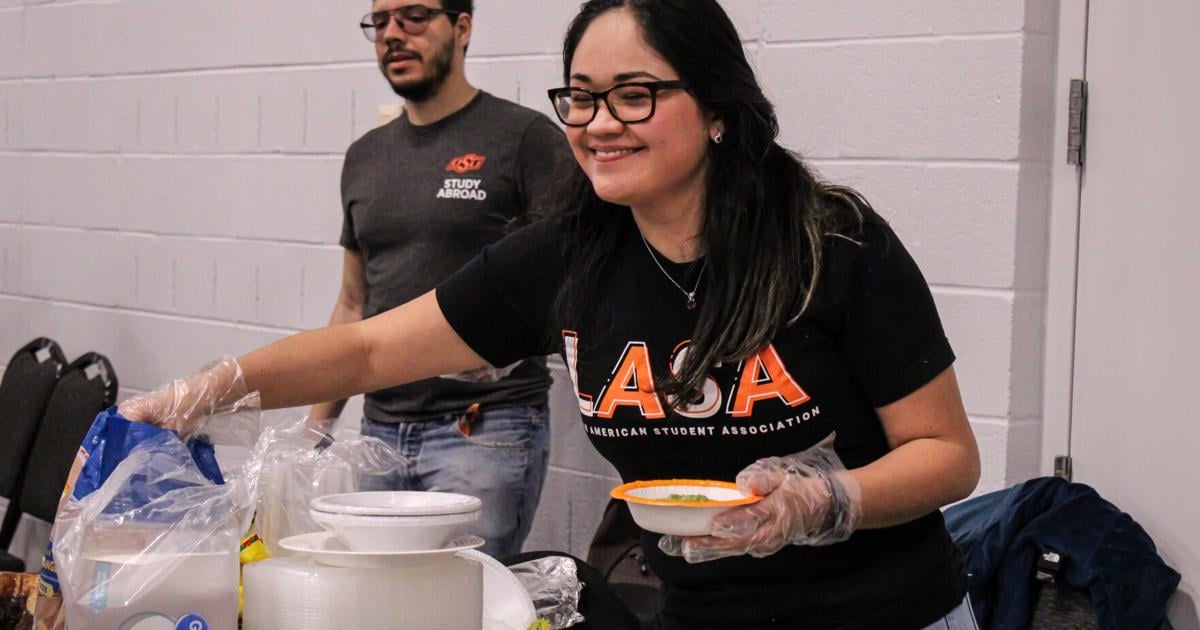
OSU’s International Student Organization hosted its annual International Bazaar, a three-hour fun fest filled with dozens of global foods, strong flavor and music, on Saturday afternoon in the Wes Watkins Center.

“This is big exposure for us,” Mohammed said. “Mostly Africa is not portrayed in the positive light. But we have our food here. Some of us have our national cultural dresses. People seem them and they’re like, ‘Who are these people?’ Then we talk about it. It makes us feel included.”

More than 200 students and Stillwater residents bounced from 12 booths and sampled deserts and entrees from more than 12 countries or regions.

It’s times like Saturday that show food and community can bring folks together.

“The purpose of today is to show Stillwater community the diversity of international students that we have here on campus,” Salome Suarez, International Student Organization president said. “Each area club has prepared different dishes from their own country. We want everybody to see how the dishes are from other parts of the world.”

Foods ranged from the Bangladeshi students’ tandoori chicken to the Latino American students’ cheese empanadas. Lots of desert, too.

Within hours, the exhibit hall transformed into a multicultural kitchen.

Tim Huff, ISO’s adviser, said the event began more than three decades ago. It’s one of ISO’s five annual events and the purpose remains.

“It gives all these students a home,” Huff said. “They feel like they belong when they’re here. You can see them just relax and get into it. It’s very important to see the true nature and culture of these kids because they settle in here.”

Many of the foods appeared similar. Lots of chicken and different meats. But cultural differences appeared in the bite and the food’s preparation.

The Nepalese Student Organization sold about 750 momos, steamed dumplings filled with chicken and vegetables.

Niranjan Pokhrel, a horticulture master’s student from Nepal said the group started making the food at 6 p.m. Friday night. The job wasn’t finished until 3:30 a.m.

It’s no easy task.

“It takes a lot of effort to make that,” he said. “It’s also a skill thing. Not everyone can make it. We had some people’s friends and seniors were really good at making it.”

In Persian culture, kitchens are the realm of women, Yaser Shamsi, Iran native and doctorate student in OSU’s English department, said. Men perform tasks of manual labor such as moving large pots. But women make the food.

“Even looking at the way people celebrate things and the way people cook (are different),” Shamsi said. “You can cook the same ingredient when you just buy it from a shop like Walmart. But when it goes home and it goes through the process that happens in the kitchen, it is the culture, the background and the people that makes the final dish that you see here.”

His wife made most of the Iranian items, such as falafel.

“Having a community of Iranian people just makes me feel as if it’s not that far away from family,” Shamsi said. “OSU is really international friendly. This is one of the events that I really appreciate.”

OSU boasted 1,519 international students in fall 2022, according to OSU international student statistics provided to The O’Colly.

Mayank Talreja, a master’s student from India, represents OSU’s largest international community. The country’s 418 students make it OSU’s biggest international population.

The Indian Student Association also won the event’s best desert content with its kalakand, an Indian milk cake.

“That is what encourages us and gives me a motivation to do something for students,” Talreja said. “We help students transition their life from India to a new country here. It’s been great that a lot of friends are here from our country.”

ISO will also host its Culture Night on April 8 in the Seretean Center for the Performing Arts, another opportunity for OSU’s international students.

Cultural Ramifications of the Globalization of Food

Cultural Ramifications of the Globalization of Food

In 1957, a Japanese man named Momofuku Ando created his first batch of flash-fried ramen noodles, utilizing surplus flour given as aid by the United States after the conclusion of World War II. While Ando’s project originally began with only 18 kilograms of flour and a hand-me-down noodle machine, over 118 billion servings of Ando’s instant ramen are now consumed yearly, with major consumers spanning Australia, Asia, the United States, and the Middle East. The story of instant ramen is hardly unique; globalization within the past few centuries has allowed for cuisines and—by proxy—cultures to have unprecedented expanse across the world. Tomatoes, a current staple in Italian cuisine, originated in the Andes Mountains in South America and were brought to Italy through the Columbian Exchange during the mid-1500s. Later on, industrialization in the 19th century allowed complete dishes, such as spaghetti, to propagate throughout the world with enormous popularity. Today, even entire restaurant franchises can globalize, such as Starbucks with locations in 80 countries.

Such global interconnectedness is a double-edged sword; what nations gain in cultural unity and a diversified palate often comes at the price of interdependency, exploitation of less developed regions and natural resources, and increased demand for advanced infrastructure. The ongoing war in Ukraine has recently exposed some of these faults, with staggering food shortages resulting from Ukraine and Russia producing more than 18 percent of the world’s cereal grains and 72 percent of all sunflower seed oil. However, the Ukrainian conflict marks neither the first nor last time that food is significant in international politics. Given a looming climate crisis, increased awareness of ethical issues surrounding food production, and continued globalization, humanity is at a crucial turning point in its relationship with food. Within this generation, food could become a tool for war, or for peace.

Food Sustainability and the Global Serving Size

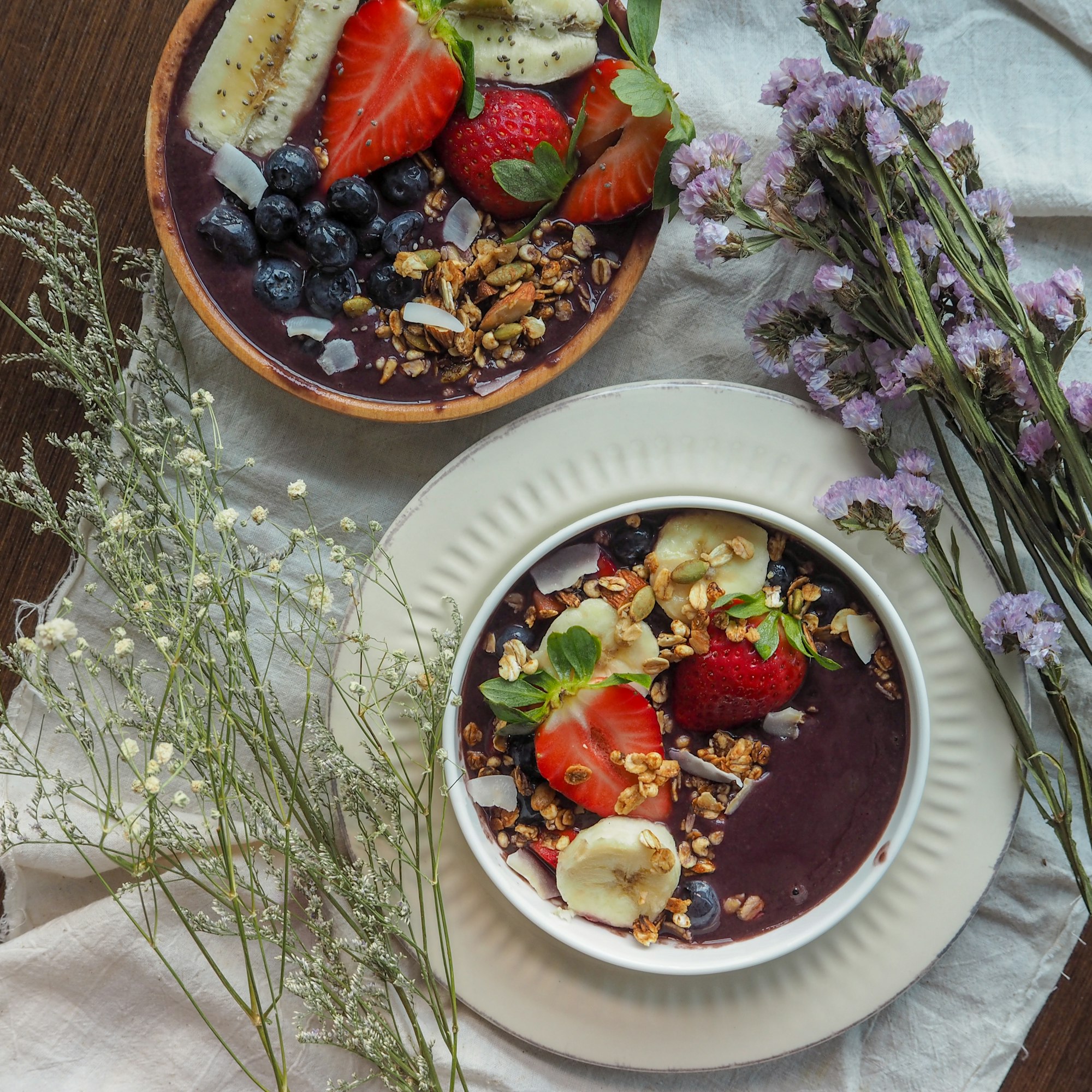
With the advent of social media and improvements in transportation and storage, food trends spread faster and wider than ever before, exacerbating unsustainability and overconsumption. Information about foods previously seen as unfamiliar or exotic is widely accessible online, encouraging the spread of new cuisines through virtual interest groups and social media. While trendy foods such as brightly colored dragon fruit drinks, acai bowls, and avocado toast seem innocuous at first glance, the demand for produce outside of where it is naturally grown is a significant contributor to greenhouse gas emissions; as of 2021, transportation of food constitutes approximately one fifth of all emissions associated with food production. When this pollution is combined with the increasing popularity of these foods (US consumption of avocados alone has increased three-fold since 2000), the impact of food globalization is clear. Currently, 50 percent of all habitable land is used for agriculture, and increased demand for certain foods could cause further straining of already saturated industries . Commercial monoculture, the large-scale cultivation of one specific crop, is also contributing to soil degradation, erosion, and the usage of artificial fertilizers and toxic pesticides. Ironically, humanity already produces enough food per year to feed 10 billion people (around 1.5 times the current global population), yet 697 million people suffer from high levels of food insecurity globally. This is largely due to a lack of refrigerating technology in certain regions, which makes it more difficult to prevent food spoilage, and waste issues in other countries where food is cheap and easy to replace.

The existing environmental concerns around food globalization are exacerbated when applied to foods that are difficult to cultivate. The spread and overharvesting of sturgeon caviar, a delicacy originating in the Caspian Sea and currently cultivated in 20 countries, has led to near complete decimation of the wild Atlantic Sturgeon population, with reports this year stating that the Delaware River breeding population has been reduced by 99 percent since the late 1800s. The loss of biodiversity as a result of extinction could potentially lead to “cascading effects” as species dependent on extinct animals become endangered themselves, causing high levels of economic damage to communities dependent on food production.

The World’s Demand for Exploitation

While the globalization of food has expanded the culinary palate of those who can afford it, structural shortcomings surrounding infrastructure and labor regulations have led to the exploitation of workers and entire communities in underdeveloped regions. Impoverished groups are not only more vulnerable to malnutrition, but are also used as a source of cheap labor to satisfy the ever-growing demand for trendy food elsewhere. In Brazil, the explosive and largely unregulated growth of the acai berry industry in the 2000s due to the fruit’s popularity with social media influencers has led to rampant child labor within the country and economic dependency on fruit yields, which has decreased the ability of even adult workers to negotiate better conditions. These violations often go unpunished by regulations such as fair trade certifications, which are lax enough in their inspections that issues can be hidden or not reported at all. Furthermore, approximately 40 percent of all agricultural employees in Brazil are waged workers who do not actually own the land they work on and live below the poverty line. These workers are also often prevented from unionizing and are more susceptible to forced labor and illnesses such as HIV.

Beyond the exploitation of workers, economic dependency on agricultural commodities can even spark violence within dependent regions. In Madagascar, the country with the 10th lowest global GDP per capita in 2022, reliance on the extremely lucrative and labor-intensive vanilla trade has led to the formation of informal armed bands that defend the fields where the crop is ground. An estimated 15 percent of the annual vanilla harvest is stolen every year, and between 2016 and 2018, 150 people were killed as a result of ongoing thievery and defense. Despite the dangers present, the highly volatile pricing found in the vanilla trade creates dependency among the people as one of the few ways farmers can break the cycle of poverty for future generations.

Food as a Vehicle for Peace

Though food insecurity can serve as a vessel for spreading violent conflict, the spread of cuisines possesses a unique ability to unite communities through the sharing and understanding of culture. On a smaller scale, studies have shown that smells associated with food are interconnected with the region of the brain that controls emotions, which can spark powerful reactions. Certain traits of food, such as crunchiness, have even been found to be universally appealing to humans regardless of cultural origin. By sampling and enjoying a variety of global foods, individuals gain a better understanding of and greater empathy towards different cultures. In the wake of former President Donald Trump’s drafting of a travel ban on residents from Syria and Iran in 2017, many restaurants protested by adding Syrian and Iranian dishes to their menus. Similarly, efforts to unite Israeli and Palestinian mothers through the sharing of family recipes were shown to aid the women in viewing each other “not as villains, but as humans just like themselves.” On a larger scale, the intermingling of cultures “underpins social cohesion, peace, and security.” With urban populations expected to increase to nearly 6 billion people by 2045, interactions between various cultures will increasingly occur, and cuisines can help facilitate positive relationships among cultural groups. While negative perceptions of different cultures can lead to conflict, cultural unity is crucial to creating lasting peace.

Constructing a Kinder Plate

Clearly, humanity cannot reverse the globalization of food, but it can minimize the damaging effects of overproduction and overconsumption while still retaining as many cultural benefits as possible. One popular argument is that the prevalence of multinational companies reduces the capabilities of individual communities to become self-sufficient, as food distribution is completely managed by outsiders with ulterior motives. Therefore, the only way to ensure food access for everyone is to place it in the hands of the people themselves. This goal coincides with the recent movement for consumers to purchase locally grown produce, which can be used in preparing cultural dishes. Since 1986, the number of community shared agriculture programs in the United States has increased from two to over 1000, and farm-to-school food programs have increased by 50 percent from 2006 to 2009 alone. Other suggestions seek to combat food insecurity through increasing individual access to credit, urban farming, and empowering women to become economic contributors to their families. In 2022, the World Bank provided US$350 million to Chad, Ghana, and Sierra Leone in order to increase access to agricultural advising and more efficient and climate-friendly technology. Similarly, a US$130 million loan was also provided to Tunisia to aid in wheat imports that were affected by the conflict in Ukraine.

Technological development may also serve as a catalyst for more sustainable global consumption. The development of plant-based meat alternatives in recent years has created the ability to feed more people using between 41 percent and 98 percent less land than typical meat farming. Within the past five years, developments in cellular agriculture (the cultivation of animal cells to produce lab-grown meat) have even enabled the cultivation of seafood without aquaculture, further opening the door to sustainable agriculture. Furthermore, farmland and biodiversity can be protected through regenerative agriculture, which restores depleted soils through crop rotation and composting.

While solutions to the inequities caused by the globalization of food are imperfect and not as globalized as the consumption of the foods they are meant to preserve, they are the first step in fostering justice in a world of unequal economic growth. With the continued rise of social media platforms, international cuisines, and diversity in urban areas, food will continue to be a powerful commodity in both spreading culture and exacerbating excess production and exploitation. The full ramifications of humanity’s actions remain to be seen, but the most significant task is to bring populations together through food rather than apart through conflict.

Alton’s Gumbo 2 Geaux celebrates Cajun culture, food

Alton’s Gumbo 2 Geaux celebrates Cajun culture, food

ALTON — Authentic Cajun kitchen Gumbo 2 Geaux is the closest anyone will get to New Orleans in this River City.

Gumbo 2 Geaux, at 1808 Washington Ave., in the heart of Upper Alton, is owned by Troy and Kyndra Green, who went to Roxana High School. Both of the Greens grew up in or around Baton Rouge, Louisiana, but Kyndra Green moved to Roxana when she was in seventh grade. Two days after graduation she moved back to attend Louisiana State University, where she met her husband. 

The Greens opened Gumbo 2 Geaux last October in Alton. Its menu is at ordergumbo.com where it lists daily specials. Fat Tuesday is next week but Saturday Gumbo 2 Geaux will have fun specials in honor of Mardi Gras.

On Sunday, from 11 a.m.-4 p.m.,Gumbo 2 Geaux will be at Flock, 210 Ridge St., at Landmarks Boulevard, serving gumbo, red beans and rice and king cake, until sold out. This is a treat because the restaurant is closed on Sunday.

On Sunday, March 12, Gumbo 2 Geaux will be featured at Jacoby Arts Center’s Jazz Brunch along with live music from the Alton High School Jazz Combo. Tickets cost $30 per person and are available at jacobyartscenter.org. Gumbo 2 Geaux will be serving a grits bar, king cake and more.

The restaurant hours are 11 a.m.-7 p.m. Monday-Saturday; it’s closed Sunday. Starting March 1, the restaurant will be extending its hours to 8 p.m.

“I am a Cajun woman,” Kyndra Green said. “We lost everything in a flood in 2016, from a low-pressure system that did not move for two days. That’s why I felt compelled to take our culture to a safer area.

“The reality is a lot of people cannot evacuate because of their circumstances, and I feel like, if you can, preserve it,” she said. “From South Louisiana, we are capable of carrying that in our heart, in our soul, wherever we go. Our restaurant has not only become a destination for authentic Cajun food, but it has become active preservation for Cajun culture.”

The Greens decided to come back to Illinois to start over. They moved with their first born, Theodore James, 7, while they were pregnant with their second child, William Oliver, 6, who is the only member of the family born in Alton, and not in South Louisiana.

“He’s our little Alton boy,” his mother said.

When COVID happened, and restaurants closed, folks were asking Green to make her granny Linda Cormier’s gumbo recipe. That’s when they got the idea and established the goal to buy a business and sell the gumbo to go.

“My grandma is very important to me,” Green said. “She is the literal reason I am who am and know what I know, not just in food. but in life.”

Green even shared the basis of her grandmother’s gumbo recipe.

“My entire life, my grandma said, ‘Kyndra, if you have good quality meat, and good quality onion and bell pepper, just salt and (cayenne) pepper, just focus on the meat with good salt and good pepper, that is what makes Cajun food truly Cajun food.’ That is why, when it’s prepared correctly, it is delicious.”

She describes Gumbo 2 Geaux as “authentic Cajun, not perfect Cajun.”

“It’s very subjective,” she said. “You can go five miles north, south, east, or west of Lafayette, and the gumbo will be different, depending on whose granny made it.”

She also shared that people fail at Cajun food when they use too much, too many different spices, when salt and cayenne pepper are sufficient.

“That is where the mistake is made,” she said.

“We love and appreciate this community so much,” Kyndra Green said. “Y’all keep us busy and we are happy to be here serving y’all! Hopefully this helps some of you who have been trying to get in and try our food. Keep it up and I’m more than happy to extend our hours once again for summer..

“Y’all enjoy this sunshine today,” she added. “Spring is coming – just a slice of what’s on the way.”

For more information, follow Gumbo 2 Geaux’s Facebook page.

My chance to work and learn at one of the world’s largest food and wine events | FIU News

My chance to work and learn at one of the world’s largest food and wine events | FIU News

By Phuong Hoang, senior majoring in Hospitality Management at FIU Chaplin School of Hospitality & Tourism Management, specializing in marketing 

Born and raised in Vietnam, I have always been exposed to herbs and spices from my mother’s kitchen whether it be at home or through her work as a recipe and menu developer. As much as I am grateful to have a family engrossed in the restaurant industry, I have also dreamed of learning about Western foods and culture, which are considered luxuries back home. So, four years ago, when I heard about the chance to volunteer and possibly work with celebrity chefs and restaurateurs at the Food Network South Beach Wine & Food Festival presented by Capital One (SOBEWFF®), I became a volunteer.

This is my fourth year volunteering and this year the feeling is just as thrilling as when I picked my very first shifts. The whole experience is like going to class in a slightly different setting, learning from potential employers and applying skill sets when handling realistic situations.

As an international student, there are many employment restrictions when it comes to seeking work experience. But at SOBEWFF®, any student can work while earning scholarships. This year is the 22nd anniversary of the Festival. The motto of the Festival is “EAT. DRINK. EDUCATE.” I was able to do that with a hands-on learning experience by taking on various roles that have given me a great head start to test out different aspects of hospitality. For example, working in registration helped me understand the front-facing side of customer service as I greeted and checked in guests. As an inventory clerk, I got a back-of-house perspective from the loading docks.

My story is only one among many other passionate future leaders who are currently pursuing their degree at FIU. Student volunteers come from every major, including engineering, psychology, architecture and even disaster management. In total, more than 1,300 students work about 4,300 shifts at the Festival. 

My friend and fellow hospitality student Natalie Garcia is graduating with her bachelor’s in the fall. Natalie has had multiple experiences working with SOBEWFF®, helping out at major iconic events such as the Burger Bash and the Grand Tasting Village. This year, she’s a volunteer lead at Wine Spectator’s Best of the Best taking place at the famous Fontainebleau Miami Beach.

“I have been able to enhance many applicable skills such as teamwork, communication, adaptability, leadership and many more,” Garcia said. “I’ve volunteered in so many different positions because I wanted to try something different every time and expand my knowledge within each role. The most surprising thing I’d say is the number of connections one can make and the amazing memories.”

Nicolas Calvo Lozano is an international student from Colombia pursuing a master of science in hospitality management with a specialization in hospitality real estate development. Lozano has also undertaken different roles including event support, registration, logistics lead and, now, a volunteer recruitment coordinator.

“In the people industry, having the opportunity to be part of SOBEWFF® helps me to expand my creativity, apply my leadership skills, and improve my problem-solving skills. I am a huge fan of all types of events and SOBEWFF® is a unique experience that I couldn’t let pass. How amazing it is to support others and lead people toward a shared goal!” Calvo said.

According to Lozano, his SOBEWFF® experience has helped shape his approach to the customer service industry. From welcoming the first guest on-site, to maintaining a perfect workflow backstage, he says it’s all worth it thanks to the excitement and feeling of success when overcoming challenges on the spot. In addition, he says he’s become great at multitasking, negotiation, and leadership since they’re part of a typical SOBEWFF® day, all while building relationships with industry professionals.

As for me, this is my last Festival. It’s bittersweet, but I have learned a lot and matured over the years with each experience. My biggest advice to other students considering whether or not to volunteer: Just do it. Even if you’re not in hospitality, go ahead and take the opportunity to be a part of it, even if it’s one or two shifts. The experience is worthwhile.

But for now, I’ll cherish my last SOBEWFF® and one day plan to come back as a guest with my mom.

Students still have a chance to be part of the SOBEWFF® volunteer program, by booking an online interview appointment at sobewff.setmore.com

sobewff-2023-north-venue-2020_burger-bash.jpg

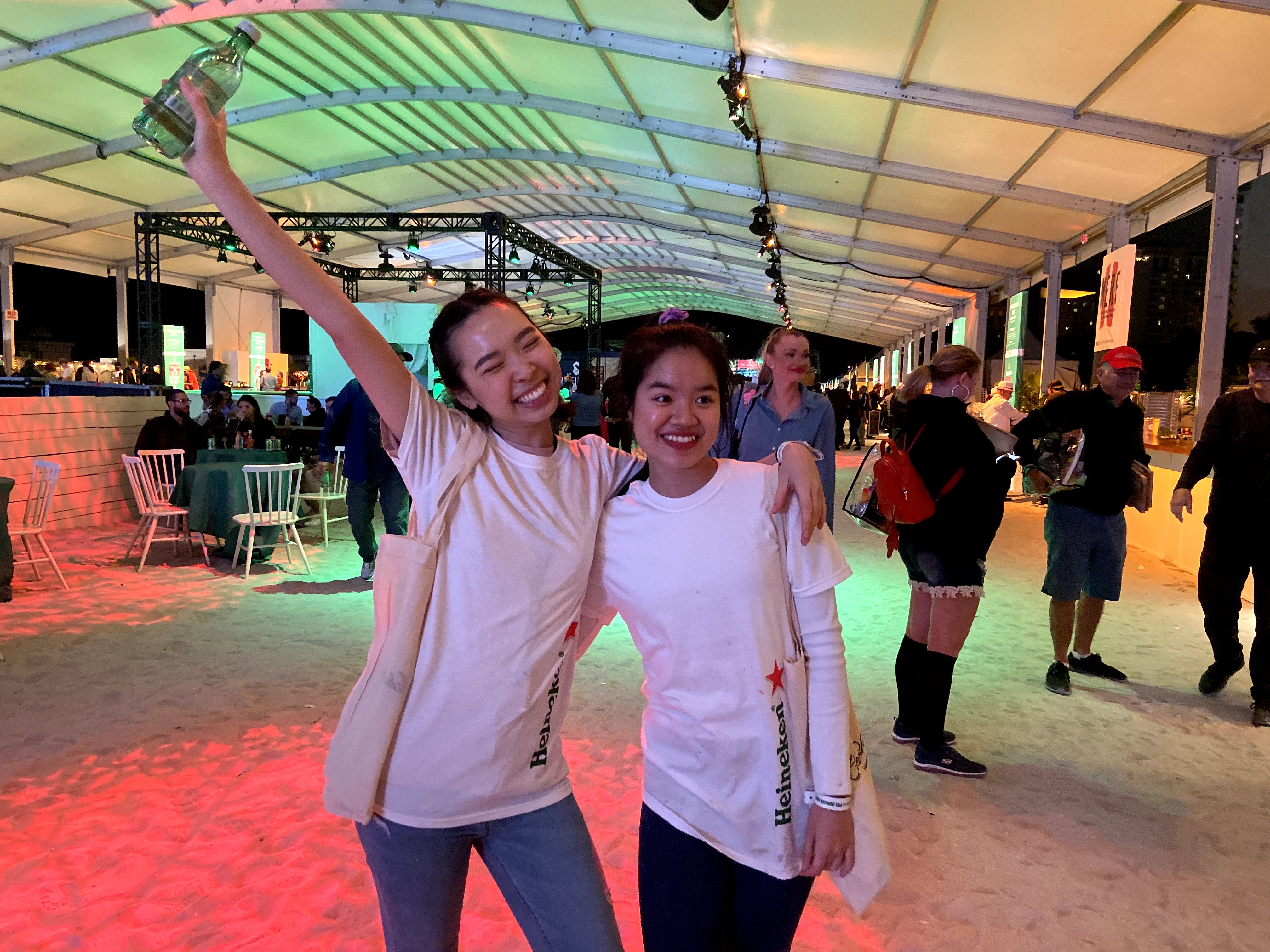
International students Phuong Hoang (left) and Nga Chung BS ’22 volunteer and have fun at the Festival.