10 New Year’s food traditions around the world

10 New Year’s food traditions around the world

Story highlights

Pickled herring, lentils and noodles all make appearances on global New Year’s menus

In the American South, hoppin’ john, made with rice and field peas, is said to bring good luck

King cakes are part of the festivities in many cultures


CNN
 — 

New Year’s Day is meant for fresh starts. But maybe even more, it’s meant for food.

As the new year arrives around the world, special cakes and breads abound, as do long noodles (representing long life), field peas (representing coins), herring (representing abundance) and pigs (representing good luck).

The particulars vary, but the general theme is the same: Enjoy food and drink to usher in a year of prosperity.

Here are 10 good-luck servings of New Year’s food traditions around the world:
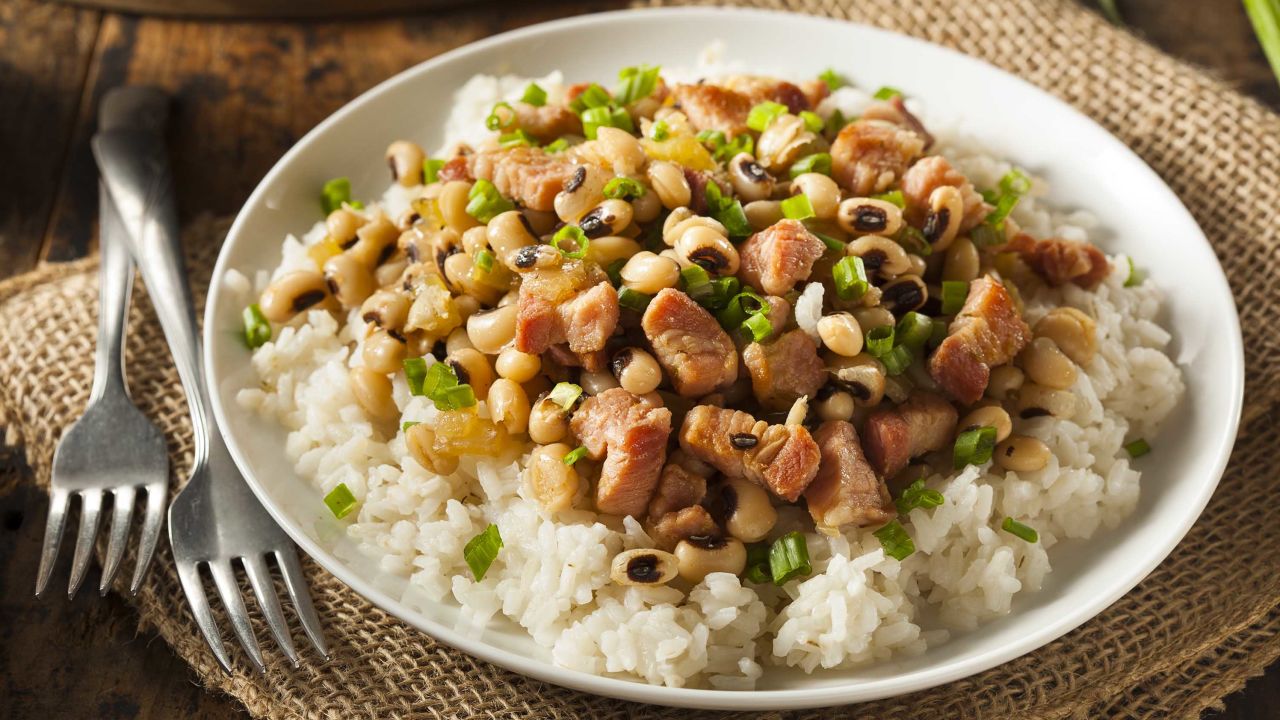
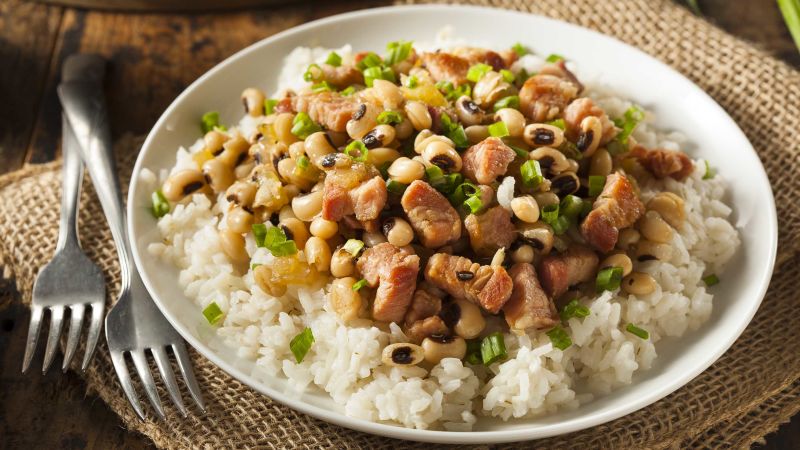
Field peas or black-eyed peas are the base for Hoppin' John.

A major New Year’s food tradition in the American South, Hoppin’ John is a dish of pork-flavored field peas or black-eyed peas (symbolizing coins) and rice, frequently served with collards or other cooked greens (as they’re the color of money) and cornbread (the color of gold). The dish is said to bring good luck in the new year.

Different folklore traces the history and the name of this meal, but the current dish has its roots in African and West Indian traditions and was most likely brought over by slaves to North America. A recipe for Hoppin’ John appears as early as 1847 in Sarah Rutledge’s “The Carolina Housewife” and has been reinterpreted over the centuries by home and professional chefs.

The dish reportedly got its name in Charleston, South Carolina, and it is a veritable staple of Lowcountry cooking.
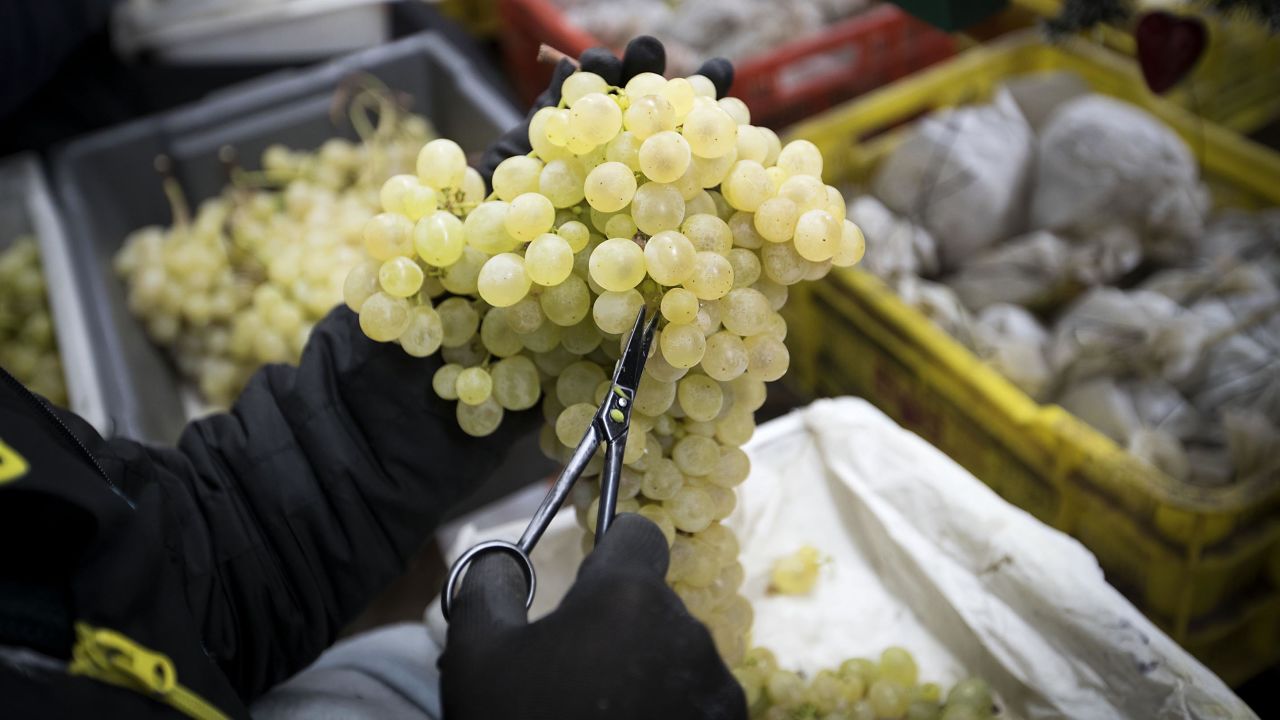
In Spain, they bring in the new year with 12 grapes. The tradition has spread to many Spanish-speaking countries.

The people of Spain traditionally watch a broadcast from Puerta del Sol in Madrid, where revelers gather in front of the square’s clock tower to ring in the New Year.

Those out in the square and those watching at home partake in an unusual annual tradition: At the stroke of midnight, they eat one grape for every toll of the clock bell. Some even prep their grapes – peeling and seeding them – to make sure they will be as efficient as possible when midnight comes.

The custom began at the turn of the 20th century and was purportedly thought up by grape producers in the southern part of the country with a bumper crop. Since then, the tradition has spread to many Spanish-speaking nations.
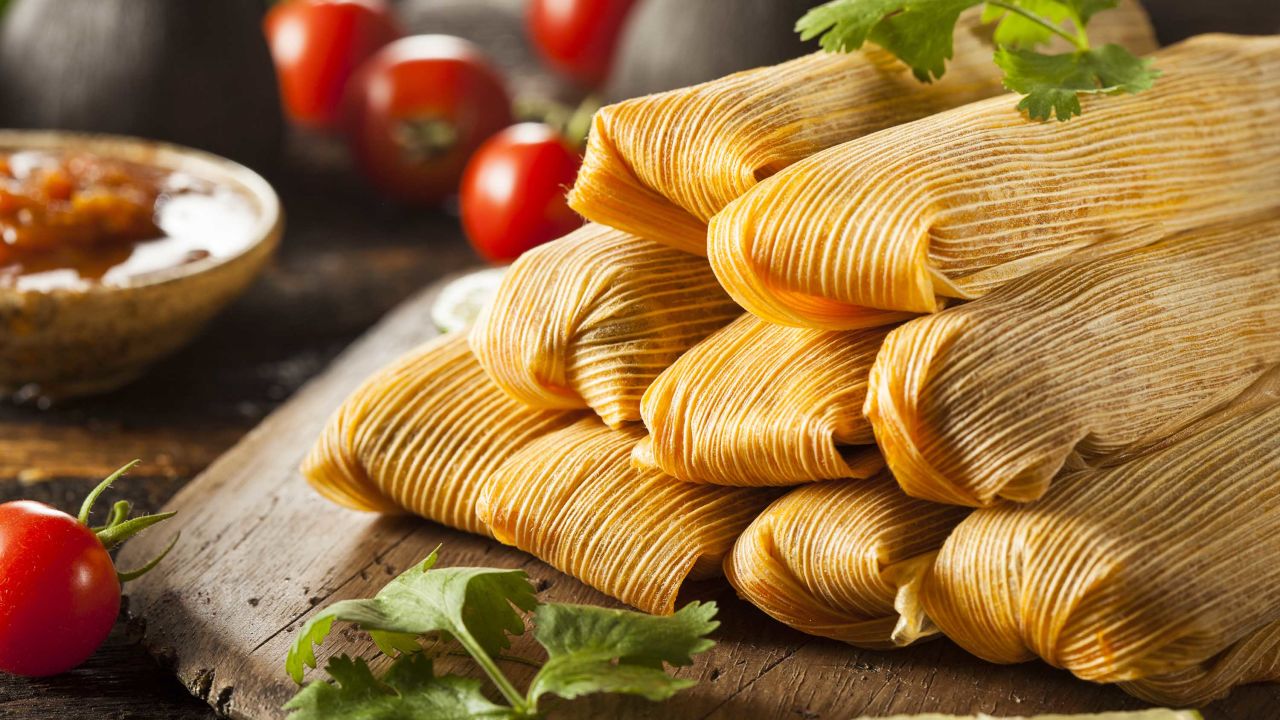
Tamales get special attention in Mexico during the holiday season.

Tamales, corn dough stuffed with meat, cheese and other delicious additions and wrapped in a banana leaf or a corn husk, make appearances at pretty much every special occasion in Mexico. But the holiday season is an especially favored time for the food.

In many families, groups of women gather together to make hundreds of the little packets – with each person in charge of one aspect of the cooking process – to hand out to friends, family and neighbors. On New Year’s, it’s often served with menudo, a tripe and hominy soup that is famously good for hangovers.

Those who live in cities with large Mexican populations shouldn’t have much trouble finding restaurants selling tamales to go for New Year’s Eve and Day. In Mexico City, steamed tamales are sold from vendors on street corners day and night.
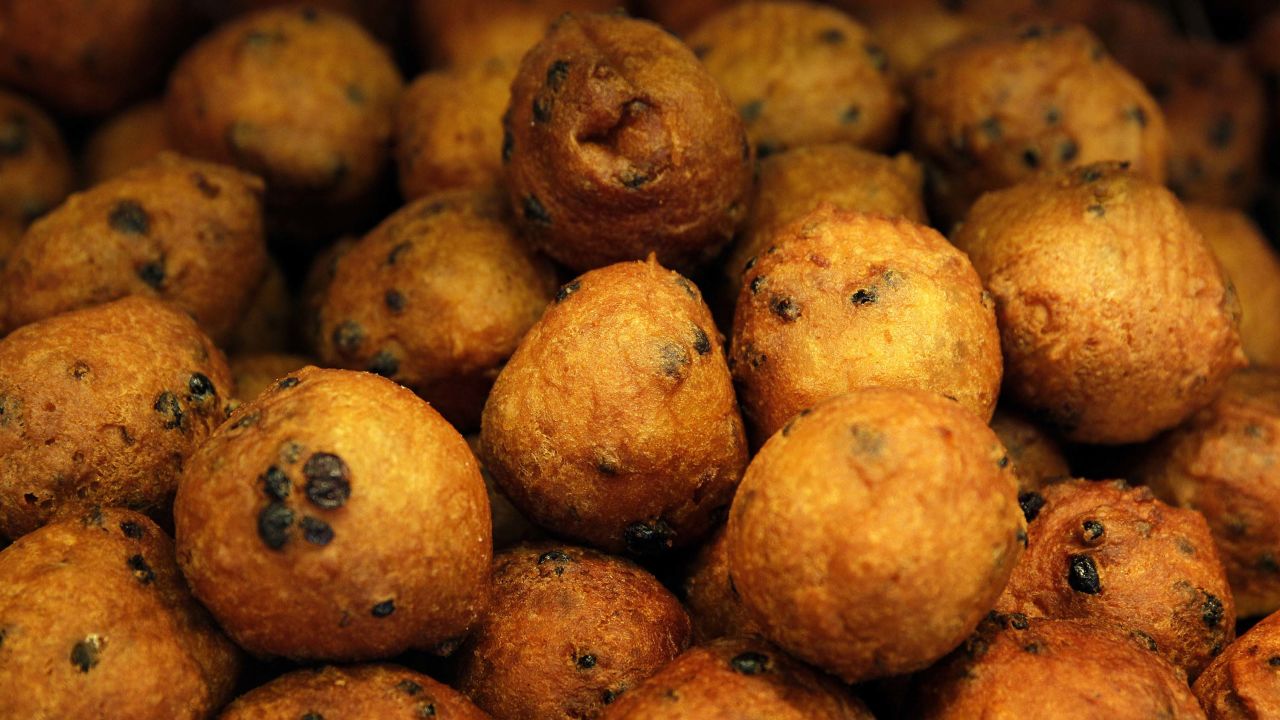
An oliebol is a doughnut-like product, traditionally made and consumed in the Netherlands during the New Year's celebrations.

In the Netherlands, fried oil balls, or oliebollen, are sold by street carts and are traditionally consumed on New Year’s Eve and at special celebratory fairs. They are doughnut-like dumplings, made by dropping a scoop of dough spiked with currants or raisins into a deep fryer and then dusted with powdered sugar.

In Amsterdam, be on the lookout for Oliebollenkraams, little temporary shacks or trailers on the street selling packets of hot fried oliebollen.

Fresh marzipan made in the shape of little pigges.

Austria and neighbor Germany call New Year’s Eve Sylvesterabend, or the eve of Saint Sylvester. Austrian revelers drink a red wine punch with cinnamon and spices, eat suckling pig for dinner and decorate the table with little pigs made of marzipan, called marzipanschwein.

Good luck pigs, or Glücksschwein, which are made of all sorts of things, are also common gifts throughout both Austria and Germany.
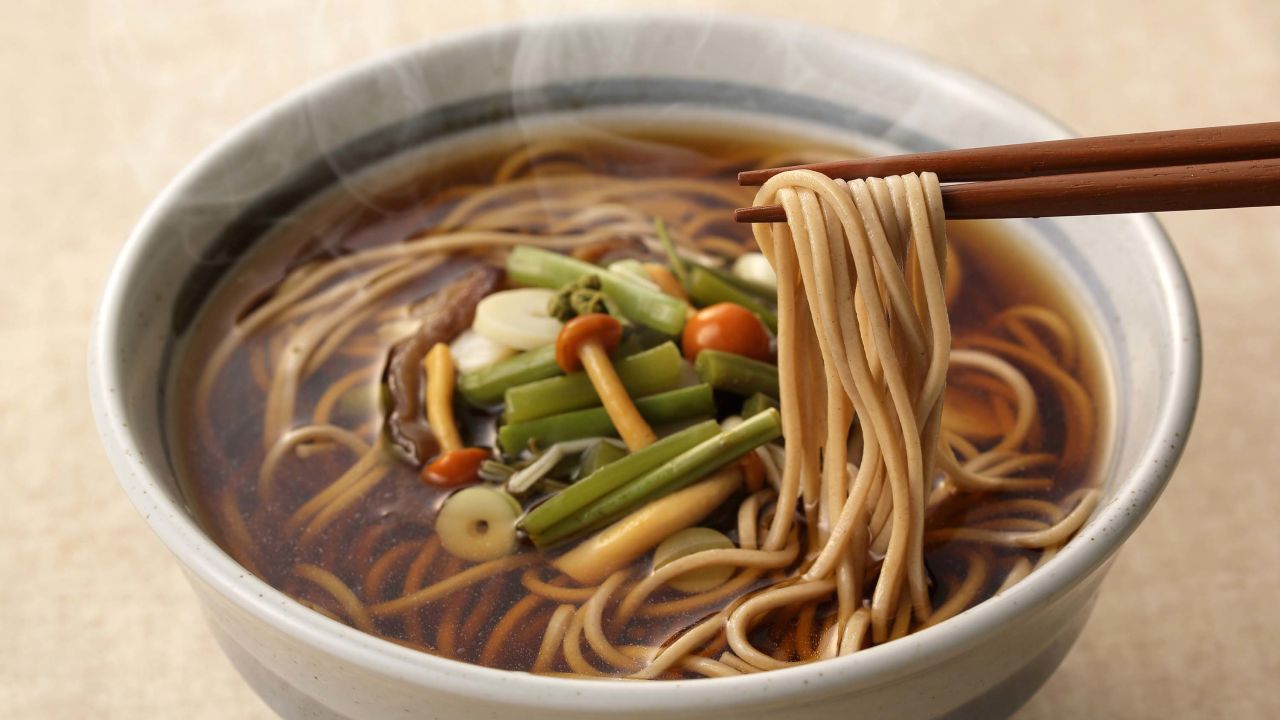
Many Japanese slurp down bowls of delicious Soba noodles to welcome the new year.

In Japanese households, families eat buckwheat soba noodles, or toshikoshi soba, at midnight on New Year’s Eve to bid farewell to the year gone by and welcome the year to come. The tradition dates back to the 17th century, and the long noodles symbolize longevity and prosperity.

In another custom called mochitsuki, friends and family spend the day before New Year’s pounding mochi rice cakes. Sweet, glutinous rice is washed, soaked, steamed and pounded into a smooth mass. Then guests take turns pinching off pieces to make into small buns that are later eaten for dessert.
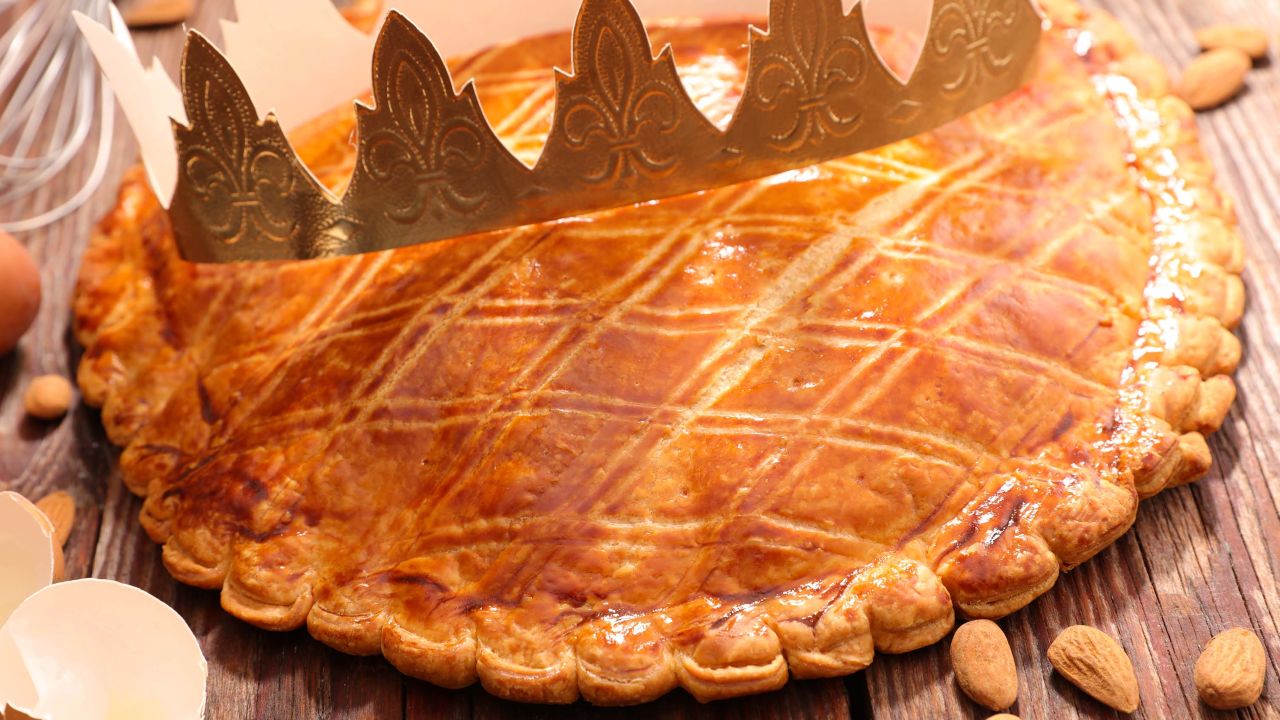
The French do enjoy their galette des rois.

The tradition of a New Year’s cake is one that spans countless cultures. The Greeks have the Vasilopita, the French the gateau or galette des rois. Mexicans have the Rosca de Reyes and Bulgarians enjoy the banitsa.

Most of the cakes are consumed at midnight on New Year’s Eve – though some cultures cut their cake on Christmas or the Epiphany, January 6 – and include a hidden gold coin or figure, which symbolizes a prosperous year for whomever finds it in their slice.
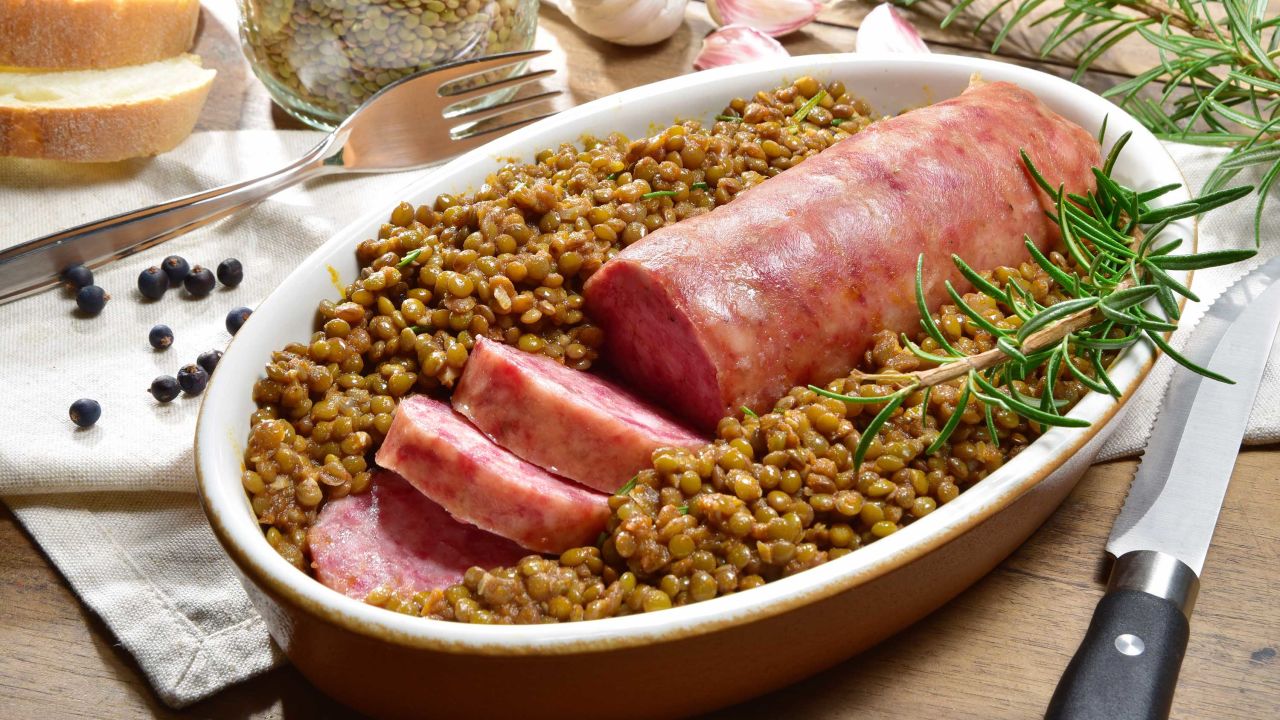
Cotechino con lenticchie is the yummy Italian pairing of sausage and lentils.

Italians celebrate New Year’s Eve with La Festa di San Silvestro, often commencing with a traditional cotechino con lenticchie, a sausage and lentil stew that is said to bring good luck (the lentils represent money and good fortune) and, in certain households, zampone, a stuffed pig’s trotter.

The meal ends with chiacchiere – balls of fried dough that are rolled in honey and powdered sugar – and prosecco. The dishes find their roots in Modena, but New Year’s Eve feasts thrive across the country.
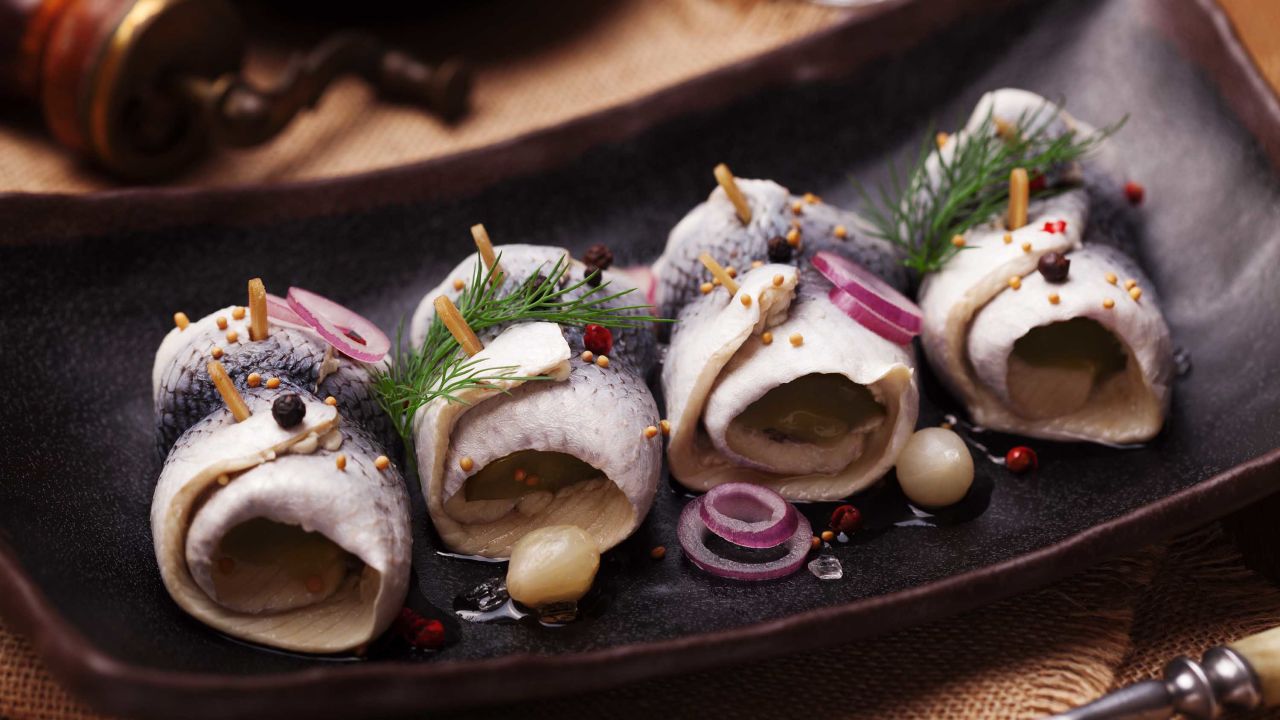
Rolled herring in vinegar, served with onions and pickles.

Because herring is in abundance in Poland and parts of Scandinavia and because of their silver coloring, many in those nations eat pickled herring at the stroke of midnight to bring a year of prosperity and bounty. Some eat pickled herring in cream sauce while others have it with onions.

One special Polish New Year’s Eve preparation of pickled herring, called Sledzie Marynowane, is made by soaking whole salt herrings in water for 24 hours and then layering them in a jar with onions, allspice, sugar and white vinegar.

Scandinavians will often include herring in a larger midnight smorgasbord with smoked and pickled fish, pate and meatballs.
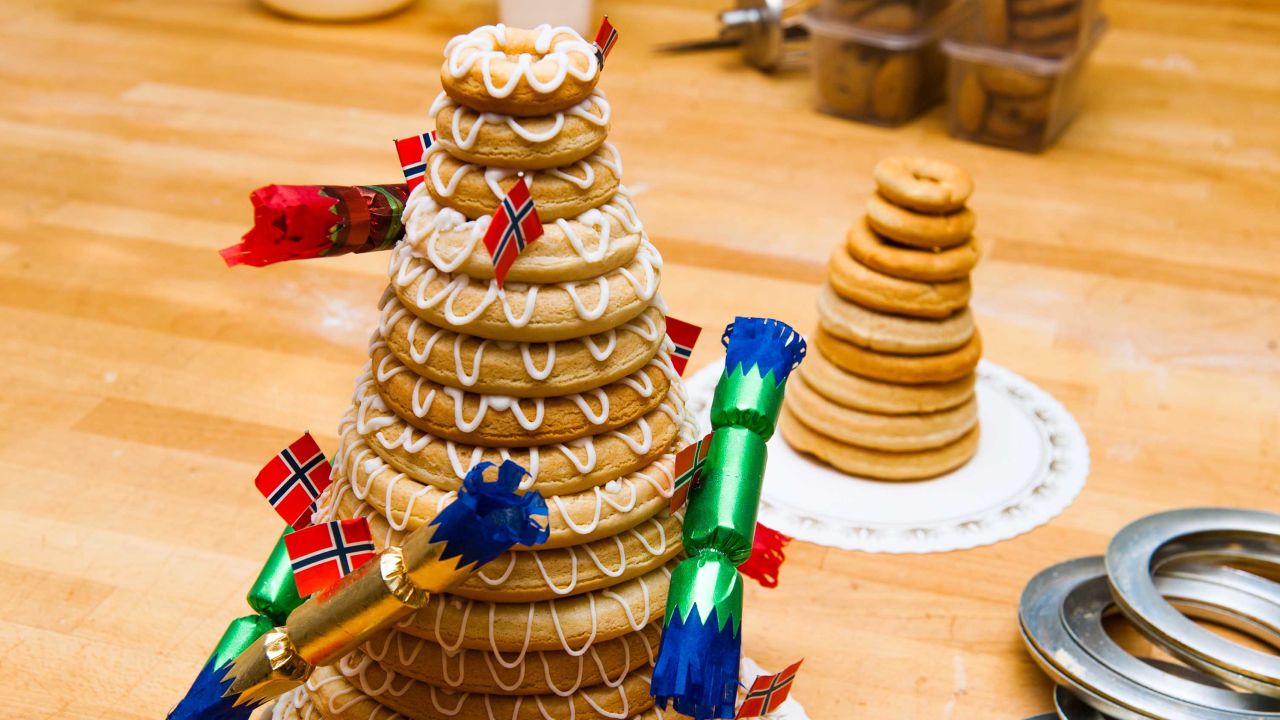
This is a traditional Norwegian marzipan ring cake.

Kransekage, literally wreath cake, is a cake tower composed of many concentric rings of cake layered atop one another, and they are made for New Year’s Eve and other special occasions in Denmark and Norway.

The cake is made using marzipan, often with a bottle of wine or Aquavit in the center and can be decorated with ornaments, flags and crackers.


This article was originally published in December 2012. CNN’s Forrest Brown updated the article for 2022.

This recipe for coconut meringue cake may really be the ‘world’s best’

This recipe for coconut meringue cake may really be the ‘world’s best’

Coconut Meringue Layer Cake

Active time:1 hour

Total time:3 hours, plus chilling time

Servings:8-10

Active time:1 hour

Total time:3 hours, plus chilling time

Servings:8-10

Comment

I first stumbled upon an old-fashioned blitz torte, a German layer cake traditionally filled with custard and topped with meringue, when researching recipes for my second cookbook, “The Vintage Baker.”

It’s the kind of cake alchemy of my dreams: A glossy, sweet meringue spread over cake batter and baked together until the meringue is bronzed and crisp while the cake reaches optimum moistness and fluffiness. Then it’s finished with a creamy, cool layer of custard, pastry or whipped cream sandwiched between the layers, taking this cake to the realm of otherworldly.

It’s no surprise that the cake is known as “Verdens beste,” or the “world’s best.” It’s officially called Kvaefjordkake, named after the Norwegian municipality of Kvaefjord, and is considered Norway’s national cake.

Lucky Norway. But also, lucky you.

The blitz torte is not difficult to assemble, and I’ve made it even easier. This version is assembled in a bowl with a whisk (no heavy equipment needed), and the filling is a simple whipped cream — no need to cook a custard or assemble a pastry cream. Plus, I have a few tips, tricks and substitutions for making this your best-ever cake, too.

Why coconut oil? Traditionally, a blitz torte’s batter is assembled in a stand mixer with softened butter. To streamline the process, this version calls for melted coconut oil. A liquid fat such as this one makes prep a breeze, as all you need is a bowl and a whisk to incorporate a liquid fat into your other ingredients. Unrefined coconut oil has a stronger coconut flavor than refined and is recommended here.

How do I melt coconut oil? Coconut oil is a solid fat at room temperature and is usually packaged in a glass container. To melt the oil, place the uncovered glass container in the microwave and cook on high power in 30-second bursts, stirring after each. Alternatively, you can place the uncovered jar in a small pot with about an inch of water and simmer the water over low heat until the oil melts. (The remaining coconut oil will resolidify as it returns to room temperature.)

Swirled brownies make a simple dessert even better

What can substitute for coconut oil? If you don’t have coconut oil in the pantry and don’t want to buy it, you can make this cake with vegetable oil or melted butter.

Double down on coconut: A blitz torte traditionally calls for whole milk, but full-fat coconut milk works beautifully in this coconut version. Be sure to stir the coconut milk solids into the liquid before measuring and adding to the batter.

What can substitute for coconut milk? If you don’t have coconut milk in the pantry and don’t want to buy it, you can substitute whole milk, perhaps with 3/4 teaspoon or so of coconut extract.

More coconut! Shredded and flaked: Two kinds of dried coconut make an appearance in this torte, each playing a different role. Sweetened shredded adds moisture, texture and coconut flavor to the layers, whereas the toasted and flaked, sprinkled atop the cake, contributes to the cake’s good looks and hides any meringue imperfections. If you don’t want to buy two different kinds of coconut, use shredded in the layers, then toast some and sprinkle it over the top of the cake as well.

A surprisingly unfussy addition to this cake, the meringue layers pack both a textural and visual punch. Whisking the whites just until they reach soft peaks will guarantee a meringue with enough volume to create a chewy, yet soft texture once baked.

What are soft peaks? A soft peak is reached when the meringue gently flops over at its tippity-top, creating a little downward, pointed curve. You can check this by stopping the mixer, detaching the whisk attachment or beater and turning it upside down: If the meringue droops down just at the top, you’re good to go.

Pastry cream or custard is traditional in a blitz torte, but whipped cream is a simpler, lighter alternative, making it a wonderful contrast to the rich, yolk-filled cake and sweet meringue. The coconut extract in the cream further pops the cake’s coconut flavor, but vanilla extract would also work, as would almond extract (which can be surprisingly neutral in flavor when added in small amounts, providing more of a nostalgic flavor than anything truly nutty). If using almond, reduce the extract to 1/2 teaspoon.

How to test for doneness: When testing the cake for doneness, you’ll need to poke a tester (preferably a long wooden skewer, as its rough edges will easily grab batter and/or crumbs) into the cake somewhat aggressively. Because you need to poke through the meringue layer to get to the cake, don’t be afraid to twist the tester a bit in the cake, to make sure you get an accurate sense of whether it is fully baked (a moist crumb or two on the tester indicates it’s ready).

Chocolate pretzel peanut ice cream bars reimagine a childhood favorite

How to remove the cake from the pan: Wait 20 minutes before removing the cake layers from their pans. If you try to remove them too soon, the meringue topping will stick when you invert them (been there, done that). If the meringue sticks despite your best efforts — perhaps because of humidity — attempt to remove the layers from the pan with two large spatulas. And if you do end up with any imperfections on the surface of the cake, they’re easy enough to hide. Just toast a little coconut — either flaked or shredded — and sprinkle it over the top layer of the cake. In addition to hiding any minor flaws, it adds a little toasty color that works beautifully with the oven-baked meringue, adding nice texture.

Despite the meringue bells and whipped cream whistles of a blitz torte, it’s a surprisingly easy cake to assemble and one that’s as much fun to make as it is to eat.

Coconut Meringue Layer Cake

If you prefer a more neutral flavor in the cake, use refined coconut oil, and for a more pronounced vibe — unrefined.

To toast the coconut, spread it on a baking sheet and place it in a 350-degree oven for 5 minutes after the cake layers are removed. Or, heat a medium skillet over medium heat and add the coconut. Toast it, stirring frequently, until it is light brown and crisp. Transfer to a plate to cool.

If you do not want to make your own sling, you can buy parchment rounds with tabs that hang over the sides of the pan for easy lifting.

Storage: The cake is best the day it’s made but can be lightly wrapped and refrigerated for up to 3 days. Remove leftovers about 30 minutes before serving.

Want to save this recipe? Click the bookmark icon at the top of this page, then go to Saved Stories in My Post.

Scale this recipe and get a printer-friendly, desktop version here.

  • Nonstick cooking spray
  • 1/2 cup plus 2 tablespoons (131 grams) coconut oil, melted (see note above)
  • 1 cup (200 grams) granulated sugar
  • 2 teaspoons vanilla extract
  • 4 large egg yolks, at room temperature
  • 2/3 cup (161 grams) unsweetened full-fat coconut milk, at room temperature
  • 1 1/2 teaspoons baking powder
  • 3/4 teaspoon fine salt
  • 1 1/2 cups (187 grams) all-purpose flour
  • 2/3 cup (57 grams) shredded sweetened coconut (optional)
  • 4 large egg whites, at room temperature
  • 1/4 teaspoon cream of tartar
  • 1/8 teaspoon fine salt
  • 3/4 cup (150 grams) granulated sugar
  • 1 1/4 cups (284 grams) heavy cream
  • 3 tablespoons confectioners’ sugar
  • 1 teaspoon coconut extract (optional)
  • 1 cup (170 grams) mixed berries, for serving (optional)
  • Toasted flaked coconut, for sprinkling (optional; see note above)

Make the cake batter: Position a rack in the middle of the oven and remove the racks above it; preheat to 350 degrees. Generously grease the sides and bottoms of two 8-inch cake pans with the cooking spray. Line the bottoms with parchment paper.

In a large bowl, whisk together the oil, sugar and vanilla until combined. Whisk in the egg yolks until the mixture looks thick, yellow and well-combined. Whisk in the coconut milk. Sprinkle the baking powder and salt over the bowl one at a time, whisking vigorously after each. Fold in the flour and shredded coconut, if using, just until the last streaks of flour disappear. Evenly divide the batter between the two pans — each pan should get about 360 grams of batter. Using a small offset spatula or a butter knife, smooth out the tops.

Make the meringue: In the bowl of a stand mixer fitted with the whisk attachment, or using a large bowl and a handheld mixer, beat together on medium speed the egg whites, cream of tartar and salt until frothy. Slowly pour in the sugar, increase the mixer speed to medium-high and beat until soft, thick, glossy peaks form (the peaks should bend a little at the top), 5 to 8 minutes. Divide the meringue between the two cake pans and, using a small offset spatula or butter knife, smooth it out over the batter.

Bake for about 30 minutes, or until the meringue has risen considerably (it will deflate, don’t worry) and is lightly browned, and a cake tester inserted into the cake comes out with a few moist crumbs. Testing the cake underneath the meringue is a little tricky, but you can be aggressive in searching for a few moist crumbs with at least one of the cakes, as it will be topped with the other.

As soon as the cakes are pulled from the oven, run a butter knife or a small offset spatula around the edges of the pans to release the meringue before it hardens and sticks.

Let the cakes cool in the pans on a wire rack for 20 minutes, before inverting them and then turning them right side up and letting them cool completely. If it’s humid, the meringue may stick a bit when you flip the cakes upside down — just sprinkle whichever layer becomes the top of the cake with toasted flaked coconut, and no one will be the wiser.

Make the whipped cream: In the bowl of a stand mixer fitted with the whisk attachment, or using a large bowl and a handheld mixer, beat the cream, confectioners’ sugar and coconut extract on medium-high speed until medium peaks form, about 5 minutes.

Spread the whipped cream over the meringue on the less-attractive layer (we know you love them both, but just pick one), sprinkle with the berries, if using, and top with the second layer. The meringue should be on top.

Press down very lightly on the top of the cake and sprinkle with toasted coconut to cover any meringue imperfections. Slice with a large serrated knife, wiping the blade between slices, and serve.

Calories: 492; Total Fat: 30 g; Saturated Fat: 22 g; Cholesterol: 115 mg; Sodium: 300 mg; Carbohydrates: 54 g; Dietary Fiber: 1 g; Sugar: 38 g; Protein: 5 g

This analysis is an estimate based on available ingredients and this preparation. It should not substitute for a dietitian’s or nutritionist’s advice.

From cookbook author Jessie Sheehan.

Tested by Suzy Leonard and Ann Maloney; email questions to voraciously@washpost.com.

Scale this recipe and get a printer-friendly, desktop version here.

Browse our Recipe Finder for more than 10,000 Post-tested recipes.

Did you make this recipe? Take a photo and tag us on Instagram with #eatvoraciously.

4 International Recipes to Try This Holiday

4 International Recipes to Try This Holiday

This month at Shondaland, we’re celebrating once again what the holidays mean to all with our Food, Family, and Traditions series. These snapshots and vignettes from many of our beloved Shondaland stars, pals, and fans festively affirm the importance of communities both big and small coming together to celebrate.


With the holidays quickly approaching, it’s the time of the year when you’re probably finding yourself whipping out a cookbook to prepare for Thanksgiving dinner or perhaps an elaborate New Years Feast. So, maybe this is the year you decide to try something a bit out of your ordinary.

Recently, Shondaland spoke to beloved chefs and authors Amelia Saltsman, Rabia Choudry, Sonoko Sakai, and Zoe Adjonyoh about the traditions that make up their multicultural holiday celebrations. They shared with us their go-to recipes for a memorable meal, which we’re detailing here so you can enjoy with your own family and friends. Whichever you decide to make this year, there’s no doubt that these will be a welcome addition to any celebratory dinner.


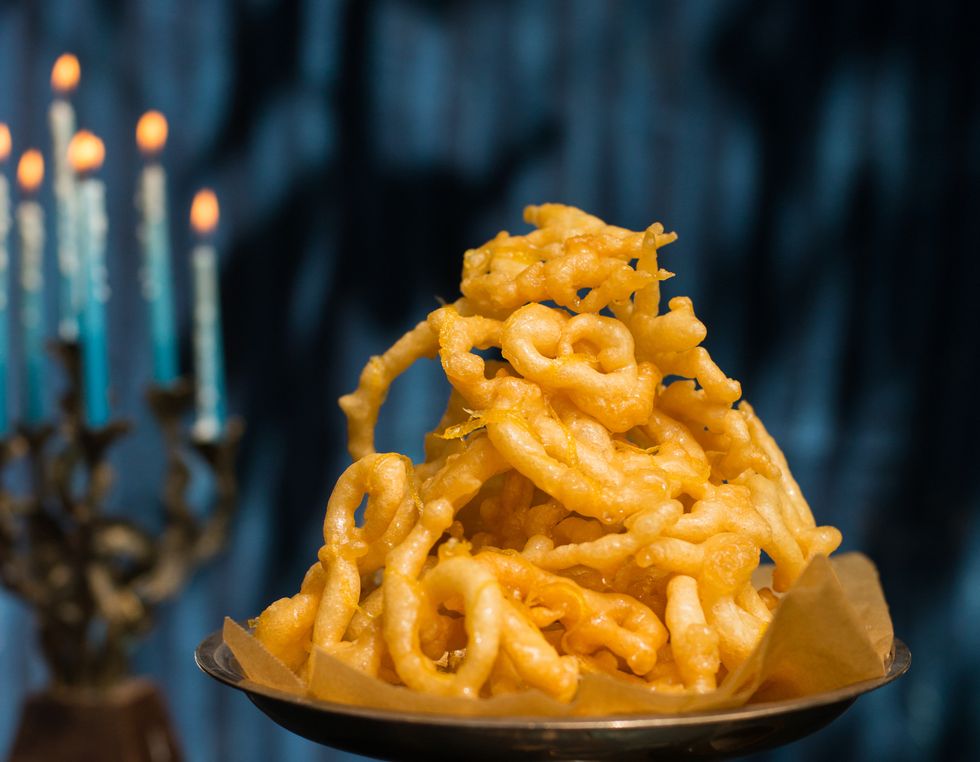
Zengoula with Lemon Syrup: Iraqi Funnel Cakes

zengoula with lemon syrup

Staci Valentine

Makes 8 servings.

“Also known as jalabi, these crisp fritters, or funnel cakes, were adopted by Iraqi Jews centuries ago as the perfect fried food to celebrate the miracle of Hanukkah. Traditionally soaked in sugar syrup, they are infinitely more wonderful when infused with a tangy lemon syrup. It takes only a few minutes to whisk together the forgiving batter the night before you want to serve zengoula, and the pastries can be fried early in the day you want to serve them. Or, make the frying a Hanukkah party activity. My cousin Elan Garonzik has vivid memories of our grandmother turning out perfect coils, which is how they’re sold at Arab bakeries like Moutran in Nazareth and Jaffa. That takes a bit of practice. Free-form Rorschach-like shapes — sea horses, dolphins, geese — that magically appear as they bubble up in the hot oil are just as delicious. You will need to begin this recipe at least six hours before you want to serve the zengoula.” – Amelia Saltsman

Ingredients

For the dough

  • 1¹⁄8 teaspoons (½ package) active dry yeast
  • 1¼ cups (300 ml) warm water (100° to 110°F/38° to 43°C)
  • 1 cup (125 g) unbleached all-purpose flour
  • ¾ cup (95 g) cornstarch
  • Scant ½ teaspoon salt

For the syrup

  • 2 to 3 lemons
  • ½ cup (120 ml) water
  • 1 cup (200 g) sugar
  • 2 quarts mild oil with a medium-high smoke point, such as grapeseed, sunflower, or avocado, for deep-frying

Instructions

To make the dough:

  1. In a small bowl, stir together the yeast and ¼ cup (60 ml) of the warm water and let stand in a warm place until the mixture bubbles, about 10 minutes.
  2. In a medium bowl, using a fork, stir together the flour, cornstarch, and salt. Stir in ½ cup (120 ml) of the warm water and the yeast mixture. Then slowly stir in enough of the remaining ½ cup (120 ml) warm water until the dough is lump-free and the consistency of thick pancake batter. You should have 1½ to 2 cups (360 to 480 ml) batter.
  3. Cover the bowl with plastic wrap and refrigerate until doubled in bulk, at least 6 hours or up to 24 hours. The dough will be loose and spongy and have a yeasty aroma.

To make the lemon syrup:

  1. Using a five-hole zester, remove the zest from 1 of the lemons in long strands. Halve and squeeze enough lemons to yield ⅓ cup (75 ml) juice. In a small pot, stir together the lemon juice and zest, water, and sugar over medium heat. Bring to a boil and cook, stirring frequently, until the sugar is completely dissolved and clear, about 1 minute. Pour into a pie pan and let cool. (The syrup can be made 1 day ahead, covered, and refrigerated.)

To make the fritters:

  1. Scrape the dough into a 1-gallon (4-L) resealable plastic bag or large pastry bag fitted with a ¼-inch (6-mm) plain pastry tip and set the bag in a bowl for support. Let the dough stand for about 15 minutes before frying. Line a large plate with paper towels. Place the prepared plate, tongs, a small spider or slotted spoon, the syrup, and a tray to hold the finished fritters near the stove.
  2. Pour the oil to a depth of 3½ inches (8.5 cm) into a 4- or 5-quart (4- or 5-L) pot, wok, or electric fryer and heat to 375°F (190°C). If using a plastic bag for the dough, snip ¼ inch (6 mm) off of one of the bottom corners, cutting on the diagonal, to create a piping tip. Roll the top of the pastry bag closed to move the batter toward the opening. Don’t worry about air pockets.
  3. Pipe a bit of the batter into the hot oil. The oil should bubble around the batter immediately. If it does not, continue heating the oil and try again. Pipe the dough into the hot oil, creating 3- to 4-inch (7.5- to 10-cm) coils or squiggles, letting gravity help push the batter out. Be careful not to crowd the pan. Fry the dough, turning once at the halfway point, until bubbled, golden, and crisp, 4 to 5 minutes total. Use a spider or slotted spoon to fish the fritters out of the oil, drain them briefly on the towel-lined plate, and then drop them into the syrup for a moment or two, turning them to coat evenly. Lift them out of the syrup and transfer them to the tray in a in a single layer to cool. Repeat with remaining batter, skimming any loose bits of dough from the hot oil between batches to prevent burning. Scrape any batter that escaped into the bowl back into the pastry bag to make more pastries.
  4. The cooled pastries can be piled on a platter. Pour any remaining syrup over the top. The fritters taste best served the same day they are made, although they will hold their crispness overnight. Store loosely covered at room temperature.

Kitchen note

A couple of 2-inch (5-cm) chunks of raw carrot added to the frying oil act as magnets, attracting all those little brown bits that might otherwise burn and impart an acrid taste to the oil. It’s an old-fashioned trick that works!

Note: Recipe reprinted with permission from The Seasonal Jewish Kitchen © 2015 by Amelia Saltsman published by Union Square & Co. Photography by Staci Valentine.

Lahori Fried Fish

“I admit my bias towards the foods of Lahore, but believe me, there’s a reason Lahori-style fried fish is the gold standard of fried fishes of the region. Karachi, the coastal city that is the largest in Pakistan, has its own style, however, which is usually a whole fish, marinated and fried without any kind of batter or crumb coating. It’s likely loads healthier, but if you’re going to fry fish, you’ve already abandoned any pretext that healthy matters.” – Rabia Choudry

Ingredients

  • 1 pound fish, cut in preferred piece sizes
  • 1 lemon
  • 1 teaspoon garlic and ginger paste
  • 1 teaspoon cumin seeds
  • 1 teaspoon coriander seeds
  • 1 teaspoon carom (also known as ajwain or caraway) seeds
  • 1 teaspoon red curry flakes
  • 1 teaspoon dried fenugreek
  • ½ teaspoon turmeric powder
  • ½ teaspoon red chili powder
  • ½ teaspoon salt
  • 6 tablespoons besan (gram) flour
  • ½ teaspoon orange food coloring (optional)
  • Oil for frying

Instructions

  1. Rinse your fish pieces, then pat them dry. Give the lemon a good roll to soften it up, then cut in half and squeeze the juice onto the fish in a bowl, making sure to remove any seeds. Add the ginger and garlic pastes to the fish and give it a mix so it’s well coated. Lightly crush the fenugreek with your hand and sprinkle it on the fish. Dry-roast the cumin and coriander seeds, and give them a coarse crush with a mortar and pestle or, wrapped in some paper towels, with a rolling pin. Mix the cumin, coriander, and carom seeds, red chili flakes, chili powder, turmeric, salt, and half of the gram flour together in a separate bowl, then massage it onto the fish gently by hand, turning the pieces over so all sides get coated. If the besan is too dry, add a few splashes of water to moisten it up. The coating should be on the thick, dry side. Cover and refrigerate for at least an hour, but you can leave it overnight.
  2. When you’re ready to fry, heat oil, on a medium high flame, 2 inches deep in pan (or you can use an electric deep fryer). As the oil comes to temperature, mix the remaining half of the gram flour with the food coloring and three tablespoons of water. This should give you a fairly thin batter. Pour the batter over the fish and coat well, using your hands. The oil is ready if it starts bubbling and frying and rises to the top when you flick a little batter into it. Turn the flame down to medium low and carefully lower the fish into the pan, making sure not to crowd it: there should be at least an inch of space around each piece.
  3. Let the fish fry for 5 minutes before turning once and frying on the other side for 5 more minutes. (Thinner fillets like flounder will need only 3 minutes on each side.) When done, the color should be very deep golden (or almost orange, like tandoori chicken, if you use the food coloring). Remove and drain on paper towels. Serve with any chutney, and a slaw of chopped or finely julienned radish, red onion, and seeded cucumber dressed with just salt and vinegar.

Note: Adapted from a recipe by Rabia Chaudry in her memoir Fatty Fatty Boom Boom: A Memoir of Food, Fat & Family.

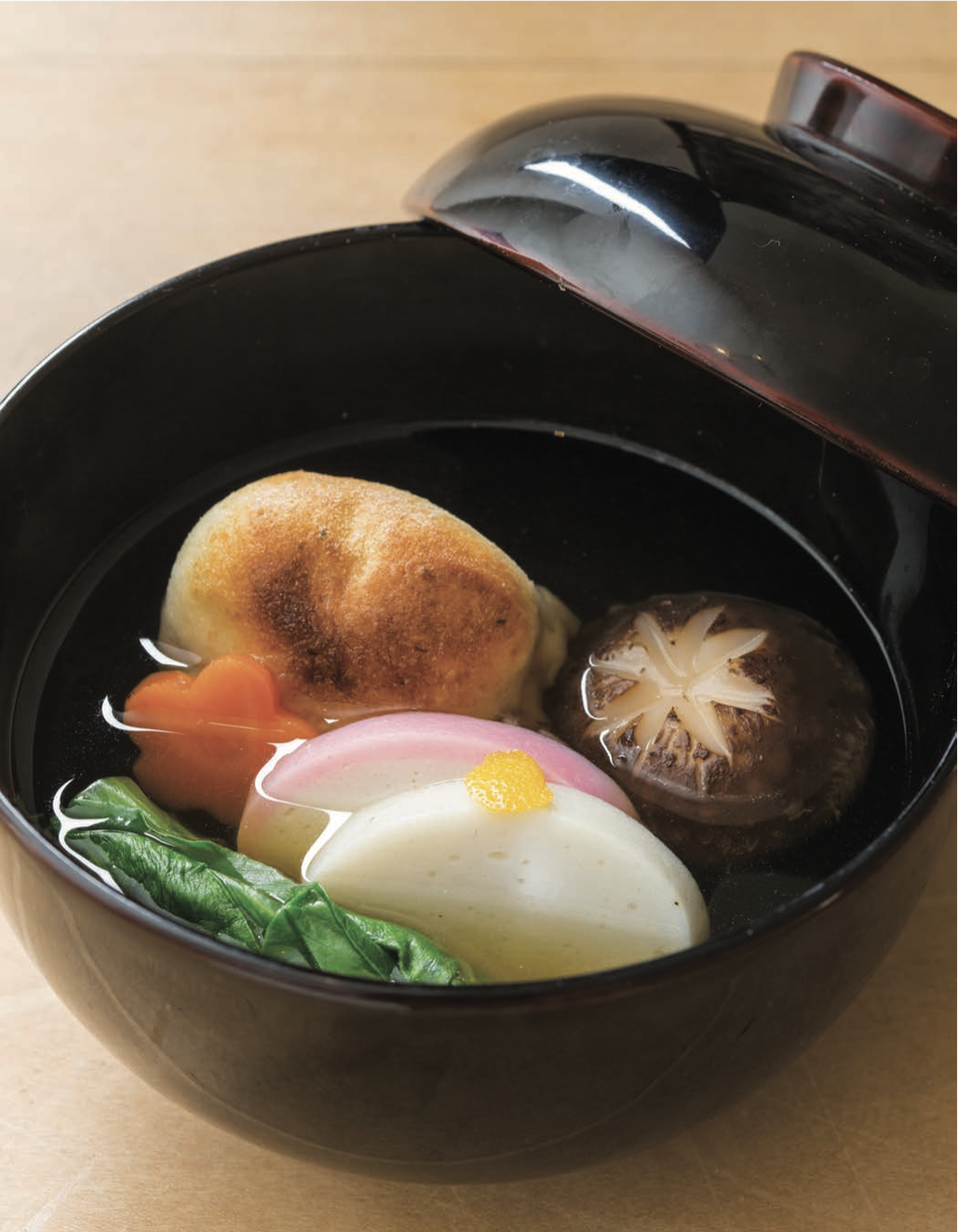
Ozoni: New Year’s Good Luck Soup

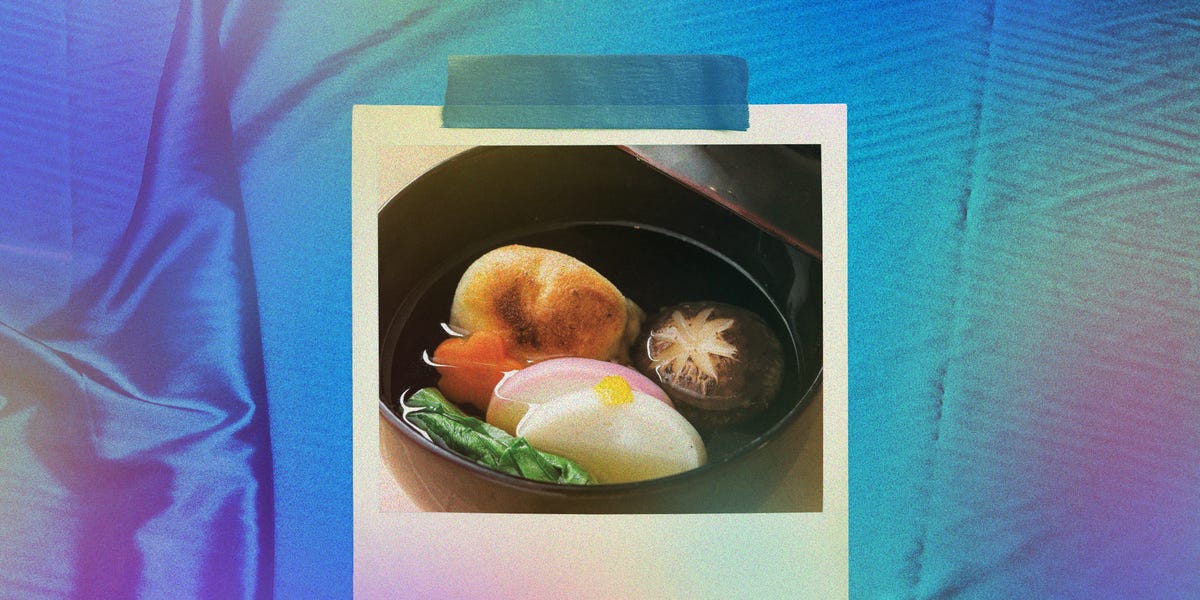
ozoni soup

Rick Poon

Makes 4 servings.

“This is the first soup of the New Year that every Japanese person sips for good luck and good fortune. We drink ozoni each day for breakfast, lunch and dinner for the first five days of the year. I make a big batch of dashi, about 4 quarts (4L) to last me for the whole week. The featured ingredient in this hearty soup is mochi, which symbolizes flexibility and endurance. In my family, the soup is a simple suimono (clear soup) and the mochi is always freshly toasted. The soup also includes bite-sized pieces of kamaboku (fish cake), chicken, carrots, shiitake mushrooms, some greens (such as spinach, kale, or mizuna), and for garnish, some mitsuba leaves and a small bit of lemon or yuzu peel to balance out the colors. Besides this soup, I always make more than a half dozen traditional New Year’s good luck osechi dishes, which celebrate fertility (eggs, beans), endurance and flexibility (mochi), happiness (kombu), forward motion (lotus wheels), fire (carrots), purity (daikon), and groundedness (root vegetables).” – Sonoko Sakai

Ingredients

  • 5 ounces (142 g) spinach or mizuna
  • 1 carrot sliced crosswise and cut into flower shape with a cookie cutter
  • 1 boneless skinless chicken thigh, cut into ½ inch (12mm) pieces
  • 4 cups (960 ml) Bonito and Kombu Dashi
  • 1 tablespoon sake
  • 1 tablespoon usukuchi shoyu (light-colored soy sauce)
  • 1 teaspoon sea salt
  • Four 1 ½ -ounce (50g) pieces of mochi
  • 4 small fresh shiitake mushrooms, stems removed
  • 4 slices kamaboko (fish cake), cut crosswise into ¼-inch (66mm) pieces
  • 1 tablespoon julienned lemon or yuzu peel
  • 4 sprigs mitsuba (Japanese parsley), chervil, or Italian parsley, leaves removed

Instructions

  1. Fill a medium pot with water and bring to a boil over medium-high heat. Have a bowl of ice water ready. Add the spinach to the boiling water and blanch for 1 minute, or until wilted. Strain into a bowl. Transfer the wilted spinach to the ice water, then drain. Squeeze out excess water. Reserve the cooking water. Bunch the spinach up and cut crosswise into 1-inch (5 cm) pieces.
  2. Return the cooking water to the pot, add the carrots, and blanch for 1 minute. Strain into a bowl, reserving the cooking water. Transfer to the ice water, then drain.
  3. Return the cooking water to the pot once more, add the chicken, and blanch for 1 minute (this removes odor from the chicken). Drain and discard the cooking water.
  4. In a medium saucepan, combine the dashi and the chicken and bring to a boil over medium heat. Lower heat and add the sake, soy sauce, and salt. Taste and make adjustments. You can complete the recipe up to this step up to 3 days in advance.
  5. To serve the soup, bring the seasoned dashi and chicken to a boil over medium-high heat and then bring it down to a simmer while you toast the mochi. Remember, you want to serve the mochi freshly toasted so it tastes soft, not hard.
  6. Preheat the broiler. To toast the mochi, line a baking sheet with aluminum foil. Place the mochi on the pan and broil until the pieces are toasted and puffy, turning them once to toast the other side. Be careful when handling the mochi. When you see one side pop, that is when to make the turn. This will take 3 to 5 minutes, depending on the freshness and thickness of the mochi. Put 1 piece toasted mochi in each of 4 serving bowls.
  7. Divide the shiitake mushrooms, kamaboko, carrots, and spinach among the bowls. Pour the hot soup three quarters of the way up the mochi and add the lemon peel and mitsuba. Serve immediately, with chopsticks.

Note: Adapted from a recipe by Sonoko Sakai in her cookbook Japanese Home Cooking: Simple Meals, Authentic Flavors.

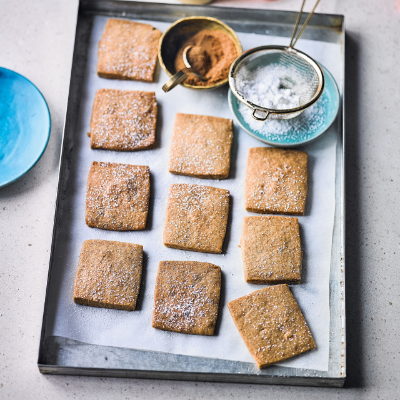
Cubeb Spiced Shortbread

cubeb shortbread

Waitrose Supermarket Chain

“This is a super simple, earthy tasting shortbread recipe that combines sweet and savory notes and smells like Christmas!” – Zoe Adjonyoh

Makes about 15 – 20 biscuits.

Ingredients

  • 125g (4 ½ oz) butter, at room temperature, plus extra for greasing
  • 55g (2 oz) granulated white sugar, plus extra for sprinkling
  • 180g (6 oz) all-purpose flour, plus extra for dusting
  • 1 ½ tablespoons Ghanan Five-Spice Mix (see below)

Instructions

  1. Grease and line a small 8×10 rectangular pan with parchment paper.
  2. Beat the butter and sugar together in a bowl until pale and fluffy.
  3. Mix in the flour and spice mix until you have a smooth dough. Turn out on to a lightly floured work surface and use your hands to bring the dough together, then press the dough into the greased pan.
  4. Sprinkle with the sugar, if you like, and chill in the fridge for 20 minutes. Meanwhile, preheat the oven to 350 degrees.
  5. Bake for 17-18 minutes or until a pale golden brown. Leave to cool in the pan for 10 minutes, then use a serrated knife to cut into bars while still warm. Sprinkle with the extra sugar once cooled if desired. Leave to cool completely before serving.

Ghanan Five-Spice Mix

Ingredients

  • 4 teaspoons ground cubeb pepper
  • 1 teaspoon ground or freshly grated calabash nutmeg
  • 2 teaspoons ground cloves
  • 1 teaspoon ground prekese, or substitute cinnamon and cocoa
  • 1 teaspoon ground ginger

Instructions

Mix all the ingredients together in a bowl. Store in an airtight container in a cool, dark place and use within a few months.

Note: Adapted from a recipe by Zoe Adjonyoh in her cookbook Zoe’s Ghana Kitchen: An Introduction to New African Cuisine – from Ghana with Love.


Get Shondaland directly in your inbox: SUBSCRIBE TODAY


wine database

This infographic was created by Preferabli, wine database experts and more

Shirini zereshk palau (sweet barberry pilaf)

Shirini zereshk palau (sweet barberry pilaf)

Method

Step 1
In a large pot, heat the oil over medium to low heat and cook the onions until soft and translucent, about 7 minutes, stirring occasionally. Add in the tomato paste, salt, peppercorns, cinnamon stick, cardamom pods and 4 cups water. Once it comes to a boil, reduce heat to a simmer and add the chicken pieces to poach for 20 minutes. Drain the poaching liquid and set aside to use as stock. Remove the chicken and keep separately.

Note: If using chicken breasts (opposed to just brown meat pieces like the thighs), remove them from the poaching liquid halfway through cooking so that they don’t dry out.

Step 2
In a small pan, make a simple syrup with the sugar and 1 cup of water, allowing it to boil only after all the sugar is melted on low heat. Once it is sticky to the spoon or the touch, add the barberries, orange peel, lemon juice and saffron. Simmer together for a minute to infuse. Set aside.

Step 3
In a large skillet or pot with snug-fitting lid, cook the rice in the chicken stock on medium heat. When the liquid comes to a boil and you can see the top of the rice, place the poached chicken all over, pressing it down gently with the back of a spoon. Then pour the prepared syrup all over it. Cover, ensuring it is airtight, and allow it to cook on very low heat for 30 to 40 minutes until the rice is completely cooked. 

Step 4
Allow it to rest for 10 minutes. Then, serve immediately on a platter.

Tips and tricks

The Persian version (Irani Berry Pollo) is traditionally made as a rice cake, which is overturned on to a plate. It’s prepared by allowing the rice at the bottom of a buttered pot to caramelise and become crisp.

When the pot is flipped over, the tahdig (Persian for “bottom of the pot”, referring to the crispy layer of rice) is then shared by the elders who offer it to the youngest at the family table.

Additionally, almonds, pistachios and sultanas can be scattered over the cooked palau before serving.

BBC.com’s World’s Table “smashes the kitchen ceiling” by changing the way the world thinks about food, through the past, present and future.

— 

Join more than three million BBC Travel fans by liking us on Facebook, or follow us on Twitter and Instagram.

If you liked this story, sign up for the weekly bbc.com features newsletter called “The Essential List”. A handpicked selection of stories from BBC Future, Culture, Worklife and Travel, delivered to your inbox every Friday.

50 Slimming World Recipes to Fuel Your Fat Loss

50 Slimming World Recipes to Fuel Your Fat Loss

Fascinated in Slimming Planet? You might be likely not alone. The actuality is many of us are emotion sluggish and uninspired right after that last two years of mentally draining lockdowns and restrictions.

These ailments meant that, typically, the most we could muster to cook dinner on weekdays concerned possibly toast or pasta (which, it has to be reported, is the really definition of soul foods, in our humble viewpoint). So it makes feeling that you could possibly be eager to master much more about Slimming Environment recipes.

If you far too are looking to switch up your meal regimen, experiment with some new elements, and most likely reintroduce a couple of important vitamins and minerals that might’ve taken a back again seat although priorities shifted in light of the pandemic, then you could like to try out some Slimming Planet recipes.

Slimming Planet – the having protocol turned meals and recipe brand name – is just one of the most renowned out there. From your mum to your colleagues, you can find possibly no a single who wouldn’t have a scooby if you mentioned Slimming World.

But, is Slimming Environment right for you? Browse on. We’ve got every thing you need to have to know.

Can Slimming Entire world recipes aid you get rid of weight?

As with all ingesting strategies, it actually depends.

Exploration conducted by Slimming Globe observed that above half—60{d2b09b03d44633acb673e8080360919f91e60962656af8ade0305d5d8b7e4889}—of British grown ups battle with their excess weight or damaging body picture. It’s unsurprising in a culture in which attractiveness anticipations are everywhere. Even though self-care arrives in a lot of types and entire body confidence should not be linked to how a great deal you weigh (significantly from it) stats do propose that Slimming Planet users felt much more favourable after losing excess fat. A large 89{d2b09b03d44633acb673e8080360919f91e60962656af8ade0305d5d8b7e4889} of their 900,000 users, to be correct, claimed sensation far more emotionally optimistic right after embarking on the continual, sustainable and supported fat decline plan.

Pondering how Slimming Globe will work or potentially you’ve heard rumblings of Slimming Globe Syns? Nicely, if you’ve accomplished your analysis on the ideal weight loss plans, you are going to know that Slimming World is a person of the most popular excess fat loss programmes in the Uk, holding 19,000 weekly meetings and in change helping tens of millions of fats loss journeys. Not lousy.

What are the ideal Slimming Planet recipes?

Properly, the finest Slimming Environment recipes are the ones that you take pleasure in cooking and taking in, make you really feel terrific, and help you inch nearer to your targets (no matter if they contain body weight reduction, experience energised, or simply just obtaining exciting with meals prep). For that reason, the best Slimming Globe recipes are a rather subjective subject matter and actually comes down to own choice, but, as it comes about, we do have a number of favourites…

You you should not want WH to inform you that there is no 1-size-fits-all when it will come to unwanted fat loss and shedding excess weight will not always equivalent happiness—what works for you, won’t operate for Debs from up coming door. Fundamentally: we are not able to say for confident whether or not the Slimming Entire world eating plan is suited to you, nor no matter whether if it will be sustainable in the long run.

What we can do, nevertheless, is stage you in the route of the 50 Slimming Globe recipes with countless numbers of will save on Pinterest and explain to you that most are macro-well balanced foods containing protein, carbs, fats and plenty of veggies—win, acquire.

These are (unofficially) the very best Slimming Earth recipes on social media.

50 Slimming World recipes for breakfast, lunch and dinner

How the ‘gritty honesty’ of TikTok may help transform food and beverage

How the ‘gritty honesty’ of TikTok may help transform food and beverage

TikTok is just one of the world’s major social media platforms, with over a person billion active customers around the globe.

Thanks to the unpolished mother nature of the video clip material, an algorithm intended to leave end users ‘stumbling upon’ assorted information, and the participatory character of the platform, it is essentially shifting some client conduct and shaking up the globe of food stuff and drink.

So a lot so that Instagram’s static and extremely-stylized food flat-lays are wanting aged hat, mentioned Lily Echanis, Cultural Analyst At Verve Sector Exploration Agency.

“We’re shifting away from self-acutely aware, curated and aesthetically-focussed meals, which have been pushed by influencers and celebrities, and going to a entire world in which individuals are not concerned to ‘give it a go’,”​ she informed FoodNavigator. “We’re cooking imperfectly and prioritising pleasure about perfection.”​

Navigating the foodstuff and drink scene on TikTok​

Assessment from the current market analysis company (its report is identified as The Future of Foodstuff & Drink: ​How TikTok is influencing the way we try to eat​) reveals that there are numerous food stuff and drink cultural shifts that are actively playing out on the system. These signify an interesting chance for manufacturers, brand names, suppliers to tap into both of those on the platform and in actual existence.

Take the label #AlmondMoms. This pokes enjoyable at all those mother and father who might push restrictive and faddish feeding on habits onto their young children, usually beneath the guise of overall health and wellness. Many regard the time period simply as a joke aimed at superficiality, with superstars like Gwyneth Paltrow generally the butt. Some others have criticised the term for likely trivialising consuming problems. But Echanis believes #AlmondMoms is illustration of how TikTok is being utilised to support persons collectively get the job done on our experiences with food stuff in a enjoyable and social way.