Heart-healthy foods: 15 items to add to your grocery list to prevent heart disease, other health concerns

Heart-healthy foods: 15 items to add to your grocery list to prevent heart disease, other health concerns

Before you go on your next grocery shopping trip, consider heart-healthy options for your meals.

February is National Heart Month — so what better time to put a little extra effort into changing your diet and focusing more on the health of your heart?

Heart disease is the leading cause of death in the United States, according to the Centers for Disease Control and Prevention.

ADD THESE HEART-HEALTHY FOODS RECOMMENDED BY EXPERTS TO YOUR GROCERY LIST

Spend time learning more about your heart and begin habits to continue throughout the year for an overall healthier lifestyle.

Here are a list of heart healthy foods to keep in your fridge or pantry.

  1. Dark leafy greens
  2. Olive oil
  3. Avocados
  4. Berries
  5. Beans
  6. Salmon
  7. Whole grains
  8. Walnuts
  9. Flaxseed
  10. Grapes/grape juice
  11. Papaya
  12. Dark chocolate
  13. Almonds
  14. Potatoes
  15. Pomegranates

1. Dark leafy greens 

Dark leafy greens include veggies like spinach, kale and collard greens. 

Isa Kujawski, MPH, RDN, founder of Mea Nutrition LLC, says consuming these vegetables helps to protect you against cardiovascular disease because they’re packed with nutrients. 

Dark leafy greens are high in fiber and micronutrients, which help to keep your heart healthy.
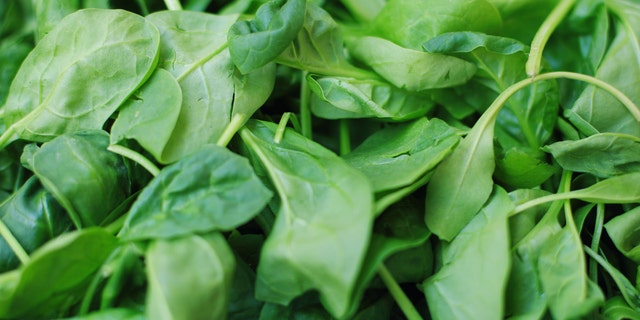
Spinach, kale and collard greens are all examples of dark leafy greens that have a positive impact on your heart health.

Spinach, kale and collard greens are all examples of dark leafy greens that have a positive impact on your heart health. (iStock )

2. Olive oil 

Incorporate olive oil into your recipes when you’re able to in order to keep your heart strong.

Erin Kenney, MS, RD, registered dietitian and CEO of Nutrition Rewired, recommends putting olive oil into your salads or adding to homemade hummus as opposed to just heating it and using it to cook.

Olive oil is full of antioxidants, polyphenols and vitamins, all of which are good for your heart, says Kenney.

SURPRISINGLY HEART-HEALTHY FOODS

3. Avocados

No matter how you eat your avocados, they assist in improving your heart health. 

Mash them for your favorite homemade guacamole recipe or spread them over your morning toast and receive the same nutritional benefits.

Amy Adams, RDN, LDN, says that avocados are a great source of monounsaturated fats plus potassium and magnesium. 

All of these things, Adams said, are good for keeping a healthy blood pressure.

4. Berries

Berries are sweet, refreshing and contain lots of vitamins, minerals and antioxidants. 

Though eating more fruit in general has a positive impact on heart health, according to Kristi Ruth, RD, LDN, blueberries are at the top of the list when it comes to heart healthy fruits. Blueberries are high in antioxidants, including anthocyanin, which is very good for the heart.

There are many fruits that are good for heart health, but blueberries are one of the best.

There are many fruits that are good for heart health, but blueberries are one of the best. (Fabian Sommer/picture alliance via Getty Images)

5. Beans 

What food lowers cholesterol, blood pressure, inflammation and helps with digestive wellness? Beans. 

Beans, according to Kujawaski, are great for the heart, mainly because of the high fiber content. They also contain plenty of vitamins, minerals and phytochemicals.

6. Salmon 

Did you know that high-fat fish such as salmon can decrease your risk of death by cardiac arrhythmias? Cardiac arrhythmia is an irregular heartbeat that can lead to death.

The omega-3 fats that are found in fish reduce inflammation, says Kenney. She recommended eating two to three servings of high-fat fish per week, which includes salmon, but also herring, anchovies or mackerel.

If fish isn’t your cup of tea, fish oil supplements are also a good option that can provide similar benefits.

EDUCATE YOURSELF ABOUT HEART DISEASE AND PARTICIPATE IN WEAR RED DAY DURING FEBRUARY, AMERICAN HEART MONTH

7. Whole grains 

Whole grains are great for heart heath. Whole grains are also fairly easy to incorporate into your diet since they can be consumed so many different ways. 

You can do so by switching to whole grain pasta, brown rice or wheat bread.

Kristin Gillespie, MS, RD, LD, adviser for Exercisewithstyle.com, said whole grains have the opposite impact on your body that refined carbohydrates do. 

Refined carbohydrates increase the risk of heart disease, while whole grains protect the heart.
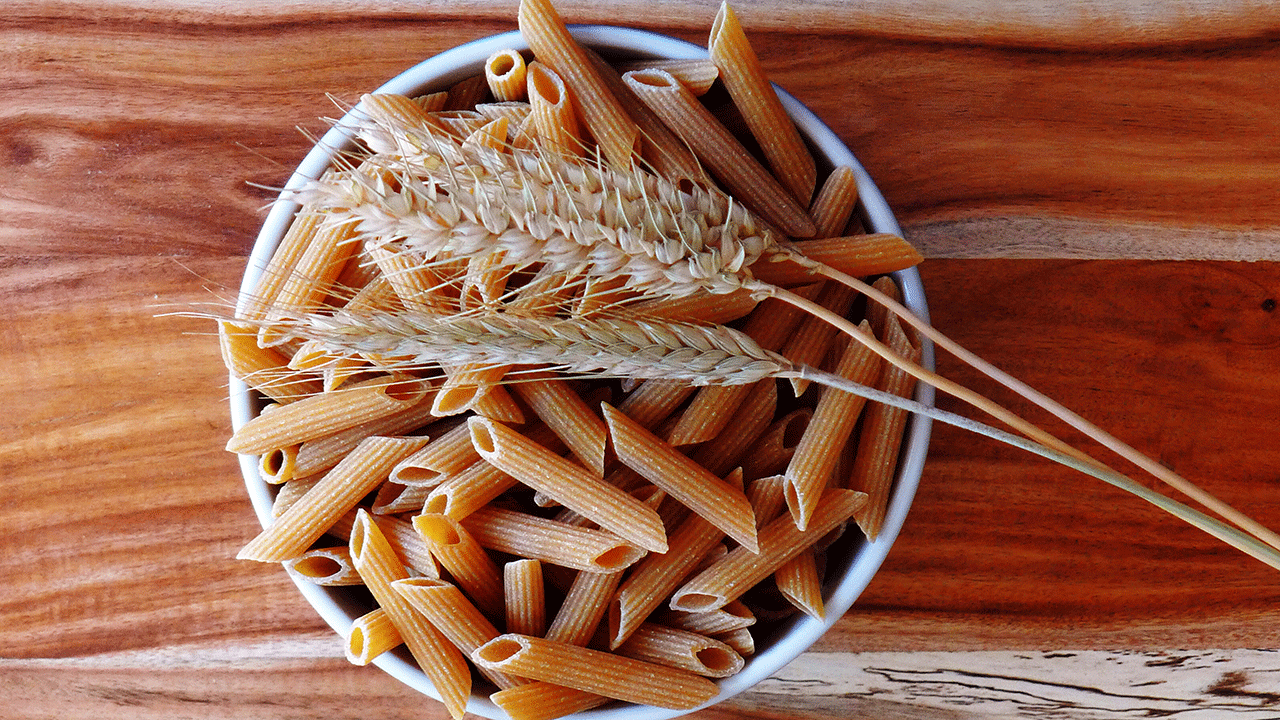
Heart-healthy foods: 15 items to add to your grocery list to prevent heart disease, other health concerns

Making some switches to whole grain products, like whole grain pasta and wheat bread, can help protect your heart.  (Chapeaux Marc/AGF/Universal Images Group via Getty Images)

8. Walnuts 

What makes walnuts stand out among other nuts in terms of heart health is their high percent of omega 6, omega 3 and polyunsaturated fats, according to Adams. 

Whether you eat these on their own, or mixed with other nuts, trying to incorporate walnuts into your daily food intake can have a good impact on your heart health. 

THE WORST FOODS FOR HEART HEALTH, ACCORDING TO EXPERTS

9. Flaxseed 

Flaxseed is a great source of omega-3, according to Ruth, who also said it is high in fiber and lignans. Both lower the risk of cardiovascular disease.

If you are stumped on how you can incorporate flaxseed into your diet, mix it into your oatmeal or blend it into a smoothie.

10. Grapes and grape juice

The Concord grape used for 100{d2b09b03d44633acb673e8080360919f91e60962656af8ade0305d5d8b7e4889} grape juice has polyphenols, which has been associated with improved blood flow.
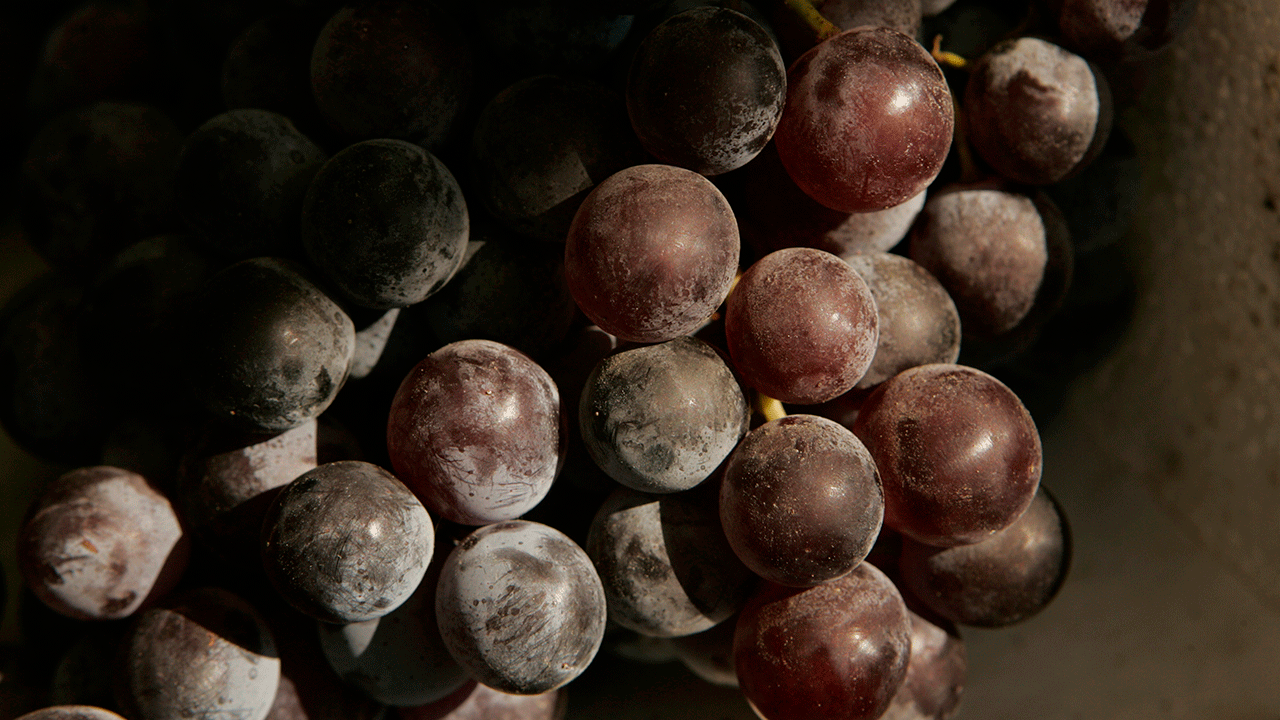
You can get lots of health benefits through sipping on some grape juice.

You can get lots of health benefits through sipping on some grape juice. (Anne Cusack/Los Angeles Times via Getty Images)

Simply drinking grape juice with breakfast is an easy, juicy way to assist in a healthy heart. 

11. Papaya 

Papayas could have a major positive impact on health. 

They are high in lycopene which shows protective activity against the risk of heart attacks, among other things.

Papaya can be added to smoothies, on top of salad or on a yogurt parfait.

CLICK HERE TO SIGN UP FOR OUR LIFESTYLE NEWSLETTER

12. Dark chocolate 

Chocolate can be very good for you when enjoyed in moderation, of course. 

Dark chocolate, specifically, contains numerous health benefits, including lowering your risk of both heart disease and diabetes, according to Mayo Clinic. Dark chocolate also helps prevent blood clots, improves memory and lowers cholesterol, according to the site.

PUMPKIN BREAD WITH DARK CHOCOLATE CHIPS AND ALMOMDS: TRY THE RECIPE

13. Almonds 

Almonds are filled with monounsaturated fats and fiber, which help protect against heart disease, according to Healthline.
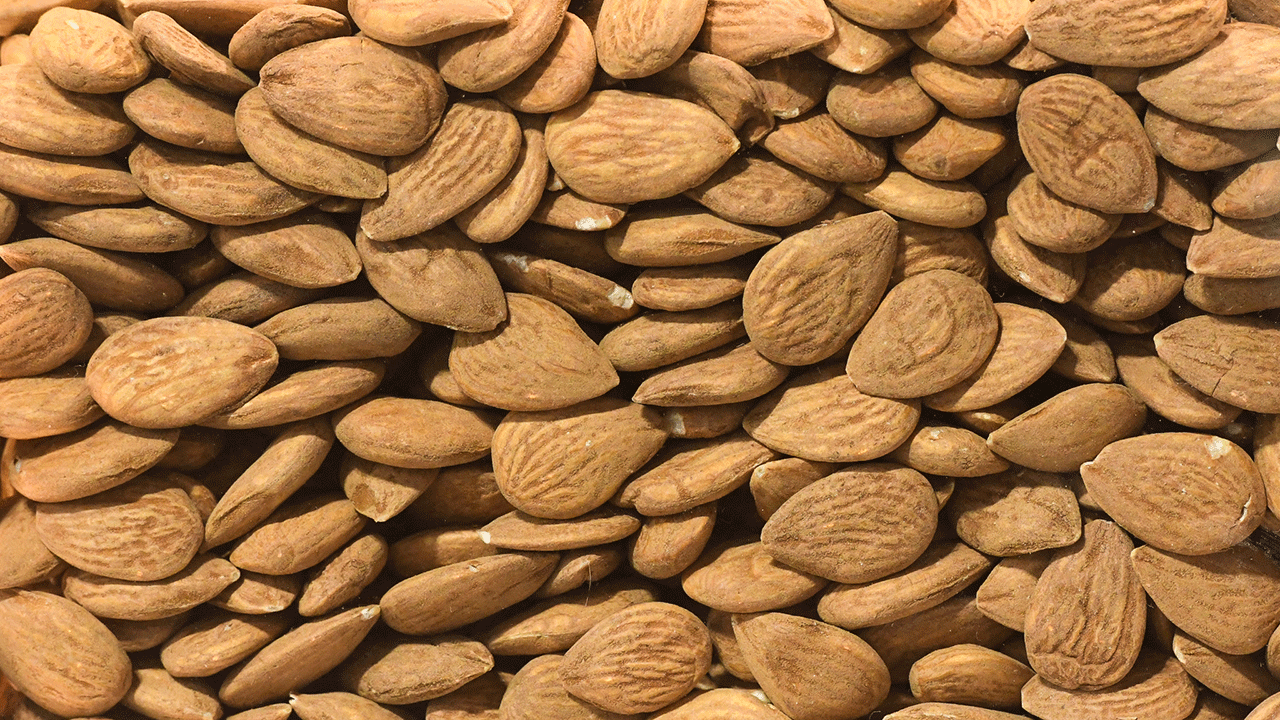
Almonds are high in monounsaturated fats and fiber, which help lower your risk of getting heart disease.

Almonds are high in monounsaturated fats and fiber, which help lower your risk of getting heart disease. (Lorenzo Di Cola/NurPhoto via Getty Images)

While almonds are great for your health, consume in moderation if you are trying to lose weight, as they are also very high in calories.

14. Potatoes 

Potassium helps to lower your blood pressure and potatoes are full of it, according to health.com.

Potatoes are also high in fiber, so including them in your diet could lower your risk of heart disease.

CLICK HERE TO GET THE FOX NEWS APP

15. Pomegranate 

Pomegranates have lots of polyphenols and anthocyanins that assist in keeping a healthy heart, according to health.com.
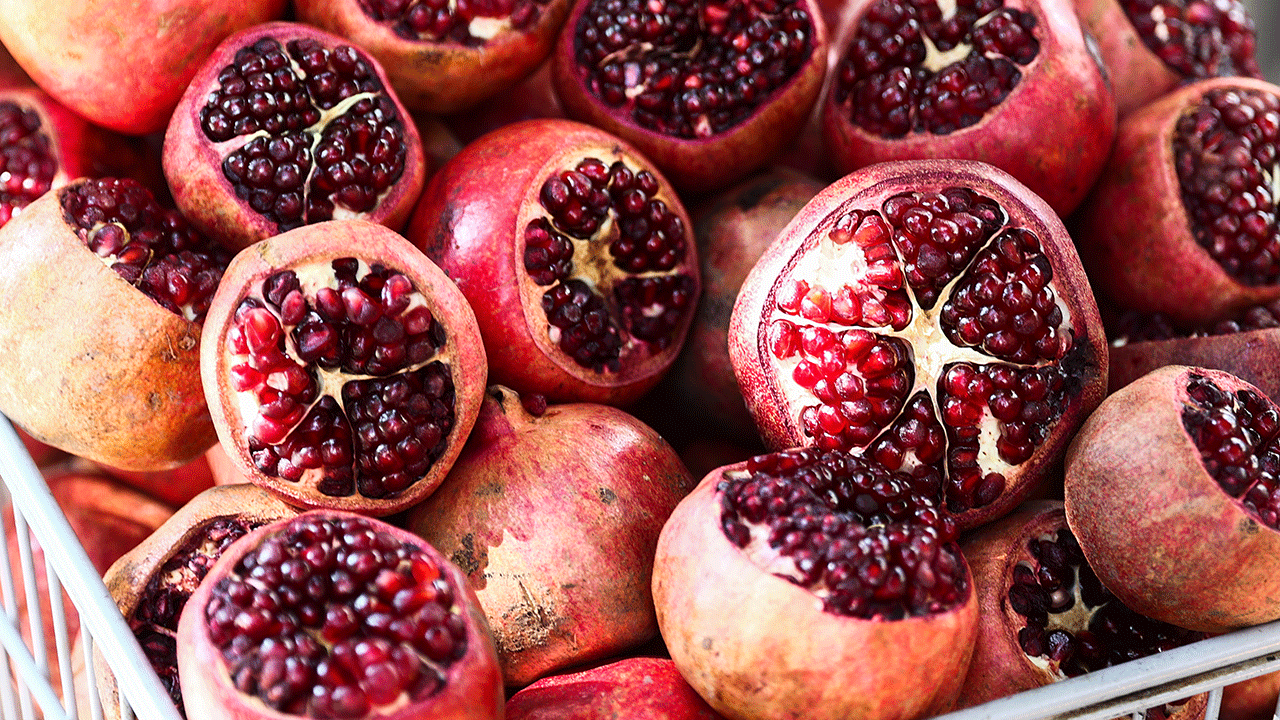
Pomegranate seeds can be added to smoothies, salad or even in an alcoholic drink.

Pomegranate seeds can be added to smoothies, salad or even in an alcoholic drink. (Jakub Porzycki/NurPhoto via Getty Images)

Some ways to add pomegranate seeds to your diet are by mixing them into smoothies or even in cocktails like sangria. 

Add them to your salad or use them to top off your yogurt. 

Of course, you can also eat the seeds as is when removed from the peel.

Fry pizza, add Marmite to roast potatoes: 27 eye-opening and invaluable tips from top chefs | Food

Fry pizza, add Marmite to roast potatoes: 27 eye-opening and invaluable tips from top chefs | Food

If you have ever tried to re-create a restaurant dish at home, you will almost certainly have been perplexed by the experience. No matter how much care and attention you give to your version, something seems to be missing when you tuck in. What are chefs doing differently? Here, 27 professionals divulge their favourite kitchen trick – the one unexpected riff that keeps them ahead of the pack.

“A little tip for roast potatoes is to put a bit of Marmite in the water when you’re parboiling the potatoes. It gives them a really nice colour and will present you with deep-golden roasties every time.” Simon Shaw, chef patron and creative director at El Gato Negro, Canto and Habas, Manchester

“To thicken curries, soups and stews, add in chopped, boiled sweet potato. It dissolves into the dish, adds sweetness and creates a thick and tasty sauce.” Lisa Marley, chef trainer for ProVeg UK

“For juicy, tender meat, blend fresh celery and add it to your marinades. This helps to tenderise the meat before cooking, giving you the perfect flavour.” Kerth Gumbs, head chef at Fenchurch restaurant, London

Asparagus soaking in iced water before cooking
Asparagus soaking in iced water before cooking. Photograph: Image Professionals GmbH/Alamy

“When preparing sturdier green vegetables, such as green beans or asparagus, they are ordinarily very dry. I soak them in cold water for at least one hour before cooking in boiling, heavily salted water. Once al dente, I drop them into iced water. The whole process really brings out the colour and ensures a lush, green, crisp vegetable – ideal for adding to salads.” Matt Fletcher, chef de cuisine at Great Central Pub by Matt Fletcher at the Landmark London Hotel

“Here’s how to refresh dying or drying herbs: put ice-cold water and potato trimmings in a cup or glass, then add bunches of coriander, parsley or tarragon that are past their best. They come back to life within 30 minutes of standing in the starchy water.” Michael Carr, executive chef at the Old Vol and the Reindeer, Nottingham

“Rinse scallops in sparkling water instead of still, as the bubbles will remove any hidden grit.” Adebola Adeshina, chef patron at Chubby Castor, Cambridgeshire

“People are always asking me for rice to water ratios. I seldom measure anything so I can’t tell you in cups, but here is a simple trick for measuring the right amount. Stick your index finger perpendicular to the surface of the rice in the pan and add water until it reaches the first joint of your finger. No idea why it works given different sizes of hands and pans, but it does.” Amy Poon, founder of Poon’s, London

Ziplock bags are perfect for keeping dry powdered spices. This one contains turmeric.
Ziplock bags are perfect for keeping dry powdered spices. This one contains turmeric. Photograph: BreakingTheWalls/Getty Images/iStockphoto

“I recommend keeping small quantities of dry powdered spices in jars for immediate use, with the rest stored in ziplock bags, which keep them fresher for longer. That’s how I store my pomegranate powder that I bring back from Punjab.” Nidhi Verma, chef at the Cookaway

“Roasted garlic oil is a fantastic base for all cooking. I roast peeled garlic with oil at about 140C until golden brown, which takes about an hour. Once it has cooled, you can separate the oil from the garlic, make a paste from the garlic and put the oil in a bottle. These will keep in the fridge and add flavour to pretty much anything you are cooking.” Daniel Heffy, chef at Nord, Liverpool

“If you’re cooking burgers on the barbecue or on a grill in your kitchen, push down on the centre of your patty to form a sort of doughnut. This little trick will allow more airflow around the burger, allowing it to cook evenly without the centre swelling up.” Sam Idione, head chef, Roots + Seeds Kitchen Garden, Cirencester Park

“To make your homemade pizza equal to that of Italian pizzerias, try double cooking: first a few minutes in a large frying pan and then in the oven at a very high temperature. This allows the pizza to brown evenly on the surface.” Vittorio Meli, head chef at Zoom East, London

Double cook pizza by giving it a few minutes in a frying plan before putting it in the oven
Double cook pizza by giving it a few minutes in a frying plan before putting it in the oven. Photograph: Robert McLean/Alamy

“At the restaurant, we make an emulsion that is perfect for glazing or seasoning blanched vegetables. In a pan, whisk together 20ml of cream with a chicken (or veg) stock cube and bring to a simmer. Add in your vegetables of choice, season with salt, pepper and sugar, and reduce until the veg is glazed. It works perfectly with spinach, cavolo nero and carrots, giving them more of a rich and meaty flavour.” Kevin Dalgleish, chef patron at Amuse, Aberdeen

“When I make chana masala, I create the distinctive colour and flavour by adding a teabag to the curry. Chickpeas tend to dry out when you cook them and a teabag also helps to retain moisture. Just be careful to take it out before serving!” Dipna Anand, chef patron at Dipna at Somerset House, London

“I hate to waste food and I love this little trick to elevate your Chinese or any south-east Asian cuisine: using vegetable skins or ends to flavour your oils. Garlic skin, spring onion ends (washed and dried on a tea towel), clean onion skins and ginger peel work a treat if cooked low and slow (for 30 minutes or so) in a pool of vegetable oil. Then use it to cook stir-fries or anything else. It adds a real depth of flavour, but your guests will have no idea where the deliciousness came from.” Jeremy Pang, chef and founder of School of Wok

“If cooking for two, the easiest thing to do is to buy a steak big enough for both of you, rather than two separate steaks. Sear it in the pan, then put it into a pre-heated oven at 200C (gas mark 6) and immediately turn the oven off. This will cook and rest the bigger cut at the same time, giving you time to pop out for a drink. My timings for each steak are as follows if you live a couple of minutes’ walk from the pub: a generous fillet is time for one pint, a generous sirloin is time for two pints, and a generous côte de boeuf is time for three pints. You will return to a beautifully cooked steak.” Tom De Keyser, head chef at the Hand & Flowers, Marlow

“Toast the rice when making risotto. The key is to add the rice to the pan first, without any oil or butter as this could burn it. You can tell when it’s done when the rice is dry and hot to touch. Doing this ensures the grain is sealed, and doesn’t become mushy as you add the stock.” Manuel Prota, head chef at Jacuzzi, London

skip past newsletter promotion

“Don’t cook vegetables in plain water. Instead, treat it as a cooking step to increase flavour. Cook any greens in a seaweed broth (use shimaya konbu stock). Always cook carrots in carrot or orange juice where possible, because it really heightens the flavour and brings out the sweetness.” Sam Grainger, owner and chef at Belzan and Madre, Liverpool

Whole roasted carrots with tails
Cook vegetables whole, then trim and portion before serving. Photograph: Olha_Afanasieva/Getty Images/iStockphoto

“Try cooking vegetables whole. Roast a whole carrot, barbecue a whole leek, bake a whole beetroot, blanch a whole courgette, simmer whole cabbages. I always do this in the restaurant and at home because you get the maximum flavour out of your ingredient instead of washing the taste and nutrients out into the boiling water and then down the sink. Once cooked, you can then trim and portion.” Kirk Westaway, executive chef at Jaan, Singapore

“There’s an old trick called velveting that works for tenderising cheaper cuts of meat. Mix a teaspoon of baking powder in 250ml water. Pour over your meat (up to about 280g for these measurements) and leave it to marinade for no longer than 15 minutes. Then wash it off and pat dry. This process raises the pH level on the meat’s surface, which will keep it tender and soft when you cook it.” Mike Reid, executive chef at M Restaurants, London and Gaucho, nationwide

“A lot of cake recipes tell you to swap some of the flour for cocoa powder if you want to make a chocolate version, but that makes for a dry cake. I always recommend using cooled hot chocolate as well to keep it moist. Pour two or three tablespoons over each layer and wait until it has soaked in before frosting.” Adeline Vining, baker at Heirloom Cafe, Edlesborough

“I always add a pinch of salt when I create a sorbet. It really helps bring out the flavour of the fruit and enhances acidity.” Jude Sam, head chef at Apothecary East, London

“If you’re making pizza, stretch out your sourdough as normal, then put two or three ice cubes on it before you place it in a pizza oven. The ice melts down to a starchy sauce. Pull it out, add cheese, pop back in and you get this lovely gooey cheesy sauce on the top. It’s quite a traditional technique – the end result is a little like cacio e pepe (cheese and pepper pasta) – but not a lot of people have heard of it and it’s very rarely done.” Paul Foster, chef patron at Salt, Stratford-upon-Avon

“I always cook greens towards the end of a roast dinner. I love to sauté them in a pan with leftover chicken-fat reduction. It’s a great byproduct and makes them super-tasty. Simply collect what comes off the tray from your roast chicken and pass through a strainer. Reduce it down to a stock and it’s ready for your greens.” Aktar Islam, chef patron at Opheem, Birmingham

Soy sauce is very versatile.
Soy sauce is very versatile. Photograph: Liudmyla Lysenko/Alamy

“You can do a lot with soy sauce. Brush a whole chicken with it before roasting, to add flavour and help crisp up the skin with gorgeous colour. I also like to add it to gravy, for extra umami flavour.” Judy Joo, founder of Seoul Bird, London

“An older chef, some time ago, urged me to add a dollop of mayonnaise to a hollandaise sauce. This helps the hollandaise keep its consistency for many hours and stops it from splitting. It also allows the sauce to hold its creamy nature during reheating.” Ahmed Abdalla, head chef at Legacy, York

“Spoon out excess fat from stocks, stews, and sauces by skimming a few ice cubes (wrapped in a paper towel or cheese cloth) along the surface of the liquid. The ice helps the fat solidify, making it easier to remove with a spoon (or even a piece of toast).” Sohan Bhandari, head chef at Colonel Saab, London

“Adding white wine vinegar to water while boiling potatoes keeps them firm on the outside and soft on the inside. The acid in the vinegar prevents the pectin from breaking down too quickly in the outer part of the potato and it will remain compact and firm. This is great for making potato salad – or anything where you want to mix the potato with other ingredients.” Giovann Attard, executive head chef at Norma, London

Indian Cooking Tips: 5 Toor Dal Recipes To Add To Your Diet

Indian Cooking Tips: 5 Toor Dal Recipes To Add To Your Diet

Indian cuisine is as assorted as its society. Every region features some unique recipe that is flavourful, earthy and defines the foodstuff behavior of the locals. But what continues to be widespread throughout the nation is a bowl of dal. Dal, alongside with rice or roti, defines comfort. Now this provides the question – what can make dal a well-known selection for all? It is for the reason that of its straightforward accessibility and loaded nutrient-profile. If you examine, you will obtain a extensive wide variety of pulses – masoor dal, moong dal, chana dal, urad dal and far more. From dal tadka to wealthy and creamy dal makhani- each and every of these pulses have broad variety of recipes hooked up to it. In addition to, these pulses are tremendous healthful and healthful also. A further this sort of preferred dal solution is toor dal.

Also examine: High-Protein Diet regime: 4 Techniques To Innovate With Moong Dal For Cooking (Movie Inside of)

Toor dal, also recognised as arhar dal, is a yellow coloured, oval shaped lentil that is typically applied to put together a extensive assortment of dishes on a everyday foundation. From Bengali-model tok dal to South Indian sambar, options are quite a few, leaving us spoilt for possibilities. Here, we curated a list of some popular toor dal-centered recipes that you can put together at property to set together a wholesome meal. Read through on.

Here’re 5 Toor Dal Primarily based Recipes To Test At Property:

1.Dalitoye

A quintessential and popular Konkani-model dal recipe, dalitoye is designed by employing most fundamental ingredients accessible in the pantry. What helps make this dal unique from other individuals is the fragrance and flavour of hing, curry leaves, green chillies, crimson chilli and of program, coconut seasoning. Simply click listed here for the recipe. 

kno2qbr8

2. Sultani Dal

Sultani dal is a well-known recipe from Lucknow that reflects the conventional flavours of Mughlai delicacies – abundant, fragrant and creamy. Arhar dal, cooked in a bed of milk, cream and yogurt and topped with a tempering of onion and chillies, this dal defines indulgence. Simply click listed here for the recipe.

3.Osaman

Osaman finds its roots in a Gujarati kitchen. Rather very similar to rasam in South Indian delicacies, osaman is spiced dal h2o, which incorporates the rewards of toor dal, kokum, jaggery and all that is excellent. Click on in this article for the recipe.

Also read: Chicken Rasam, Pondu Rasam And Much more: 5 Mouth watering Rasam Recipes To Gasoline You This Wintertime

hn09i95

4. Varan Phal

‘Varan’ in Marathi implies dal and ‘phal’ stands for the wheat dumpling. What makes varan phal diverse from Gujarati dal dhokli is the use of a distinctive set of masalas, one of a kind to the area. In this article, boiled toor dal, along with the wheat dumplings, is simmered in ghee, flavourful goda masala, kokum and some other spices. Simply click listed here for the recipe.

5. Kache Aam Ki Dal

Uncooked mango dal is nothing at all but yellow lentils (toor dal) cooked with unripe mango pieces. The tanginess of raw mangoes lends a tasty flavour to the dal. Click on below for the recipe. 

adtr7coo

 Try these delectable recipes at home and permit us know which one particular you favored the most. Enjoy your meal.
 

Featured Video clip Of The Working day

Paneer Masala Fry Recipe | How To Make Paneer Masala Fry

4 food and culture events to add that festive cheer to the week ahead

4 food and culture events to add that festive cheer to the week ahead

From new festive menus to an exhibition of luminious sculptures, these events promise to infuse the week ahead with warmth and joy


Christmas cheer

Sly Granny has launched a holiday menu to suit the festive mood. This limited edition selection, spanning small plates, mains, desserts and cocktails, brings the best of Christmas goodies from across the world. You can choose from innovative dishes such as the smoked duck chhundo, goat cheese crostini and roast turkey porchettas, or opt for comforting creations like the butternut squash mac and cheese, chives and sour cream mash. To accompany the food, Sly Granny has also launched cocktails like the Sunset Dazzle, made with gin infused with raw turmeric, Hot Buttered Bourbon, which features bourbon, unsalted butter, demerara sugar and winter spices. Or you could opt for the good ol’ Granny’s mulled wine. This limited edition menu is available at Sly Granny outlets in New Delhi, Dehradun, Bengaluru and Goa till 5 January 2023

 ‘Handle With Care’, at Method Kalaghoda

‘Handle With Care’, at Method Kalaghoda

Into the light

A new exhibition, ‘Handle With Care’, at Method Kalaghoda is presenting a series of light sculptures, grills and furniture made using industrial and metal glass. The works by Yaazd Contractor present a contrasting relationship of materials within each object: cinder and glass, mass-produced prefabricated steel parts and the nearly-extinct art of cold cathode neon, and more. “Method invites the viewer to approach the show not with the perspective of an outsider looking in, doing their best to extract and impose some foreign meaning to the show, but to take on the challenge of looking at the exhibition precisely as the show title suggests: with care,” states the curatorial note. ‘Handle With Care’ can be viewed at Method Kalaghoda, Mumbai, till 3 January 2023, 11 am to 6 pm, (closed on Monday)

Also read: Govinda Naam Mera: A Vicky Kaushal show all the way

Jolly Gift Box at Le15

A jolly festive box

This Christmas, you can indulge in Chef Pooja Dhingra’s limited edition peppermint hot chocolate. It’s perfect to add warmth to the chilly weather and pairs well with Le15’s plum cake. Why should Christmas be all sweet? Le15 is bringing back its gourmet kharis in buttery cinnamon and garlic-chives flavours. There is also a Home Alone gift box with all that you need to pamper yourself and it includes a box of crunchy toffee cookies, and more. There is also a Jolly Gift Box on offer. Available at Le15 stores in Mumbai and online as well.

Chocolate rummy balls, spiced caramel bon bons and Nana's coconut ice  at the Bombay Sweet Shop

Chocolate rummy balls, spiced caramel bon bons and Nana’s coconut ice at the Bombay Sweet Shop

Magical treats

Bombay Sweet Shop is bringing the magic of mithai this festive season. Its limited edition collection features sweets such as chocolate rummy balls, spiced caramel bon bons and Nana’s coconut ice that evoke the nostalgia of childhood. All of the offerings are 100{d2b09b03d44633acb673e8080360919f91e60962656af8ade0305d5d8b7e4889} vegetarian. These come in various gift bags and hampers such as the Cookie & Cheer Box, Magic of Christmas Bag, Secret Santa Hamper, Chocolatey Christmas Hamper, and more. These are available for dine-in and pick-up at the Bombay Sweet Shop, Byculla, Mumbai. Select products are also available online.

Also read: Serendipity Arts Festival turns Goa into site for experimentation

Cook like these Americans and you might add 13 healthy years to your life

Cook like these Americans and you might add 13 healthy years to your life

There are a handful of spots in the world where lifestyles, and in all honesty, food choices alone, make for the highest rate of individuals who reach the age of 100 and beyond.

They’re known as “Blue Zones,” and for 20 years, National Geographic writer Dan Buettner has been studying the habits behind these populations’ longevity, often pulled up around their dinner tables. Why Blue Zones? Simply because the exploration into the mystery of longevity began with blue circles drawn on a map.

Buettner first looked closely at Okinawa, Japan; Sardinia, Italy; Ikaria, Greece; Nicoya, Costa Rica; and a Seventh Day Adventist community in Loma Linda, Calif. He found in these geographies the highest centenarian rate and the highest middle-age life expectancy than pretty much anywhere else in the world. Importantly, he turned his discoveries into a series of journalistic cookbooks, seminars and other resources so that the secrets might be shared.

This year, the best-selling Blue Zones Kitchen author has turned his attention fully to the U.S.

With “The Blue Zones American Kitchen: 100 Recipes to Live to 100,” Buettner aims to convince more American eaters that creating your own Blue Zone with mostly plant-forward suggestions is easier than ever. The shared recipes feature inexpensive and regularly available options in backyard gardens, major grocery stores and specialty food shops. Chapter titles cover dishes and techniques from Indigenous and Early American culture; African American; Latin American; Asian American; and a collection of regional and contemporary American recipes.

Read: Eating 400 calories a day from these foods could raise your dementia risk by over 20{d2b09b03d44633acb673e8080360919f91e60962656af8ade0305d5d8b7e4889}

“ Women can add 10.7 years on average to their lifespan by eating the Blue Zone way, and men can add an average of 13 years. ”


— Dan Buettner

Blue Zone residents experience generally a fifth the rate of heart disease, a sixth the rate of dementia, and a sixth the rate of certain cancers compared with Americans consuming our typical diets, which tend to include processed food and plenty of meat. The obesity and diabetes rates in each Blue Zone historically were under 5{d2b09b03d44633acb673e8080360919f91e60962656af8ade0305d5d8b7e4889} although have been creeping up. The people in the studied areas, who are eating much the same way their ancestors did, live roughly a decade longer than average Americans and spend a fraction of what most of us do on healthcare.

While no food is technically off limits as to avoid the trappings of fad diets that just don’t work, Buettner says, he stressed in an interview with MarketWatch there are notable exclusions.

For one, sugar doesn’t figure much into Blue Zone diets, except occasionally as honey. In all, people within Blue Zones consume about seven teaspoons of sugar a day, about a third of the 22 or so teaspoons the average American takes in both by adding sugar from the canister and via processed foods. Prevalent beverages include water, teas of all kinds, black coffee and wine. Soda pop was unknown to most of the 350 centenarians that Buettner has interviewed over the past two decades.

He’s convinced, and he leans on medical experts for some help, that in the United States, women can add 10.7 years on average to their lifespan by eating the Blue Zone way, and men can add an average of 13 years.

“The largest gains would be made by eating more legumes, whole grains and nuts, and less red and processed meat,” one study concluded.

The research has also suggested that it’s never too late to eat differently. The scientists he quotes estimate that for the U.S. population to improve its diet in this way, a 20-year-old could add up to 13 years to their life, a 60-year-old could add up to 8.8 years, and even an 80-year-old could add 3.5 years.

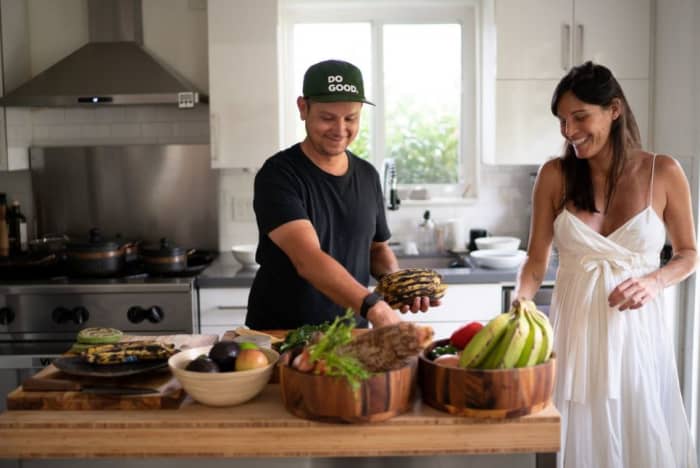
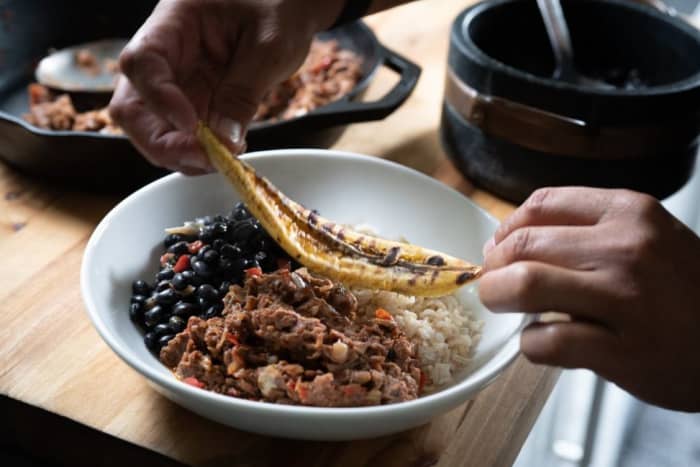
Diego Tosoni and his wife, Veronica Menin, of Miami, grill plantains. American Blue Zone recipes feature Salvadoran, Mexican, New Mexican, Texas-Mexican, Argentine, Venezuelan and other Latin dishes.


David McLain

Our interview with Buettner as his book launched this December follows, edited in part for clarity and length.

MarketWatch: The images are National Geographic-gorgeous, there’s actual field reporting, it’s as much about culture as food, and I can see reading “Blue Zones” both propped up in bed and as a sauce-stained cookbook right on my countertop. How do you want people to use it?

Buettner: I’d considered a stained book a high compliment. We landed on 100 recipes because that makes it easy for people to put it to work in their real lives. And by the way, these recipes aren’t recipes that Dan Buettner made in his kitchen or in a test kitchen. This whole book is like a 300-page National Geographic article. Every one of those recipes were discovered in people’s homes or backyards. The chefs are in their own kitchens. And all the recipes are theirs, but, of course, for final inclusion, we did test them.

“‘I have a maniacal focus on deliciousness.’”


— Dan Buettner

MarketWatch: There are definitely foods that are avoided, and plant-based foods are featured, but my reading of these recipes and habits reveal plenty of texture, flavor, and yes, meat can be included.

Buettner: The people I’ve interviewed eat very little fish and eggs. Meat is a celebratory food, consumed typically only five times a month. And though they enjoy small amounts of sheep and goat cheese, dairy from cows is almost completely absent from the diet.

I think I’ve made the decision that when I write Blue Zone books, they’re 100{d2b09b03d44633acb673e8080360919f91e60962656af8ade0305d5d8b7e4889} plant based. But I also have a maniacal focus on deliciousness. My 87-year-old father Roger Buettner — born on a farm in Minnesota and grew up eating meat and potatoes his whole life — came along with us. We probably went through 200 recipes. But when meat-and-potatoes Roger Buettner gave it the thumbs down, it didn’t make it into the book.

Read: Popular culinary site Epicurious cuts new beef recipes in a ‘pro-planet’ move — its users didn’t complain

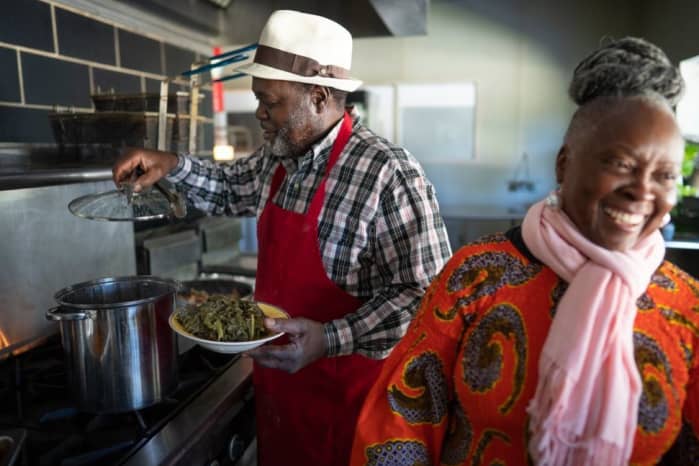
Bill Green and his wife, Sara, have run Gullah Grub on St. Helena Island, South Carolina, for 15 years, a culinary celebration of their Gullah Geechee heritage. His recipes for stir-fried cabbage and beets, and another for red cracked rice, feature in the Blue Zones cookbook.


David McLain

MarketWatch: Sugar, certainly, is a major American issue. We sort of cycle through those glycemic highs and lows. And you’re not just talking about a couple of teaspoons of sugar in your coffee; you’re talking about how packaging and processed food introduce an abundance of sugar into our diets. So when, if ever, do you think Americans will get the message on sugar? And would you argue that because in Blue Zones you were so deliberate with acid and spices and really flavorful recipes, that’s the path for the conversion off sugar?

Buettner: Yes, I mean, we love food that tastes good and there are lots of ways to make food taste good. But you know in general, if you’re overweight and unhealthy in America, it’s probably not your fault. And it always irritates me. These politicians get up and wag their finger at people, saying it’s your individual responsibility to be healthy. But then they send people out into a food environment where 97 out of 100 choices are unhealthy. So, you know, our food environment makes it nearly impossible.

“‘I guarantee you that when consumers increase the demand for whole plant-based foods, the market will respond and make them more available, and make them cheaper.’ ”


— Dan Buettner

There are basically only two sources of solving the problem. The first one is changing these lobbying laws because the big media industries and big food industries have enormous influence on the agricultural belt because of the way lobbying works. And all the subsidies are for grains that are used to make junk food and animal feed: corn, wheat and soybeans. In fact, if you’re a farmer, you can get dinged if you try to grow non-subsidized crops on lands that you’re being subsidized for.

That means the second solution is for the American consumer to start by cooking with whole plant-based foods. Learning how to make them delicious, increasing the demand. And I guarantee you that when consumers increase the demand for these foods, the market will respond and make them more available and make them cheaper.

MarketWatch: Can we lay to rest all the confusion around carbohydrates?

Buettner: As I’ve written, the term carbohydrate is probably the worst dietary term ever coined. It covers everything from jelly beans to lentil beans. Simple carbohydrates like potato chips, white flour and sweets are probably the most toxic foods in our diet, while complex carbohydrates like whole grains, tubers, and beans are probably the healthiest foods we eat.

In Blue Zones, 65{d2b09b03d44633acb673e8080360919f91e60962656af8ade0305d5d8b7e4889} of the dietary intake comes from those healthy complex carbs; in fact, whole grains, greens, tubers, nuts and beans are the five pillars of a longevity diet on four continents.

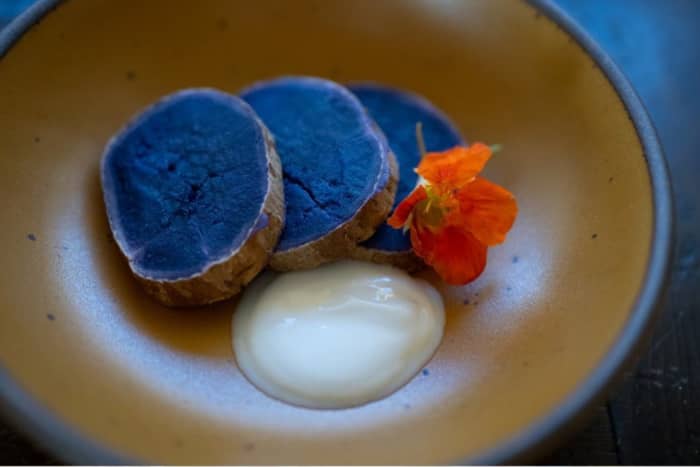
Okinawan sweet potatoes, roasted here with a coconut ginger cream, have been cultivated in Japan since the early 17th century. Now, they’re a staple of Hawaiian cuisine.


David McLain

MarketWatch: People need to eat, period. Calories matter and we have huge food inequity in this country, so processed food may just be one way to get food into American homes. Plus, there’s ease. But none of these recipes seem difficult. Why do we go the seemingly easy route with processed food?

Buettner: As I write in the book, food processing is not new; ancient civilizations used some form of processing to save food to survive. We might not even fully understand how much this has changed. Before World War II, food processing was relatively simple and mechanical — for example, breaking down wheat kernels into still identifiable flour, germ and chaff, and vacuum-sealing vegetables in tin cans. After the war, food technologists began to go much further, breaking raw grains down to their basic molecular structure and reassembling them into foods that bore no resemblance to the raw materials out of which they were fabricated.

MarketWatch: Is there any concern that sourcing some of these ingredients will remain hard for people? I’m just always interested in maybe a class dynamic around healthy food access and whether you agree? But also why should we let, quote unquote, economic burdens, stop anybody from a healthier pursuit?

Buettner: This is an American cookbook. Maybe there’s a few semi-exotic ingredients, but the vast majority of the ingredients are present today. Even with turn-of-the-century recipes, let’s remember that these were poor people. Peasants. The ingredients in this book, by and large, are not expensive ingredients. They’re cheap beans, whole grains, seeds and tubers. You can get a 25-pound bag of beans at Costco for $9.99 and make probably 100 meals.

Opinion: Your diet isn’t just making you obese, it could be speeding up cognitive decline

MarketWatch: And what about cooking methods?

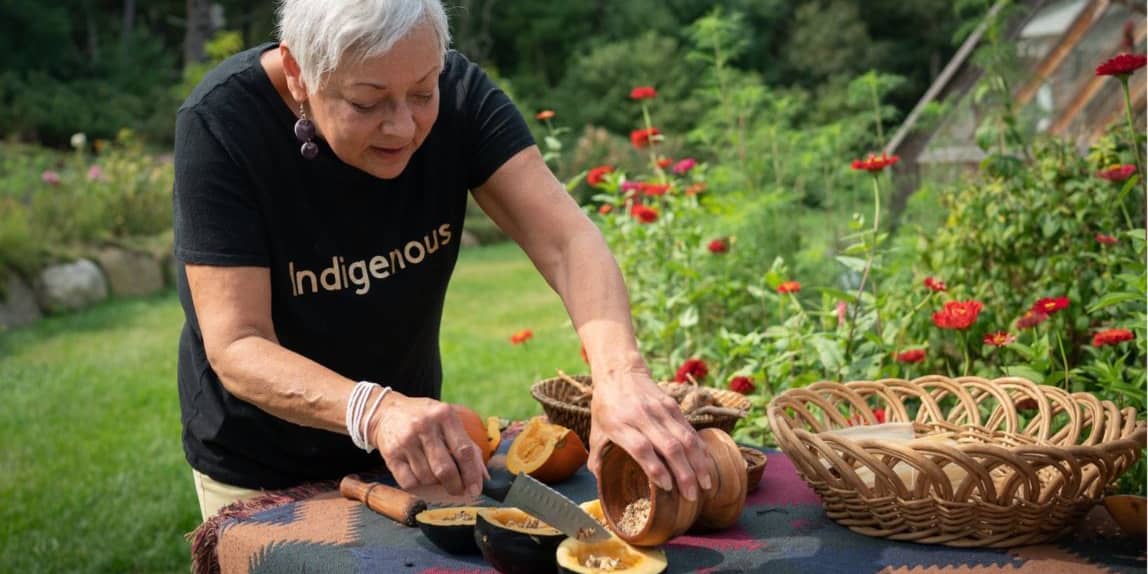
Buettner: 95{d2b09b03d44633acb673e8080360919f91e60962656af8ade0305d5d8b7e4889} of the recipes were done in kitchens where all they had was a stove and a pot. Okay, maybe a knife and a cutting board. We’re actually going to see a gentleman right now whose specialty is cooking over an open fire, throwing candied squash right in the open flame, and of course, knowing when to pull it out. But anybody who’s got a barbecue can do the same. It takes no skill at all. It just takes the courage to throw it in and pull it out at the right time.

MarketWatch: You can practically taste some of these images; color and texture is very important. Talk about that.

Buettner: Remember, even though these people [who originated these practices and recipes] weren’t rich, they’ve spent generations of trial and error to get these recipes so that they have the mouthfeel of robust, fulfilling meals. They’re satisfying. you bite down and you feel a resistance and then you bite down a little bit harder and it gives this sort of meaty mouthfeel and then the herbs and spices hit.

There’s nothing new about throwing a steak and a piece of butter in a pan and frying it up. It’s going to taste good. Where the genius comes in is these Americans, often immigrants, are taking Old World food traditions and fusing them with American sensibilities to come up with something that’s raving genius.

Grilling plantains brings out the sweetness of the fruit. Try them with “drunken’ beans and coconut rice for an easy weeknight meal.


David McLain

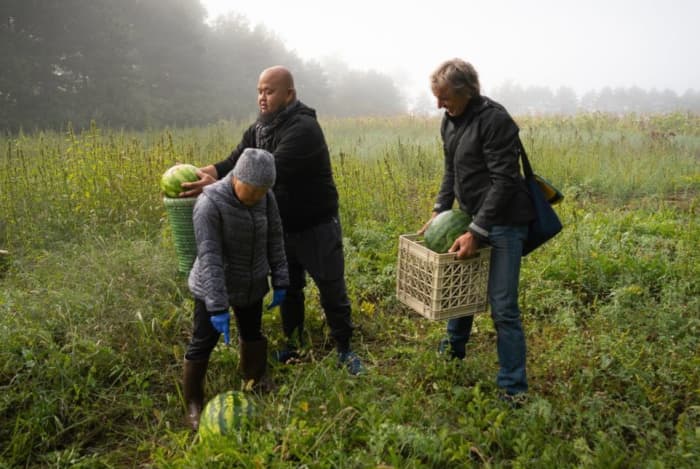
Yia Vang and Dan Buettner help Vang’s mother, Pang Vang, harvest traditional Hmong crops from her backyard garden in a suburb of Minneapolis.


David McLain

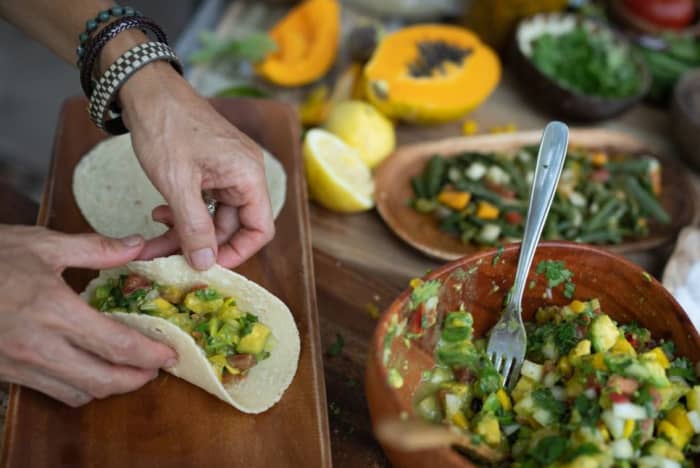
Hawaiian fresh-fruit tacos are prepared by chef Tess Villegas-Rumley at her Barefoot Zone restaurant on the Big Island. Her Blue Zone-approved establishment is part of a healthy-living movement endorsed by the state of Hawaii.


David McLain

MarketWatch: It’s probably not the main point of your exploration, but there’s no ignoring that Blue Zone eating is generally easier on the environment. How so?

Buettner: The animals we eat create somewhere between 20{d2b09b03d44633acb673e8080360919f91e60962656af8ade0305d5d8b7e4889} and 30{d2b09b03d44633acb673e8080360919f91e60962656af8ade0305d5d8b7e4889} of our carbon footprint. For every pound of milk, you have to feed a cow six pounds of soy. And they fart methane and carbon dioxide and all these other greenhouse gases. If you’re interested in the environment, the biggest step you can make is eating whole, plant-based food. And by the way, processing also takes a lot of energy. So I would argue that cooking from this book is an act of environmental awareness.

MarketWatch: I’m sure you love all 100 recipes. But are there a few that you return to or were surprised by? Or maybe that your dad really loved?

Buettner: My dad’s go-to is the tomato, eggplant and sweet potato pasta sauce (page 240). That’s for him and other people who don’t like a lot of spice. Garden tomatoes are best, but any canned tomato puree. Serve with any pasta you love and garnish with chopped macadamia nuts to really play up the sweetness. And I just love a Gullah Geechee dish that has butter beans with benne seeds (like sesame seeds) and okra (page 85): searing hot peppers and this umami flavor from the seeds. When you dig into that, it’s hearty. And you just cry tears of joy.

How to Add Them to Your Diet

How to Add Them to Your Diet

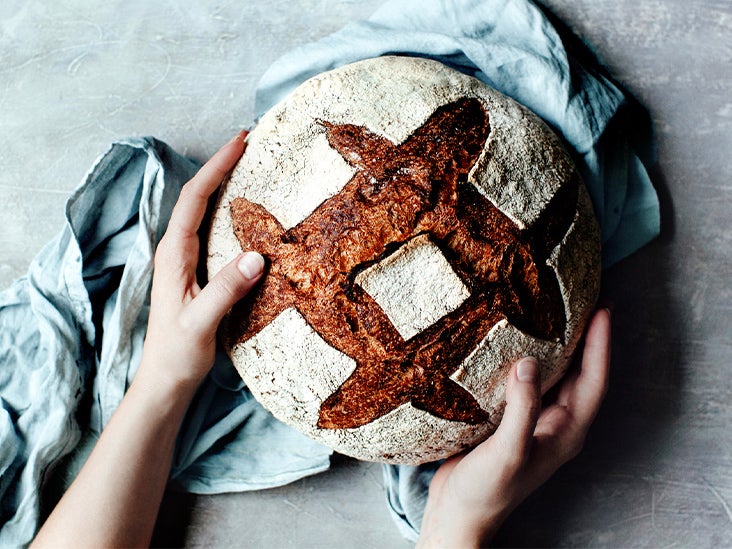
A woman holds a round loaf of whole grain breadShare on Pinterest
Experts say whole grain breads are a simple way to improve your diet. Ellie Baygulov/Stocksy
  • Researchers say Americans are eating more whole grain foods but still not enough to meet daily dietary guidelines.
  • Experts say whole grain foods can improve overall health as well as help with weight loss.
  • They say you can increase the whole grain foods in your diet by grocery shopping more carefully and adding foods such as whole grain breads and pastas to family meals.

A new study published in the American Journal of Clinical Nutrition suggests people in the United States are eating more whole grains than ever.

However, researchers say it’s still not enough to meet minimum daily requirements.

The study reports the increase over the past two decades in whole-grain intake could be anywhere from 39{d2b09b03d44633acb673e8080360919f91e60962656af8ade0305d5d8b7e4889} to 61{d2b09b03d44633acb673e8080360919f91e60962656af8ade0305d5d8b7e4889}, depending on the exact definition of whole grain being used.

The wide-range estimate is due to the definition of whole grain being more strict across some studies than others. For example, some definitions include burritos, nachos, and tacos. Others do not.

The researchers applied varying definitions of whole grains to the dietary patterns of nearly 40,000 adults participating in the National Health and Nutrition Examination Survey (NHANES) between 2003 and 2018.

The research was supported by the National Institutes of Health’s National Institute on Minority Health and Health Disparities.

The study looked at definitions of whole grains from across major organizations, including:

  • Dietary Guidelines for Americans
  • Food and Drug Administration
  • American Heart Association
  • American Association of Cereal Chemists International
  • Whole Grains Council

The researchers reported that consumption of whole grain foods remained far below the recommended consumption of at least three ounces each day and varied considerably by each definition.

“We can’t say which is the best definition yet as we need to assess the nutrient profiles of each and how these different definitions are associated with health outcomes,” said Fang Fang Zhang, PhD, the senior study author and interim chair of the Division of Nutrition Epidemiology and Data Science at the Friedman School of Nutrition Science and Policy at Tufts University in Boston.

Amy Bragagnini, MS, RD, CSO, an oncology nutrition specialist at Trinity Health Lacks Cancer Center in Michigan and a spokesperson for the Academy of Nutrition and Dietetics, told Healthline that many clients ask her what exactly a “whole grain” is and why they are important for them to eat.

Simply put, whole grains contain all the important parts of the entire grain seed, says Bragagnini.

Amy Gorin, MS, RDN, an inclusive plant-based dietitian in Stamford, Connecticut, and owner of “Plant Based with Amy,” added that whole grains contain all essential and naturally occurring parts — the bran, germ, and endosperm— in their original proportions.

“This definition may include processed grains, but the processed product must deliver the same balance of nutrients present in the original grain seed,” she told Healthline.

“Once any of these components is stripped, it is no longer a ‘whole’ grain,” said Kristin Kirkpatrick, MS, RDN, the lead dietitian and manager of Wellness Nutrition Services at the Cleveland Clinic Wellness & Preventive Medicine in Ohio.

This depends, says Gorin.

As a general rule, she explained, “If a burrito has a flour tortilla made with whole grains as the first ingredient, then that would count.”

“If the nacho chips are made with whole cornmeal, then that would count as a whole grain,” she added.

There is one exception, though.

“While corn is considered a whole grain, it may be milled to the impact of taking out components of it which could render it more stripped based on how it is used,” Kirkpatrick told Healthline.

This is typically what you’d find in eateries, she said.

Julie Cunningham, RDN, LDN, is an expert diabetes dietitian and author of 30 Days to Tame Type 2 Diabetes.

“A burrito made from a whole grain tortilla definitely counts as a whole grain in my view,” she told Healthline. “But even though some tortilla chips may be technically made with whole grains, that doesn’t necessarily make them a healthy choice.”

For example, she says, a food can be made from whole grains, but if it’s deep fried and loaded with calories (as chips are), then it’s not going to be healthy to consume that on a regular basis.

“The benefits of whole grains don’t outweigh the negatives of super high calorie, salty, addictive chips,” she added.

“Eating 2 to 3 servings of whole grains each day may lower the risk of diabetes, heart disease, and cancer,” says Cunningham, who points to research on the health benefits of whole grains.

Bragagnini agrees, adding that consistent intake of whole grain foods can help us:

  • Feel fuller longer
  • Feel more satisfied at each meal, which may help you to avoid overeating (which may lead to unwanted weight gain)
  • Lower risk of heart disease and high blood pressure
  • Lower blood sugar
  • Decrease the risk of developing type 2 diabetes
  • Decrease the risk of colorectal cancer

At the grocery store

First, look for the “100{d2b09b03d44633acb673e8080360919f91e60962656af8ade0305d5d8b7e4889} Whole Grain” stamp from the Whole Grains Council, which certifies that all the grain is whole and that a product contains at least 16 grams of whole grains per serving, says Bragagnini.

And if you don’t see this stamp, take a look at the ingredients.

“When you’re shopping for a whole grain product, such as bread, pasta, or crackers, look for the first ingredient to be a whole grain ingredient such as whole-grain flour or whole-wheat flour,” suggests Gorin.

“Many whole-grain products are made with whole grains but don’t contain them as a primary ingredient—and this makes things confusing,” she adds. “Also, aim for a variety of whole grains and experiment by trying different grains.”

Bragagnini says to look for whole grain keywords such as:

  • whole wheat
  • whole rye
  • wheat berries
  • brown rice
  • oats
  • quinoa
  • bulgur
  • Barley
  • buckwheat
  • wild rice
  • amaranth

At home

Next, slowly start to substitute whole grain products for the products you would typically serve at home, says Bragagnini.

“For example, if your family loves burritos, choose a tortilla wrap that is considered whole grain,” she suggests. “Then fill it with lean meat, beans, onions, tomatoes, garlic, peppers, etc., and you have a delicious whole grain/high fiber meal.”

Amy Reed, MS, RD, CSP, LD, is a pediatric dietitian and spokesperson for the Academy of Nutrition and Dietetics. She says to start with simple swaps such as changing white bread with whole wheat bread.

For example, “families are taught to slowly increase their intake of whole grains to work toward the goal of having at least 1/2 of their grains be from whole grains,” Reed told Healthline.

Bragagnini also suggests the following:

  • Skip the white rice and use brown rice for stir fry meals.
  • Use whole grain spaghetti noodles along with your favorite pasta sauce.
  • Top your favorite salad greens with quinoa to add a great texture to the side dish.
  • Combine quinoa with your favorite cut veggies, feta cheese, lemon, herbs and olive oil for a delicious main meal.