Williams recognized for work with Indigenous foods | Culture

Williams recognized for work with Indigenous foods | Culture

TULSA – Cherokee Nation citizen and chef Nico Albert Williams is the recipient of a Cherokee Phoenix Seven Feathers award in the culture category for her work and study of traditional foods.

Williams, who grew up in California, looked for ways to connect back to her Cherokee heritage through food when she moved to Oklahoma in 2003. She attended community dinners to learn more about why certain foods were important to Cherokees.

“I didn’t grow up eating traditional foods or anything like that. But when I moved to Oklahoma, and was able to actually be physically with my community, I started doing that by going to our communal dinners,” Williams said. “Because I am a cook, I was always really interested in how to make those foods and just started studying it and trying to learn from as many people as I could talk to and cook with. And it was just a really good way for me to feel connected to my culture.”

After working in the food industry as an executive chef, Williams founded Burning Cedar Indigenous Foods, a catering company that educates the public on tribally-sourced foods.

“I started to get a little better known from the restaurants I was working at being the executive chef. I was able to have more control over the menus of the restaurants I worked at,” she said. “And so, I would always try to include Native elements to represent the food that I was passionate about. And then people started to approach me and asked me to cook for their events and things, and it just really grew from there.”

Williams said learning more about and utilizing traditional foods is important in connecting Cherokees and other tribes back to the land.

“They’re (food) so integral to our identity as Cherokee people and Native people,” she said. “Our foods teach us lessons about who we are, and they connect us to our ancestors through the ingredients that we use, and they connect us to the land. Our ancestors lived so closely tied with the land. And then over the course of colonization, we’ve kind of been removed from that land.”

She said food is only part of her identity as a Cherokee person, and sharing what she knows is helping to maintain the Cherokee culture. Through Burning Cedar, Williams consults with tribes and entities on how they can, too.

“Our most important ceremonies that we have during the year…that’s directly tied to how we feed ourselves. And so, it’s just really important to keep those foods alive,” Williams said. “Nowadays, we really only connect with them during ceremony, but for our ancestors it was every single day, every single meal. Everything that we did revolved around producing these foods and having relationships with the plants and the animals that provided the food for us.”

Other projects Williams has been involved with is being featured on the Hulu show “Chefs vs. Wild,” where she used her foraging skills to create a gourmet meal and working on a project for Amazon for Native American Heritage Month. She has another upcoming feature on Hulu with other Indigenous chefs to showcase what “soul food” means for southeastern tribes.

Williams plans to expand her business into a non-profit called Burning Cedar Sovereign Wellness where she can bring knowledge of traditional foods into more urban areas, starting in Tulsa where she lives.

“We are working to create an intertribal wellness center in Tulsa, in the city, where we can show how to grow our traditional foods and medicines in an urban garden, how can you do that in just your little yard, or maybe even like on an apartment balcony. There will be ways for people to connect and learn how to reconnect with these foods when they live in the city,” she said.

Williams said receiving the award for her work was unexpected, and she feels there is more work to be done in her field.

“I was honestly shocked. I feel like I’m so young. I’m still learning and still building my business and still connecting with people,” she said. “I feel like I still have a lot of work to do. But it’s very encouraging to be appreciated that way.”

USDA Proposes Science Driven Updates to Foods Provided Through WIC | What They’re Saying

USDA Proposes Science Driven Updates to Foods Provided Through WIC | What They’re Saying

Proposed changes promote nutrition security and maternal and child health, increase flexibility for participants

WASHINGTON, Nov. 29, 2022 – This month, Agriculture Secretary Tom Vilsack announced that USDA’s Food and Nutrition Service is proposing changes to the foods prescribed to participants in the Special Supplemental Nutrition Program for Women, Infants and Children, known as WIC. These science-based revisions incorporate recommendations from the National Academies of Science, Engineering, and Medicine (NASEM) and the Dietary Guidelines for Americans, 2020-2025.

The WIC food packages are specifically designed to supplement the foods and beverages participants already consume and fill in key nutritional gaps to support healthy growth and development. Food and Nutrition Service, or FNS, is proposing changes to align the food packages with the latest nutrition science and support equitable access to nutritious foods during critical life stages.

Taken collectively, the changes will increase the current level of assistance while providing WIC state agencies with more flexibility to tailor the packages to accommodate personal and cultural food preferences and special dietary needs and increase variety and choice for WIC participants, making the program more appealing for current and potential participants.

“USDA is committed to advancing maternal and child health through WIC, helping mothers, babies and young kids thrive,” said Agriculture Secretary Tom Vilsack. “These proposed changes will strengthen WIC – already an incredibly powerful program – by ensuring it provides foods that reflect the latest nutrition science to support healthy eating and bright futures.”

“For the more than 6 million moms, babies and young children who participate in WIC – and the millions more eligible to participate – these proposed revisions have the potential to make positive, life-long impacts on health and well-being,” said Stacy Dean, deputy undersecretary for food, nutrition, and consumer services.

The proposed revisions support fruit and vegetable consumption by increasing the amount provided and the varieties available for purchase. Congress previously implemented a significant but temporary boost to the benefit provided to WIC participants for purchasing fruits and vegetables. FNS proposes making that increase permanent, providing participants with up to four times the amount they would otherwise receive. FNS also proposes revisions that give participants a greater variety of fruits and veggies to choose from and adjust the quantity of juice to reflect nutrition guidance, which emphasizes whole fruits and vegetables.

To view a media toolkit with additional information on the WIC food packages announcement, please view the WIC Food Package Media Toolkit page. For a Q&A on the proposed changes to the WIC food packages, please view the WIC Food Packages Proposed Revisions Q&As page.

See below for what they are saying:

House Appropriations Committee Chairwoman Rosa DeLauro

“WIC reaches over 6 million mothers, infants, and children – and is a vital tool in our work to end hunger in the United States. The program is evidence and science based and delivers life sustaining outcomes for mothers and their children. The rule announced today will build on the National Strategy released at the White House Conference on Hunger, Nutrition, and Health, and offer more choice and flexibility to program participants. I am especially proud that it extends the increases in the cash value voucher, which we established in the pandemic response bills and which I helped maintain through our government funding bills as Chair of the House Appropriations Committee. I thank my friend Secretary Vilsack for his work to produce this rule that will move forward our work to end hunger.”

House Rules Committee Chairman Jim McGovern

“The historic reforms announced today by the USDA prove we are making exciting progress following September’s successful White House Conference on Hunger, Nutrition, and Health. Strengthening the WIC program and reducing disparities within our existing anti-hunger safety net build on the conference’s momentum and directly reflect key objectives within the Administration’s new national strategy. Together, these changes will make a tangible difference in the lives of low-income mothers, infants, and children in communities where quality food is often too expensive or not available.

“My sincere thanks go to Secretary Vilsack and the Administration for ensuring everyone in this country has access to nutritious food. This takes us another step closer in our fight to end hunger and improve the health of every American.”

House Education and Labor Committee Chairman Bobby Scott

“The Food and Nutrition Service’s (FNS) proposed rule makes critical improvements to the Special Nutrition Program for Women, Infants, and Children (WIC). By advancing a science-based review of the foods available and expanding options that align with dietary guidelines, more families will be able to access the food they need to live healthier lives. These steps are particularly important considering the continued inequities in access to nutritious food and disproportionate impact of diet-related conditions in low-income areas. Today’s announcement is further evidence that the Biden-Harris Administration is committed to helping every family put nutritious food on the table.”

Civil Rights and Human Services Subcommittee Chairwoman Suzanne Bonamici

“Today’s update to the WIC food package is an essential update to enhance healthy food access some of the most vulnerable in our country, including infants and pregnant and nursing moms.”

Senator Cory Booker

“It is great to see USDA’s new proposed rule increase WIC’s fruit and vegetable benefit. The new WIC package will strengthen a program that is proven to help mothers and babies flourish.”

Congressman Joaquin Castro

“I applaud USDA for its proposed updates to WIC, which will enhance the nutritional quality of food packages and increase support for dietary needs & cultural preferences. These key changes will help families across the nation lead healthier lives.”

Senator Lisa Murkowski

“Since 2014, I’ve been advocating that more low-mercury fish, like Alaska wild salmon, be included in the Special Supplemental Nutrition Program for Women, Infants, and Children (WIC) program. I am pleased that USDA’s proposed rule for updating WIC food packages will do just that. Once this rule is final, moms and young children across the country will be able to add more healthy Alaska wild salmon to their diets.”

Congresswoman Kim Schrier

“Last year my bipartisan bill was signed into law that allows WIC families to receive higher benefits to purchase fruits and vegetables during the pandemic. I’m thrilled that USDA is making this change permanent. So many pregnant women and young children will benefit!”

Former Agriculture Secretaries Dan Glickman and Ann Veneman

“The proposed rule released by USDA on the WIC food packages is a win for food and nutrition security for the over six million WIC participants. With the increase in the overall value of the WIC benefit and updated food packages that align with current nutrition science, including the 2017 National Academies of Sciences, Engineering, and Medicine recommendations and the 2020-2025 Dietary Guidelines for Americans, these updates maintain WIC’s role as a strong public health nutrition program. We are pleased to see that these changes align with our policy recommendations from our Strengthening Child Nutrition Programs report released earlier this year.”

American Heart Association Executive Vice President of Advocacy Mark Schoeberl

“A healthy diet is key to promoting proper development, growth and overall health. The WIC program plays a vital role in providing nutritional support to pregnant, postpartum and nursing women, and infants and young children. The American Heart Association strongly supports USDA’s efforts to update the WIC food package to reflect current nutrition science and increase access to nutritious, culturally appropriate foods.”

American Academy of Pediatrics President Moira Szilagyi, MD, PhD, FAAP

“The American Academy of Pediatrics has long championed the importance of the WIC program, which offers nutritious, healthy foods for mothers and babies. Pediatricians interact regularly with WIC and routinely refer patients to the program. WIC is effective because its food packages are based on what scientific experts recommend to meet the nutritional needs of pregnant and breastfeeding women and young children. We support USDA’s efforts to move forward with a science-based process to update WIC food packages and look forward to providing feedback on the rule.”

American Public Health Association Executive Director Georges C. Benjamin, MD

“Ensuring that families have access to adequate nutrition is a key method to promoting health equity and ensuring healthier future generations. The WIC nutrition program is science-driven and addresses nutrition gaps faced by vulnerable families and children – increasing the value of the WIC program would further expand its public health reach and is a change fully supported by the American Public Health Association.”

Academy of Nutrition and Dietetics President Ellen R. Shanley

“Increasing access to healthful foods is an imperative step to achieving health equity. Serving millions of participants every day, WIC improves health outcomes for pregnant mothers, babies and children. So it is essential that the WIC food packages contain important nutrients and improve diet quality while also being mindful of people’s cultural preferences and customs. The changes announced today will provide welcome advancements in each of these areas.”

Association of Maternal and Child Health Programs CEO Terrance E. Moore

“Access to fresh fruits and vegetables is critical to the health and wellbeing of pregnant, postpartum, and breastfeeding individuals, as they need substantial amounts of nutrients to support both their own health and the health of their developing baby […] By establishing a permanent increase to fruit and vegetable benefits for WIC participants, the USDA can significantly address disparities in health equity by providing all families the opportunity to achieve a healthy nutritional status during pregnancy and the critical first year postpartum.”

Bread for the World President and CEO Rev. Eugene Cho

“Making the WIC ‘fruit and vegetable bump’ permanent will increase families’ access to nutrition at a time when food prices continue to rise. The 1,000 days between pregnancy and a child’s second birthday is the most critical period in their development. Children who lack good nutrition during this time are significantly more likely to experience lifelong health problems, along with physical and intellectual delays. A permanent fruit and vegetable bump will ensure millions of children receive the nutrition they need to thrive.”

Center on Budget and Policy Priorities President Sharon Parrott

“The proposed changes, recommended by the National Academies, position WIC to strengthen its proven record of improving birth outcomes, diets, and development and help reduce racial disparities in maternal and child health outcomes. We will continue to work to make sure low-income families get and stay connected to WIC to help them stay healthy and thrive.”

Center for Science in the Public Interest Executive Director and President Dr. Peter Lurie

“We commend the USDA for proposing an update to the WIC food package that is achievable and science-based. It will ensure that women, infants, and children participating in the program get the nutrition they need, particularly with an increase in fruit and vegetable benefits and strengthening key nutrition standards, while honoring food choices and cultural preferences.”

Evangelical Lutheran Church in America Senior Director Rev. Amy Reumann

“The Evangelical Lutheran Church in America recognizes that families need access to sufficient and nutritious food to thrive. As a society, we must dismantle the barriers to health that stand in the way of each person reaching their potential. This mission is directly supported by the Women, Infants, and Children (WIC) program in its purpose to support and promote maternal and child nutrition. The proposed WIC food package rule contains essential improvements that are vital to ensuring a healthy start for all children, no matter their economic status.”

Feeding America Chief Government Relations Officer Vince Hall

“For nearly fifty years, WIC has worked to put food on the table for families and ensure children have access to the nutritious foods they need to grow and thrive. The Feeding America network has long partnered with WIC providers to strengthen food security in communities across the country. USDA is now delivering on a key commitment included in the National Strategy by working to expand access to healthy foods in long-overdue updates to the WIC food packages. Coupled with new investments in WIC program modernization, we are encouraged that a stronger and more robust WIC program can continue to reduce hunger and improve health outcomes for the next generation.”

Food Research and Action Center

“The Food Research & Action Center (FRAC) commends the U.S. Department of Agriculture (USDA) for today’s announcement of the proposed food package for the Special Supplemental Nutrition Program for Women, Infants, and Children (WIC), which will go a long way in making this critical program even healthier, more accessible, and easier to use.

The proposed WIC food package will build on the White House “National Strategy on Hunger, Nutrition, and Health” to modernize WIC by supporting the increased value of WIC’s fruit and vegetable benefit, allowing additional flexibility in food package sizes, increasing accessibility to culturally relevant food options, and fastening alignment with the 2020–2025 Dietary Guidelines for Americans.

This package is a step in the right direction toward increasing program participation, improving WIC participants’ health outcomes, addressing health inequities, and ultimately, helping end hunger in this country.”

Hennepin County Medical Center Chair of Pediatrics and Co-Lead Principal Investigator for Children’s Health Watch Dr. Diana Cutts

“I see the power of WIC to promote health in my clinic every day. Boosting benefits for fruits and vegetables in WIC has a profound impact on a family’s ability to offer their child a wide variety of foods, which are necessary for establishing a strong foundation of healthy eating.”

Indigenous Food and Agriculture Initiative Executive Director Erin Parker

“WIC’s targeted nutrition support is particularly crucial for strengthening pregnancy and birth outcomes in Indigenous communities. WIC food packages’ inclusion of more fruits, vegetables, seafood and whole grains furthers the closing of disparities in access to healthy foods while respecting cultural eating patterns and tribal customs. With more than thirty tribes and intertribal councils directly administering WIC services, robust WIC benefits translate to healthier outcomes and return money to local businesses and farm economies in Indian Country.”

Leslie, a mother of three participating in Arkansas WIC

“The increase for purchasing fruits and vegetables has been so helpful! My two-year-old has had the chance to try new fruits and vegetables that I would not have been able to purchase for her otherwise. She loves trying new foods and I love getting to give her healthy options.”

March of Dimes Senior Vice President for Public Policy and Government Affairs Stacey Brayboy

“As an organization leading the fight for the health of all moms and babies, March of Dimes applauds the Biden Administration and the U.S. Department of Agriculture (USDA) for its proposed rule revising the Supplemental Nutrition Program for Women, Infants, and Children (WIC) program in an effort to reach more pregnant and postpartum women, and their babies. As preterm birth rates continue to rise in the U.S., the country needs leadership to ensure that expecting moms are supported throughout their entire pregnancy, including access to healthy foods, especially for families in underserved communities. This proposed rule will help address this crisis by increasing access to healthy foods for pregnant women and their families.”

MAZON: A Jewish Response to Hunger President and CEO Abby J. Leibman

“The Biden-Harris Administration clearly understands the effectiveness of federal nutrition assistance programs like WIC, which provides critical support to millions of families around the country. USDA’s proposed changes build on the longstanding success of WIC, promising to improve and strengthen the program in some critical ways. We are particularly pleased to see the proposals to permanently increase the value of the WIC benefit that will enable healthier food purchases, align the increased value with science-based recommendations, enhance the WIC shopping experience, and support the different needs of the diverse WIC population with a greater range of culturally and religiously-appropriate food options. In light of the recent White House Conference on Hunger, Nutrition, and Health, it is clear that charity alone cannot end hunger — we must strengthen our country’s safety net and advance bold solutions to improve the systems that allow hunger to persist.”

MomsRising Executive Director and CEO Kristin Rowe-Finkbeiner

“Millions of moms and families are struggling with the high cost of groceries and other necessities,” said MomsRising Executive Director and CEO Kristin Rowe-Finkbeiner. “Moms support the new proposed rule because it will – at long last – increase the value of the WIC benefit and incentivize and support the purchase of healthy food. Moms welcome the flexibility to maximize variety and choice so we can purchase the foods that our families want and need most. In turn, these changes would provide a significant and welcome boost for our children’s health. Nothing is more important than ending hunger and food insecurity and keeping kids and families healthy.”

National WIC Association President and CEO Dr. Jamila Taylor, PhD

“USDA’s action today to revise the WIC food packages underlines what the White House made clear in their National Strategy: WIC will play a critical role in building a healthier future for families. WIC’s targeted nutrition intervention is already proven to reduce healthcare costs, close nutrient intake disparities, and improve health outcomes for low-income families and communities of color. The proposed revisions will build on this strong record of public health success by following independent, evidence-based recommendations from the National Academies. We applaud USDA’s thoughtful steps to strengthen WIC by enhancing the value of benefits for underconsumed food groups like fruits and vegetables, strengthening nutrition standards to improve whole grain intake and decrease consumption of added sugars and saturated fats, and expanding healthy choices through package size flexibility and inclusion of a broader range of cultural foods.”

National Indian and Native American WIC Coalition Chair Cheri Nemec

“Fruits and vegetables were staple in the traditional diets of Native Americans. The increased cash value benefit has given families the opportunity to bring more fruits and vegetables into the home, especially as access to affordable fruits and vegetables is a challenge in rural tribal communities. This helps our Indigenous families provide more foods from those traditional diets that promote good health. With an even stronger food package, WIC can have a further reach to ensure families have the foods and complementary nutrition education on how to prepare nutritious meals that highlights and respects the foods of their ancestors.”

NETWORK Lobby Executive Director Mary J. Novak

“Our Catholic faith holds that children are a blessing and a gift from God. As such, special care must be taken to ensure that children and their families have what is necessary to live healthy lives including combating disease caused by low-quality food.  NETWORK welcomes the Biden Administration’s newly proposed WIC regulation to increase the dollar amount of the cash voucher and update food guidelines consistent with the science allowing a wider variety of foods, including vegetables, fruits, and whole grains. This regulation is grounded in the best of our values. Since it serves more than 6.2 million people, mothers and their infants, and young children, it will have a transformative impact on countless lives both in the short and long term. As people of faith we say, Amen.”

Oklahoma State Department of Health’s Jennifer Ortiz, MS, RD, LD

“Oklahoma WIC is proud to provide nutritious supplemental foods and nutrition education to families across our state. We are pleased that USDA is moving to update the food packages we provide to families in a manner consistent with the latest science. In particular, the expansion of the Cash Value Benefit for fruits and vegetables has been tremendously beneficial for the food security and promotion of health for our families over the past 17 months. We are excited that USDA recognizes the profound impact of this increase and will make this change permanent. Additionally, Oklahoma WIC has long prioritized the provision of whole grain cereals to participants as consumption of whole grains is prioritized by the Dietary Guidelines and associated with reduced risk of a myriad of chronic diseases. We welcome USDA’s steps to align every WIC program in providing whole grain-rich cereals so that all WIC participants may enjoy the benefits of increased whole grain consumption.”

Salud America! National Latino Health Equity Program at UT Health San Antonio Director Dr. Amelie G. Ramirez

“WIC remains one of the nation’s most successful, cost-effective public health nutrition programs. WIC participants, including those who are Hispanic/Latino, are more likely to have a more nutritious diet and better health outcomes, with participation tied to fewer infant deaths, fewer premature births, increased birth weights, and lower health care costs, according to research.”

Share Our Strength Senior Vice President Lisa Davis

“The WIC Cash Value Benefit allows families to purchase fresh fruits and vegetables their growing children need, providing flexibility to buy those that are culturally relevant and their kids will eat and enjoy. Permanently increasing this important and valued benefit will make sure families have even more access to fresh fruits and vegetables; it also supports local farmers and food vendors, leading to stronger local economies.”

Texas Association of Local WIC Directors Benny Jasso

“As nutrition professionals, we see the effects of food insecurity in families that cannot afford nutritious foods. The new WIC food package allows families more flexibility to make sound food choices according to the family health needs, culture, and preferences. The increased access to fruits, vegetables, whole grains, protein, and dairy options will support the nutrition messaging in public health nutrition to address the health disparities in our communities by removing barriers which can make maintaining good health difficult.”

Tufts University’s Dr. Dariush Mozaffarian, Dean for Policy and Jean Mayer Professor of Nutrition at the Friedman School of Nutrition Science and Policy and Co-Chair of the Task Force on Hunger, Nutrition, and Health

“WIC is a cornerstone of American health policy, where science-based nutrition standards and public health programming meet to provide mothers and children with critical access to the healthy foods they need to grow and thrive. I applaud the Administration for advancing its National Strategy commitment to make meaningful improvements to WIC, increasing nutrition security for American families and allowing our nation to build a stronger, healthier future.”

UnidosUS Senior Vice President of Policy and Advocacy Eric Rodriguez

“As it has in the past, if adopted, the proposed package will advance health equity as it brings healthier food options to many lower-income, Latino neighborhoods throughout the country. By giving Latino families improved access to affordable fruits, vegetable, and whole grains, USDA’s proposed standards will lower rates of diseases like diabetes, heart disease, and obesity that disproportionately harm low-income Hispanic families, primarily because of barriers they face to accessing healthy and affordable food.”

U.S. Breastfeeding Committee Executive Director Nikia Sankofa

“The WIC program comprises a critical piece of the national infrastructure supporting infant and young child nutrition security. The WIC Breastfeeding Peer Counselor program and other WIC breastfeeding promotion and education resources serve as a crucial lifeline for millions of families who want to breastfeed. WIC is an obvious and effective conduit for advancing lactation and other science-based nutrition standards outlined in the Dietary Guidelines for Americans.”

#

USDA is an equal opportunity provider, employer, and lender.
@ChefBaeSTL takes on Ruler Foods for Southern Classic Recipes

@ChefBaeSTL takes on Ruler Foods for Southern Classic Recipes

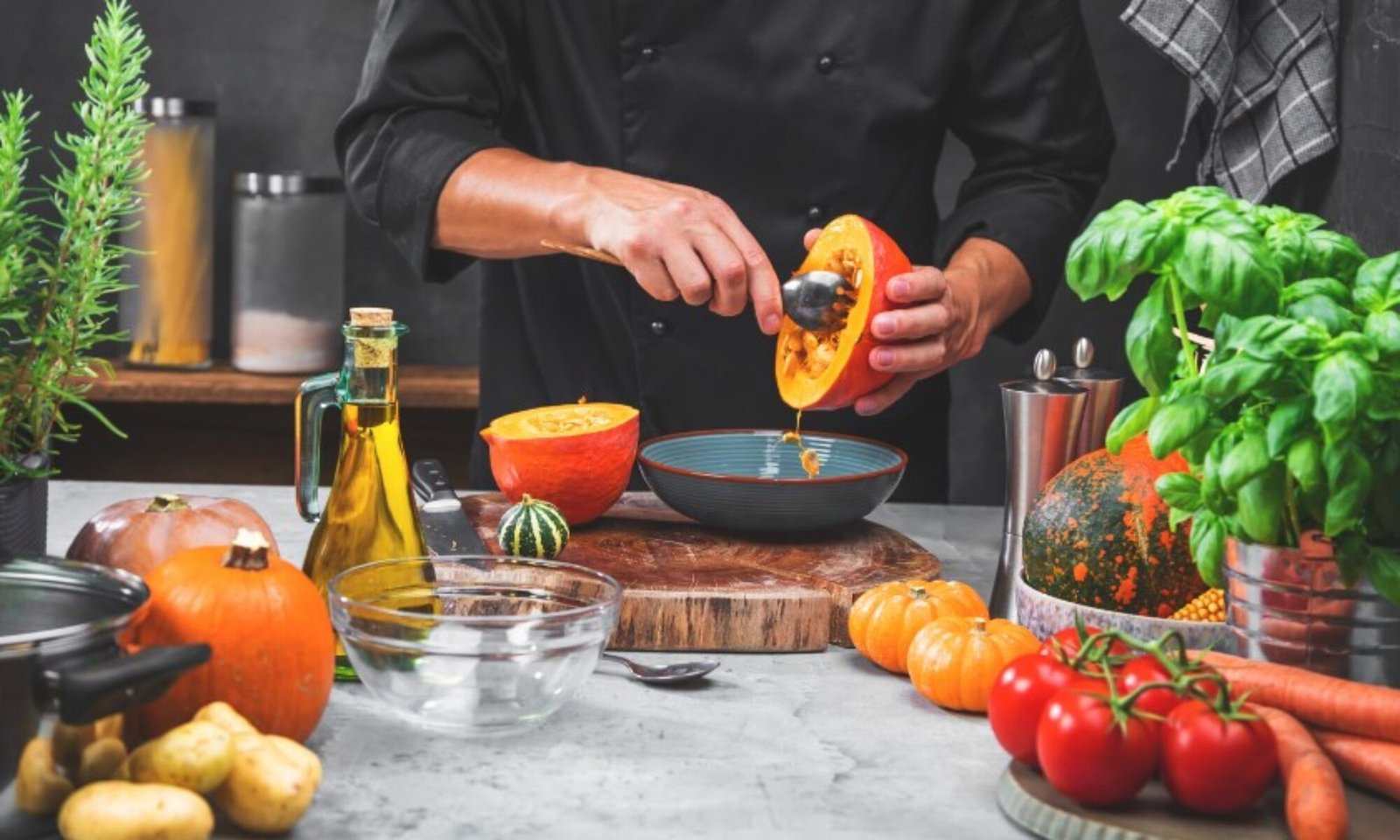
Digital creator & Executive Chef of Two Times Catering, Chef Bae STL, joins us in the kitchen to share his take on red beans & rice, cornbread, catfish & “BaeRolls”.

ST. LOUIS — We sent digital creator & Executive Chef of Two Times Catering, Chef Bae STL, to Ruler Foods on a mission to create budget friendly recipes. 

Chef Bae’s culinary expertise is rooted in Creole, Caribbean and Italian cooking. So, it was only natural that he brought southern classics to the Show Me Kitchen! He shared his take on Southern Fried Catfish with Creole Red Beans & Rice, Cornbread. 

Catfish

(8-10) Thawed Catfish Fillets

(3 Cups) Seasoned Cornmeal Mix

Heat Canola Oil in Cast Iron Skillet to 350*.

Rinse fish, and pat dry with paper towel.

In separate bowl add seasoned cornmeal.

Toss Catfish in breading until evenly coated.

Fry fish for 5-7 minutes until golden brown.

Remove and place on cooling rack.

Red Beans & Rice

(2) Red or Green Bell Peppers (Diced)

(8) Stalks of Celery (Diced)

(1lb) Smoked Turkey Sausage (Diced)

(1/4Cup) Creole Seasoning

(2 tbs) Crushed Red Pepper Flakes

(1lb) Long Grain White Rice

Rinse beans, and then soak in a large pot of water overnight.

Heat oil in a skillet over medium heat. Cook onion, bell pepper, celery, and garlic oil for 3 to 4 minutes.

Rinse beans, and transfer to a large pot with Chicken Broth & Vegetable Broth. Stir cooked vegetables into beans. Season to taste with above seasoning mix. Bring to a boil, and then reduce heat to medium-low. Simmer for 2 1/2 hours.

Stir sausage & smoked turkey wings into beans, and continue to simmer for 30 minutes.

Meanwhile, prepare the rice. Bring water and rice to a boil in a saucepan. Reduce heat, cover, and simmer for 20 minutes. Serve beans over steamed white rice.

Cornbread

(5 Cups) Yellow Cornmeal Mix

Combine all above ingredients in large mixing bowl.

Mix well, but do not over blend

Pour mixture into greased 9” Baking Pan or Muffin Pan

Bake at 400* 15-19min or until golden brown.

For more recipes and content from Chef Bae STL, follow along on Instagram and Facebook. 

For further information about Two Times Catering, click here.

Looking for more recipes that you can create using Kroger products from Ruler Foods? We have you covered! 

Check our October segment with Lydia Gwin of Gwin’s Tiny Kitchen.

Plus, content Creator, and mother Jeanie Smith took a trip to Ruler Foods to whip up this easy and budget friendly fall recipe!

For further information on Ruler Foods click here.

THIS ARTICLE INVOLVES COMMERCIAL CONTENT. THE PRODUCTS AND SERVICES FEATURED APPEAR AS PAID ADVERTISING. FOR MORE INFORMATION, EMAIL US AT SMSL@KSDK.COM.

SHOW ME ST. LOUIS IS A PART OF 5 ON YOUR SIDE AND FEATURES ST. LOUIS EVENTS, COMPANIES, BUSINESS PEOPLE AND OTHER GUESTS FROM AROUND THE COUNTRY.

Satay and sambal: 12 foods every Indonesia visitor needs to try

Satay and sambal: 12 foods every Indonesia visitor needs to try
Editor’s Note — This CNN Travel series is, or was, sponsored by the country it highlights. CNN retains full editorial control over subject matter, reporting and frequency of the articles and videos within the sponsorship, in compliance with our policy.

(CNN) — As the world’s largest archipelagic nation, Indonesia is filled with different cultures and influences spread out over 1,904,569 square kilometers (735,358 square miles).

This makes it a huge challenge to try to summarize the flavors of the country in just a few paragraphs.

“Indonesian food culture is based on regional cooking among 17,500 islands, 38 provinces and 700 dialects,” says Indonesian cookbook author William Wongso.

“Flavors of Indonesia are very diverse. From Aceh (the westernmost province of Indonesia) to West Sumatra (also a western province), it’s only about a 1.5-hour flight, yet their food and taste profiles are totally different.”

The 75-year-old author of “Flavors of Indonesia: William Wongso’s Culinary Wonders.” says that even though he’s been traveling and eating around Indonesia for decades, he still hasn’t tasted every local dish.

For instance, chefs in the Moluccas in the eastern side of Indonesia, once nicknamed the “Spice Islands,” prefer using fresh spices like cloves, nutmeg and cinnamon. Aceh, on the other hand, frequently incorporates dried spices thanks to the influence of India, Arabia and China.

Padang (or Minangkabau) cuisine in West Sumatra uses lots of coconut cream, chiles, shallots and some curry spices, as well as ginger and galangal with aromatic herbs such as turmeric leaves, kaffir lime leaves and lemon grass.

Javanese are experts in using the three colored spice pastes — red (made of chiles, shallots and garlic), white (candle nuts, shallots and garlic) and yellow (candlenuts, shallots, garlic and turmeric).

“The taste profile of Central Java is sweeter than Eastern Java,” Wongso adds.

Ready to enjoy the overwhelming diversity of Indonesian cuisine? Here are a few dishes that offer a sample of the many delicious flavors on offer.

Beef rendang

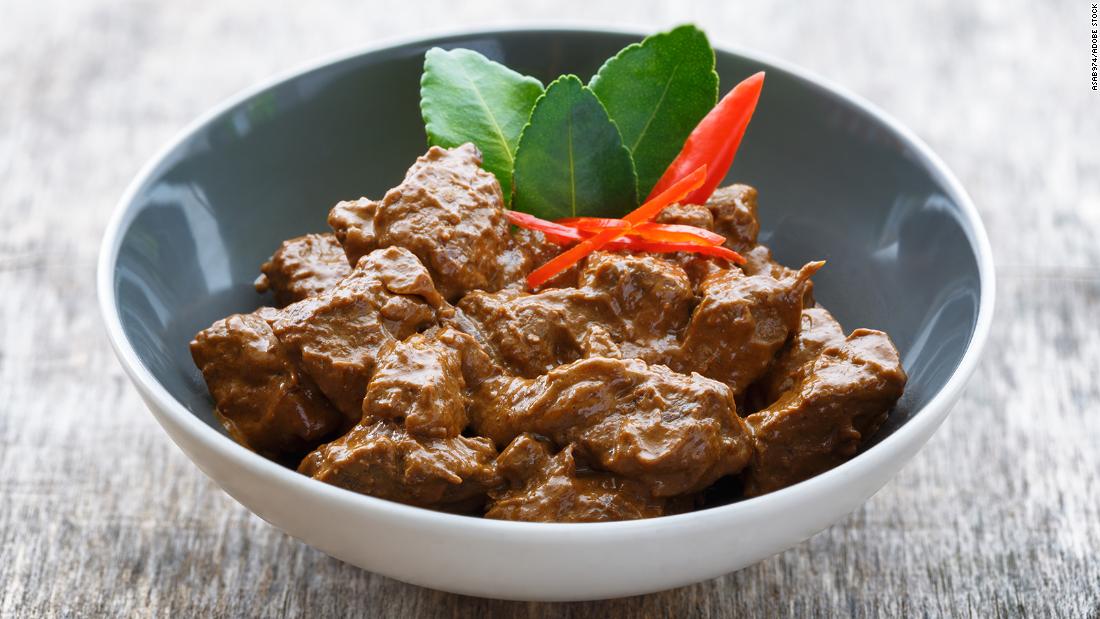
Beef rendang is unbelievably tender. The beef is coated with dry curry that has been stewed for hours.

Beef rendang is unbelievably tender. The beef is coated with dry curry that has been stewed for hours.

asab974/Adobe Stock

It isn’t an exaggeration to say that beef rendang is one of the world’s most flavorful foods.

A dry curry dish linked to the Minangkabau ethnic group, which is indigenous to West Sumatra, rendang is a great way to preserve meat — essential for the Minangkabau people during their travels.

There is no one recipe for rendang. “In West Sumatra, there are about 900 districts and each has their own style of rendang,” says Wongso.

But one of the most common meats to appear in rendang is beef. It’s stewed in coconut milks and spices including lemongrass, galangal, garlic, turmeric, ginger and chiles for hours until the meat is unbelievably tender and the curry mixture is reduced to a relatively dry coating around the meat.

Tempeh

A rising star in plant-based diets around the world, tempeh has in fact been a constant in Javanese culture for more than four centuries.

The low-fat, high-protein meat substitute is made of soybeans fermented in banana leaves — and sometimes, other leaves — for two to three days before it turns into a white moldy and chunky block.

Its flavor is often described as nutty and mushroom-y with a slight sweet soy scent.

It can be cooked the same way as any meat — baked, fried, grilled or boiled into different dishes. In Indonesia, it’s often deep-fried and served as a tasty snack.

Satay

A staple at Southeast Asian restaurants around the world, satay — or sate in the local tongue — is said to have originated in Java.

Preparation of these skewers varies from region to region, often featuring different meats or vegetables, spices, sauces and marinades.

One of the most loved versions in Indonesia is satay chicken served with a sweet peanut sauce that has just a hint of spice.

Nasi goreng

Nasi goreng: So much more than just fried rice.

Nasi goreng: So much more than just fried rice.

Jairson/Adobe Stock

If there’s one staple that represents Indonesia’s multi-faceted culture, it’s nasi goreng — literally translated as fried rice.

Each household has a different recipe made with various ingredients and sides, but the use of terasi (shrimp paste) and kecap manis (a sweet and thick Indonesian soy sauce) unite most — if not all — versions.

These condiments create Indonesian fried rice’s unique taste.

Topped with a perfect sunny-side-up egg and a side of crunchy shrimp crackers (or kerupuk), nasi goreng is a versatile meal consumed throughout the day.

A dish influenced by Chinese cooking, nasi goreng is as popular in Singapore and Malaysia as it is in Indonesia.

Kerupuk

While prawn crackers are commonly found in several countries’ diets — especially in Indonesia and Malaysia — it was thanks to Indonesia that the snack was introduced to the Dutch and then brought to Europe.

Arguably the best sidekick to any dish, a piece of kerupuk can also serve as an edible spoon to scope up extra sauce or sambal.

Indonesian kerupuk is also used as a topping for soto — a type of Indonesian soup. (See below)

Soto Ayam

Similar to many other dishes in Indonesia, soto, or soup, tastes different depending on which part of the archipelago you are in.

One of the most commonly featured soto on Indonesian menus is the comforting soto ayam (chicken soup) — but that too, comes in countless variations.

Among all the chicken sotos, the ones from East Java — such as soto ayam Madura or Ambengan — are some of the most popular. They have a clear broth and include a generous amount of garlic, shallots, turmeric and chunks of chicken meat.

Koya powder, a unique mix of grounded prawn crackers and fried garlic, is sometimes added to give the already-rich soup — such as soto ayam Lamongan — an extra umami boost.

Gado gado

A classic gado gado is served with chopped vegetables, an egg and sometimes, slices of tofu or tempeh. It is often dressed with roasted peanut sauce.

A classic gado gado is served with chopped vegetables, an egg and sometimes, slices of tofu or tempeh. It is often dressed with roasted peanut sauce.

galitskaya/Adobe Stock

Chop up blanched vegetables, hard-boiled eggs and add a ladle of peanut sauce and you have the humble but tasty Indonesian national salad — gado gado.

A classic Indonesian peanut sauce for gado gado is made with ground roasted peanuts, chiles, shrimp paste, tamarind pulp or juice and some sugar and salt.

Translated as mix mix, this ubiquitous salad dish sometimes includes slices of fried tofu or tempeh as well as deep fried fish cakes.

Sambal

Sambal may not be one of Indonesia’s five official national dishes — alongside nasi goreng, rendang, soto, sate and gado gado — but no meal is complete without it for many Indonesians.

It’s a relish made by mixing chile peppers with a host of different ingredients such as shrimp paste, sugar, salt and lime juice.

Today, you can find it in many renowned Indonesian dishes — from nasi goreng to gado gado.

Legend has it that Portuguese and Spanish sailors brought a variant of chile peppers to Indonesia — but it was in Java that they were first pounded into sambals.

It’s believed there are more than 100 styles of sambal served across Indonesia. One of the most common is sambal terasi, which is made with chile peppers, garlic, tomatoes, shrimp paste, limes, salt and sugar.

Indomie

Not technically a dish but it might just be the country’s most famous food brand.

Wowing the market since 1972, Indomie’s flavorful and convenient packaged noodles have amassed a huge following worldwide.

If you’re an Indomie newbie, start with a packet of Indomie mi goreng (barbecue chicken) and you’ll likely be converted as well.

Jamu

Jamu is a concentrated herbal drink made with ginger and turmeric.

Jamu is a concentrated herbal drink made with ginger and turmeric.

galitskaya/iStockphoto/Getty Images

When Indonesian President Joko Widodo was asked about the secret to his good health during the Covid-19 pandemic, he cited jamu.

A traditional Indonesian herbal drink made from various combinations of plants and spices — ginger and turmeric are two common ingredients — jamu is believed to boost one’s immune system.

There are many ways to make jamu.

The plants and spices are blended into a concentrated juice and it’s often served warm.

The president also said that he has been drinking it daily for the last two decades and boosted his daily jamu consumption to three times per day during the pandemic.

In recent years, jamu-inspired juice brands have been popping up around the world.

Babi guling

There are a few things that make us dream of Bali — the pristine beaches, the endless rice fields and, for some, babi guling, the vacation island’s famed roasted suckling pig.

The animal is rubbed with turmeric and stuffed with a spice paste made up of coriander seeds, lemongrass, Asian lime and salam leaves, chilies, black pepper, garlic, red shallots, ginger and kencur. Then, it’s roasted on a spit.

Every part of the pig — meat for satay, juicy pork slices, crispy crackling as well as the richly flavored intestines — will be enjoyed.

It’s mostly served with rice, spicy soup and a series of condiments.

The dish is rarely seen in the rest of Indonesia, where a majority of the population is Muslim and considers pork consumption haram, or forbidden. On Bali, most people identify as Hindu.

Rijsttafel

And lastly, one can’t forget about rijsttafel, or rice table, in Dutch.

It’s an elaborate spread of small Indonesian plates featuring different tastes and levels of spiciness in one meal.

Rijsttafel is technically not part of traditional Indonesian food culture. It was first introduced during Dutch colonial rule in Indonesia, when the Europeans would serve small plates of sumptuous Indonesian dishes — from sweet to spicy — to their visitors.

It’s still a common offering at Indonesia restaurants in the Netherlands as well as in its country of origin.

According to Wongso, rijsttafel culture is one of the reasons many traditional Indonesian dishes grew popular outside of Asia.

13 Foods You Should Eat for Optimal Kidney Health

13 Foods You Should Eat for Optimal Kidney Health

Think of your kidneys like filters that rid your body of all the things you don’t want. These two fist-sized, bean-shaped organs filter your blood. In doing so, they remove toxins and excess fluids while keeping your levels of potassium, sodium and more in check. At the same time, they produce hormones that help to regulate everything from your blood pressure to your bone strength. Long story short: Your kidneys do a lot. 

So much, in fact, that they can get overtaxed. Roughly one in seven Americans has chronic kidney disease, which can cause waste and fluid buildup in your body. Worse yet, most people with CKD don’t know they have it. 

Poor eating habits heighten your risk for CKD. But when you eat the best foods for your kidneys, the reverse can be true. Since certain foods are good for kidneys, what you eat can help to protect your kidney health. 

Best foods for healthy kidneys

These are our top picks for foods to add to your diet for optimal kidney health.

1. Fatty fish 

Fish delivers protein, and when you choose a fatty fish like tuna, salmon or trout, you’re also getting omega-3 fatty acids. According to the National Kidney Foundation, omega-3 fats may help reduce fat levels (triglycerides) in the blood and may also lower blood pressure.

If you have CKD, you may need to keep an eye on the phosphorus and potassium levels of the fish you choose. The National Kidney Foundation has a chart you can use to determine levels in specific types of fish. Although, it’s best to consult with your doctor.

2. Cabbage 

This nutrient-dense vegetable is low in both potassium and sodium while packing in fiber, vitamins C and K and more. 

Plus, cabbage is versatile. You can use it in salads and slaws, but you can also use it as a wrap for tacos, sandwiches and more. 

3. Bell peppers 

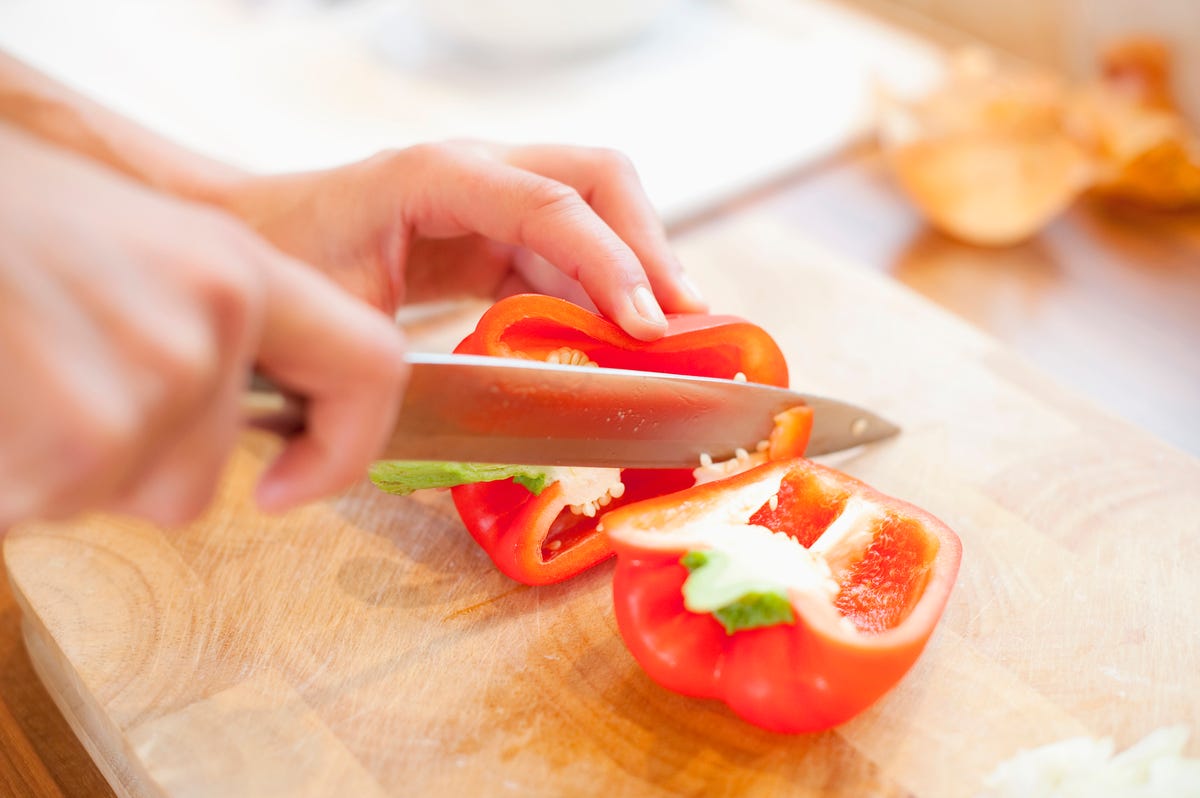
Like cabbage, bell peppers pack in lots of good nutrients with low levels of potassium. With them, you get vitamins B6, B9, C and K, plus fiber. And they deliver antioxidants, too. 

You can slice them and eat them with dips or roast them up and add them to dinner. 

Red bed pepper on cutting board with hands and knife slicing it

Jacobs Stock Photography/Getty Images

4. Cranberries 

Cranberries help to prevent urinary tract infections. While these usually stay in your bladder, they can travel up to your kidney, making kidney problems worse. Fortunately, regularly consuming cranberries can help you avoid this unwelcome situation. 

Plus, cranberries have antioxidants that can help to fight inflammation, and they can boost your heart and digestive health. It turns out, these tart berries aren’t just for the Thanksgiving table. 

5. Blueberries 

We’ve talked about some of the best foods for kidneys, but you can take it a step further. The question is: what foods help repair kidneys? Blueberries deliver here. 

With high levels of antioxidants and loads of vitamin C and fiber, blueberries are all-around healthy. They can also help to reduce inflammation and support bone health, reversing some of the issues that can come with CKD. 

6. Dark, leafy greens 

Still wondering what foods help repair kidneys? You can turn to dark, leafy greens like spinach or kale. They deliver so many nutrients that they can help you get key vitamins and minerals, plus immunity-boosting benefits. 

Be advised, though, that greens can come with a decent amount of potassium. If you have CKD, talk to your doctor before adding more of these to your diet. 

7. Olive oil

Rich in antioxidants and healthy fatty acids, olive oil can boost your overall wellness. A study from the University of Harvard, found that olive oil may lower cholesterol levels and the risk of cardiovascular disease, dementia and some types of cancer.

Beyond all this, it can help you add flavor to dishes without turning to salt or butter. 

To get more antioxidants, choose unrefined or cold-pressed olive oil that’s virgin or extra virgin. 

8. Garlic 

Another antioxidant-rich, inflammation-fighting food, garlic also contains a specific compound called allicin. For people with CKD, allicin — an active compound found in garlic — worked just as effectively to help protect kidney health as a prescription drug. If you’re looking for the best foods for kidneys, garlic has to make the list. 

Plus, it’s an excellent way to add flavor even when you’re skimping on salt. 

9. Onions 

From the same family as garlic, onions give you another excellent and salt-free way to add flavor (bonus points if you saute them in olive oil). Onions also deliver important nutrients like vitamins B6 and C, manganese and copper. 

They also contain quercetin, a chemical that can help your body fight cancer, and organic sulfur compounds that can reduce your risk of high blood pressure, stroke and heart disease. 

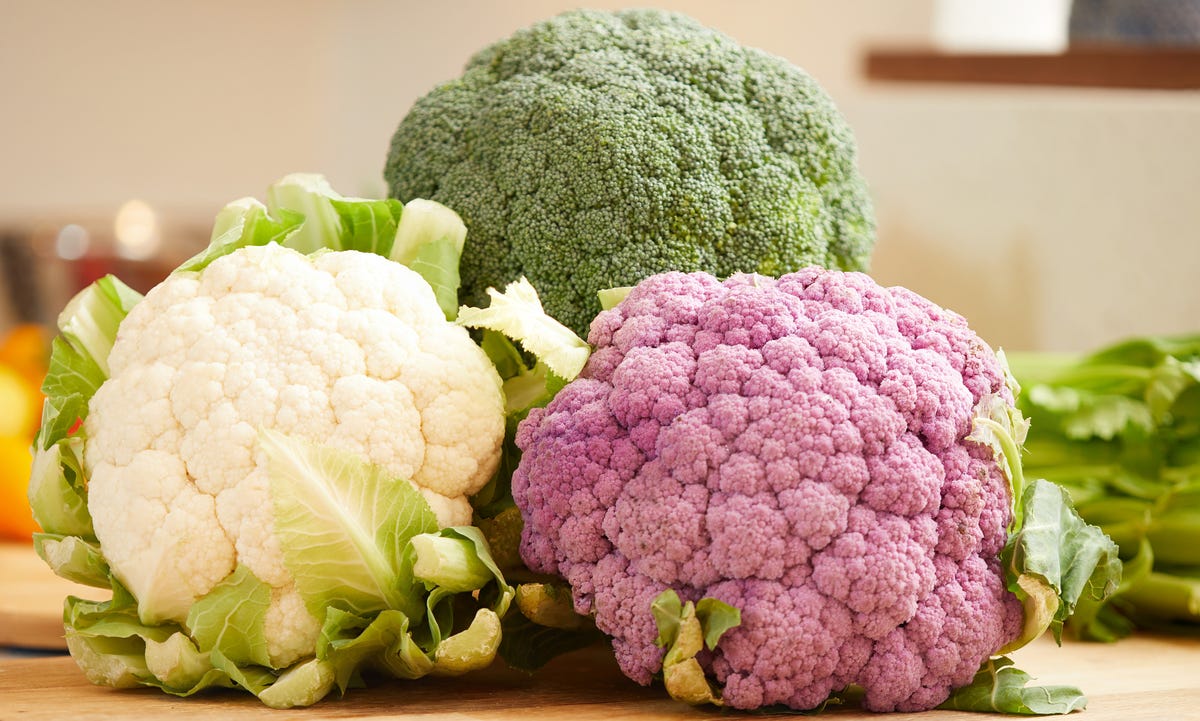
10. Cauliflower 

Cauliflower brings the crunch, paired with plenty of vitamins C, B6, B9 and K, along with fiber. It also contains compounds your body can use to neutralize certain toxins — a big help when your kidneys aren’t doing their best filtration work. 

Cauliflower does contain some potassium and phosphorus, though, so while it makes the list of foods good for kidneys, people with CKD may want to moderate their intake. 

Green, white and purple cauliflowers on cutting board

Thanasis/Getty Images

11. Egg whites 

Egg whites are specifically recommended for people with kidney problems. They give you a way to increase your protein levels — which can be especially important with later-stage CKD, and especially if you’re on dialysis. 

12. Arugula 

Arugula is packed with nutrients your body needs like magnesium, iron, calcium and vitamins A, B9, C and K. Plus, it’s antioxidant-rich and has glucosinolates, which can help your body protect itself against a range of cancer types. 

You can eat arugula raw (it’s a great salad base), but you can also sprinkle it over whatever you’re whipping up. It’s great on pizzas, in omelets and in pastas, for example. 

13. Apples 

Apples deliver the cancer-fighting quercetin and fiber that can help to keep your cholesterol and blood sugar at healthy levels. And they’ve got plenty of antioxidants. 

Better yet, they’re easy to work into your diet. Leave a bowl of apples on your counter and you’ll have a kidney-healthy grab-and-go snack whenever you need one. 

The information contained in this article is for educational and informational purposes only and is not intended as health or medical advice. Always consult a physician or other qualified health provider regarding any questions you may have about a medical condition or health objectives.

The Best Foods for Heart Health, and What to Avoid

The Best Foods for Heart Health, and What to Avoid

When it comes to your risk of heart disease, some factors are out of your control — like, say, your blood type. But other factors are more changeable, including your diet. Everyone from the American Heart Association to the US Department of Health and Human Services recommends making specific food choices to support a healthy heart. Because foods for heart health can reduce other potential cardiovascular issues — like high blood pressure and high cholesterol — it’s worth keeping in mind as you plan your weekly meals. 

Keep reading to find out which foods to look for and what a heart-healthy diet looks like overall.


Now playing:
Watch this:

How Healthy is Your Heart, Really? 5 Ways to Tell at…


3:59

What is a heart-healthy diet?

Studies have revealed two things: foods that are riskier for your heart and foods that strengthen it. Fortunately, you’re not about to get hit with a bunch of curveballs. The best foods for heart health are ones you probably already think of as healthy. Similarly, the not-so-heart-healthy foods are probably already on your radar for not doing your body any favors.

Before we dive in here, let’s say: everything in moderation. Unless you already know you have a heart health issue, you don’t need to cut out any foods or make drastic changes. We’re not saying you can never have another piece of bacon or crack open another soda. Instead, being mindful of what a heart-healthy diet looks like can help you incorporate more of those foods into your meals.

Now, let’s talk details. According to the AHA and Department of Health, a heart-healthy diet is rich in:

  • Produce
  • Lean proteins
  • Fiber-rich complex carbs
  • Healthy fats

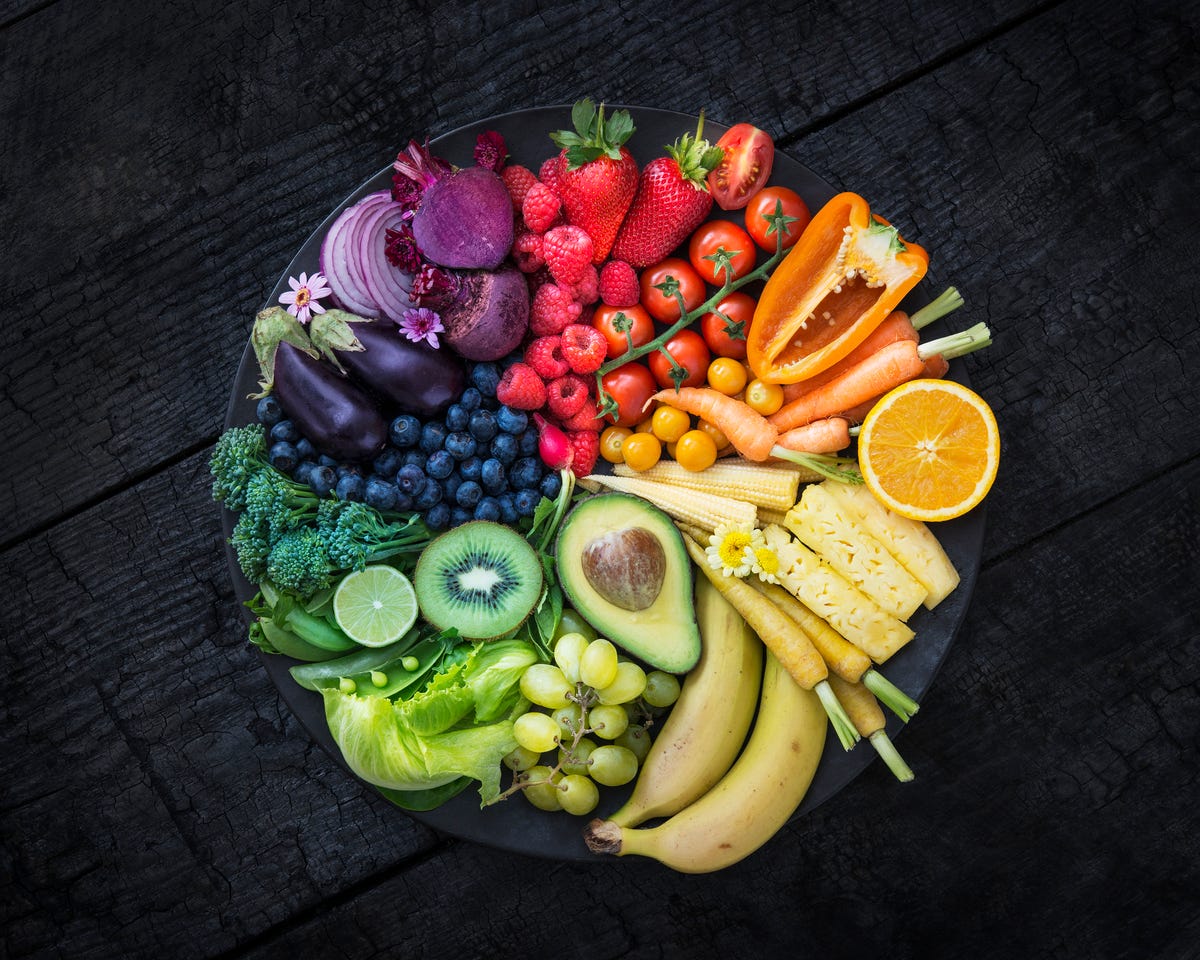
A diet full of colorful fruits and vegetables, whole grains and healthy proteins and fats will give your body the fiber, vitamins and minerals it needs to support a healthy heart. 

A bright rainbow spectrum of produce on a platter.

David Malan/Getty Images

Conversely, if you’re trying to boost cardiovascular health, you want to limit your intake of:

  • Trans fats
  • Saturated fats
  • Processed meats (for example, lunch meat, salami and hot dogs)
  • Excess salt
  • Excess sugar
  • Refined carbohydrates (for example, white breads and snacks)
  • Red meat
  • Excess alcohol

If a lot of your favorites are on the less heart-healthy list, don’t panic. You can still include them in your diet (unless your doctor says otherwise). Just make sure that these foods aren’t taking over every meal, and try to add as many heart-healthy foods into your day as you can.

Heart-healthy foods

Person in a long brown dress browses a grocery store aisle.

d3sign/Getty Images

If you want to feel good about what your next grocery trip will do for your heart health, you can grab items in these specific categories.

1. Fruits and vegetables

Remember the food pyramid from back in the day? It was on to something. Your body benefits from eating quite a bit of produce.

That’s because veggies and fruit load in a lot of nutritional density per bite. Bananas and sweet potatoes deliver potassium, a key mineral for heart health. Cruciferous veggies may help to prevent clogged arteries. Leafy greens deliver fiber, which can help to lower cholesterol and blood pressure. 

Long story short, the more produce you’re packing in, the better. And if fresh produce doesn’t work for your budget or your lifestyle, don’t worry. You can get plenty of nutritional benefits from frozen, dried and canned options. Just make sure they’re marked low-sodium. 

2. Whole grains

Not all carbs are bad. Refined carbs like the ones in white bread fly through your body, usually doing you more harm than good. But complex carbohydrates, like the ones you’ll find in whole grain products, deliver fiber, which we’ve already mentioned as a heart health booster. 

Plus, they often come packed with vitamins and minerals like iron, selenium, thiamin (Vitamin B1), riboflavin (Vitamin B2), niacin (Vitamin B3), folate (Vitamin B9) and magnesium. If you’re looking for a heart-healthy diet, choose products that have whole grains in their ingredient list. Plus, complex carbs can also be found in beans, potatoes, peas and corn.

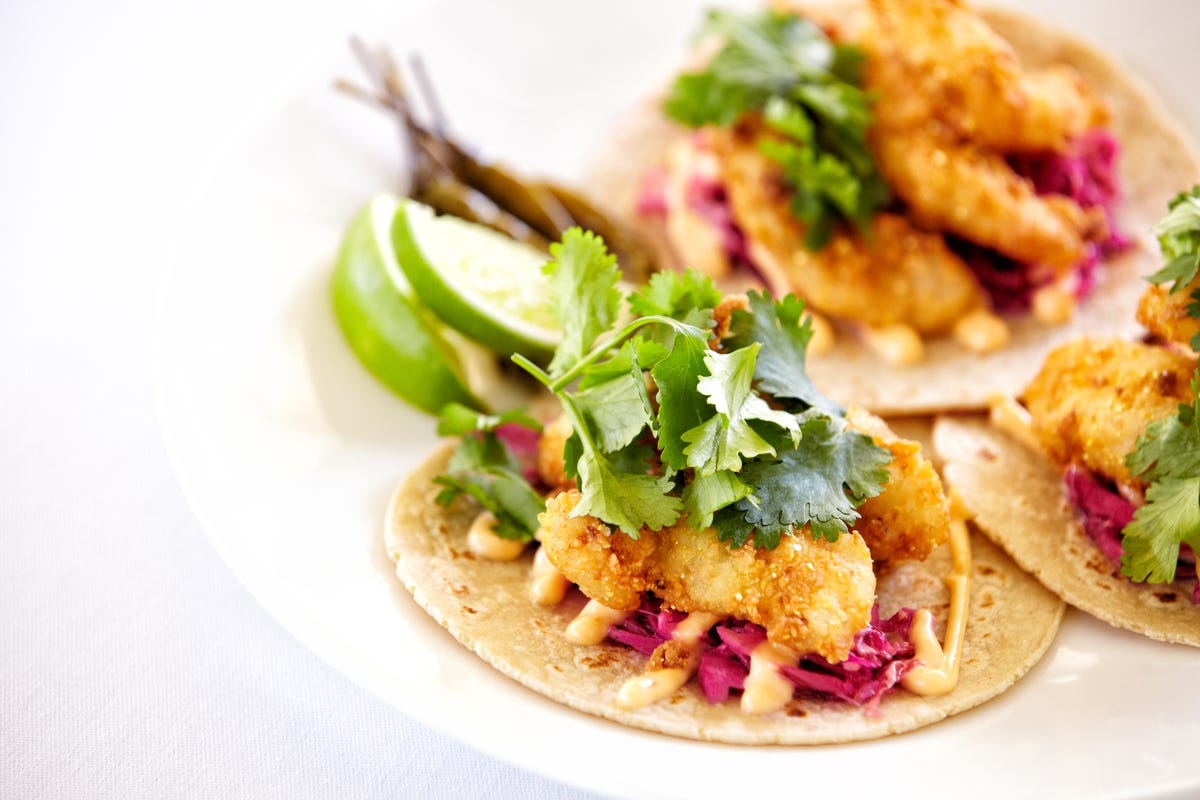
Fish tacos on a plate, with corn tortillas and fresh cilantro.

GSPictures/Getty Images

3. Lean and plant protein

While certain proteins — like red and processed meat — can be hard on your heart, others top the list of foods for heart health. The key here is to look for plant-based protein, lean animal proteins and fish. Experts recommend mixing up your protein sources. So you have plenty of options, stock up on:

  • Lentils
  • Beans
  • Nuts
  • Seeds
  • Tofu
  • Fish, especially ones high in omega-3 fatty acids
  • Eggs
  • Low-fat dairy products
  • Poultry
  • Seeds

Swap some of your red meat and cured pork for the options above and you’ll be doing your heart a favor. 

4. Healthy fats

You might think that fat spells heart trouble, but it’s all about the type of fat. While trans and saturated fats have been linked to cardiovascular issues in numerous studies, your body, including your heart, needs healthy fats. You can get these from fish, nuts and seeds, along with avocados and moderate amounts of plant oils like:

  • Olive oil
  • Sesame oil
  • Sunflower 
  • Soybean oil
  • Canola oil
  • Corn oil
  • Safflower oil

As a general rule of thumb, if the fat would be solid at room temp, it’s probably saturated. If it would be a liquid, it most likely falls under the unsaturated variety. Think butter (controversial for health) versus olive oil (definitely part of a heart-healthy diet). 

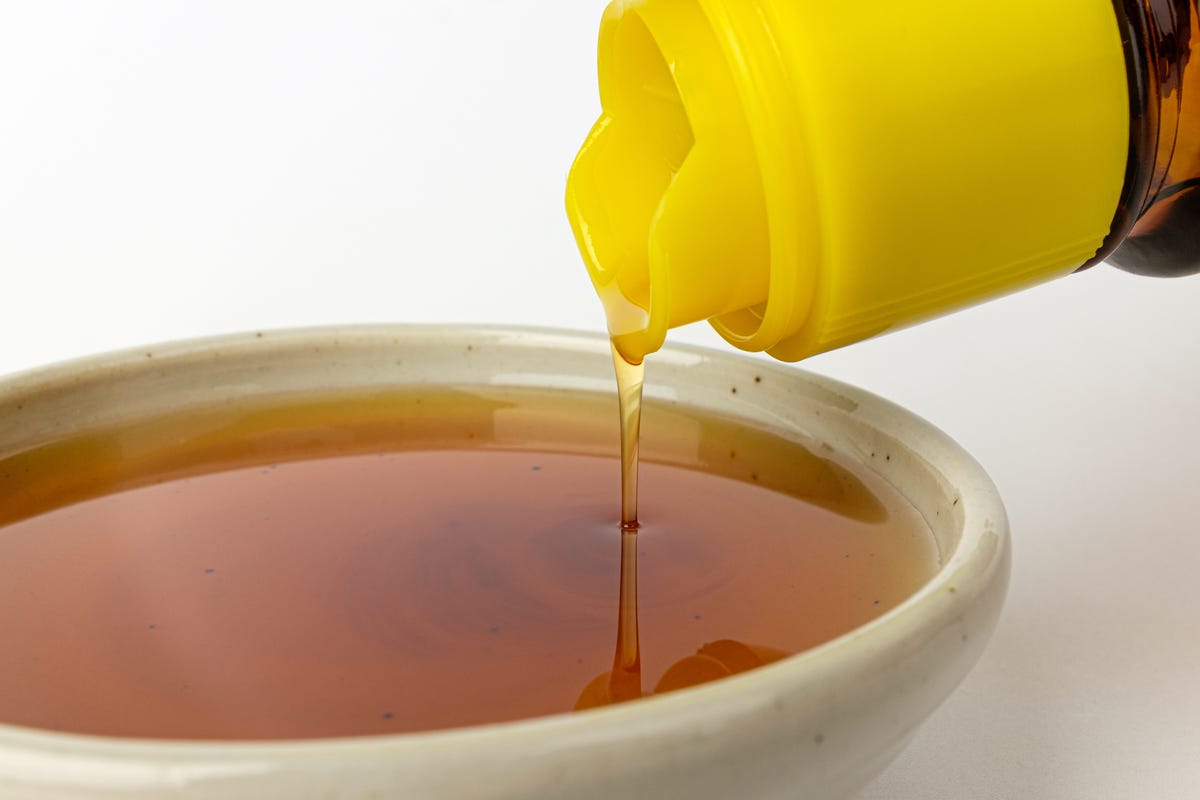
Sesame oil pouring into a small dish.

SUNGMIN/Getty Images

5. Heart-check foods

The American Heart Association has certified certain foods for heart health and given them the Heart-Check seal, which you can find on some food packaging. Once you learn that seal, it can make it easier to stock your cart with foods for heart health. 

For the best results, pair your heart-healthy diet with other heart health boosters like regular exercise, sleep and stress management techniques. It can also be helpful to learn your blood type and what it means for your risk of specific cardiovascular conditions. 

The information contained in this article is for educational and informational purposes only and is not intended as health or medical advice. Always consult a physician or other qualified health provider regarding any questions you may have about a medical condition or health objectives.