3 spicy margarita recipes for drinking in warmer weather

3 spicy margarita recipes for drinking in warmer weather

There are cocktail bars today that seem almost church-like — hallowed spaces where the faithful come to taste and engage in acts of exegesis, analyzing every nuance and extolling how spirit and bitters come together in the glass.

The margarita is not a drink of such bars.

Like most cocktails, the margarita — a combination of tequila, lime and triple sec that has been around since at least the 1930s, with a roster of claimants to its invention — has been endlessly upgraded and complicated by the modern craft cocktail movement. And there are serious and sublime agave spirit bars, in Mexico and domestically, that treat agave spirits, tequila and especially mezcal, as the complex and varied spirits they are.

Still, the vast volume of margaritas is still shaken up and slurped down at countless summer parties, mid-tier bars and Mexican restaurants, places with sunny patios and bottomless baskets of chips and salsa. The blender whirs, the sour mix splooshes and Roberto’s your tío. The deepest contemplation you’ll be doing is wondering how you’re going to get that guacamole stain out of your T-shirt.

But in New Orleans recently, I popped into Vals, the gas station-turned-Mexican-restaurant started by the team that runs celebrated cocktail haven Cure, and we got a round of margaritas that reminded me how good the drink can be. Vals’ frozen margarita was perfectly balanced — tart, sweet, the spirit gentle but present in the flavor, complemented by its Tajín chile-lime-salt rim.

As I sipped, I considered the various mediocre-ritas I’ve encountered — the too-diluted, the cloying, those dragged down by the lemon Pledge flavor of bad sour mix or Splitting Headache brand tequila. Of late, though, the most common problem, for me, has arrived in the form of a relative newcomer: the spicy margarita, in which the heat of chiles is added to the classic template.

The spicy marg is a drink that, done well, is everything I want in warmer weather. The tart-sweet-booze balance takes on a new dimension when peppers enter the scene. Incorporated well, they add complementary flavor and a zing of welcome heat. Overdone, you can end up with a stunt drink, the sort of thing base-jumpers would sip as they plunge off skyscrapers, yelling “EXTREME!” into each other’s GoPros.

Inviting chiles to your margarita is like asking a newbie to your longstanding happy hour: Will they get along with your other friends? Will they dominate the conversation? Will they throw their weight around? If a fight occurs, how do you get guacamole out of cotton?

The best way to make a spicy marg mind its manners will depend on just how much of a hothead you are. I’ve had spicy drinks I loved on the first sip, only to be silently suffering and wishing I had ordered differently by the fifth — palate fatigue can be acute with spicy drinks.

I often opt to add heat in tiny touches — as with that spicy/sour Tajín Clásico on the rim of the frozen margarita at Vals, or chile pepper concoctions doled out in drops. I like Bittermens’ Habanero Hellfire Shrub, which is hot and tart; the Smoked Chili bitters from Hella and Fuego bitters from El Guapo are also good pepper-uppers.

There are also chile liqueurs, such as Ancho Reyes’ original Ancho and the Verde, the former sweet and smoky, the latter retaining more of the raw poblano chile’s green vegetal notes. If you’re looking to try out the liqueurs, you can start by working them into a standard margarita template, replacing or supplementing a portion of triple sec.

The above brands are all worth playing with and generally offer consistency of both flavor and heat-level. The danger of the cheapest method — working with fresh chile peppers — is that it can lack that consistency. As any lover of guacamole knows all too well, peppers are mercurial, especially the common jalapeño. You can get one with a modest burn and then the next one will have all the fire of a tax seminar. Serranos are more reliable, and for the basic version of a spicy margarita (recipe below) I generally use a couple of wheels of it, dropping them into the cocktail shaker with the ice.

Along with that basic template, I’ve provided a couple of spicy margarita variations to try: The Tigerita (or Thai-gerita if you’re feeling cute) incorporates coconut, Thai basil and bird’s-eye chiles into the drink, and the Pineapple-Habanero margarita has three heat sources: fresh habanero and ancho chile liqueur in the drink, and Tajín Clásico on the rim of the glass. Both can be a little zippy or nigh nuclear, depending on how much of the angry little peppers you put in the shaker (as written, the recipes are geared toward milder palates).

Here are some basic guidelines for working with fresh chile peppers to create your own perfect spicy margarita.

  • Know your peppers. Their heat levels are measured in Scoville units, which essentially measure how much capsaicin — the compound in peppers that causes the burn on the tongue — is in the pepper. At 2,000-8,000 Scovilles, the gentle jalapeño quavers before some of the peppers sought by sadomasochistic eaters. Carolina Reapers, currently the hottest known, often measure more than 2 million Scovilles.
  • Chile peppers vary. The variation in peppers isn’t just heat — the burn is only part of their flavor. Habanero and some other high-heat peppers also have sweet tropical fruit notes. Jalapeño is more vegetal, with some of the same bell pepper flavors that can show up in silver tequilas. And then you have ancho chiles (dried poblanos), which are milder and smoky, which can make their flavor a great pairing with a smoky mezcal or add some interest to a standard silver tequila marg.
  • Divide and conquer: The hot stuff in peppers is concentrated in the ribs (the paler fibrous structures that surround the seeds) and the coating of the seeds. Including ribs and seeds in the pepper you put in your margarita will make it hotter; trim them off if you want to avoid that boost.
  • Longer steep, hotter drink. The more time a pepper spends in the mix — especially submerged in alcohol, a natural solvent — the more its flavor and heat will be extracted. In testing drinks, I found that the same amount of chile added to the shaker before the rest of the ingredients, instead of just before shaking, often resulted in a noticeably hotter drink. And if you don’t strain those chile solids out when you pour the drink, it will continue to infuse as you sip.
  • Practice safe slice. Wear protection — glove up if you’re working with anything much hotter than a jalapeño. It’s amazing how easy it is to chop up some hot peppers, wash your hands and go on your merry way, only to be unpleasantly confronted by their compounds’ staying power when you’re taking out your contact lenses later. (Don’t ask how I know this.)

Scale and get a printer-friendly version of the recipe here.

A bright and balanced margarita with adjustable heat (use jalapeño chiles if you want subtle heat; dial it up to serranos or add more chile if you’d like more zip). Blanco tequila works well here, but if you want a smokier version, go with a mezcal, such as Del Maguey Vida or Ilegal Joven.

Where to Buy: Agave syrup is available at many grocery and liquor stores; substitute simple syrup if you can’t find it. Tajín, a chile-lime seasoning salt, is available at many grocery stores, at Latino markets and online.

  • 1 tablespoon Tajín Clásico Seasoning, or more as needed (optional, for garnish)
  • 1/4 ounce agave syrup, plus more for garnish (optional)
  • Ice
  • 2 ounces tequila or mezcal
  • 1 1/2 ounces fresh lime juice
  • 1/2 ounce triple sec, such as Cointreau
  • 1 to 4 small slices jalapeño or serrano pepper
  • Lime wheel or jalapeño slice, for serving (optional)

If using the Tajín, on a small plate, scatter the seasoning. On another small plate, drizzle a circle of the agave syrup the circumference of your rocks glass. Dip the rim of the glass in the syrup, then in the Tajín so the seasoning sticks. (Alternatively, you can swipe a lime wedge around the glass rim before dipping the rim in the spice, but the syrup is more effective in getting the seasoning to stick.)

Add ice to the glass and set it aside.

Fill a cocktail shaker with ice. Add the tequila, lime juice, triple sec, agave syrup and chile slices and shake hard for about 15 seconds. Double-strain into the prepared glass, add a lime wheel or jalapeño slice, if using, and serve.

Scale and get a printer-friendly version of the recipe here.

Think of this spicy margarita riff, with Southeast Asian-inflected flavors and heat, as a Thai-gerita if you prefer. The amount of Thai bird’s-eye chiles you opt to incorporate can make it a gentle or fierce beast. If you can’t find these chiles, you can substitute serranos. The ice can be cubes or one big rock.

Where to Buy: Liber & Co. Toasted Coconut Syrup can be found online, but you can substitute Coco López or Coco Reàl. Thai chiles (often called bird’s-eye chiles) and Thai basil can be found at well-stocked supermarkets and Asian markets.

  • Ice
  • 6 leaves Thai basil, plus additional for garnish (optional)
  • 2 to 4 slices red Thai chiles, plus additional for garnish (optional)
  • Pinch of fine salt
  • 2 ounces tequila or mezcal
  • 1 1/4 ounces fresh lime juice
  • 3/4 ounce Liber & Co. Toasted Coconut Syrup

Add a large ice cube to a rocks glass and set aside.

In a cocktail shaker, combine the Thai basil, chile slices and salt, then fill it with ice. Add the tequila or mezcal, lime juice, and coconut syrup. Shake hard, about 15 seconds, then double-strain into the glass. Garnish with basil leaves and a chile slice, if you like, and serve.

Pineapple-Habanero Margarita

Scale and get a printer-friendly version of the recipe here.

For true spice lovers, this spicy, bright and balanced margarita has three heat sources at work: slices of habanero and a dash of ancho chile liqueur in the drink, and chile-lime salt on the rim. We recommend a smoky mezcal, such as Del Maguey Vida, to stick with the fiery theme, but a blanco or reposado tequila will work well, too. Note: You may want to use gloves when slicing the habaneros.

Where to Buy: Ancho Reyes Original chile liqueur and pineapple gomme syrup (Small Hand and Liber & Co. are both good brands) can be found at well-stocked liquor stores and online. Tajín is available at many grocery stores, at Latino markets and online.

  • 1 tablespoon Tajín Clásico Seasoning, or more as needed, for garnish
  • 1 ounce pineapple gomme syrup, plus more for the spice rim
  • Ice
  • 2 ounces mezcal or tequila
  • 1 ounce fresh lime juice
  • 1/2 ounce Ancho Reyes Original chile liqueur
  • 1 to 2 thin slices habanero chile pepper

On a small plate, scatter the Tajín. On another small plate, drizzle a circle of the pineapple gomme syrup the circumference of your rocks glass. Dip the rim of the glass in the syrup, then in the Tajín, so the seasoning sticks. (Alternatively, you can swipe a lime wedge around the glass rim before dipping the rim in the spice, but the syrup is more effective in getting the seasoning to stick.)

Add ice to the glass and set it aside.

Fill a cocktail shaker with ice. Add the mezcal, lime juice, pineapple syrup, chile liqueur and chile slices. Shake hard for about 15 seconds, then double-strain into the prepared glass and serve.

Recipes from Spirits columnist M. Carrie Allan.

This Hanky Panky Recipe Puts a Spicy Twist on the Fernet Drink

This Hanky Panky Recipe Puts a Spicy Twist on the Fernet Drink

The Hanky Panky had always been a favorite of Ektoras Binikos, beverage director at Sugar Monk in Harlem, New York. When he set out to develop his own recipe for the drink, a variation of the classic Martinez, he opted not to mess with the “golden ratio” of Ada Coleman’s original recipe. Instead, his approach was to dissect and tweak the drink’s individual components, which are typically equal parts gin and sweet vermouth, plus a bracing bar spoon of Fernet-Branca—a simple and elegant construct, he notes. 

First, he subbed genever for gin, in a move that was admittedly more about practicality than preference. Each Monday, Sugar Monk offers classic cocktails to accompany live jazz performances. Because the menu leans on Prohibition-era drinks, it’s a gin-heavy list. “So we thought, let’s try something different,” he says.


At first, he tried a base of unaged whiskey, or moonshine, in place of the traditional gin. “The cocktail was too round, a little heavy,” according to Binikos. He then pivoted to malty genever, which added just enough complexity. Specifically, he uses Old Duff, an unaged Dutch genever distilled from a mix of rye and malted barley, which adds depth while being light enough that it doesn’t put off gin purists.


Juxtaposed against the genever, Binikos adds an equal amount of Carpano Antica, the bar’s vermouth of choice, for its vanilla tones, which harmonize with the maltiness of the genever.

Echoing the original, a teaspoon of Fernet-Branca anchors the drink. While Binikos’ preferred version switches the amaro for Branca Menta, he wasn’t convinced others would love it as much as he did. “Menta can take over,” he concedes. So he returned to Fernet-Branca, which allows the whiskey-like grain notes in the genever to shine.

The final differentiating touch comes via housemade orange bitters. When the pandemic temporarily shut down New York’s bars and restaurants, Binikos began manufacturing herb- and spice-infused amaros, liqueurs and bitters. Although these elaborate flavors had always been part of the bar’s drinks, he took advantage of the enforced downtime to codify the formulas and bottle them for commercial sale. 

The orange bitters—one of 17 varieties developed by the bar “to create something unique to Sugar Monk, another layer”—are made by combining coriander and cinnamon with a mix of Seville orange, bergamot, “a little bit of Buddha’s hand if available” and Thai or Japanese chile peppers. The latter ingredient imparts a touch of heat, which distinguishes the bitters from others on the market. While Sugar Monk’s bitters can be purchased at the bar, to approximate the effect at home, Binikos recommends infusing Regans’ orange bitters with fresh chiles. 

“There’s a little heat at the end, but not too much,” Binikos says. “It brightens the cocktail a little bit.” Finally, a quick spritz of orange oil over the top of the drink adds enticing aroma and accentuates the bitters. 

The result provides an accessible introduction to genever, with just a flicker of spicy heat enlivening a traditional stirred drink. And despite the conventional wisdom that the Martinez is a forerunner of the Martini, Binikos says his version is closer to a Negroni, thanks to its mix of sweet vermouth, orange and aperitif-adjacent Fernet. “It’s like two-thirds of a Negroni,” he says, “but more whimsical.”

Survive your Veganuary slump with these spicy recipes

Survive your Veganuary slump with these spicy recipes

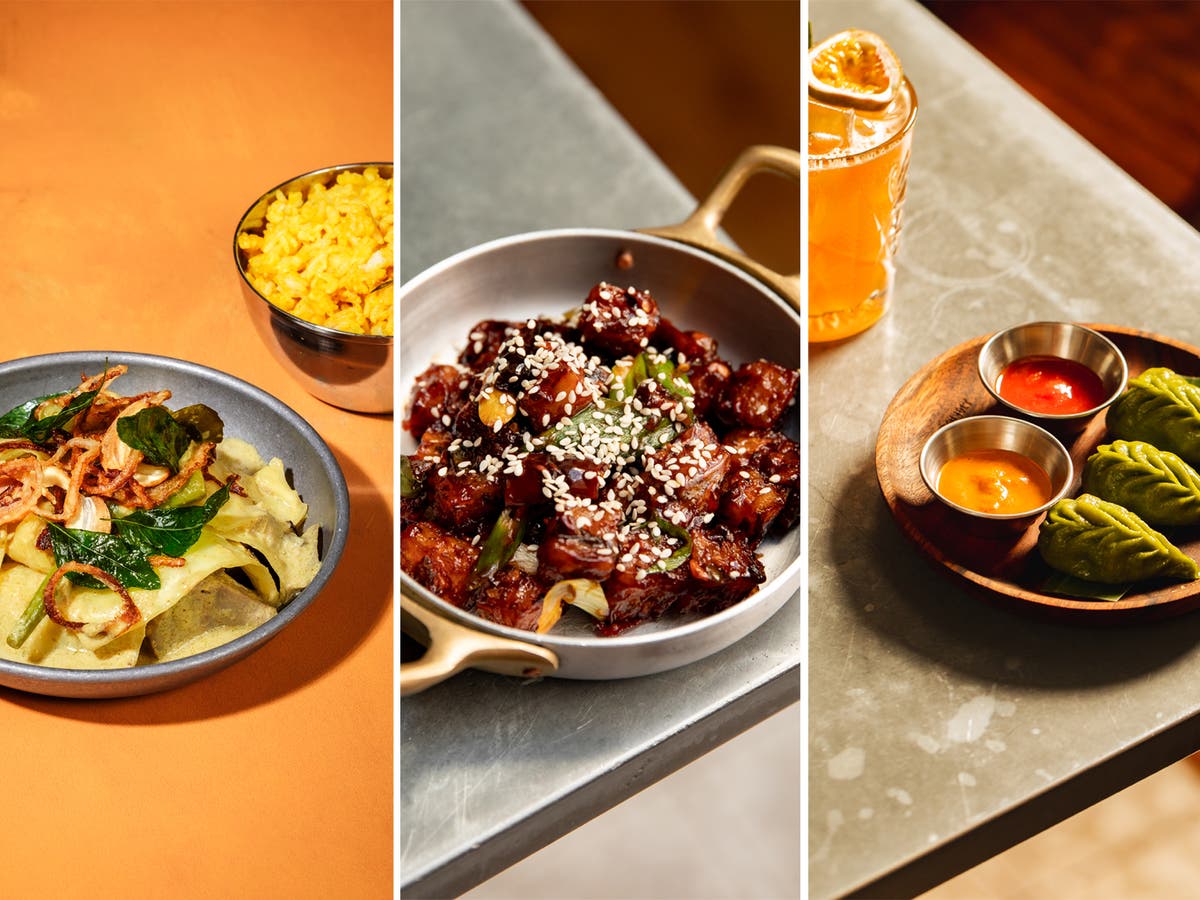
Having a mid-Veganuary slump? These recipes from London restaurants Fatt Pundit and Mambow should jazz up your dinners for the week.

Fatt Pundit’s Indo-Chinese street food staple momos are a great way to start any meal, and can be easily filled with other proteins too. The tofu and vegetable filling is a homely healthy way to finish the day, and can be steamed or pan-fried. 

The sticky sesame vegetables are another moreish classic that are a must-order at the restaurant, and are an easy way to impress friends or family at home.

Mambow’s Malaysian jackfruit curry from Abby Lee is the perfect warming vegan midweek meal that you can batch cook and enjoy again and again. Made with jackfruit, cabbage and green beans, it’s a healthy and delicious way to get five a day, and can be adapted with any other vegetable that has been stored away.

Sticky sesame vegetables

Ingredients:

100g carrot, cut into thin strips

200g cabbage, cut into thin strips

100g grean beans

100g onions, thinly sliced

Oil for frying

For the batter:

5 tbsp cornflour/corn starch

5 tbsp refined flour

Salt to taste

For the sauce:

4-5 garlic cloves, chopped

5-6 whole dry red chilli

50g spring onions, chopped

2 green chillies, finely chopped

2 tbsp ketchup

1 tbsp dark soya

1 tbsp agave nectar

Salt to taste

Toasted sesame seeds for garnish

Method:

1. Mix cornflour, refined flour and salt in a bowl with enough water to make a thick batter. Add the vegetables and mix so that all the vegetables are well coated. Mold the battered vegetables into palm-sized flattened cakes.

2. Heat enough oil in a wok and deep-fry the vegetable cakes 1-2 minutes, just until they start changing colour. Drain on absorbent paper and set aside.

3. Once the cakes are fried, cut them into bite-size pieces and again deep fry until they are golden brown and crispy.

4. For the sauce, heat two tablespoons of oil in a pan until its smoking hot, add the dry red chilli to get the smoking flavour in the pan/wok; add garlic, green chilli, sauté until brown in colour.

5. Add the ketchup, dark soya, honey, spring onion and salt, and sauté for half a minute. Add all the fried vegetables and mix well until the vegetables are coated with the sauce. Sprinkle with toasted sesame seeds and serve hot.

Mixed vegetables momo

Indo-Chinese street food staple momos are a great way to start any meal

(JWH Photography)

Prep time: 26-30 minutes | Cooking time: 11-15 minutes

Ingredients:

For the dough:

250g all-purpose flour

100g spinach leaves (optional for colour)

125ml water

½ tsp salt

For the filling:

100g chopped shiitake

For the mushroom:

100g shredded green cabbage

70g chopped carrot

70g chopped courgette

50g chopped onions

2 tsp salt, more to taste

1 tbsp minced ginger

2 cloves garlic, minced

2 tsp sesame oil

2 tbsp soy sauce

120g firm tofu, crumbled

½ tsp black pepper powder

½ tsp white pepper powder

3-4 tbsp olive oil or vegetable oil

Method:

1. Start by making the dough for the dumpling wrappers. Put the flour in a large mixing bowl. Gradually add the water to the flour and knead into a smooth dough. Puree the spinach leaves in a blender and mix it well with dough. This process should take about 10 minutes. Cover with a damp cloth and let the dough rest for an hour.

2. In the meantime, make the filling. In a wok or large skillet over medium high heat, add 3 tablespoons oil and add ginger and garlic. Cook for 30 seconds, until fragrant. Add the onions and stir-fry until translucent.

3. Add the chopped mushrooms and stir-fry for a few minutes, until the mushrooms are tender, and any liquid released by the mushrooms has cooked off.

4. Add the cabbage, carrots, courgette, and stir-fry for another few minutes, until the veggies are tender, and all the liquid released has been cooked off. Transfer the vegetable mixture to a large colander, place the colander on a deep plate or tray to collect the excess water released by the vegetable mixture as it cools.

5. To the bowl add black pepper powder, white pepper powder, sesame oil, soy sauce. Season with salt to taste (though the soy sauce will usually add enough salt to the filling).

6. Crumble the tofu and add to this mixture.

7. Divide the dough into small balls. Roll in dry flour and roll into small 2 inch circle keeping the edges thin and the centre thick. For well executed MOMO’s, it is essential that the middle portion of the wrapper be slightly thicker than the edges to ensure the structural integrity of dumplings during packing and steaming.

8. For packing hold wrapper on one palm, put one tablespoon of filling mixture and with the other hand bring all edges together to the centre, making the pleats. Pinch and twist the pleats to ensure the absolute closure of the stuffed dumpling. This holds the key to good tasting, juicy dumplings.

9. To cook the dumplings, steam them or pan-fry them. To steam, put the dumplings in a steamer (oil the steamer rack well to avoid sticking) lined with a bamboo mat, cabbage leaf, or cheese cloth, and steam for 15-20 minutes.

10. To pan-fry, heat 2 tablespoons oil in a non-stick pan over medium high heat. Place the dumplings in the pan and allow to fry for 2 minutes. Pour a thin layer of water into the pan, cover, and reduce heat to medium-low. Allow dumplings to steam until the water has evaporated. Remove the cover, increase heat to medium-high and allow to fry for a few more minutes, until the bottoms of the dumplings are golden brown and crisp.

Sesame seed chutney (for the momo)

Ingredients:

1 tbsp vegetable oil or olive oil

2 tbsp garlic paste

2 tbsp ginger paste

1 tbsp red chilli flakes, or less to taste

3 tbsp sesame seeds

100g red onion, chopped

350g tomato, chopped

2 tbsp freshly squeezed lemon juice

1 cup water

Method:

1. Heat the oil in a pan over medium. Add the garlic and ginger and cook until fragrant, Add the sesame seeds and red chilli flakes and roast for a couple of minutes.

2. Add the onion and sauté until soft, then add the chopped tomatoes. Cook until soft and juicy.

3. Transfer the mixture to a blender, lemon juice, and water and blend until smooth. Taste and add salt if desired. Use immediately or allow to chill in fridge.

Gulai nangka (jackfruit curry)

The perfect warming vegan midweek meal that you can batch cook and enjoy again and again

(Caitlin Isola)

Recipe by: Abby Lee, chef-founder of Mambow, London

Serves: 4

Ingredients:

480g tinned young green jackfruit

120g gulai paste (see below)

10g curry powder

6 makrut lime leaf

280g coconut milk (Aroy-D is our favourite brand)

4g gula melaka (or another type of palm sugar)

280g water

1 asam gelugor (or 1 tsp tamarind concentrate to taste – Vietnamese or Thai brand preferably)

145g white cabbage, cut into big chunks

40g green beans, ends off and cut into two

Fine sea salt to taste

100ml rapeseed or vegetable oil

For the gulai paste:

20g soybean paste or white miso paste

65g shallots

10g garlic

15g ginger

5g red bird’s eye chilli

For the curry powder:

½ tsp ground turmeric

½ tbsp ground cumin

½ tsp ground fennel

½ tbsp ground coriander

Method:

1. Chop the ingredients for the gulai paste roughly and blend until smooth into a food processor.

2. Mix the ingredients for the curry powder.

3. In a medium saucepan, heat vegetable oil to a medium high heat. Add the gulai paste and curry powder, stir well and fry until it is fragrant, for about 5 minutes.

4. Drain and add your jackfruit pieces to the pan. Coat each piece well in the paste. Add water to the pan so the jackfruit is nearly covered. At this point, add your seasonings – gula melaka, asam gelugor, salt. Let simmer for 45 minutes.

5. Towards the last 10 minutes of cooking time, you can then add makrut lime leaf, white cabbage, green beans and coconut milk. Do not overboil the coconut milk.

6. Taste at the end for more sugar, salt or tamarind. Serve!

Sweetcorn and spicy salad: Joe Woodhouse’s recipes for grilled vegetables | Food

Sweetcorn and spicy salad: Joe Woodhouse’s recipes for grilled vegetables | Food

Barbecue time could have passed, but all grilling – outside or indoor – imparts an addictive smokiness to foodstuff. Today’s Turkish salad utilizes the preliminary strength of the flames I enjoy tumbling veg on to a barbecue (or griddle pan), where by the high heat cooks them rapidly, which helps maintain them juicy. And just about all people loves elotes, a Mexican avenue food of grilled and dressed sweetcorn. Thoughts you, everything is improved cooked about fireplace or scorched.

Grilled elotes (pictured top)

Cooking corn with the husks on assists the kernels to steam internally when grilling, so they stay juicy, but continue to get a superior, smoky flavour. To test if they’re done, carefully peel again 1 of the husks and slice a pair of kernels absolutely free with a small knife if they’re not nonetheless comfortable, basically prepare dinner the corn for a bit for a longer time.

Prep 10 min
Soak 1 hr
Prepare dinner 20 min
Serves 6, as a starter or a side

6 sweetcorn cobs, preferably with husks on
150g parmesan
, finely grated, or blitzed in foodstuff processor
1 tbsp smoked paprika
Sea
salt flakes, to taste
2 limes
, zested, then slash into sections
1 handful new coriander, leaves picked, stalks finely diced
125g mayonnaise

If you’re applying corn with husks, submerge them in chilly h2o for an hour in advance of you commence cooking (this will quit the husks burning or drying out although grilling). Normally, brush each and every cob all in excess of with a tablespoon of oil.

Grill the corn with husks evenly, turning them on a regular basis, for 15-20 minutes (if you’re working with corn devoid of husks, retain them moving to make confident they really do not overcook they will be prepared a great deal a lot quicker than those with husks). If you don’t have a barbecue, a plancha, griddle pan or cast-iron skillet will also perform.

Meanwhile, combine the cheese, paprika, a very good pinch of salt, lime zest and coriander stalks, and scatter evenly on a massive plate.

When the corn cobs are ready, peel back the husks and twist them to trend a makeshift cope with. Brush every single a single evenly with a tablespoon of mayonnaise, then roll them in the cheese combine. Organize on a serving plate and garnish with the coriander leaves and lime. If you want the corn to be more of a side dish, minimize them into sections before plating.

Grilled Turkish salad

Joe Woodhouse’s grilled Turkish salad.

A excellent, chunky, spicy salad to go with any grill supplying. Regulate the chilli to your flavor, or, after the chilli is grilled, finely mince it and serve on the side for people to add their personal.

Prep 10 min
Cook 30 min
Serves 4

3 purple onions, peeled and minimize throughout the equator
4 peppers – a combination of colors, ideally
1-2 crimson chillies
500g tomatoes
15g parsley leaves
, about chopped
2 tbsp pomegranate molasses
3 tbsp added-virgin olive oil
Sea salt flakes

Set the peppers, onions (reduce side down), chillies and tomatoes on a barbecue or griddle pan. (Relying on the dimensions of your tomatoes, and the width of the gaps in the grill grate, use your judgment as to no matter if it would be clever to prepare dinner them in a cast-iron pan.)

Cook the peppers and chillies, turning them periodically, for 15-25 minutes. At the time the flesh is delicate and the skins are charred and blackened, transfer to a bowl and protect with a plate, so the skins steam cost-free of the flesh.

When the onions are perfectly charred on their minimize sides, turn them around and do the very same on the other side. As soon as done, peel off and discard any excessively black levels, then quarter the onions and place in a bowl with the parsley, molasses and oil.

Finely chop the skinned chilli, with or devoid of seeds, as you choose, and increase to the onion bowl. When the tomatoes are collapsing, approximately chop them into respectable chunks and increase to the onion blend.

Take away the stalks, pith and most of the seeds from the peppers, then peel away as significantly of the pores and skin as you can (some remaining is not a dilemma, and the identical goes for the seeds). Minimize the peeled peppers into rough quarters, then minimize in 50 percent all over again across the centre and insert to the onion mix. Period with a generous pinch of salt, mix and style, introducing extra salt or molasses as wanted.