Virginia Sole-Smith on Kids, Weight, and Healthy Eating

Virginia Sole-Smith on Kids, Weight, and Healthy Eating

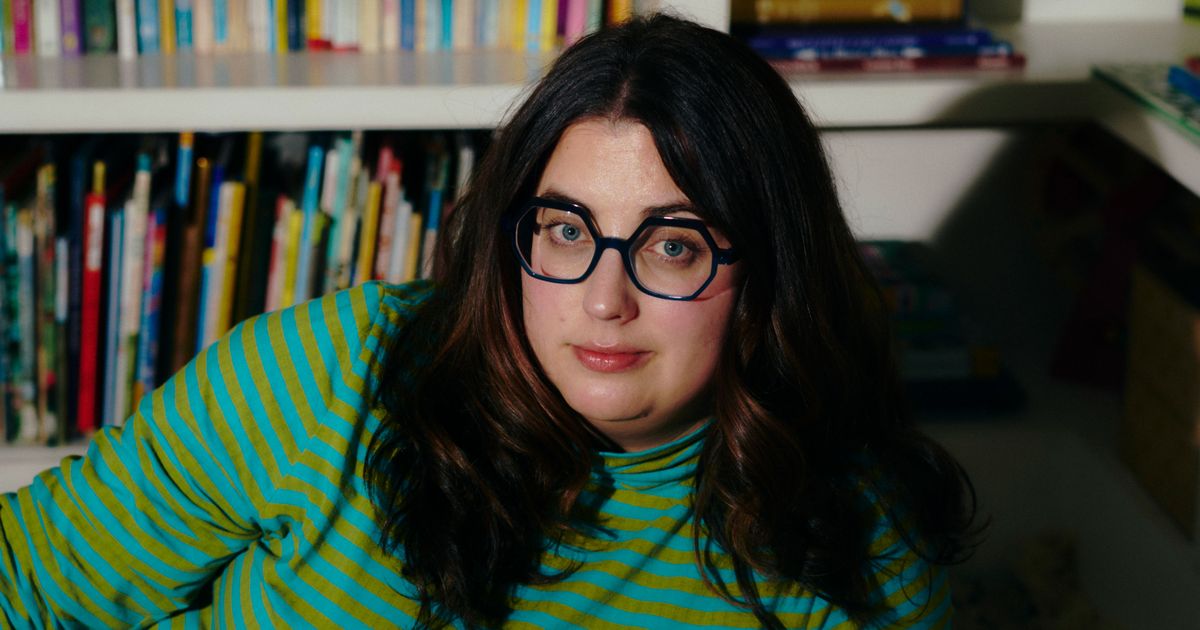
In an early episode of her podcast, Burnt Toast, Virginia Sole-Smith joked about starting a regular segment called “Can my kid eat that?” where the answer would always be “Yes!” A self-described anti-diet journalist, she wasn’t really joking: “I get a version of this question every single week, so I’m going to keep answering it.” How many days per week can a 2-year-old eat ice cream? “There are seven days in a week. Your child can have ice cream seven days a week. There is no law against this.” What about a 13-year-old who, left to their own devices, would eat an entire box of Oreos? “Pour a glass of milk — so they can dunk them?”

“Oreos come up a lot, man,” Sole-Smith says, laughing while snacking on a bowl of Cheez-Its in her home office in the Hudson Valley. “I mean, I like Oreos fine, but it’s really the fact that you’re not letting yourself have Oreos that makes it feel like Oh my God, I’ll be powerless over them.” She seems more amused than exasperated, though she finds herself repeating this point often — that restricting food only makes us more obsessed with it. A 41-year-old mother of two, she knows her generation has been programmed to believe that allowing their kids unlimited access to sugar and processed foods is unhealthy or even bad parenting. A central premise of her work is that, actually, it isn’t.

I’m a parent of a toddler, and my Instagram feed is full of advice from pediatric dieticians and guides for introducing your baby to kale and branzino. When I first came across Sole-Smith’s newsletter about how we’d all be better off if we chilled out about what’s in our kids’ lunch boxes, it felt like a relief. Since launching Burnt Toast on Substack in 2021, Sole-Smith has gained a following among millennials who recognize that they’d rather not pass on their screwed-up relationships with food and with their bodies to their kids. “We all know the diet culture we grew up with in the ’80s and ’90s did a lot of damage. We don’t want to be like our moms with their point counting,” she says. The problem is that most parents are still deeply afraid of having fat kids.

After publishing her first book, The Eating Instinct, about the U.S.’s cultural relationship to food, Sole-Smith heard from a lot of parents who were trying to do better. “It was clear that they really wanted their kids to feel good about their bodies and have a healthy relationship with food and not get eating disorders — but also to be thin,” she says. It’s not hard to understand why: Her reporting documents the many ways the world is horrible to fat people — children included. But she’s convinced that real progress isn’t possible until we all start to recognize and unlearn our anti-fat bias. Her new book, Fat Talk: Parenting in the Age of Diet Culture, argues that if we really care about raising healthy and happy children, we need to get over our fear of fatness.

Even before my daughter was born, doctors instilled in me the fear that I might make her too big. When I was diagnosed with gestational diabetes, my OB warned that if I didn’t follow a strict diet, the baby would gain too much weight, putting us both at risk for birth complications. The assumption that weight corresponds directly with health is reinforced at every pediatrician appointment, which typically begins with a weigh-in and assessment of where your child falls on the growth chart. And if it weren’t already clear where doctors stand, the American Academy of Pediatrics recently doubled down on its commitment to fatphobia: The organization’s new obesity guidelines recommend diets for kids as young as 2 and weight-loss medication and surgery for adolescents.

If you’ve grown up alongside messaging about the “childhood-obesity epidemic,” it may come as a surprise that the link between weight and health is far less straightforward than we’ve been led to believe. In Fat Talk, Sole-Smith lays out a robust body of research debunking the idea that high body weight alone is a cause of negative health outcomes. “The real danger to a child in a larger body is how we treat them for having that body,” she writes. That’s because it is clear that experiencing weight stigma is associated with all sorts of health issues including heart disease, diabetes, and high cholesterol. Making kids (or anyone) feel bad about their weight — including subjecting them to weight-loss interventions — is not only cruel but demonstrably bad for their physical and mental health.

Sole-Smith wants her readers to understand that there’s no harmless way to keep pursuing thinness — for your child or yourself. She knows it’s a tough pill to swallow. Her inbox is full of emails from women who read her newsletter but find themselves getting stuck. “A lot of them say, ‘I totally get what you’re saying. I don’t want to discriminate against people. But I personally cannot give myself permission to be fat, because I feel better if I’m thin,’” she says. “They’ll attribute it to health, but what they really mean is ‘Society makes my life easier when I’m thin.’”

By obsessing over thinness, Sole-Smith argues, we’re complicit in upholding a pervasive system of oppression with deep roots in racism and classism. But somehow, reading her work still feels more comforting than confrontational. She wants to help us recognize our biases — not to make anyone feel bad. “If I make every thin white woman feel like shit, they’re not going to engage and we’re not going to get anywhere,” she says. Sole-Smith knows that fatphobia is all around us, and she’s not offended by the fact that most people have internalized it. “I try to help people understand that it’s actually not about you,” she says. “I really fundamentally believe it’s a ‘hate the game, not the player’ situation.”

Her own evolution on these topics has been a multi-decade process. She grew up in Connecticut, where her dad was a political-science professor at Yale and her mother worked in insurance. As a thin kid, she didn’t feel like her body was viewed as a problem. “I was a really picky eater,” she says. “I lived on, like, spaghetti, peanut butter and jelly, turkey sandwiches, and strawberry yogurt until I was about 12.” She feels lucky her parents weren’t pushy or panicked about it. But she still had the sense that for the adults in her life, weight was something they had to think about a lot and manage. “When I came home from my freshman year of college, both my parents noticed in subtle ways that I had gained weight,” she says. “They weren’t harsh about it, but it was like, ‘Oh, your shorts are fitting differently.’”

After graduating, Sole-Smith spent the early 2000s writing weight-loss stories for women’s magazines like Glamour and Marie Claire. “That was a time where we weren’t calling them diet stories anymore. We were calling them ‘wellness’ or ‘portion control.’ ‘Eat smarter.’ ‘Eat whatever you want but not sugar,’” she says. Even then, advising women on how to change their bodies didn’t sit right with her. But her real shift of perspective came after her daughter Violet was born in 2013. At 1 month old, Violet stopped eating as a result of medical trauma and had to be put on a feeding tube.

Over the next year, Sole-Smith and her husband struggled to help their infant regain interest in food. “I’d spent my whole career trying to map out rules for how we eat,” she says. “They were all predicated on the idea that someone else knows better than you and if you follow these rules, you will be thin, you will be happy, everything will work.” But when Violet refused to nurse or take a bottle, even her doctors were at a loss. In the end, the approach that worked wasn’t about pressuring or rewarding her to eat. Instead, they had to help Violet relearn how to listen to her internal hunger cues — and trust her to decide when and how much she wanted to eat.

Trusting children to listen to their bodies is now a defining principle of Sole-Smith’s work. Having a baby with a feeding disorder, she learned firsthand that “obsessing over it doesn’t fix it — it makes it worse.” Even for parents fighting far more mundane dinner-table battles, research shows that exerting too much control over what your kid eats — whether it’s pressuring them to eat vegetables or restricting sweets — usually backfires. So what does “healthy eating” for kids look like? When it comes to feeding her daughters, who are now 9 and 5, Sole-Smith’s priority is respecting their autonomy. “It’s the power to say no, to be curious and try new things, and to decide when and how much they want to eat.”

Photo: Yael Malka

She has accepted that the reality of life with young children is sometimes that they eat Cheerios for three meals per day, and it’s fine. “Vegetables are the least important part of it to me,” she says. “They have their whole lives to decide if they want to eat kale.” Her pantry is stocked with Puff’d Cheez-Its, Extra Toasty Cheez-Its, and Goldfish — “Yes, that’s three different kinds of orange crackers” — plus Girl Scout cookies and Chewy chocolate-chip granola bars. A handwritten list of “Family Dinner Rules” hanging in the kitchen includes “No pressure/Listen to your body” and “You don’t have to earn dessert.” It’s not that she doesn’t care at all about nutrition, but she’s convinced that fixating on it leads nowhere good. “We know from research that the nutrition piece tends to work itself out,” she says. “If we’re serving a variety of foods, over the course of a week, kids will hit a lot of different food groups.”

That moms make up the majority of Burnt Toast’s 28,000 subscribers isn’t surprising. “Women are held to more rigid body ideals and parenting ideals,” Sole-Smith says. “We’re socially conditioned to be the ones who make the meal plans and worry about picky eating, and then worry when the pediatrician says they’re too high on the growth chart.” Fat Talk makes clear that our dysfunctional relationship with food is tightly wound up in misogyny and assumptions about motherhood. According to Sole-Smith, in almost every interview she has done with someone who struggled with disordered eating, they mention something their mother said or did that made things worse.

That’s not to say dads have no role in this: Sole-Smith writes that when she asked her readers what was stopping them from taking a nonrestrictive approach to food with their kids, the most common answer was “my husband.” She says a lot of the pushback she gets comes from men. “It’s like a greatest-hits album that they play: ‘It’s bad parenting.’ ‘It’s lack of willpower.’ ‘It’s people who are lazy and don’t care about eating well or exercising.’”

“I sometimes joke that my role in all this is to bring the thin white women along,” Sole-Smith says. It doesn’t bother her that her audience is mainly women: They’re the ones who are open to the change she’s advocating, which is deceptively radical.

For me, the permission to stop stressing about how often my 2-year-old eats only French fries for dinner has been a welcome relief. But after years of telling myself to just eat salad or jog a few more miles, I know I’m still a long way from viewing my body or my daughter’s with anything approaching neutrality. Truly relinquishing control is hard to do. “If you give up chasing weight loss, you invite in all of the shit that comes with being a fat person or even with being a less-thin person,” Sole-Smith says. But she has convinced me that it’s worth it to keep trying. The way she sees it, it’s really about the willingness to give up a little bit — or a lot — of privilege. She knows that’s scary. “But it’s also incredibly liberating.”
How to Lose Weight by Eating More, According to Dietitians

How to Lose Weight by Eating More, According to Dietitians
  • You don’t have to focus on restriction or cutting out food groups to lose weight, dietitians say. 
  • Instead, try adding nutritious foods like protein sources, fiber-rich veggies, and other whole foods.
  • Focusing on what you can eat instead of depriving yourself can help make a diet sustainable. 

Losing weight doesn’t have to feel restrictive — adding healthy options to your diet can be a more effective way to see results than cutting out certain foods, according to dietitians. 

To reduce body fat, you need to be in a calorie deficit, eating fewer calories than you burn off in the form of exercise and activity. But you don’t have to cut out treats, eliminate carbs, or fast for long hours.

Instead, focus on getting enough protein, fiber, and whole foods, so you can enjoy meals while still lowering overall calorie intake to lose weight and keep it off long-term, dietitians said. 

Eating more protein can keep you full and support your metabolism

One way to make your diet more satisfying and support weight loss is to include a variety of protein sources to help you feel full, sports dietitian Angie Asche previously told Insider. 

“Satiety is a big factor,” Asche said. “If your goal is muscle strength and you want to decrease fat, than upping your intake might be helpful.” 

Protein is an essential macronutrient for maintaining tissues like muscle. Evidence suggests getting enough of it can help you lose weight by preserving muscle mass, keeping your metabolism strong as you burn fat. 

The right amount of protein for most people is between 0.5 to 1 gram of protein per pound of body weight, sports dietitian Nancy Clark previously told Insider. 

However, it is possible to eat too much protein, which can cause you to overdo it on calories and won’t lead to additional weight-loss or muscle-building benefits, according to Asche. 

“Anything in excess, if you’re not wanting to gain weight, may not be helpful,” she said. 

Fiber-rich foods help control appetite and keep your digestion healthy 

Another strategy for eating more food and fewer calories is to load up on fiber, a type of carbohydrate found in foods like legumes, fruit, veggies, and whole grains. 

Fiber slows digestion, which can keep you full after a meal to support healthy weight loss. It also feeds the beneficial bacteria in the digestive system known as the gut microbiome, which is linked to benefits like a healthy weight and lower risk of disease. 

High-fiber meals and snacks include oatmeal, black bean wraps, nuts, and rice bowls, according to dietitian Bianca Tamburello. The FDA recommends adults consume 28 grams of fiber per day. 

Fill your plate with whole foods like veggies to cut calories without feeling deprived

A common dieting mistake is focusing on restricting foods to lose weight, which can leave you cranky, hungry, and less likely to stick to your plan, dietitian Jaclyn London previously told Insider. 

Instead, prioritize adding healthy foods to make sure you’re meeting your nutritional needs, she said. 

“Think about ‘more’ — more produce, more fruit,” London said. “The more you can think about including, the more satisfying your meals can be.”

A good starting point is to make the majority of your plate non-starchy veggies like leafy greens, according to Dr. Mark Hyman, a family physician who specializes in a food-as-medicine approach to health.

He said eating more whole foods can help you cut out processed foods, which are less nutritious and linked to a wide range of health issues like heart disease and cancer. Evidence also shows processed foods are “hyperpalatable,” causing you to eat more than intended.

Structuring your meals around nutrient-dense whole foods for about 90{d2b09b03d44633acb673e8080360919f91e60962656af8ade0305d5d8b7e4889} of your diet leaves the remaining space in your calorie budget to treat yourself, dietitian Georgie Fear previously told Insider.

“Think about what foods you enjoy the most and find a frequency that works for you. That’s still a healthy diet,” she said.  

Dr Michael Mosley’s tips on how to lose weight in winter

Dr Michael Mosley’s tips on how to lose weight in winter

Reframing the way we think about healthy foods can help us manage our physical and mental health through the cooler months ahead, the TV presenter and “5:2 guy” says.

Megan Johnston

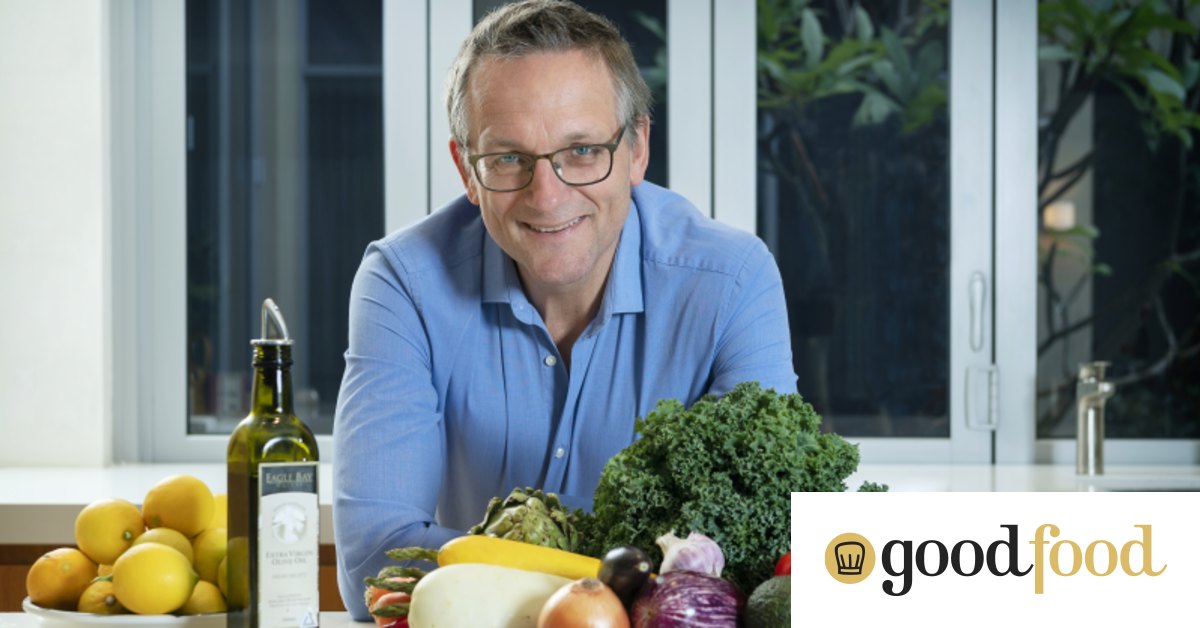
Pleasure might not be something many of us associate with weight loss or healthy foods but there’s no reason it can’t be, says Dr Michael Mosley.

In fact, the enjoyment of cooking and eating is central to good health, says the British television presenter and “5:2 guy”, who is visiting Australia for a series of live shows and to work on a new series for SBS called Australia’s Sleep Revolution.

Food that’s good for our body also tends to be good for our brain, and while it may seem counterintuitive, many people feel better rather than worse a few days into a new eating regime, Mosley says.

Don’t fall into the trap of comfort eating over winter, Dr Michael Mosley says.
Don’t fall into the trap of comfort eating over winter, Dr Michael Mosley says.Jody D’Arcy

“People are often surprised,” says Mosley, whose Fast 800 program promotes weight loss through intermittent fasting and an energy-controlled food plan.

They stop feeling hungry and notice a lift in mood “rather than what you might think about going on a diet, which is feeling hungry and miserable all the time”.

Here are his top 10 tips for the cooler months ahead.

Kick comfort eating

One of the biggest mistakes people make in winter is to give into the idea of wintry cravings, says Mosley.

Increasing evidence shows these so-called “comfort foods” can be anything but, ultimately leading to poorer mental health.

“It’s cold, it’s miserable … [we have] a tendency to think, well, it’ll make me feel better if I have that doughnut,” he says.

“Try to resist it because it all adds up. These ‘comfort foods’ don’t really provide long-term comfort. Although it gives you a temporary dopamine lift when you eat junk food, in the long term it can lead to depression and anxiety.”

Feta, pea and mint crustless quiche from The Fast 800 Easy cookbook.
Feta, pea and mint crustless quiche from The Fast 800 Easy cookbook.Smith and Gilmour/Simon and Schuster Australia

Keep it simple

Mosley is a fan of easy, accessible Mediterranean recipes rich in vegetables, oily fish, olive oil and nuts.

“They need to be super healthy, full of nutrients, but also super tasty and easy to prepare,” he says.

Anything that’s quick and affordable will be ultimately more sustainable, as will flexible dishes that can be adapted for other family members who might want to eat different portions or sides.

“What we’re really trying to do is teach long-term habits. So when you come off the diet you have a whole range of recipes and menus that you can call on.”

Keep moving

Staying active over cooler months is important but relying on willpower alone is often tricky, Mosley says.

Rather than trying to squeeze dedicated gym time into an already overpacked schedule, try working exercise into your existing routine and habits, say with a few squats and push-ups first thing in the morning or by doing whatever naturally motivates you and fits into your day.

“Don’t be afraid of going out in all weathers,” Mosley says.

“There’s an expression in England – that there’s no such thing as bad weather, only bad clothes, so embrace the light and embrace the rain.”

Take it outside

Heading outdoors in winter can help you literally lighten up, especially if you bring a friend or two, Mosley says.

“There’s increasing evidence of the impact of light on mood,” he says.

“Another thing we know is one of our greatest sources of happiness is meeting up with friends. Even incidental short meetings can really boost your mood and going or a walk is a perfect excuse.

“Also, in winter you have a tendency to meet people indoors and that means you’re going to be sharing more bugs, whereas when you’re outdoors there are fewer germs floating around than when you’re crowded into a small space.”

Dr Michael Mosley and wife Dr Clare Bailey of The Fast 800 cookbooks and program.
Dr Michael Mosley and wife Dr Clare Bailey of The Fast 800 cookbooks and program.Supplied

Shift your palate

Genetics and family cooking preferences can influence weight gain, but it’s possible to shift your palate and microbiome by making healthier food choices, Mosley says.

Increasing the amount of fibre in your diet and eating more fermented foods can help reduce cravings for treats such as chocolate, for example.

“It seems to be that part of these cravings come from your gut bacteria, and you can change them by changing what you eat,” Mosley says.

Sometimes a stricter approach may be necessary, however.

“I will never crave broccoli in the same way I crave chocolate, to be frank, so I find the best way of coping with that is just keeping it out of the house,” he says.

Harissa yoghurt with soft-boiled eggs and spinach from The Fast 800 Keto Recipe Book.
SMITH and GILMOUR/Hachette Australia

Curb carby cravings

Cravings for carb-heavy foods seem to be linked to a few specific factors, Mosley says.

Lack of light is the first – another good reason to step outside. Poor second is sleep. “We know after a bad night’s sleep you eat on average 300-400 more calories and it’s specifically carbs we seem to seek and give us a lift there,” he says.

Finally, fibre seems to play an important role. “If you can improve the fibre contents of your diet then there’s some evidence that will reduce your carb cravings.”

Keep your gut happy

Gut health is “all about making sure you’re eating lots of different sorts of fibres”, Mosley says.

That means eating a wide variety of fruits and vegetables, and throwing in extra herbs wherever possible.

If fresh produce is in short supply over winter, head to the freezer section of your supermarket to load up on snap-frozen ingredients, which are often just as good as or even better than fresh.

“In winter sometimes fresh fruit and veg is more limited and more expensive but don’t be afraid of the frozen stuff – it’s just as healthy,” Mosley says.

Low-carb sausage “lasagne” from The Fast 800 Easy cookbook.
Low-carb sausage “lasagne” from The Fast 800 Easy cookbook. SMITH and GILMOUR/SIMON and SCHUSTER AUSTRALIA

Smart swaps

When it comes to cooking, Mosley’s wife Dr Clare Bailey suggests skipping the usual stodgy winter dishes for healthier options that are just as satisfying.

Spiralised zucchini is a good swap for spaghetti, for example, or you can mix them together for a lighter pasta dish with extra veg.

Mashed cauliflower works wonderfully on top of a shepherd’s pie instead of the usual potato – or try celeriac for a high-fibre, lower-carb option in place of your usual mashed potato or chips.

If you’re craving lasagne, try blanched cabbage leaves or sliced zucchini in place of pasta sheets, or try just using a single lasagne sheet – “just enough to keep the kids happy”, says Bailey, who co-authored The Fast 800 Easy cookbook.

I will never crave broccoli in the same way I crave chocolate to be frank, so I find the best way of coping with that is just keeping it out of the house.

Dr Michael Mosley

Or simply serve a smaller portion of your usual recipe alongside salad or vegetables.

The couple are also big fans of pulses come wintertime, especially dahl and other legume dishes.

“Beans and lentils hugely benefit from having lots and lots of olive oil added to them,” Bailey says.

“Or make your own baked beans with a tin of mixed beans and tinned tomatoes – it’s super easy.”

Baked nectarines with blackberries from The Fast 800 Easy cookbook.
Smith and Gilmour/Simon and Schuster Australia

Indulge – in moderation

If you’re hoping to lose weight quickly, then alcohol and sweet treats aren’t the best idea in the short term, Mosley says.

Not only do they contain extra energy, but in the case of alcohol, you can become disinhibited and end up reaching for a bowl of chips or snacks.

If you’re looking at more gradual weight loss or just a healthier way of life, however, then the occasional glass of red wine or home-cooked treat is usually fine, Mosley says.

“Nobody’s ever going to give up chocolate entirely, but it’s much better if you make your own [cake or dessert] because then you know what goes into it,” he says.

It’s a similar story for processed food: “Life is busy and if you’re on the road or stuff is happening, try to minimise it rather than say ‘I’m never going to eat it again.’ ”

Easy cauli steak pepperoni pizza from The Fast 800 Keto Recipe Book.
Easy cauli steak pepperoni pizza from The Fast 800 Keto Recipe Book.SMITH AND GILMOUR

Stay on track

Healthy habits and good intentions can easily become unstuck by sickness, stress or just everyday life, so you need a few tricks to keep yourself on track, Mosley says.

Meal planning is key, as is picking a sustainable diet that suits your temperament and lifestyle, whether it’s low-carb or low-calorie, or a version of time-restricted eating and intermittent fasting, where you either fast or limit food for a set period such as early evening to late morning or on certain days of the week.

Mosley also recommends setting yourself specific health-related or weight-loss goals and making them as detailed as possible – for example, a certain number of steps per day, or reducing your blood pressure or waist measurement.

Then keep yourself accountable by actually measuring yourself against them, or even sharing them with friends and family.

For people in middle age or with a family history of diabetes, Mosley suggests buying a blood pressure monitor and a blood sugar monitor so you can easily test yourself.

Stand on the scales once a week, or do as Mosley does and keep track of any creeping weight gain with a “tight belt”, which gives you instant feedback on how your body is changing.

“Individual goals need to be specific, they need to be measurable and they need to be achievable,” Mosley says.

“There’s no point in saying ‘I’m going to run a marathon’ if you know you’re never going to run a marathon.”

The best recipes from Australia’s leading chefs straight to your inbox.

Sign up

From our partners

More from Good Food

Ozempic and Wegovy for Weight Loss: What Foods to Eat

Ozempic and Wegovy for Weight Loss: What Foods to Eat

Excess weight loss with Ozempic or Wegovy arrives with a sensible, but possibly jarring alter in feeding on behavior.

The two drugs have semaglutide, which mimics a hormone that tells the brain you have experienced a food. Patients taking the medicine feel a lot less starvation and they can practical experience side effects these types of as nausea, affecting how much foods they can tolerate.

Jeannine DellaVecchia suggests she would occasionally power herself to consume when she was using Ozempic simply because she would have “absolutely no hunger,” was “completely nauseous” and “vomiting all the time.”

“Some days, I would have omelets just to try out to get anything into me,” DellaVecchia, 40, who is effective for a hospital in Philadelphia, Pennsylvania, tells These days.com.

“You really do not sense like eating… it just was not excellent for me.”

The weight loss is visible on Jeannine DellaVecchia's face.
The excess weight reduction is visible on Jeannine DellaVecchia’s face. Courtesy Jeannine DellaVecchia

DellaVecchia was approved the Variety 2 diabetic issues cure Ozempic to address indications linked to insulin resistance brought on by congenital adrenal hyperplasia and polycystic ovary syndrome. Bodyweight decline wasn’t a priority even though she says she was intrigued that the drug could possibly also enable her trim down.

It did just that, with DellaVecchia dropping 30 lbs . involving August 2022 and February 2023, when she stopped using the drug simply because she couldn’t tolerate the side effects, she suggests. DellaVecchia is now nonetheless at her lowest bodyweight of 152 lbs and trying to retain the fat loss with a healthy diet and the enable of her registered dietitian, Emily Rubin.

“I have noticed clients with persistent nausea and vomiting on (semaglutide), which can result in dehydration and malnutrition if you cannot get adequate energy or fluids everyday,” Rubin, director of medical dietetics in the division of gastroenterology and hepatology at Thomas Jefferson College Clinic in Philadelphia, tells Right now.com.

How to eat whilst taking Ozempic and Wegovy

Wegovy, which is permitted for excess weight decline by the U.S. Food stuff and Drug administration, ought to be used in addition to a lessened calorie diet program and amplified actual physical exercise, the agency notes. Ozempic is not accepted for fat decline by the Fda, nevertheless numerous persons are utilizing it off-label for that objective.

Individuals making an attempt to get rid of fat with possibly drug must function with a dietitian for a guided food approach, but in normal, they must aim to take in 1,200 to 1,800 energy a working day dependent on their original pounds, Rubin says. A rule of thumb is that taking in 500 less calories a working day than normal will lead to a fat decline of about 1 pound a week, she adds.

Consume a good deal of diverse vegetables and healthy proteins as the basis of your diet program, advises Dr. Louis Aronne, an being overweight medication doctor and director of the Detailed Bodyweight Manage Heart at Weill Cornell Medication and NewYork-Presbyterian.

“We’ve carried out scientific studies displaying that if you consume veggies and protein very first, and then have carbs in the direction of the end of the food, it in fact is helpful to your blood sugar, possibly for your bodyweight as well,” Aronne, who is a scientific adviser for Novo Nordisk, the corporation that can make Ozempic and Wegovy, tells Now.com.

“The cornerstone of the diet regime has to be serious food… balanced foodstuff.”

For those on the drug, Rubin recommends raising your intake of lean protein such as chicken, turkey, fish, eggs, beans, soy and lower-excess fat dairy. If you have no urge for food or nausea, try out small-calorie protein drinks, she adds.

She advises a minimum amount of 60 grams (about 2 ounces) of protein for each working day, preferably unfold out above foods and treats. Protein preserves muscle mass mass and gives amino acids desired for development and enhancement, says dietitian Kristin Kirkpatrick.

Vegetables and fruits, which are total of vitamins, minerals and fiber, are vital for a healthy pounds-loss method, Rubin notes. She also endorses just one to two every day servings of wholesome fat such as avocados, nuts and seeds.

Choose a smaller sum of total grains — a half-cup serving per food — these types of as entire-wheat pasta, complete-wheat tortillas, quinoa or sweet potato, Rubin advises. These are intricate carbs that are high in fiber.

How to take care of nausea although taking Ozempic and Wegovy

The most common aspect outcomes of Ozempic and Wegovy involve nausea, diarrhea, vomiting, belly suffering and constipation, in accordance to Novo Nordisk.

Rubin recommended sufferers to converse to their doctor about any bothersome signs and symptoms and focus on the very best dose of just about every drug to minimize aspect outcomes.

Clients begin with the cheapest dose and progressively operate their way up to higher doses, Aronne states. Doctors know how to manage the trouble of nausea, he adds. Some people get anti-nausea remedies.

Commonly, if the dose is elevated gradually and medical professionals advise people to not try to eat past the point of fullness and to notice which foodstuff may possibly exacerbate their signs or symptoms and take in much less of all those, the facet effects are properly tolerated, states Dr. Ania Jastreboff, director of bodyweight management and obesity prevention at the Yale Stress Centre in New Haven, Connecticut. She serves on the scientific advisory board for Novo Nordisk.

For case in point, DellaVecchia likes hoagies, but if she would check out to eat 1, it would make her sick, she claims. A much better alternative was yogurt with almonds, peanuts and some cinnamon, which she observed delicious and filling.

Another Ozempic client earlier informed Nowadays.com that greasy foodstuff in normal was “really tough” for her to eat following starting off the medicine.

Rubin presented these suggestions to lower nausea:

  • Keep hydrated by consuming eight cups of fluids these as water or calorie-no cost electrolyte beverages for each working day.
  • Consume ginger or peppermint tea.
  • Test ginger chews or capsules.
  • Take in smaller, a lot more recurrent foods.
  • Really don’t take in or cook strong-smelling meals.
  • Avoid very hot, fried or greasy foods.
  • Do not eat far too speedily and never have a huge consume with meals.
  • Never lie down before long after consuming.
  • Really do not wear restricted clothing all around your waistline.

Novo Nordisk experienced these further ideas:

  • Take in bland, low-excess fat foods, like crackers, toast and rice.
  • Eat foods that contain h2o, like soups and gelatin.
  • Go exterior for fresh new air.

DellaVecchia suggests as soon as she stopped taking Ozempic, the hunger arrived back again. She’s been in a position to manage her weight decline so considerably.

4 Nutrition and Weight Loss Myths Debunked for a Healthier 2023

4 Nutrition and Weight Loss Myths Debunked for a Healthier 2023

Two people preparing food. Share on Pinterest
Weight loss plans and nourishment tendencies are often sensationalized on social media to excite people today, but they typically aren’t sustainable for long-phrase health. Valentina Barreto/Stocksy
  • Numerous People in america refer to social media for wellbeing information and facts relating to diet programs and fat decline.
  • Being aware of how to decipher what is factual and secure from what is not can be difficult.
  • Professionals debunk 4 prevalent nutrition myths circulating throughout social media.

If you find on your own scrolling by way of social media for techniques to kickstart new health routines, you’re not alone. According to info from the on the web individual local community PatientsLikeMe, 11{d2b09b03d44633acb673e8080360919f91e60962656af8ade0305d5d8b7e4889} of People surveyed explained they refer to social media for overall health info.

Nevertheless, while some information you appear across online could look practical and reputable – and some could possibly even come from medical professionals, registered dietitians, or other certified men and women – often, this isn’t the case.

“[A] whole lot of occasions what we see is anyone who did their possess bodyweight loss prepare or intestine cleanse, or fixed their have whichever it is, and they consider to implement that to everyone…Just since it labored for them does not imply it’ll work for everybody and that is where by it can get genuinely perilous,” Jen Scheinman, RDN, diet affairs manager at Timeline Nutrition, explained to Healthline. “[They] come across intriguing brief fixes that people want to imagine, but they aren’t backed by science and can be detrimental.”

Weight loss plans are frequently sensationalized on social media to excite men and women, included Dr. Rekha B. Kumar, associate professor of medicine at Cornell and Chief Health care Officer at Identified.

“If it ended up all unbiased and well balanced information, it would be in a scientific journal and not on social media,” Kumar told Healthline.

When social media can be utilized as a resource to educate and disseminate information, she included that articles “in regards to meal plans and nutrition might be posted by influencers who do not generally have all the facts, but very likely do have some facts.”

Scheinman agreed. She claimed a ton of eating plan myths start with a nugget of truth of the matter to make them compelling to consider.

“That nugget of fact can be exaggerated or misconstrued to then be clever for the populace,” she claimed.

Deciphering amongst what is factual or not can be hard. To enable relieve confusion, we requested overall health industry experts to debunk some of the most frequent nourishment myths staying shared on social media.

Whilst keto and very low carb taking in can induce fat loss, Kumar famous that these consuming styles are not suited for every person “either due to the fact of medical circumstances like diabetic issues that may make significant carbohydrate reduction perilous or [because] these programs really don’t match the biology of an specific (i.e. a unique eating plan would be much more efficacious).”

The forms of food items that are adopted on these diet programs – particularly the keto diet regime, which focuses on extra fat – also triggers concern, reported Scheinman.

“[What] I start out to see individuals doing is consuming lots of cheese and butter and tons of steak or bacon or lunch meats that are highly processed and limiting vegetables and complete grains and other significant nutrients, so they get an imbalance in their diet program,” she said.

Studies that appear at people who dwell the healthiest and longest life have uncovered that their meal plans are sustained on complete grains, beans, and legumes, she famous.

“Specifically beans and legumes are correlated with people residing extended, so when you cut these foods out [you have to wonder] what is happening in terms of well being,” stated Scheinman.

On top of that, sticking to a keto or reduced carb eating plan lengthy-expression is tough, and when folks get started such as carbs back again into their eating plan, Scheinman explained they really do not do so in a balanced way.

“[They’re] not concentrating on the full grains, the fruits, and starchy veggies. They are starting to go back again to all those easy carbs like white bread and sugar and white pasta, and they put all the weight back again on and then some, so it gets to be this cyclical yoyo style of encounter,” she stated.

Caffeine is a stimulant that makes the brain come to feel additional inform but does not technically supply the entire body with nourishment or strength, said Kumar. This is since caffeine does not lead to cellular output of ATP (adenosine triphosphate), which is the natural and organic compound that presents vitality to the body.

“We have these parts of the brain that make us sleepy and caffeine aids to quiet those people neuropathways down. It’s definitely masking our minimal-vitality crisis by putting a band-aid on the remedy,” spelled out Scheinman.

Consuming caffeine can also lead to dependence, she explained. For instance, you may possibly depend on it in the early morning and eventually afterwards in the day. Having said that, when you drink caffeine later on in the day, it can affect your sleep, and when you do not slumber effectively, you wake up turning to caffeine yet yet again. From there, the cycle continues.

The resolution for upping vitality is presently in the system, Scheinman pointed out.

“We have these vitality-generating organelles inside of each and every mobile termed mitochondria, and when we nourish them and get care of them [with] nutritious lifestyle behaviors — like healthy diet plan, very good snooze, anxiety management — our bodies create electrical power that we need,” she explained.

Even though some famous people have been vocal about the body weight loss they accomplished with prescription anti-obesity medications, Kumar stated these injectables have been only studied in people with obesity or diabetic issues.

“There are regarded adverse effects, largely gastrointestinal side results, but we seriously really don’t know the long-phrase results of recreational use to just get rid of a several lbs . in the absence of metabolic sickness,” she reported.

Also, as soon as the shots are stopped, Scheinman reported bodyweight get can take place if feeding on and life style habits haven’t altered.

“There are medications that can be utilised for excess weight loss and so [these injections] could be an indication that will come out in the potential, but correct now it is only for being overweight and for individuals with diabetes,” she stated.

Nearly none of the cleanses or detox weight loss plans now are proven to be productive on brief or lengthy-phrase metabolic health or cardiovascular hazard, explained Kumar.

“A detox may well make some feel considerably less bloated in the shorter term, but these success really do not final and could possibly even guide to rebound water retention or constipation,” she mentioned.

Whilst there is some truth of the matter to the idea that there are extra poisons in the environment and that people today breathe in much more air pollution, eat far more sugar and junk food items, and therefore want to rid these from the system, Scheinman reported the system by now obviously removes toxic substances.

“[The] real truth is that our human body has a really complex method that is detoxifying us every single day — in our liver, kidneys, digestive method, and colon — all of this is how our overall body receives rid of harmful toxins,” she claimed.

To support the entire body in these procedures, Scheinman explained persons can concentration on wholesome nourishment, good quality rest, and limiting exposure to environmental contaminants when doable.

In conditions of challenges involved with cleanses and detoxes, she observed that food-primarily based detox systems that advise matters like consuming fruit and vegetable smoothies or a vegan eating plan for a restricted time are most probable harmless.

However, if dietary supplements are involved in these applications, they could be hazardous mainly because the nutritional supplements “may or may perhaps not be controlled and we’re not very clear what is in them.”

Psychological damage is yet another worry, according to Scheinman. The thrust for cleanses and to detox often comes just after the vacations and with the idea that you can take in what you want right until January 1 and then detox.

“[This] encourages an harmful connection with meals and that you require to clear your physique or punish your overall body for what you did to it on an pleasurable taking in spree,” she explained.

While traits related to eating plans, nourishment, and cleansing the entire body can guide to fat loss or experience much better brief-time period, Kumar explained they are tricky to adhere to extensive expression.

“Moderation and regularity are improved extensive-term tactics. If another person does opt for to embark on a trend or trend eating plan, there need to be a prepare to transition to some far more moderate approach after,” she said.

Tom Kerridge’s weight loss recipes

Tom Kerridge’s weight loss recipes

Even Michelin-starred and celebrity chefs need a health kick from time to time.

Tom Kerridge might have made a career for himself turning pubs into award-winning restaurants and appearing on our screens in everything from MasterChef to Saturday Kitchen, but he’s also a household name for his personal weight loss journey, which he’s also turned into a series of hugely popular cookbooks and TV shows.

Drawing on this experience and his expertise, he shares four easy and delicious recipes to help you stick to your goals – or simply to enjoy!

Curried cauliflower soup

I’ve eaten a lot of cauliflower on my low-carb diet and I’ve grown to love it. When it’s cooked and pureed like this, it takes on such a rich, creamy texture that it feels quite indulgent, particularly when combined with the coconut and cream cheese. It takes on spices beautifully, too.

Serves: 4

Carb count: 22g per person

Ingredients:

50g dried onion flakes

2 tbsp vegetable oil

50g butter

1 onion, diced

2 garlic cloves, grated

1½ tbsp curry powder

1 chicken or vegetable stock cube

1 large cauliflower (about 800g), broken into florets

200ml coconut cream

200g cream cheese

4 tbsp chopped coriander, tender stems and all

2 hot green chillies, sliced, seeds and all

Finely grated zest of 1 lime

Sea salt and cayenne pepper

Method:

1. Preheat the oven to 180C/fan 160C/gas 4. Scatter the onion flakes on a baking tray, trickle on the oil, give it a stir and season with salt. Bake for 5 minutes, or until the onion flakes are golden brown. Set aside to cool.

2. In a large saucepan, melt the butter over a medium-low heat. Add the onion and garlic and sweat gently, stirring from time to time, for 10-15 minutes until soft. Sprinkle on the curry powder and cook, stirring, for 2-3 minutes.

3. Now pour in 1 litre water and crumble in the stock cube. Bring to the boil and add the cauliflower florets. Turn the heat down to a simmer and cook for 5-10 minutes, until the cauliflower is soft.

4. Stir in the coconut cream and cream cheese until fully combined. Bring back to the boil then take the pan off the heat.

5. Blitz with a stick blender, or in a jug blender or food processor. If you’ve time, pass the soup through a sieve into a clean pan at this point – this will give the soup an unbelievably silky and delicious texture. Warm gently and season to taste with salt and cayenne pepper.

6. Ladle the soup into warmed bowls and scatter over the toasted onion flakes, coriander, chilli and lime zest.

‘Tom Kerridge’s Dopamine Diet’ by Tom Kerridge (published by Bloomsbury, £14.99; photography by Cristian Barnett; illustrations by David Eldridge).

Buy now

Berry and yoghurt breakfast shake

This shake is a great way to refuel after a morning workout

(Cristian Barnett)

I’ll often have this shake when I want to refuel after morning exercise. By keeping a stash of berries in the freezer I can whiz it up in seconds, and avoid giving in to hunger cravings on the way back from the gym.

Serves: 1

Ingredients:

A large handful (100g) frozen berries

30g porridge oats

2 tbsp Greek yoghurt (0{d2b09b03d44633acb673e8080360919f91e60962656af8ade0305d5d8b7e4889} fat)

1 tsp granulated sweetener

180ml whole milk

A few mint leaves

4 ice cubes

Method:

1. Put all the ingredients into a jug blender and blend until completely smooth.

2. Pour into a large glass or portable drinks container and enjoy!

Variation: Use coconut or almond milk instead of cow’s milk.

Bonus: This shake is ideal as a pre- or post-workout breakfast – the oats supply sustained energy while yoghurt provides protein to promote muscle recovery. And berries are a great source of vitamin C, which is also needed for muscle repair and helps to boost the immune system.

Per serving: 341 kcals, 21g protein, 9g fat, 42g carbs, 6g fibre

‘Lose Weight and Get Fit’ by Tom Kerridge (published by Bloomsbury, £22.00; photography by Cristian Barnett; illustrations by David Eldridge).

Buy now

Sticky pork chops

If you love all-American smoky flavours, you’ll love these chops

(Cristian Barnett)

This recipe taps into everyone’s love of those all-American smoky flavours. It has a great barbecue-style glaze, but with much less added sugar. A fresh and crunchy slaw is the perfect foil for the sticky chops.

Serves: 2

Calories: 420 per serving

Ingredients:

2 trimmed bone-in pork chops, i.e. all fat removed (250g each)

Olive oil spray

Sea salt and freshly ground black pepper

For the barbecue sauce:

4 tbsp tomato ketchup

1 tbsp maple syrup

1 tbsp Worcestershire sauce

1 tbsp English mustard

½ tsp cayenne pepper

For the slaw:

100g red cabbage, finely shredded

100g white cabbage, finely shredded

1 tbsp white wine vinegar

2 tbsp Greek yoghurt (0{d2b09b03d44633acb673e8080360919f91e60962656af8ade0305d5d8b7e4889} fat)

Method:

1. Preheat the oven to fan 240C/gas 9. Line an oven tray with baking parchment.

2. Season the pork chops on both sides with salt and pepper. Heat a griddle pan over a high heat. Spray both sides of the chops with a few sprays of oil. When the griddle is smoking hot, add the chops and cook for 2 minutes on each side or until well charred. Set aside on the lined oven tray.

3. For the barbecue sauce, mix all the ingredients together in a small bowl.

4. Coat the pork chops in the sauce, on both sides. Cook on the top shelf of the oven for 10 minutes or until cooked through.

5. Meanwhile, mix together all the ingredients for the slaw and season with salt and pepper.

6. Remove the pork chops from the oven and run a cook’s blowtorch over them to blacken slightly. Serve with the crunchy slaw.

‘Lose Weight for Good’ by Tom Kerridge (published by Bloomsbury, £22.00;photography by Cristian Barnett; illustrations by David Eldridge).

Buy now

Sticky date pudding with coconut caramel

This luxurious pudding isn’t that healthy… but your guests will thank you for it

(Cristian Barnett)

I’m not going to pretend that this is healthy! It’s a luxurious version of sticky toffee pudding, using coconut milk for the caramel sauce. It’s about getting into the kitchen and making something to share with others… and they’ll certainly thank you for it.

Serves: 12

Calories: 545 per serving

Ingredients:

A little butter or oil, for greasing

350g pitted dates, roughly chopped

250ml dark rum

300ml water

170g vegetable suet

200g light muscovado sugar

4 large free-range eggs

1 vanilla pod, split and seeds scraped

2 tsp ground mixed spice

400g self-raising flour

3 tsp bicarbonate of soda

For the coconut caramel:

3 x 400ml tins coconut milk

100g light muscovado sugar

To finish:

30g coconut flakes, toasted

Method:

1. Grease a 30 x 25cm baking tin, at least 5cm deep, and line with baking parchment.

2. Put the dates into a heatproof bowl. In a small pan, bring the rum and water to the boil, then pour over the dates. Stir, then cover and leave to soak for 20 minutes. Preheat the oven to 190C/fan 170C/gas 5.

3. Put the suet and sugar into a large bowl and stir to combine. Add the eggs, one at a time, mixing well after each addition. Add the vanilla and mixed spice to the bowl then sift over the flour and bicarbonate of soda; fold into the mixture until nearly combined. Add the dates with their liquor and mix to combine.

4. Pour the mixture into the prepared tin and bake

on the middle shelf of the oven for 40 minutes or until a skewer inserted into the middle comes out with just a few moist crumbs clinging.

5. Meanwhile, to prepare the caramel, tip the coconut milk into a heavy-based non-stick saucepan and whisk until smooth. Bring to the boil over a high heat and boil rapidly, stirring occasionally, for about 40 minutes until reduced and starting to thicken. Sprinkle in the sugar and whisk well. (Reheat before serving if necessary.)

6. Once the pudding is cooked, remove from the oven and leave to stand for 5 minutes. Cut into squares and serve warm, trickled with hot coconut caramel and sprinkled with toasted coconut flakes.

‘Tom Kerridge’s Fresh Start’ by Tom Kerridge (published by Bloomsbury, £26.00; photography by Cristian Barnett; illustrations by David Eldridge).

Buy now