Cooking Tips: 7 Easy Ways To Give Your Snacks A Crispy Coating

Cooking Tips: 7 Easy Ways To Give Your Snacks A Crispy Coating

We all love indulging in crispy snacks. Whatever may be filling, there is something very enjoyable about biting into foods with a perfectly crisp coating. We tend to lose ourselves in their yumminess and just savour the moment! There are a variety of ways to achieve this particular sensation. Whether you’re working with veggies, meat, chicken, fish, paneer, etc. you can use more or less the same ingredients to coat them. Of course, the particular snack has to then be deep-fried or air-fried to complete the process. Breadcrumbs are one of the most commonly used coating options. But there are other great choices too, as discussed below.

Here Are 7 Easy Ways To Give Your Snacks A Crispy Coating:

1. Cornflakes

opedhb7o

Cover your snacks in crushed cornflakes before frying them to get an amazing golden crust. Photo Credit: Pixabay

Cornflakes are not just meant for breakfast or chidwa. You can take advantage of their texture in innovative ways. Say you’re making cutlets at home and want to give them an extra special coating. Simply crush the cornflakes and roll the cutlets in them before frying. The final result will be very satisfying, believe us! If you want a recipe that uses this method, check out this one for restaurant-style veg nuggets.

2. Oats

Oats are another common breakfast food that you can use for coating veg and non-veg snacks. All you have to do is grind oats with seasonings of your choice to make a fine crumb. Once your snack mixture is ready, simply roll shapes of it in the crumb until completely covered. Here’s a recipe for Oat Crusted Chicken Tenders to try at home.
Also Read: 6 Chicken Finger Foods That Will Make You Say ‘Winner, Winner, Chicken Dinner’

3. Makhana (Fox Nuts)

gnpt520g

Use coarsely ground pieces of makhana to give your snacks a unique coating. Photo Credit: Pixabay

Makhana or fox nuts are all the rage right now in the world of nutrition. This superfood is gluten-free and comes with a range of health advantages. They are often eaten lightly seasoned or as a part of other preparations. But did you know makhana can also be used to make snacks crispy? You have to first coarsely grind them. Then coat the food item in slurry or egg white before covering them with the makhana crumb. Check out this recipe for Stuffed Fried Chicken that uses this technique.

4. Vermicelli (Sevai/ Semiya)

In India, vermicelli is typically used to make dishes like semiya upma or sweet semiya kesari. However, it can also give your snacks a crisp, golden thread-like coating. All you have to do is lightly roast the semiya, boil it for around three minutes and allow it to cool before using. Dip your snacks in a cornflour slurry before covering them with crushed vermicelli. This will help keep the outer layer intact. Here is a recipe for a tasty mixed veg snack with a vermicelli coating.

5. Noodles

Yes, you read that right. Noodles are actually a very convenient option for a crisp covering. Boil noodles, drain them and ensure they dry before layering them around your paneer, chicken or veggie pieces. You can also add a little cornflour to the noodles to remove any moisture. If they are damp, they will make your entire snack soggy and may also absorb more oil than required. Now you know a unique way of using that pack of store-bought noodles! One example of this method is Crispy Thread Chicken; click here for the full recipe.
Also Read: 5 Mouth-Watering Noodles Ready In Just 30 Mins

6. Tempura Batter

ra9me5ig

Tempura batter is a wonderfully light and simple coating option you have to try. Photo Credit: Pixabay

Tempura is often associated with Japanese cuisine. However, this dish – typically consisting of deep-fried seafood or veggies coated in a specific batter – is actually of Portuguese origin. Tempura batter is prepared with flour, eggs and chilled water. It can give your snack a delicately crisp and beautifully golden coating. It can be used for veg as well as non-veg food items. Check out this recipe for Farzi Cafe-Style Tempura Prawns.

7. Breadcrumbs

Our list would be incomplete if we didn’t mention good old breadcrumbs. This is a classic option to make snacks crispier. Many recipes not only use breadcrumbs for coating but also include a small quantity of it in the snack mixture itself. Doing so helps bind the ingredients better. Breadcrumbs can be easily made at home by grinding bread to the desired consistency. You can also use panko breadcrumbs if you want a special coating. These are a popular Japanese version of breadcrumbs that are said to be more crackly and less oil-absorbing than the regular variety.

How Do You Keep Snacks Crispy?

To maintain the crispiness of fried foods, one effective method is to place them on a cooling rack set over a baking sheet. This helps to prevent the buildup of moisture, which can cause fried foods to become soggy. By allowing air to circulate around the food, the cooling rack helps to keep the exterior of the fried food crispy while the interior remains moist and tender. Here are 4 quick tips on how to fry food to get that perfect crust.

Make your snacks even more irresistible by using these methods!

Positive food safety culture that prioritizes people “key to reducing risk of contamination or recalls”

Positive food safety culture that prioritizes people “key to reducing risk of contamination or recalls”

New industry-led global guidance sets out the role of people and culture in enabling food safety and product quality

LONDON, April 13, 2023 /PRNewswire/ — A food safety culture that prioritizes people and supports collaboration in manufacturing facilities, food service businesses, restaurants or retail stores can help improve quality, minimizing the risks of contamination or recalls while also benefiting productivity and talent retention.

New global guidance from BSI, the business development and standards company, developed through consensus with industry giants including Walmart, McDonald’s, Kerry Foods and 3M, and published this week, identifies that the common factor in food safety incidents, quality failures and recalls is people rather than failures of machinery or technology. Equally, when issues occur, people are the key to avoiding recurrence.

According to the World Health Organization (WHO), consuming contaminated food results in an estimated 600m people falling ill every year, leading to 420,000 deaths. A desire to tackle this led to a round-table discussion at the 2019 International Association for Food Protection (IAFP) Annual Meeting, then, ultimately, the creation of an industry steering group. The resulting document, Developing and sustaining a mature food safety culture (PAS 320), is designed to guide organizations of all sizes across food, beverage and retail to create a culture where people are prioritized, all employees embrace food safety, take responsibility for reporting issues, and are empowered to initiate change.

Relevant to anyone from manufacturers and factory workers to restauranteurs and baristas, the guidance has been published by BSI following extensive sector discussion on food safety culture, including what it is, how to measure it and how to ensure continuous improvements. The document defines food safety culture as the “shared values, beliefs and norms that affect mindset and behavior toward food safety in, across and throughout an organization.”

It notes that creating and maintaining a strong culture that preserves quality and reduces risk requires management commitment and a mindset that safety is the responsibility of everyone at every stage of the food supply chain. Culture is also highlighted as key for employee retention, improving quality and decreasing contamination risk by decreasing turnover rate.

PAS 320 includes steps for identifying gaps and then implementing a plan for change. It makes recommendations related to leadership; the organization’s vision, mission, values and policy; organizational structure; responsibilities, accountabilities and authorities; guiding coalition team; interested parties; change champions; influencers; and food safety documentation. The guidance also includes advice on how prioritizing people in the sector not only supports improved food safety but also brings other benefits, including investment return, business performance improvement, reduction of the costs associated with poor quality, and enhanced efficiency.

The US FDA’s New Era of Smarter Food Safety blueprint states that dramatic improvements in reducing the burden of foodborne illness cannot be made without doing more to influence the beliefs, attitudes, and, most importantly, the behaviors of people and the actions of organizations.

Neil Coole, Director, Food and Retail Supply Chains at BSI, said: “A positive food safety culture that prioritizes people and gives everyone a stake in driving quality can have a transformative effect and help reduce the risk that comes from unsafe food. This starts with leadership taking steps to turn ambition into action in order to build and sustain continuous improvements across their organization and the wider supply chain.

“Ultimately, moving from seeing food safety culture as a compliance issue to an investment in people can offer huge benefits for individuals, organizations and society as a whole.”

Scott Steedman, Director General, Standards, BSI, said: “It is tragic that so many lives are lost globally every year to contaminated food. This is something nobody in the industry can ignore, and urgent steps to change this are required. We understand that the common factor in food safety-related risks is people, and it is an organization’s culture towards food safety that presents the opportunity for continuous improvement. PAS 320 provides the guidance to empower people to make a positive impact on the future of the food industry.

“Enabling a robust food safety culture is vital for enhancing quality and safety across the food sector. Strengthening understanding of what best practice looks like and how everyone in the food sector can play a role, by enhancing global consistency and offering clarity, can help food sector organizations accelerate change and support the realization of quality and food safety ambitions. This new standard on food safety culture can build confidence in the global food industry and offer long-term benefits for everyone.”

Media Contact:
Chad Quinn, PR Manager, Americas, BSI
Email: [email protected]
Phone: +571-758-8638.

Notes to Editors:

Contact us for the copy of the standard

About BSI

BSI is the business improvement and standards company that enables organizations to turn standards of best practice into habits of excellence, “inspiring trust for a more resilient world.” For over a century, BSI has driven best practice in organizations around the world. Working with over 77,500 clients across 195 countries, it is a truly global business with skills and experience across all sectors, including automotive, aerospace, built environment, food and retail and healthcare. Through its expertise in Standards and Knowledge, Assurance Services, Regulatory Services and Consulting Services, BSI helps clients to improve their performance, grow sustainably, manage risk, and ultimately become more resilient.

To learn more, please visit: www.bsigroup.com

Cision View original content to download multimedia:https://www.prnewswire.com/news-releases/positive-food-safety-culture-that-prioritizes-people-key-to-reducing-risk-of-contamination-or-recalls-301792379.html
SOURCE BSI Group Americas Inc.

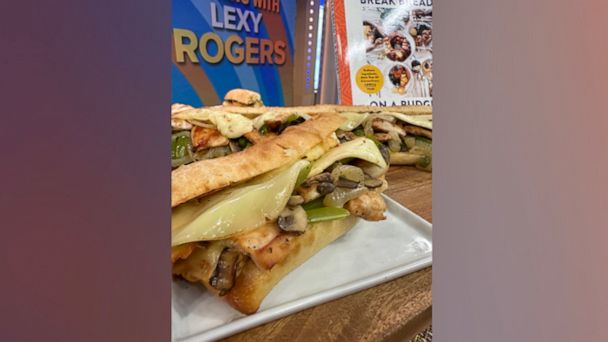
Lexy Rogers’ not-from-Philly cheesesteak recipe

Lexy Rogers’ not-from-Philly cheesesteak recipe

Lexy Rogers, a celebrity chef and author of the cookbook “Break Bread on a Budget,” recently dropped by “GMA3” to show us how to make gourmet meals without breaking the bank.

Scroll below to check out her recipe for a delicious and cost-effective cheesesteak.

Not-From-Philly Cheesesteak

1 tablespoon avocado oil (or olive oil)

1 medium white onion, sliced

8 ounces baby portabella mushrooms, sliced

2 teaspoons lemon pepper seasoning

1 pound steak (ribeye or New York strip), or 1 pound skinless boneless chicken breast

1 tablespoon Creole seasoning

4 slices pepper jack cheese

4 slices provolone cheese

Budget tip: A foot-long sandwich feeds Rogers’ family of five. If you don’t need as much food, go slider style. Make single servings by using a ciabatta bun, Hawaiian roll, or regular sliced bread. Save the rest of the filling in the fridge and make sandwiches throughout the week.

1. Preheat oven to 375 F.

2. Heat oil in a pan over medium-low heat.

3. Add peppers, onions, and mushrooms.

4. Season with lemon pepper seasoning.

5. Cook for about 7 minutes covered, until onions are translucent and mushrooms have released liquids into the pan. Peppers should be cooked al dente, just enough so their color has lightened, and they do not taste raw but are still somewhat firm.

6. Turn off the heat and set veggies aside.

7. Slice the steak thinly, about 1/8 inch in thickness. Sear steak in a cast iron pan or nonstick skillet with butter for 2 1/2 minutes on each side.

8. Mix mayonnaise with Creole seasoning and set aside.

9. Cut bread loaf lengthwise without cutting it completely in half.

10. Spread seasoned mayo on both halves of the inside of the bread.

11. Top with steak, veggie mixture, and cheeses, alternating between a slice of pepper jack and a slice of provolone.

12. Bake in the preheated oven for 5 minutes, or until the cheese is melted and the bread is toasted.

Ways to stretch your dollar

Putting steak into a sandwich filled with veggies is a great way to get your steak fix without relying on the steak to fill you up.

Alternatively, you can use chicken to save further. Instead of using individual hoagie rolls, buy one or two fresh baked French loaves from a big box store for $1.50 and slice them into appropriate portions (about 4-5 servings per loaf).

Use the filling on top of fries, or baked potatoes to stretch the filling and feed more people, ultimately saving about $1 per person.

For the “non-chefs”: Knives not your thing? No biggie. Buy pre-shaved steak and pre-cut veggies to cut down on time and reduce the risk of cutting your fingers.

This Is Amitabh Bachchans Favourite Dessert And We Have The Recipe

This Is Amitabh Bachchans Favourite Dessert And We Have The Recipe

Amitabh Bachchan once took to social media to talk about his favourite dessert, and in no time, the dish made headlines across India. He shared a post on Twitter featuring archival footage where he was seen discussing the dish with his late father and poet, Dr Harivansh Rai Bachchan. But that’s not all. Later, on his 80th birthday, his wife and actor, Jaya Bachchan, was also seen treating Amitabh Bachchan with delicacy on the sets of his reality show. Can you guess what the dish was? It’s the humble lapsi. Made with broken wheat (or dalia), lapsi is a popular sweet dish from the regions of Uttar Pradesh and Bihar.

Also Read: Best Non-Veg Dishes From Lucknow You Must Try For A Slice Of Royalty

About Lapsi – Amitabh Bachchan’s Favourite Dessert from Uttar Pradesh:

According to several reports, lapsi is one of the iconic dishes of Uttar Pradesh. The word lapsi (or laapsi) is derived from the Sanskrit word “Lapsika,” which means “prepared food.” It is a one-pot meal usually made with dalia, roasted in ghee, and then cooked with water (or milk) and jaggery. You can also replace dalia with atta, sooji, moong greens, besan, and almond flour. Lapsi has a porridge-like consistency and is considered a wholesome meal that can be easily digested. Therefore, it is often a part of children’s and older adults’ diets.

Lapsi Vs Halwa: What Is The Difference Between The Two?

People often confuse lapsi with the classic halwa as both are popular desserts in India. However, there are some striking differences between the two. Let’s take a look.

Ingredients:
Halwa can be made with literally anything. Besides the classic suji ka halwa and besan ka halwa, you can also find people preparing the dish with carrots, potatoes, and gourd, to name a few. However, the lapsi recipe strictly restricts the usage of grains and flour.

Consistency:
Halwa has a drier consistency, while lapsi is more porridge-like, making it easy to digest for all.

Serving method:
You can enjoy halwa both hot and cold, but lapsi is usually served hot, just after preparation.

Also Read: 7 Classic Veg Recipes From Uttar Pradesh That’ll Win You Over

How To Make Up-style Lapsi At Home:

As mentioned earlier, lapsi can be prepared with different types of grains and flour. However, the most popular remains dalia lapsi. Here, we bring you a quick and easy dalia lapsi recipe that can be a part of your everyday diet. You can have lapsi as breakfast, dessert, or a quick meal during busy days.

All you need to do is roast some dalia in ghee and boil it well in water or milk. Then add some jaggery as a sweetener and cook until you get the desired consistency. Finally, garnish it with some nuts and serve hot. That’s it! Click here for the detailed recipe.

Why not recreate Amitabh Bachchan’s wholesome dessert at home and indulge in a delicious treat? Don’t forget to share your feedback with us!

Cooking Tips: Learn How To Make Perfectly Fluffy And Soft French Toast With These 6 Tips

Cooking Tips: Learn How To Make Perfectly Fluffy And Soft French Toast With These 6 Tips

French toast is the king of breakfast. This sweet and delicious dish is soft and fluffy from inside and crispy from the outside. Besides that, it is super easy to make and only needs 4-5 ingredients to prepare, which include bread, milk, eggs, sugar, butter and honey or maple syrup for that extra sweet taste. Even though is it simple to cook, many people fail to get a perfectly fluffy French toast. For those who don’t know what they are doing wrong while cooking this dish, these tips will surely be helpful. Find out how to make perfectly fluffy and soft French toast at home.

Also Read: Paneer Bread Roll And More: 5 Unique Bread Rolls That Are A Class Apart

Here Are 6 Tips To Prepare Fluffy French Toast:

1. Choose The Right Bread

Bread is the base of the French toast recipe. There are a variety of breads available in market these days; you can use any bread which is broad in size. Broad breads turn out to be fluffier as they hold more mixture within them. However, it’s okay to use thin sliced bread too but there are chances it will break after soaking the wet batter.

nlq597t

Use a big-broad bread to make French toast. Photo Credit: unsplash

2. Balance Egg and Milk Ratio

The trick for making fluffy French toast is to balance the ratio of eggs and milk. Do not hold back on adding more eggs. Use around 2 to 4 eggs for preparing 2 slices of French toast. While you make the batter, ensure that you add more eggs in comparison to milk. If there’s too much milk added to the batter, there are chances that the egg in the mixture will not cook properly, which will make the French toast very soggy.

cbeehqm

Don’t add too much milk in the batter. Photo Credit: unsplash

3. Mix The Batter Well

This is the most important step in making French toast. Mix the egg, sugar, and milk batter properly till you see froth on the mixture. When you see tiny little bubbles on top of the mixture, it’s time to stop mixing the batter. You can now go ahead with using it to soak the bread.

2vti1is

The batter should not be too runny. Photo Credit: unsplash

4. Soak The Bread

Don’t miss out on soaking the bread in the wet mixture. In a broad, deep bowl, pour the mixture and put the bread slice in it. Soak it until it absorbs the mixture and looks soft. You have to be careful while doing this as the bread should not be under soaked or over soaked.

th8pbtfo

Let the bread soak the batter properly. Photo Credit: unsplash

Also Read: Make This 3-Ingredient Banana Pancake For A Healthy Start To Your Day

5. Cook At Right Temperature

To make fluffy French toast, ensure to preheat the pan on low flame. Do not over heat it, because the base of the bread will cook faster and become crispy, whereas the inside of the bread will be undercooked and soggy. The pan should neither be over heated nor under heated.

6. Grease The Pan

Apply 1 tbsp oil and half tbsp butter on the hot pan. Using only butter to cook the bread will not be a great choice because the butter will burn out soon, leaving a bitter taste. This is why it is important to use both oil and butter together to add flavour and to cook the bread properly. This will result in perfectly fluffy French toast.

Don’t forget to sprinkle honey or maple syrup on top of your delectable French toast to give it an extra flavour boost.

1 in 3 Californians would qualify for program

1 in 3 Californians would qualify for program

New bill aims to prescribe healthy food for low-income Californians


WEEKEND. BACK TO YOU. MIKE: PROVIDING MEDICALLY SUPPORTIVE FOOD AND NUTRITION TO LOW INCOME FAMILIES. THAT’S THE GOAL OF A NEW BILL MAKING ITS WAY THROUGH THE STATE CAPITOL. HERE TO TALK TO US ABOUT THE BILL AND WHY IT’S IMPORTANT IS SPUR DIRECTOR, KATIE ETTMAN. THANK YOU FOR JOINING US. >> THANK YOU FOR HAVING ME. HAPPY TO BE HERE. >> MEDICINE COMES A LOT OF FORMS, BUT WHO’D MEDICINE. WHAT IS THAT? >> WE KNOW BASED ON RESEARCH THAT FOOD CAN HELP REVERSE CHRONIC DISEASES. WE NEED TO GET IT TO PEOPLE IN ORDER FOR THAT TO HAPPEN. LOTS OF LOW INCOME CALIFORNIANS DON’T HAVE ACCESS TO IT. THEY DON’T HAVE THE ECONOMIC MEANS TO GET IT. >> HOW DOES THIS BILL TAKE EFFECT? >> IT IS AUTHORED BY ASSEMBLYMAN — AND ASSEMBLY MEMBER. THEY WILL CREATE FOOD NUTRITION WHICH IS A SPECTRUM OF INTERVENTIONS FOR ALL CALIFORNIANS. THEY ARE ELBOW — ELIGIBLE BASED ON THEIR CONDITIONS. >> WERE TALKING — WHEN YOU SAY LOW INCOME, THAT IS OUR NEIGHBORS. THAT IS A BIG NUMBER ACROSS THE STATE. >> IT IS TRUE THAT ONE IN THREE CALIFORNIANS IS ON MEDI-CAL. THIS IS SOMEONE WHO LIVES IN A CITY OR APRIL PART OF CALIFORNIA. IT DOESN’T AFFECT A SMALL PORTION OF THE POPULATION. IT IS A REALLY FAST SWATH OF INDIVIDUALS. >> WHAT IS THE COST? WHAT WILL THIS COST CALIFORNIANS? I HAVE TO SAY, THIS IS ONE OF MY FAVORITE THINGS ABOUT WORKING THROUGH THE SAFETY NET. MEDI-CAL IS PAID FOR BY THE FEDERAL GOVERNMENT. SOMEWHERE AROUND 60{d2b09b03d44633acb673e8080360919f91e60962656af8ade0305d5d8b7e4889}. AND ONLY ABOUT 40{d2b09b03d44633acb673e8080360919f91e60962656af8ade0305d5d8b7e4889} FALLS TO THE STATE TO COVER. WHAT WE KNOW IS THAT PROVIDING FOR VEGETABLES AND HEALTHY FOODS CAN ACTUALLY SAVE US COST AND LONG-TERM. THERE WERE SOME STUDIES THAT TALK ABOUT OVER $100 BILLION IN SAVINGS NATIONALLY IF WE SUBSIDIZE OR VEGETABLES FOR LOW-INCOME FOLK RED IN THE SHORT-TERM, YOU MIGHT NEED TO PAY FOR FRUIT AND VEGETABLE, BUT LONG-TERM, YOU CAN SAVE MONEY. >> THAT’S TRUE. WHAT ARE THE CONCERNS OUT THERE. I’M SURE THERE ARE SOME. WHAT ABOUT STOCKPILES WITH THE ABILITY TO SUPPORT THIS TYPE OF LEGISLATION. ARE YOU HEARING ANY CONCERNS IN THAT REGARD? >> THAT IS THE OTHER THING THAT REALLY CHANGES THE GAME FOR THESE ORGANIZATIONS. RIGHT NOW, FOOD PANTRIES AND BANKS ARE DOING PRETTY MUCH ALL OF THAT WITH PHILANTHROPIC FUNDING. IF THAT RUNS OUT, IT’S NOT HIGH ENOUGH WE DON’T HAVE ENOUGH FOOD, THE IDEA OF BRINGING THIS TO MEDI-CAL IS THAT THESE ARE NOT INTERVENTIONS. WE WILL PAY FOR THE PROVIDERS OF THE FOOD FOR THE FOOD. THEY WILL HAVE MORE ECONOMIC NEEDS IS AN ORGANIZATION TO ACTUALLY GET IT TO THE PEOPLE. IT WILL MAKE THINGS MUCH EASIR TO PROVIDE IT TO THE PEOPLE WHO NEED IT. >> THE PEOPLE WHO NEEDED ARE FOLKS WHO BITE ALSO HAVE SPECIFIC DIETARY NEEDS. >> WE OFTEN THINK ABOUT A PATIENT WITH GESTATIONAL DIABETES. YOU GO TO A DOCTOR AND SAY YOU HAVE THIS. WHAT WOULD IT LOOK LIKE IF INSTEAD OF YOUR DOCTOR SAYING EAT HEALTHIER, IS SUPER EASY. WHAT IF I AM GOING TO GET YOU A PRODUCE PRESCRIPTION? YOU CAN GO OUT TO THE LOCAL GROCERY STORE OR FARMERS MARKET AND PROVIDE FREE FRUITS AND VEGETABLES. YOU CAN TREAT THAT DIABETES, AND THERE IS A STUDY THAT SHOWS ABOUT 37{d2b09b03d44633acb673e8080360919f91e60962656af8ade0305d5d8b7e4889} OF THE REDUCTION IN CHANCES OF PRETERM BIRTH WHEN YOU PROVIDE A PRODUCE PRESCRIPTION TO A PATIENT WITH DIABETES. >> PRODUCE PRESCRIPTION. THAT SOUNDS FASCINATING. WE’LL GET YOU OUT ON THIS? IF THIS PASSES, WHEN WILL THIS LAUNCH. >> WE HAVE A LONG RUNWAY. A PASSAGE THIS YEAR, AND A YEAR OF GUIDANCE TO MAKE SURE THAT WE KNOW WHAT IS HAPPENING ON THE GROUND, AND THEN WE WILL BE LAUNCHING ABOUT SIX MONTHS BEFORE CURRENT PILOT ENDS IN 2020 SIX. >> WORKING FOLKS GO FOR MORE INFORMATION. >> CODA SPUR.ORG LEAR

New bill aims to prescribe healthy food for low-income Californians

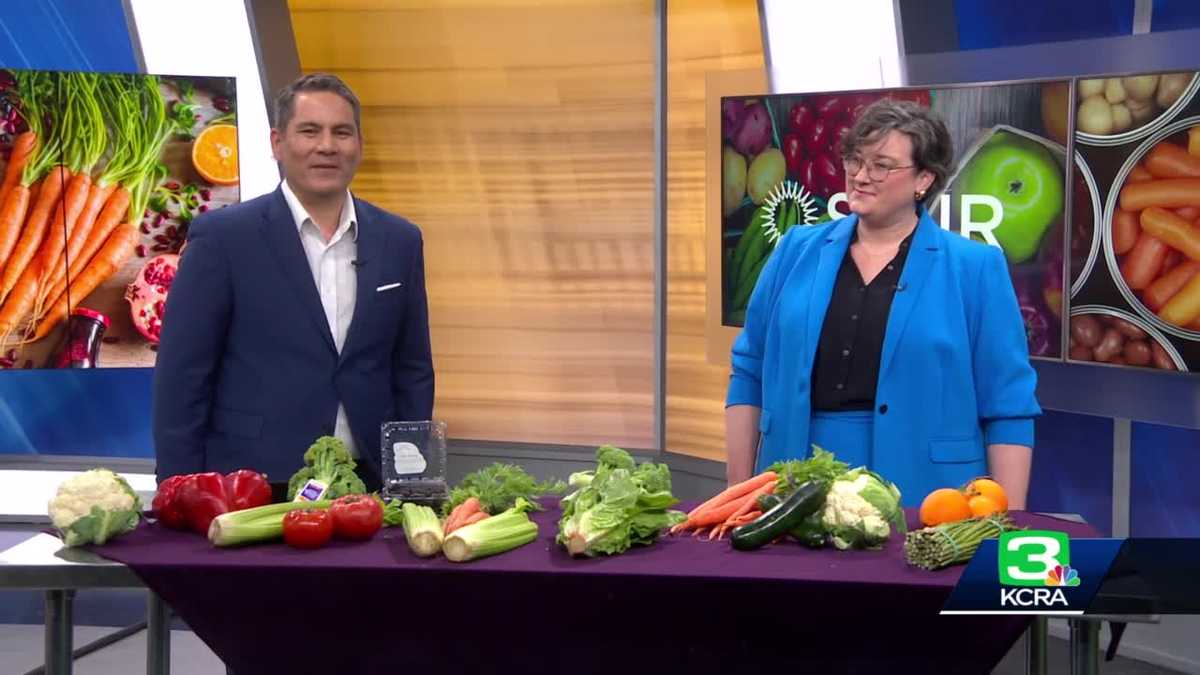
A new bill is making its way through the State Capitol aimed at providing medically supportive food and nutrition to low-income families. The Director of SPUR, Katie Ettman, told KCRA 3 that research has shown that the proper diet can help treat and prevent certain diseases.Health care advocates have long preached the benefits of preventative health care, including exercise and a healthy diet, and SPUR believes providing a prescription for healthy foods can benefit low-income Californians in the long run.”It continues to blow my mind that one in three Californians are on MediCal,” Ettman said. “So this is your neighbor, this is someone that lives in a rural part of California. This is not just a problem that affects a small percentage of the population.”For more information, watch the video above or visit spur.org.

A new bill is making its way through the State Capitol aimed at providing medically supportive food and nutrition to low-income families.

The Director of SPUR, Katie Ettman, told KCRA 3 that research has shown that the proper diet can help treat and prevent certain diseases.

Health care advocates have long preached the benefits of preventative health care, including exercise and a healthy diet, and SPUR believes providing a prescription for healthy foods can benefit low-income Californians in the long run.

“It continues to blow my mind that one in three Californians are on MediCal,” Ettman said. “So this is your neighbor, this is someone that lives in a rural part of California. This is not just a problem that affects a small percentage of the population.”

For more information, watch the video above or visit spur.org.