
10 Amazing Health Benefits of Cooking with Coconut Oil

10 Amazing Health Benefits of Cooking with Coconut Oil

Introduction

Coconut oil has become one of the most talked-about ingredients in kitchens around the world, and for good reason. Once considered just a tropical cooking fat, it has now gained recognition as a superfood thanks to its wide range of health-boosting properties. From its rich aroma to its versatility in cooking, coconut oil is much more than just a flavorful addition to your meals—it’s also packed with nutrients that can positively impact your overall well-being.

What makes coconut oil stand out from other oils is its unique composition. Unlike vegetable oils that are high in long-chain fatty acids, coconut oil is primarily made up of medium-chain triglycerides (MCTs), which the body processes differently. These MCTs are quickly absorbed, converted into energy, and even linked to various metabolic and cognitive benefits. On top of that, coconut oil contains lauric acid, a compound known for its antimicrobial properties, and a host of antioxidants that support long-term health.

In this article, we’ll explore the 10 amazing health benefits of cooking with coconut oil, from boosting metabolism and improving heart health to supporting brain function and even enhancing beauty from within. Whether you’re health-conscious, following a specific diet like keto, or simply curious about adding new flavors and nutrition to your meals, you’ll discover why coconut oil deserves a permanent spot in your pantry.

What Makes Coconut Oil Unique?

Coconut oil isn’t just another cooking fat you pick up at the grocery store—it’s a powerhouse with a composition that sets it apart from the rest. While many oils are made up of long-chain fatty acids, coconut oil is predominantly composed of medium-chain triglycerides (MCTs). This difference in structure changes how your body digests and uses the fat.

The Power of Medium-Chain Triglycerides (MCTs)

MCTs are digested more efficiently than long-chain fatty acids. Instead of being stored in fat cells, they go directly to the liver, where they are quickly converted into energy. This makes coconut oil a favorite among athletes, fitness enthusiasts, and people following the keto diet, as it provides a fast, clean fuel source for both the body and the brain.

Virgin vs. Refined Coconut Oil

Not all coconut oils are the same, and understanding the differences helps you choose the best one for your needs:

  • Virgin Coconut Oil (VCO): Extracted from fresh coconut meat without chemical processing. It retains more nutrients, antioxidants, and that natural coconut aroma and flavor.
  • Refined Coconut Oil: Made from dried coconut (copra) and often goes through bleaching and deodorizing. It has a neutral taste and a higher smoke point, making it great for high-heat cooking but slightly lower in antioxidants.
  • Extra Virgin Coconut Oil: Though often used interchangeably with virgin coconut oil, the term “extra virgin” isn’t officially regulated in the coconut industry. Most often, it’s simply a marketing label for high-quality virgin oil.

A Heat-Stable and Versatile Oil

Another feature that makes coconut oil unique is its high smoke point, especially when refined. Unlike oils such as flaxseed or some vegetable oils that break down at high temperatures, coconut oil stays stable, making it ideal for frying, roasting, and sautéing. Its natural resistance to oxidation also means it has a longer shelf life compared to many other oils.

In short, coconut oil’s unique fatty acid profile, versatility in cooking, and variety of processing options make it a one-of-a-kind ingredient. Understanding these qualities is the first step to appreciating the powerful health benefits it can bring to your meals and lifestyle.

Top 10 Health Benefits of Cooking with Coconut Oil

Coconut oil is more than just a cooking fat—it’s a nutritional powerhouse with benefits that go far beyond the kitchen. From fueling your body with quick energy to supporting long-term wellness, coconut oil can make a meaningful difference in your diet and lifestyle. Let’s break down the 10 amazing health benefits of coconut oil for cooking that you should know.

  1. Boosts Metabolism and Energy Levels

Coconut oil is rich in medium-chain triglycerides (MCTs), which are metabolized differently from other fats. Instead of being stored, they are rapidly converted into energy by the liver. This quick energy boost can enhance daily performance, making coconut oil an excellent choice for athletes, busy professionals, or anyone needing sustained stamina throughout the day.

  1. Supports Weight Management

The MCTs in coconut oil are also linked to increased satiety, meaning you feel fuller for longer after meals. This can naturally reduce calorie intake and support weight management. Some studies suggest that replacing other fats with coconut oil may help reduce belly fat over time.

  1. Promotes Heart Health

Although coconut oil contains saturated fat, not all saturated fats are harmful. Lauric acid in coconut oil has been shown to raise good HDL cholesterol levels, which play a protective role in cardiovascular health. Balanced consumption may support a healthier cholesterol ratio and improved heart function.

  1. Enhances Brain Function

The brain thrives on energy, and MCTs provide a fast and efficient fuel source. Research indicates that MCTs may benefit brain function, particularly in older adults or individuals with mild memory challenges. Coconut oil’s quick-converting fats make it a natural brain booster.

  1. Strengthens the Immune System

Coconut oil is naturally antimicrobial thanks to compounds like lauric acid, capric acid, and caprylic acid. These substances can help fight off harmful bacteria, viruses, and fungi. Incorporating it into your diet may strengthen your immune defense and reduce the risk of common infections.

  1. Improves Digestion and Gut Health

Cooking with coconut oil can support smoother digestion. Its healthy fats aid in the absorption of fat-soluble vitamins (A, D, E, and K) and essential minerals. Meanwhile, its antimicrobial qualities may help balance gut bacteria, promoting a healthier digestive environment.

  1. Provides Antioxidant Protection

Coconut oil contains powerful antioxidants, including polyphenols, that help fight oxidative stress and inflammation. By neutralizing harmful free radicals, antioxidants reduce the risk of chronic diseases and support overall wellness.

  1. Stabilizes Blood Sugar Levels

Healthy fats like coconut oil can help regulate blood sugar by slowing digestion and improving insulin sensitivity. This makes it particularly beneficial for people looking to maintain steady energy levels or those managing conditions such as type 2 diabetes.

  1. Enhances Skin and Hair from Within

What you eat affects how you look. Regularly including coconut oil in your diet can provide essential nutrients that promote healthy skin and shiny hair. Its fats and antioxidants nourish the body from the inside out, giving you a natural glow and stronger strands.

  1. Versatile and Heat-Stable for Cooking

Finally, coconut oil is highly versatile in the kitchen. Thanks to its high smoke point, it remains stable even at high cooking temperatures. Whether you’re frying, sautéing, roasting, or baking, coconut oil maintains its beneficial properties while adding a subtle, delicious flavor to your dishes.

Cooking with coconut oil isn’t just about taste—it’s about tapping into a wide array of health benefits that can transform the way you eat, feel, and live. By replacing other oils with coconut oil in your recipes, you can enjoy both culinary delight and lasting wellness.

How to Use Coconut Oil in Everyday Cooking

One of the best things about coconut oil is its versatility in the kitchen. Whether you’re frying, baking, or simply spreading it on toast, coconut oil adds a subtle tropical flavor while delivering numerous health benefits. The key is knowing how and when to use it so you can enjoy both its taste and nutritional value.

Use It as a Butter Substitute

Coconut oil can easily replace butter or margarine in your recipes. Whether you’re spreading it on warm toast, melting it over steamed vegetables, or using it in pancake batter, it offers a dairy-free alternative that’s just as satisfying. For vegans or people with lactose intolerance, it’s a fantastic swap.

Perfect for Frying and Sautéing

Thanks to its high smoke point, coconut oil is excellent for frying and sautéing. It remains stable at higher temperatures, which means it won’t break down into harmful compounds as some vegetable oils do. Try using it to stir-fry vegetables, sear meats, or make crispy fried eggs.

Baking with Coconut Oil

Coconut oil is also great for baking. You can replace traditional fats like butter or vegetable oil with coconut oil in cakes, cookies, and muffins. It not only makes baked goods moist but also adds a delicate hint of coconut flavor that pairs beautifully with chocolate, banana, or tropical fruits.

Add It to Smoothies and Coffee

For an extra energy boost, blend a spoonful of coconut oil into your morning smoothie or coffee. Many people following the keto diet enjoy “bulletproof coffee” made with coconut oil or MCT oil for sustained energy and mental clarity throughout the day.

Use in Salad Dressings and Sauces

While coconut oil solidifies at cooler temperatures, it can still be used in dressings and sauces when melted. Combine it with lemon juice, vinegar, and herbs for a unique twist on your usual salad dressing.

Drizzle on Popcorn or Vegetables

Instead of butter, melt coconut oil and drizzle it over freshly popped popcorn or roasted vegetables. It creates a delicious, guilt-free snack that’s both healthy and satisfying.

Tips for Using Coconut Oil in Cooking

  • Measure properly: Replace butter or oil with coconut oil at a 1:1 ratio.
  • Mind the flavor: Virgin coconut oil has a stronger coconut taste, while refined coconut oil has a neutral flavor for savory dishes.
  • Store correctly: Keep your coconut oil in a cool, dry place. It naturally solidifies below 76°F (24°C) but melts easily when heated.

Incorporating coconut oil into your cooking routine is simple and rewarding. Whether you use it in small ways, like adding it to your morning coffee, or in bigger ways, like replacing your everyday cooking oils, coconut oil offers both delicious flavor and health benefits with every spoonful.

Choosing the Right Coconut Oil

With so many options on the shelves, picking the right coconut oil can feel overwhelming. Should you go for virgin, extra virgin, refined, or cold-pressed? Each type of coconut oil has unique qualities, and the best choice depends on your cooking style, health goals, and personal preference. Here’s a guide to help you make the right decision.

Virgin Coconut Oil (VCO)

Virgin coconut oil is made from fresh coconut meat without undergoing chemical refining or bleaching. It retains more of its natural nutrients, antioxidants, and distinctive coconut flavor. This makes it ideal for people who value purity and want the maximum health benefits. It’s especially popular in smoothies, baking, or sautéing dishes where the tropical flavor enhances the recipe.

Extra Virgin Coconut Oil

Unlike olive oil, where the term “extra virgin” is officially regulated, in the coconut oil industry, there’s no strict standard. Most brands label high-quality virgin oil as “extra virgin.” Essentially, it’s the same as virgin coconut oil—freshly extracted, nutrient-rich, and aromatic. If you see “extra virgin” on the label, treat it as a premium virgin coconut oil.

Refined Coconut Oil

Refined coconut oil is produced from dried coconut (copra) and undergoes processes like bleaching and deodorizing. While it has fewer antioxidants than virgin coconut oil, it comes with a neutral flavor and a higher smoke point. This makes it better suited for frying, roasting, or cooking savory dishes where you don’t want the coconut taste to dominate.

Cold-Pressed Coconut Oil

Cold-pressed coconut oil is extracted mechanically at lower temperatures, which helps preserve its natural nutrients and antioxidants. Often, this oil is also virgin. If you’re looking for the purest form of coconut oil with maximum nutritional value, cold-pressed is the way to go.

What to Look for on Labels

When buying coconut oil, always check for:

  • 100{36502ecb9dfd8c6508eac6900de71d8290510556705cb946c268dfdc9ae47000} pure and unrefined for maximum health benefits.
  • Organic certification, which ensures no harmful chemicals were used during processing.
  • Non-hydrogenated and free from trans fats.
  • Packaging in glass jars or BPA-free containers to maintain freshness.

Which One Should You Choose?

  • Choose virgin or extra virgin if you want maximum health benefits and enjoy the natural coconut aroma.
  • Opt for refined coconut oil if you need a neutral taste for everyday frying and high-heat cooking.
  • Go for cold-pressed if you want a nutrient-rich oil for health-conscious recipes.

By understanding the differences and knowing what to look for, you can confidently choose the coconut oil that best fits your cooking style and lifestyle needs.

Precautions and Things to Consider

While coconut oil offers an impressive range of health benefits, it’s important to remember that no single food is a magic bullet. Like all fats, coconut oil should be consumed in moderation and used as part of a balanced diet. Here are some key precautions and considerations to keep in mind before making it a staple in your kitchen.

Watch Your Intake

Coconut oil is calorie-dense, with about 120 calories per tablespoon. Eating too much can quickly add excess calories to your diet, potentially leading to unwanted weight gain. Most health experts recommend limiting consumption to 1–2 tablespoons per day, especially if you’re already consuming other sources of fat.

Saturated Fat Content

Although the saturated fat in coconut oil is different from that in animal products, it’s still high—making up about 90{36502ecb9dfd8c6508eac6900de71d8290510556705cb946c268dfdc9ae47000} of its total fat content. Some studies suggest that excessive saturated fat intake may contribute to cardiovascular issues in certain individuals. If you have a history of heart disease or high cholesterol, consult with your healthcare provider before significantly increasing your intake.

Not a Cure-All

Coconut oil has been widely promoted as a “superfood,” but it’s not a cure-all. While it can support heart, brain, and digestive health, it should not replace a varied diet rich in fruits, vegetables, whole grains, lean proteins, and other healthy fats such as olive oil or avocado. Think of it as a valuable addition, not a sole solution.

Choose Quality Over Quantity

Not all coconut oils are created equal. Poorly processed oils may contain chemicals or lack the nutrients found in virgin or cold-pressed varieties. Always choose organic, unrefined, non-hydrogenated coconut oil for the best health benefits and fewer potential risks.

Individual Health Considerations

  • Digestive issues: Some people may experience mild stomach discomfort or loose stools when first introducing coconut oil. Start with small amounts and increase gradually.
  • Allergies: Though rare, coconut allergies do exist. If you experience itching, swelling, or difficulty breathing after consuming coconut products, seek medical attention immediately.
  • Medical conditions: Those with metabolic disorders, heart conditions, or who are on specific medications should speak to their doctor before making coconut oil a daily habit.

Balance is Key

The best approach to coconut oil is balance. Combine it with other healthy fats—such as olive oil, flaxseed oil, or avocado—to ensure you’re getting a variety of nutrients. By using it wisely, you can enjoy its benefits without overloading your diet.

Conclusion

Coconut oil has rightfully earned its place as one of the most versatile and health-supporting ingredients in modern kitchens. From boosting metabolism and improving brain function to supporting heart health and even enhancing your skin and hair, its benefits extend far beyond simple cooking. What makes it truly special is its unique composition of medium-chain triglycerides (MCTs) and lauric acid, giving it properties that few other oils can match.

That said, the key to getting the most out of coconut oil is balance and mindful use. Incorporating 1–2 tablespoons a day into your meals—whether in frying, baking, or even your morning coffee—can be a simple yet powerful step toward better health. But remember, no single food can do it all. Pair coconut oil with a diverse, nutrient-rich diet to reap the greatest rewards.

So, whether you’re a health enthusiast, a foodie looking for new flavors, or someone on a journey toward better nutrition, coconut oil deserves a spot in your pantry. Start experimenting with it in your favorite recipes, and you’ll soon discover that cooking with coconut oil doesn’t just make your meals more delicious—it makes your lifestyle healthier too.

Frequently Asked Questions About Cooking with Coconut Oil

  1. Is coconut oil safe for frying?

Yes, coconut oil is safe for frying because of its high smoke point (around 350°F/175°C for virgin and up to 400°F/204°C for refined). This means it stays stable at higher temperatures, unlike some vegetable oils that break down and release harmful compounds. Refined coconut oil is the best choice for deep frying or high-heat cooking since it has a more neutral flavor.

  1. How much coconut oil should I eat daily?

Most health experts recommend consuming 1–2 tablespoons per day as part of a balanced diet. While coconut oil has many health benefits, it is still calorie-dense, so moderation is key. Pairing it with other healthy fats like olive oil or avocado ensures a well-rounded intake of essential fatty acids.

  1. What’s the difference between virgin and refined coconut oil?
  • Virgin Coconut Oil (VCO): Extracted from fresh coconut meat without chemical processing. It retains a natural coconut aroma, flavor, and more antioxidants.
  • Refined Coconut Oil: Made from dried coconut (copra), deodorized, and bleached. It has a neutral taste and higher smoke point, making it ideal for frying and savory dishes.
    Both can be healthy, but your choice depends on whether you prefer flavor and nutrients (virgin) or cooking versatility (refined).
  1. Can I use coconut oil for baking?

Absolutely! Coconut oil works wonderfully in baking. You can replace butter or vegetable oil at a 1:1 ratio in cakes, cookies, or muffins. It gives baked goods a moist texture and a mild coconut flavor that pairs well with chocolate, banana, and tropical fruits. If you prefer a neutral flavor, opt for refined coconut oil.

  1. Does coconut oil help with weight loss?

Coconut oil isn’t a miracle fat burner, but it may support weight management when used wisely. The medium-chain triglycerides (MCTs) in coconut oil are digested quickly, providing energy and promoting satiety, which can help reduce overeating. Combined with a healthy diet and exercise, coconut oil can play a supportive role in maintaining a healthy weight.

  1. Is coconut oil good for people with diabetes?

Coconut oil may help regulate blood sugar by improving insulin sensitivity and slowing digestion, which prevents sudden spikes in glucose levels. However, people with diabetes should consult their healthcare provider before adding it regularly, as overall diet and lifestyle play a larger role in blood sugar control.

  1. How should I store coconut oil?

Coconut oil should be stored in a cool, dry place away from direct sunlight. It naturally solidifies below 76°F (24°C) and liquefies when warmer, but this does not affect its quality. Make sure to keep it in a sealed glass jar or BPA-free container to maintain freshness and prevent contamination.

Reimagining Willy Wonka: A Modern Twist on Chocolate Making

Reimagining Willy Wonka: A Modern Twist on Chocolate Making

Step into a reimagined world of Willy Wonka’s chocolate factory, where the classic charm of his confections meets the innovations of today’s technology. Take an imaginary glimpse into how Wonka’s factory would function now, focusing on sustainable practices and advanced techniques.

From the very start, with the sustainable sourcing of cacao beans, to the intricate processes of roasting, grinding, and refining, every step is designed to enhance flavor and health benefits.

The journey continues through conching and tempering, where modern machinery ensures the highest quality.

Continue reading on to the infographic accompanying this post to discover how today’s sensor monitoring technology could help transform Wonka’s whimsical world into a reality, producing chocolates that are as delightful and magical as ever, with a modern twist on sustainability and efficiency.


Advanced Technology Services

How Willy Wonka Would Make Chocolate In A Factory Today, an infographic contributed by Advanced Technology Services

Author Bio: Micah Statler is Director of Industrial Technologies at Advanced Technology Services and is responsible for the strategy, execution and delivery of technology-driven maintenance solutions. Statler is a graduate of Bradley University where he received his Bachelor of Science in Management and Leadership.

Ridiculous Revel Bars Recipe: If Oatmeal Cookies, Fudge & Brownies Had a Baby | Desserts

Ridiculous Revel Bars Recipe: If Oatmeal Cookies, Fudge & Brownies Had a Baby | Desserts


What’s a revel bar? A revel bar is an oatmeal cookie bar that has a chocolatey, fudgy filling in the middle. I think it’s more like if brownies, fudge and oatmeal cookies had a sweet delicious baby. It’s said these bars are called revel bars because people revel in delight after eating them. I definitely believe that!


The oatmeal cookie layer is made with butter, brown sugar, eggs, vanilla, quick oats, flour, baking soda and a pinch of salt. The batter is used as the base of the bars and as the crumble topping. The chocolate layer is made with sweetened condensed milk, chocolate chips, butter, salt, vanilla and chopped nuts.

<Macro 'tip'>


You can use your favorite chocolate chips for this
dessert recipe, but semisweet are my favorite. Make these cookie bars gluten-free by using gluten-free flour. If you don’t like nuts, leave them out! If you do use nuts and have the time, give them a quick toast in a dry skillet to bring out even more flavor.


Cuisine: American

Prep Time: 10 minutes

Cook Time: 35 minutes


Total Time: 45 minutes


Servings: 12+


Ingredients


Oatmeal Bar


  • 1 cup (2 sticks) butter, softened
  • 2 cups packed brown sugar 
  • 2 eggs, at room temperature
  • 2 teaspoons vanilla
  • 3 cups quick oats
  • 2 1/2 cups flour
  • 1 teaspoon baking soda
  • big pinch of salt


Filling


  • 1 can (14 ounces) sweetened condensed milk
  • 1 bag (12 ounces) chocolate chips
  • 3 tablespoons butter
  • 1 teaspoon salt
  • 2 teaspoons vanilla 
  • 1/3 cup chopped pecans or walnuts


Here’s how to make it: 


  1. Cream the butter and brown sugar together with an electric mixer. Add the eggs and vanilla. Mix well. Stir in the baking soda, salt, oats and flour until combined. Put about 2/3 of the mixture into a greased 13×9-inch baking pan. Press down to cover the bottom of the pan. 
  2. To make the chocolate layer, put the sweetened condensed milk, chocolate chips, butter and salt into a saucepot. Cook over low heat, stirring, until smooth. Stir in the vanilla and nuts. Remove from the heat. Spoon the filling over the oatmeal layer, spreading to cover the entire top. 
  3. Sprinkle the remaining 1/3 oatmeal mixture over the top. 
  4. Bake in a preheated 350-degree F oven for about 30 minutes or until the top is golden brown. 


Note: 30Seconds is a participant in the Amazon affiliate advertising program and this post contains affiliate links, which means we may earn a commission or fees if you make a purchase via those links.


Recipe cooking times and servings are approximate. Need to convert cooking and baking measurements? Here are some kitchen conversion charts. Here’s how to submit your recipes to 30Seconds.


Take 30 seconds and join the 30Seconds community, and follow us on Facebook to get recipes in your newsfeed daily.


Related Products on Amazon We Think You May Like:

30Second Mobile, Inc. is a participant in the Amazon Services LLC Associates Program, an affiliate advertising program designed to provide a means for us to earn fees by linking to Amazon.com and affiliated sites.

Abra Berens’ Strawberry Sundae Recipe Review

Abra Berens’ Strawberry Sundae Recipe Review

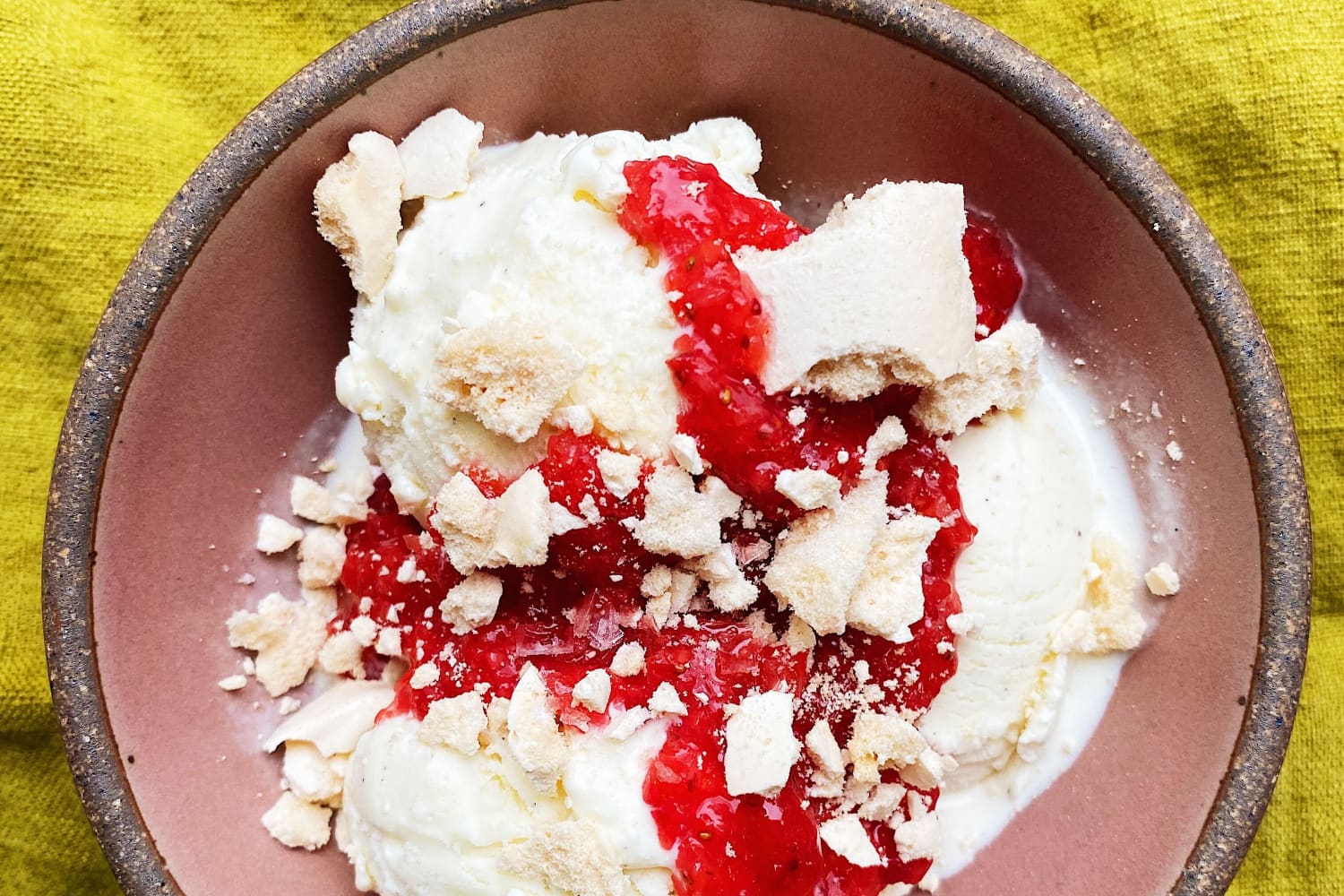
This easy yet elegant sundae features vanilla ice cream, in-season strawberries, and homemade meringue.

Makes4 sundaes

We independently select these products—if you buy from one of our links, we may earn a commission. All prices were accurate at the time of publishing.

I have a major sweet tooth, and I love to bake year-round. But my favorite time to enjoy sweet treats is, hands-down, spring and summer. With the influx of seasonal goodies like strawberries, rhubarb, and peaches, my desserts become bright, vibrant, sweet, and juicy. This affinity for fruit-based sweets led me straight to author and chef Abra Berens’ newest cookbook, Pulp: A Practical Guide to Cooking with Fruit.

Pulp explores fruit’s place in both sweet and savory cooking, with recipes like Roast Chicken over Blueberries, Cornbread + Lemon and Rum-Plum Clafoutis. But the one that immediately caught my eye was the Strawberry Sundae recipe. With creamy vanilla ice cream, crunchy meringues, sweet strawberry sauce, and flaky salt, this dessert seemed both impressive and approachable.

Why I Love This Strawberry Sundae

The first thing I noticed is that this recipe meets you where you are. While there are instructions for making all three components — ice cream, strawberry sauce, and meringue — from scratch, it’s the combination of ingredients that makes this recipe so special. So if you’re not really a baker, but you love making homemade ice cream, you could buy some vanilla meringues from your local grocery store or bakery. If you don’t have an ice cream maker, like me, then you can buy your favorite vanilla ice cream. I love that if you have a pint of ice cream in the freezer, some meringues in your pantry, and the strawberry sauce in your fridge, you can assemble this showstopping dessert in a matter of minutes — it’s perfect for dinner parties, or for the guest who stops by on short notice.

I grabbed my favorite Van Leeuwen vanilla ice cream, then set out to make my meringues. The meringue “batter” came together quickly and easily in my stand mixer. After the two-hour bake time at 250°F, my meringues were crunchy on the outside and slightly marshmallowy on the inside, albeit a little darker than I prefer.

The strawberry sauce was also so simple to put together. After hulling two pounds of strawberries, I dumped them in the food processor with a tablespoon of sugar and blitzed it until “coarsely chopped,” as instructed. Mine came out looking a little bit like strawberry salsa, but the flavor was spot-on — even with grocery-store strawberries. I can’t wait to try this with tender, fragrant farmers market strawberries in the coming months.

When it was time to assemble, I scooped some of the ice cream into a bowl, drizzled over some strawberry sauce, and topped with some crushed meringue and a pinch of flaky salt. When I took a bite, the salt hit my tongue first and then quickly gave way to the ice cream and strawberries, which evoked memories of my favorite childhood drink, Nesquik Strawberry Milk, in the best way possible. The crunchy meringues gave the perfect textural contrast, and lended a bit more sweetness to balance the salt. This is a truly impressive dessert that just so happens to be gluten-free.

In the headnotes, Abra shares the inspiration behind the recipe: “Through most of June, my favorite dessert is a bowl full of hulled strawberries, splashed with heavy cream, a spoonful of sugar, and a sprinkle of the coarsest salt.” I would say her ode to this combination more than lived up to its inspiration.
If You’re Making This Strawberry Sundae, a Few Tips

A one-bowl almond cake recipe that’s nutty and not too sweet

A one-bowl almond cake recipe that’s nutty and not too sweet

Almond Cake

Active time:15 mins

Total time:1 hour 10 mins

Servings:10 to 12 (makes one 9- or 10-inch cake)

Active time:15 mins

Total time:1 hour 10 mins

Servings:10 to 12 (makes one 9- or 10-inch cake)

This recipe comes from the Eat Voraciously newsletter. Sign up here to get one weeknight dinner recipe, tips for substitutions, techniques and more in your inbox Monday through Thursday.

I rarely mention sweets in this column because it’s primarily about interesting, adaptable and relatively easy dinner-appropriate recipes. But this week we’ve gone off script in honor of my one true love, pastry. To celebrate eating voraciously and as a special treat, I’m sharing one of my favorite cake recipes ever. It’s a one-bowl almond cake that comes together quickly, requires fewer than 10 ingredients and takes less than an hour to bake.

It’s a recipe I learned when I worked in restaurant kitchens in college, and I have since adapted it to be buttery and nutty but not too sweet. I make it often, for fancy dinner parties or weekend snacking, birthdays or brunches. I was reminded of it earlier this year when I tasted a similar cake at the Duck and the Peach in D.C.’s Capitol Hill neighborhood. That night, my friend and I went all in on pastry chef Rochelle Cooper’s desserts.

This is a longtime habit of mine. Whenever I go out to dinner, there’s a good chance I’ll ask my dining companion to linger a little longer at the table with me so I can order the entire dessert menu. Sometimes I’ll do it when I’m dining alone, but it’s more fun to share. I love the drama of it, the glee, the way the server at first thinks I’m joking, the way a procession of plated desserts through a dining room causes other diners to turn their heads, the way the table looks when it’s covered in cakes, tarts, custards and all sorts of sweet pastry.

This habit started in high school, continued through college and then cemented itself in my life when I went to pastry school and began working as a pastry chef in New York. My first pastry assistant job was at a Midtown restaurant that was known for its desserts. The chef and owner paid close attention to the pastry department. He (rightly!) believed that last impressions were important. When a table of his friends or investors or some other Very Important People came in to dine, he’d make sure they finished their meal with what he called a “Dessert Storm” — he would tell the server to order all of the desserts on the menu for that table and then, as the pastry department scrambled to plate everything, he’d flicker the lights in the kitchen on and off, mimicking a thunderstorm’s lightning.

On an adrenaline high, I loved the rush of sending out so much dessert, loved peeking into the dining room to see the diners murmur and gush with delight as the plates landed on the table, loved watching their lips curl into smiles as they took a bite.

At the next restaurant I worked at, the chef didn’t pay as much attention to dessert. He didn’t ask to taste our latest experiments or order rounds of dessert for his favorite tables. The servers preferred to sell cocktails and wine; dessert was an afterthought. What bummed me out the most was when I would be standing in front of my station, ready to plate dessert for the last few tables around midnight or 1 a.m., and a server would come into the kitchen to say the diners were too full for dessert. Crushed, I’d (often) have to toss all of my prep — the unbaked souffles, the freshly made pastry shells, the delicate cakes and cookies, the sauces, the ice cream and sorbet.

That’s when I realized that ordering the whole dessert menu wasn’t just fun for me and my friends. It was also a way to support pastry chefs, their creativity and their labor. So, when you’re out to dinner, especially if it’s a special occasion, if you’re physically and financially able, don’t skip dessert. There’s probably a pastry cook in the back of the kitchen hoping against hope that you’ve saved some room.

And the next time you’re in the mood for cake at home, give this almond cake recipe a try. Everyone I’ve ever made it for has loved it. Unlike a lot of almond cakes, it doesn’t sink in the center but stays evenly aloft after it cools. It needs no frosting, though you could turn it into a layer cake with vanilla buttercream and strawberry or peach jam filling. Its adaptability and plush density make it easy to love — and ensure it keeps well on your counter for a few days. A dollop of crème fraîche or whipped cream is nice on the side, though it’s not necessary. I love serving it simply with fresh, roasted, macerated or sauteed seasonal fruit.

  • This recipe will work with vegan butter, but I have not tested it with a vegan egg substitute.
  • If you can’t find almond paste >> you can make it.
  • I love this cake with fruit in every season: fresh citrus in the winter, lightly sugared berries in the spring, fresh or roasted stone fruit in the summer, and sauteed apples or pears in the fall.

Want to save this recipe? Click the bookmark icon at the top of this page, then go to Saved Stories in My Post.

Scale this recipe and get a printer-friendly, desktop version here.

  • 16 tablespoons (2 sticks/226 grams) unsalted butter, at room temperature, plus more for greasing the pan
  • 7 ounces (198 grams) almond paste, at room temperature
  • 3/4 cup plus 2 tablespoons (175 grams) granulated sugar
  • 1 teaspoon baking powder
  • 1/2 teaspoon almond extract
  • 1/4 teaspoon fine salt
  • 6 large eggs, at room temperature
  • 1 1/4 cups (155 grams) all-purpose flour, sifted
  • Powdered sugar, for serving (optional)
  • Fresh or cooked fruit, for serving (optional)

Position a rack in the middle of the oven and preheat to 325 degrees. Lightly grease a 9- or 10-inch cake pan, line the bottom with parchment and lightly grease the parchment.

In a stand mixer fitted with the paddle attachment, or using a large bowl and a handheld mixer, beat the butter, almond paste, sugar, baking powder, almond extract and salt on medium speed until well combined and smooth, about 5 minutes.

Add the eggs one at a time, beating well after each addition. Stop to scrape down the bowl a few times to ensure the batter is well combined. After you’ve added the last egg, scrape down the bowl again and beat the batter on medium speed for about 30 seconds. It will look slightly separated at this point, and that’s normal.

If using a stand mixer, unlock the bowl. Using a silicone spatula, partially fold in the flour. Relock the bowl and mix on low speed just until the batter looks smooth, about 30 seconds.

Transfer the batter to the prepared pan and, using a small offset spatula or butter knife, smooth the top. Bake for 40 to 55 minutes, or until the cake springs back when lightly pressed in the center and the top is deep golden brown. (It will take longer to bake if you use a 9-inch pan and less time in a 10-inch pan.)

Cool in the pan on a wire rack for 30 minutes, then invert the cake onto the rack, remove the parchment paper and turn right side up. Allow to cool about 20 more minutes, or until slightly warm. Serve immediately or at room temperature with powdered sugar and fresh or cooked fruit on top or on the side, if desired.

Per serving (1 slice), based on 12

Calories: 350; Total Fat: 22 g; Saturated Fat: 11 g; Cholesterol: 134 mg; Sodium: 119 mg; Carbohydrates: 33 g; Dietary Fiber: 1 g; Sugar: 21 g; Protein: 6 g.

This analysis is an estimate based on available ingredients and this preparation. It should not substitute for a dietitian’s or nutritionist’s advice.

From staff writer G. Daniela Galarza.

Tested by G. Daniela Galarza; email questions to voraciously@washpost.com.

Scale this recipe and get a printer-friendly, desktop version here.

Browse our Recipe Finder for more than 10,000 Post-tested recipes.

Did you make this recipe? Take a photo and tag us on Instagram with #eatvoraciously.

Catch up on this week’s Eat Voraciously recipes:

Monday: One-Bowl Cheesy Jumbo Muffins With Prosciutto and Chives

Tuesday: Spring Onion and Ham Tart

Wednesday: Sourdough Gruyere Popovers

More recipes from Eat Voraciously

75 Spring Pie Recipes That Outshine Every Other Dessert Option

75 Spring Pie Recipes That Outshine Every Other Dessert Option

So many delicious pies, so little time.

The minute the calendar flips to April, spring fever begins to set in. Sure we have some cold days ahead—and the reality of life here in Indiana is we probably have a couple more snow storms in our future—but with warmer weather approaching and the sun not setting at 5 o’clock anymore, we can feel springtime in the air. Let’s celebrate with 75 of the best spring pie recipes! I’m talking flaky crusts, thick fruit centers, creamy no-bake fillings and spring-inspired ingredients that will make you want to grab a fork and devour these insanely good pies.

Related: 25 Satisfying Spring Desserts

What Are the Four Types of Pie?

When it comes to great pies, the options are about as endless as our imaginations. However, the vast varieties can indeed be broken down into four main categories.

Related: 23 Vibrant Spring Side Dish Recipes

What Are the Three Most Popular Pies?

We all have our favorites, and this debate can cause some major arguments at family holidays, but as far as most Googled pie recipes go the top three choices are quite consistent with Americans:

  1. Apple Pie

  2. Pumpkin Pie

  3. Cherry Pie

It’s also interesting to note that many lists reminded us that savory pies are up there with the best pies. Chicken Pot Pie even jumped into the third position of most beloved pies.

Related: 28 Sensational Spring Dinner Ideas

What Are the Top 10 Favorite Pies?

When it comes to the countless ways we enjoy a slice of pie, looking at only the top three for favorite choices didn’t seem fair. So, let’s take a look at the Top 10 favorite pies we can’t get enough of. Let’s see if your favorite made the cut!

  1. Apple

  2. Pumpkin

  3. Cherry

  4. Pecan

  5. Key Lime

  6. Banana Cream

  7. Lemon Meringue

  8. Blueberry

  9. Oreo

  10. Chocolate Mousse

Do you agree with the list? I have to say there are some missing that our family loves: Sugar Cream (the official state pie of my home Indiana) Coconut Cream, Raspberry and Peach Pie just to name a few.

Related: 25 Coconut Recipes For Coconut Lovers

What Type of Pies To Make in Spring

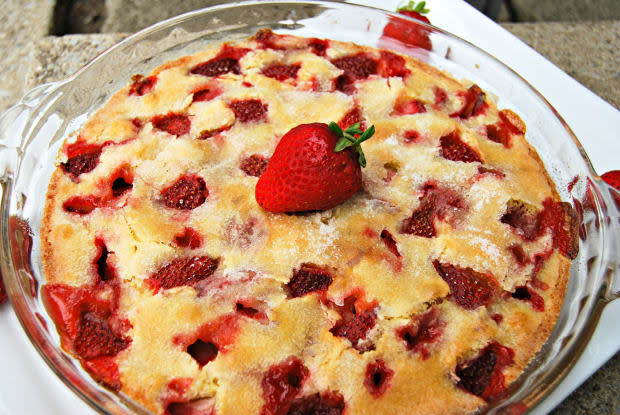
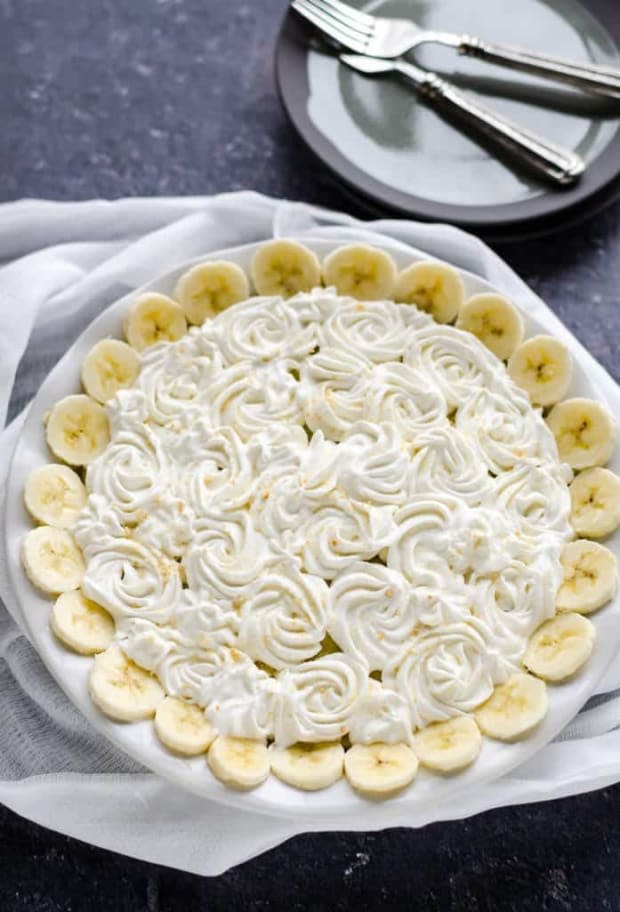
For me, when springtime arrives, if I am making a pie, I’m gravitating towards cool, creamy and/or fruit pies. The Peach Blackberry Pie is perfect now or after a trip to the farmers’ market this summer. The Frozen Strawberry Pie is every berry lover’s dream. Combine two best spring pies into one delicious dessert with the Banana Coconut Pie!

Related: 35 Best Spring Appetizers

Best Spring Pie Recipes

In this collection, you will find ways to please every pie lover in your house. Do you want fruit-filled pies? How does Lemon Meringue, Blueberry Lemon Crunch, Raspberry Peach or Homemade Cherry Pie sound? Do you enjoy the ease of no-bake desserts as much as I do? The No Bake Butterscotch, Banoffee and Strawberry Pretzel pies are all going on my must-make list!

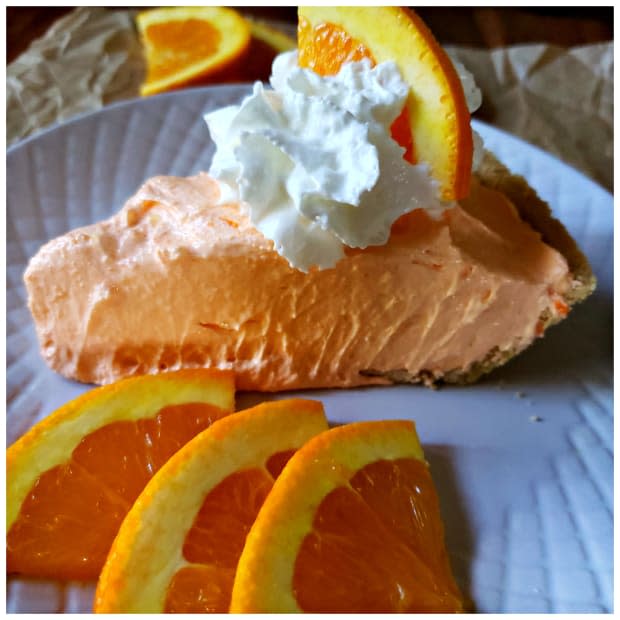
Your kids will go crazy for the Kool-Aid Pies, and their colors would look so pretty on your spring table. With the sunnier, warmer days the Peach Ice Cream Pie will be a cool treat. Don’t worry if you are craving chocolate because the Oreo Cookie Cake is out-of-this-world good.

For the adults at your table, give them a little boozy surprise with Tequila Key Lime Pie and Frozen Strawberry Margarita Pie! As a Hoosier girl, I am happy to be including a terrific Sugar Cream Pie recipe, our official state pie of Indiana. If you’ve never heard of it or tasted it, I promise you won’t be disappointed.

Related: The Best Spring Cupcake Recipes

75 Spring Pies

<p>Mark Boughton</p>
<p>Ashley English</p>
<p>iStock</p>
<p>Krista Marshall</p>
<p>Andrew McCaul</p>
<p>Danielle Atkins</p>
<p>Mark Weinberg</p>
<p>Mark Thomas</p>
<p>Ronni Lundy</p>
<p><a href="https://parade.com/862569/kristamarshall/fudge-pie/" rel="nofollow noopener" target="_blank" data-ylk="slk:Krista Marshall;elm:context_link;itc:0" class="link ">Krista Marshall</a></p>
<p>Darina Allen</p>
<p>Con Poulos</p>
<p>Ben Rayl</p>
<p><a href="https://parade.com/842182/communitytable/chocolate-honey-nut-pie/" rel="nofollow noopener" target="_blank" data-ylk="slk:Jessica Merchant;elm:context_link;itc:0" class="link ">Jessica Merchant</a></p>
<p>Addie Chinn</p>
<p>Lara Farroni</p>
<p>Ben Rayl</p>
<p>Con Paulos</p>
<p>Teresa Blackburn</p>
<p>Charlotte Dawes</p>
<p>Johnny Miller</p>
<p>The Loving Pie Company</p>
<p>iStock</p>
<p>Chad A Elick</p>
<p>Peter Frank Edwards</p>
<p>Getty Images</p>
<p>Danielle Atkins</p>
<p>12 Tomatoes</p>
<p>Pam Beth</p>
<p>Callie Blount</p>
<p>Dorothy Kern</p>
<p>iStock</p>
<p>Southern Bite</p>
<p>Crazy For Crust</p>
<p>Julia's Simply Southern</p>
<p>Plain Chicken</p>
<p>Crazy For Crust</p>
<p>Plain Chicken</p>
<p>Crazy For Crust</p>
<p>Julia's Simply Southern</p>
<p>Plain Chicken</p>
<p>Crazy For Crust</p>
<p>Julia's Simply Southern</p>
<p>Plain Chicken</p>
<p>South Your Mouth</p>
<p>Crazy For Crust</p>
<p>The Country Cook</p>
<p>Southern Bite</p>
<p>Plain Chicken</p>
<p>Crazy For Crust</p>
<p>Plain Chicken</p>
<p>Crazy For Crust</p>
<p>Plain Chicken</p>
<p>Crazy For Crust</p>
<p>Plain Chicken</p>
<p>Southern Bite</p>
<p>The Country Cook</p>
<p>Julia's Simply Southern</p>
<p>The Country Cook</p>
<p>Crazy For Crust</p>
<p>The Country Cook</p>
<p>Plain Chicken</p>
<p>The Country Cook</p>
<p>Cooking Classy</p>
<p>Half Baked Harvest</p>
<p>Krista Marshall</p>