Inspire creativity with fun snack hacks | Food/Recipes

Inspire creativity with fun snack hacks | Food/Recipes

(Family Features) School days offer nearly endless opportunities for learning and exploration in the classroom, but education doesn’t have to end with the final bell. Parents can ensure their students feel energetic, creative and confident by inspiring snack choices that are as smart as they are fun to make together.

Whether you’re whipping up a snack to send to school or your little learners need an energy boost before starting afternoon homework, creative snacking can help encourage inspiration. As a trusted ally with better-for-you and convenient whole-fruit lunchbox snacks kids can enjoy, Sun-Maid offers these easy tips and ways to embrace the fun side of snack time.


16556_A.jpg


16556_B.jpg


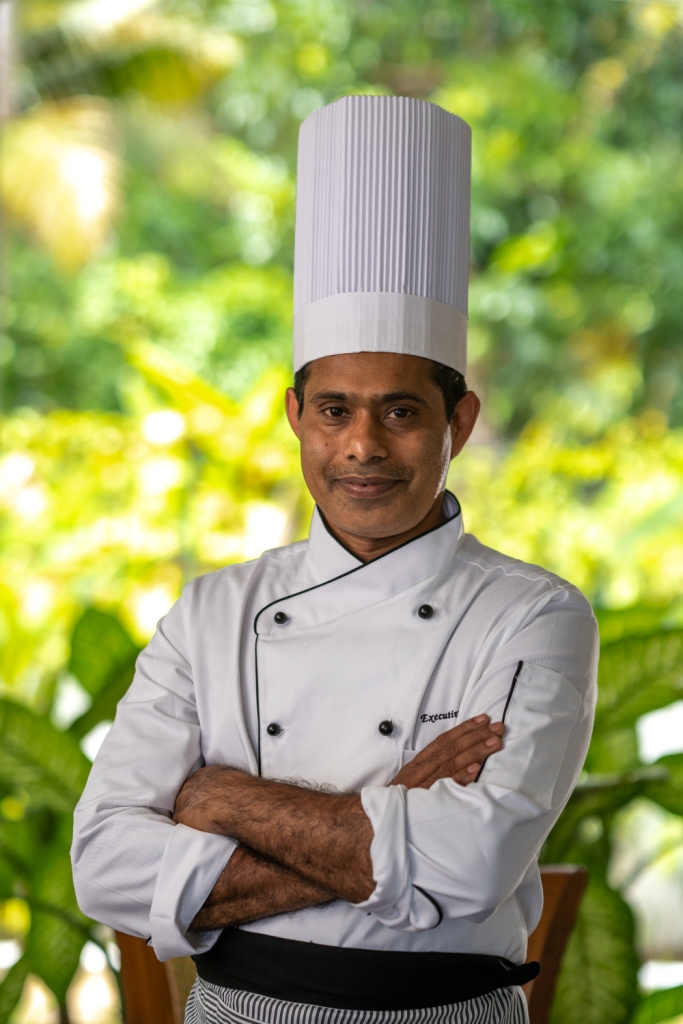
Delicious, easy-to-make, healthy comfort food recipes by Amal Tamara

Delicious, easy-to-make, healthy comfort food recipes by Amal Tamara

Delicious, easy-to-make, healthy comfort food recipes by Amal Tamara

27/02/2023

Delicious, easy-to-make, healthy comfort food recipes by Amal Tamara

“Comfort food is the foundation of memories. When things are bad, a good meal shared with loved ones may provide a lifetime of peace and warmth.”

The appeal of comfort food stems from its potential to transport us to happier and more familiar times. It conjures up images of home-cooked meals, family get-togethers, and holiday traditions. Especially during tough or stressful times, comfort food has a way of helping us feel good and delivering a sense of warmth and stability. The scents and textures of comfort food are extremely delicious, giving one a feeling of indulgence and pleasure.

Indulge in the warm and familiar flavors that will bring you back to your happiest memories with these recipes by Amal Tamara.

Pumpkin Ada

Ingredients
● Semolina – ½ cup
● Pumpkin – 200grm
● Salt – to taste
● Cardamom powder -1/2 teaspoon
● Jaggery syrup – 1 cup
● Grated coconut – 200 gm
● Cumin powder -1 pinch
● Ghee – 2 tablespoons

Direction
● Peel and grate pumpkin and keep aside
● Pour ghee in to a hot pan and add the grated pumpkin, sauté well
● Then add grated coconut, cardamom, and cumin powder
● Add jaggery syrup and mix well
● Add dry roasted semolina and make it to a smooth dough
● Place small piece of dough in the center of the banana leaf, flatten it using
hand
● Fold the leaf into half, tuck the ends of the leaf

● Grill the ada on a pan and serve hot

Banana flower cutlet

Ingredients
• Chopped Banana flower – 1 cup
• Colocasia – 100 gm
• Rock Salt – to taste
• Green chili, curry leaf, coriander leaf, ginger, garlic – ½ Teaspoons each
• Turmeric powder – 1 or 2 pinch
• Chili powder – 1 pinch
• Cumin powder -1 pinch
• Coriander powder- 1 pinch
• Fennel powder – ½ tsp
• Coconut oil – 3 table spoons
• Brown rice puttu podi- To dip
• Shallots – 50 gm

Direction

• Finely chop banana flower and keep in turmeric water
• Boil the Colocasia, mash it and keep aside
• Into a hot pan add coconut oil, ginger, garlic, curry leaf, shallots and sauté for a
while
• Add all the powdered masalas and sauté well
• Once masalas are cooked, add the chopped banana flower after squeezing all the
water out and cook well
• Once it cooks add well mashed colocasia and chopped coriander leaves
• Switch off the flame and make the mixture into cutlet patties and coat the pattie
with brown rice powder and grill it on a tawa and serve hot

Spinach Clear Soup

Ingredients

● Spinach -200gm
● Chopped carrot & Zucchini- 25gm
● Vegetable stock-
● Salt-to taste
● Crushed pepper- one pinch
● Cumin powder – one pinch

Direction
● Finely chop the spinach and vegetables
● In a pan add the finely chopped spinach and vegetables and boil in vegetable stock
● Add salt, pepper, cumin powder and cook well
● Serve hot

—-

Comments

0

Abby Lee’s one-pot Malaysian recipes | Food

Abby Lee’s one-pot Malaysian recipes | Food

Malaysia isn’t known for its cold weather, but, when the rainy season arrives in November and December, the temperature does tend to drop – to 25C. During the colder months in Britain, meanwhile, I eat lots of peppery broths spiked with chilli and ginger, and often serve them with “cooling” vegetables to balance the heat, as well as hot-and-sour curries and slow-braised meats. These are dishes to warm the soul and keep you going until the sun returns.

Babi chin, or braised dark soy pork belly

A classic Nyonya dish that’s often served at lunar new year, though a more day-to-day version would simply involve garlic and fermented soya beans. It’s a combination of Chinese and Malay cultures, using the former’s soya beans and the latter’s coriander seeds. Two ingredients that will make a big difference here are good soya bean paste and a thick dark soy. If you like, add a few soaked shiitake mushrooms to the braise, for some extra texture.

Prep 10 min
Marinate 1 hr
Cook 1 hr 45 min
Serves 4

For the braise
600g skin-on pork belly
, cut into 4cm cubes
80ml dark soy sauce
15ml light soy sauce
2½ tsp granulated sugar
1 tbsp vegetable oil
, or other neutral oil
200g round shallots, peeled
Salt and sugar, to taste

For the rempah (paste)
20g coriander root (or stalks)
35g peeled garlic
45g long red chilli
2 tbsp coriander seeds
40g soya bean paste
(or red miso paste)

Put the pork in a bowl with half the dark soy sauce, toss to coat, then leave to marinate at room temperature for an hour.

Meanwhile, make the rempah. Roughly chop the coriander root, garlic and chilli, put them in a food processor with the remaining paste ingredients and blend smooth.

Mix the remaining dark soy, light soy and sugar in a bowl. Put the oil in a deep saucepan on a medium heat and, when hot, add the paste and stir for five to 10 minutes, until you can really smell the aromatics. Add the pork belly and stir to coat each piece. Pour in the soy sauce mixture, swirl a little water in the bowl to pick up any last bits, and add to the pan with the peeled shallots. Top up the water so the pork belly is almost fully covered, bring to a boil, then turn down to a light simmer, cover and cook for an hour and a half.

Season with salt and sugar to taste (different brands of soy sauce have different flavour profiles), and serve with rice.

Ikan assam pedas, or hot-and-sour fish stew

This classic Malay and Minangkabau dish is very aromatic and moreish, and more of a thin broth than a thick curry. It’s traditionally laced with torch ginger flower, a particular fragrance that’s hard to get in the UK, but the more easily found Vietnamese coriander would finish it off nicely. Don’t be afraid of frying the paste in lots of oil: it’s the best way to bring out the fragrance. Similarly, be heavy-handed with the tamarind – this is meant to be lip-smackingly sour.

Prep 15 min
Cook 1 hr
Serves 4

For the rempah
90g red onion, peeled and roughly chopped
80g lemongrass, green tops discarded, the rest roughly chopped
90g long red chilli, roughly chopped
6g shrimp paste (belacan, ideally; otherwise, Thai kapi is widely available)
8 pieces dried kashmiri chilli, soaked in warm water for 15 minutes
½ tsp ground turmeric

For the fish
100ml vegetable oil, or other neutral oil
20g granulated sugar
1 tsp fine sea salt
140g aubergine
, cut into 6cm chunks (they’ll shrink when cooked)
1 plum tomato, cut in half
50g tamarind concentrate (ideally, the light brown south-east Asian type)
120g okra
2
mackerel, cleaned, or 4 x roughly 140g fillets
Chopped mint and coriander, to finish

Put all the paste ingredients in a blender and blitz smooth.

Put the oil in a deep saucepan on a medium heat, then fry the paste, stirring regularly, for about 20 minutes, until the oil separates. Add the sugar and salt, let it caramelise for a couple of minutes, then add the aubergine, tomato, tamarind and 500ml water, bring to a boil, simmer for 15 minutes, then stir in the okra and simmer for five minutes more.

Turn the heat down low, so no bubbles break the surface, then gently poach the fish in the stew for five to seven minutes, until the flesh flakes easily.

Season with extra tamarind, salt and sugar to taste, depending on whether you prefer it more sour, salty or sweet, and serve with rice and chopped mint and coriander.

Chai buey, or mustard green stew

Some of the ingredients are alternatives to traditional ones, but if you have a Chinese supermarket nearby, use salted mustard greens instead of the sauerkraut and kale. Although this is often made using leftover roast meats, it’s a star in its own right and well worth making entirely from scratch.

Prep 15 min
Cook 1 hr 45 min
Serves 4

1 tbsp vegetable oil, or other neutral oil
4 x 280g duck legs
35g piece fresh ginger
, unpeeled, cut into 1cm-thick slices
20g peeled garlic, chopped
12 pieces dried kashmiri chilli (about 10g)
50g carrot, cut into 1cm-thick matchsticks
150g turnip, cut into 1cm-thick matchsticks
120g sauerkraut, ideally with no added flavours
70g vine tomatoes, cut into wedges
½ tbsp white peppercorns, dry toasted and lightly crushed
2½ tbsp light soy sauce
1½ tsp salt
70g kale
, roughly chopped
2½ tbsp tamarind concentrate (ideally, the light brown south-east Asian type)
Sambal belacan, to serve

Put the oil in a deep saucepan on a medium-high heat, then sear the duck legs all over until they are just slightly darker than golden brown. Remove and set aside, leaving the oil in the pan.

Turn down the heat to medium, add the ginger, garlic and dried chilli, and stir for a couple of minutes so they infuse the oil. Add the carrots and turnips, and stir-fry for three or four minutes.

Add the sauerkraut, tomato, crushed white peppercorns, soy sauce, salt and duck legs, then pour in just enough water to cover the duck (depending on the depth of the pan, you’ll need up to a litre). Bring to a boil, then turn the heat as low as possible, cover and leave to simmer very lightly for about an hour and a half. Ten minutes before the end of the cooking time, stir in the kale and tamarind.

Lift out the duck legs and shred all the flesh off the bones. Remove and discard the ginger slices and dried chilli, then stir the duck meat back into the pan and add salt and tamarind to taste – the sourness has to come through here. Serve with rice and our beloved sambal belacan.


Why Weird Vintage Recipes Found a Second Life Online

Why Weird Vintage Recipes Found a Second Life Online

In recent years, the weird vintage recipe genre really hit its stride on video-based platforms like YouTube and TikTok, where morbid curiosity and a desire to behold the grotesque drives a lot of successful digital media—take Dr. Sandra Lee’s pimple-popping empire as an even less appetizing example.  

“Certain ingredients elicit a gut reaction in people, like mayo in particular,” says Emmy Cho, one of the first auteurs of the genre. Cho is known for her nonjudgmental exploration of a wide array of culinary obscura on her long-running YouTube channel, Emmymade. For her audience of 2.89 million subscribers, she’s prepared beef fudge, which is just straight-up fudge plus a cup of ground beef, and a liver paté centerpiece covered in lemon Jell-O, mayonnaise, and green olives and shaped into a pineapple.

While mayo always strikes a nerve, nothing gets viewers going like Jell-O. The instant powdered gelatin is a key ingredient for many of the most unappetizing vintage recipes, and it makes for an alluring, wobbling, translucent spectacle—that’s also perfect for a thumbnail.  “When you have crystal clear Jell-O with pieces of fruit and vegetables suspended in it, there’s something about it that makes you think, Wow, you can eat that?” Jones agreed, saying  “I haven’t made very many Jell-O recipes, but every time I don’t make one, people comment, ‘Where’s the Jell-O?’” she says. “It’s what the people want.” 

Both Cho and Jones accrued large view counts by daring to eat disagreeable retro creations, but both of them see the videos as more than just shock value. Cho is more interested in the process and cooking techniques involved with these recipes, and she’s always respectful and appreciative of a new edible experience, even if the edible experience is ultimately disgusting. 

Jones, who described to me a long-standing interest in mid-century culture, is keenly aware of how these recipes came to be. She’ll point out the inherent superficiality of promotional recipes (as with a farming conglomerate’s 1960s recipe for avocado pie) and doesn’t shy away from discussing the fraught domestic expectations of women during that period. Just as often, she features vintage recipes she genuinely loves and grew up eating, like the one for cherry delight or her grandmother’s three ingredient chicken and dumplings. “For me, going back into this book that no one has thought about for 50 years and being able to open it, and experience it for myself, is sort of magical,” Jones explains.

Photo by Travis Rainey, Styling by Joseph De Leo

Where do these “weird” recipes actually come from?

To state the obvious: the United States underwent massive and unprecedented changes through industrialization, advances in science and technology, and the growth of a suburban middle class during the 20th century. Companies began directing their advertising toward this middle class through promotional pamphlets and recipe books; a strategy which, according to Lohman, Jell-O first laid out as early as 1905. Following the post-World War II boom in industrialized food and the supermarket’s rise, this type of recipe-based promotion reached its peak. 

3 recipes that will bowl you over at breakfast, lunch and dinner

3 recipes that will bowl you over at breakfast, lunch and dinner

Bowls. You eat cereal in a bowl. You eat soup in a bowl. But bowl eating is something else entirely. The idea is to use a bowl — playing off the roundness, the curve of the vessel — to layer food into one satisfying meal. Bowls work for morning, noon and night. For instance, you can place a layer of polenta or grits on the bottom of a bowl (think of a blanket of warmth) then add some sautéed greens. Top it off with a poached egg and you’ve got a breakfast bowl. And for lunch, spiced chicken lime slaw, pickled radishes, crumbled cheese and warm tortillas. For dinner, a bowl of  brown rice topped off with oven-roasted salmon, roasted fennel and radicchio with a simple ginger-soy-vinegar sauce.

Bowls are highly adaptive and interactive. For instance, you can mix and match any of the elements from these bowls. The breakfast polenta and egg bowl would work well with brown rice instead of polenta and you could add the pickled radishes. The salmon bowl would be delicious with the polenta and slaw, etc. The idea is to play around, adding ingredients you have on hand, and layering colors, textures and flavors.

The basic formula for bowl eating is to choose a base (rice, polenta, pasta, orzo, cabbage slaw, sauteed greens, etc) topped with a protein or roasted or sautéed or stir-fried vegetables, a quick sauce or sprinkle of cheese and maybe a pickled vegetable like carrot, radish or green beans. Each of these recipes provides many topping ideas as well as several variations.

Breakfast: Polenta and poached egg bowl with kale

You can use polenta or grits as the base of this breakfast bowl. You could also heat up leftover cooked brown or white rice. Poach the eggs at the last minute, or fry them in olive oil. Very flexible. Serve with warm crusty bread.

Serves 2 to 4.

Ingredients

Polenta and poached egg bowl with kale. (Kathy Gunst/Here & Now)

The polenta:

  • 3 cups water
  • A heavy pinch of salt, about ¼ teaspoon
  • 1 cup polenta
  • 1 tablespoon butter or olive oil
  • Freshly ground black pepper

The eggs and kale:

  • 1 ½ to 4 tablespoons olive or vegetable oil
  • ½ pound kale, spinach or Swiss chard, stemmed and coarsely chopped
  • Salt and freshly ground pepper to taste
  • 4 eggs

Optional toppings:

  • Hot sauce or chili flakes
  • Avocado slices
  • Greek yogurt or sour cream

Instructions

  1. Make the polenta: In a medium saucepan, bring the water to a boil over high heat. Add the salt and stir in the polenta, stirring frequently. Reduce to low heat and cook, stirring to avoid clumping, for 5 minutes. Remove from the heat and stir in the butter or oil and pepper to taste. Cover and let sit for 1 to 2 minutes.
  2. Meanwhile, sauté the kale: In a large skillet, heat 1 ½ tablespoons of the oil over medium-high heat. Add the kale and cook, stirring occasionally, about 12 to 15 minutes, or until wilted and just tender. Season with salt, pepper and chili flakes to taste.
  3. To poach eggs: Fill a medium pot or saucepan with water and bring to a boil over high heat. Reduce the heat to medium-low to a gentle simmer. Crack eggs into a bowl, one at a time, and very gently slide them into the simmering water. Cook eggs for 3 minutes. Remove with a slotted spoon.
  4. To fry the eggs: Heat the remaining 2 tablespoons of oil in a large skillet over medium-high heat. Crack the eggs into the skillet, being careful not to let them overlap or touch too much and cook for about 3 minutes, basting with the oil by tipping the skillet slightly to gain access to the oil; cook until the whites.  For over-easy eggs, gently flip the eggs, and cook another minute, if desired.
  5. To assemble bowls: Divide the polenta between 2 large or 4 smaller bowls. Top with some kale and then one or two eggs. Top with hot sauce and any or all of the toppings. Serve hot.

Lunch: Spiced chicken, lime slaw, pickled radishes and warm tortillas

Spiced chicken, lime slaw, pickled radishes and warm tortillas. (Kathy Gunst/Here & Now)

The flavors in this bowl are bright and reminiscent of a good taco. A very simple slaw made of shredded red cabbage, grated carrots, scallions and lime forms the base. Chicken thighs marinated in lime juice, cumin, cinnamon and chili flakes are sautéed over high heat and then sliced and placed on top of the slaw. Quick-pickled radishes go on the side, and crumbled feta, cotija or goat cheese on top. You can also add a lime crema (see recipe below) on top or on the side. Serve with warm corn or flour tortillas.

Serves 2 main course portions or 4 lunch or smaller bowls.

Ingredients

The quick-pickled radishes:

  • 1 small bunch of radishes, about 8, trimmed and thinly sliced
  • ½ cup cider vinegar, or white wine vinegar
  • ½ cup water
  • 1 ½ tablespoons sugar
  • 2 teaspoons Kosher salt
  • 3 peppercorns

The spiced chicken:

  • 1 pound boneless chicken thighs or breasts
  • 2 tablespoons fresh lime juice
  • 1 teaspoon grated lemon zest
  • ½ teaspoon ground cinnamon
  • ½ teaspoon ground cumin
  • Dash chili flakes or hot pepper sauce
  • Salt and freshly ground black pepper
  • 1 ½ tablespoons vegetable or olive oil

The slaw:

  • 1 cup thinly sliced red cabbage
  • 1 scallion, finely chopped
  • 1 large carrot, grated on the largest opening of a cheese grater
  • 2 tablespoons vegetable or olive oil
  • Juice of 1 large lime, about 2 tablespoons
  • Salt and freshly ground black pepper to taste

Optional toppings and accompaniments:

  • 4 to 8 flour or corn tortillas
  • ½ cup crumbled feta, cotija or goat cheese
  • Fresh cilantro sprigs
  • Lime crema (½ cup sour cream mixed with ½ teaspoon grated lime zest and 2 teaspoons fresh lime juice)
  • Avocado slices

Instructions

  1. Pickle the radishes: Place radishes in a medium jar. In a small non-reactive saucepan, heat the vinegar, water, sugar, salt, and peppercorns and bring to a boil over high heat. Reduce the heat and cook, stirring, until sugar and salt are dissolved, about 3 to 5 minutes. Remove from heat and pour over radishes. Cover the jar and let sit for 1 hour or refrigerate for up to a week.
  2. Marinate the chicken: Place the chicken in a bowl and toss with the lime juice, lime zest, cinnamon, cumin, chili flakes, and a generous sprinkle of salt and pepper. Toss to coat on both sides.
  3. Make the slaw: In a medium bowl toss the cabbage, scallions, carrots, oil, lime juice, salt and pepper to taste. Cover and refrigerate if making ahead of time.
  4. The recipe can be made 12 hours ahead of time up to this point.
  5. To assemble bowl: Heat a large skillet with 1 ½ tablespoon oil over medium-high heat. Add the chicken and any marinade and cook about 6 to 7 minutes per side, until golden brown and cooked through. Remove and cool for 1 minute. Thinly slice the chicken on the diagonal.
  6. Meanwhile, preheat the oven to 300 degrees. Place the tortillas in a tea towel and warm for about 5 minutes.
  7. Place 2 large or 4 small bowls on a work counter and divide the slaw between them. Divide the chicken on top of the slaw. Arrange several pickled radishes along the edge of the bowl and top with any or all of the toppings. Serve the warm tortillas on the side.

Dinner: Brown rice, salmon, fennel and radicchio bowl with soy-ginger sauce

You can easily substitute white rice, couscous, or pasta for the brown rice in this dinner bowl.

Serves 2 large main courses.

Ingredients

The brown rice:

  • 1 cup brown rice
  • 2 cups water
  • Salt

The ginger-soy-vinegar sauce:

  • 2 teaspoons finely chopped fresh ginger
  • 1 scallion, finely chopped
  • ¼ cup soy sauce or tamari
  • 1 tablespoon rice wine vinegar
  • 2 tablespoons lemon or Meyer lemon juice

The salmon and vegetables:

  • 1 pound salmon filet, preferably wild
  • 1 fennel bulb, cored and cut into 6 small wedges
  • 1 small head radicchio, cored and cut into 4 wedges
  • 2 tablespoons olive oil
  • 1 tablespoon finely chopped fresh ginger
  • 1 scallion, finely chopped
  • Salt and freshly ground black pepper

Optional toppings:

  • 1 lemon, cut into wedges
  • 1 avocado, cut into thin slices
  • Black and/or white sesame seeds

Instructions

  1. Cook the rice: Place the rice in a fine strainer and rinse under cold running water; drain. Bring the water to a boil over high heat in a medium saucepan. Add the rice and a pinch of salt and bring to a boil. Reduce heat to low, cover and let cook for about 20 to 30 minutes, or until the water has been absorbed and the rice is tender. Remove from the heat and let sit for 5 minutes. Fluff with a fork.
  2. Make the sauce: In a small bowl mix all the ingredients for the sauce; taste for seasoning. The sauce can be made 24 hours ahead of time.
  3. Preheat the oven to 450 degrees. Place the salmon, fennel and radicchio on a baking sheet or sheet pan. Drizzle the oil, ginger, scallion, salt and pepper over the fish and vegetables. Bake on the middle shelf for 10 to 12 minutes, depending on the thickness of the salmon. Remove and preheat the broiler. Spoon 2 tablespoons of the sauce on top of the salmon. Place the salmon and vegetables under the broiler for 3 to 4 to minutes. The fish should be almost flaking and the vegetables just tender.
  4. Place the rice on the bottom of 2 large bowls. Top each bowl with half of the salmon and vegetables. Serve with lemon wedges and any or all of the optional toppings.

Find more bowl recipes here.

Mardi Gras recipes to make at home

Mardi Gras recipes to make at home

While some people might wish they were enjoying some gumbo on Bourbon Street or starting the day at Café Du Monde with a beignet and café au lait, many people are waking up to their typical routine. Although Fat Tuesday is full of food traditions, it might be time to get into the kitchen and enjoy a taste of the Big Easy at home. These Mardi Gras recipes will have the good times rolling all day long.

As some people appreciate, the Fat Tuesday is a time to indulge in a few more treats before Lent begins. For others, the Mardi Gras celebration is a time to enjoy some delicious food choices. From Mardi Gras cocktails to sweet treats, there are a variety of options to fill the table.

One iconic Mardi Gras celebration food is the King Cake. The colorful, sweet treat is a classic. While there is a classic flavor, Albertsons and DoorDash offered delivery of the dessert. According to the two brands, the delivery program shipped “nearly 1,100 King Cakes across 664 cities in all 50 states” last year.

King Cake colors Universal Orlando Mardi Gras menu

Universal Orlando Mardi Gras, King Cake, photo provided by Cristine Struble

For those people who prefer to get into the kitchen and make their own version of the King Cake, Pink House Alchemy has shared their recipe for the classic dessert. While there are a lot of ingredients and steps, making your own King Cake will impress everyone around the table.

King Cake

Ingredients:

Dough:

  • ½ cup whole milk
  • 2 tbs butter
  • ¾ tsp kosher salt
  • ⅓ cup warm water
  • ¼ cup granulated sugar
  • 2 tsp active dry yeast
  • 1 egg (room temperature and slightly beaten)
  • 1 tsp vanilla extract
  • 1 tbs pH Delight Syrup
  • 2 ½ cups bread flour
  • · Filling:
  • 8 ounces cream cheese, room temperature
  • ¼ cup pH Delight
  • 1 tbs cinnamon
  • ¼ cup brown sugar
  • ⅓ cup flour

Glaze:

  • 2 cups powdered sugar
  • 2 tbs whole milk
  • 1 tbs pH Delight Syrup
  • 1 tsp vanilla extract
  • ½ tsp kosher salt

Method:

  • Heat milk and butter in a microwave-safe bowl for 30 – 45 seconds until the butter is melted, then add salt. Let this mixture cool slightly.
  • In a mixing bowl, add the warm water, sugar, and yeast. Stir this until the yeast dissolves and let this sit for 5-10 minutes or until the yeast is foamy.
  • Once the yeast has activated, add the milk + butter mixture, egg, vanilla, pH delight, and 2 cups of bread flour. Knead this with a bread hook on a medium speed for 5 mins or by hand for 10. Slowly add in the remaining flour if the dough is too sticky.
  • Once the dough has been kneaded, spray another bowl with nonstick cooking spray and add the dough. Cover the bowl with plastic wrap or a damp cloth and let the dough sit until it’s doubled in size (about 75-90 mins).

Filling:

  • Beat the cream cheese until it is light and fluffy, then add the remaining ingredients. It will be a little sticky, but that is okay.
  • Line a cookie sheet with parchment paper.
  • Once the dough has been proofed, lightly flour a hard surface to roll out the dough. It should be a 10 x 18 inch rectangle. Once you get the dough to this size, add the cream cheese mixture to one side of the dough and fold the remaining dough on top (you should now have a 5 x 9-inch rectangle.
  • Cut this in half and braid the two pieces together to form a braided circle. (I like to pinch the last bit of dough together.
  • Move the ring to the parchment-lined baking sheet and let it proof again for another 45 mins.
  • During this second proof, you can preheat the oven to 335 degrees. The lower temperature helps the middle cook without burning the outside.
  • Bake the cake for 30-35 mins. The top will be golden brown.
  • Let the cake cool for 30 minutes until you add the glaze and sprinkle.

Glaze:

  • Make the glaze while the cake cools by adding all the ingredients into a bowl and whisking it together. The glaze will be thick. That is what you want.
  • Before you glaze your cake, add a gold coin or a baby figurine to a random section of the cake (just make sure it is fully pushed down into the cake).
  • Once the glaze is ready, you can pour it on your cake and then decorate it with purple, yellow, and dark green sanding sugar. You can find the sugar along the baking aisle at the grocery store or any craft store.

For those unfamiliar, the gold coin or baby is considered good luck for the person who finds it. Also, it determines who has to bring the King Cake for the following year’s celebration.

While King Cake is often the colorful Mardi Gras recipes option, many people opt for beignets. The classic fried dough smothered in powdered sugar is a favorite. Disney and Universal have shared their recipes before. Even Cracker Barrel’s the Pancake Kitchen offers its biscuit beignets for delivery.

As for other Mardi Gras recipes, gumbo, etouffee, and even just a big plate of crawfish can keep the good food and good times rolling. A taste of NOLA is not limited to the Big Easy. It can be found in your own kitchen, if you are willing to put forth the effort.