 SirDolphin said:
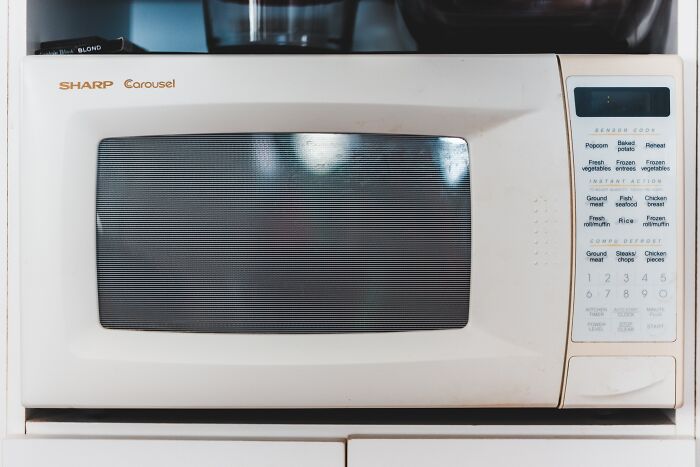
“In America people boil the water for their tea…. in the microwave.”
bizitmap replied:
“Americans make tea by throwing it in Boston harbor.”
SirDolphin Report
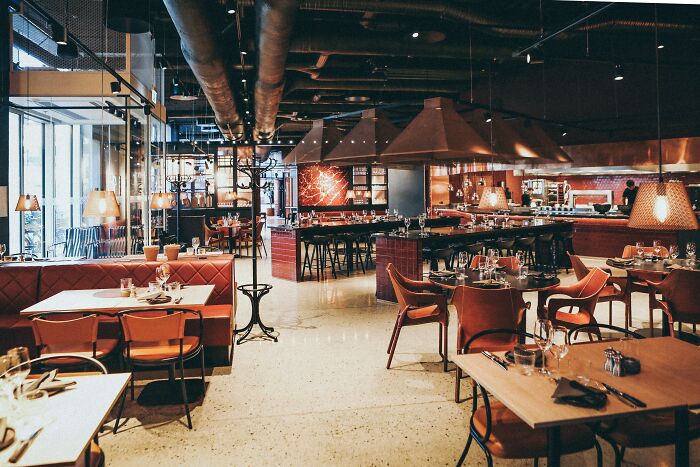 “If I remember right, my first foreign country I visit was when I went to Hong Kong. I think the first big culture shock (and a pleasant one) was going into a restaurant and none of the patrons were speaking very much and definitely not speaking loud enough to be heard at another table. It was magnificent and ruined restaurants in America for me forever.”
Scott_Liberation Report
McBeaster said:
“I asked for a bottle of water in Iceland. The guy just shakes his head and goes “you don’t need that” and filled me up a cup from the tap.”
Auferstehen78 replied:
“We were told to save the bottles from our flight and just fill from the taps. It was the best water.”
McBeaster Report
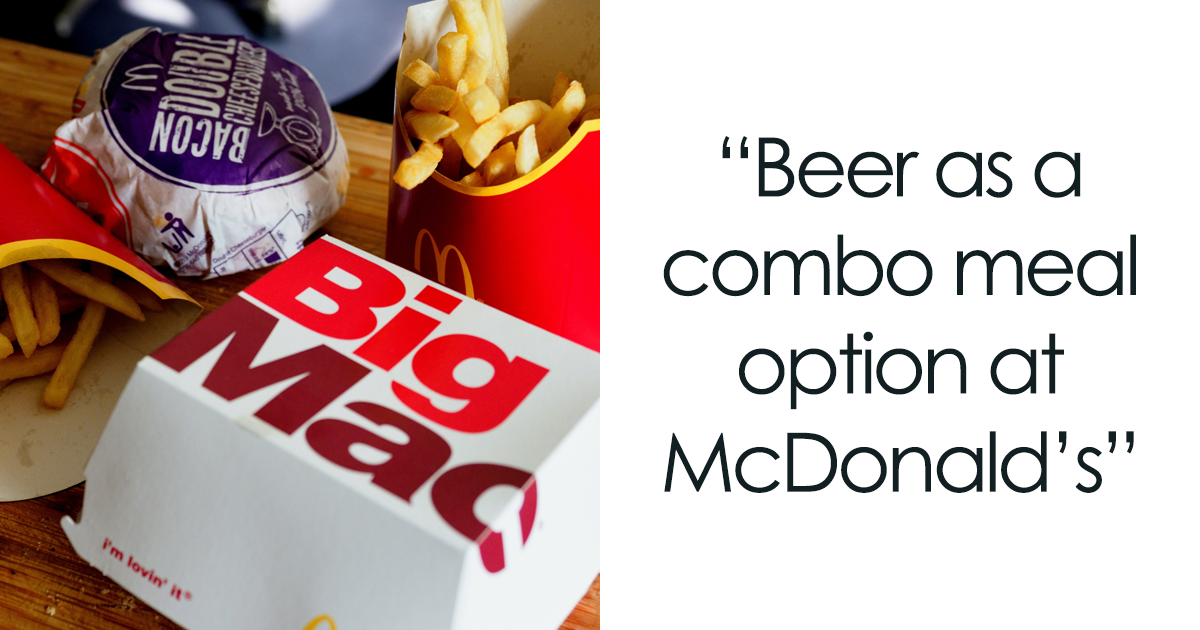
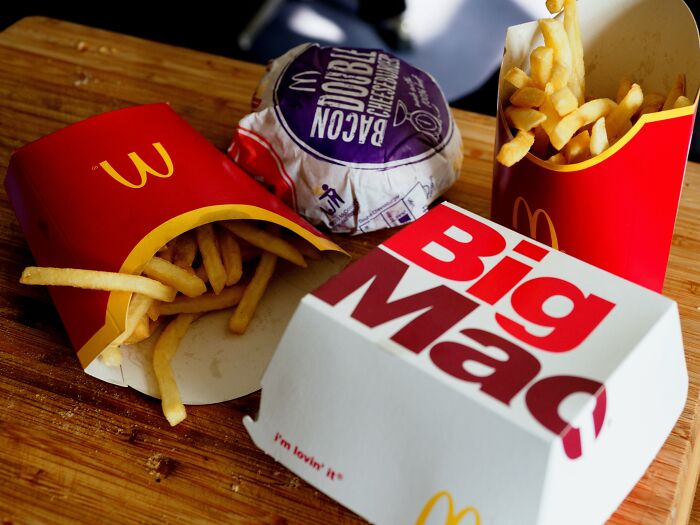 “Beer as a combo meal option at McDonald’s.
The BEST difference were the free tapas in Madrid. Order a drink, and they bring you free food. Everything from delicious olives to cheese to marinated mushrooms to bread to this one dish… it looked like cold potato salad but it wasn’t because it was actually delicious. Even better, really really good Spanish wine could be had for 2 euros a glass. But yeah, go bar hopping, eat all the free food, and you can skip dinner. The one weird thing is that all these bars would be lit up like an American diner would be in the morning. I’m used to bars in the US, which tend to be very dark.”
mst3k_42 Report
SirKendizzle said:
“Not eating your national animal in USA. Kangaroos are bloody delicious.”
xRamenator replied:
“Well, there aren’t that many bald eagles flying around here in the US.”
SirKendizzle Report
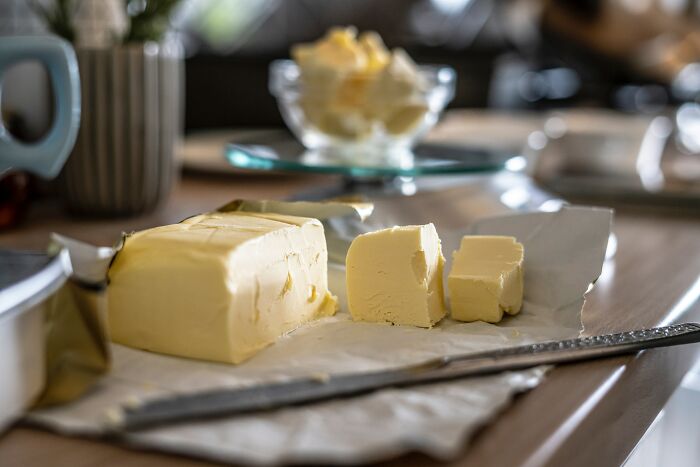 “I was watching American Hells kitchen and they said that Americans don’t use butter or Margarine in their sandwiches. As a Brit, that doesn’t make any sense.”
reddit.com Report
wristconstraint said:
“In USA tipping. And not just tipping, but tipping so much that the entire thing I bought (e.g. a meal) is now in an entirely higher price bracket.”
Joessandwich replied:
“Many of us in the US hate it as well. I’d prefer people be paid a living wage and not reliant on my “generosity” that is supposedly tied to their level of service (which it really isn’t, most people have a standard percentage they tip regardless of service.”
wristconstraint Report
“Oh I love telling this story. So my wife is Japanese. On my first trip over to meet her mother, she invited us out to a yakitori restaurant to meet a few of her friends. Now I don’t speak much Japanese, maybe I can understand about 15{d2b09b03d44633acb673e8080360919f91e60962656af8ade0305d5d8b7e4889} of what’s going on, and the man next to me, her mother’s friend, spoke no English at all but when he offered me a cup of sake I gratefully accepted, said ‘kanpai,’ and emptied the cup. He diligently refilled it. I accepted once more and emptied the cup. He refilled it. We did this quite a few more times until I turned to my wife and told her “I think this guy is trying to get me drunk! He keeps offering me more and more sake!” To which she replied “Stop drinking it, idiot, if you drink it all he has to refill it!” It seems as though my efforts to be polite (finishing what was offered to me) were actually contrary to what was polite in Japan; leaving a little of what was offered to show that you are satisfied. Once I left a little in the cup the man quietly paid and quickly left, no doubt with a sizable bar tab!”
Dalivus Report
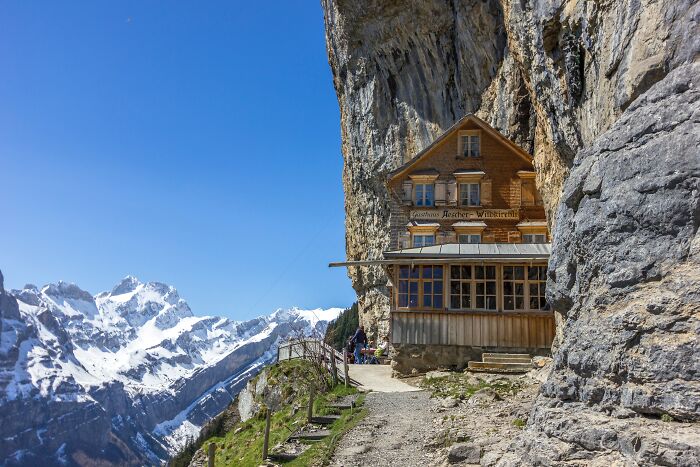 “The stands and restaurants in Germany where you basically have to hike in. There’s no casual foot traffic and it’s not a simple drive. You are hiking and come to a beautiful view and there’s a little restaurant or stand where you can get wine or beer and wurst and fries or whatever. Then you sit and enjoy the view you hiked to while enjoying your delicious food and excellent beverage. It’s fantastic.”
streamstroller Report
 gobroncoz said:
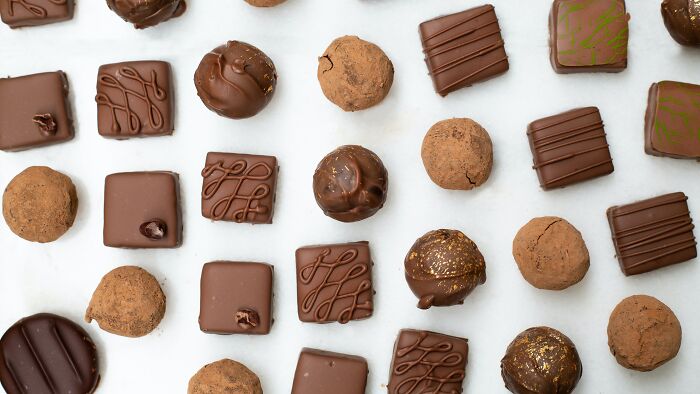
“I moved to Italy as a 10 year old. My mom gave me some money to buy some candy right when we landed. The candy I chose had a not insignificant amount of alcohol in it. Which didn’t stop anyone from selling it to a 10 year old kid.”
InsertBluescreenHere replied:
“Ate one of them at work I got in a gift basket thing at home. Did not know about the booze inside. Was lightly sucking on it at lunch then got hit with the whiskey suprise which made me cough and chew which made my office and breath smell like a bar. The supervisor was like what uhh you have for lunch. I explained and showed him the foil and he just lost it laughing saying he’s done the same.”
gobroncoz Report
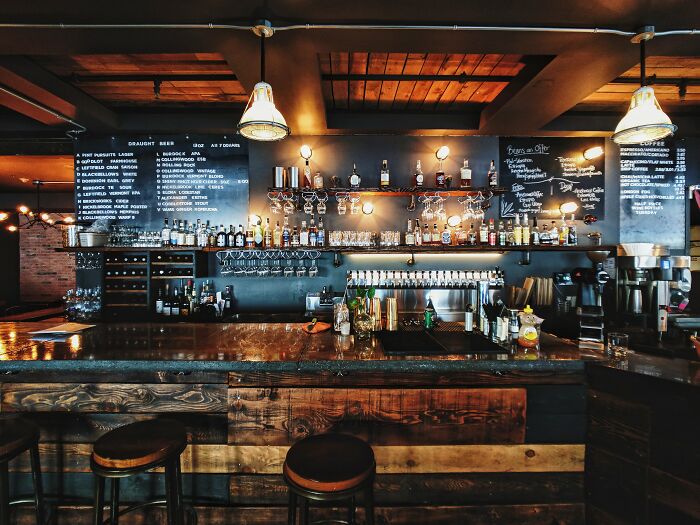 “Studied in France and I was shocked to see the Cafés turn into bars at night. They just switched out the menu and it went from selling hot cocoa to whiskey on the rocks!”
is_it_soy Report
ItsACaragor said:
“Spray cheese. I was not ready.”
BucketOSkrimp replied:
“In a good or bad way? I’ve met two kinds of people on this subject: those who absolutely detest it, and those who will spray the whole can straight into their mouths.”
ItsACaragor also replied:
“We were four guys from France, we bought one to experiment and it’s just disgusting even when lowering our expectations as much as we could.”
ItsACaragor Report
 landob said:
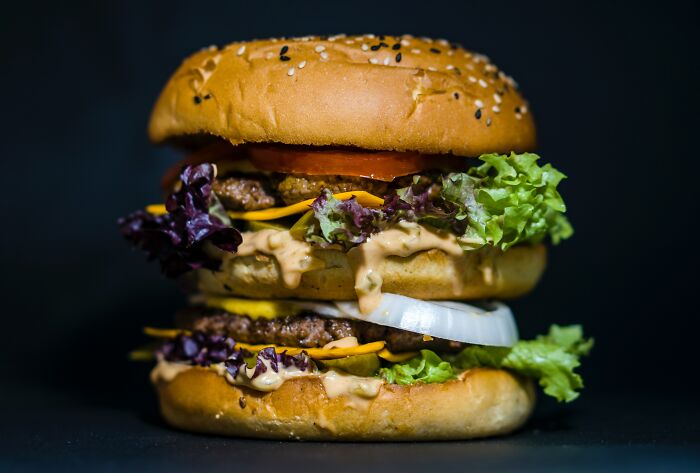
“When I went to Japan. When I ordered from food from any type of chain that is also in USA like McDonald’s, Denny’s, Burger King, it looked like the picture on the menu or the commercial. It was truly bizarre. Like in the USA if you get a Big Mac it looks nothing like the picture or in the commercials. When You get a big mac in japan… it looks like the one in the picture. It’s like somebody back there was painstakingly putting that burger together perfectly.”
User No 2 replied:
“My dad had the opposite reaction when we moved to America. We ordered a double cheeseburger which was squashed & he earnestly complained to the manager, like some minimum wage worker was going to perfect it.”
landob Report
 Antihistimine said:
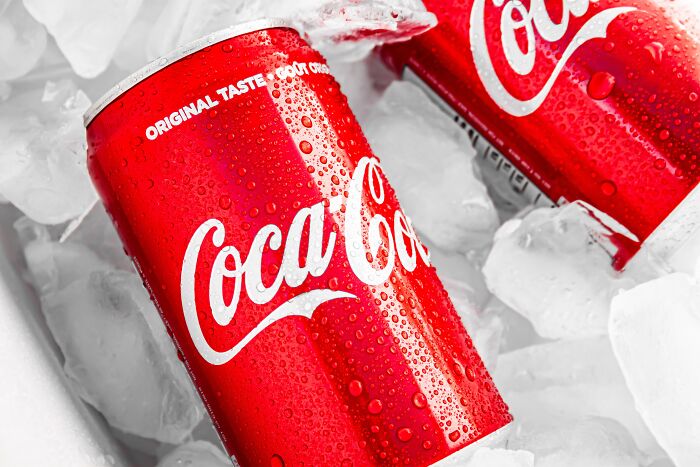
“Not a serious one, but going to Europe for the first time and being shocked at tiny bottles of coke, that are generally warm and you don’t get any ice! Coming from that free refill life and ice in everything I was traumatized.”
Pinglenook replied:
“I don’t think I’ve ever been to a restaurant anywhere in Europe that served me a warm soft drink. No ice, sure, or 2-3 ice cubes in stead of the cup full of ice you’d get in the USA, but the drink is always refrigerated.”
Antihistimine Report
“Drink sizes in Korea. I went to McDonald’s or some other American fast food restaurant and order a meal with the regular medium drink size and out comes an American small cup. Cursed the small drink sizes as I would finish my drink before the food. Canned sodas at convenience stores were also smaller. Felt like I was getting ripped off. But I soon realized that those small sizes were what my body actually needed – I don’t need a 16oz or 32oz soda alone or with a meal. American portion sizes are huge.”
redditor_85 Report
Anodracs said:
“The sheer awesomeness of Japanese convenience stores. My local 7-11 has sticky floors and doubtful looking packaged sandwiches. The 7-11s in Japan are clean, well-lit, have a great selection of lunch/dinner prepackaged meals, and not only do they have a cold drink section, they have a special heated unit for hot drinks. When I saw all the technological innovations in Japan, I felt like I came from a third world country.”
bread_berries replied:
“And there’s SO MANY CONVIENENCE STORES, like it’s not uncommon you can just SEE three Family Marts without even trying. The flipside is it’s so easy to go out and eat or get food because (at least in the city) space is tiny. Our airbnb’s “kitchen” was a thin cabinet in the corner with a small sink and an electric kettle, with a cabinet for bowls and glasses. There was no room for any more.”
Anodracs Report
“Whenever I would visit family around France I always had to remind myself of food customs. It’s pretty rare you’ll just sit down have a quick meal and continue with your day. Food is meant to be enjoyed so you take your time, a lot of local businesses particularly shops close around midday to accommodate for this so get comfortable. (not all shops do this, but it’s best to just eat midday if you visit).”
whyImcalledqueen Report
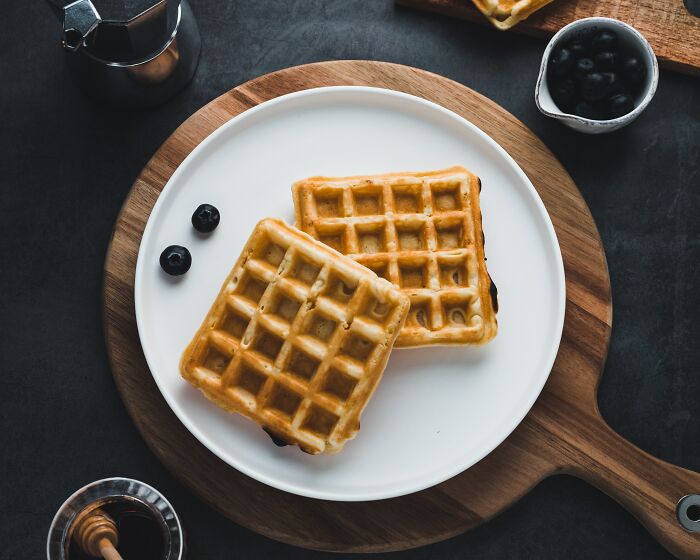 “I’m from USA and I had a gaming friend from England and I told him I was going to have breakfast at the pancake house. I told him I was getting Apple Waffles he didn’t believe me at first. He found out via internet and was shocked that we at dessert for breakfast.”
planeteater Report
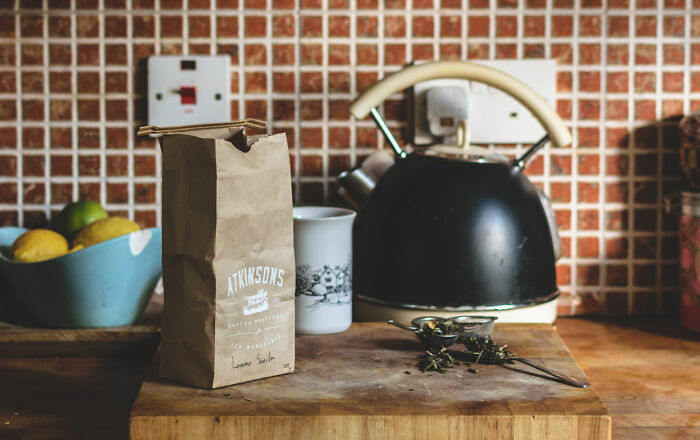 “Going to America and realising almost no one has kettles for making a cup of tea.”
reddit.com Report
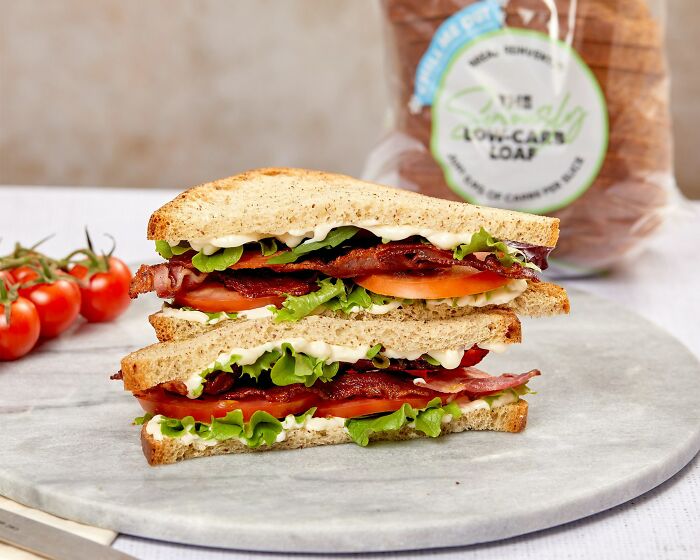 “I was teaching a class in South Carolina (I live in Minnesota) and sat down to eat lunch with all the guys I was teaching. Took a bite of my sandwich and noticed no one else was eating yet. I paused for a minute and one of them piped in that they were ready to say grace. I had never experienced group prayer before lunch, especially in the workplace. Definitely a shock for me.”
JillLars Report
“Watching children in Mexico happily eating crickets like they were popcorn.
Also, 4 or 5 year old kids out at 10pm to sell gum.”
shorething0264 Report
“My dad was working in the states, one day he was eating out with some of his colleagues. When the waiter came and asked if he wanted a doggie bag, he said “no I didn’t bring my dog with me from Denmark.” They laugh their a**es off!”
Godlessdane Report
ListenOrElse_ said:
“In USA people pay for their own food. As someone who came from China, where everyone fights for the bill without the intention to pay, this is very refreshing.”
Coke_and_Tacos replied:
“This is a generational thing I think. If my parents are out with a group of folks their age (mid-60’s) it’s a whole thing that everyone wants to cover the check, “alright, well I’m buying next time!” Etc. Everyone I know within 10 years of my age just assumes they’re paying their own way and it makes way more sense to me.”
ListenOrElse_ Report
“I have lived in both Finland and the USA. Once I woke up in the middle of the day after a house party. I got up and found peanut butter in a cabinet and Jam in the fridge. As I started making a class PB&J the other people in the house surrounded me and gave me a face of confusion. Someone asked me “wait.. you are really going to eat that?”. I guess people in Finland do not eat peanut butter and jelly sandwiches.. they all thought the idea was gross.”
Timfromct Report
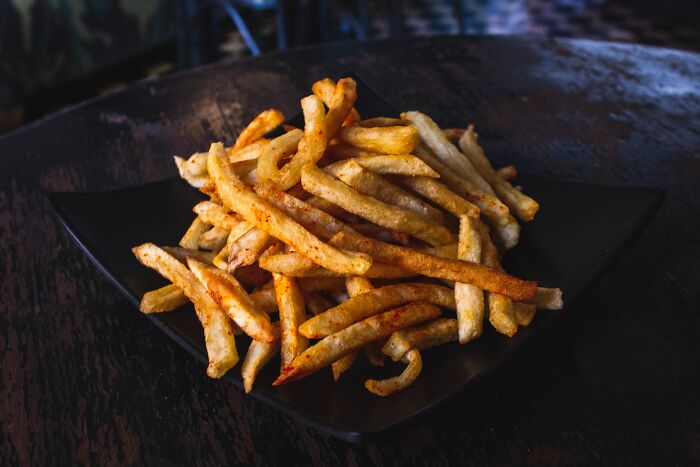 Moots_point said:
“When I ordered some French fries in Germany, and the guy drowned them in mayonnaise before serving them to me, it changed my world.”
PositiveChi replied:
“I did this last month. Ate more mayo in 4 days than I have in the rest of my life combined. Delicious but I can’t let myself keep doing that now that I’m back in a country where you need to drive places instead of walk.”
Moots_point Report
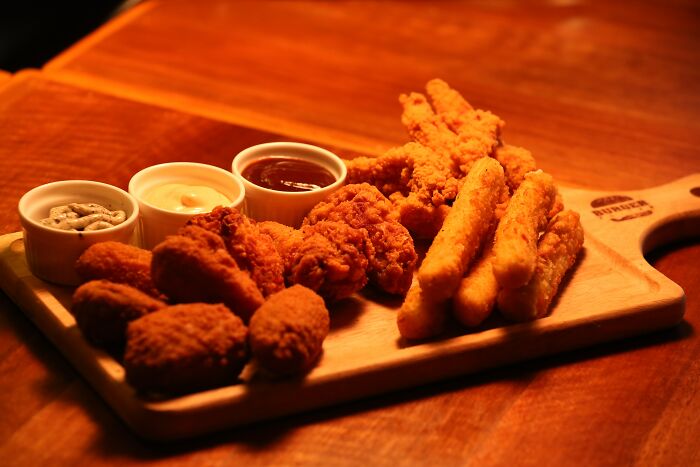 Sarnick18 said:
“Not mine but in college I had a roommate from Australia who was studying abroad in America. We went out to dinner one night and I got mozzarella sticks. He could not believe we just deep fried cheese and then eat it.”
poopellar replied:
“I was watching an American tv channel and it was showing the scenes around some carnival in some town and my jaw dropped at the food that was being served. It seemed like the only thing that differentiated the various food stands was what was being deep friend at each one. I think they even deep fried a donut.”
Sarnick18 Report
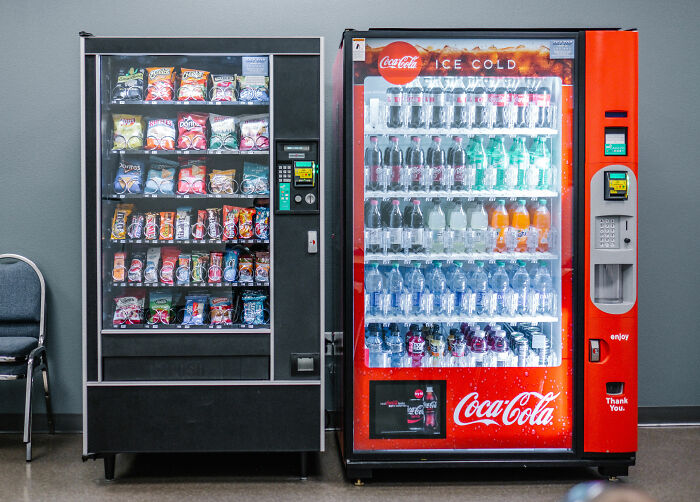 Northern-Nurse said:
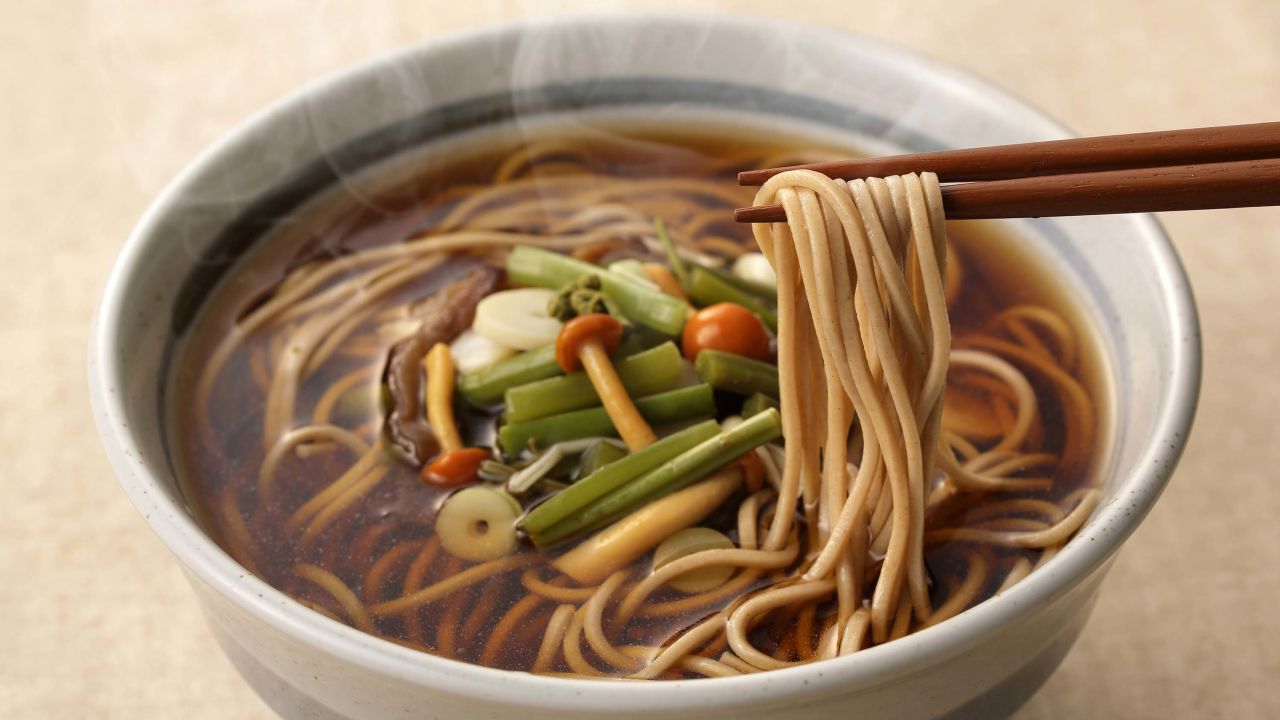
“Being in Japan, seeing vending machines everywhere and even ordering food at a vending machine in a noodle restaurant. Then you go sit at a booth with a curtain in front of you and they pass your food through the curtain and then close the blinds. Strange but not a bad experience. Just different. Also the jet lag of an opposite time zone can be brutal.”
cronin98 replied:
“I couldn’t believe how bad jet lag was from North America to Asia. You get hungry, but your body rejects the food because it thinks it’s 3 am and you’re going to regret that midnight snack!”
Northern-Nurse Report
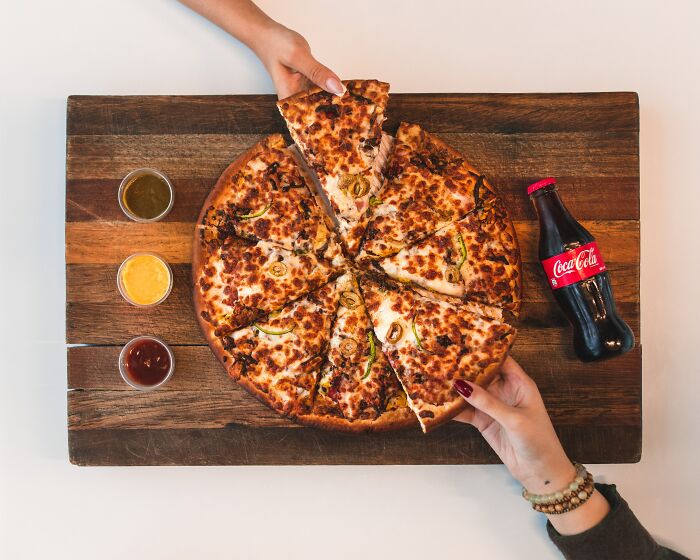 maweenurr said:
“Apparently, eating pizza with your hands is disgusting to those who live in Spain. My professor said the group that studied abroad over there almost got kicked out of a restaurant for it.”
Naive_set replied:
“I eat anything that doesn’t fall apart with my hands, usually while standing. – American.”
maweenurr Report
“Visiting family in New England and the South made me realise that casual alcoholism isn’t the norm. In Wisconsin, just about every event has alcohol involved at some point. It took me a while to realise that showing up with a six pack everytime I visited made me look like I had a problem, when I thought it was just common courtesy.”
MajorMustard Report
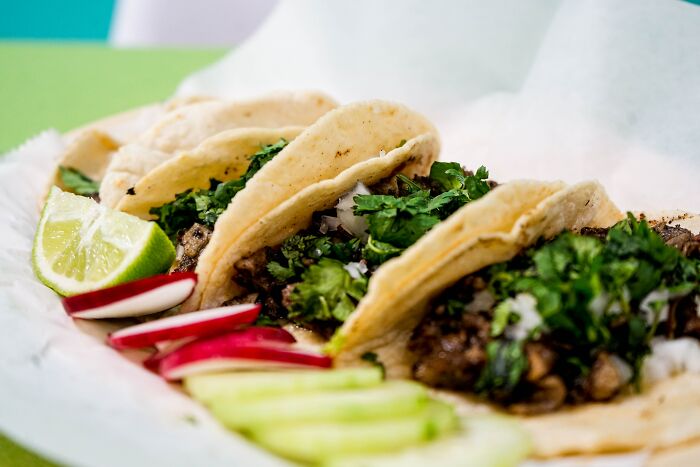 jb20x6 said:
“Taco Tuesday is not a universal concept.”
Postingwordsonreddit replied:
“In Sweden we usually go with Taco Friday. Tuesdays is traditionally for potato pancakes and pork.”
jb20x6 Report
 ttowntara said:
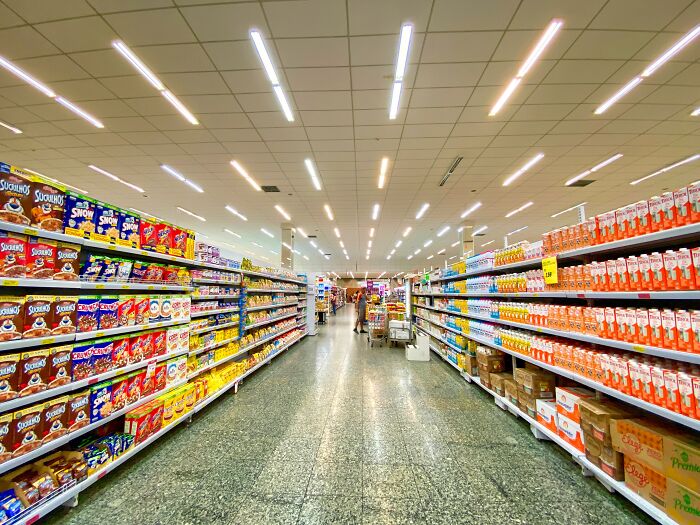
“I have lived abroad for 6 years, every time I go back to visit the states, I am taken aback by the amount of food in the supermarkets. Compared to smaller markets/stores in Europe or Asia it’s a big change. I always think… how are there so many different types of products and out-of-season fruits or vegetables? The store is so big, how do they sell all of it?!”
haleykoike replied:
“The variety of things at the supermarket was a big shock too. I remember wanting orange juice and just standing there confused how there were more than 20 different kinds of orange juice.”
ttowntara Report
 Cuhcs13 said:
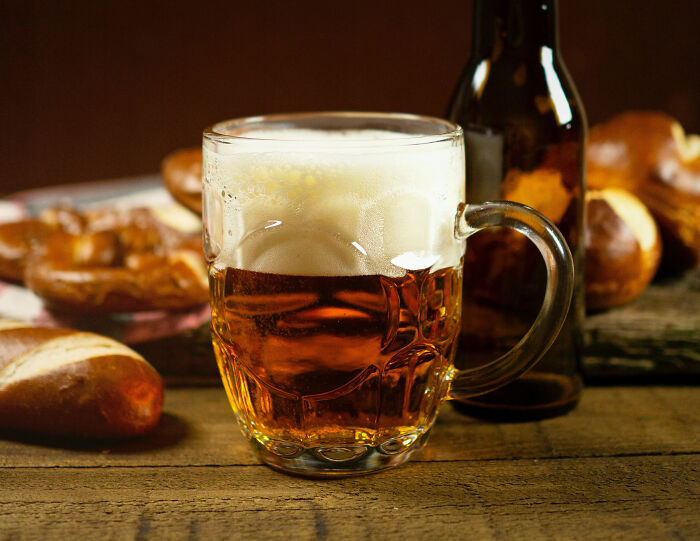
“Beer. Beer in the vending machines. Just sitting there unsupervised for me and my 14 year old self to spend change on.
**In Spain. Madrid is the one I remember best.”
Redditor replied:
“I grew up on the Mexican border in Texas. There were beer machines in Juarez, Mexico. When I got old enough (15 or so) we’d go across on weekends and bar hop. Beer was 25 cents, shots were 15 cents. You could get a ham sandwich with cheese and avocado on a bolillo (a chewy roll) for 25 cents. Live sex shows in the bars. It was a trip. It was always a bit edgy, but now Juarez is one of the most dangerous cities in the world, with an estimated 10 murders per day, so those carefree days of high school debauchery and long gone.”
Cuhcs13 Report
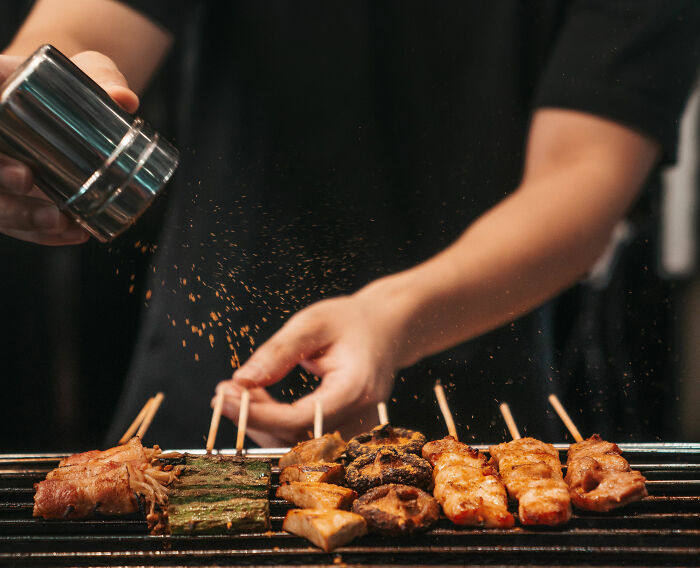 “Thinking of Southeast Asia, street food, and wide selections of fresh tropical fruits like mangosteen, lychee and longans, for cheap.”
mrnubuck Report
 hanatwothree said:
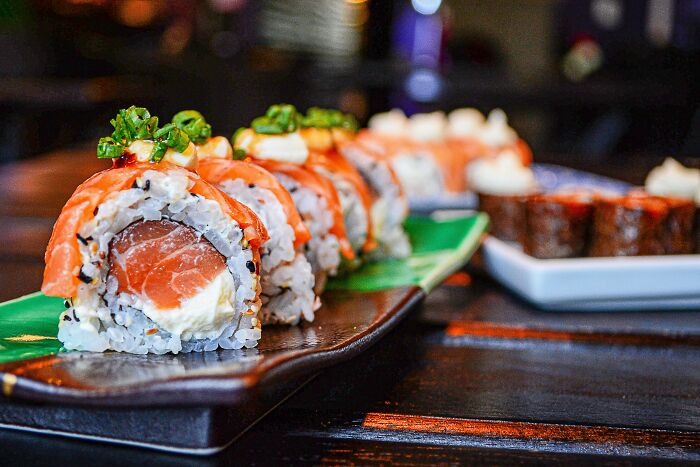
“Born in Korea, moved to US when I was 6. Realized pizza and hamburgers and hotdogs aren’t the only things Americans eat.”
dodecadan replied:
“We eat other american food too, like tacos and sushi.”
hanatwothree Report
“In USA not being legally allowed to drink until you’re 21, as an Irish teenager I laugh at you.”
reddit.com Report
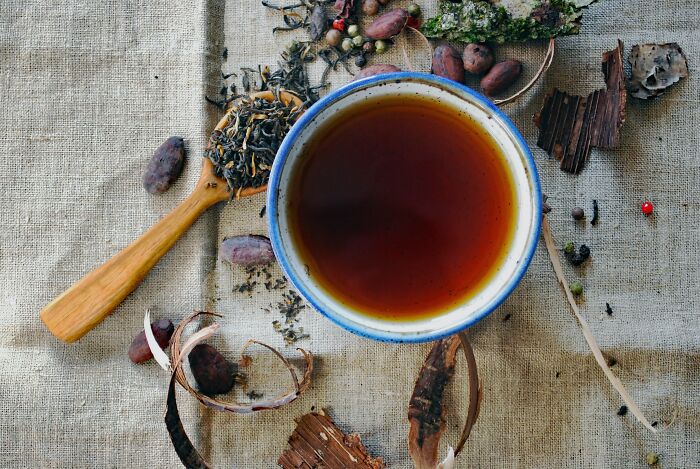 NMelton88 said:
“Apparently in USA sweet tea is only in the states, and mainly in the Southern states.”
snorlz replied:
“I’m not sure how to describe it but sweet tea in the south definitely tastes different than iced tea or other teas I’ve had. Its just a particular kind I think but the way its made and served makes it taste different. I had some at my friends house down south and it was the best thing ever. The canned “sweet tea” you can buy doesnt taste remotely close.”
NMelton88 Report
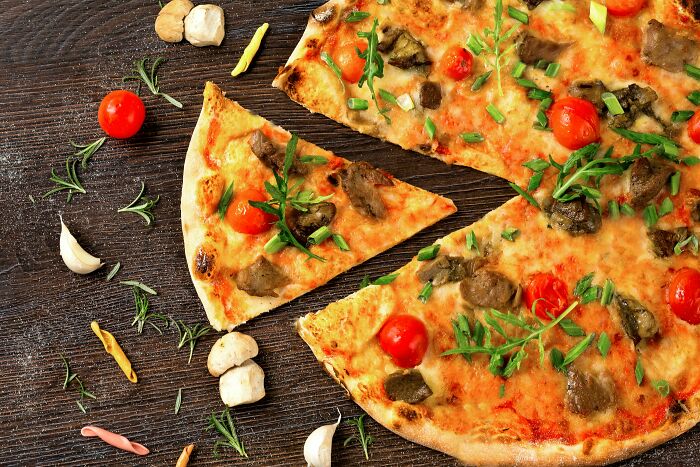 “Eating pizza without utensils in USA. I’m Brazilian but I’ve lived almost my entire life in NA and when I went back to Brazil and went to go eat pizza, a bunch of people were giving me weird looks.”
reddit.com Report
brigidsbollix said:
“Root beer.”
tequilaearworm replied:
“The thing I as an American don’t understand is how foreigners hate root beer. Everything else I understand. Too much sugar, hate tipping culture, portion size, but I don’t know what foreigners are tasting because they are United on this one. At least you’re decent enough to recognize the root beer float is amazing.”
brigidsbollix Report
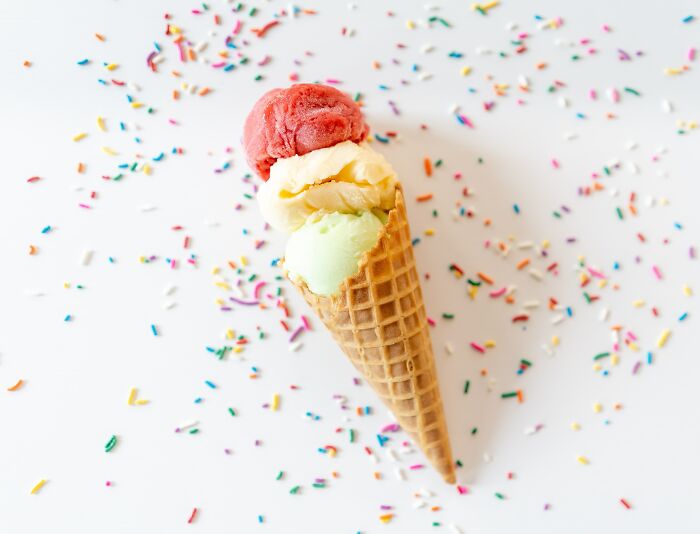 “A very small thing: when in theatre in London they sell ice cream at intermission. That’s so small yet such a change.
**I meant live theatre. It’s absolutely wonderful that you can have ice cream at the movies, and you can on the West End. But no such thing exists on Broadway sadly.”
TheDepressedJekkie Report
“Just how late the Spanish eat dinner. Totally respect it, but I was hungry at 6pm and was shocked no restaurant was open to serve at that time.”
Trippinupthestairs Report
SpaniardCooks said:
“German men don’t chat while they eat.”
superduck231 replied:
“In my experience no Germans do, they eat really fast and you talk when you are done eating. It makes a lot of sense to me, but it was kind of shocking when I first got there.”
SpaniardCooks Report
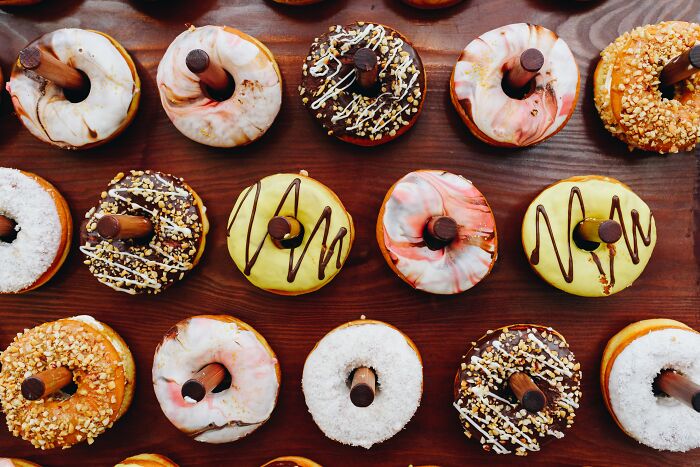 KamikazeAlpaca1 said:
“In America eating extremely sugary deserts for breakfast. Doughnuts, most cereals, pop tarts, all contain huge amounts of sugar and often little nutrition. There is literally Oreo cookie cereal kids eat for breakfast.”
iceunelle replied:
“I’ll be honest, I don’t know any adults who actually eat super sugary cereals or donuts or anything like that in the US. As a kid I definitely at Cookie Crisp and Fruit loops sometimes, which is 100{d2b09b03d44633acb673e8080360919f91e60962656af8ade0305d5d8b7e4889} sugar.”
KamikazeAlpaca1 Report
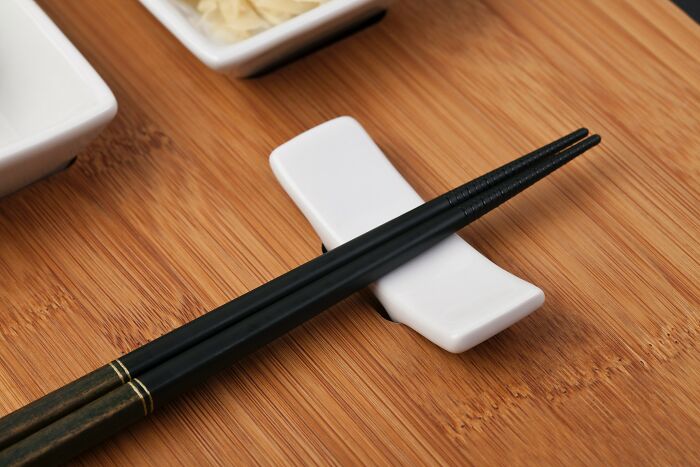 “I’m an American and I live in Japan and one habit I had to break quickly was my habit of pointing with my chopsticks. Sorry!”
reddit.com Report
“Entrees. Entree means starter in the rest of the world, calling it the main course is confusing and willful ignorance at this point. US fast food is amazing and totally explains 3.”
FragrantKnobCheese Report
earstorm said:
“As a Czech person, my American wife was blown away that we let kids in pubs or bars.”
HelenaKelleher replied:
“To be honest, I do like being in “adult-only” spaces in American bars. they’re allowed in every pub and bar? In the US, honestly, probably has a lot more to do with “since our drinking age is so high, we want to keep teens from stealing people’s unfinished drinks,” but the bonus of being able to smoke on a bar patio without gassing some kids (i never smoke near children) is a nice benefit.”
earstorm Report
“I love America, but after non-stop traveling abroad for a few years there are a few things I wish we had back at home. Public drinking. They have it in Japan, and I really loved it when I was in Korea. Seoul is a beautiful city where people like to hang out into the wee hours of the morning drinking, eating fried chicken, and playing music on a well-lit lawn.”
BigBaldPurpleTitan Report
Oburcuk said:
“I realized how many freebies we get in the US. Free refills, as much ketchup as you want in fast food places, free toilets, etc. in Europe, you have to pay for everything. I got used to it.”
leona121 replied:
“I remember my first time I went to Europe (Poland) and had to take a crap and didn’t have any money on me. That sucked. Also, I remember while out drinking, a fellow traveler asked me for money because she was about to piss her pants.”
Oburcuk Report
User No 1 said:
“I visited Albania and there wasn’t a single chain store or restaurant. That may sound banal but it was a strange experience to be in a large city and be completely unable to get a McDonald’s, Subway, KFC or Starbucks.”
mixmatch1122 replied:
“Similar in Bosnia although McDonalds opened 5-6 years ago IIRC. It’s just that the local fast foods are much better and cheaper.”
reddit.com Report
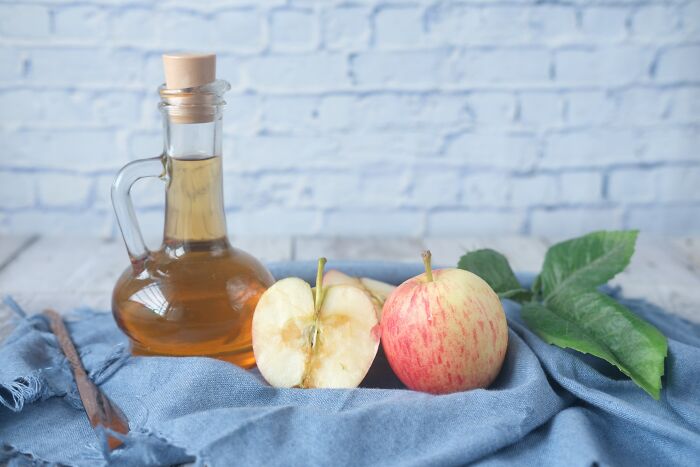 “Every State I have been too, (Florida, Nevada, California, Arizona) never have white vinegar out on the table at restaurants. White vinegar in Canada is used on tons of stuff but when you ask for it in the states you get looked at like you have ten heads. Also have no idea if real people in America actually do this but on American talk shows whenever a guest is introduced they exchange a kiss on the cheek. That is the weirdest thing ever.”
tckob1 Report
TGTickleGames said:
“Went into a Greggs down south and asked for a meat and potato pasty. Woman looked at me with confusion and disgust like I’d slapped a child. Worst 4 years of my life living down south.”
Octavya360 replied:
“We eat Pasties in Michigan. They’re basically like a pot pie, except the crust is folded over like a sandwich so you can eat it with your hands. They’re usually filled with ground beef or venison, potatoes, onions or turnips and carrots. Wives of miners and loggers packed them in their husbands lunchboxes because they were very portable and a hearty tasty meal to keep you going during a long day of manual labor.”
TGTickleGames Report
“I’m Canadian, but when I went on a school trip to France and Italy I had a classmate who complained at every single place we ate that they didn’t have chicken fingers and fries on the menu.”
Probablyprofanity Report
howwouldiknow– said:
“The different kinds of flavors for beverages. I was overwhelmed by the sheer number of options. Just so you guys know, I enjoyed having multiple options, until I came to the US I had no idea I liked Blue Raspberry flavored soda and I found out that I liked to mix different kinds of sodas from the fountain and make a cocktail soda occasionally.
Edit: Also, I like how you guys have a s**t ton of flavors for your alcohol. I liked a lot of them but to be honest I didn’t enjoy the whipped cream flavored stuff.”
Substantial-Ad-7406 replied:
“There’s a market in my downtown area that has an entire section of craft sodas. A pop for any flavor you can think of. Even bacon… I don’t recommend that one…”
howwouldiknow– Report
“How much people drink beer in the Czech Republic. You cannot get a non alcoholic drink in a bar cheaper than a beer. And then I looked it up and low and behold, the Czech’s have the highest beer consumption in the whole world.”
capix1 Report
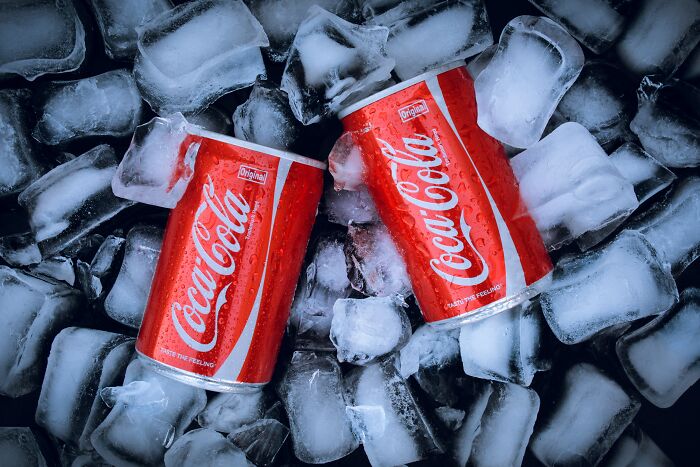 “In USA drink Coke all the God damn time.”
_Ek_ Report
 wuroh7 said:
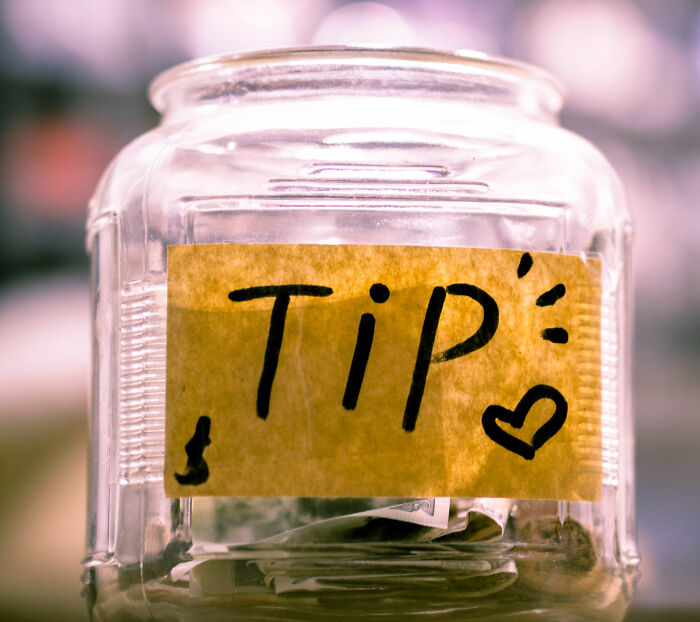
“Tipping in general is taboo in Japan. They see it as an insult.”
RoosterClan replied:
“As a former waiter, I detested whenever I had Japanese customers because they never left any tip. European tourists as well because they customarily only tip 8-10{d2b09b03d44633acb673e8080360919f91e60962656af8ade0305d5d8b7e4889} as opposed to 17-20{d2b09b03d44633acb673e8080360919f91e60962656af8ade0305d5d8b7e4889} Americans tip.”
wuroh7 Report