I am always looking for something related to the dairy industry to write about. So many of my readers tell me they enjoy knowing what the Pennsylvania Milk Marketing Board is working on and its position on current issues, but they especially like columns about history and unique dairy products.
Sometimes the topics come from research into an entirely different topic, and that is the case for what I am writing about today — milk punch.
Who knew there would be enough out there to write about milk punch?
I bet you are thinking that I am going to write about that baby shower concoction in a punch bowl that contains a block of vanilla ice cream. Well, that’s not it.
Benjamin Franklin, one of the commonwealth’s favorite sons, turned 317 years old on Jan. 17. He enjoyed dairy products, including ice cream, and is even credited with introducing it to the colonies during the hot days of the Constitutional Convention. I note that Ben Franklin was born on Milk Street in Boston, although I doubt that influenced his love of ice cream and milk punch.
In colonial America, desserts and drinks were commonly made with curdled milk and cream.
Two favorite drinks of that time were possets and syllabubs, both similar to a punch.
Possets were made by adding wine or brandy to hot milk, which curdled it, and then following up with sugar and various spices. Curds formed on the top, but the popular way to drink it was to sip the whey from the bottom and then eat the sweet curds later.
Syllabubs combined milk with wine and lemon juice or some other acid. Unlike possets, the curds on the top were eaten first with the liquid consumed last.
Ben Franklin’s milk punch recipe was like the syllabub in that it incorporated lemons (acid to curdle the milk). He used brandy, spring water, lemon juice, sugar, nutmeg and, of course, whole milk.
Franklin’s punch differed from the syllabub in that after letting the mixture stand for a few hours he strained it through a cheesecloth to remove the curds, creating a clear liquid. This process is referred to in the literature as clarification.
Another English favorite punch was made using Earl Grey tea, still popular today, as is Franklin’s variety. It used vodka and rum, the brewed tea, sugar and lemon juice. The mixture is strained, yielding a clear (clarified) beverage.
Did you know that an English milk punch was found in the wine cellar of Charles Dickens at the time of his death in 1870?
Since that time, popular milk punches have been developed using any combination of flavors as can be imagined. The James Beard Foundation reports on a popular strawberry milk punch made with cognac, cream, vanilla syrup, and strawberries or strawberry syrup.
Fortunately, creative bartenders and home entertainers have developed a variety of non-alcoholic punch recipes. Alcohol is not the necessary ingredient for the clarification process, but the milk and citrus are.
Can you make a milk punch at home? Of course.
There are many recipes for non-alcoholic (and alcoholic) milk punches on the internet. If you search “making non-alcoholic milk punch at home,” a lot of resources are available.
Why am I writing about this?
Well, first, I found the topic to be extremely interesting, especially the clarification process (which you can use with both alcoholic and non-alcoholic punches). Second, I try to promote the use of wholesome dairy products in any way that I can. What can be more wholesome than adding milk to a beverage served in a social context?
I hope you will try some milk punch recipes. I am planning on doing so, and I can’t think of anything more enjoyable after a long day of work. And don’t confuse them with the baby shower variety — these punches don’t contain ice cream and are similar to cocktail beverages. If you have a favorite milk punch recipe, pass it along.
The Pennsylvania Milk Marketing Board is always available to respond to questions and concerns. I can be reached at 717-210-8244 or by email at chardbarge@pa.gov.
Success! An email has been sent to with a link to confirm list signup.
Error! There was an error processing your request.
Whether your day was long, cold or both, sometimes you just need a comforting meal to cozy up with. From our best stew recipes to a cheesy baked pasta, homemade dumplings to hotdish — a midwestern specialty that takes Americana comfort foods to the next level with a crispy-crunchy topping of either Tater Tots or mozzarella sticks — our best comfort food recipes are sure to soothe your soul and warm you from the inside out.
In the spirit of comfort, we’re rounding up, not just a handful, but over 70 of our favorite recipes that we promise will hit the spot. Some require a slow-cooker, some have multiple steps and some only use one pan or pot (aka less cleanup!). How’s that for a little tranquility?
Here you’ll also find recipes that feature beef, lamb, poultry and vegetarian dinners, which are suitable whether you’re planning your meals in advance or need to prepare dinner at the last minute. There are fuss-free recipes when you’re short on time as well as more involved recipes that are slow and methodical (which provides another form of comfort). A few ingredients that you’ll definitely want to stock up on: stock or broth, breadcrumbs, butter, a few boxes of pasta, a wedge of aged cheese like Parmesan, root vegetables and a bottle of wine. Plus, you’ll need a casserole dish or a skillet, as nearly all of them are made to be family-friendly. We’ll provide the best recipes so that you can choose the happy ending. For a truly relaxing (and delicious) experience, light a candle and crack the spine of an enthralling book. You deserve it.
Hotdish is a dinner time staple across the country, but mainly throughout the Midwest — and it’s a proven hit for a reason. A mixture of ground beef, veggies and a can of creamy soup are topped with a starch (usually crispy tater tots) to create an over-the-top weeknight casserole. What’s better than tater tots, you ask? Mozzarella sticks, of course!
Making traditional enchiladas is a bit of a process, so we’ve made a few smart shortcuts that promise delicious results. To save time, use store-bought red enchilada sauce, cooked seasoned ground beef and a can of mild green chiles.
In under 30 minutes, recreate this takeout favorite with flank steak, broccoli, red bell pepper, garlic and green onions. Serve it over steamed rice for an easy family-friendly meal.
This saucy nacho dish is perfect for the days when you feel like changing up your usual weeknight dinner or want to impress dinner guests. Not only is this recipe incredibly straightforward, but there’s also tons of room to be flexible. Use plant-based meat crumbles instead of the ground beef or use other seasonal vegetables in place of the mushrooms, bell pepper and zucchini.
“The Pioneer Woman” Ree Drummond gets creative with her choice of noodles in this deconstructed lasagna soup. “The soup is delicious, the noodles are big and bold and the ricotta ‘dumplings’ are such a yummy treat,” she says. “It’s perfect for when you can’t decide between soup and lasagna!”
This moist, juicy cut of pork basically cooks itself in the slow cooker or a pressure cooker — all you need to do is add a few aromatics and spices (smoked paprika, ground cumin and cayenne pepper), then toss it with your favorite store-bought barbecue sauce and you’re set.
It’s hard to resist the savory and comforting flavors of shepherd’s pie. From the velvety gravy and tender vegetables to fluffy mashed potatoes, each bite is a taste of the ultimate comfort food. This dish can be served family-style in a large baking dish or individual-sized crocks.
A giant pot of beef stew is the ultimate comfort food. Searing the beef until it’s super dark and sautéing the tomato paste before adding any liquids will result in a deeper flavor with very little effort. It’s a great make-ahead comfort food and can easily be portioned and frozen for busy winter weeknights.
This recipe actually comes from Dylan’s husband’s great-grandmother from Sicily, who taught it to his (very Irish) mother how to make the perfect meatball. Light, flavorful and fluffy, they’ll start to fall apart if they sit in sauce too long, so eat up.
There are more than a few ingredients that make the marinade for this fuss-free pork special: white wine, soy sauce, brown sugar, Sriracha, mustard, rice wine vinegar, garlic and orange zest. Despite the large number of ingredients needed, this recipe couldn’t be easier to make. Leftovers, if there are any, are perfect for sandwiches.
Pozole, one of Mexico’s most iconic dishes, was first prepared by the Aztecs hundreds of years ago. The word “pozole” has Nahuatl (the language of the Aztecs) origins and means “foam” (pozolli in Nahuatl). It is thought to be a description of the appearance of the cooked hominy which, when properly prepared, puffs up and opens like a flower. These days, you can find pozole made with pork, chicken or even seafood.
This sandwich is the most iconic dish in all of Philly, and for good reason. It’s a handheld, uber-satisfying bite of steak, peppers, onions and cheese. If you can’t make it to the City of Brotherly Love to get an authentic cheesesteak, this homemade version will satisfy your cravings … and then some.
Green eggs and ham get a clever twist in this hearty stew. White beans are cooked with savory ham and fresh leafy greens, then served with a perfectly cooked fried egg on top. It’s a versatile dish, which makes it great for clearing out your pantry and fridge.
Nkatsenkwan, as this dish is known in Ghana, is most frequently eaten with fufu (pounded green plantain), but you can also serve it with boiled yams, cassava or even rice. It’s also delicious served on its own with a sprinkling of gari (fermented, dried and ground cassava). Peanut butter may seem like a surprising ingredient for stew, but it adds so much nutty flavor and silky texture to the dish.
If there’s anything that can make preparing spaghetti and meatballs more enticing, it’s cooking them with ease using a slow-cooker. This recipe makes a generous amount of meatballs, so pick up some rolls, a box of pasta or a loaf of crusty bread and enjoy them for days to come.
The tender pastry on this pie make it oh, so delicious. Want to know the secret? Instead of using diced potatoes in the stew filling, they’re riced and folded into the pie dough along with salted Irish butter. The filling is meaty and rich, which is a delicious contrast to the buttery topping.
It doesn’t get much more Irish than a pot of beef stew slow simmered with Guinness. Smoky bacon, sweet red peppers, fresh herbs and tender cubes of butternut squash make this humble dish a bit more refined. But in its essence, it’s still a traditional, warm and comforting Irish farmhouse-style dinner.
This recipe makes a simple ham and cheese sandwich totally decadent, thanks to the rich bechamel sauce. It is a classic and one of Katie Lee Beigel’s favorites, especially on a cold winter evening.
This super nostalgic recipe is an ode to Hamburger Helper and can be pulled together with ingredients that are likely in your pantry and fridge, such as ground beef, garlic and onions, beef stock, cheddar cheese and pasta.
Ready to try the best beef stew ever? This flavor-packed, one-pot version is incredibly easy to make. Ketchup, which adds a touch of sweetness and extra body, is the secret to balancing the bold, rich beefy flavors.
This recipe, which calls for store-bought ravioli, Italian sausage and marinara sauce, is a staple in Laura Vitale’s household. “This recipe was born from leftovers, and every time I make it, it’s slightly different depending on what I have on hand,” she says. “My sister begs me to make this for her when she comes out. It’s become a real family favorite, plus nobody can resist a mini ravioli!”
Anthony Contrino understands the desire to warm up with a hot bowl of soup in the winter. “When the weather gets chilly, I love coming home to my apartment, lighting the fireplace and enjoying some leftover soup,” he says. “This recipe is one of my favorites and I make it by the vat. If you are going to freeze the leftovers, cook the pasta separately and do not add it to the pot of soup until you’re ready to serve.”
A combination of Irish whiskey, sharp mustard and sweet honey create a marinade for these outstanding pork chops. Once the chops have rested, the marinade is then boiled down to a sticky, sweet finishing sauce. Serve alongside buttery herbed carrots and classic champ mash for dinner.
Thanks to the short prep time, this brisket is a low effort but high reward recipe. It slow cooks for nearly six hours until the meat is so tender, it’s practically falling apart. Use the leftovers to make tacos, sandwiches and more throughout the rest of the week.
Life is a bit more fun when you break the rules, and this double cheeseburger does just that. With double the cheese, a juicy patty piled high with sweet and spicy candied bacon and a tomato-y jam, this is the perfect burger for a richly flavored comfort meal.
“This version in particular is a favorite of mine because the celery adds a nice, fresh crunch and releases liquid which makes the filling more juicy. I like to make them small so that they’re one-bite wonders,” Kathy Fang says about these irresistible dumplings.
Forget the boxed soup mix — this casserole gets enough flavor without it. But don’t worry about losing that simple shortcut: Even without the soup-mix timesaver, it still comes together in a snap! All you need is 15 minutes to chop and mix the ingredients in the slow cooker.
“If I’m looking to host a soul food-inspired dinner, I make this incredible fried chicken and hot honey mustard dipping sauce recipe,” says Will Coleman.
“This recipe is one of my cozy meals that I love to pull out during the winter because each bite is more comforting than the last. The combination of chicken and broccoli — along with the savory, creamy sauce — is absolutely irresistible,” says Jocelyn Delk Adams.
Alfredo sauce is usually made with a combination of butter, starchy pasta water, heavy cream and Parmesan cheese. This lighter version introduces puréed cauliflower and almond milk, plus the expected pasta water and cheese, for a better-for-you pasta dish that’s as appealing as the original version.
Not only can this chicken and rice casserole be made ahead and frozen, but it’s also a brilliant way to get your kids to eat their vegetables. Bake it for 30 minutes and serve.
Adam Richman gives chicken stew a vibrant change of color in this warming recipe. “I think most people are used to the traditional brick red spicy, smoky chili that we all know and love,” he says. “But in New Mexico, I was introduced to this delicious variation on the theme. The color is bright, it’s still rich but oddly refreshing due to all the greens used in it.”
With star anise and lemongrass, the broth in this ramen is more reminiscent of a pho-style soup. Pro tip: when making noodles at home, use baking soda and the result will turn out springy and tender.
This slow-cooker dish is the bell (pepper) of the ball! Stuffed with whole grains (leftover brown or wild rice works!), protein-packed ground turkey, savory feta and colorful veggies and herbs, these peppers hit the mark. They’re loaded with nutrition and are so easy to make
This is a quick but just as cheesy version of chicken Parm — no deep-frying required! Melissa Clark’s daughter loves it with a big green salad on the side, so you know that it’s kid-tested and approved.
This is not your usual one-pot stew. Bell and poblano peppers, tangy tomatillos, sweet dried apricots, briny olives and lemon juice make this easy chicken dish amazingly flavorful. Serve it with bread, rice, quinoa or simply on its own.
This extra-crispy, oven-fried chicken is the ultimate dish for fried chicken lovers everywhere. The buttery cracker crust provides a salty-yet-sweet flavor that’s hard to resist.
This dish is pure comfort food — lean Bolognese is packed with ground turkey, bell peppers and mirepoix (celery, carrots and onions). Make the sauce and serve it over spaghetti squash, zoodles or whole-grain pasta — eater’s choice.
These baked chicken and ricotta meatballs are lighter than their beefy counterparts and don’t require a lot of work. Baking them cuts down on the cook time and eliminates a huge mess, so all you’re left with is just one mixing bowl and sheet pan to clean at the end — and, most importantly, 20 delicious meatballs.
A combo of two of Molly Yeh’s favorite dishes (hotdish and chicken pot pie), this recipe is everything you could ever want on a cold winter’s day. It’s got tater tots — need we say more?
This is a classic Taiwanese recipe that is perfect for an easy and speedy supper. It’s called three-cup chicken because traditionally it uses one cup of soy sauce, one cup of rice wine and one cup of toasted sesame oil. It is a foolproof, inexpensive recipe for a fabulous family meal.
Melissa Clark puts leftover chicken to good use in this spicy soup. It’s a great mid-week meal, as it’s so cozy and comforting, while still being packed with nutrients. It’s extra easy to make since the soup is made of mostly pantry ingredients and leftovers.
This meatloaf is light in texture but bold in flavor. When combined with Siri Daly’s favorite potato recipe and cooked on just one sheet pan, it’s an award-winning dish.
“Growing up in India, biryani was one of my favorite family meals,” says Palak Patel. “The robust flavor of a variety of spices like cumin, coriander and garam masala bring warmth and heat to the biryani. The saffron and milk add color and aroma.”
This recipe transforms a traditionally individual dish into a family-friendly, shareable meal. The biscuit topping is a fun and flaky touch that makes it all the more delicious.
“When I tell my kids we’re having chicken for dinner, they always ask if it’s ‘the good chicken,'” says Elizabeth Heiskell. “‘Yes, the good chicken,’ I reply, and the celebration begins. This is the chicken breast that’s gussied up and gets them excited.”
Two family-friendly entrées come together for one genius bite. Ground chicken is mixed with Parmesan, breadcrumbs, basil and garlic, then stuffed with mozzarella and shallow-fried until crispy.
When regular chicken noodle just doesn’t cut it, add some zesty flavors to change things up a bit such as spicy curry paste, creamy coconut milk and a squeeze of lime. The crisp veggies and tender noodles also add lots of satisfying textures to this exciting dish.
“One of my favorite Italian meals of all time is chicken piccata. For those that have some food allergies or are looking for a low-carb option, this version is gluten-free and dairy-free while still being rich with flavor. The coconut cream creates the ideal, creamy piccata sauce,” says Kevin Curry.
A quick peek in your pantry will prove that you can whip up this chicken soup in no time. All you need are jalapeño peppers, diced tomatoes with chiles, ground cumin, ground paprika and chicken stock.
The best part about this recipe is the combo of savory, umami and nutty flavors from the caramelized onions, Worcestershire sauce and Gruyere, Asiago and Parmesan cheeses. With bites of buttery, crunchy panko throughout, it’s hard not to crave this unique take on a classic.
Lasagna typically isn’t a weeknight-friendly dinner — that is, until now. Save time with no-boil noodles, which are layered with store-bought marinara sauce, ricotta, mozzarella, herbs and peas.
Who doesn’t love cheese toast? This version is energizing with jolts of brightness and flavor from the chile and peppers — a perfect pick-me-up any time of the day that can easily be adjusted based any diners’ heat preferences.
Creamy, cheesy scalloped potatoes are a Sunday side dish that no one can resist, and now this traditional party-pleaser is even easier when you make it in the slow cooker. Who knows? This simple hands-off method might even convince you to make this indulgent, elegant comfort food part of your weeknight dinner rotation.
This smoky three-bean chili recipe celebrates all there is to love about the classic dish, but happens to be completely vegan and super-affordable at that — two things that come in handy when cooking for a crowd, some of whom may not eat meat.
“I used to sit at the kitchen table finishing my homework as my mom would whip something like this together for all of us to eat as we all finished up our respective activities,” says Sarah Thomas about this nourishing (and easy to make) dish.
Any recipe from Nikki Dinki’s cookbook, “More Veggies Please,” is packed with smart tips about how to get kids to eat more veggies. For these plant-based tenders, she uses an eggplant purée to increase tenderness while infusing a naturally smoky flavor into each bite.
This recipe is a home run for people who are worried about walking away from the table unsatisfied. It’s great for large groups and can be served year-round. We promise, you won’t miss the meat.
Store-bought gnocchi are one of Ree Drummond’s go-to ingredients for quick meals. The meatless marvel is both a cinch and a revelation: soft and tender gnocchi pillows roasted on a sheet pan with a variety of veggies and topped with Parmesan and basil.
This is one of Padma Lakshmi’s favorite stews because it’s both hearty and healthy. It’s adapted from a dish originating in North India called rajma, which is made with kidney beans, but swapping those out for white beans gives it a buttery, creamier texture. Serve it in a bowl over rice or with warmed tortillas.
Lasagna is always a crowd-pleaser, but Al Roker’s stands out for being packed with vegetables — he uses a colorful mix of red bell pepper, zucchini and yellow squash. Leftovers will be a welcome sight for lunch the next day.
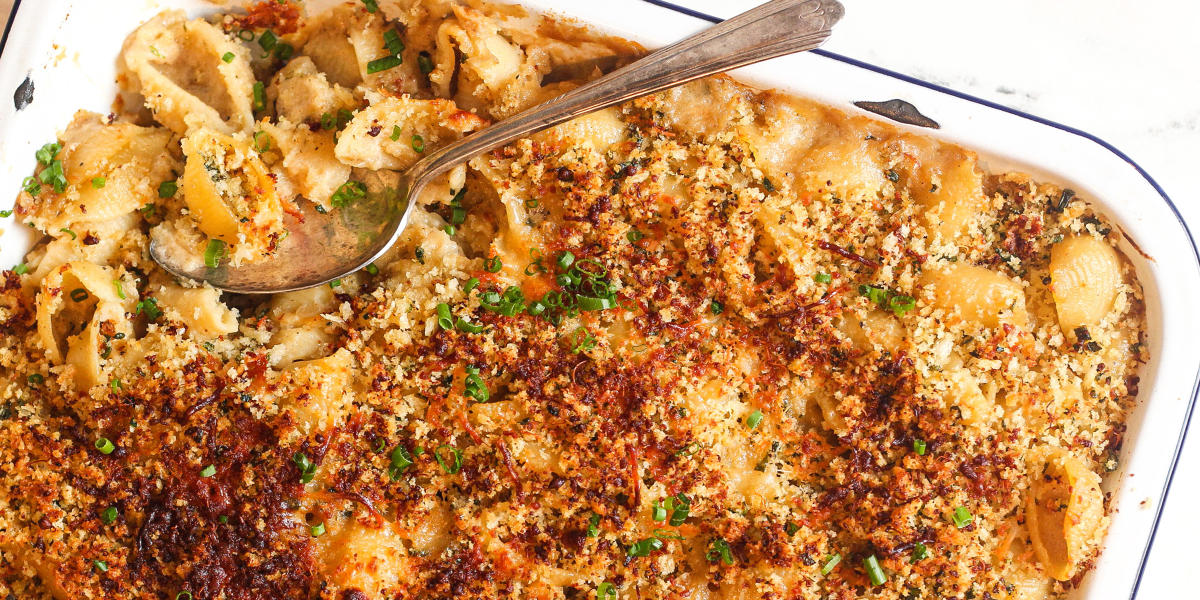
You don’t need permission to dig into macaroni and cheese for dinner tonight. This one is extra creamy, thanks to a combination of cream cheese, two types of cheddar cheese, sour cream and heavy cream.
Chickpeas and other legumes are packed with fiber and plant-based protein and therefore deeply satisfying and healthy. The spices in this recipe are not just belly-warming and flavor-enhancing but also help the digestibility of the legumes, which can be challenging for some. This dish improves over time so make extras and freeze for a quick and delicious weeknight dinner.
This savory one-pot meal fuses the iconic flavors of Ikaria with the faintest hint of sweet fennel. As is customary in Ikaria, a small amount of olive oil is used to sauté the vegetables, then a generous drizzle finishes the dish. This practice is instinctively brilliant: Heat breaks down the oil, so saving most for a final drizzle assures its rich flavor and maximum health benefits.
We’ll never say no to ordering dinner, but making some of our favorite takeout meals at home can be even more satisfying. A bevy of vegetables including dried shiitake mushrooms, napa cabbage, carrots and scallion are tossed with fresh egg noodles. Feel free to add beef, pork or chicken, too.
A deep, flavorful veggie stew is a must in the cold weather. This wintry take on ratatouille is loaded with sweet potato, parsnip and sage sausage. Be sure to serve it with a side of crusty bread for dipping.
Loaded with beans, quinoa and veggies, this Mexican-inspired stew is guaranteed to make mouths water! This dish is vegan, but it also tastes great with shredded chicken.
Laura Vitale never makes this stew the same twice. It’s always changing based on what’s on hand, and is always comforting and filling. If you keep a rind or two of Parmesan in your freezer, add it at the beginning of the simmering stage to infuse your stew with delicious, cheesy flavor.
Lidia Bastianich gives French onion soup an Italian makeover. Mushrooms add an extra layer of earthiness to the soup while slow-cooked caramelized onions add deep flavor. Toasty bread, melty fontina and nutty Grana Padano provide the perfect crunchy, cheesy topping.
Sometimes comfort meals need to be nostalgic. This recipe is inspired by Stouffer’s macaroni and cheese and delivers a creamy, comforting bite with a consistency that’s slightly more set than a stovetop version, thanks to a final bake in the oven.
This article was originally published on TODAY.com
Crisp days and dark, chilly evenings indicate November phone calls for hearty dishes that pack lose-masses of flavour but also heat the soul. While wintertime is approaching, you can find still an abundance of tasty elements developed listed here in the United kingdom to get your palms on. Discover what requires to be on your searching list this month down below.
What fruit and veggies are in year in November? Brussels Sprouts – Brussels sprouts as soon as acquired a bitterly lousy rep, but no more time. Offered that they are steamed, boiled or roasted right up until just tender, they’re an uncomplicated, rapid and dependable veg to have on your supper plate. Creamy, cheesy sauces get the job done really very well with their texture and flavour, like in this gratin.
Butternut Squash – Even though out there yr spherical, autumn is the finest time for butternut squash. It can be steamed and microwaved (excellent if creating a puree) but roasting caramelises its purely natural sugars, bringing out its flavour to the fullest. If you happen to be a bit baffled on how to tackle it at first, abide by our simple butternut squash planning strategies.
Cauliflower– A lot more functional than supplied credit rating for, forget dull boiled florets and whizz up raw cauliflower to make a very low-carb rice, or roast it total with a spicy rub for an sophisticated vegetarian centrepiece. Acquired a surplus of the stuff? Learn how you can freeze cauliflower, much too.
Chestnuts – Sleek, comfortable and sensitive in flavour, if you are blessed more than enough to are living near sweet chestnut trees, go decide some! Chestnuts are fantastic employed in stuffings and nut roasts, and, of program, are a seasonal favourite when simply roasted. Just be confident to reduce a cross in the pores and skin right before placing them in the oven, to prevent them from exploding.
Kale – Avoid acquiring pre-shredded kale and invest in it entire, as this indicates you can slash out the woody, tricky stems entirely and just use the leaves. Braise, steam or blanch for 8-10 mins until finally completely tender.
Parsnips – Parsnips are not just for Xmas. Roasting parsnips provides them the most elaborate flavour of all the cooking techniques and are a amazing addition to a roast, bangers and mash or pie. Leftovers can be blitzed to a creamy soup, whilst you can grate raw parsnip into cakes, just as you would carrot. Pears – Pears should be perfectly ripe suitable at this time of calendar year, but if you have bought some that are a little on the challenging aspect, there is an easy repair. Pop into a bag with a banana and the fuel supplied off by the banana will velocity up the ripening procedure.
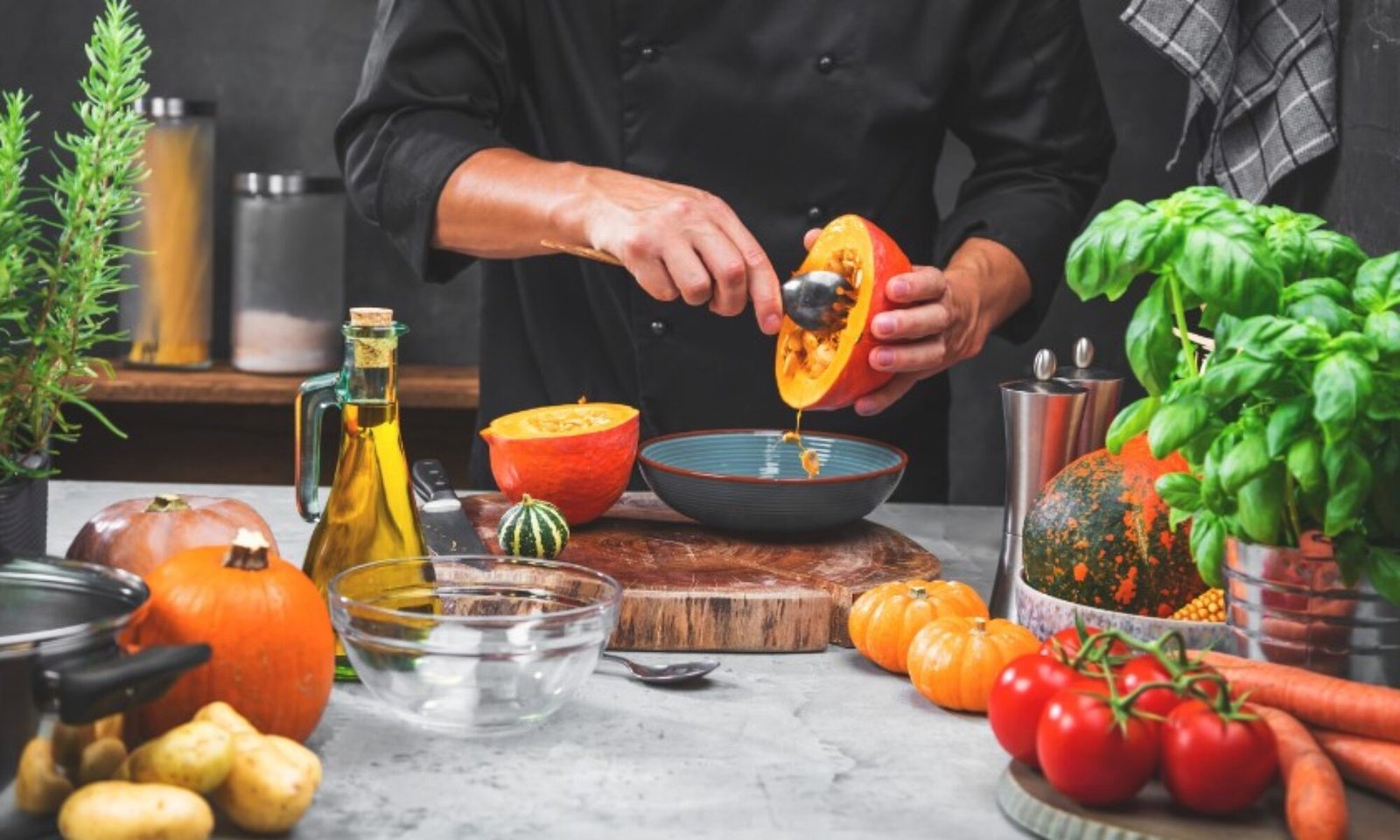
Pumpkin – From mini munchkins to colossal Cinderella specimens, pumpkins are a lot more than just a Halloween prop. Roasted in wedges, they are a delightful side. Pumpkins make the velvetiest soups, but are also great in sweet dishes as well, like these scrumptiously basic scones. Learn how to put together your pumpkin appropriately with our how-to guide.
Red Cabbage – Cabbage is an amazingly cost-efficient veg, as it’s moderately priced, goes significantly and retains nicely. Shredded into a slaw, it companions well with wholegrain mustard, although it can be cooked little by little with spices, sugar and a tiny crimson wine vinegar. Both equally are great accompaniments to a thickly-sliced baked ham.
Swede – Swedes usually are not the most well known of all the root veg but they’re really incredibly straightforward to cook dinner. Tasting somewhere in between carrot, cabbage and potato, chop it into batons, toss with oil and roast to make chips, or boil and mash it for a tasty, fluffy aspect dish with sausages.
Also in period in November are root veg like beetroot, celeriac, Jerusalem artichokes, onions, salsify and turnips. Bitter and fragrant chicory, fennel and leafy Swiss Chard are candidates for turning into warm salads. Autumn’s leeks, savoy cabbage and wild mushrooms can be sautéed in butter and relished with meat.
Winter fruits start off to make their once-a-year visual appearance too, all of which need to have to be cooked: cranberries go excellent in crumbles, elderberries (which are toxic if eaten uncooked) insert a sweet, pretty much vanilla flavour when utilized with other fruit in jams, and bitter quinces can be stewed or preserved.
The pancakes of Pancake Day look – and taste – different across the globe. It might be known as Shrove Tuesday, but for culinary reasons I prefer the French translation – “Fat Tuesday”. While the day may be fat, the French crepe is a “a slimmer, more elegant, more luxurious” version of the “ordinary British pancake”, says Felicity Cloake. For sweet crepes, she adds a pinch of salt to the batter to balance out the sugar. Whisk only until smooth – it should have the consistency of single cream.
But if a fluffy, American-style stack is more your style, you’ll need some bicarb soda and buttermilk to start the pancake party (note, this is different from a waffle party). The combination of leavening agent and fermented milk creates fizz and bubbles, resulting in light-as-air pancakes, best drowned in maple syrup, if you’re feeling hedonistic, or a berry compote, if you’re easing your way into Lent. (If berries are on your mind, see that punnet of blueberries through to Ravneet Gill’s blueberry pancakes, too.)
More french toast than pancake, torrijas have come to be associated with Lent in Spain and variations abound in Spanish-speaking countries, including Mexico and Venezuela. Benjamina Ebuehi’s recipe for torrijas sees white bread steeped in a heady mixture of egg yolks, milk and sugar (yes, it’s essentially custard), with the slices fried in butter, sprinkled with more caster sugar and best served cold, as per tradition.
Torrijas, a Spanish fried custard bread snack best served cold. Photograph: The Guardian
In India, some in the Catholic community make coconut pancakes. The recipe calls for a vanilla-scented batter that’s fried, filled with a textural combination of fresh grated coconut, jaggery, nuts and sultanas, and then rolled into sweet little cylinders.
Malasadas, found in Hawaii, Guyana and parts of Portugal, are not pancakes but doughnuts dusted with lemon zest and sugar. They are, however, free of corners, circular in shape and – importantly – eaten to mark the beginning of Lent.
History dictates that Shrove Tuesday pancakes came from followers needing to use up luxury, perishable goods like milk, eggs and butter. It does, however, mean that vegans and the gluten-intolerant are excluded from the pancake celebrations. Enter: kabalagala, Ugandan banana pancakes. They’re not exclusively made for pre-Lent feasting, but they are made with ripe bananas and cassava flour, then deep-fried. The result? Pikelet-sized snacks that are crunchy on the outside and soft in the centre. Try your hand with Sophia Musoki’s five-ingredient recipe.
Many thanks to its earthy, somewhat sweet taste, tequila is a person of the most functional liquors on your bar cart. The distilled spirit is manufactured from blue agave, a cactus-like plant that is indigenous to Mexico. Depending on how long tequila is aged, it can appear in a spectrum of shades, from distinct (unaged blanco) to a warm amber (aged anejo). It is fantastic to sip on its personal and also makes a terrific basis for cocktails.
While a margarita may perhaps be the initial issue that arrives to brain when you think of tequila consume recipes, there are a good deal of cocktails to make with a bottle (you can even cook dinner with it!). Even the margarita itself is endlessly customizable. Include other citrus fruits to the lime juice or infuse the tequila with jalapeño for an unanticipated kick of heat the list of methods to jazz up a margarita goes on and on.
If you are searching to check out all that tequila has to present, glance no more than this checklist of pleasurable, quick-to-make cocktails, all showcasing the Mexican spirit.
Getty Pictures
Every person should have a classic margarita recipe in their back again pocket and we really suggest this one from award-winning mixologist Ivy Mix. The drink by itself calls for just 4 ingredients — tequila, Cointreau, new lime juice and basic syrup — so be certain to use superior-high quality booze. Correct to custom, the shaken cocktail is poured into a salt-rimmed glass.
Today
Consider the paloma — a Mexican cocktail typically designed with grapefruit soda — to the up coming level by including new juice and some char. Grill the grapefruit and limes and merge the juices with the tequila, very simple syrup and club soda to sort a consume which is bubbly, tart and smoky all at after.
Nathan Congleton / Now
This dreamy frozen margarita tastes like summer in a pitcher. Showcasing a mix of tequila, aperol and Cointreau, the significant-batch drink will get its sweet, creamy taste from frozen peaches, honey and coconut milk.
Courtesy Cointreau
Like some heat in your drinks? Then this margarita is for you. The common tequila, triple sec and lime cocktail gets a kick of heat from sliced jalapeños, well balanced by the cooling aroma of muddled cucumbers.
Tyler Essary / Right now
This margarita will get a double dose of citrus taste. Along with fresh lime juice, there’s a cup and a 50 {d2b09b03d44633acb673e8080360919f91e60962656af8ade0305d5d8b7e4889} of juice squeezed from Cara Caras, a navel orange that features a sweet, lightly tart flavor.
David Anderson / Right now
We all know that the Barefoot Contessa enjoys a great potent cocktail. When it will come to tequila beverages, she’s also a enthusiast of incorporating heat. In this article, Ina infuses blanco or silver tequila with a modest jalapeño right away in the fridge right before introducing triple sec, honey, salt and a duo of lime and lemon juices.
Helen Healey / Nowadays
Elizabeth Heiskell provides the margarita a dose of Christmas cheer by adding cranberry and orange juices to the tequila, triple sec and lime juice. Garnishes like cranberries and rosemary sprigs increase to the vacation-ready sipper.
Nathan Congleton / Today
The tequila dawn and sangria arrive alongside one another to form this large-batch drink ideal for summer time parties. Blend a bottle of your favourite dry white wine with silver or gold tequila and each white grape and lime juices. Fall in slash grapes, limes and oranges to give it the entire sangria remedy.
Alamy
The sweet puckery lemon is the star of Martha’s lively margarita. A home made easy syrup designed with sugar, lemon juice and zest sweetens the consume, which also calls for tequila and orange liqueur.
Right now
In this one of a kind margarita inspired by Jenna and bartender Tiffanie Barriere’s Texan upbringing, an apple-pepper jelly and sliced jalapeño operate with each other to bring on the heat. A brown sugar-salt rim can help tame the spice as you sip.
Nathan Congleton / Currently
Hunting for something a minimal different? This recipe swaps glowing drinking water for ginger ale, which adds a zippy effervescence to the tequila, lime juice and agave.
I never learned how to eat an orange. It is a shameful admission. But it is because every winter, when oranges arrived in the Mumbai markets, my grandmother would make her kheer komola – sweetened milk condensed over a stovetop for hours and then cooled and mixed with fresh orange pulp. That’s how I consumed oranges through most of my childhood, with all the goodness of the fruit forked out and mixed with condensed milk. Why would I eat an orange any other way?
Bengalis are infamous for their consumption of sweets. A dessert after every meal was a requirement in our Bengali household – yes, even after breakfast. Ingenuity was sought. The rains brought a variation of the kheer. My grandmother, who I called Didu, would take on the task of peeling and deseeding a dozen custard apples for the family, coaxing out the hard black seeds from each fleshy white globule with her fingers. I often asked her why she couldn’t pick an easier fruit and she would always tell me to ask her the question after I’d had my first spoonful.
When Didu passed away at the age of 96, two years ago, my family wanted to commemorate her by recreating the dishes she appeared to make with so much ease well into her early 90s. She was a celebrated cook, but when we discussed her recipes, we were astonished by the amount of labour that went into each of these dishes, recipes she offered to make to mark birthdays, marriage anniversaries, to welcome guests or simply to enjoy during an important India-Pakistan cricket match.
The crispy fried onions that were an integral part of her yakhni pulao had to be sliced and salted and squeezed in a specific way to prevent them from over caramelising and becoming bitter. Her dimer devil (closer to Scotch eggs than devilled eggs) was a couture upgrade of the basic version that comprised half a boiled egg wrapped in minced mutton and then breaded and fried. She used to mould the minced mutton – spiced with cumin, coriander, turmeric, sliced green chilli, ginger and garlic – around the boiled egg, dust it in flour, give it an egg wash and dip it in breadcrumbs. To get a really crisp texture, she would do this twice. Her recipe had additional layers of mashed potato flanking the minced mutton to make the egg more imposing and grand in appearance. When you sliced through with a knife, you could hear the breading give way. The layers were even all around. Nothing short of slicing through an elaborate dacquoise. It was food as craft.
It was also food as care, when she made a sugarless rice pudding, year after year, for my father’s diabetic friend. For a son-in-law who struggled with deboning fish, both she and my mother went to great lengths to debone large hunks of freshwater fish, mash it with spices and pan-roast it as cutlets.
When my brother was moving to California for his masters degree, among his books and clothes was a jar of the fried dough balls we call kucho goja. They are usually dipped in a sugar syrup that is left to form a crust on the surface, but my brother was instructed how to do this in his dormitory instead, so that the treats could have an extended shelf life. It was food as a memory. (He polished them off in a week.)
“Have you eaten?” Indian mothers ask their children and husbands when they return home. The 19th-century Japanese writer Natsume Sōseki is said to have encouraged his students to translate “I love you” to “The moon is beautiful, isn’t it?” Its literal phrasing was too direct for the Japanese. “Have you eaten?” is Sōseki’s wisdom for Indians. A certain vocabulary is implicit in the exchange of food. Tea is presented to guests without inquiries being made in the north and east. In the southern parts of India, it is more likely to be coffee. As tea and coffee cannot be served by itself, there are accompaniments. We are more at ease today with serving things out of packets, but I remember visiting family in Calcutta during the summer holidays, and someone was always going out the back door as we were entering the front door. Then, 15 minutes later, shingaras and milk sweets would appear wrapped in newspaper, and these were presented on pale ceramic plates with floral patterns.
If we visited two homes the same evening, we had to eat twice, so as to not offend the host. If it was a planned visit, the accompaniments were usually prepared at home. My grandmother’s tea-time specialities were the kucho gojas and koraishutir kochuri (fried bread stuffed with peas). My other grandmother, my mother’s mother, was a champion of the dimer porota (egg roll with onions and chillies) and the Indian French toast that is savoury and loaded with onion and pepper, and certainly not something the French would recognise.
In an extended family, each woman seems to assume a trademark dish early on. That becomes her food identity in large gatherings. She is begged to make it, she is lauded for it. An aunt makes a steamed yoghurt pudding with raisins, another makes melt-in-your-mouth kebabs flavoured with rose water. My mother is an excellent cook with all manner of dishes in her repertoire, but what I need from her when I visit are the simplest of things – pink lentils, stir-fried cauliflower, fish croquettes. Food as comfort. She knows what to make, and pack for me to take back, just from looking at my face.
For food as comfort, there is no time like death. We don’t cook when there’s a death in the family. Relatives, friends and women from the neighbourhood bring food for the mourners. In reverence to the deceased, it is simple fare, austere even. But the end of the mourning period is marked with a grand feast. The menu usually comprises the favourite dishes of the departed. For Bengalis, two kinds of fish preparations are a must.
Food can be flattery. Food can be regard. I remember a heated discussion after my aunt (the one known for her steamed yoghurt) first visited her son’s girlfriend. Her son had proposed already, but she was worried the girl’s family was not serious about the marriage, because they served okra – lowly okra – for lunch.
Food memories do not always come with the trappings of love and warmth. In theories of social stratification, the preparation of food is deeply tied to the sexual division of labour. Until recently, “knows how to cook” was a perfectly acceptable requirement in matrimonial listings. In a country where millions of women often have no choice but to cook for large families – whether it is in airless kitchens in cities or bent over rustic charcoal stoves in villages – it is labour that is best not romanticised. But somehow within those limitations, a certain skill with cooking becomes a badge of resourcefulness, artistry, self-expression and identity.
Many later feminists have reframed the kitchen as a space of agency, even resistance. Didu’s sister, who survived a difficult marriage and came to live with her in Calcutta, used to make golden and glorious crisp potato slivers. She is perhaps the last person in my family I’ve known to use the traditional boti, a long curved blade that sits on a wooden platform held down by foot, and provides excellent control to the user. In a pre-food processor age, it allowed for the potato to be cut very finely. She made them in large batches and sealed them in glass jars. When we visited grandparents in Calcutta, we couldn’t have a single meal without these. If she went away for a few days, we would plead with her to come back. She also made various kinds of chutneys with mango and jaggery for us to take home after the summer holidays, ensuring she was with us until we met again the following summer.
Only as an adult did I realise the deep intelligence in these acts. I based a character in my debut novel, The Illuminated, on this grand-aunt. In the story, the otherwise disenfranchised young widow, Lata, widowed at 20, “rules the tastebuds”. Food is power. And it can be a weapon, too. For the man in his mid-40s who told me he remains in a marriage that is long over, it is a trap. He can’t leave the house because he is too accustomed to his wife’s breakfast spread. She instructs the cook to make what he has been used to since he was a child. I remember laughing when he started describing the food that had enslaved him. But I did understand his helplessness.
The Illuminated by Anindita Ghose (Head of Zeus, £15.99) is available from guardianbookshop at £13.91