Traditional St. Patrick’s Day Food: The Dishes I Learned to Make for a Proper Irish Celebration

Traditional St. Patrick’s Day Food: The Dishes I Learned to Make for a Proper Irish Celebration

The first time I tried cooking a full St. Patrick’s Day dinner, I’ll admit I didn’t really know what counted as “traditional.” I figured throwing together corned beef and some green-colored desserts would be enough. Turns out, there’s a lot more history and flavor behind traditional St. Patrick’s Day food than I realized.

I remember standing in the kitchen with a pot of corned beef simmering away, cabbage chopped up, and potatoes everywhere on the counter. It smelled amazing, but I also felt like I was guessing half the time. Over the years though, I started learning which dishes are truly classic and how they’re usually prepared.

Some recipes came from old cookbooks, others from chatting with folks who grew up with Irish cooking traditions. A few attempts failed pretty badly, if I’m honest. My first Irish soda bread was dense enough to stop a door from closing. But after enough practice, these dishes became some of my favorite comfort foods.

So if you’re planning a St. Patrick’s Day meal, here are some of the most traditional Irish foods that show up on the table year after year.

Corned Beef and Cabbage

When most people think about St. Patrick’s Day food, corned beef and cabbage is usually the first dish that comes to mind.

This meal has become strongly associated with Irish-American celebrations.

Why Corned Beef Became a St. Patrick’s Day Classic

Interestingly, corned beef wasn’t originally a staple in Ireland. Irish immigrants in the United States began cooking it because beef brisket was more affordable and available than traditional Irish bacon.

They paired it with cabbage and potatoes, creating a dish that slowly became the centerpiece of St. Patrick’s Day meals.

How It’s Typically Served

A classic plate usually includes:

Slow-cooked corned beef
Boiled cabbage wedges
Carrots
Potatoes

Everything cooks together in the same pot, absorbing the salty and savory broth.

The first time I made it, I cooked the cabbage too long and it turned mushy. Now I add it during the last 15 minutes so it stays tender but not overdone.

Irish Soda Bread

Irish soda bread is one of the easiest traditional breads you can make.

And thankfully, it doesn’t require yeast.

What Makes Soda Bread Unique

Instead of yeast, soda bread uses baking soda as the leavening agent.

Traditional ingredients include:

Flour
Buttermilk
Baking soda
Salt

The buttermilk reacts with the baking soda, helping the bread rise.

The dough comes together quickly, which is perfect if you’re not in the mood for a long baking project.

A Lesson I Learned the Hard Way

My first soda bread was tough because I overworked the dough.

This bread actually prefers a gentle touch.

Mix just until the ingredients come together. That’s it.

Too much kneading makes the bread dense.

Irish Stew

If there’s one dish that truly feels like traditional Irish comfort food, it’s Irish stew.

This meal has been around for centuries.

Classic Irish Stew Ingredients

Traditional Irish stew usually includes:

Lamb or mutton
Potatoes
Onions
Carrots
Fresh herbs like thyme or parsley

Everything simmers slowly in a pot until the meat becomes tender and the broth thickens.

The result is a hearty, rustic stew that warms you up fast.

Why Slow Cooking Matters

Irish stew isn’t meant to be rushed.

Low heat and long cooking time allow the flavors to develop.

I tried speeding it up once by using higher heat, and the meat came out tough. Lesson learned.

Colcannon

Colcannon is one of those dishes that feels incredibly simple but tastes surprisingly rich.

It’s basically mashed potatoes mixed with greens and butter.

Typical Colcannon Ingredients

Most recipes include:

Mashed potatoes
Butter
Cabbage or kale
Green onions
Milk or cream

The greens are cooked first, then folded into the mashed potatoes.

The Secret to Great Colcannon

Butter.

Lots of butter.

Traditional versions often include a small pool of melted butter in the center of the mashed potatoes.

Each spoonful gets dipped into it.

It’s not exactly a light dish, but wow it’s good.

Boxty (Irish Potato Pancakes)

Potatoes are a major part of Irish cooking, and boxty is one of the more interesting ways they’re used.

Boxty is a type of potato pancake that combines grated potatoes with mashed potatoes.

Boxty Ingredients

Typical boxty batter includes:

Raw grated potatoes
Mashed potatoes
Flour
Buttermilk
Salt and pepper

The mixture is fried in a pan until crispy on the outside.

Why I Love Making Boxty

The first time I made boxty, I was surprised by the texture.

It’s crispy like a pancake but soft inside like mashed potatoes.

Honestly, it’s one of those foods that disappears quickly once served.

Shepherd’s Pie

Another hearty dish often served during St. Patrick’s Day celebrations is shepherd’s pie.

This baked dish is incredibly comforting.

What Goes Into Shepherd’s Pie

Traditional shepherd’s pie includes:

Ground lamb
Onions
Carrots
Peas
Gravy
Mashed potato topping

Everything is layered in a baking dish and baked until the potatoes form a golden crust.

My First Attempt Was… Interesting

The first shepherd’s pie I made was way too watery.

I learned that letting the filling simmer a bit longer thickens the gravy and prevents soggy layers.

Now I let the meat mixture cook down before assembling the pie.

Bangers and Mash

This dish is simple but incredibly satisfying.

Bangers and mash consists of sausages served with mashed potatoes and onion gravy.

Classic Components

A traditional plate includes:

Pork sausages
Creamy mashed potatoes
Rich onion gravy

The gravy is usually made by slowly cooking onions until caramelized, then adding broth.

Why It’s So Popular

It’s quick, filling, and full of flavor.

Sometimes the simplest meals end up being the most comforting.

Irish Apple Cake

Dessert is often overlooked during St. Patrick’s Day meals, but Irish apple cake is a wonderful traditional treat.

What Makes Irish Apple Cake Different

It’s not overly sweet.

The cake is usually packed with sliced apples and lightly spiced with cinnamon or nutmeg.

Many recipes serve it with a warm custard sauce.

Why I Keep Coming Back to This Recipe

The first time I baked Irish apple cake, the house smelled incredible.

Apples and cinnamon baking together is hard to beat.

It’s simple, rustic, and perfect after a hearty meal.

Traditional Irish Drinks

No St. Patrick’s Day meal feels complete without something to drink.

Irish Tea

Tea is extremely popular in Ireland.

Strong black tea served with milk often accompanies meals or desserts.

Irish Coffee

Irish coffee combines:

Hot coffee
Irish whiskey
Sugar
Cream

The cream floats on top, creating a smooth finish.

It’s a cozy drink, especially after dinner.

Why Food Is Such a Big Part of St. Patrick’s Day

Food brings people together, and St. Patrick’s Day celebrations often revolve around shared meals.

Many of these dishes are hearty, simple, and built around affordable ingredients.

That’s part of their charm.

They were originally everyday meals meant to feed families with what was available.

Final Thoughts on Traditional St. Patrick’s Day Food

Cooking traditional St. Patrick’s Day dishes taught me something interesting.

Irish food isn’t complicated or fancy. Instead, it focuses on simple ingredients prepared well.

Potatoes, cabbage, meat, butter, and bread appear again and again.

But when those ingredients are cooked slowly and thoughtfully, they become incredibly comforting meals.

Now whenever St. Patrick’s Day rolls around, I find myself returning to these classic recipes. And even though my first attempts weren’t perfect, learning how to cook these dishes has been a pretty fun journey.

Seasonal Produce and What it becomes on your Plate

Seasonal Produce and What it becomes on your Plate

St. Pete has a rhythmic way of eating. The light changes, the breeze from the bay shifts a bit, and the market stalls suddenly tell a different story. We try to listen before we speak at FORTU. What’s good right now? What’s fresh off the boat. Which farms enjoyed a successful week? Then we cook. This is not to be a show-off, but rather to preserve the story. This is a simple and real tour of how “seasonal food” ends up on your plate.

The Key Takeaways

  • St. Pete’s seasonal produce tastes better when you use less ingredients and effort.
  • When sourcing is honest and close, St. Petersburg’s Farm-to-table works.
  • Clean, memorable dishes with local seafood and seasonal vegetables
  • The cooking methods should be light to ensure that the texture and aroma of food are not affected by heat.
  • The menus are adjusted gently each week depending on what’s really great
  • When abundance drives the purchasing and preparation decisions, waste drops can occur

What is in season now in St. Pete and why should I care?

Seasonal produce in St. Pete isn’t just a buzzword. It’s practical. It’s practical.

  • Winter into early Spring: strawberries, citrus, greens and radishes
  • Early herbs, tomatoes, zucchini and peppers
  • Summer: watermelon and mangoes, sweet corn and okra
  • Fall: squash, mushrooms, late tomatoes, leafy herbs

Why should you care? Seasonal produce is easier to cook with. We can use gentler methods and less ingredients.

How can we make St. Pete’s seasonal products into the dishes you love?

Feeling is the first step. Fruit and vegetables are handled the same way as you would at home, when cooking for someone special. Use light hands. Short heat Salt last. We also layer textures.

  • Crisp + creamy
  • Char + Fresh (grilled corn with a raw herb salad)
  • Sweet + tart (ripe mango against lime with a hint chili)

It’s simple. Here, we rely on herbs, acidity and a little smoke. You’ll see that we hold back elements until the very last moment to keep the dish bright.

Where does the “Seasonal Produce in St. Pete”, which sounds so good, actually come from?

The short answer is: nearby. We have a close circle of farmers and fishermen and we supplement when heat or storms get in the way. Some weeks there are plenty, others not so much. We adapt rather than force a set menu. This is the silent promise. We won’t pretend that the tomatoes are happy if they’re not.

Our sourcing compass:

  • When possible, try to travel as little distance as possible
  • Not too early, but within the right window
  • Keep soil and water healthy with responsible practices
  • We need to plan with transparency.

What is FORTU cooking when strawberries and citrus are at their peak?

We build whole plates around citrus when it is abundant and bright. Not just dessert.

  • Citrus + Greens Salad, with toasted seeds and honey-lime dressing, shaved Fennel.
  • Snapper with Charred Citrus, where the fruit kissed and pressed on the fish while it is being cooked.
  • Strawberries Barely Sweet can be folded into chilled rice pudding, or layered over pannacotta.

If you think “that tastes like the sun” when you taste something, then seasonal produce has done its job.

How can we combine Gulf fish with seasonal vegetables in our kitchens?

Local seafood and seasonal veggies go together naturally. The first is quick and delicate. One is delicate and quick. They are paired so that neither of them has to shout.

  • Grilled Grouper over tomato-watermelon panzanella in summer
  • Seared Shrimp, sweet corn, okra and a lemon-chili sauce butter
  • Ceviche is best made when the fish are perfect and the limes at their peak.

We sometimes create a dish around an herb that is fragrant and pungent. Basil or culantro are two herbs that can make a dish go from “good” to “oh.”

Does farm-to table in St. Petersburg really matter, or is this just a fancy label?

Many menus will say “farm to table St. Petersburg”. Fair question. Does it matter? When it’s true, yes. A shorter travel time results in a better texture, and requires less cooling or reheating. This allows us to call the grower, and ask, “Those were perfect peppers, could you send them in the smaller size?” The feedback loop ensures consistency. It may not be identical but it will always be alive.

Will I still be able to taste the season if I am a plant-based person?

Absolutely. The best vegetables don’t require a backup singer to make them interesting. Plant-based plates are built with the same care as traditional plates, but they have different anchors.

  • Tahini + Charred Eggplant with pickled chili and toasted sesame
  • Mushroom rice with herbs, sweet corn and citrus at the finish
  • Heirloom tomato stack layered with flaky salt and toasted sourdough for crunch.

Tell us if you’d like to be vegan. We will avoid butter and honey, and maintain the spirit.

What cooking methods are most compatible with seasonal produce?

We don’t want to overwhelm ingredients with a soft voice. We start with the following methods:

  • Quick saute greens and tender bean
  • Grilling squash, corn and citrus halves on a high-heat grill
  • To balance the dish, use a light pickle.
  • When the product is perfect and needs almost nothing, it’s best to serve it “raw + dressed”.

Heat is an instrument, not a target. If in doubt, we will stop sooner than you expect and let the carryover do the work.

Can a seasonally-based menu help to reduce waste and price?

Yes. You can save money by buying what is in abundance. Seasonal produce from St. Pete is available at fair prices and in peak supply. This allows us to keep our portions large and reduce waste. Herb trimmings are turned into oil. Tomato ends turn into a chilled broth. Citrus peels perfume syrups. They are small things but add up.

What is the FORTU year-round look?

It’s not strictly a calendar. More like a pulse. Here’s an interesting snapshot.

Early Winter to Late Winter

  • Citrus, strawberries and hardy greens
  • Light fish, chilled salads, bright desserts

Late Spring

  • Tomatoes, zucchini, fresh herbs
  • Snapper with “waters” of raw tomatoes, herb sauces and crunchy seeds

Summer

  • Corn, watermelon and okra are all good choices.
  • Grilled everything. Cold noodle salads. Sweet-salty fruit combinations.

Fall

  • Squash, mushrooms, late herbs
  • Slow-sauteed vegetables, deeper broths and roasted roots with citrus relish

We’ll tweak. Storms happen. Heat waves can happen. Heat waves happen. We shift our menus rather than forcing what nature hasn’t sent.

Why do the plates at FORTU change sometimes from week to week?

Seasons don’t change like a light switch. They mix. Then we rotate them. We have a few staple dishes that everyone enjoys. We’ll give the basil a leading role if it suddenly tastes like it just spent a week in Naples. If the corn tastes dull, we’ll leave it out. This flexibility is part and parcel of the promise.

What can you do to taste the season when you visit?

Check out this small list to make your next meal taste like St. Pete.

  • Follow the answer to “What’s new?”
  • Pick at least one dish with raw or lightly-cooked produce
  • Choose whatever fruit or herb is in season to pair with seafood
  • Keep room for a simple, tasty dessert inspired by the market of the week.

Say your preferences aloud if you need guidance: bright, savory or light. We will guide you on the best seasonal route.

FAQs

What does “seasonal products in St. Pete” mean right now?

The seasons change, so think of citrus fruits and greens during the cooler months, herbs and tomatoes in late spring and then mangos, corn and eggplants through the summer.

What is the impact of farm-to-table St. Petersburg on flavor?

We season less because we can protect the texture and aroma of the harvest.

Can you make a seasonal plant-based meal?

Yes. We’ll create a balanced, complete menu based on your specific needs.

Local seafood is always available?

Weather and catch limits are important, but not always. We pivot when the boats are not full, rather than serving mediocre catch.

Why has my favorite dish changed slightly?

Seasons are a blur. First, we honor the ingredients and then the spirit of your favorite dish.

Ask when you’re sitting down if you want to know what the week’s menu is. You’ll see the ingredient that brought everyone to a smile in the kitchen and what it looks like on your FORTU plate.

This post was written by a professional at Fortu. Fortu stands out among the top Restaurants St Petersburg FL, offering an elevated Pan-Asian dining experience in the heart of St. Petersburg, Florida. Celebrating Asia’s vibrant and diverse culture, Fortu introduces bright and bold flavors to a bright and bold city with a menu of locally and sustainably sourced options, from small bites to hearty delicacies. Whether winding down from a beach day or celebrating a special occasion, guests can enjoy a lush, alluring atmosphere and an authentic taste of Asia’s divine cuisine at one of the finest Restaurants In Downtown St Petersburg FL.

10 Amazing Health Benefits of Cooking with Coconut Oil

10 Amazing Health Benefits of Cooking with Coconut Oil

Introduction

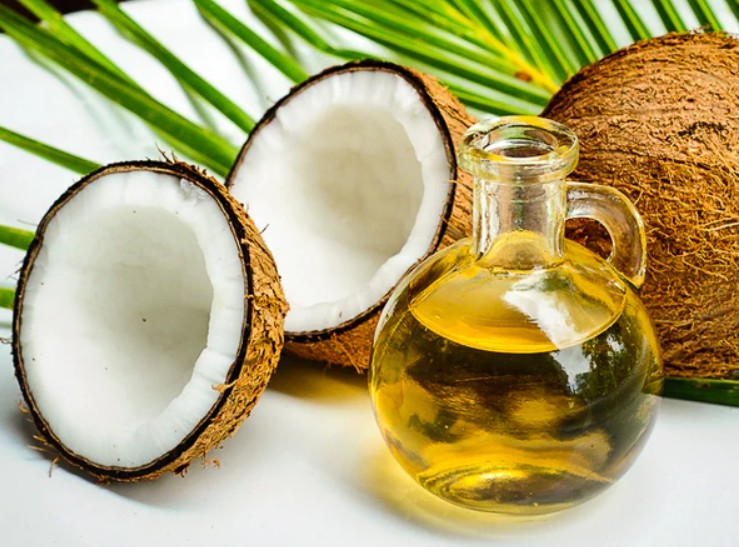
Coconut oil has become one of the most talked-about ingredients in kitchens around the world, and for good reason. Once considered just a tropical cooking fat, it has now gained recognition as a superfood thanks to its wide range of health-boosting properties. From its rich aroma to its versatility in cooking, coconut oil is much more than just a flavorful addition to your meals—it’s also packed with nutrients that can positively impact your overall well-being.

What makes coconut oil stand out from other oils is its unique composition. Unlike vegetable oils that are high in long-chain fatty acids, coconut oil is primarily made up of medium-chain triglycerides (MCTs), which the body processes differently. These MCTs are quickly absorbed, converted into energy, and even linked to various metabolic and cognitive benefits. On top of that, coconut oil contains lauric acid, a compound known for its antimicrobial properties, and a host of antioxidants that support long-term health.

In this article, we’ll explore the 10 amazing health benefits of cooking with coconut oil, from boosting metabolism and improving heart health to supporting brain function and even enhancing beauty from within. Whether you’re health-conscious, following a specific diet like keto, or simply curious about adding new flavors and nutrition to your meals, you’ll discover why coconut oil deserves a permanent spot in your pantry.

What Makes Coconut Oil Unique?

Coconut oil isn’t just another cooking fat you pick up at the grocery store—it’s a powerhouse with a composition that sets it apart from the rest. While many oils are made up of long-chain fatty acids, coconut oil is predominantly composed of medium-chain triglycerides (MCTs). This difference in structure changes how your body digests and uses the fat.

The Power of Medium-Chain Triglycerides (MCTs)

MCTs are digested more efficiently than long-chain fatty acids. Instead of being stored in fat cells, they go directly to the liver, where they are quickly converted into energy. This makes coconut oil a favorite among athletes, fitness enthusiasts, and people following the keto diet, as it provides a fast, clean fuel source for both the body and the brain.

Virgin vs. Refined Coconut Oil

Not all coconut oils are the same, and understanding the differences helps you choose the best one for your needs:

  • Virgin Coconut Oil (VCO): Extracted from fresh coconut meat without chemical processing. It retains more nutrients, antioxidants, and that natural coconut aroma and flavor.
  • Refined Coconut Oil: Made from dried coconut (copra) and often goes through bleaching and deodorizing. It has a neutral taste and a higher smoke point, making it great for high-heat cooking but slightly lower in antioxidants.
  • Extra Virgin Coconut Oil: Though often used interchangeably with virgin coconut oil, the term “extra virgin” isn’t officially regulated in the coconut industry. Most often, it’s simply a marketing label for high-quality virgin oil.

A Heat-Stable and Versatile Oil

Another feature that makes coconut oil unique is its high smoke point, especially when refined. Unlike oils such as flaxseed or some vegetable oils that break down at high temperatures, coconut oil stays stable, making it ideal for frying, roasting, and sautéing. Its natural resistance to oxidation also means it has a longer shelf life compared to many other oils.

In short, coconut oil’s unique fatty acid profile, versatility in cooking, and variety of processing options make it a one-of-a-kind ingredient. Understanding these qualities is the first step to appreciating the powerful health benefits it can bring to your meals and lifestyle.

Top 10 Health Benefits of Cooking with Coconut Oil

Coconut oil is more than just a cooking fat—it’s a nutritional powerhouse with benefits that go far beyond the kitchen. From fueling your body with quick energy to supporting long-term wellness, coconut oil can make a meaningful difference in your diet and lifestyle. Let’s break down the 10 amazing health benefits of coconut oil for cooking that you should know.

  1. Boosts Metabolism and Energy Levels

Coconut oil is rich in medium-chain triglycerides (MCTs), which are metabolized differently from other fats. Instead of being stored, they are rapidly converted into energy by the liver. This quick energy boost can enhance daily performance, making coconut oil an excellent choice for athletes, busy professionals, or anyone needing sustained stamina throughout the day.

  1. Supports Weight Management

The MCTs in coconut oil are also linked to increased satiety, meaning you feel fuller for longer after meals. This can naturally reduce calorie intake and support weight management. Some studies suggest that replacing other fats with coconut oil may help reduce belly fat over time.

  1. Promotes Heart Health

Although coconut oil contains saturated fat, not all saturated fats are harmful. Lauric acid in coconut oil has been shown to raise good HDL cholesterol levels, which play a protective role in cardiovascular health. Balanced consumption may support a healthier cholesterol ratio and improved heart function.

  1. Enhances Brain Function

The brain thrives on energy, and MCTs provide a fast and efficient fuel source. Research indicates that MCTs may benefit brain function, particularly in older adults or individuals with mild memory challenges. Coconut oil’s quick-converting fats make it a natural brain booster.

  1. Strengthens the Immune System

Coconut oil is naturally antimicrobial thanks to compounds like lauric acid, capric acid, and caprylic acid. These substances can help fight off harmful bacteria, viruses, and fungi. Incorporating it into your diet may strengthen your immune defense and reduce the risk of common infections.

  1. Improves Digestion and Gut Health

Cooking with coconut oil can support smoother digestion. Its healthy fats aid in the absorption of fat-soluble vitamins (A, D, E, and K) and essential minerals. Meanwhile, its antimicrobial qualities may help balance gut bacteria, promoting a healthier digestive environment.

  1. Provides Antioxidant Protection

Coconut oil contains powerful antioxidants, including polyphenols, that help fight oxidative stress and inflammation. By neutralizing harmful free radicals, antioxidants reduce the risk of chronic diseases and support overall wellness.

  1. Stabilizes Blood Sugar Levels

Healthy fats like coconut oil can help regulate blood sugar by slowing digestion and improving insulin sensitivity. This makes it particularly beneficial for people looking to maintain steady energy levels or those managing conditions such as type 2 diabetes.

  1. Enhances Skin and Hair from Within

What you eat affects how you look. Regularly including coconut oil in your diet can provide essential nutrients that promote healthy skin and shiny hair. Its fats and antioxidants nourish the body from the inside out, giving you a natural glow and stronger strands.

  1. Versatile and Heat-Stable for Cooking

Finally, coconut oil is highly versatile in the kitchen. Thanks to its high smoke point, it remains stable even at high cooking temperatures. Whether you’re frying, sautéing, roasting, or baking, coconut oil maintains its beneficial properties while adding a subtle, delicious flavor to your dishes.

Cooking with coconut oil isn’t just about taste—it’s about tapping into a wide array of health benefits that can transform the way you eat, feel, and live. By replacing other oils with coconut oil in your recipes, you can enjoy both culinary delight and lasting wellness.

How to Use Coconut Oil in Everyday Cooking

One of the best things about coconut oil is its versatility in the kitchen. Whether you’re frying, baking, or simply spreading it on toast, coconut oil adds a subtle tropical flavor while delivering numerous health benefits. The key is knowing how and when to use it so you can enjoy both its taste and nutritional value.

Use It as a Butter Substitute

Coconut oil can easily replace butter or margarine in your recipes. Whether you’re spreading it on warm toast, melting it over steamed vegetables, or using it in pancake batter, it offers a dairy-free alternative that’s just as satisfying. For vegans or people with lactose intolerance, it’s a fantastic swap.

Perfect for Frying and Sautéing

Thanks to its high smoke point, coconut oil is excellent for frying and sautéing. It remains stable at higher temperatures, which means it won’t break down into harmful compounds as some vegetable oils do. Try using it to stir-fry vegetables, sear meats, or make crispy fried eggs.

Baking with Coconut Oil

Coconut oil is also great for baking. You can replace traditional fats like butter or vegetable oil with coconut oil in cakes, cookies, and muffins. It not only makes baked goods moist but also adds a delicate hint of coconut flavor that pairs beautifully with chocolate, banana, or tropical fruits.

Add It to Smoothies and Coffee

For an extra energy boost, blend a spoonful of coconut oil into your morning smoothie or coffee. Many people following the keto diet enjoy “bulletproof coffee” made with coconut oil or MCT oil for sustained energy and mental clarity throughout the day.

Use in Salad Dressings and Sauces

While coconut oil solidifies at cooler temperatures, it can still be used in dressings and sauces when melted. Combine it with lemon juice, vinegar, and herbs for a unique twist on your usual salad dressing.

Drizzle on Popcorn or Vegetables

Instead of butter, melt coconut oil and drizzle it over freshly popped popcorn or roasted vegetables. It creates a delicious, guilt-free snack that’s both healthy and satisfying.

Tips for Using Coconut Oil in Cooking

  • Measure properly: Replace butter or oil with coconut oil at a 1:1 ratio.
  • Mind the flavor: Virgin coconut oil has a stronger coconut taste, while refined coconut oil has a neutral flavor for savory dishes.
  • Store correctly: Keep your coconut oil in a cool, dry place. It naturally solidifies below 76°F (24°C) but melts easily when heated.

Incorporating coconut oil into your cooking routine is simple and rewarding. Whether you use it in small ways, like adding it to your morning coffee, or in bigger ways, like replacing your everyday cooking oils, coconut oil offers both delicious flavor and health benefits with every spoonful.

Choosing the Right Coconut Oil

With so many options on the shelves, picking the right coconut oil can feel overwhelming. Should you go for virgin, extra virgin, refined, or cold-pressed? Each type of coconut oil has unique qualities, and the best choice depends on your cooking style, health goals, and personal preference. Here’s a guide to help you make the right decision.

Virgin Coconut Oil (VCO)

Virgin coconut oil is made from fresh coconut meat without undergoing chemical refining or bleaching. It retains more of its natural nutrients, antioxidants, and distinctive coconut flavor. This makes it ideal for people who value purity and want the maximum health benefits. It’s especially popular in smoothies, baking, or sautéing dishes where the tropical flavor enhances the recipe.

Extra Virgin Coconut Oil

Unlike olive oil, where the term “extra virgin” is officially regulated, in the coconut oil industry, there’s no strict standard. Most brands label high-quality virgin oil as “extra virgin.” Essentially, it’s the same as virgin coconut oil—freshly extracted, nutrient-rich, and aromatic. If you see “extra virgin” on the label, treat it as a premium virgin coconut oil.

Refined Coconut Oil

Refined coconut oil is produced from dried coconut (copra) and undergoes processes like bleaching and deodorizing. While it has fewer antioxidants than virgin coconut oil, it comes with a neutral flavor and a higher smoke point. This makes it better suited for frying, roasting, or cooking savory dishes where you don’t want the coconut taste to dominate.

Cold-Pressed Coconut Oil

Cold-pressed coconut oil is extracted mechanically at lower temperatures, which helps preserve its natural nutrients and antioxidants. Often, this oil is also virgin. If you’re looking for the purest form of coconut oil with maximum nutritional value, cold-pressed is the way to go.

What to Look for on Labels

When buying coconut oil, always check for:

  • 100{36502ecb9dfd8c6508eac6900de71d8290510556705cb946c268dfdc9ae47000} pure and unrefined for maximum health benefits.
  • Organic certification, which ensures no harmful chemicals were used during processing.
  • Non-hydrogenated and free from trans fats.
  • Packaging in glass jars or BPA-free containers to maintain freshness.

Which One Should You Choose?

  • Choose virgin or extra virgin if you want maximum health benefits and enjoy the natural coconut aroma.
  • Opt for refined coconut oil if you need a neutral taste for everyday frying and high-heat cooking.
  • Go for cold-pressed if you want a nutrient-rich oil for health-conscious recipes.

By understanding the differences and knowing what to look for, you can confidently choose the coconut oil that best fits your cooking style and lifestyle needs.

Precautions and Things to Consider

While coconut oil offers an impressive range of health benefits, it’s important to remember that no single food is a magic bullet. Like all fats, coconut oil should be consumed in moderation and used as part of a balanced diet. Here are some key precautions and considerations to keep in mind before making it a staple in your kitchen.

Watch Your Intake

Coconut oil is calorie-dense, with about 120 calories per tablespoon. Eating too much can quickly add excess calories to your diet, potentially leading to unwanted weight gain. Most health experts recommend limiting consumption to 1–2 tablespoons per day, especially if you’re already consuming other sources of fat.

Saturated Fat Content

Although the saturated fat in coconut oil is different from that in animal products, it’s still high—making up about 90{36502ecb9dfd8c6508eac6900de71d8290510556705cb946c268dfdc9ae47000} of its total fat content. Some studies suggest that excessive saturated fat intake may contribute to cardiovascular issues in certain individuals. If you have a history of heart disease or high cholesterol, consult with your healthcare provider before significantly increasing your intake.

Not a Cure-All

Coconut oil has been widely promoted as a “superfood,” but it’s not a cure-all. While it can support heart, brain, and digestive health, it should not replace a varied diet rich in fruits, vegetables, whole grains, lean proteins, and other healthy fats such as olive oil or avocado. Think of it as a valuable addition, not a sole solution.

Choose Quality Over Quantity

Not all coconut oils are created equal. Poorly processed oils may contain chemicals or lack the nutrients found in virgin or cold-pressed varieties. Always choose organic, unrefined, non-hydrogenated coconut oil for the best health benefits and fewer potential risks.

Individual Health Considerations

  • Digestive issues: Some people may experience mild stomach discomfort or loose stools when first introducing coconut oil. Start with small amounts and increase gradually.
  • Allergies: Though rare, coconut allergies do exist. If you experience itching, swelling, or difficulty breathing after consuming coconut products, seek medical attention immediately.
  • Medical conditions: Those with metabolic disorders, heart conditions, or who are on specific medications should speak to their doctor before making coconut oil a daily habit.

Balance is Key

The best approach to coconut oil is balance. Combine it with other healthy fats—such as olive oil, flaxseed oil, or avocado—to ensure you’re getting a variety of nutrients. By using it wisely, you can enjoy its benefits without overloading your diet.

Conclusion

Coconut oil has rightfully earned its place as one of the most versatile and health-supporting ingredients in modern kitchens. From boosting metabolism and improving brain function to supporting heart health and even enhancing your skin and hair, its benefits extend far beyond simple cooking. What makes it truly special is its unique composition of medium-chain triglycerides (MCTs) and lauric acid, giving it properties that few other oils can match.

That said, the key to getting the most out of coconut oil is balance and mindful use. Incorporating 1–2 tablespoons a day into your meals—whether in frying, baking, or even your morning coffee—can be a simple yet powerful step toward better health. But remember, no single food can do it all. Pair coconut oil with a diverse, nutrient-rich diet to reap the greatest rewards.

So, whether you’re a health enthusiast, a foodie looking for new flavors, or someone on a journey toward better nutrition, coconut oil deserves a spot in your pantry. Start experimenting with it in your favorite recipes, and you’ll soon discover that cooking with coconut oil doesn’t just make your meals more delicious—it makes your lifestyle healthier too.

Frequently Asked Questions About Cooking with Coconut Oil

  1. Is coconut oil safe for frying?

Yes, coconut oil is safe for frying because of its high smoke point (around 350°F/175°C for virgin and up to 400°F/204°C for refined). This means it stays stable at higher temperatures, unlike some vegetable oils that break down and release harmful compounds. Refined coconut oil is the best choice for deep frying or high-heat cooking since it has a more neutral flavor.

  1. How much coconut oil should I eat daily?

Most health experts recommend consuming 1–2 tablespoons per day as part of a balanced diet. While coconut oil has many health benefits, it is still calorie-dense, so moderation is key. Pairing it with other healthy fats like olive oil or avocado ensures a well-rounded intake of essential fatty acids.

  1. What’s the difference between virgin and refined coconut oil?
  • Virgin Coconut Oil (VCO): Extracted from fresh coconut meat without chemical processing. It retains a natural coconut aroma, flavor, and more antioxidants.
  • Refined Coconut Oil: Made from dried coconut (copra), deodorized, and bleached. It has a neutral taste and higher smoke point, making it ideal for frying and savory dishes.
    Both can be healthy, but your choice depends on whether you prefer flavor and nutrients (virgin) or cooking versatility (refined).
  1. Can I use coconut oil for baking?

Absolutely! Coconut oil works wonderfully in baking. You can replace butter or vegetable oil at a 1:1 ratio in cakes, cookies, or muffins. It gives baked goods a moist texture and a mild coconut flavor that pairs well with chocolate, banana, and tropical fruits. If you prefer a neutral flavor, opt for refined coconut oil.

  1. Does coconut oil help with weight loss?

Coconut oil isn’t a miracle fat burner, but it may support weight management when used wisely. The medium-chain triglycerides (MCTs) in coconut oil are digested quickly, providing energy and promoting satiety, which can help reduce overeating. Combined with a healthy diet and exercise, coconut oil can play a supportive role in maintaining a healthy weight.

  1. Is coconut oil good for people with diabetes?

Coconut oil may help regulate blood sugar by improving insulin sensitivity and slowing digestion, which prevents sudden spikes in glucose levels. However, people with diabetes should consult their healthcare provider before adding it regularly, as overall diet and lifestyle play a larger role in blood sugar control.

  1. How should I store coconut oil?

Coconut oil should be stored in a cool, dry place away from direct sunlight. It naturally solidifies below 76°F (24°C) and liquefies when warmer, but this does not affect its quality. Make sure to keep it in a sealed glass jar or BPA-free container to maintain freshness and prevent contamination.


Cooking with Wine: Techniques, Tips, and Pairings

Cooking with Wine: Techniques, Tips, and Pairings

Cooking with wine is a delightful way to infuse your dishes with rich, complex flavors that elevate your culinary creations to new heights. Whether you’re a seasoned chef or an enthusiastic home cook, understanding the techniques, tips, and pairings for cooking with wine can transform your meals from ordinary to extraordinary. Wine can be used to deglaze pans, create flavorful sauces, and enhance the taste of various ingredients, adding a touch of sophistication to your dishes. In this guide, “Cooking with Wine: Techniques, Tips, and Pairings,” we will delve into the art of incorporating wine into your cooking, offering expert advice on selecting the right wines, mastering essential techniques, and creating perfect pairings. Discover how to unlock the full potential of wine in your kitchen and impress your guests with gourmet-quality meals.

Check out the detailed infographic below to get started on your journey to mastering the art of cooking with wine.


industrial freezer

Infographic provided by Iron Mountain, a top company to get an industrial freezer

10 Tips to Finish Cooking for Shabbos (Even for a Crowd) Before Friday

10 Tips to Finish Cooking for Shabbos (Even for a Crowd) Before Friday

For all the 9-5 working ladies, you probably figured this one out already—but for those of you feeling the Friday rush, this one’s for you.

I’m a natural procrastinator, but I’ve hosted entire Shabbosim for 20+ people without ever cooking on Friday (minus the exception in #4). It can be done. Procrastination often stems from a fear of unknown, so if you have your menu and prep schedule planned ahead, it can take the fear out of how will I get this all done on time?! And even leave you with a freed-up Friday for a manicure or beach day—or a stress-free workday. 

#1 The freezer is your friend

Get in the habit of making and freezing your key freezable Shabbos staples. Think: kugel, soup, slow roasted meats (brisket, ribs etc.—trust me, even picky eaters always compliment my frozen ribs more than when they’re fresh out of the oven- the flavors develop over time). 

#2 Shabbos cooking prep can begin as early as… Motzei Shabbos

Don’t associate Thursday or Friday as your Shabbos prep day, look at the whole week and make it work for you. If motzei shabbos or Sunday morning is free time for you, make your challah or dessert then and freeze. Dips, dressings, and toppings like pickled onions etc. can all be prepped and refrigerated up to a week (or 2! ahead). Have cleaning help on Mondays? Sunday night just became your new kugel night! Bring out all the mixers, food processors on Sunday evening or Monday morning…Yes, you can freeze it.

#3 Wednesday fresh is fresh enough- so cook ahead

I used to be super particular about making certain dishes as close as possible to Shabbos for maximum freshness, but guess what? If it’s not going from oven to table within 15 minutes– it’s pretty much all the same. It turns out those hot steaming veggies taste the same 4 hours later and when made the night before….and your deli roll doesn’t know the difference between being reheated on a hot plate 24 hours or 36 hours later…it just knows it was in the fridge and now ready to get heated up and crispy.

#4 Exception to the cook ahead tip: oven-ready prep

If you’re home or someone’s available to remove food from the oven on Fridays–do all prep work on Wednesday or Thursday and pop it in the oven Friday morning or before Shabbos with enough time to finish cooking. Think pre-marinated meats and pre-made cookie dough. 

Sometimes I’ll throw in a ready-to-cook dish at 7am and take it out by 9am before I need to leave the house. 

#5 Organize your food prep by like-minded tasks

For example: all veggies get cut the same time. If you’re making soup, roasting vegetables, prepping for a salad—those tasks happen together. Your cutting board, knife, and peeler are already out… get your soup veggies sweating in the pot and then move onto your roasted vegetables, even if you only plan to cook them the next day.

#6 Organize your cooking by oven temp times

Time your oven. I separate my cooking by oven temperature. If I’m roasting at 425, I do all my roasting in one shot. Even if it’s 2 batches– have all vegetables and roasted items ready on sheet pans waiting for a spot to open up. Then you’re not stuck waiting for your oven to be ready for that batter you just made. Or, for example, rice gets scheduled to be put in the same time as chicken (yes, in case you missed the memo, rice goes in the oven—it’s impossible to burn, easier to reheat, and no need to dirty an extra pot and transfer.)

#7 When pressed for time, skip patchkes. Roasted potatoes can replace kugel, baked goods are easy to replace with store bought or frozen dough.

In general, I don’t do much kugels, cakes, baked anything— I opt for lots of roasted vegetables that get used to top salads, rice, grains, along with fresh herbs (pre-checked for time saving), and sauces. But that’s a personal preference. 

#8 Have extra time one week— double or triple your recipes

6 sticks of margarine sounds like a lot…but you won’t feel that way when you have ready-to-bake homemade dessert 3 weeks in a row without the prep. (Be careful, some baked good recipes don’t triple well without adjusting the leavening agents and spices.)

#9 Prep your cholent on Thursday night 

Refrigerate and just plug it in on Friday.  (Make sure potatoes are fully emerged in liquid so they don’t brown.)

#10 Outline your shopping/cooking schedule and stick to it

Don’t leave anything off your schedule, everything from garnishes to salad prep goes on the schedule. 

Something didn’t make it into production in its intended time slot—you may need to drop it or find something else to drop. 

Sample Schedule 

Here’s a menu if I’m cooking for a crowd and corresponding schedule (all 1st course & fish get repurposed for Shabbos lunch):

Menu

Challah

Dips (store bought)

Roasted Eggplant & Red onion herb mixture

Garlic & Tomato Confit

Crunchy Cabbage Salad

Balsamic Dill Salmon

Chicken Soup

Roasted Mini Potatoes & Pearl Onions

Crunchy Onion & Everything-Spice Topped Rice

Roasted Broccoli

Dry-Rubbed Ribs

Skillet Cookie Dessert (Dough pre-made frozen)

Cholent

Mini Pulled Rib & Avocado Tacos (Repurpose 3-4 ribs)

Roasted Vegetable Kale Salad

Potato Kugel-if needed, but it’s coming from the freezer

Sunday Make cookie dough & freeze (or have frozen from previous week)
Monday Salad Dressings (last all week) Pickled Onions for Tacos (last 2 weeks)
Tuesday Make Challah & Freeze
Wednesday Food/Fresh Produce Shop Chicken Soup- get this on early in the day or as part of dinner prep Cut/prep all vegetables for roasted vegetables, salad, dips, potatoes for cholent (soak in water) Cut red onions for fish &Red onion herb mixture for eggplant  Prep Garlic Tomato Confit for roasting
Thursday Prep Cholent& Rib Rub 6:30pm-7pm Bake Pre-made or frozen dessert dough 7pm| Bake Salmon& Covered Rice 7:30pm | Roast all vegetables: potatoes, broccoli, eggplant ramen/almonds for cole slaw 8:30pm | Bake ribs low for 1.5 hours same time as garlic confit-finish last hour or so in oven before Shabbos.
**Alternatively, throw in prepped ribs 7:30am-10am Friday morning
8:30pm Finish Active Cooking! 
Friday You time!

Outdoors with Luke: Luke shares outdoor cooking tips | Sports

Outdoors with Luke: Luke shares outdoor cooking tips | Sports

  If you’ve been reading my column the past couple weeks, you’ve seen my account of a successful turkey hunt on the famed Y.O. Ranch near Mountain Home down in the Texas Hill Country.

  As Mr. Paul Harvey used to say, this week, I’ll relate to you the “Rest of the story.”

  To me, a hunt or a fishing trip are not complete until I cook and enjoy a meal from my harvest from the woods or water. Through the years, I’ve learned a lot of different ways to cook fish and game from others and I’ve done a great deal of experimenting on my own. One of my favorite recipes I learned is from the late Bob Hood. Bob loved cooking with dutch kettles over campfire coals and we often prepared this dish for a noon-time meal after a successful quail hunt out in West Texas. The ingredients are pretty basic; a kettle full of quail, 1.5 sticks of butter, quail, 4 rows of Ritz Crackers and salt and pepper.

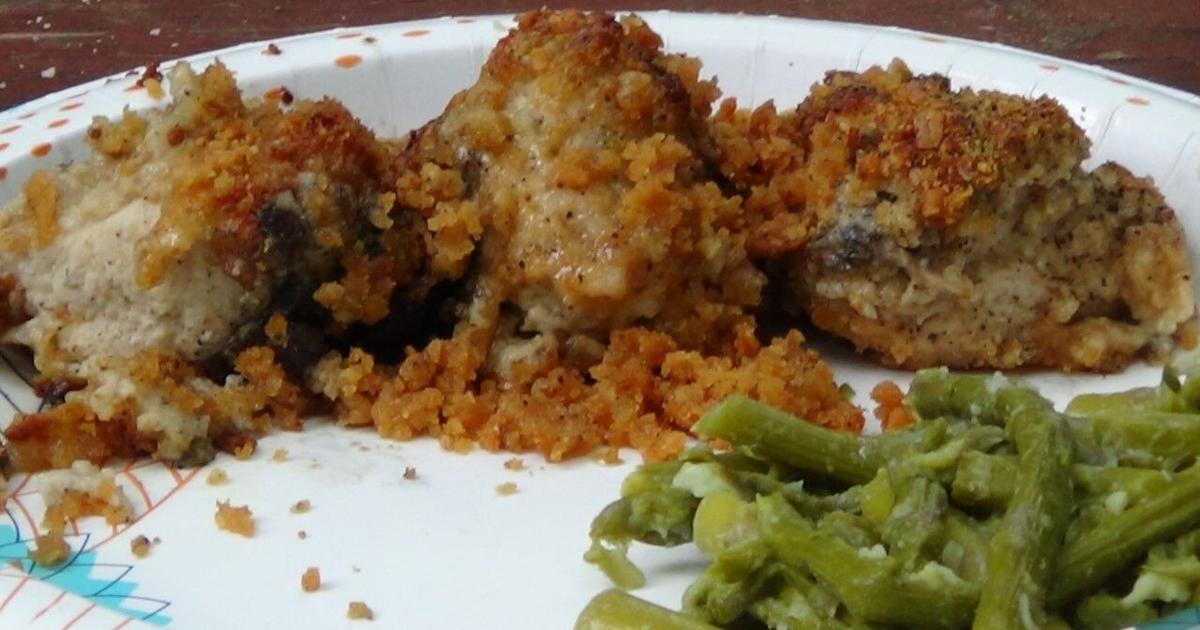
  After this recent turkey hunt, I decided to substitute the white meat from my gobbler for the quail Bob and I usually cooked. I cut the breast meat into pieces about the size of a quail, coated them with melted butter and then covered them with cracker meal. I do most of my campfire cooking in a big cast-iron skillet with lid and a #10 dutch kettle. The key to success with a dutch kettle is to make sure you do not get too much heat under the pot. A good rule of thumb is about 13 charcoal briquettes on top of the recessed lid and about seven or eight underneath. I usually cook with embers from the campfire but briquettes are much easier to work with until you learn how to gauge the heat. Of course, the amount of heat depends upon the ambient air temperature. When it’s freezing and windy outside, it obviously requires more heat to bring the kettle up to cooking temperature. When the air temperature is 70 degrees or more, the basic 13-above and 7-below formula works just fine.

  It’s important to have extra cracker meal to cover the pieces of breast meat; an ample amount of black pepper on top is a must! While the kettle is working its magic, rotate the lid with coals 180 degrees and pick up the entire kettle and turn it the opposite direction. This helps to distribute the heat and avoid hotspots. It takes somewhere around 40 minutes once the coals are placed on top but it’s a good idea to gingerly pull the lid after about 30 minutes for a check. 

  Cooking with cast iron over a campfire is a bit more challenging than setting the kitchen oven at the desired temperature and removing the finished product when the timer sounds but dutch kettle cooking is not rocket science.

  You will find that the aroma coming from that kettle will have your friends hovering just downwind with plates, fork and knives ready to dig in but give it about 40 minutes. Fight them off if you must! About two quail-size pieces of the turkey breast, covered with extra Ritz cracker crumbs is about right for the average person. Grilled asparagus is in season now and it makes a great side dish to this meal.

  Through the years, I have encountered a lot of turkey hunters that have no idea how to prepare the legs and thigh meat from wild turkeys. Wild turkey, unlike their domestic counterparts, have to use their “landing gear” for motivation while foraging for food, often traveling many miles each day. A wild turkey drumstick is extremely tough. I’ve seen guys try to grill them and it would take the teeth of a grizzly bear to chew the meat! With 10 or so tiny feather bones it can be a challenge to cook but years ago I learned from an old Mexican cook down on the border how to make the best fajitas out of wild turkey legs and thighs. The trick to tenderizing any cut of tough meat is slow cooking with moisture.

  I begin with placing the dark meat in heavy duty aluminum foil and coating with olive oil, then sprinkling with a generous amount of Fiesta Fajita seasoning. I use my Smokin Tex electric smoker set at 225 degrees for an hour to give the pieces plenty of smoke flavor; pecan wood is my favorite but hickory or any fruit wood also gives the meat a great flavor. After the pieces are smoked, add a bit more oil and just a little water or apple juice, then wrap tightly and allow to steam/bake for five or six hours. Make sure and check for doneness after four hours. I then hold the end of the drumsticks to keep the little feather bones intact and strip the meat away. The thigh meat will simply fall off the bone. I often freeze the smoked/seasoned meat and make fajitas later. If I’m at camp with friends, I toss the meat in a cast-iron skillet with a bit more seasoning, onions, bell pepper and onion and enjoy some very fresh camp fajitas. Wrapped in a hot flour tortilla and garnished with cilantro and a bit of picante sauce, these fajitas will rival those you enjoy at your favorite restaurant.

  Note: If you haven’t had a successful turkey season thus far, you can substitute chicken breast in either of these recipes or, for the dutch kettle recipe, cornish hens. Just make sure and have plenty of that Ritz cracker meal! You will thank me when you spoon a generous pile of the cracker meal on the dutch kettle baked fowl! And wrap five or six pieces of asparagus in bacon for the grill. The bacon bastes the asparagus while cooking and adds a great deal of flavor. You might want to dust it with a bit of garlic powder to add even more flavor!

  Contact outdoors writer Luke Clayton through his website www.catfishradio.org