Cooking Tips: 7 Easy Ways To Give Your Snacks A Crispy Coating

Cooking Tips: 7 Easy Ways To Give Your Snacks A Crispy Coating

We all love indulging in crispy snacks. Whatever may be filling, there is something very enjoyable about biting into foods with a perfectly crisp coating. We tend to lose ourselves in their yumminess and just savour the moment! There are a variety of ways to achieve this particular sensation. Whether you’re working with veggies, meat, chicken, fish, paneer, etc. you can use more or less the same ingredients to coat them. Of course, the particular snack has to then be deep-fried or air-fried to complete the process. Breadcrumbs are one of the most commonly used coating options. But there are other great choices too, as discussed below.

Here Are 7 Easy Ways To Give Your Snacks A Crispy Coating:

1. Cornflakes

opedhb7o

Cover your snacks in crushed cornflakes before frying them to get an amazing golden crust. Photo Credit: Pixabay

Cornflakes are not just meant for breakfast or chidwa. You can take advantage of their texture in innovative ways. Say you’re making cutlets at home and want to give them an extra special coating. Simply crush the cornflakes and roll the cutlets in them before frying. The final result will be very satisfying, believe us! If you want a recipe that uses this method, check out this one for restaurant-style veg nuggets.

2. Oats

Oats are another common breakfast food that you can use for coating veg and non-veg snacks. All you have to do is grind oats with seasonings of your choice to make a fine crumb. Once your snack mixture is ready, simply roll shapes of it in the crumb until completely covered. Here’s a recipe for Oat Crusted Chicken Tenders to try at home.
Also Read: 6 Chicken Finger Foods That Will Make You Say ‘Winner, Winner, Chicken Dinner’

3. Makhana (Fox Nuts)

gnpt520g

Use coarsely ground pieces of makhana to give your snacks a unique coating. Photo Credit: Pixabay

Makhana or fox nuts are all the rage right now in the world of nutrition. This superfood is gluten-free and comes with a range of health advantages. They are often eaten lightly seasoned or as a part of other preparations. But did you know makhana can also be used to make snacks crispy? You have to first coarsely grind them. Then coat the food item in slurry or egg white before covering them with the makhana crumb. Check out this recipe for Stuffed Fried Chicken that uses this technique.

4. Vermicelli (Sevai/ Semiya)

In India, vermicelli is typically used to make dishes like semiya upma or sweet semiya kesari. However, it can also give your snacks a crisp, golden thread-like coating. All you have to do is lightly roast the semiya, boil it for around three minutes and allow it to cool before using. Dip your snacks in a cornflour slurry before covering them with crushed vermicelli. This will help keep the outer layer intact. Here is a recipe for a tasty mixed veg snack with a vermicelli coating.

5. Noodles

Yes, you read that right. Noodles are actually a very convenient option for a crisp covering. Boil noodles, drain them and ensure they dry before layering them around your paneer, chicken or veggie pieces. You can also add a little cornflour to the noodles to remove any moisture. If they are damp, they will make your entire snack soggy and may also absorb more oil than required. Now you know a unique way of using that pack of store-bought noodles! One example of this method is Crispy Thread Chicken; click here for the full recipe.
Also Read: 5 Mouth-Watering Noodles Ready In Just 30 Mins

6. Tempura Batter

ra9me5ig

Tempura batter is a wonderfully light and simple coating option you have to try. Photo Credit: Pixabay

Tempura is often associated with Japanese cuisine. However, this dish – typically consisting of deep-fried seafood or veggies coated in a specific batter – is actually of Portuguese origin. Tempura batter is prepared with flour, eggs and chilled water. It can give your snack a delicately crisp and beautifully golden coating. It can be used for veg as well as non-veg food items. Check out this recipe for Farzi Cafe-Style Tempura Prawns.

7. Breadcrumbs

Our list would be incomplete if we didn’t mention good old breadcrumbs. This is a classic option to make snacks crispier. Many recipes not only use breadcrumbs for coating but also include a small quantity of it in the snack mixture itself. Doing so helps bind the ingredients better. Breadcrumbs can be easily made at home by grinding bread to the desired consistency. You can also use panko breadcrumbs if you want a special coating. These are a popular Japanese version of breadcrumbs that are said to be more crackly and less oil-absorbing than the regular variety.

How Do You Keep Snacks Crispy?

To maintain the crispiness of fried foods, one effective method is to place them on a cooling rack set over a baking sheet. This helps to prevent the buildup of moisture, which can cause fried foods to become soggy. By allowing air to circulate around the food, the cooling rack helps to keep the exterior of the fried food crispy while the interior remains moist and tender. Here are 4 quick tips on how to fry food to get that perfect crust.

Make your snacks even more irresistible by using these methods!

Cooking Tips: Learn How To Make Perfectly Fluffy And Soft French Toast With These 6 Tips

Cooking Tips: Learn How To Make Perfectly Fluffy And Soft French Toast With These 6 Tips

French toast is the king of breakfast. This sweet and delicious dish is soft and fluffy from inside and crispy from the outside. Besides that, it is super easy to make and only needs 4-5 ingredients to prepare, which include bread, milk, eggs, sugar, butter and honey or maple syrup for that extra sweet taste. Even though is it simple to cook, many people fail to get a perfectly fluffy French toast. For those who don’t know what they are doing wrong while cooking this dish, these tips will surely be helpful. Find out how to make perfectly fluffy and soft French toast at home.

Also Read: Paneer Bread Roll And More: 5 Unique Bread Rolls That Are A Class Apart

Here Are 6 Tips To Prepare Fluffy French Toast:

1. Choose The Right Bread

Bread is the base of the French toast recipe. There are a variety of breads available in market these days; you can use any bread which is broad in size. Broad breads turn out to be fluffier as they hold more mixture within them. However, it’s okay to use thin sliced bread too but there are chances it will break after soaking the wet batter.

nlq597t

Use a big-broad bread to make French toast. Photo Credit: unsplash

2. Balance Egg and Milk Ratio

The trick for making fluffy French toast is to balance the ratio of eggs and milk. Do not hold back on adding more eggs. Use around 2 to 4 eggs for preparing 2 slices of French toast. While you make the batter, ensure that you add more eggs in comparison to milk. If there’s too much milk added to the batter, there are chances that the egg in the mixture will not cook properly, which will make the French toast very soggy.

cbeehqm

Don’t add too much milk in the batter. Photo Credit: unsplash

3. Mix The Batter Well

This is the most important step in making French toast. Mix the egg, sugar, and milk batter properly till you see froth on the mixture. When you see tiny little bubbles on top of the mixture, it’s time to stop mixing the batter. You can now go ahead with using it to soak the bread.

2vti1is

The batter should not be too runny. Photo Credit: unsplash

4. Soak The Bread

Don’t miss out on soaking the bread in the wet mixture. In a broad, deep bowl, pour the mixture and put the bread slice in it. Soak it until it absorbs the mixture and looks soft. You have to be careful while doing this as the bread should not be under soaked or over soaked.

th8pbtfo

Let the bread soak the batter properly. Photo Credit: unsplash

Also Read: Make This 3-Ingredient Banana Pancake For A Healthy Start To Your Day

5. Cook At Right Temperature

To make fluffy French toast, ensure to preheat the pan on low flame. Do not over heat it, because the base of the bread will cook faster and become crispy, whereas the inside of the bread will be undercooked and soggy. The pan should neither be over heated nor under heated.

6. Grease The Pan

Apply 1 tbsp oil and half tbsp butter on the hot pan. Using only butter to cook the bread will not be a great choice because the butter will burn out soon, leaving a bitter taste. This is why it is important to use both oil and butter together to add flavour and to cook the bread properly. This will result in perfectly fluffy French toast.

Don’t forget to sprinkle honey or maple syrup on top of your delectable French toast to give it an extra flavour boost.

The energy-saving cooking tips that will help tame your bills

The energy-saving cooking tips that will help tame your bills

With energy costs showing no signs of falling yet, saving energy – and therefore money – looks set to remain a big topic in 2023. You probably turned down your heating by a few degrees in the colder months, started rationing tumble dryer use, and are watching your energy meter like a hawk.

According to Energy Saving Trust, 20{d2b09b03d44633acb673e8080360919f91e60962656af8ade0305d5d8b7e4889} of a home’s energy consumption occurs in the kitchen. Slow cookers may be having a resurgence, and air fryers are currently flying off the shelves – but are they actually cheaper to run than turning on the oven? Will using the microwave more really save us energy and money? And, when we do need to use the hob, what energy-saving cooking tips will help us keep our energy bills under control?

In a survey by Food Standards Scotland, 41{d2b09b03d44633acb673e8080360919f91e60962656af8ade0305d5d8b7e4889} of respondents have already changed their cooking methods to reduce gas and electricity use. We’re bombarded with advice and tips but what can we actually do when cooking to cut back on energy costs? Read on for answers to some commonly asked questions about energy efficient cooking.

Is the microwave a more energy-efficient way to cook?

In a word, yes. Utilita research puts the average annual cost of using the microwave at just £31.83, while Hometree says your microwave will use less than 2p of electricity every five minutes.

“Microwaves are cheaper to use because they only heat the food inside them unlike ovens that also heat the air around the food – plus, food takes much less time to cook,” explains Natalie Mathie, an energy expert at Uswitch. While you might use the microwave to re-heat food, it’s also possible to cook a greater range of dishes in it so now might be a good time to rethink how you use yours.

“Microwaves are best for foods with high moisture contents, as the liquids both help prevent food drying out – an ever-present issue with microwave cooking – and also speed up cooking because of the way the microwave works (literally by vibrating water molecules in food),” notes GH cookery editor Emma Franklin.

“For best results cover food tightly when cooking and stir often. Soups, stews with small pieces of meat (or no meat at all), and even risottos are all good options for microwave cookery. My favourite thing to do in a microwave however is jacket potatoes, as it massively speeds up the cooking time. They’ll still need a short blast in an oven to crisp the skin, but it takes a fluffy baked potato from a 1hr+ cook to a 15min one.”

How much does it cost to use the oven?

One of the biggest energy drains in your home is the oven. Energy company Utilita suggests an electric oven can add as much as £335 to your energy bills per year. And emergency home and boiler cover company Hometree estimate the cost of using the oven at £1 an hour.

It’s their internal cavities which make ovens less energy efficient. Instead of heating just a tray or tin of food, energy is required to heat up the whole space. However, if you have a fan oven, there is some good news. “Fan ovens can reduce energy consumption by 20{d2b09b03d44633acb673e8080360919f91e60962656af8ade0305d5d8b7e4889} as they heat and cool the oven faster than conventional electric ovens,” notes Natalie from Uswitch.

How can I save energy when I use the oven?

Rather than switching the oven on several times a day, plan your cooking schedule carefully. Slide in a traybake as you pull out a main meal and you can avoid pre-heating the oven twice.

Make the most of the heat

Residual heat is energy which would otherwise be wasted but can be useful. Natalie says: “Residual heat is heat that remains after something like a hob or oven has been heated up. You can use it to warm food, potentially saving energy.” Warm up bread rolls, toast nuts or heat the dinner plates.

In some circumstances, you might also be able to use the residual heat to finish cooking food, or to save energy by not pre-heating the oven.”If you’re cooking a stew, a braise or a low-temperature meaty slow cook, you can get away without pre-heating the oven – just pop the dish in when you turn the oven on, and you can also turn the oven off 5-10min before the end of the cooking time and use the residual heat to finish the cooking process,” explains Good Housekeeping cookery director Meike Beck.

“For things like pastry, cakes, biscuits or bread that require a more accurate oven temperature and cooking time, however, you’re better off pre-heating the oven as normal and leaving the oven on for the full time stated in the recipe.”

Batch cook to save cash and energy

Home cooked meals are a great opportunity to cook in bulk. Use the hob just once for a big pan of chilli or curry then freeze cooled leftovers to eat later or use as a base for another meal.

Take advantage of the shelves in your oven: rather than cooking one lasagne, batch cook a couple then freeze what isn’t used for another day: you’ll be saving time and energy costs.

Archie Lasseter, Sustainability Lead at Utilita Energy says: “On average, batch cooking can save households up to £112 a year in energy costs, according to our calculations. By cooking a batch of different foods at the same time, you’ll only use the energy once, rather than putting the oven on for each individual meal. Once cooked and cooled, portion the meals up and freeze them.”
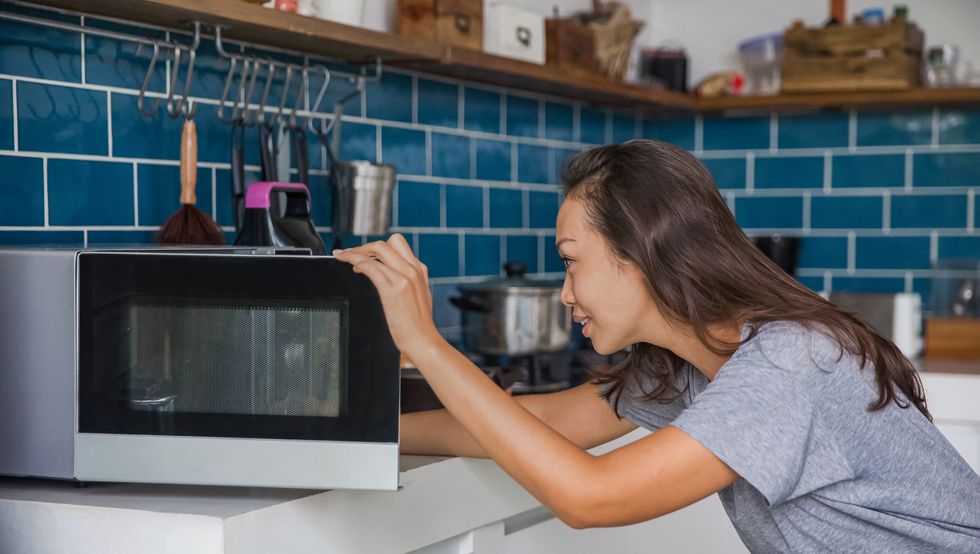
energy saving cooking tips

Kanawa_Studio//Getty Images

Does an air fryer use less energy than the oven?

Yes. An air fryer costs around 30p per hour to run, says Hometree. That’s less than a third of the cost of using the oven. So, while the cost of energy remains high, it’s well worth investigating different options rather than automatically heading to the oven.

Does a slow cooker use less energy than the oven?

Yes. A slow cooker will cost 5p of energy an hour, according to Hometree. That’s roughly 5{d2b09b03d44633acb673e8080360919f91e60962656af8ade0305d5d8b7e4889} of the cost of cooking in the oven. Slow cookers save us money and hands-on time in the kitchen and they are also a gift for batch cooking.

Crockpot Senior Home Economist, Zoe McClean has some advice for wannabe batch-cooking chefs: “Doubling up your recipe or adding in extra veggies to stews and curries will give you extra portions of food for freezing. These can be perfect for work lunches or speedy suppers.”

Slow cooking can be a route to healthier, and often cheaper, meals too: “Having a meat-free meal each week is easy, bag up your chopped up veggies the night before to add into your pot in the morning for your chosen recipe. Look out for reductions in the fresh vegetable section of your supermarket for batch soup recipes. Frozen vegetables can be used in your slow cooker, you will need to add these towards the end of the cooking as they won’t need as long as other ingredients. It’s the same with canned beans and pulses.”

Slow-cooked meals often mean using a cheaper cut of meat, too. Zoe explains: “A slow cooker pulled pork recipe can be used in a number of different meals. Pork shoulder is often a cheaper cut of meat and can be used in pulled pork burgers, stirred into a jar of your favourite pasta sauce for a quick and easy ragu. Or even spiced up and served with nachos, topped with melted cheese and jalapenos.”

How can I save energy when I reheat food?

Your labelled tubs or bags of batch-cooked meals can be defrosted in the fridge and re-heated in the microwave. Avoid the oven! Archie advises: “When it comes to reheating each meal, head to the microwave. A microwave costs approximately 14p per day to run, compared to an oven which costs 87p.

“To save more energy, leave the meal to defrost before putting it in the microwave.” It’s also important to ensure foods are thoroughly defrosted before you start re-heating, or you could end up allowing bacteria into your dishes. It pays to be organised: take food out of the freezer the night before and leave to defrost in the fridge overnight or until it is thawed. The Batch Lady aka Suzanne Mulholland recommends setting an alarm on your phone for 6pm every evening to remind you to get the following day’s meal out of the freezer.

How can I save energy when I cook on the hob?

Hometree estimates hob cooking costs 17p per quarter of an hour – that means it’s likely to cost around three times more to boil or steam veg in a pan than it would be to cook them in the microwave. However, sometimes the hob is the best option and whatever your set-up, there are tweaks you can make to ensure more efficient cooking.

Put a lid on it

Always put a lid on a pan of boiling water. It sounds simple and it is: the pan and liquid will heat up quicker and use 85{d2b09b03d44633acb673e8080360919f91e60962656af8ade0305d5d8b7e4889} less energy than an uncovered pan.

Gas vs electric

Currently, the unit price of gas is cheaper than electricity. However, an electric induction hob is a more efficient because a gas hob will always mean some energy will be wasted: with an induction version, all the heat is used. Nevertheless, Bob Kerr, field services director at Gas Safe Register, tells us: “The use of gas for cooking at home across the nation is widespread. According to research by the Department for Business, Energy & Industrial Strategy, it’s estimated that over half of householders have a gas hob and nearly quarter use a gas oven.”

Stick to quick-cook dishes

Leave stews and casseroles to the slow cooker – dishes which cook quickly are the best economy for hob-cooking. Think pasta, stir fries and fast-boiling veg.

Use the right pan

The size of your pan makes a difference, too. Using a pan which is smaller than the hob means there’s heat escaping and being wasted. Instead, Natalie has a recommendation: “Matching the pan to the size of the hob is the most efficient way of cooking. If the hob is too big you will lose energy on the sides, while a small hob won’t effectively heat the whole pan.” This tip can save around 40{d2b09b03d44633acb673e8080360919f91e60962656af8ade0305d5d8b7e4889} of the energy that would otherwise be wasted by using a pan that’s too small.

There’s a safety aspect here, too. Bob reminds us: “Not only will using the right sized pan this help save energy, but it will allow the correct amount of air to circulate around the hob flame, preventing incomplete fuel combustion and the production of carbon monoxide.”

Keep the hob clean

A dirty hob can cost you! Bob advises, “Always make sure your gas hob is clean – it’s always good practice to clean the heating rings on the hob regularly. This is to help maintain energy efficiency as debris stuck to the ring will absorb heat, making it less energy efficient.”
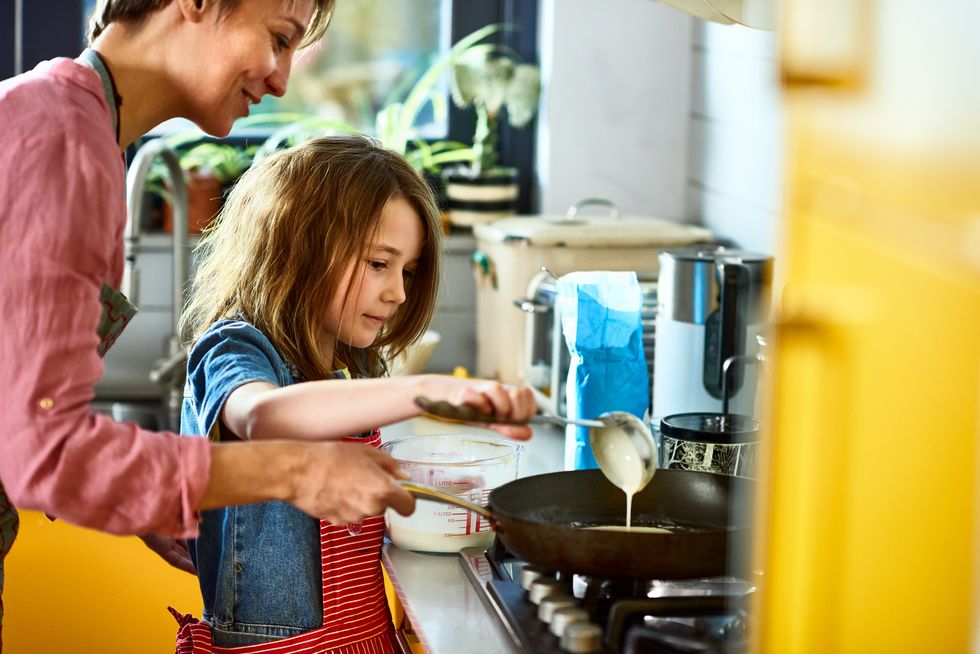
best energy efficient cooking tips

10'000 Hours//Getty Images

What is passive cooking?

Passive cooking is an energy-saving cooking technique you can use when you’re boiling something on the hob. It involves turning off the heat under your pan before the end of the cooking time and letting the heat in the water finish the job of cooking the food. It’s not a modern concept – in fact, it was used in the 19th century – so how does it work?

If you’re cooking pasta, add the pasta to a pan of boiling water as normal and leave the heat on for two minutes. Then switch off the heat and leave the pan on the hob, with a lid on for the remaining cooking time. The already-boiled water will finish cooking the pasta.

The Centre for Sustainable Energy estimates the cost of using an electric hob for 10 minutes to be 10p, so by implementing passive cooking you could cook a pan of pasta for just 2p.

Sophie Nahmad, Chef at food box service Gousto, says: “Passive cooking works great for green veggies – add them to boiled water and leave for a few minutes. Cooking time just depends on how much bite you like your veggies to have. It works well for poached eggs too – simply crack an egg into boiled water to let it cook until soft-set.”

But be aware that not all dishes can be cooked in this way. Sophie warns: “I would avoid passive cooking with meat as you won’t be able to guarantee that it’s cooked all the way through, and similarly, potatoes or pulses, as they need to be fully cooked to be safe for consumption.”

How else can I save energy in the kitchen?

There are energy savings to be made all around the kitchen. Maybe you boil a full kettle every time you have a cuppa but you’ll save power – and pence – if you boil what you need each time (just be aware of the kettle’s minimum boil level). Some thrifty consumers also swear by filling a thermos with hot water first thing then brewing hot drinks from it all day.

If you’re batch cooking and freezing meals, make sure your freezer is running as energy efficiently as possible. Believe it or not, a well-stocked freezer runs better than one which is empty. Archie Lasseter from Utilita tells us, “A full freezer uses less energy than one that has space inside, so by filling your freezer you’ll also use less energy.”

Defrost your freezer whenever you see ice building up, and avoid leaving the fridge or freezer door open longer than necessary.

And if you’re buying a new kitchen appliance…

…bear in mind that energy ratings were overhauled in March last year.

The Energy Saving Trust (EST) advises: “Energy labels are rated on a scale of A to G, with A being the most efficient. For some product categories, the best available might be a D or an E as we expect these products to become more efficient over time.”

To help keep energy bills down in the long term, think carefully about how big a freezer you really need, for example. The EST says that a G-rated, 265-litre fridge freezer could cost around £100 a year to run, whereas a larger 424-litre fridge freezer with a better F rating could cost around £105 a year to run based on October 2022 price cap levels.
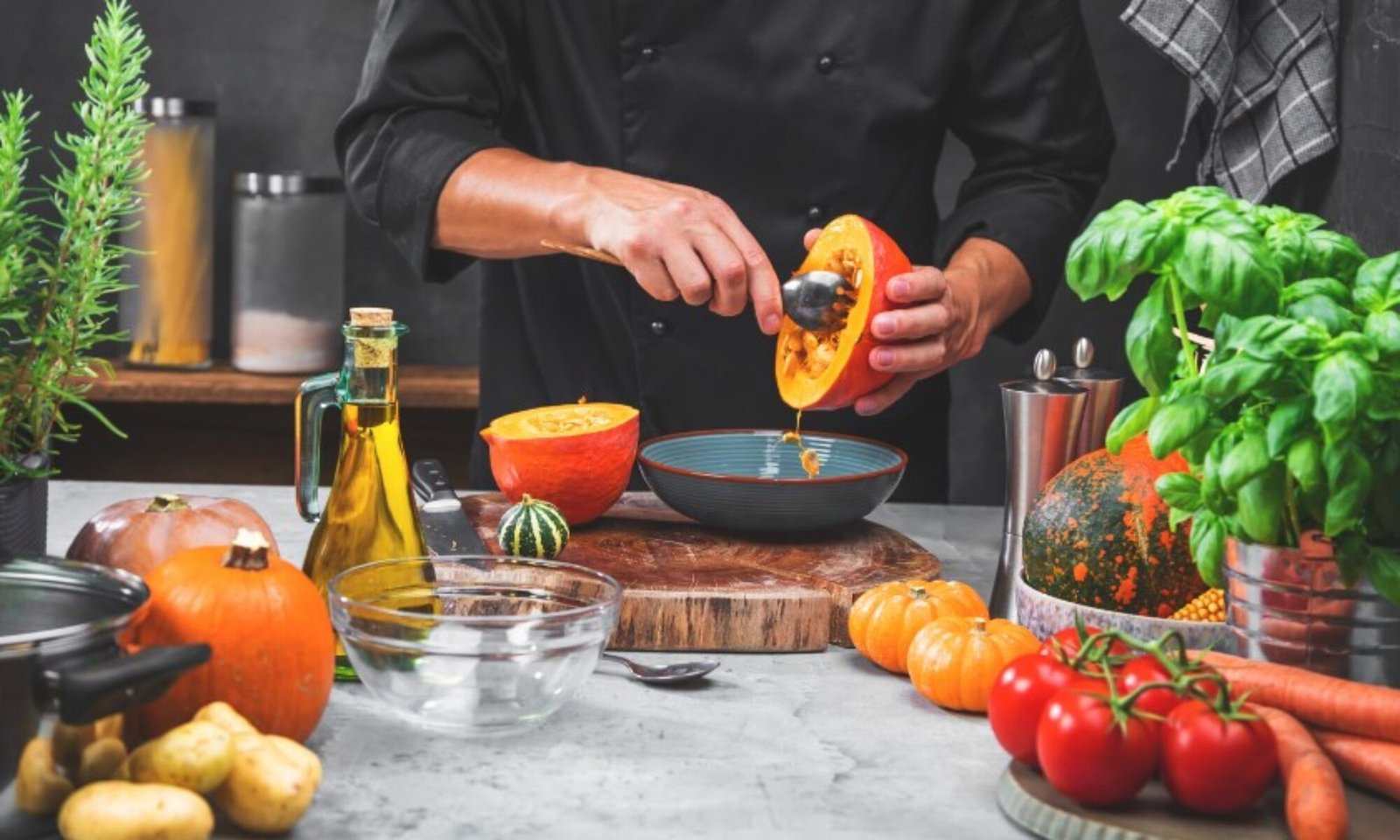
30 Priceless Cooking Tips That Were Passed Down To People By Their Parents, Grandparents, And Great-Grandparents

30 Priceless Cooking Tips That Were Passed Down To People By Their Parents, Grandparents, And Great-Grandparents

They say if you are the smartest person in the room, you are in the wrong room. But the same can be applied to kitchens. Learning your way around the pots and pans takes a great deal of time and effort, and it’s much easier when there’s an expert to guide you. Like your dad. Or grandma.

Recently, Reddit user u/OoopsieWhoopsie made a post on the platform, asking everyone to reveal their most prized family cooking tips. And some people agreed to do it; sharing really is caring. From getting the most out of your leftovers to adding an extra oomph to your dishes, continue scrolling to check them out!

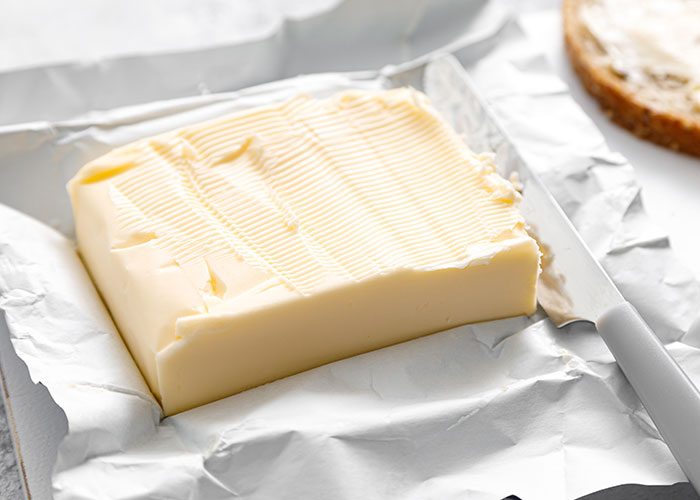
30 Priceless Cooking Tips That Were Passed Down To People By Their Parents, Grandparents, And Great-Grandparents My grandma would save butter wrappers in the fridge and use the leftover butter on them for greasing dishes when she baked. I can’t help but stockpile wrappers, it’s really so handy.

spottedsushi , sea_wave Report

Don’t hollow out a bread bowl; shove the inner bread down to create a thicker bottom. This will prevent leaks and sogginess.

jeff_the_nurse Report

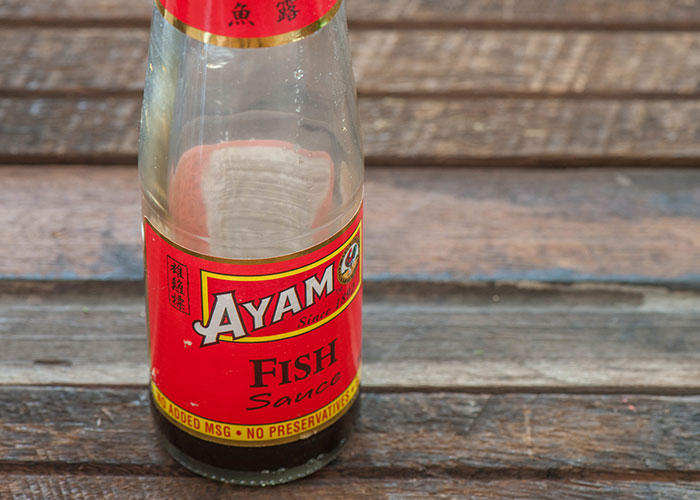
30 Priceless Cooking Tips That Were Passed Down To People By Their Parents, Grandparents, And Great-Grandparents Putting a little fish sauce into a stew or sauce that needs umami. It’s basically liquid anchovies.

gwaydms , jules Report

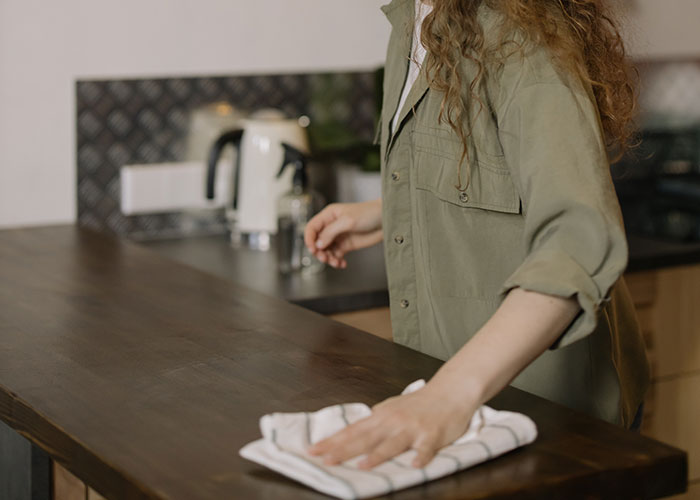
30 Priceless Cooking Tips That Were Passed Down To People By Their Parents, Grandparents, And Great-Grandparents My Uncle Arthur’s tip is “clean while you cook!”, and he will not let you forget it, either.
Not really sure if its a tip but my Papa Searcy used to microwave bacon on old newspapers…it was always delicious! In hindsight it’s probably bad for you and you should never do it. I have weird memories of the smell of newspaper and bacon.

dickle_berry_pie , cottonbro studio Report

Cook them onions – cook them onions loooong n slow. Then add tomato, cook that tomato, cook that tomato looooooong and slow.

niknikn Report

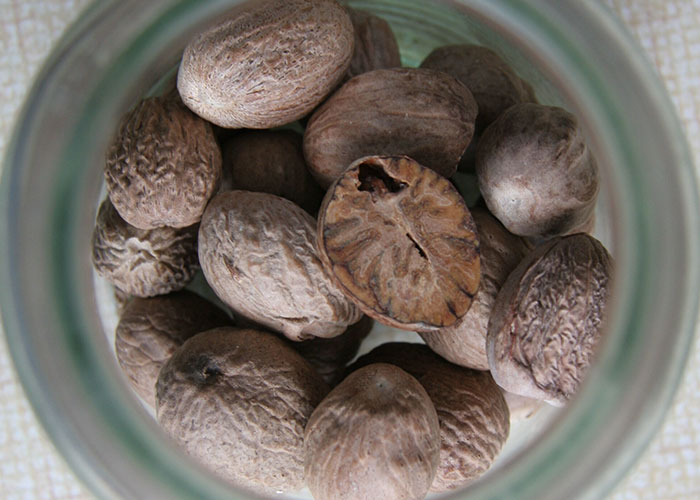
30 Priceless Cooking Tips That Were Passed Down To People By Their Parents, Grandparents, And Great-Grandparents Add a pinch of nutmeg to anything with dairy in it, you can’t taste the nutmeg but it makes the dairy richer and taste better.

llcucf80 , Brian Snelson Report

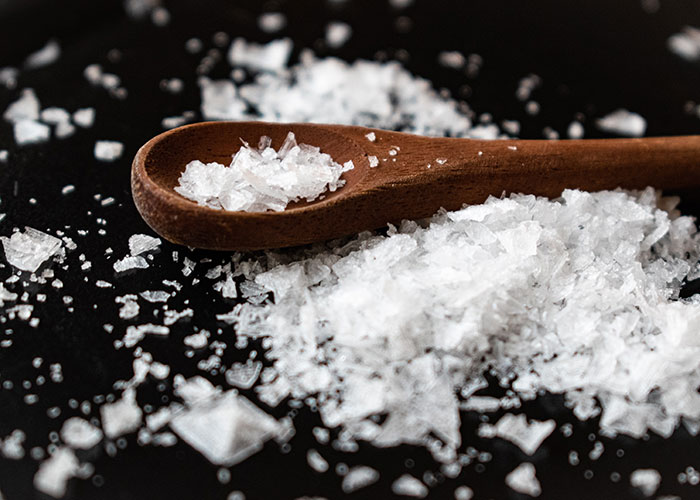
30 Priceless Cooking Tips That Were Passed Down To People By Their Parents, Grandparents, And Great-Grandparents Sprinkle sea salt on cookies right before or right after baking. The extra salt brings out the flavors more and helps balance out the sweetness.

Darwin343 , Maria Petersson Report

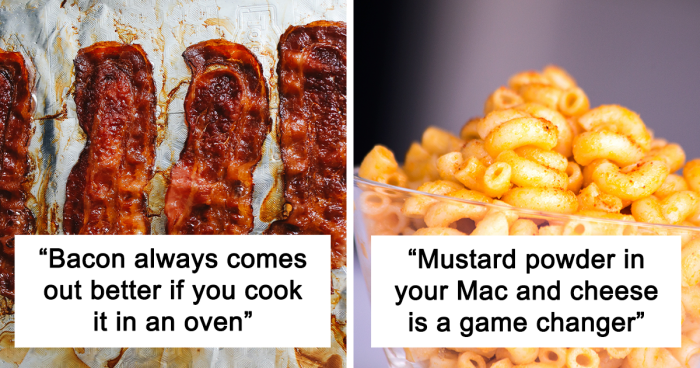
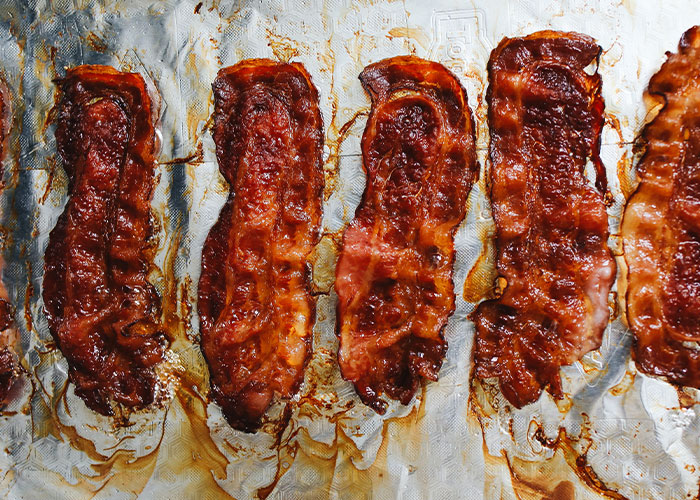
30 Priceless Cooking Tips That Were Passed Down To People By Their Parents, Grandparents, And Great-Grandparents Bacon always comes out better if you cook it in an oven, and it’s important to put the bacon in before turning the oven on; preheating the oven will make the bacon stick to the cookie sheet

bento8621 , Polina Tankilevitch Report

You’re probably using too much flour in your yeast dough. Many recipes say it should not be sticky. On the contrary, you want it a little yucky and sticky before you let it rest. That’s how you get yummy fluffy stuff that doesn’t dry out within hours.

Also, to prevent the dough from sticking to your hands, you don’t use flour. You use vegetable oil

Theawkwardmochi Report

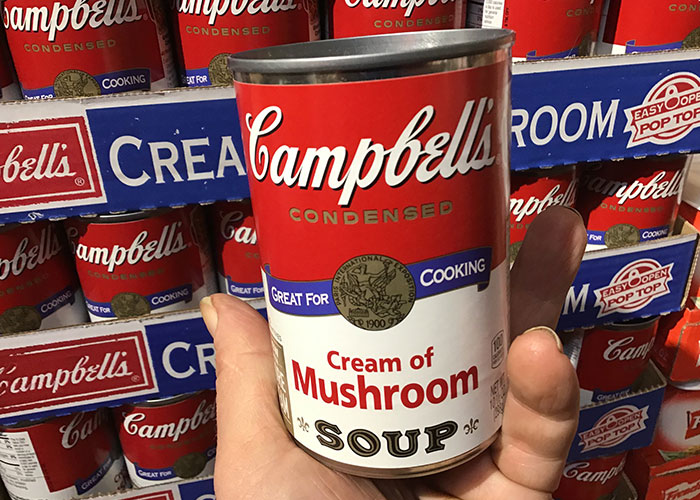
30 Priceless Cooking Tips That Were Passed Down To People By Their Parents, Grandparents, And Great-Grandparents Keep in mind I’m from a very Midwestern Scandinavian family. Cream of mushroom soup is kind of a universal solution for improving any dish.

batmanandboobs93 , Mike Mozart Report

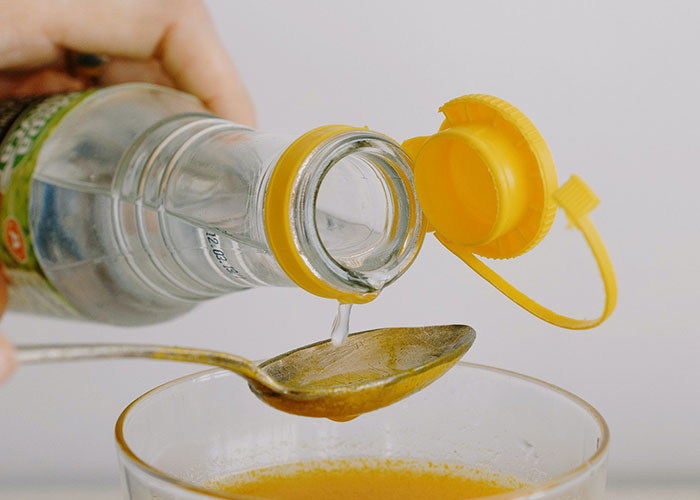
30 Priceless Cooking Tips That Were Passed Down To People By Their Parents, Grandparents, And Great-Grandparents If a dish feels flat it’s often the acidity that’s missing. Dash of White Modena vinegar is the secret to my red sauce for example, even though it’s inherently acidic.

highpsitsi , Ksenia Chernaya Report

My oma would add plain seltzer to her matzah balls… she said it made them fluffier.

jennenen0410 Report

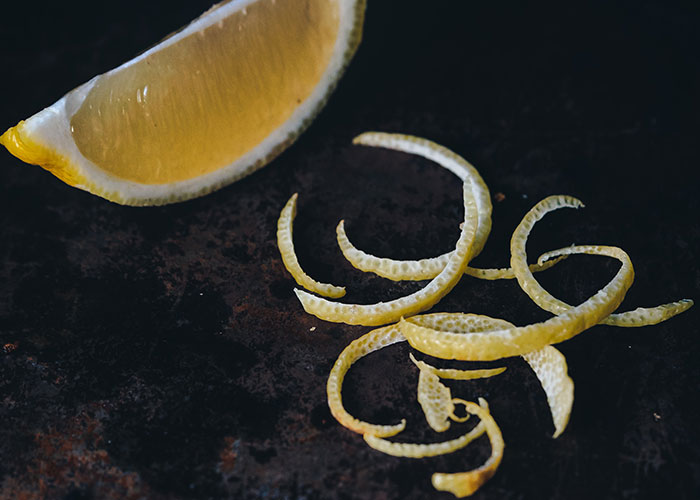
30 Priceless Cooking Tips That Were Passed Down To People By Their Parents, Grandparents, And Great-Grandparents Add citrus zest to enhance flavor and acidity, especially in sauces/salsas…desserts too!

Salt your water liberally when boiling pasta/potatoes, and blanching vegetables

Nattydr3 , Nathan Lemon Report

Rub a lemon wedge on the inside of your mixing bowl when you’re making meringue. It works better than cream of tartar and you’ll get a more stable meringue.

TheLadyEve Report

I thought adding cocoa powder to chili was pretty common.

I like to add some apple cider to baked beans and a bit of cinnamon to chocolate cake.

Bluemonogi Report

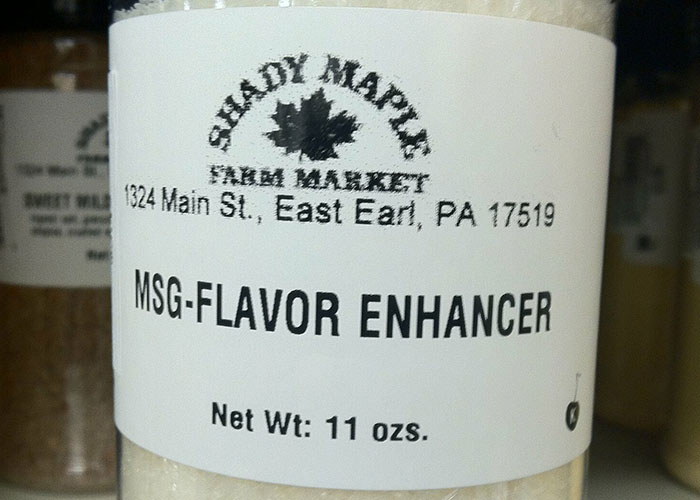
30 Priceless Cooking Tips That Were Passed Down To People By Their Parents, Grandparents, And Great-Grandparents MSG makes just about everything better. I add it to the salt mixture when I’m seasoning meats. It also helps make ripe tomatoes pop by accentuating the naturally occurring MSG, keep that in mind when you’re making tomato salads and tomato sandwiches.

wreckyourpod , Douglas Muth Report

30 Priceless Cooking Tips That Were Passed Down To People By Their Parents, Grandparents, And Great-Grandparents My family owns a catering business, starting from my grandparents who came to the states from Portugal. One thing I’ve learned that greatly improve my meals is to add butter to your noodles (for saucy pasta like Spaghetti)

OoopsieWhoopsie , Lisa Fotios Report

Adding Worcestershire sauce, a bit of soy sauce, and Dijon mustard to your pan-fried chicken livers would ascend them into deityhood (not to forget the caramelized onions, chicken stock stock, garlic, and mushrooms).

aposhig Report

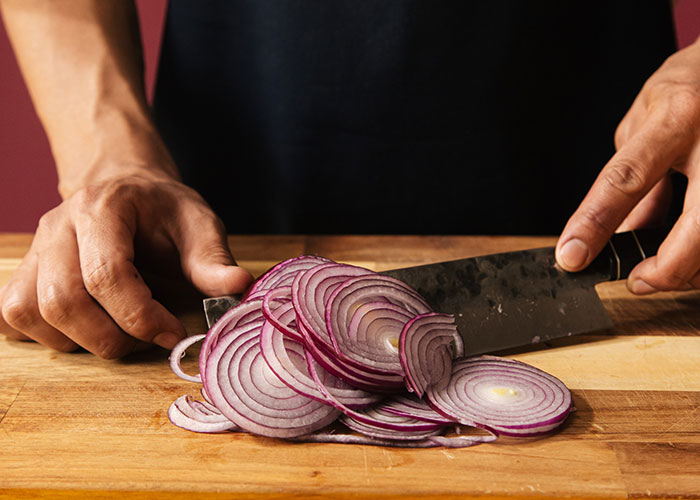
30 Priceless Cooking Tips That Were Passed Down To People By Their Parents, Grandparents, And Great-Grandparents A really good sharp knife and running the onion over water can help prevent the teary eyes. (Also holding a piece of bread in your mouth).

OoopsieWhoopsie , Ron Lach Report

Note: this post originally had 58 images. It’s been shortened to the top 30 images based on user votes.

Can You Freeze Eggs? – Best Tips on Freezing Eggs

Can You Freeze Eggs? – Best Tips on Freezing Eggs

Ah, the remarkable, edible egg! It is this kind of a flexible component. You can bake, fry, and scramble them in just a couple minutes for swift breakfasts. And if you learn how to boil eggs and how to poach eggs, you’re on your way to fancier purposes like deviled eggs and eggs Benedict. And you should not even get us started off on all the desserts you can make!

But most egg recipes do not phone for a full carton. And due to the fact they are most usually sold in dozens, you may well come across on your own up against an impending expiration day on the aspect of the carton ahead of you know it. Somewhat than throw them out or chance waiting until soon after that date to exam your luck, you may want to consider a for a longer time time period option like freezing them.

Can you freeze eggs, you may be wondering? The shorter response is: certainly! You can freeze full eggs, egg whites, and egg yolks. No matter what sorts of eggs you have, they can past a lot longer―we’re chatting months longer―if you freeze them. You just need to comply with a couple of eggs-pert suggestions, which we’ve received for you ideal in this article.

Now, just before we crack open the facts, we need to make clear that we’re discussing rooster eggs in this article. Whilst these ideas could operate for other eggs like duck and quail, this information is for every day standard chicken eggs that you would conveniently come across at the retailer.

This articles is imported from poll. You may well be capable to come across the identical written content in an additional structure, or you may be in a position to locate a lot more info, at their website web site.

can you freeze eggs

Virojt Changyencham//Getty Illustrations or photos

What is the finest way to freeze contemporary eggs?

Initially, make absolutely sure your eggs are clean. For pasteurized eggs and store-acquired, you can have faith in the expiration date on the aspect of the carton. But if they are somewhat about the day or you get fresh new farm eggs with out an expiration date, test the egg float check to make sure they are value utilizing.

The least complicated way to freeze total eggs is to get clean up, empty ice cube trays. A common ice cube tray ought to hold a person cracked egg for every slot. Sprinkle a pinch of salt around just about every cracked egg, cover the tray securely with plastic wrap, and stash in your freezer on a flat floor till they are frozen reliable. At this issue, you can pop them out, position them in an airtight plastic bag that is labeled with what they are and the date.

If you obtain your self with extra yolks (say from producing an egg white omelette), you can repeat the same actual process for freezing them as you would total eggs. You should not be concerned if they are total or if they split, for the reason that most recipes will have you whisking the egg yolks in any case. Help save them for yummy thoughts like lemon curd ice cream, cream puffs, and Hollandaise sauce.

Egg whites are magical and well worth conserving for a entire host of tips. From buttercream to royal icing to pies piled significant with meringue, they whip up so gloriously for so quite a few purposes. Stick to the similar procedure as you would for whole eggs or egg yolks to freeze eggs whites, but omit the salt. Or, if you use them a good deal in baking, choose a tip from professional pastry chefs and freeze them in bulk. Evaluate the egg whites in a liquid measuring cup in fifty percent-cup or total-cup increments, pour them into plastic containers, and freeze. Just be steady with the measurements and label appropriately.

the pioneer woman egg holder

Walmart

Can you freeze eggs in the shell?

You should not freeze eggs that are nonetheless in their shells. The largest reason why is that liquid in the eggs will expand when frozen and crack the shell. This could bring about shell items to split or blend in with the eggs. It may perhaps also lead to spoilage, bacterial contamination, and also alter the texture of the eggs. You can quickly stay clear of these hazards by taking away the eggs from their shells and next the guidelines previously mentioned.

Do frozen eggs style unique?

You might have been questioning why you add a sprint of salt to the eggs right before freezing them. Egg yolks have a inclination thicken and transform texture when frozen, and the salt assists protect against that. Egg whites are great, which is why you will not require the salt when they are separated. If you insert the salt, then frozen eggs must not style vastly distinct than fresh eggs, other than currently being a bit saltier. The quantity of salt is negligible, so should not affect recipes. But if you want to be risk-free, simply just reduce the volume of salt in the recipe a little to compensate.

How prolonged do frozen eggs previous?

When appropriately stored, frozen eggs can last up to a 12 months in the freezer. But, they will taste very best if consumed in 4 months of the day you freeze them. Try to remember, like any merchandise that you store in the freezer, you need to label what it is, the amount if relevant, and the date you place it in. That way, you are not guessing what it is or when you put it there 6 months afterwards!

To defrost total eggs, yolks, or whites, just take out the quantity you need and put them in the refrigerator overnight to thaw. You can also hold them in a plastic bag and thaw them in a bowl of chilly drinking water or jogging chilly h2o to pace up the process. Just recall, chilly not scorching h2o, so you do not unintentionally cook the eggs.

Stainless Steel Egg Seperator

Stainless Steel Egg Seperator

The Negg Boiled Egg Peeler

The Negg Boiled Egg Peeler

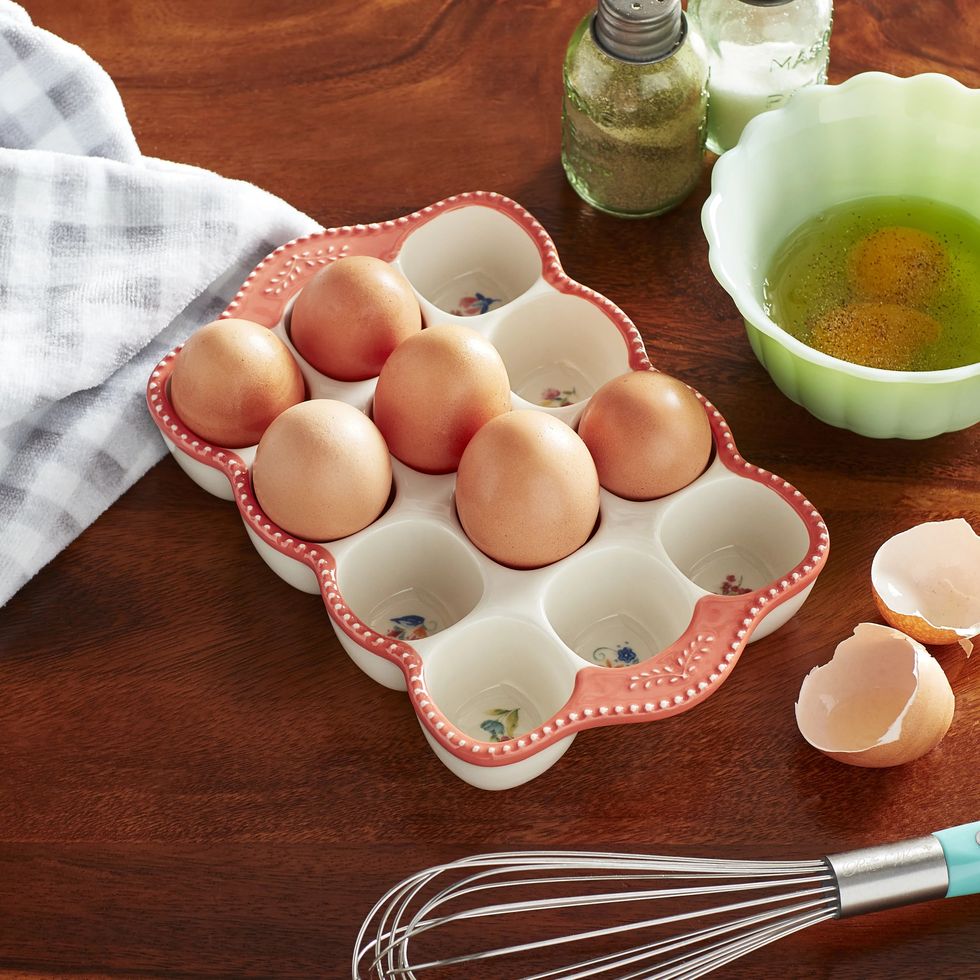
The Pioneer Woman Stoneware Egg Holder

The Pioneer Female Stoneware Egg Holder

4 simple tips to embolden your home cooking, gleaned from Andrea Nguyen’s “Ever-Green Vietnamese”

4 simple tips to embolden your home cooking, gleaned from Andrea Nguyen’s “Ever-Green Vietnamese”

Vegan. Vegetarian. Pescatarian. Flexitarian. Keto. So quite a few of modern nutritional tactics suit into a effectively-founded mildew, with cookbooks and websites galore devoted to assisting a person uphold them. Although this can simplify the lookup for a routine that you know and feel strongly about, for those who are a lot more, let us say, diet plan-agnostic, these definitions can appear limiting. Particularly when it arrives to taking pleasure in the traditional dishes of one’s heritage.

In certain, how can a single enjoy pho without beef stock? Or ban cuon without the need of fish sauce for the nuoc cham to dip it into? In many ways, as Andrea Nguyen demonstrates in her future cookbook, “Ever-Green Vietnamese: Super-Fresh new Recipes, Starring Vegetation from Land and Sea,” which will be published April 25. The veteran cookbook creator of award-profitable titles including “Vietnamese Any Working day” and “The Pho Cookbook” has unleashed her model of a plant-primarily based cookbook and as opposed to recent, widely acclaimed vegan and vegetarian cookbooks on Asian cuisines (like Hetty McKinnon’s “To Asia, With Appreciate,” Hannah Che’s “The Chinese Vegan Kitchen area” and Joanne Lee Molinaro’s “The Korean Vegan Cookbook“), Nguyen helps make area for meat and seafood in some recipes, even though concentrating generally on greens.

In February, Nguyen described in her newsletter, Move the Fish Sauce, how her publisher, Ten Pace Press, informed her they could simply promote a vegetarian Vietnamese cookbook prepared by her. But, Nguyen wrote to subscribers, “It wouldn’t be me. I adore veggies but am not vegetarian.” So alternatively, “Ever-Eco-friendly Vietnamese” is “about greens but it really is not vegetarian.”

Moreover, we will not require rigid labels or fancy buzzwords like “flexitarian” to discover the conventional starring roles that crops have constantly played in Vietnamese cuisine, Nguyen argues.

“Viet culinary society has been and continues to be shaped by scrappy cooks who make the most of confined sources, the the greater part of which are harvested from the earth,” she writes in the future book’s introduction.

The very same could be stated for many other cuisines of the earth as very well. And it is really a philosophy that you can carry into your have kitchen area for more healthful, sustainable and affordable everyday cooking, no matter whether you’re chasing a classic dish or producing a little something up on the fly.

In this article are a several ideas and tips on how to do that which I have gleaned from the recipes through “Ever-Environmentally friendly Vietnamese.”

Increase the vegetable quotient in dishes in which meat normally stars 

Do you think of a beef and vegetable stir-fry as possessing at minimum 50{d2b09b03d44633acb673e8080360919f91e60962656af8ade0305d5d8b7e4889} beef or far more? Maybe eating places do this to increase the notion of benefit with their choices. But you will not want to. Think additional like 25{d2b09b03d44633acb673e8080360919f91e60962656af8ade0305d5d8b7e4889} or much less beef and select delicious greens like mushrooms and eco-friendly beans, as Nguyen does in her recipe for Gingery Vegetable and Beef Stir Fry (recognize how she sites “vegetable” 1st). There is certainly also a recipe for Hen-Vegetable Pho in “At any time-Green Vietnamese” (in addition to a vegan pho recipe) which incorporates a lot of vegetables from the commence of earning the broth, to the fantastically garnished, concluded bowl.

Build umami with sea greens

Vegan fish sauce — yes, you study that the right way — exists in bottles, wherever it truly is usually applied by Vietnamese vegetarians. But this critical component and seasoning can also be produced from scratch at house. Nguyen’s recipe starts with an infusion of wakame and kombu seaweed and some pineapple juice to match the sweetness of the fermented fish brine. The two dried seaweed types also aspect closely into a vegan broth for the Deluxe Vegan Pho, exactly where “kombu contributes a spherical mouthfeel like that of meat collagen although the wakame injects a briny back take note like that of dried seafood,” Nguyen writes. And for garnish, Nguyen likes to sprinkle nori dust in every little thing, from a loaded vegetable fried rice to a vegan sate sauce. Continue to keep all these dried seaweeds on hand in your pantry.

Concentrate on the sauces, not the protein type 

In Nguyen’s recipe for Hainan-fashion crispy tofu and rice in “At any time-Eco-friendly Vietnamese,” she acknowledges that when it arrives to the well known Singaporean nationwide dish, Hainan rooster, people are likely to obsess about the delicately cooked and seasoned rooster. “But for me, this one particular-dish speculate is more about the luxurious garlicky rice and different ginger-inflected sauces,” she writes. It could be any protein, meat or tofu, to delight in dipping into an array of piquant sauces. From a gingery soy sauce with vinegar and agave syrup to a chunky inexperienced onion-ginger sauce to a chile-garlic sauce, these enjoyable (and entirely plant-dependent) sauces can make a blah dish sing. To get the utmost taste, test building sauces like these fresh new from scratch and fret fewer about choosing and cooking your protein, regardless of what it may be.

Really don’t be concerned of MSG. And Marmite. 

You will find a full world of plant-primarily based flavor enhancers. MSG has gotten a pretty bad rap amongst them. But monosodium glutamate — made in 1908 by Japanese chemist Kikunae Ikeda, who coined the time period “umami,” the flavor it produces — is not the risky food stuff additive you may possibly have been misled about. “Research from the 1970s to nowadays exhibits no definite connection amongst MSG and claimed symptoms, these as coronary heart palpitations, complications and perspiring,” writes Nguyen in “Ever-Green Vietnamese.” So incorporating a pinch right here and there to zhuzh up your vegetable-based dishes won’t harm. Marmite, the yeast extract made in 1902 from beer brewing by-solutions, is a thick paste which Nguyen suggests adds a beefy, savory depth to sauces and dishes. She employs it in her recipe for vegan fish sauce, as perfectly as vegan soup broths and a tofu-mushroom curry. Whilst if you cannot locate or prefer not to use either MSG or Marmite, substitutes incorporate Maggi seasoning sauce, Bragg liquid aminos and soy sauce.