Cooking with wine is a delightful way to infuse your dishes with rich, complex flavors that elevate your culinary creations to new heights. Whether you’re a seasoned chef or an enthusiastic home cook, understanding the techniques, tips, and pairings for cooking with wine can transform your meals from ordinary to extraordinary. Wine can be used to deglaze pans, create flavorful sauces, and enhance the taste of various ingredients, adding a touch of sophistication to your dishes. In this guide, “Cooking with Wine: Techniques, Tips, and Pairings,” we will delve into the art of incorporating wine into your cooking, offering expert advice on selecting the right wines, mastering essential techniques, and creating perfect pairings. Discover how to unlock the full potential of wine in your kitchen and impress your guests with gourmet-quality meals.
Check out the detailed infographic below to get started on your journey to mastering the art of cooking with wine.
Infographic provided by Iron Mountain, a top company to get an industrial freezer
For all the 9-5 working ladies, you probably figured this one out already—but for those of you feeling the Friday rush, this one’s for you.
I’m a natural procrastinator, but I’ve hosted entire Shabbosim for 20+ people without ever cooking on Friday (minus the exception in #4). It can be done. Procrastination often stems from a fear of unknown, so if you have your menu and prep schedule planned ahead, it can take the fear out of how will I get this all done on time?! And even leave you with a freed-up Friday for a manicure or beach day—or a stress-free workday.
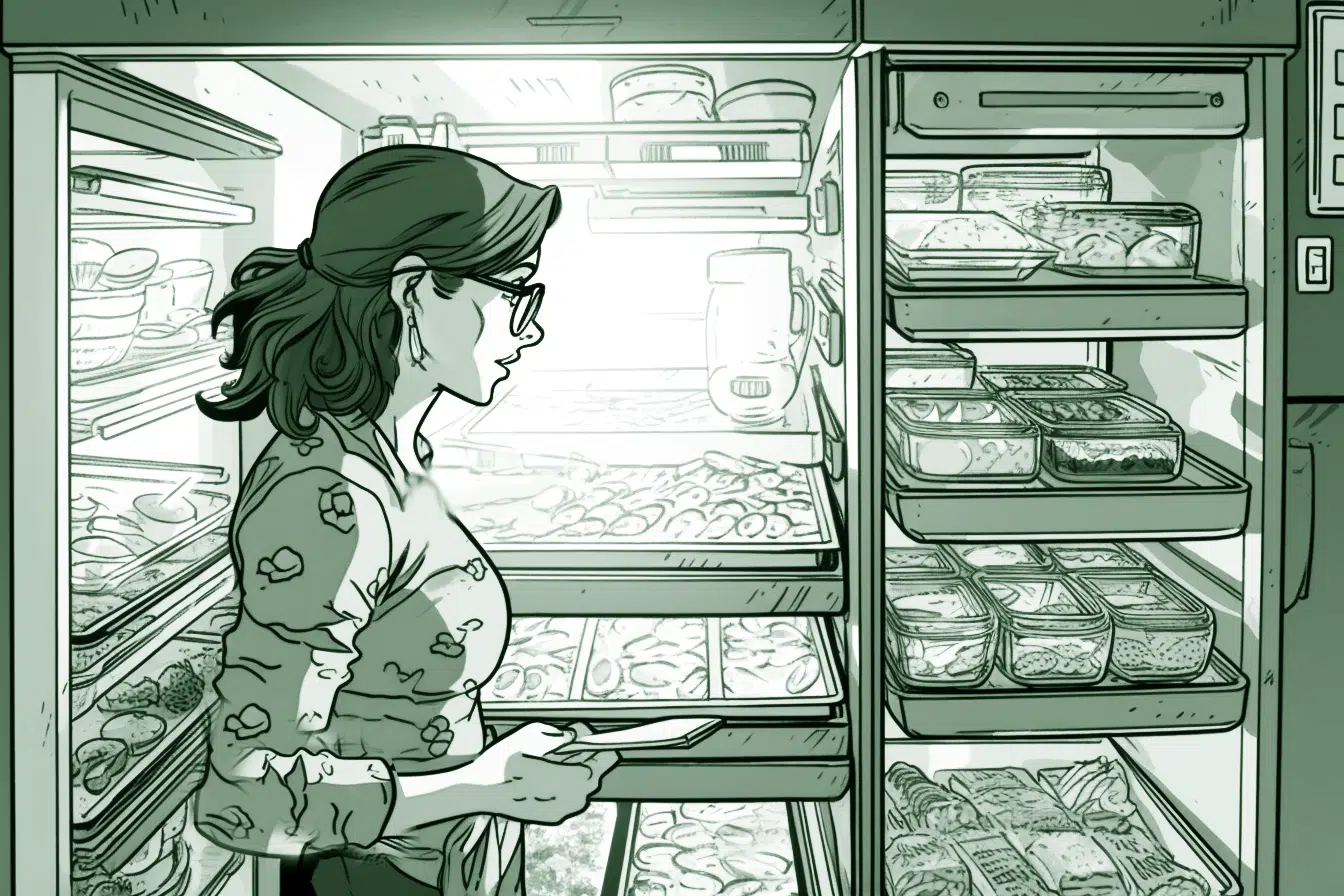
#1 The freezer is your friend
Get in the habit of making and freezing your key freezable Shabbos staples. Think: kugel, soup, slow roasted meats (brisket, ribs etc.—trust me, even picky eaters always compliment my frozen ribs more than when they’re fresh out of the oven- the flavors develop over time).
#2 Shabbos cooking prep can begin as early as… Motzei Shabbos
Don’t associate Thursday or Friday as your Shabbos prep day, look at the whole week and make it work for you. If motzei shabbos or Sunday morning is free time for you, make your challah or dessert then and freeze. Dips, dressings, and toppings like pickled onions etc. can all be prepped and refrigerated up to a week (or 2! ahead). Have cleaning help on Mondays? Sunday night just became your new kugel night! Bring out all the mixers, food processors on Sunday evening or Monday morning…Yes, you can freeze it.
#3Wednesday fresh is fresh enough- so cook ahead
I used to be super particular about making certain dishes as close as possible to Shabbos for maximum freshness, but guess what? If it’s not going from oven to table within 15 minutes– it’s pretty much all the same. It turns out those hot steaming veggies taste the same 4 hours later and when made the night before….and your deli roll doesn’t know the difference between being reheated on a hot plate 24 hours or 36 hours later…it just knows it was in the fridge and now ready to get heated up and crispy.
#4 Exception to the cook ahead tip: oven-ready prep
If you’re home or someone’s available to remove food from the oven on Fridays–do all prep work on Wednesday or Thursday and pop it in the oven Friday morning or before Shabbos with enough time to finish cooking. Think pre-marinated meats and pre-made cookie dough.
Sometimes I’ll throw in a ready-to-cook dish at 7am and take it out by 9am before I need to leave the house.
#5 Organize your food prep by like-minded tasks
For example: all veggies get cut the same time. If you’re making soup, roasting vegetables, prepping for a salad—those tasks happen together. Your cutting board, knife, and peeler are already out… get your soup veggies sweating in the pot and then move onto your roasted vegetables, even if you only plan to cook them the next day.
#6 Organize your cooking by oven temp times
Time your oven. I separate my cooking by oven temperature. If I’m roasting at 425, I do all my roasting in one shot. Even if it’s 2 batches– have all vegetables and roasted items ready on sheet pans waiting for a spot to open up. Then you’re not stuck waiting for your oven to be ready for that batter you just made. Or, for example, rice gets scheduled to be put in the same time as chicken (yes, in case you missed the memo, rice goes in the oven—it’s impossible to burn, easier to reheat, and no need to dirty an extra pot and transfer.)
#7 When pressed for time, skip patchkes. Roasted potatoes can replace kugel, baked goods are easy to replace with store bought or frozen dough.
In general, I don’t do much kugels, cakes, baked anything— I opt for lots of roasted vegetables that get used to top salads, rice, grains, along with fresh herbs (pre-checked for time saving), and sauces. But that’s a personal preference.
#8 Have extra time one week— double or triple your recipes
6 sticks of margarine sounds like a lot…but you won’t feel that way when you have ready-to-bake homemade dessert 3 weeks in a row without the prep. (Be careful, some baked good recipes don’t triple well without adjusting the leavening agents and spices.)
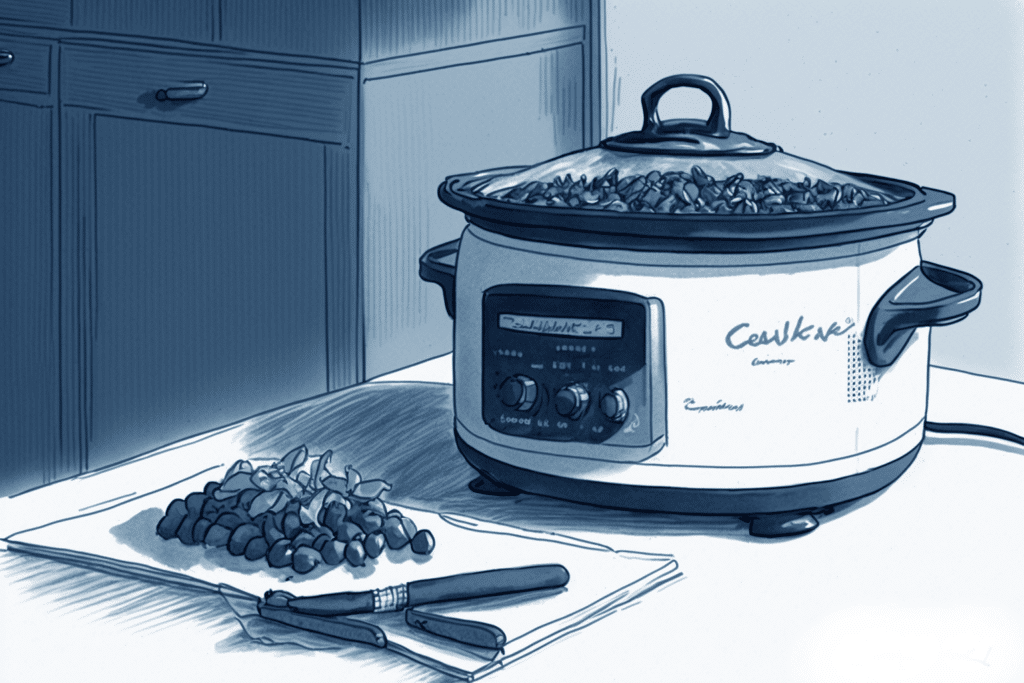
#9 Prep your cholent on Thursday night
Refrigerate and just plug it in on Friday. (Make sure potatoes are fully emerged in liquid so they don’t brown.)
#10 Outline your shopping/cooking schedule and stick to it
Don’t leave anything off your schedule, everything from garnishes to salad prep goes on the schedule.
Something didn’t make it into production in its intended time slot—you may need to drop it or find something else to drop.
Sample Schedule
Here’s a menu if I’m cooking for a crowd and corresponding schedule (all 1st course & fish get repurposed for Shabbos lunch):
Menu
Challah
Dips (store bought)
Roasted Eggplant & Red onion herb mixture
Garlic & Tomato Confit
Crunchy Cabbage Salad
Balsamic Dill Salmon
Chicken Soup
Roasted Mini Potatoes & Pearl Onions
Crunchy Onion & Everything-Spice Topped Rice
Roasted Broccoli
Dry-Rubbed Ribs
Skillet Cookie Dessert (Dough pre-made frozen)
Cholent
Mini Pulled Rib & Avocado Tacos (Repurpose 3-4 ribs)
Roasted Vegetable Kale Salad
Potato Kugel-if needed, but it’s coming from the freezer
Sunday
Make cookie dough & freeze (or have frozen from previous week)
Monday
Salad Dressings (last all week)
Pickled Onions for Tacos (last 2 weeks)
Tuesday
Make Challah & Freeze
Wednesday
Food/Fresh Produce Shop
Chicken Soup- get this on early in the day or as part of dinner prep
Cut/prep all vegetables for roasted vegetables, salad, dips, potatoes for cholent (soak in water)
Cut red onions for fish &Red onion herb mixturefor eggplant
Prep Garlic Tomato Confit for roasting
Thursday
Prep Cholent& Rib Rub
6:30pm-7pm Bake Pre-made or frozen dessert dough
7pm| Bake Salmon& Covered Rice
7:30pm | Roast all vegetables: potatoes, broccoli, eggplant ramen/almonds for cole slaw
8:30pm | Bake ribs low for 1.5 hours same time as garlic confit-finish last hour or so in oven before Shabbos. **Alternatively, throw in prepped ribs 7:30am-10am Friday morning 8:30pm Finish Active Cooking!
If you’ve been reading my column the past couple weeks, you’ve seen my account of a successful turkey hunt on the famed Y.O. Ranch near Mountain Home down in the Texas Hill Country.
As Mr. Paul Harvey used to say, this week, I’ll relate to you the “Rest of the story.”
To me, a hunt or a fishing trip are not complete until I cook and enjoy a meal from my harvest from the woods or water. Through the years, I’ve learned a lot of different ways to cook fish and game from others and I’ve done a great deal of experimenting on my own. One of my favorite recipes I learned is from the late Bob Hood. Bob loved cooking with dutch kettles over campfire coals and we often prepared this dish for a noon-time meal after a successful quail hunt out in West Texas. The ingredients are pretty basic; a kettle full of quail, 1.5 sticks of butter, quail, 4 rows of Ritz Crackers and salt and pepper.
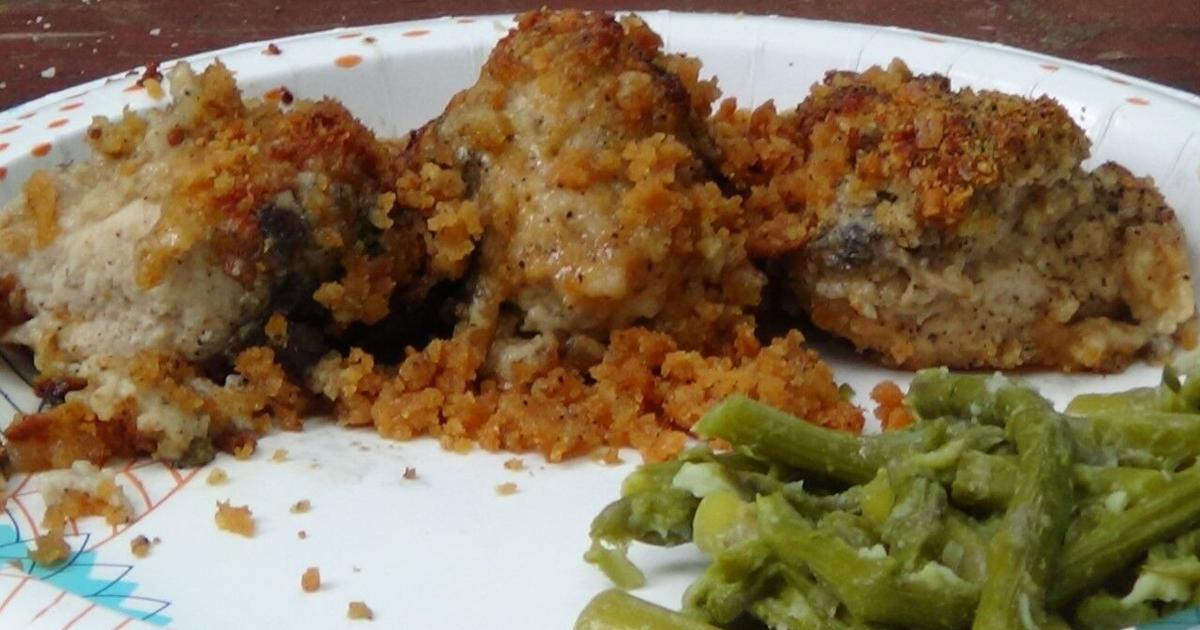
After this recent turkey hunt, I decided to substitute the white meat from my gobbler for the quail Bob and I usually cooked. I cut the breast meat into pieces about the size of a quail, coated them with melted butter and then covered them with cracker meal. I do most of my campfire cooking in a big cast-iron skillet with lid and a #10 dutch kettle. The key to success with a dutch kettle is to make sure you do not get too much heat under the pot. A good rule of thumb is about 13 charcoal briquettes on top of the recessed lid and about seven or eight underneath. I usually cook with embers from the campfire but briquettes are much easier to work with until you learn how to gauge the heat. Of course, the amount of heat depends upon the ambient air temperature. When it’s freezing and windy outside, it obviously requires more heat to bring the kettle up to cooking temperature. When the air temperature is 70 degrees or more, the basic 13-above and 7-below formula works just fine.
It’s important to have extra cracker meal to cover the pieces of breast meat; an ample amount of black pepper on top is a must! While the kettle is working its magic, rotate the lid with coals 180 degrees and pick up the entire kettle and turn it the opposite direction. This helps to distribute the heat and avoid hotspots. It takes somewhere around 40 minutes once the coals are placed on top but it’s a good idea to gingerly pull the lid after about 30 minutes for a check.
Cooking with cast iron over a campfire is a bit more challenging than setting the kitchen oven at the desired temperature and removing the finished product when the timer sounds but dutch kettle cooking is not rocket science.
You will find that the aroma coming from that kettle will have your friends hovering just downwind with plates, fork and knives ready to dig in but give it about 40 minutes. Fight them off if you must! About two quail-size pieces of the turkey breast, covered with extra Ritz cracker crumbs is about right for the average person. Grilled asparagus is in season now and it makes a great side dish to this meal.
Through the years, I have encountered a lot of turkey hunters that have no idea how to prepare the legs and thigh meat from wild turkeys. Wild turkey, unlike their domestic counterparts, have to use their “landing gear” for motivation while foraging for food, often traveling many miles each day. A wild turkey drumstick is extremely tough. I’ve seen guys try to grill them and it would take the teeth of a grizzly bear to chew the meat! With 10 or so tiny feather bones it can be a challenge to cook but years ago I learned from an old Mexican cook down on the border how to make the best fajitas out of wild turkey legs and thighs. The trick to tenderizing any cut of tough meat is slow cooking with moisture.
I begin with placing the dark meat in heavy duty aluminum foil and coating with olive oil, then sprinkling with a generous amount of Fiesta Fajita seasoning. I use my Smokin Tex electric smoker set at 225 degrees for an hour to give the pieces plenty of smoke flavor; pecan wood is my favorite but hickory or any fruit wood also gives the meat a great flavor. After the pieces are smoked, add a bit more oil and just a little water or apple juice, then wrap tightly and allow to steam/bake for five or six hours. Make sure and check for doneness after four hours. I then hold the end of the drumsticks to keep the little feather bones intact and strip the meat away. The thigh meat will simply fall off the bone. I often freeze the smoked/seasoned meat and make fajitas later. If I’m at camp with friends, I toss the meat in a cast-iron skillet with a bit more seasoning, onions, bell pepper and onion and enjoy some very fresh camp fajitas. Wrapped in a hot flour tortilla and garnished with cilantro and a bit of picante sauce, these fajitas will rival those you enjoy at your favorite restaurant.
Note: If you haven’t had a successful turkey season thus far, you can substitute chicken breast in either of these recipes or, for the dutch kettle recipe, cornish hens. Just make sure and have plenty of that Ritz cracker meal! You will thank me when you spoon a generous pile of the cracker meal on the dutch kettle baked fowl! And wrap five or six pieces of asparagus in bacon for the grill. The bacon bastes the asparagus while cooking and adds a great deal of flavor. You might want to dust it with a bit of garlic powder to add even more flavor!
OMI Hooper, whose still making it through season 2 of Gordon Ramsay’s Next Level Chef, gave her best tips and tricks for getting on the cooking show.
Speaking exclusively with The U.S. Sun, Omi said anyone who hopes to be on Gordon’s fast-paced cooking show needs to remember it’s a game and it’s all about how you play it.
4
Omi Hopper is having a successful run on Next Level Chef and gave her tips & tricks for her time on the showCredit: The US Sun
4
Gordon Ramsay’s show takes chefs and has them compete for a cash prize and a chance at a top-notch mentorshipCredit: Not known, clear with picture desk
“I think that you have to look at the competition as a game. We are playing a game and it’s about who’s going to play it best,” she said of her time on Next Level Chef.
“You have to be aware of the time, you need to make sure that you are listening actively to the mentors.
“It’s $250,000, but it’s also a one-year mentorship by Gordon Ramsay, Nyesha Arrington and Richard Blais.
“They want to know how coachable you are, they want to know how well are you listening on that floor as you’re cooking, and that will be very telling for them.
“They really want to know ‘Does this person have the potential or does this person already know it all and feel like they don’t need anything from us?’
“And I feel like that was probably the best advice that I even took for myself… remain a student at all times.”
Omi also opened up about the secret, surprising rules the contestants were given.
“The rules are to be yourself. The rules are straight out be yourself.
Most read in Entertainment
“Please don’t try to make a scene for the cameras please don’t act out of character what got you here is you being yourself and please remain that way.
“So they were constantly preaching that to us, like just forget that the cameras are here and just be yourself, and I felt like that liberated a lot of people from just being able to just be.”
THE MENTORS
Next Level Chef sees three mentors take talented chefs under their wings to compete in unique cooking challenges in hopes of finding the “food world’s newest superstar.”
Those mentors include Gordon Ramsey, Nayisha Arrington and Richard Blais.
Legendary British chef Gordon Ramsay is no stranger to the culinary world or television.
Since 1997, he has been awarded 17 Michelin stars overall across various restaurants and has been seen on several cooking shows, including Hell’s Kitchen, Kitchen Nightmares, and MasterChef.
When Ramsay is not working, he can often be found at home with his wife, Tana Ramsay, and their five kids.
Nyesha Arrington is a popular chef from California who began cooking at the age of five.
After graduating from the Art Institute of California in Los Angeles, she went on to open two restaurants- which have both been placed on Pulitzer Prize-winning critic Jonathan Gold’s iconic list of 101 Best Restaurants- and star on several cooking shows, including Top Chef and Guy’s Grocery Games.
Richard Blais is known as a chef, television personality, restaurateur, and author.
Over the years, he has been seen competing on several shows, including Top Chef and Top Chef: All-Stars, which he previously won.
When Blais is not in the kitchen, he can often be found at home, spending time with his wife, Jazmin Blais, and two kids.
How can I watch Next Level Chef?
Season 2 of Next Level Chef first premiered on February 12, 2023, and is already a hit among fans.
New episodes can be watched weekly on Fox, Thursdays at 8pm EST.
The show can also be streamed on Hulu with an active subscription.
This year, the contestants will be competing for the $250,000 grand prize and a one-year mentorship from the three chefs, according to Variety.
4
Omi was given an important rule for being on the show- contestants were told to just be themselvesCredit: Getty
4
The show is in its second season and airs Thursdays at 8/7 centralCredit: Getty
The grill is a system like any others on a boat. It needs to be used and maintained safely. LightItUp/stock.Adobe.com
Special delivery:Sign up for the free Cruising World email newsletter.Subscribe to Cruising World magazine for $29 for 1 year and receive 3 bonus digital issues.
No question about it: Bareboat charters and hamburgers go together. Most bareboats have a barbecue grill in the cockpit (they’re scarce in Europe, so check first), and grilling is perfect for no-fuss dinners that keep galley time to a minimum and let you to enjoy the sunset outdoors.
But the grill is a system like any others on a boat. It needs to be used and maintained safely.
For starters, spend as much time having the check-out crew show you how to operate the grill as they do showing you the engine. Nearly every charter company has done away with charcoal (oh, the horror of live coals!) in favor of propane. Before you leave the check-out dock, have them light the grill to make sure it heats properly, and be sure you have enough propane for the duration of your adventure. Make sure the grill is bolted solidly to the rail so that you don’t feed dinner to the fishies. Also ask if any marinas in your planned cruising area prohibit grill usage; some have safety rules at the dock.
Barbecuing aboard is far different from grilling at home. Your backyard isn’t rolling with passing wakes, and you likely have no stray lines near the home grill, let alone a Bimini top. Safety for the crew and boat is your first concern, followed by perfect burgers, steaks or fish. Never—ever—try to grill while the boat is underway. That’s just asking for trouble. And if you have a flare-up (did you remember to trim all the excess fat from the meat?), a spray bottle with water can knock down the flame. On many grills, simply closing the lid will put out any flares.
Every grill has its own personality, with hot spots, cold spots, being fast or slow to heat, or just plain being cantankerous. Unless you bring a mitt, potholders, a meat thermometer and tongs, you should not expect to find them on board.
While many propane grills have temperature gauges, trust me on this: You can’t trust them. Better to use the “Mississippi test.” Hold your hand 3 to 4 inches above the hot grill and count one Mississippi… two Mississippi…. Two to three Mississippis before you have to remove your hand is high temp for burgers. Medium is three to four Mississippis, and low heat is six to 10. Propane barbecues should be heated long enough so that the meat sears when it’s placed on the grill.
Want to start a fight? Ask people whether meat should be flipped during cooking. Some chefs say you should flip meat at least twice so that the sear will keep the juices inside and the food won’t end up welded to the grill. But flipping continually is also the easiest way to create a dry burger or steak. If you think something is cooking too fast, just move it to the outside of the grill, where the heat is lower.
There’s nothing quite as enjoyable as the smell of fresh fare sizzling on a grill while watching the sunset in your own semiprivate “backyard” in the BVI. Andrew Parkinson
Burgers have a tendency to grow upward as they cook, and some chefs try to smash them flat with a spatula. No! Goodbye, juices. Instead, pat them gently. Don’t make them too thin. Make a little dent in the center of each patty before you start grilling, and the problem is solved. That dent also gives you a spot to add some zip with a splash of Worcestershire sauce, which soaks in quickly and gives a distinctive flavor.
After placing food on the grill, close the lid to circulate the heat evenly—but never leave the grill unattended. Don’t get sucked into watching another boat trying to anchor, or go to fix yourself something rummy and cold.
And with burgers, don’t forget the bun. It’s hard to beat fresh-from-a-Bahamas-bakery buns. Lightly coat them with butter on the grill side, and watch them like a hawk so that they don’t turn to charcoal. French brioche buns with high egg/butter content are delish, as are toasted onion rolls.
Want to start another fight? Ask someone about seasonings. For burgers, we’ve been successful with a little Kosher or sea salt, ground black pepper, perhaps a dash of garlic powder, all rubbed gently into the meat before grilling. My wife swears by Cavender’s Greek seasoning, which is a good substitute for salt and pepper. Bring it with you because it’s not available everywhere.
Don’t stop at grilling burgers or steaks. Throw some veggies on the barbie too. Grilled fruit is the new dessert. Grilled watermelon or pineapple is a delight. Brush slices lightly with olive oil, grill for five to six minutes, and turn once. Yum. The same goes for grilled onions or peppers (seasoned with herbs). Or brush peach slices with amaretto, grill two minutes a side, and serve with whipped cream. Mmm.
As for how long to keep all these things on the grill, the correct answer is: not too long. Grill heat, burger thickness, a breeze blowing—these all affect the cooking time. Instead of using a stopwatch, look for the burger to get juicy or “sweat” on top. At that point, flip the patty, check the time, and cook one or two minutes less than the first side. Cheeseburgers? Add the cheese with about two minutes to go, and close the lid to melt the cheese.
One last warning: A barbecue takes surprisingly long to cool off, so keep fingers, kids and canvas items far away until it is truly cold. Pay attention to your barbecue and grill safety, and you’ll find yourself humming Jimmy Buffett’s “Cheeseburger in Paradise.”
Reframing the way we think about healthy foods can help us manage our physical and mental health through the cooler months ahead, the TV presenter and “5:2 guy” says.
You have reached your maximum number of saved items.
Remove items from your saved list to add more.
Save this article for later
Add articles to your saved list and come back to them anytime.
Pleasure might not be something many of us associate with weight loss or healthy foods but there’s no reason it can’t be, says Dr Michael Mosley.
In fact, the enjoyment of cooking and eating is central to good health, says the British television presenter and “5:2 guy”, who is visiting Australia for a series of live shows and to work on a new series for SBS called Australia’s Sleep Revolution.
Food that’s good for our body also tends to be good for our brain, and while it may seem counterintuitive, many people feel better rather than worse a few days into a new eating regime, Mosley says.
Don’t fall into the trap of comfort eating over winter, Dr Michael Mosley says.Jody D’Arcy
“People are often surprised,” says Mosley, whose Fast 800 program promotes weight loss through intermittent fasting and an energy-controlled food plan.
They stop feeling hungry and notice a lift in mood “rather than what you might think about going on a diet, which is feeling hungry and miserable all the time”.
Here are his top 10 tips for the cooler months ahead.
Kick comfort eating
One of the biggest mistakes people make in winter is to give into the idea of wintry cravings, says Mosley.
Increasing evidence shows these so-called “comfort foods” can be anything but, ultimately leading to poorer mental health.
“It’s cold, it’s miserable … [we have] a tendency to think, well, it’ll make me feel better if I have that doughnut,” he says.
“Try to resist it because it all adds up. These ‘comfort foods’ don’t really provide long-term comfort. Although it gives you a temporary dopamine lift when you eat junk food, in the long term it can lead to depression and anxiety.”
Feta, pea and mint crustless quiche from The Fast 800 Easy cookbook.Smith and Gilmour/Simon and Schuster Australia
Keep it simple
Mosley is a fan of easy, accessible Mediterranean recipes rich in vegetables, oily fish, olive oil and nuts.
“They need to be super healthy, full of nutrients, but also super tasty and easy to prepare,” he says.
Anything that’s quick and affordable will be ultimately more sustainable, as will flexible dishes that can be adapted for other family members who might want to eat different portions or sides.
“What we’re really trying to do is teach long-term habits. So when you come off the diet you have a whole range of recipes and menus that you can call on.”
Keep moving
Staying active over cooler months is important but relying on willpower alone is often tricky, Mosley says.
Rather than trying to squeeze dedicated gym time into an already overpacked schedule, try working exercise into your existing routine and habits, say with a few squats and push-ups first thing in the morning or by doing whatever naturally motivates you and fits into your day.
“Don’t be afraid of going out in all weathers,” Mosley says.
“There’s an expression in England – that there’s no such thing as bad weather, only bad clothes, so embrace the light and embrace the rain.”
Take it outside
Heading outdoors in winter can help you literally lighten up, especially if you bring a friend or two, Mosley says.
“There’s increasing evidence of the impact of light on mood,” he says.
“Another thing we know is one of our greatest sources of happiness is meeting up with friends. Even incidental short meetings can really boost your mood and going or a walk is a perfect excuse.
“Also, in winter you have a tendency to meet people indoors and that means you’re going to be sharing more bugs, whereas when you’re outdoors there are fewer germs floating around than when you’re crowded into a small space.”
Dr Michael Mosley and wife Dr Clare Bailey of The Fast 800 cookbooks and program.Supplied
Shift your palate
Genetics and family cooking preferences can influence weight gain, but it’s possible to shift your palate and microbiome by making healthier food choices, Mosley says.
Increasing the amount of fibre in your diet and eating more fermented foods can help reduce cravings for treats such as chocolate, for example.
“It seems to be that part of these cravings come from your gut bacteria, and you can change them by changing what you eat,” Mosley says.
Sometimes a stricter approach may be necessary, however.
“I will never crave broccoli in the same way I crave chocolate, to be frank, so I find the best way of coping with that is just keeping it out of the house,” he says.
Harissa yoghurt with soft-boiled eggs and spinach from The Fast 800 Keto Recipe Book. SMITH and GILMOUR/Hachette Australia
Curb carby cravings
Cravings for carb-heavy foods seem to be linked to a few specific factors, Mosley says.
Lack of light is the first – another good reason to step outside. Poor second is sleep. “We know after a bad night’s sleep you eat on average 300-400 more calories and it’s specifically carbs we seem to seek and give us a lift there,” he says.
Finally, fibre seems to play an important role. “If you can improve the fibre contents of your diet then there’s some evidence that will reduce your carb cravings.”
Keep your gut happy
Gut health is “all about making sure you’re eating lots of different sorts of fibres”, Mosley says.
That means eating a wide variety of fruits and vegetables, and throwing in extra herbs wherever possible.
If fresh produce is in short supply over winter, head to the freezer section of your supermarket to load up on snap-frozen ingredients, which are often just as good as or even better than fresh.
“In winter sometimes fresh fruit and veg is more limited and more expensive but don’t be afraid of the frozen stuff – it’s just as healthy,” Mosley says.
Low-carb sausage “lasagne” from The Fast 800 Easy cookbook. SMITH and GILMOUR/SIMON and SCHUSTER AUSTRALIA
Smart swaps
When it comes to cooking, Mosley’s wife Dr Clare Bailey suggests skipping the usual stodgy winter dishes for healthier options that are just as satisfying.
Spiralised zucchini is a good swap for spaghetti, for example, or you can mix them together for a lighter pasta dish with extra veg.
Mashed cauliflower works wonderfully on top of a shepherd’s pie instead of the usual potato – or try celeriac for a high-fibre, lower-carb option in place of your usual mashed potato or chips.
If you’re craving lasagne, try blanched cabbage leaves or sliced zucchini in place of pasta sheets, or try just using a single lasagne sheet – “just enough to keep the kids happy”, says Bailey, who co-authored The Fast 800 Easy cookbook.
I will never crave broccoli in the same way I crave chocolate to be frank, so I find the best way of coping with that is just keeping it out of the house.
Dr Michael Mosley
Or simply serve a smaller portion of your usual recipe alongside salad or vegetables.
The couple are also big fans of pulses come wintertime, especially dahl and other legume dishes.
“Beans and lentils hugely benefit from having lots and lots of olive oil added to them,” Bailey says.
“Or make your own baked beans with a tin of mixed beans and tinned tomatoes – it’s super easy.”
Baked nectarines with blackberries from The Fast 800 Easy cookbook. Smith and Gilmour/Simon and Schuster Australia
Indulge – in moderation
If you’re hoping to lose weight quickly, then alcohol and sweet treats aren’t the best idea in the short term, Mosley says.
Not only do they contain extra energy, but in the case of alcohol, you can become disinhibited and end up reaching for a bowl of chips or snacks.
If you’re looking at more gradual weight loss or just a healthier way of life, however, then the occasional glass of red wine or home-cooked treat is usually fine, Mosley says.
“Nobody’s ever going to give up chocolate entirely, but it’s much better if you make your own [cake or dessert] because then you know what goes into it,” he says.
It’s a similar story for processed food: “Life is busy and if you’re on the road or stuff is happening, try to minimise it rather than say ‘I’m never going to eat it again.’ ”
Easy cauli steak pepperoni pizza from The Fast 800 Keto Recipe Book.SMITH AND GILMOUR
Stay on track
Healthy habits and good intentions can easily become unstuck by sickness, stress or just everyday life, so you need a few tricks to keep yourself on track, Mosley says.
Meal planning is key, as is picking a sustainable diet that suits your temperament and lifestyle, whether it’s low-carb or low-calorie, or a version of time-restricted eating and intermittent fasting, where you either fast or limit food for a set period such as early evening to late morning or on certain days of the week.
Mosley also recommends setting yourself specific health-related or weight-loss goals and making them as detailed as possible – for example, a certain number of steps per day, or reducing your blood pressure or waist measurement.
Then keep yourself accountable by actually measuring yourself against them, or even sharing them with friends and family.
For people in middle age or with a family history of diabetes, Mosley suggests buying a blood pressure monitor and a blood sugar monitor so you can easily test yourself.
Stand on the scales once a week, or do as Mosley does and keep track of any creeping weight gain with a “tight belt”, which gives you instant feedback on how your body is changing.
“Individual goals need to be specific, they need to be measurable and they need to be achievable,” Mosley says.
“There’s no point in saying ‘I’m going to run a marathon’ if you know you’re never going to run a marathon.”
The best recipes from Australia’s leading chefs straight to your inbox.
Sign up
You have reached your maximum number of saved items.