
Gumbo Brings Cajun Food and Culture to Dallas

Gumbo Brings Cajun Food and Culture to Dallas

February 2023 marked 10 years of me living in Texas. For the first two years of my relocation, I still had my Louisiana driver’s license. With that license as my season pass, I made countless trips on I-20 to my hometown of Shreveport, Louisiana, only a measly two-and-a-half hour drive from my rented room in my oldest sister’s house in Mesquite. Since then, I have frequently ventured west on I-20 and immersed myself in the culture of Texas. Soft tacos are in my weekly diet, I cheer for the Rangers, and Selena’s music appears more frequently in my playlists. I appreciate the culture around me, and after many years, Texas is finally appreciating my culture. The Cajun and Creole food options around DFW lately have been plentiful, more than just my old coworkers appreciating my contributions to monthly potlucks: Natchitoches meat pies, king cake, Southern Classic chicken, and my dad’s gumbo. Instead of inferior imitations drowned in Tony Chachere’s seasoning and Tabasco, we’re getting food from those that share history with the items on their menus. We are on the verge of Louisiana-Texas food culture to rival Tex-Mex food.

It’s more than just Louisiana food culture flowing into Texas. There’s been a large influx of Mardi Gras celebrations in DFW, too. The neighborhood organization Go Oak Cliff held its 15th annual Mardi Gras parade this year, which bridges the gap for Louisiana transplants to feel at home. Every year, there are more participants and spectators of the procession down Davis Street. It’s becoming a holiday Dallasites adopt as their own. So how’d that happen? The area of North Oak Cliff is not only being gentrified by new apartments and residents. There is a cultural shift taking place, with more fine and upscale options coming into Bishop Arts and the surrounding neighborhood, and an embracing of its historically French roots. And people are noticing — Restaurant Beatrice earned a spot on James Beard Award finalists for 2023 as one of the three best new restaurant honorees in DFW. A few streets over, numerous dishes on Vegan Food House’s menu also come from Creole tradition, which charts its origins back to the descendants of enslaved African people brought to Louisiana who integrated with the French and Native Americans. Louisiana’s cultural background has entered into Texas restaurants and grocery stores.

A woman in a hot pink top holds a light pink dutch oven. She’s pointing at it and her mouth is open in exclaimation.

Chef Tamera Patterson of Fort Worth.
Chef Tam

Chef Tamra Patterson is a Fort Worth native, and owner of Chef Tam’s Express in Arlington and Tam’s Underground Cafe in Memphis, Tennessee. Her speciality is a fusion of her favorites growing up, Cajun soul food. The mac and cheese is showered with crawfish and shrimp tails, combining two comfort food favorites in a gooey, cheesy, spicy dish. Her salmon and catfish are blackened, a cooking style synonymous with Cajun cuisine, covered in her seafood cream sauce, and laid on top of dirty rice browned and seasoned with ground pork. Being resourceful is the foundation of soul food. It was the only option enslaved Africans had after only the scraps were left after the plantation owners were fed. The Acadians were French settlers on the East Coast until they were exiled and migrated to Louisiana. Throughout the years, their name was shortened to Cadians and through American accents, they became known as Cajuns. Combining two groups that turned nothing into something as the inspiration for your cooking style sounds like a good idea to me.

Patterson is not only well-versed in the history of her predecessors, she also takes notice of the history being made in the present. She knows why there’s been a boom in Louisiana-style cooking all over Texas. “It’s simple really; following Hurricane Katrina, many families and individuals from Louisiana relocated to Texas and they brought the flavors of the Bayou with them,” Patterson says. “Since then, we’ve seen an uptick in Cajun-style food with the real flavors and seasonings of Louisiana, not to mention the low and slow cooking technique, become more available and familiar throughout North Texas.” Displaced Louisianaians are making their new neighborhoods in Texas feel like home.

A chef works in the kitchen, wearing a black chef’s jacket.

Restaurant Beatrice’s executive chef, Terance Jenkins, in the kitchen.
Kathy Tran

For chef Terance Jenkins, his Louisiana roots played a major role when plotting out the menu for Restaurant Beatrice’s opening last spring. He knew he wanted to have a gumbo that honored Leah Chase, the late chef behind Dooky Chase’s restaurant in New Orleans. What he ended up creating a vegan green gumbo; a vegetable medley over white rice swimming in a liquid mixture, seasoned enough to draw your nose close to smell and the flavor leaving you wanting to sip every last drop.

Hundreds of miles and over a decade removed from his hometown of New Orleans, where he worked in the legendary Commander’s Palace kitchen, Jenkins reveres his memories of eating bowls of Chase’s Gumbo Z’Herbes. “Growing up in New Orleans, everybody knows Dooky Chase’s,” Jenkins says. “It’s an iconic landmark; any celebrity that would come into town back in the day would stop and have her food in the restaurant.” Jenkins recalls eating Chase’s gumbo, made with nine different types of greens, brisket, ham, and smoked and andouille sausage, on Holy Thursday during his childhood — the only day it was served. “I just remembered, trying to figure out what I was going to put in that slot for [the] vegan option,” Jenkins says. Making a dish famously associated with beef and pork meatless isn’t much of a shock today. But the history and purpose behind Chase’s gumbo is far more significant than the meat traditionally found in it.

An older woman sits in a kitchen in a bright green top. Her arms rest on a butcher block.

Chef Leah Chase in the kitchen of Dookie Chase’s in 2015.
Paul Natkin/Getty Images

Similar to North Oak Cliff, Treme — the New Orleans neighborhood where Dooky Chase’s is located — is the oldest predominantly Black neighborhood in the U.S. It’s home to the St. Augustine Church, believed to be the oldest African American Catholic church in the country. However, Dooky Chase’s is one of Treme’s oldest and most important landmarks — an upscale restaurant established in 1941 by and for Black people in the community. The food here is considered so good that under Jim Crow people were willing to break the law against Blacks and whites congregating together in order to eat there. Chase created Gumbo Z’Herbes for practicing Catholics like herself to enjoy before fasting on Good Friday. Today, Chase’s legacy continues on the Texas side of the state line, where new businesses are cooking the iconic Louisiana dish.

I was fortunate enough to enjoy the vegan gumbo on a mild December night. Celery, onions, and bell peppers, known as the “Holy Trinity” in Cajun and Creole cuisine, were present in my bowl, along with house-made vegan sausage made from Camellia red kidney beans, and an assortment of leafy greens; the stew was topped off with sprouts resting in a roux, a liquid combo of flour and oil, that’s stirred until it resembles the color of a chocolate bar. Never once was I jealous of my date’s bowl of gumbo that had shrimp and crawfish peeking from the top of her roux. We both knew that we were lucky to be in the presence of well-seasoned Louisiana cuisine that wouldn’t have been prepared properly before that night at any other restaurant.

A Hispanic couple in t-shirts and wearing hairnets serve gumbo to a pair of customers in a grocery store.

George and Rubie Huerta dish out Texas Gumbo at a College Station, Texas H-E-B.
George and Rubie Huerta

Louisiana food is so embraced by Texans, it has also turned a Texas landmark into a welcome center for folks coming over to the Lone Star State. Brand favorites of the Bayou, like Frenchy’s and Big Easy Foods, share space with a frozen food that marries Cajun and Latinx cultures. George and Rubie’s Favorites: Texas Gumbo is the creation of George and Rubie Huerta. One day, Rubie asked her husband if he was making “Mexican gumbo” when she saw him removing leftovers from the fridge. George ran with the description and created a mix of sausage, crawfish, jalapenos, chicken, shrimp, and his family’s charro bean recipe. So far, they’ve been in business for 12 years, and in H-E-B the last nine. Mabrie Jackson, director of public affairs for H-E-B and Central Market, explains how their gumbo went from the Huerta household to grocery stores across Texas. “George and Rubie Huerta competed in our first ever ‘Quest for Texas Best’ contest in 2014.” Jackson says. Their unique gumbo brought diversity to the perception of what Louisiana food is and who can be its creator. Louisiana food made George and Rubie’s Favorites into a rarity, a Latinx- and woman-owned business, amongst their competition. Their item is a convenience for Louisiana foodies who love to keep a bowl of gumbo in the freezer for a later date. Only this time it can be enjoyed without standing over a pot on the stove cooking for hours or perfecting the color of the roux.

Louisianians moving into Texas is not a takeover, it’s just a continued tradition of Texas adopting another heritage unto its identity a la Tex-Mex. As Texas adopts those flavors and techniques of its neighboring state, it’s important to remember the history behind these cuisines. With the food closer to Texans, the history comes along as well that would be left behind as soon as tourists left the restaurant. I don’t think that many people realize that Louisiana culture is as tied to Africa as much as Texas culture is tied to Mexico. The word “gumbo” is derived from the West African word “ki ngombo,” which means “okra.” Okra was used as a thickener in gumbo by Creoles. It’s the traditional technique, but it’s not the only way to make it. Many argue their favorite way of cooking gumbo to be the superior technique. (There is even a debate of whether to eat it with rice or potato salad.) Ingredients might vary by the cook, says chef Patterson, but they all must have the same intention. “The beauty of food is that it doesn’t have to be one specific cuisine, as it has the ability to be multiple cuisines fused into something completely different. If you’re combining flavors or cuisines, it doesn’t mean that you’re compromising the authenticity, you’re simply evolving a dish into something new and unique.”

Yet, as Texas embraces and riffs on the cultural signifiers and cuisines of its neighboring state, it’s essential not to overlook the deep, complicated history behind those foods. And there are perhaps few states as invested in history as Texas. Can you think of another state that advertises its state flag as much or more? That same lone star flag design was waving as the flag of Texas, the independent country, before it became the 28th state. However, our shared history is currently under attack by the current Texas government. In 2021, Governor Abbott banned critical race theory — a framework that encourages us to recognize and examine how racism is embedded into our legal, political, and social systems — from discussion in K-12 public schools. In the last year, he’s encouraged state institutions and agencies to abstain from using DEI initiatives in their hiring process. Back in Shreveport, my Black Studies Association club held a Soul Food Luncheon for the faculty every Black History Month to teach us and them about the food of Black culture. Ignoring diversity, equity, and inclusion of new employees is discrimination of different backgrounds and will make the company potluck very boring.

Texans frequenting authentic Creole and Cajun restaurants might seem like a small feat, but they are aiding in the preservation of Louisiana history. Their conversations around the table may not be as dire as Dr. King’s dinner at Dooky Chase’s with New Orleans Civil Rights activists, but it’s a start in the right direction of civility. They are also moving a culture forward that was shaped by outsiders with nothing more than scraps of food, family, and hope. As chef Jenkins says, “Paying respect to a culture and trying to appropriate a culture are two different things. There are ways to be respectful and not harm the culture. Just like gentrification, it can be good if done properly. Pay tribute.”
Small Business Spotlight: Egg Rolls Etc. Brings Comfort and Culture to the Frozen Food Aisle

Small Business Spotlight: Egg Rolls Etc. Brings Comfort and Culture to the Frozen Food Aisle

Posted on

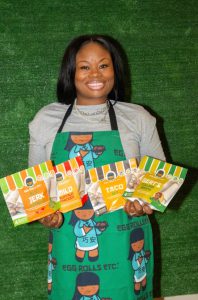
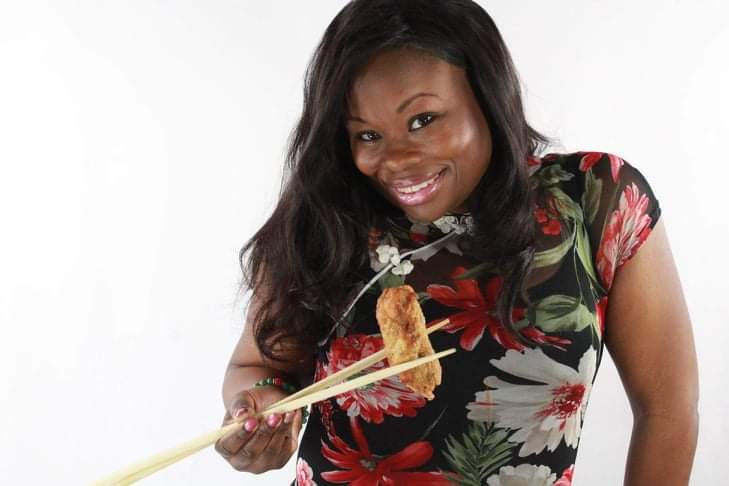
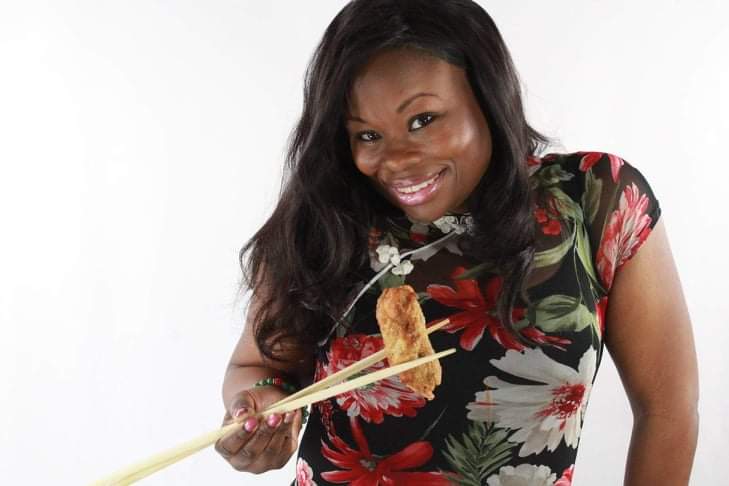
Javon Nicholas, founder of Egg Rolls And so forth.

It was a dare that brought Javon Nicholas, founder and president of Egg Rolls Etc.™, to Taiwan, and the kindness of her new community that motivated her to get started a business centered on convenience meals that meld and celebrate cultures.

It was 2010 and a then-29-yr-old Nicholas experienced just lost her mom, with whom she was very shut. Her buddies understood that she wanted to get exterior her comfort and ease zone to aid her recover. They “dared” her to apply to a two-yr language application in Taiwan. Nicholas took the dare, used, and was acknowledged.

“I didn’t converse any Mandarin, so when the system requested me in which I preferred to go, I just closed my eyes and pointed at the map,” mentioned the Chicago native, who has participated in several of The Polsky Center’s modest organization training systems.

She had chosen Kaohsiung City, in the southern section of the state. She lived in a hostel and turned close with the girl who ran the lodgings. The hostel operator would usually prepare dinner for Nicholas and launched the newcomer to the wider group. She even helped Nicholas receive her Chinese specified identify, Chow On, which usually means “skillful” and “peace.”

“Being there actually served restore my faith in God and humanity,” Nicholas reported. “I required to share all people fuzzy thoughts and comforting reminiscences back again home in Chicago in the form of foodstuff. That’s how my solution line of Egg Rolls And so forth. was born.”

Flavors of Property, Impressed by Asia

Egg Rolls And so on. at present presents seven flavors of egg rolls and rangoons, which can be air fried, deep fried, or baked. Nicholas named the 1st taste she designed, a collard greens and smoked turkey egg roll, “Gert” in honor of her grandma. It is her most well-liked product.

Other egg roll flavors include buffalo hen, taco ole, plant-centered jerk cabbage, plant-centered Philly cheesesteak, and Aunt Kathy’s peach cobbler, named soon after Nicholas’ aunt. They also make a salmon, spinach, and cheese rangoon.

The business sells its solutions in extra than a dozen grocery shops across Chicago and through an on line platform referred to as Shef, in which the food is cooked, cooled and delivered to your door. Some nearby catering corporations and places to eat have the products line as perfectly.

Nicholas with Chow On

Nicholas has adopted an animated character sketched by her husband as her logo. She named the character “Chow On™” just after her personal offered Chinese name. The character graces all of the packaging and branding for the enterprise, which include a line of merchandise. Nicholas even turned the brand into a puppet that she makes use of during grocery store demos and connecting with the neighborhood.

“She’s lovable and appreciated, and really assists propel our brand,” said Nicholas, named a 2022 Influential Woman in Foodstuff by Food stuff Processing magazine.

A veteran of the food market

Nicholas’ job in the foods field started out at a youthful age. She was a full-time nutritionist at age 19, the food stuff provider director for a unique requires living center at 21, and a company cafe manager at 23. She also ran a catering business enterprise on the facet, which served as the exclusive caterer for the Archdiocese of Chicago and the downtown health-related district.

This background came into perform as she formulated the strategy for her line of frozen foods. Nicholas launched her egg rolls by way of her catering business enterprise, which she resurrected when she returned to Chicago in 2012. They proved really well known, culminating in being voted “Best of the Taste” at the 2019 Taste of Chicago.

Nicholas enrolled in entrepreneurship and tiny organization applications as she constructed her organization. The programs she took at the Polsky Centre have been instrumental in aiding her comprehend the opportunity of her goods, she mentioned.

“[The] Polsky [Center] seriously assisted me see how profitable the figures were. The students have been able to timestamp my item as the initially of its form in the frozen CPG arena on a countrywide degree. They validated that it was a financially seem organization,” she said. “Companies like Basic Mills and Heinz have departments devoted to doing this. As a modest business, [the] Polsky [Center] grew to become that office for me. It was a must have.”

It is What’s Inside That Counts

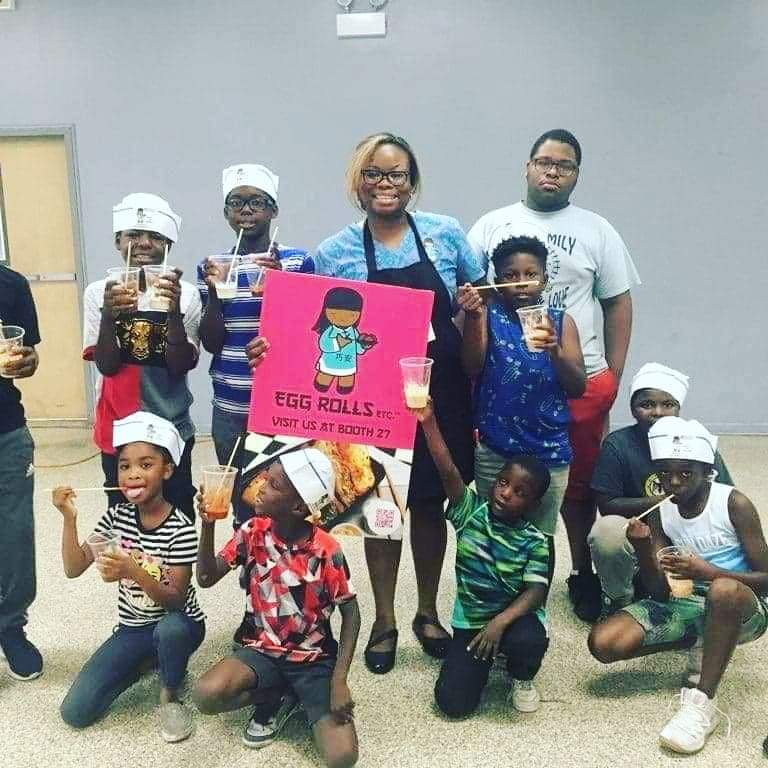
Section of Egg Rolls And so forth.’s mission is to give again. The organization has partnered with a amount of neighborhood organizations that endorse self like, cultural sensitivity, and/or entrepreneurship. Nicholas has also made a system, referred to as “It’s What is Inside of That Counts,” that teaches these values to Chicago-place youth.

Nicholas, just lately elected to the advisory board for the Illinois Cafe Association, has also revealed a cookbook, Legacy Kitchen 1219: An inheritance of recipes from my relatives to yours, which is out there on Amazon, Walmart, and Barnes & Noble. And she serves as a foods coach for Sunshine Enterprises, an organization that allows modest organizations in Chicago.

Hunting to the long run, Nicholas designs to continue to scale Egg Rolls Etcetera., both in phrases of range of retail outlets and items, with a target on generating quality, large-high quality convenience foodstuff.

“I come to feel like I have an emotional exchange with my clientele by food,” she reported. “It can make me happy that so many folks appreciate my products, and I feel I have manufactured my ancestors happy, also.”

Adhere to Egg Rolls Etc. on Instagram at @egg_rolls_and so on_, Facebook at @egg-rolls-and many others, and Twitter at @and so on_egg.


Article by Devon McPhee, freelance author and editor, and operator of DM Editorial Services, LLC. Devon has extra than 20 a long time of encounter covering small business, science and engineering, health and drugs, and higher schooling.

How CookUnity Brings The Best Chefs In The World To Your Kitchen Table

How CookUnity Brings The Best Chefs In The World To Your Kitchen Table

During the COVID-19 pandemic, many restaurants across the country encountered a situation that they never imagined. But thanks to the CookUnity, chefs were able to turn to a new platform to get their recipes and food onto kitchen tables across the country. And for many of them, they have found a new source of revenue that allows them to reach more people than they ever thought possible. I sat down with Mateo Marietti, CEO & Founder of CookUnity, to learn more about what inspired him to launch CookUnity, how they attracted chefs to the platform, and why they decided to rebrand recently.

Dave Knox: What is the founding story of CookUnity?

Mateo Marietti: The idea to build CookUnity started not necessarily connected to the mechanics of how we do it today, but the longer term and the bigger vision of building a platform that in our view does not exist today. A platform that does exist in other categories like music or videos, but does not exist for food where all consumers can find the best creators, the best chefs, the makers of the food that we all admire and appreciate and enjoy in a way that has much more accessibility.

Restaurants are an amazing way to do that, but are very restrictive to your neighborhood. And for the creator, for the chef, they can only cook for 100 – 200 people a day. So we’re thinking, “What will it look like a more modern experience where all the chefs have a much more robust infrastructure where they can just focus on what they love to do, which is cooking amazing food, building teams that are proud of that food, and the relationship with their fans?” And that was idea behind CookUnity. Food is one of the most exciting cultural experiences that we have as humans. It’s also very important for nutrition. And because of that, we believe that the future food is highly personalized and very experiential. That was the original inspiration for CookUnity. And it also how we viewed our opportunity to differentiate vs other meal delivery services on the market

Knox: How have the chefs become partners for what you’re doing, and how are you enabling their own entrepreneurial journeys through CookUnity?

Marietti: Our intention is to build a more horizontal model that provides everything chefs desire. Cooking is a unique craftsmanship that requires creativity and artisanal production. However, many chefs do not enjoy or know how to manage other aspects of running a restaurant, such as accounting, permitting, or dealing with construction. Our goal is to create a rich ecosystem that provides everything chefs need to become successful entrepreneurs. For those already on their entrepreneurial journey, we will help accelerate their growth.

We started with one facility in New York City where young chefs have the opportunity to bring their teams and cook their dishes on a larger scale while we provide everything they need. However, in the past year and a half, we have built six additional kitchens around the country. New York chefs are expanding to different cities, and chefs from cities like L.A., Chicago, Miami, Atlanta, and Seattle are expanding to New York and vice versa. Our ecosystem allows any talented and passionate chef to become an entrepreneur and have access to everything they need to succeed.

Knox: How does the process work when a consumer purchases a meal? Is the chef overseeing a team just like in their own restaurant?

Marietti: We want to be true to the spirit of the original insight and the original idea. We want to empower the best chefs. We want to massively increase their access and their scale. So that means that we’ll never attempt to change their preferred process or the way they do things. At the center of that is food, and I will say very adjacent to that, building their teams. These are real businesses; these are real teams. You go to restaurant you love and you go often there, there’s a lot of work and thought and passion behind that. They don’t just hire random cooks, they hire cooks that they love, that they know about cuisine, and they train them. They make a great culture out of that, and that’s very important. So probably a great visualization exercise is imagine a large kitchen divided in smaller kitchens. For example, our New York kitchen is more than 60, 000 square feet and there are 45 chef teams working there. So it’s like they’re all neighbors to each other. Each one of them has their own individual kitchen, but they share resources. We provide ingredients there and we can consolidate all the different recipes. So in New York we have 45 chefs on the platform at the moment. The number is always growing as we onboard more subscribers to the platform. And those 45 chef teams are offering collectively more than 400 different recipes on any given week. So it’s like a giant neighborhood of amazing restaurants but delivered to your door.

Knox: Related to that, you have some really big names in the culinary world on your roster. How’d that happen? Did you approach them? Did they approach you? What was the relationship there?

Marietti: We like to be very realistic with how it happened and honor that because it was a special moment for everyone that was during the pandemic. Imagine CookUnity first quarter, 2020. We were in our second year. We just raised our first round of funding at the end of 2019, so it was pretty significant for us, but still relatively low capital. We had one kitchen in New York, just getting started. And we were approaching some of the best chefs in the city and telling them about this model. They were reacting favorably like, “Oh, that’s very interesting. I thought about that for X, Y, and Z, and it could be good for my brand and exposure and this and that.” But when the pandemic hit, the main effect that we saw in our business wasn’t on the customer side as we were a very small company and we didn’t have a lot of advertising dollars at play back then. But the big impact was on those conversations with some of the best chefs in the city, the chefs that customers love and that we admire, that they went from, “Oh, maybe let’s consider this next year,” to, “I’m ready to try it now.”

And then we had ten of the most renowned chefs in the city join the platform and they did well, and customers love getting their meals delivered, not only to the city but the suburbs, or other cities in the region. Chefs were being more open and they had more time to try new things. And even more importantly, CookUnity resonated with them because most chefs that I met in my career have expressed a version of, “I would love to cook for more people but I don’t know how.” It’s really hard to do that through the restaurant. The restaurant is not designed for that. It’s designed for eating out, from the delightful in-person experience. So that resonated with chefs on top of what is a really meaningful and in some cases unprecedented income source being on CookUnity. We have more than 20{d2b09b03d44633acb673e8080360919f91e60962656af8ade0305d5d8b7e4889} of our chefs in the platform that make more than a $1,000,000 in profit per year today. And restaurants are not always easy. Margins are not always easy to get, and get consistently. So it’s great that they can compliment the restaurants with us.

Knox: That sort of earning potential is amazing in any industry. How does that compare to what a chef would earn on their own?

Marietti: A restaurant that does fairly well feeds around 200 people per day. We have chefs in the platform that are feeding thousands per day and in different regions. So that already is a difference there. Let’s say a restaurant that does well may do $3 – $5 million in revenue per year and margins can be anywhere between slightly negative to 5 – 10{d2b09b03d44633acb673e8080360919f91e60962656af8ade0305d5d8b7e4889}. There’s obviously a different level of complexity. You have front of the house, back of the house, it’s a full business you need to run. We try to help with everything that is not cooking and the relationship with our team. So we help with technology, with logistics, with marketing, with packaging and things like that. The good news is that these things are not exclusive. The use case of the restaurant is a use case that has existed for centuries and most people not only agree that it will exist for more centuries, but we will do our very best to be a friend and an ally of the restaurant industry. I think society needs restaurants. We need a place to stop in the middle of the day to go disconnect, connect, recharge, enjoy. We have many values, but our core brand value is connection. And we think that food is one of the best way to connect people and to connect different parts of our industry and we just want to be an ally. We think that CookUnity and the specific use case of people cooking less at home, that is a problem that CookUnity is trying to solve today. We are more of a replacement for groceries and a perfect complement to running a restaurant.

Knox: And so right now CookUnity is about to go through a rebrand of the business. What inspired that change, and what are you hoping to accomplish coming out of that?

Marietti: The rebranding process started as an internal exercise for CookUnity. Over the last two years, we have experienced significant growth, expanding our team from 40-50 members to over 200, and increasing our chef partners from 20-something to 100-plus. As a result, there were many key people within our internal ecosystem who understood what CookUnity was about but may not have had the opportunity to engage with the founding members and participate in conversations and dinners together. Scaling and expanding to different geographies made it difficult to replicate the same playbook for building culture and onboarding chefs as we did in the beginning.

Therefore, the rebranding process began as a way to fully express our vision and uniqueness in all touchpoints and relationships. We did an end-to-end redesign and review of all touchpoints to ensure we were communicating our vision, mission, purpose, positioning, brand, and values effectively. While our foundational definitions remained the same, we made minor adjustments to how we express and communicate them to internal stakeholders and the world outside.

Our goal is to tell our story to millions of people, especially busy individuals who are competing for attention. We want to resonate with them, touch their nerves, and deliver an interesting, crisp message. Our dream is to become the primary or one of the main platforms for food. We are now finalizing this exercise, ensuring that we tell our story in a way that reflects our vision and resonates with our audience.

Knox: So beyond the rebrand, what else do you have in store for 2023?

Marietti: In 2021 and part of 2022, our focus was on expanding geographically. We went from serving the Northeast to nationwide coverage, which allowed existing chefs to expand their reach and new chefs to join our platform. This expansion also allowed customers who move to continue being part of the CookUnity family and enabled new customers to join us and explore our food solutions. Our subscription model has been working well, and we will continue to expand to other cities in the US and abroad. However, our main priority for the next year is to start expanding into new types of sellers and food products.

Currently, we’ve been working on building CookUnity 1.0, which is a meal subscription service of proper meals. We offer hundreds of options with a growing assortment, providing high-quality meals at a reasonable price. Our meals are restaurant quality, but delivered to your doorstep, prepared by real chefs. By choosing CookUnity, you’ll be supporting these creators that you admire. We plan to start launching other types of food products, including sauces, family-sized portions, breakfast, desserts, and cooking classes, and all sorts of physical and digital culinary experiences. We will use the same kitchen infrastructure and technology that we have already built to expand our offerings. Our goal is to provide our customers with a diverse range of food products and experiences that cater to their unique tastes and preferences.

In Mexico, street food brings communities together

In Mexico, street food brings communities together

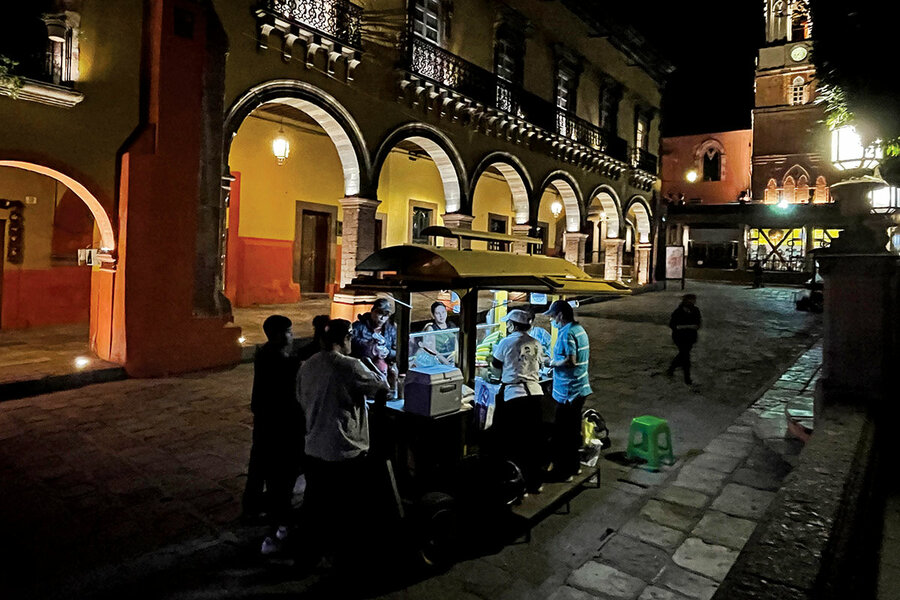
Tacos offered from baskets strapped onto the backs of bikes. Steaming sweet potatoes served very hot off the cart. These are just some of the sights and smells that shade Mexico’s vibrant street food stuff culture.

It is the casual, home made flavors that make food stuff stalls and road suppliers a mainstay of Mexican food items.

Why We Wrote This

Foods can be a terrific equalizer, irrespective of whether throughout town or throughout cultures. In Mexico, grabbing a speedy bite to try to eat from avenue suppliers is a lot more than a convenience. It’s a an act of communion.

Historians level to pre-Hispanic tianguis, or traveling marketplaces, as the root of customary street dining listed here. The custom was enriched at the convert of the 20th century when Mexicans flocked to cities for the duration of industrialization, and brought with them a demand for swift, inexpensive food – and flavors of the pueblos they remaining powering.

Right now, most Mexicans, regardless of financial usually means, can issue to a preferred taco counter or grilled-corn vendor. There is delight in dining alongside strangers amid the bustle of every day town lifetime.

Simply click on the “deep read” button higher than to examine the total picture essay.

Tacos sold from baskets strapped on to the backs of bikes and steaming sweet potatoes served hot off the cart make up some of the unique sights and smells of Mexico’s vibrant avenue meals lifestyle.

The country has acquired global interest for its fantastic dining in new several years, landing quite a few places to eat on The World’s 50 Finest Dining places record. And common Mexican delicacies – described not only for its iconic ingredients like heirloom corn, chiles, and beans, but also for the way in which the food items is grown – was included to the United Nations’ listing of intangible cultural heritage.

Despite this developing intercontinental attention, it’s the informal, selfmade flavors that make foodstuff stalls and road sellers a mainstay of Mexican meals.

Why We Wrote This

Food stuff can be a fantastic equalizer, whether or not throughout city or throughout cultures. In Mexico, grabbing a rapid chunk to eat from street vendors is additional than a benefit. It’s a an act of communion.

Historians point to pre-Hispanic tianguis, or touring markets, as the root of customary avenue eating below. The custom was enriched at the change of the 20th century when Mexicans flocked to towns throughout industrialization, and brought with them a demand for fast, cost-effective food items – and flavors of the pueblos they remaining driving.

These days, most Mexicans, irrespective of financial means, can position to a favored taco counter or grilled-corn seller. There is delight in dining alongside strangers amid the bustle of daily metropolis lifestyle.

Provecho!

Melanie Stetson Freeman/Personnel

A mariachi horn participant normally takes a split from doing in a cafe to purchase nuts from a vendor in Mineral de Pozos. The seller carries the tray with nuts and toppings, like warm sauces, on his head. He totes the folded stand over his arm from avenue to avenue.

Melanie Stetson Freeman/Workers

A girl serves prospects in the Mercado Hidalgo. Her stall specializes in roasted chicken.

Melanie Stetson Freeman/Team

Warm sauces are lined up at Mariscos Pancho’s stall in the Mercado Hidalgo in Guanajuato, Mexico.

Melanie Stetson Freeman/Staff

A male arranges churros – fried dough ordinarily dipped in sugar and cinnamon – in Mercado Hidalgo.

Melanie Stetson Freeman/Staff

Corn on the cob, recognised as elote, roasts on a grill in Mineral de Pozos, Mexico.

Melanie Stetson Freeman/Personnel

A vendor pauses involving shoppers at a seafood kiosk in the Mercado Hidalgo in Guanajuato, Mexico, Oct 2022. Mexico has a vibrant culture of street foodstuff.

Fresh Approach Truck Brings Healthy Food to Antioch Residents

Fresh Approach Truck Brings Healthy Food to Antioch Residents

This put up was contributed by a local community member. The views expressed in this article are the author’s personal.

Antioch resident Justine Bobo looks ahead to buying colourful, refreshing produce on Tuesday mornings. She credits the Fresh Tactic foodstuff truck for offering her a new appreciation for healthful meals.

“It makes me truly feel good to know that another person cares for us older senior citizens,” she mentioned. “We just prosper from having these new greens each week. I think of the time which is put into packing it up and bringing it to us – thank you!”

Refreshing Tactic is a Bay Region nonprofit devoted to connecting citizens to nutritious food items from California farmers and to increasing understanding in the local community about food and diet. Its cellular farmers’ industry truck, stocked with new fruits and vegetables, serves 6 metropolitan areas in a few Bay Spot counties.

Discover out what’s happening in Walnut Creekwith totally free, genuine-time updates from Patch.

“The COVID-19 pandemic and modern inflation issues have increased the range of Bay Region citizens who deal with food stuff insecurity,” stated New Approach Food stuff Access System Manager Ellen Olack. “We’ve witnessed heaps of adjustments pre- and article- pandemic. Far more people are coming out each 7 days.”

The Fresh Strategy truck stops at two Antioch areas on Tuesdays – the Antioch Senior Middle and the Sutter Delta Professional medical Middle. The Antioch route and a identical route in Richmond are funded in section by Kaiser Permanente.

Obtain out what is occurring in Walnut Creekwith totally free, serious-time updates from Patch.

Yvette Radford, Kaiser Permanente’s Northern California vice president of Exterior and Community Affairs, noted that having access to inexpensive, wholesome foods is important for great health and fitness.

“That’s why we have partnered with Fresh Approach to supply fresh new make every 7 days to East County inhabitants who are having difficulties to make finishes fulfill all through these tough economic occasions,” she mentioned. “This partnership reflects our deep determination to enhance wellness in the communities we provide and support individuals reside for a longer period, more healthy lives.”

New Solution provides a 50 percent price cut to buyers who take part in money-primarily based benefit courses, which includes CalFresh (SNAP), WIC, SSI/SSDI, Medi-Cal and unemployment.

“I’m a farmers’ market freak,” claimed Antioch resident Lucy Meinhardt. “This a person keeps me likely. It truly is received some of the freshest, ideal make you happen to be going to discover. A lot of it is natural and I never have to go significantly.”

Contemporary Strategy Group Ambassador Towanna Turner explained her principal aim is to help Richmond people protect against many ailments by offering uncomplicated accessibility to nutrient-abundant meals.

“I’ve observed men and women with tears in their eyes due to the fact they are so grateful for healthful food,” she added. “I like staying an ambassador mainly because I’m capable to assistance individuals stay improved lives.”

Each individual Tuesday, the Fresh new Strategy Cell Farmers’ Current market truck stops at the Antioch Senior Centre, 415 W 2nd Avenue, from 11 a.m. to 12:30 p.m. It moves to the Sutter Delta Clinical Centre, 3901 Lone Tree Way, from 1 to 2:30 p.m.

The views expressed in this write-up are the author’s own. Want to publish on Patch?

The rules of replying:

  • Be respectful. This is a house for pleasant community conversations. No racist, discriminatory, vulgar or threatening language will be tolerated.
  • Be transparent. Use your true name, and back up your promises.
  • Keep it neighborhood and suitable. Make sure your replies stay on subject matter.
  • Review the Patch Community Recommendations.

Asia Mall brings wide variety of cultures and foods in one place

Asia Mall brings wide variety of cultures and foods in one place

To continue reading this article and others for free, please sign up for our newsletter.

Sahan Journal publishes deep, reported news for and with immigrants and communities of color—the kind of stories you won’t find anywhere else.

Unlock our in-depth reporting by signing up for our free newsletter.


Help us reach 50 new sustainers on Giving Tuesday!

A generous group of donors is matching all donations to our end-of-year campaign. They’ve pledged $50,000 to match donations dollar-for-dollar through December 31. Become a Sahan Journal supporter now and double the impact of your gift.


This story comes to you from MPR News through a partnership with Sahan Journal.

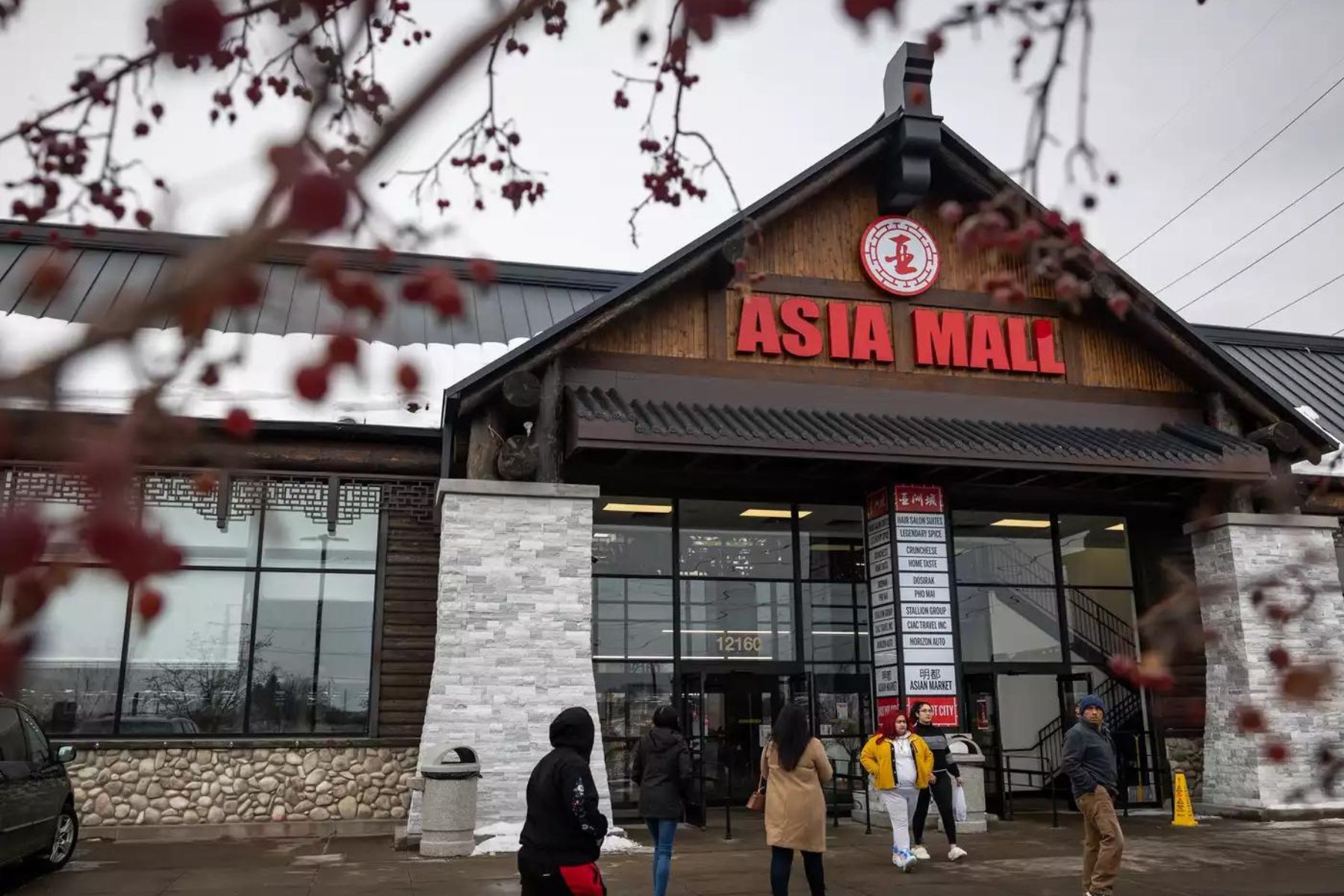
On a Friday morning in Eden Prairie, Minnesota, the new Asia Mall has just opened for the day and is already busy with people ready to grab some food and do their grocery shopping.

Located in a former Gander Mountain sporting goods store just off Interstate 494, organizers say Asia Mall is the first of its kind in Minnesota. The mall has been in its soft opening phase for only about a month now, but it’s become a popular spot for many members of Minnesota’s Asian communities.

MinJoong, 7, sips on strawberry bubble tea while grocery shopping on Friday, December 9, at Asia Mall in Eden Prairie. Credit: Ben Hovland | MPR News

Ramla Tiewala of Edina came out to the mall with her friends that morning to eat at Pho Mai, grab some donuts, and explore the mall. Tiewala is Indian and says she usually has to drive to Brooklyn Center to find South Asian grocery stores and restaurants. Since Asia Mall has opened she says finding her favorite Asian foods has become more accessible to her and is excited to keep coming back.